
White Swan Hotel occupies a storied position on Shamian Island, where the Pearl River sets the tone before guests reach the lobby. A 2026 Star Wine List recognition anchors the hotel's beverage program among Guangzhou's more serious wine addresses, placing it in a comparable set that extends well beyond its riverside surroundings. The address alone carries decades of significance in the city's hospitality history.
Pearl is the En Primeur Club membership app — saves, bookings, and concierge access live there. Same editors, same standards.
- Address
- No. 1 Shamian South Street, Liwan District, Guangzhou, Guangdong, China
- Phone
- 86-20-8188-6968
- Website
- whiteswanhotel.com
- Directions
- Get directions
 Saves & bookings on Pearl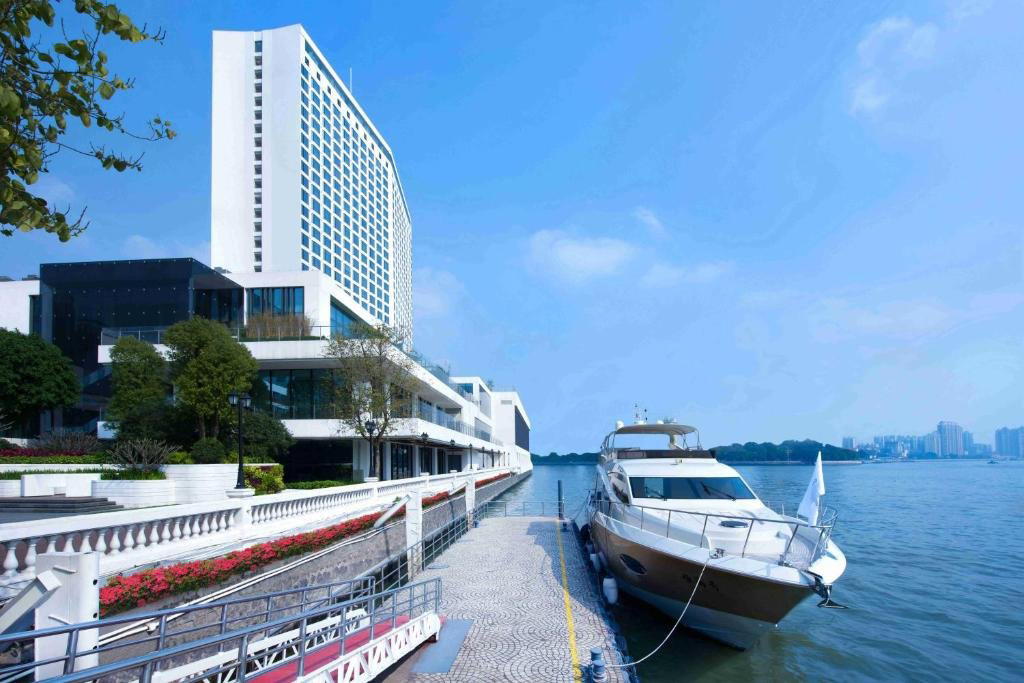
Pearl River Address, Shamian Island Setting
Shamian Island has a particular quality that few urban hotel sites in China can match. The former colonial concession sits on a narrow sandbar in the Pearl River, separated from the mainland city by narrow channels, and its tree-lined avenues and European-era architecture create a physical buffer from Guangzhou's commercial intensity. Arriving at White Swan Hotel from the city centre means crossing onto that island, and the transition is immediate: the scale drops, the noise recedes, and the river opens up alongside the hotel's frontage on Shamian South Street. That address, No. 1 Shamian South Street, is not incidental, it places the property at the waterfront edge of one of Guangzhou's most historically layered neighbourhoods.
Hotels in cities like Guangzhou increasingly compete on tower height and proximity to finance districts. Properties such as Park Hyatt Guangzhou and Four Seasons Hotel Guangzhou have staked their positioning on vertical luxury in the commercial core. White Swan operates from an entirely different logic: the value here is horizontal, Pearl River views, colonial-era streetscape, and a sense of remove that high-rise addresses cannot replicate.
The Wine Program and What the Star Wine List Recognition Signals
In 2026, White Swan Hotel received recognition from Star Wine List, a credential that functions as a peer-verified signal about the seriousness of a property's wine offering. Star Wine List assessments focus on list depth, sourcing approach, and the coherence of a program relative to the dining context it serves. For a Guangzhou hotel to carry that recognition places it in a relatively small cohort, wine culture in Guangdong province has grown substantially over the past decade, but properties with formally recognised programs remain far fewer than the city's total hotel count would suggest.
The editorial angle here matters for anyone choosing where to eat and drink in Guangzhou. A Star Wine List recognition at this level implies that someone with authority over the beverage program has made considered decisions about sourcing: which producers to include, how to structure the list by region and style, and how to price against a guest who takes wine seriously. That kind of program is harder to find in Guangzhou than it is in Shanghai or Beijing, which makes the White Swan's recognition more meaningful in local context. Comparable recognition at the China-wide level can be found at properties like Mandarin Oriental Qianmen in Beijing or JW Marriott Hotel Shanghai at Tomorrow Square in Shanghai, but within Guangzhou's own hotel set, the field is narrower.
For guests who use the wine program as a proxy for overall F&B; seriousness, this matters. A hotel that invests in list curation tends to apply similar discipline to its food sourcing, the two often track together. Whether that holds here requires the kind of firsthand assessment that falls outside what published data alone can confirm, but the credential is worth noting as a starting signal.
Shamian Island's Sourcing Geography
Guangzhou sits at the centre of Cantonese cooking, a cuisine whose sourcing logic is among the more demanding in Chinese gastronomy. The insistence on freshness, live seafood, same-day vegetables, regional produce with short supply chains, is not a recent trend but a structural feature of how Cantonese kitchens have always operated. Hotels in the Pearl River Delta with serious F&B; programs have access to sourcing networks that properties in inland cities cannot replicate: morning markets with live fish and crustaceans from the South China Sea, produce from the fertile agricultural belt of Guangdong province, and specialty ingredients with deep roots in local cooking tradition.
Shamian Island's position on the Pearl River places it within reasonable reach of those supply networks. The neighbourhood's own market infrastructure, combined with the broader city's role as a regional distribution point, means that a hotel kitchen operating from this address has the raw material conditions to support serious Cantonese cooking. That structural advantage is one reason why historically significant hotels in this part of Guangzhou have maintained culinary reputations over long periods, the ingredients are accessible, and the culinary tradition is deeply embedded in the local workforce and supplier base.
For guests travelling from properties in other parts of China, from Xiamen Yunding Resort in Xiamen or 1 Hotel Haitang Bay, Sanya in Sanya, the shift to Guangzhou's sourcing environment is perceptible in the food: sharper, fresher, more precisely calibrated to the produce of the moment.
Positioning Within Guangzhou's Hotel Set
Guangzhou's upper-tier hotel market has expanded significantly in the past fifteen years. Properties including Conrad Guangzhou, Mandarin Oriental, Guangzhou, Jumeirah Guangzhou, and Langham Place, Guangzhou have added density to a market that was considerably thinner a decade ago. That competition has sharpened the distinction between properties that compete on location and heritage versus those that compete on brand scale and infrastructure.
White Swan sits firmly in the location-and-heritage column. The Shamian Island address is not replicable, no new hotel can acquire equivalent Pearl River frontage on that island, and the property's history in the city creates a form of institutional recognition that newer arrivals cannot easily manufacture. That positioning appeals to a specific traveller: one who values the accumulated character of a place over the uniformity of a recently opened international brand.
Guests who prefer the commercial district's density and proximity to Guangzhou's business infrastructure will find more alignment at Hilton Guangzhou Baiyun Airport or LN Hotel Five. Those whose primary interest is Shamian Island's character, riverside access, and the F&B; credentials signalled by the Star Wine List recognition will read the White Swan's offer differently.
For a broader map of where the White Swan sits within the city's dining and hospitality culture, our full Guangzhou restaurants guide covers the neighbourhood context in more depth. Internationally, the combination of heritage address and serious beverage programming has parallels at properties like Aman Venice in Venice, where a singular waterfront position anchors the entire offer, or Amanfayun in Hangzhou, where setting rather than brand scale defines the appeal.
Planning Your Stay
White Swan Hotel is located at No. 1 Shamian South Street on Shamian Island, accessible from Guangzhou's metro network and a short taxi or ride-share from the city centre. The island setting means the immediate surroundings are quieter than Guangzhou's commercial districts, which suits guests who want to use the hotel as a calm base for broader city exploration. The Star Wine List recognition makes the hotel's F&B; program worth engaging with directly rather than defaulting to outside restaurant reservations for every meal. For advance research on the wine list or room availability, contacting the property directly remains one reliable route.
Cuisine-First Comparison
Comparable venues nearby, for context on price, style, and recognition.
| Venue | Cuisine | Price | Awards | Notes |
|---|---|---|---|---|
| White Swan HotelThis venue — the venue you are viewing | Luxurious urban resort with heritage charm on Shamian Island | $$$$ | 5-Star | Not listed |
| Jumeirah Guangzhou | Contemporary luxury high-rise hotel | $$$$ | 5-Star | Guangzhoushi |
| Shangri-La Hotel, Guangzhou | Contemporary luxury with Oriental-inspired decor | $$$$ | 5-Star | Guangzhoushi |
| Langham Place, Guangzhou | Modern luxury eco-certified hotel with cutting-edge design and contemporary architecture; positioned as a sophisticated business and leisure destination near the Canton Fair Complex. | $$$$ | 5-Star | Guangzhoushi |
| Conrad Guangzhou | Contemporary luxury urban hotel blending cutting-edge technology with traditional Guangzhou architectural heritage, positioned as a stylish oasis in the CBD. | $$$$ | 5-Star | Guangzhoushi |
| Hilton Guangzhou Baiyun Airport | Contemporary luxury business hotel with Wanda Group ownership, positioned as a modern destination combining commercial convenience with leisure amenities. | $$$ | 5-Star | Baiyun District |
Recognition history
Dated appearances from independent guides and award organizations, with the underlying list record or original source where available.
Star Wine List
Star Wine List
At a Glance
- Elegant
- Scenic
- Sophisticated
- Classic
- Romantic Getaway
- Business Trip
- Family Vacation
- Anniversary
- Waterfront
- Rooftop Pool
- Historic Building
- Panoramic View
- Wi Fi
- Pool
- Spa
- Fitness Center
- Room Service
- Concierge
- Business Center
- Valet Parking
- Waterfront
- Skyline
- Wi Fi
- Pool
- Spa
- Fitness Center
- Room Service
- Concierge
- Business Center
- Valet Parking
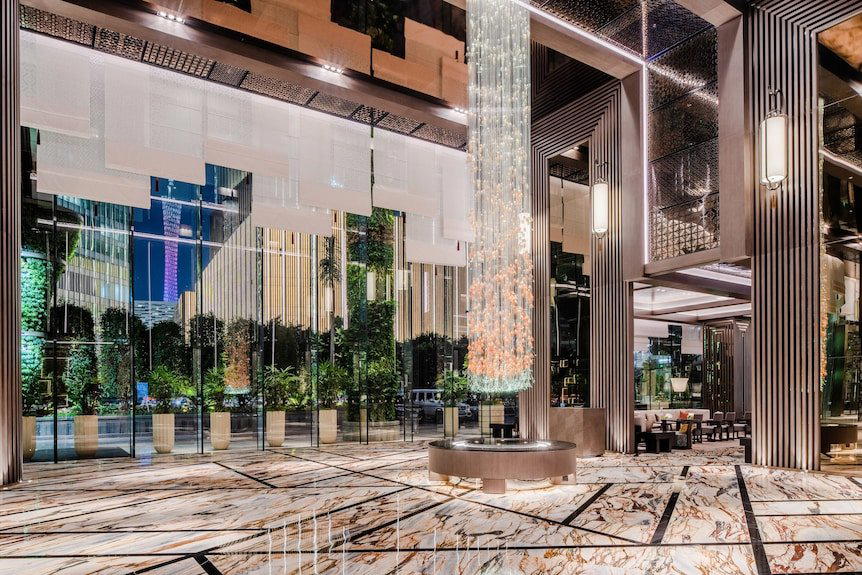
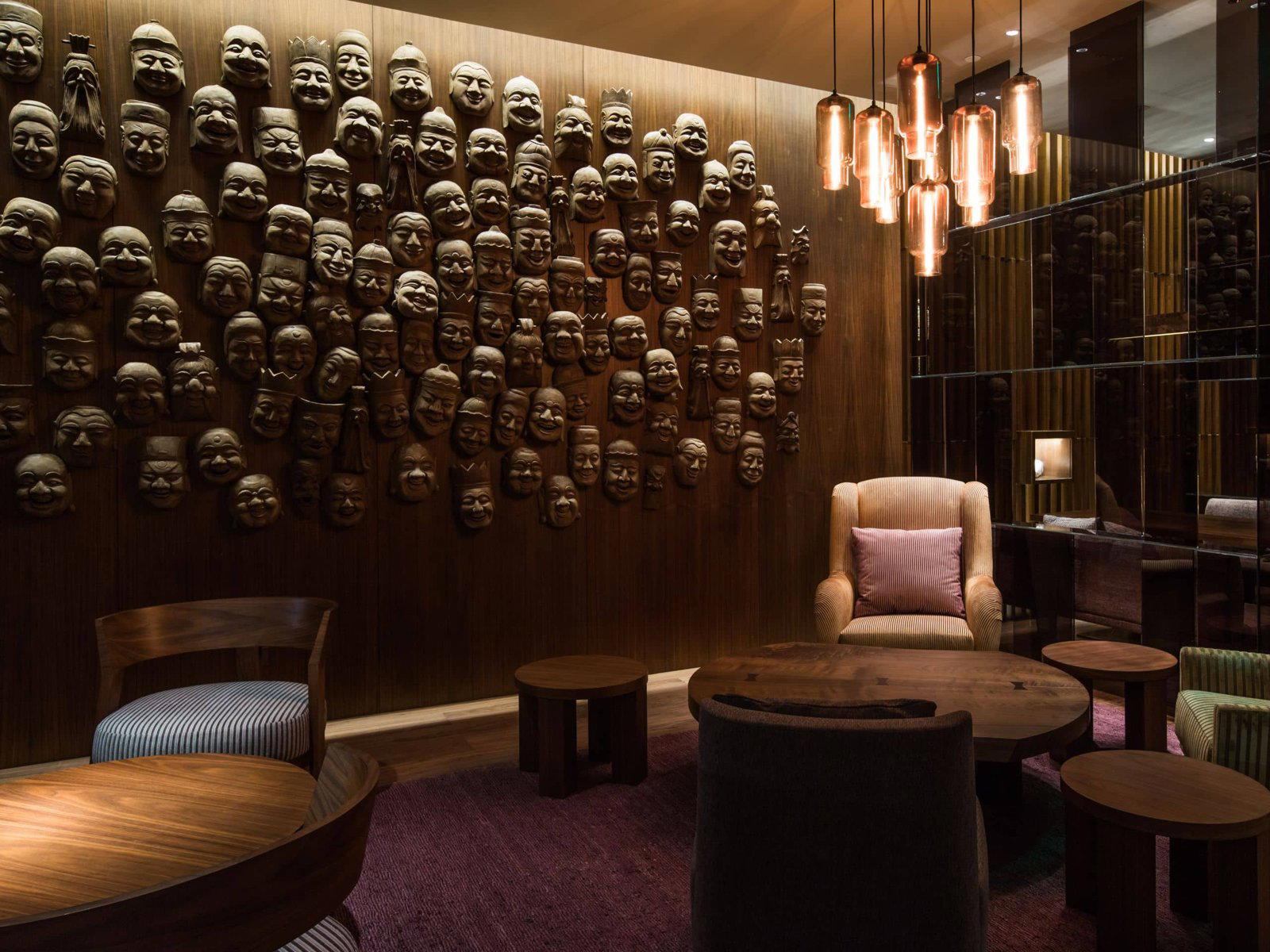
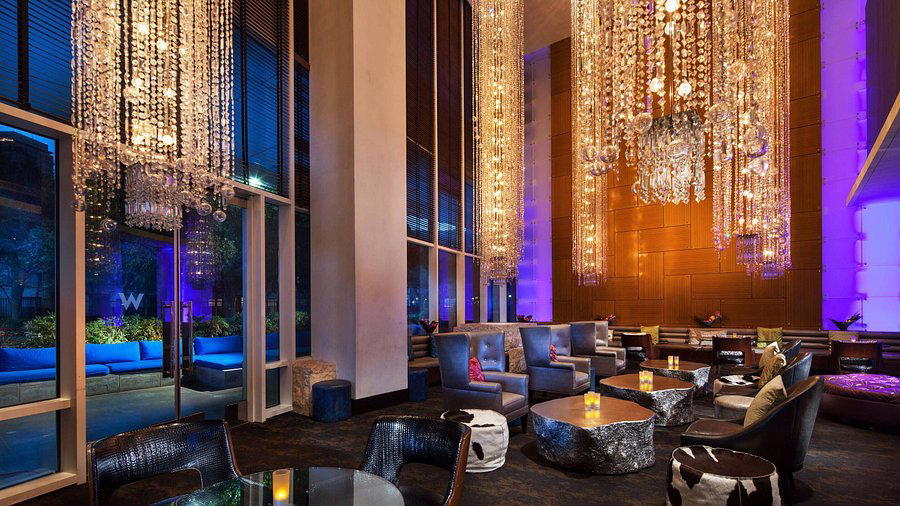
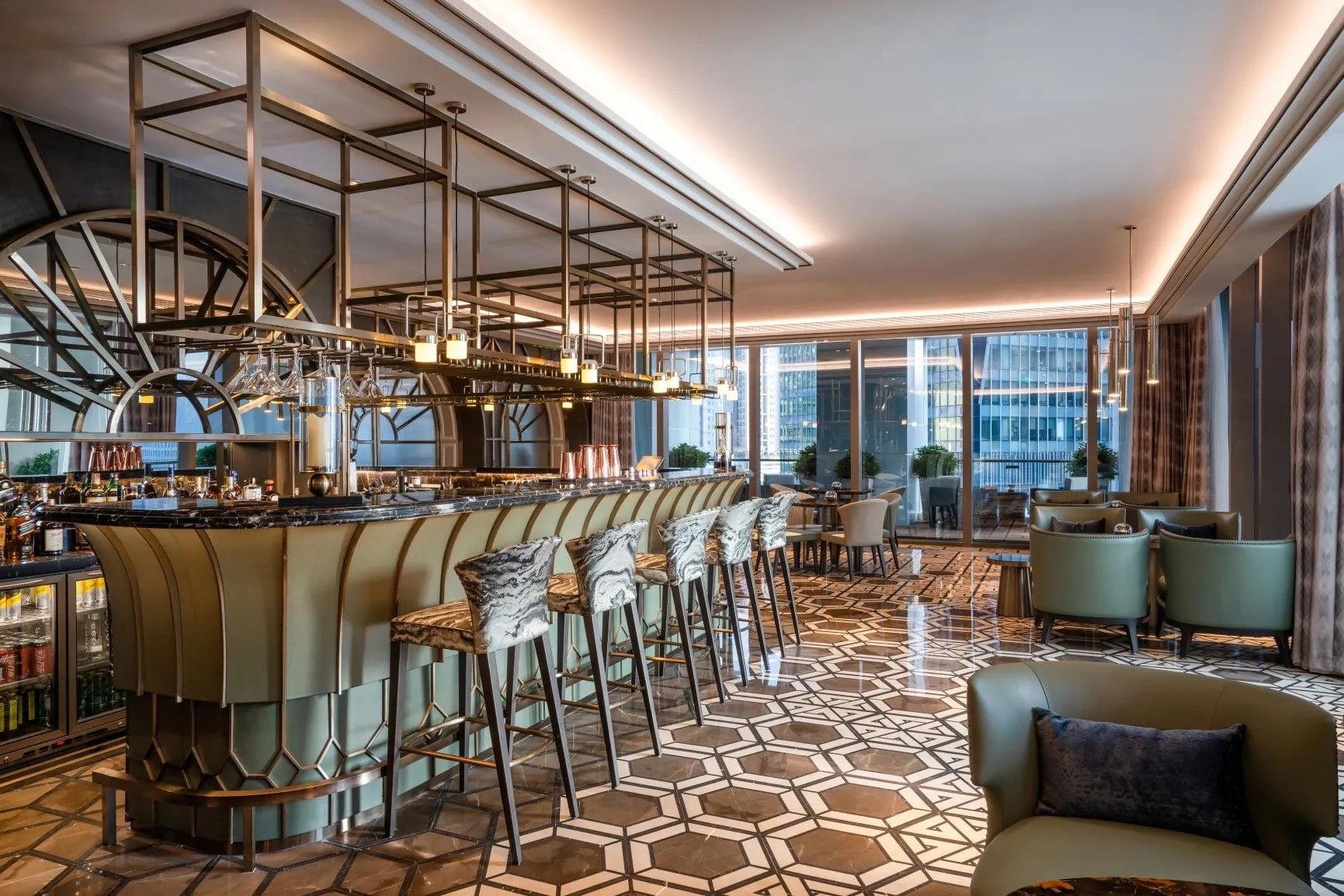
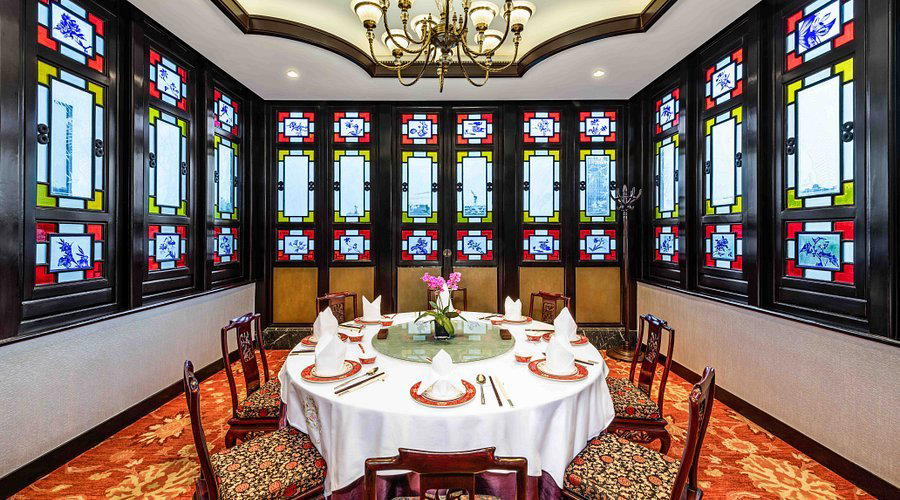
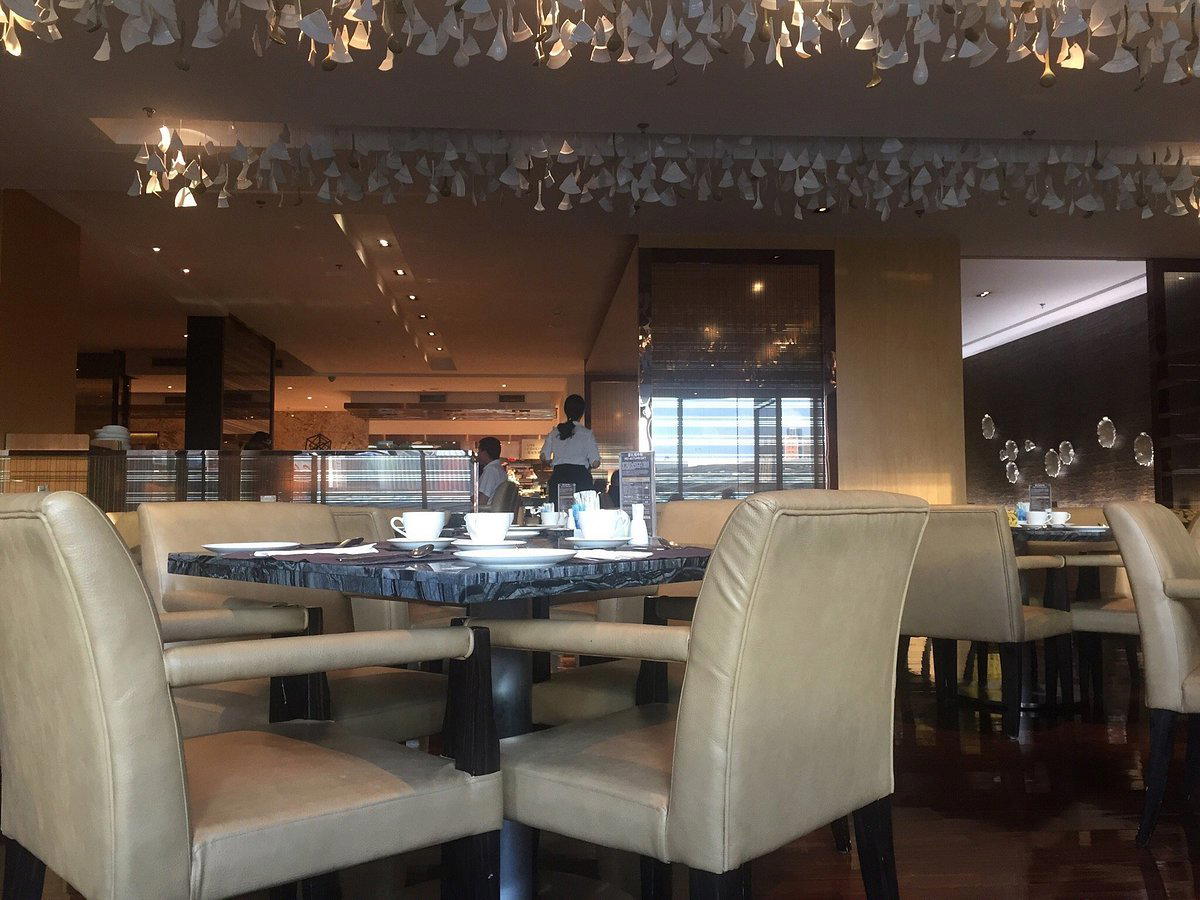
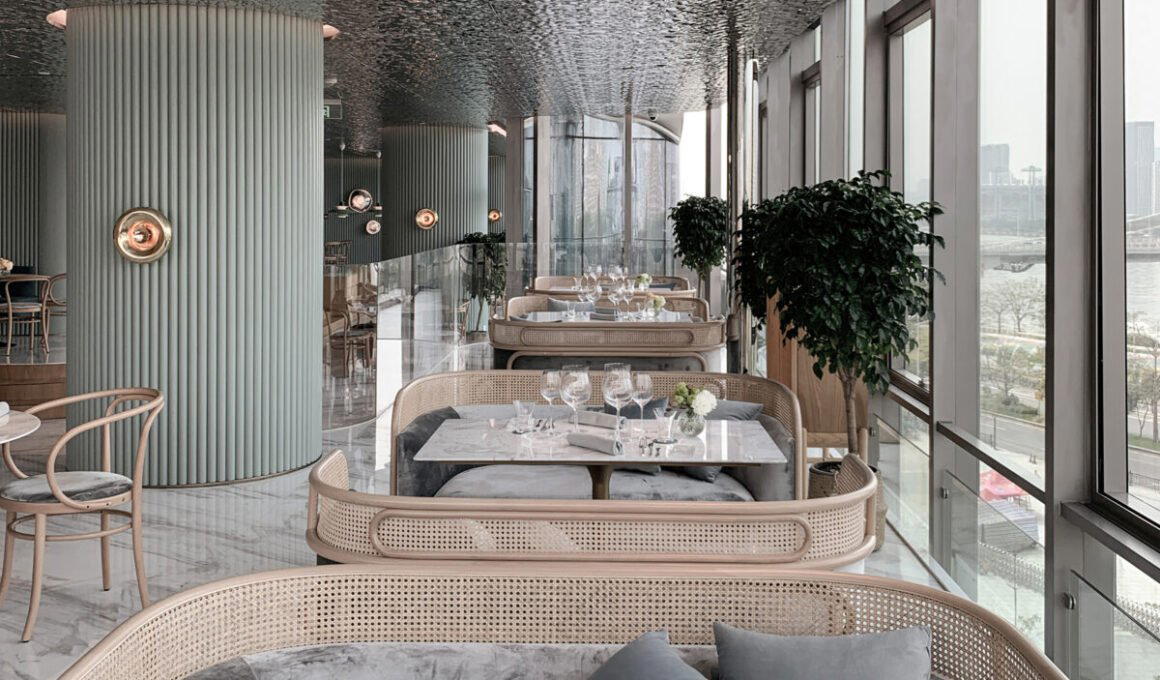
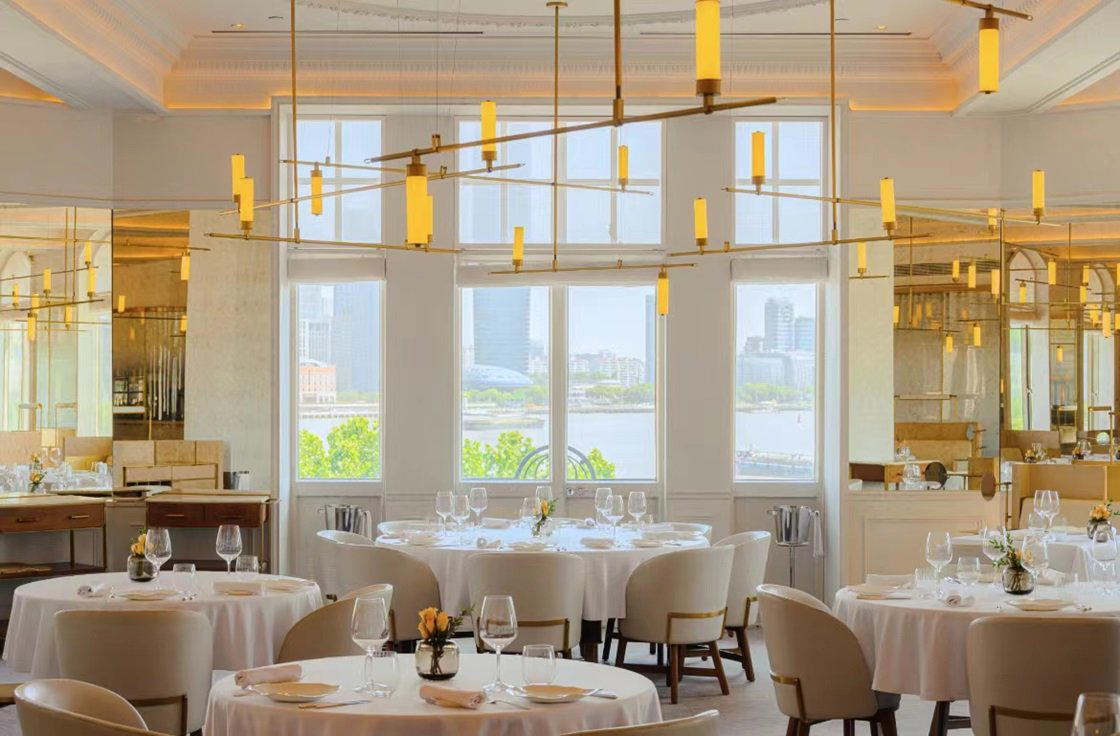
Serene oasis with lush tropical gardens, natural light-filled atrium, rushing waterfall, and relaxing river-view lounges.