Located within the White Swan Hotel on Shamian Island in Guangzhou's Liwan District, Flavor Restaurant occupies one of the city's most historically layered hotel dining settings. The restaurant sits within a property that has defined the island's character for decades, placing it in a distinct tier of hotel-anchored dining in a city where Cantonese culinary tradition runs deep. Visitors to the area will find it a natural stopping point when exploring Guangzhou's western riverfront.
 Discover on Pearl
Pearl is the En Primeur Club membership app — saves, bookings, and concierge access live there. Same editors, same standards.
- Address
- China, 1, Liwan District, Shamian S St, 1å·CN 广ä¸ç 广å·å¸3楼 White Swan Hotel é®æ¿ç¼ç
- Phone
- +862081886968
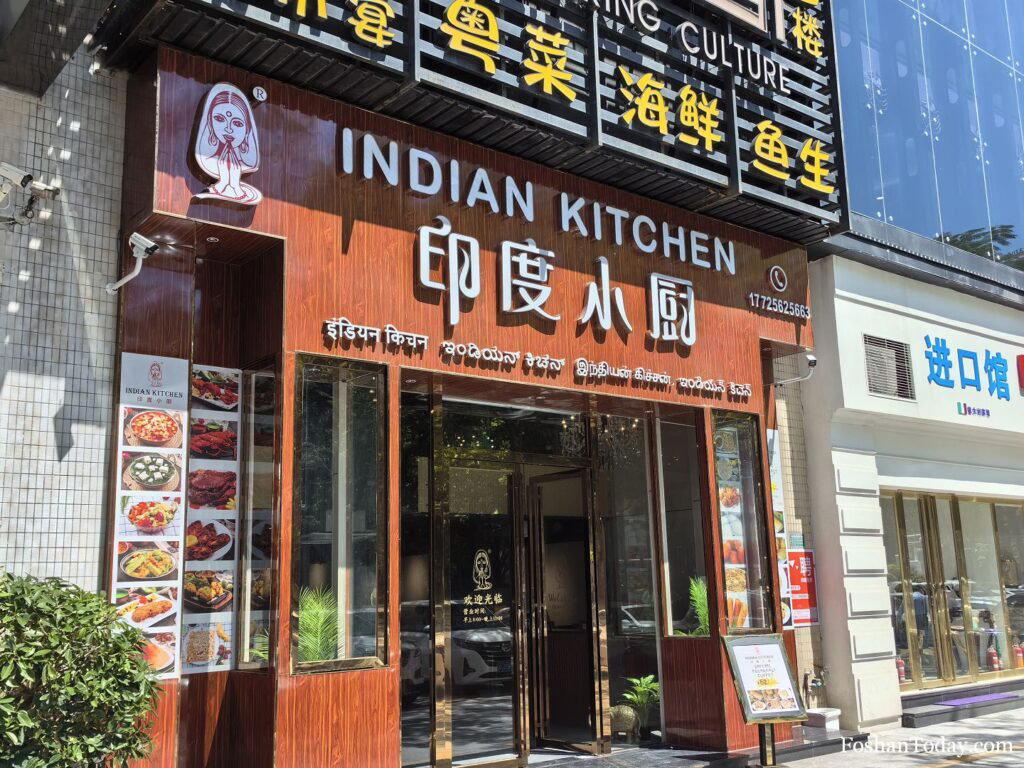
Shamian Island and the Hotel Dining Tradition It Hosts
Shamian Island carries a particular atmospheric weight that few corners of Guangzhou can match. The former colonial concession sits along the Pearl River in Liwan District, its banyan-lined boulevards and European-era facades creating a streetscape that reads as genuinely distinct from the city's newer commercial districts. Arriving from the mainland side, the transition is immediate: the noise drops, the scale compresses, and the architectural texture shifts entirely. Hotel dining here does not compete with the street-level Cantonese scene in the same way as restaurants in Tianhe or Yuexiu; it operates inside a slower, more contained world.
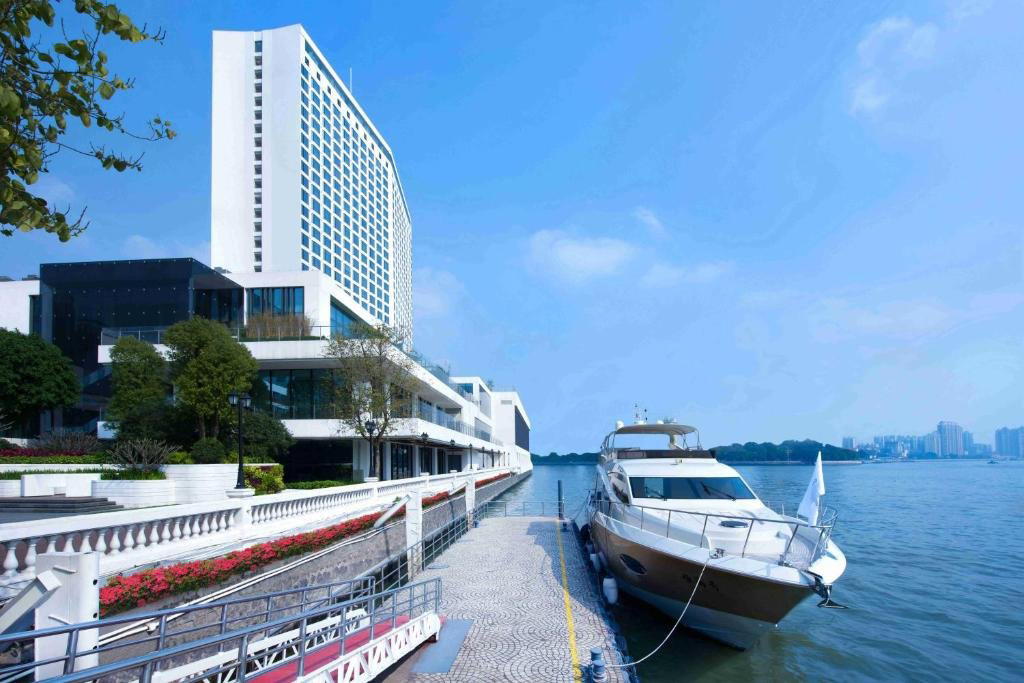
Flavor Restaurant is housed within the White Swan Hotel on Shamian South Street, a property that has anchored the island's hospitality identity for decades. Hotel-based dining in China has historically occupied an ambiguous position, sometimes treated as a fallback option for guests unwilling to venture out, but certain hotel restaurants in cities like Guangzhou, Yangzhou, and Nanjing have built reputations that extend well beyond their room counts. The White Swan's position on Shamian gives Flavor a location argument that few standalone restaurants in the district could replicate.
The Sensory Register of Shamian Dining
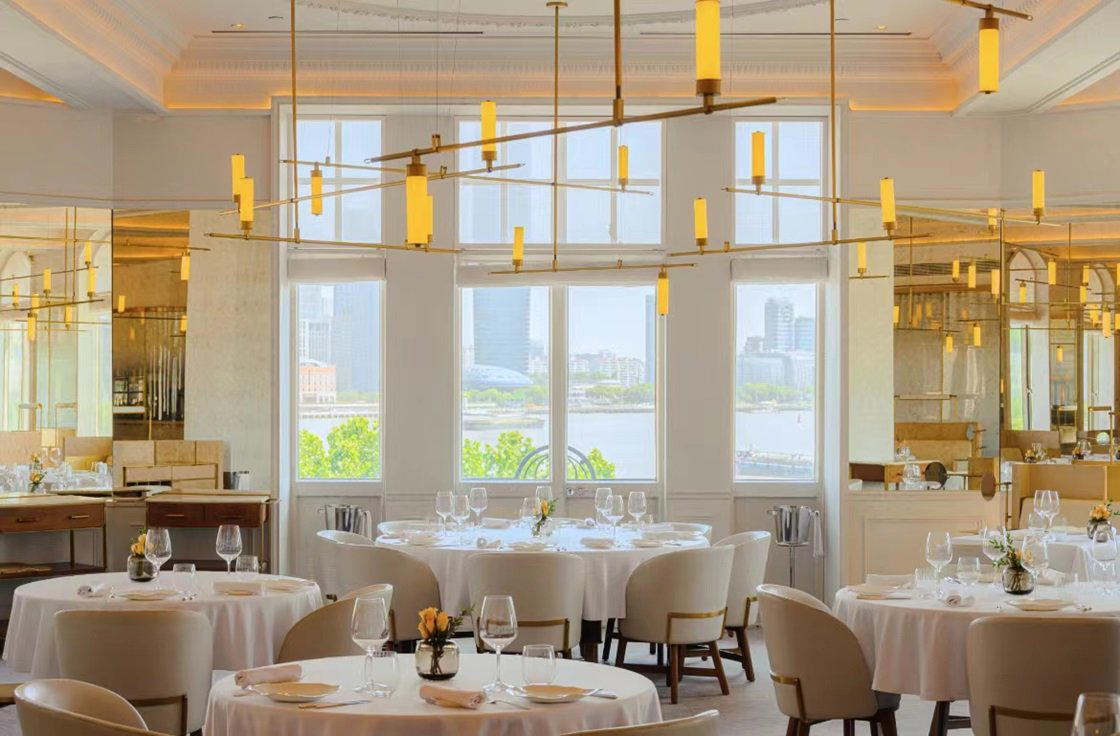
The island's character shapes what dining here feels like before a single dish arrives. The light on the Pearl River waterfront shifts through the day in a way that interior city restaurants simply cannot offer, moving from a pale morning diffusion to a warmer late-afternoon amber that comes through the trees and across the water. Hotel restaurants in this position, refined above street level in a building that faces the river, tend to operate in a visual register that standalone rooms cannot manufacture. The approach to Flavor, through the White Swan's lobby and up to the third floor, is itself part of the experience in a way that matches the broader pattern of hotel restaurants in historic Chinese properties, where the architecture does deliberate work on the guest before the menu is even presented.
This contrasts with the format of Guangzhou's more technically focused fine dining rooms, such as Taian Table or the innovative tasting menu approach at Chōwa, where the room is designed to direct attention inward toward the plate. Hotel dining on Shamian Island leans the other direction: the setting is part of the proposition, and the Pearl River view is not incidental.
Cantonese Context and the Guangzhou Dining Tier
Guangzhou's dining identity is inseparable from Cantonese cuisine, a tradition built on ingredient quality, technique precision, and a studied avoidance of unnecessary complexity. The city sits at the top of the regional hierarchy for this style: restaurants here are benchmarked against a local audience that knows the cuisine with unusual depth. In this context, hotel restaurants have to hold their own against a competitive field that includes both established Cantonese institutions and newer operators like Imperial Treasure Fine Chinese Cuisine and Jiang by Chef Fei, the latter of which has become a reference point for contemporary Cantonese ambition in the city.
The same pattern plays out across Chinese cities at different scales. In Shanghai, Fu He Hui has built a distinct identity within a competitive hotel and standalone mix. In Macau, Chef Tam's Seasons operates at the intersection of hotel prestige and serious Cantonese craft. Guangzhou's own version of this conversation includes the full range from mid-tier Cantonese houses to the banquet-scale operators like BingSheng Mansion. Flavor's placement within this spectrum is shaped primarily by its address and hotel affiliation rather than any independently documented award position, which is itself informative: it signals a venue whose case rests on location and institutional backing rather than critical recognition.
Placing Flavor Against a Broader Regional Pattern
The restaurant category Flavor occupies, hotel dining in a landmark property in a historically significant urban enclave, is a format that exists across China's major cities with varying degrees of culinary seriousness. In Hangzhou, Ru Yuan and similar hotel-anchored rooms have built followings through a combination of setting and cuisine. In Chengdu, Xin Rong Ji represents a different approach, where the brand itself carries the credibility. In Fuzhou, Wenru No.9 and in Suzhou, Pingjiangsong both demonstrate how regional hotel dining can develop specific culinary identities that attract visitors beyond the immediate guest base.
For readers whose reference points extend internationally, the parallel is to hotel restaurants that have outgrown their lodging context: the way Le Bernardin in New York City operates at a remove from any single building's identity, or the way Lazy Bear in San Francisco has built a reputation that belongs entirely to the restaurant rather than its address. Flavor does not appear to operate in that tier of independent critical standing, but the White Swan's institutional weight provides a different kind of anchor, one rooted in Shamian Island's specific place in Guangzhou's history.
The city's regional cuisine scene extends well beyond Shamian, and understanding how Flavor fits within Liwan District's quieter pace requires some familiarity with what the faster-moving districts are doing in parallel. For readers cross-referencing against other Chinese coastal dining traditions, Fleurs Et Festin in Xiamen and Xin Rong Ji in Beijing offer useful points of comparison for how hotel and standalone restaurants in different Chinese cities have staked out their respective positions.
Planning a Visit
Flavor Restaurant sits on the third floor of the White Swan Hotel at 1 Shamian South Street in Liwan District, Guangzhou. The hotel is accessible by metro, with the Huangsha station on Line 1 providing the nearest connection to Shamian Island, a short walk across the bridge. Given the island's compact geography, the approach on foot from the metro is direct and gives a reasonable sense of the neighborhood's scale before arriving. The island and hotel tend to draw visitors year-round, but the cooler months between October and March offer the most comfortable conditions for the riverfront setting.
City Peers
Comparable venues nearby, for context on price, style, and recognition.
| Venue | Cuisine | Price | Notes |
|---|---|---|---|
| Flavor RestaurantThis venue — the venue you are viewing | Huaiyang and Sichuan Chinese | $$$ | |
| Haimen Yuzai Shop | Chaoshan Seafood | $$ | Guangzhoushi |
| çå æ¥æ - Yutang Chunnuan | Classical Cantonese Dim Sum & Roasted Specialties | $$$ | Guangzhoushi |
| Yongli Restaurant | Traditional Cantonese | $$ | Guangzhoushi |
| Deli Boutique・Uncle De Abalone | Fine Dining Cantonese Abalone Specialist | $$$ | Guangzhoushi |
| Gu Yuan | Plant-Based Chinese Tasting Menu | $$$ | Guangzhoushi |
Continue exploring
More in Guangzhou
Restaurants in Guangzhou
Browse all →
Bars in Guangzhou
Browse all →
At a Glance
- Elegant
- Sophisticated
- Special Occasion
- Business Dinner
- Hotel Restaurant
- Waterfront
- Extensive Wine List
- Waterfront
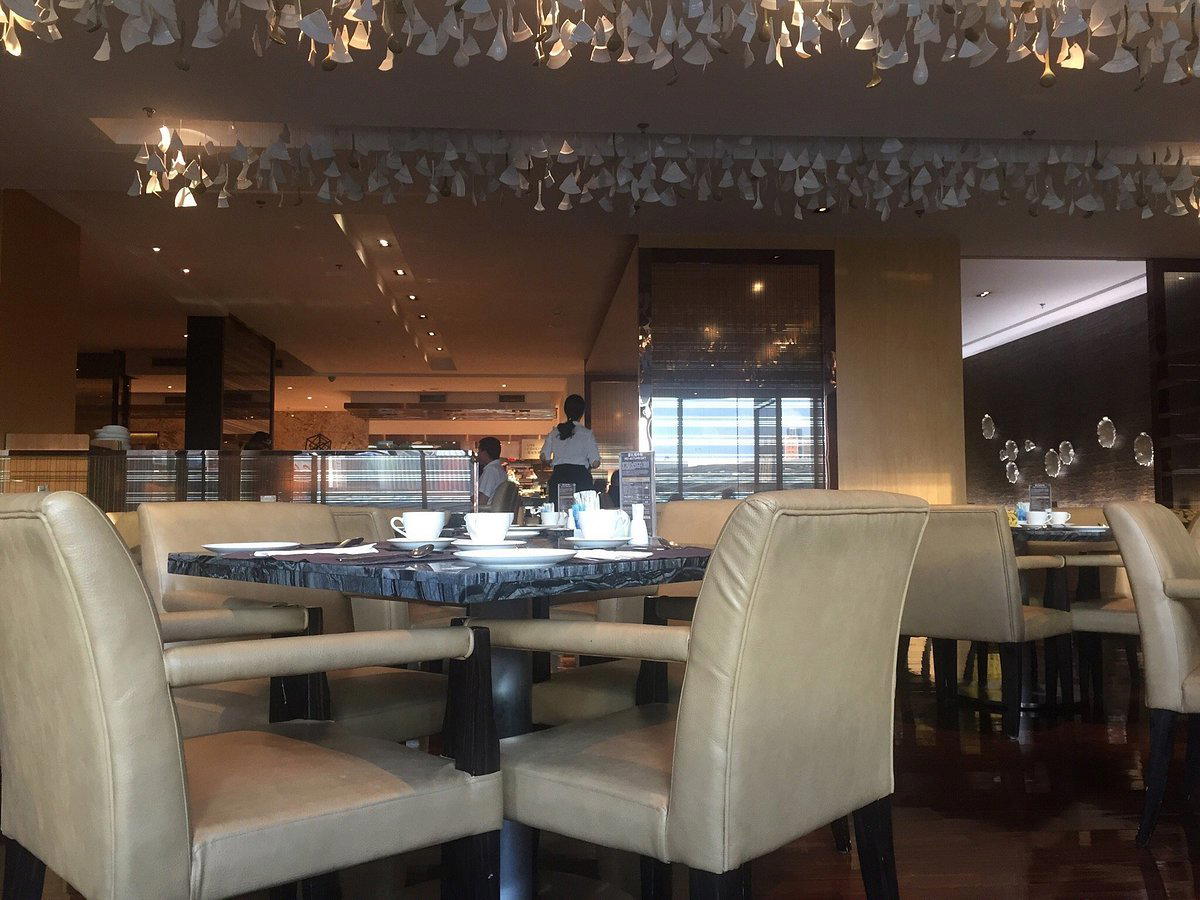
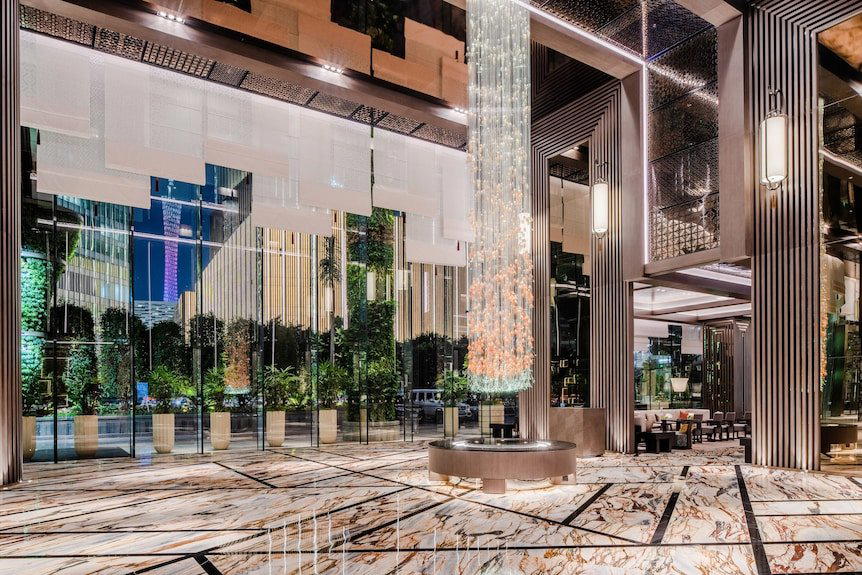
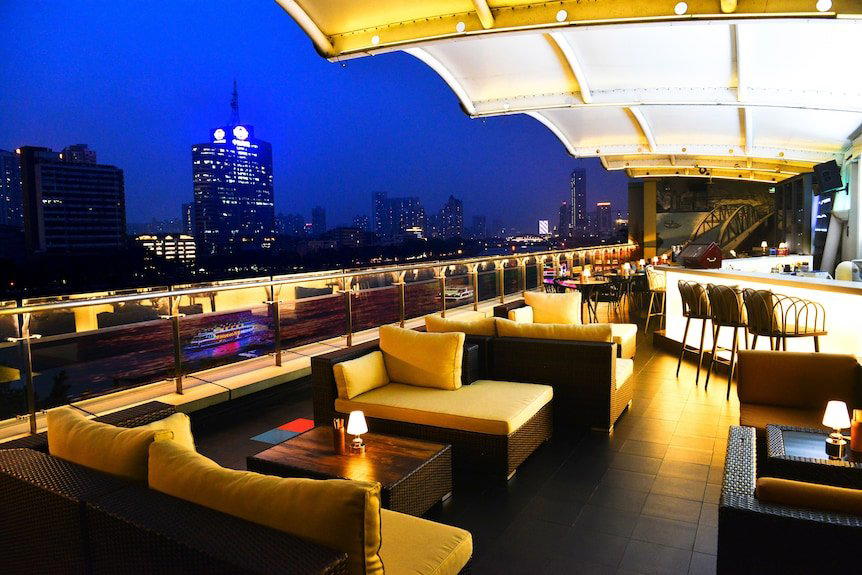
Graceful and refined atmosphere befitting a famous hotel, enhanced by glass work, art, and river views.