On Wenming Road in Yuexiu District, 达檐岭南粤菜 occupies a stretch of Guangzhou where the city's older residential grain survives alongside working-era shopfronts. The kitchen works within the Lingnan-Cantonese tradition, and the address places it among a cluster of neighbourhood-anchored dining rooms that operate at some remove from the hotel-circuit Cantonese establishments farther south. Booking ahead is advisable for weekend sittings.
Pearl is the En Primeur Club membership app — saves, bookings, and concierge access live there. Same editors, same standards.
- Address
- 160 Wenming Rd, Yuexiu District, Guangzhou, Guangdong Province, China, 510110
- Phone
- +862083327931
- Directions
- Get directions
 Saves & bookings on Pearl
Wenming Road and the Lingnan Dining Tradition
Yuexiu District carries more of Guangzhou's pre-reform urban texture than most central neighbourhoods. Wenming Road sits within that grain: a tree-lined stretch where older residential blocks and low-rise commercial buildings share the pavement with small restaurants that draw from the surrounding community. That context matters when reading a restaurant here. The dining rooms on this stretch occupy a different register entirely, one defined by neighbourhood continuity and kitchen tradition rather than by award cycles or tasting-menu formats.
Lingnan cuisine, the culinary category that encompasses and predates what the international market tends to call Cantonese, is rooted in the Pearl River Delta's agricultural and fishing calendars. Its grammar is ingredient-first: seasonal produce drives the menu structure more than chef philosophy does, and the cooking techniques, whether steaming, slow braising, or wok-frying over high heat, are in service of ingredient clarity rather than transformation. Restaurants in Yuexiu operating in this tradition tend to read differently from the polished Cantonese rooms at, say, Imperial Treasure Fine Chinese Cuisine or Jiang by Chef Fei, where the room design and service choreography are part of the proposition. Here, the architecture of the meal is the proposition.
How the Menu Is Structured
Lingnan-Cantonese menus in this category typically follow a logic that rewards familiarity. Rather than a linear tasting progression curated by the kitchen, the format tends toward family-style selection: cold dishes and preserved preparations arrive first to calibrate the table's appetite, followed by seafood choices that reflect the day's market, then braised and roasted proteins, and finally rice or noodle dishes that serve as a kind of closing statement. Soup, in the Cantonese tradition, often threads through multiple points in the meal rather than appearing at a fixed position. That structure is not arbitrary. It reflects a hospitality model where the table governs the pace and composition, and where the kitchen's skill is measured against its ability to execute familiar categories with precision rather than to surprise with unfamiliar combinations.
This approach contrasts sharply with the direction taken by Guangzhou's more internationally oriented dining rooms. Taian Table and Chōwa represent the city's appetite for chef-driven, fixed-progression formats where menu architecture is authored by the kitchen. The neighbourhood Cantonese model inverts that relationship: the diner composes the meal, and the kitchen's authority lies in consistent execution rather than curation. Neither model is more sophisticated; they are answers to different questions about what a restaurant is for.
Cantonese roasted meats, slow-cooked dishes such as braised pork belly or clay-pot preparations, and delicate steamed fish remain the categories most closely watched by regulars at restaurants of this type. In Guangzhou's neighbourhood dining rooms, the quality of the soy sauce chicken or the char siu often functions as a benchmark that locals use to rank one kitchen against another, in the way that a Tokyo neighbourhood sushi counter is judged by its rice seasoning rather than its premium ingredients. For context on how Lingnan-style restaurants operate elsewhere in the region, the programmes at Chef Tam's Seasons in Macau and Dai Yuet Heen in Nanjing show how the same culinary language travels and adapts.
The Neighbourhood Context
Wenming Road is walkable from several of Yuexiu's public transport nodes, and the district as a whole is denser and more navigable on foot than Tianhe or Haizhu. The surrounding blocks include temple sites, older residential compounds, and a working commercial street culture that gives the area a different energy from Guangzhou's newer dining corridors. Restaurants here tend to operate within the rhythms of a local clientele: lunch sittings that peak midday and evening services that fill from family groups and neighbourhood regulars rather than from destination-dining visitors.
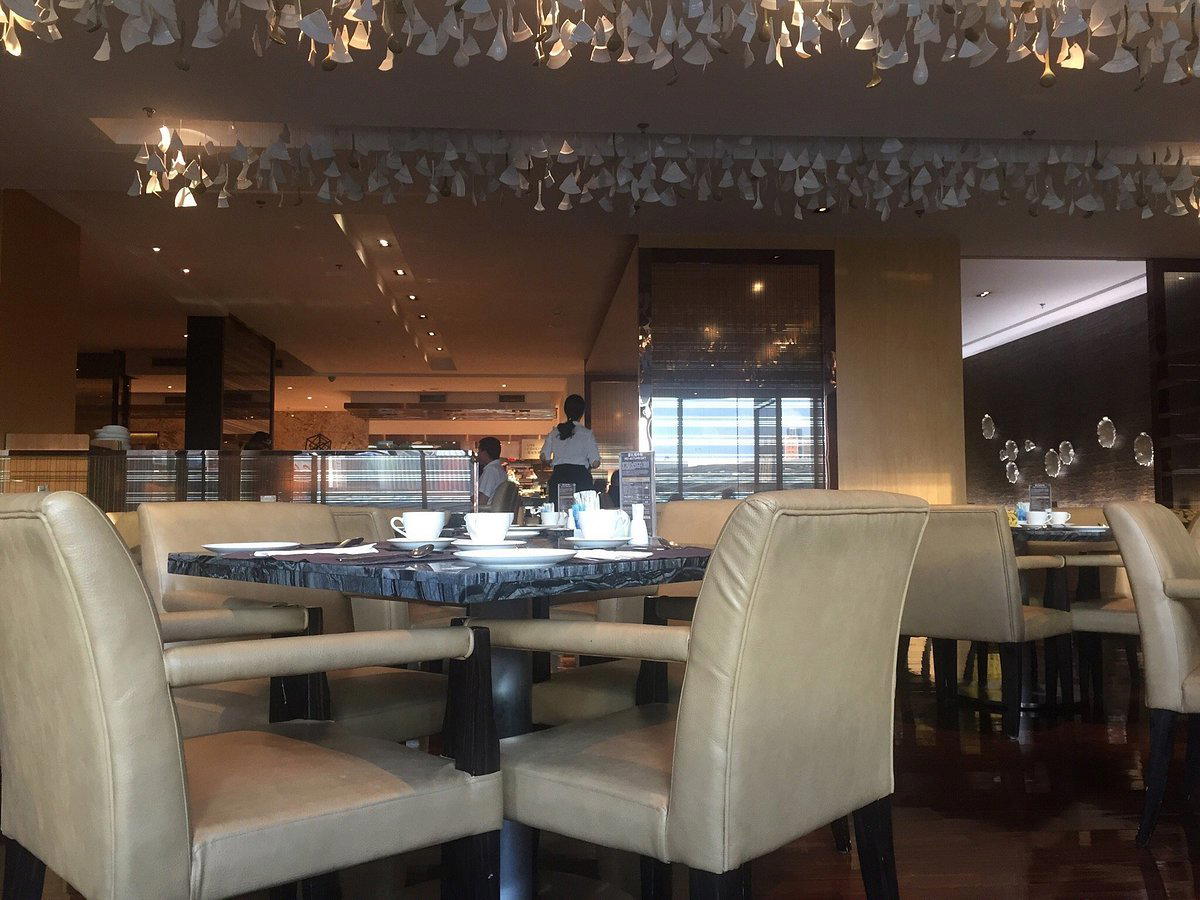
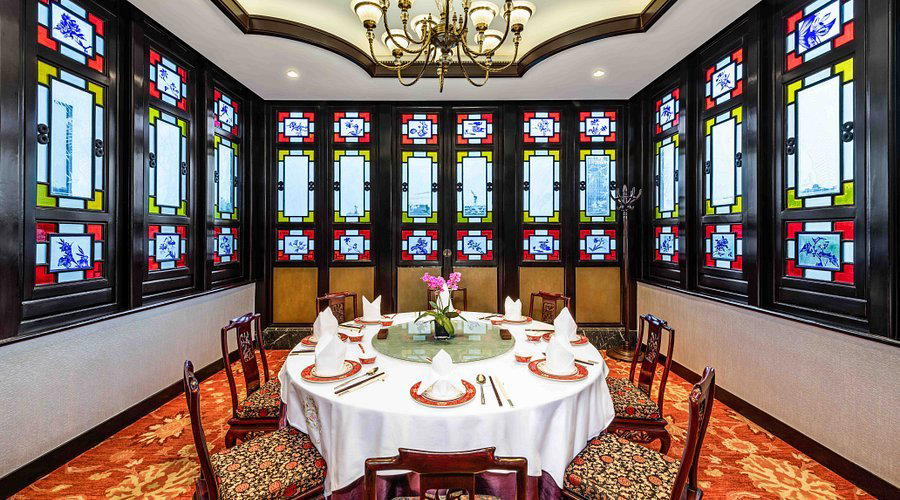
That customer base shapes the room. Expect a dining environment that prioritises function and ease over design statement. Round tables with lazy susans, direct lighting, and a room noise level that climbs as the evening progresses are common features of this category across Guangzhou's older districts. The atmosphere is one of active, purposeful eating rather than contemplative dining, and the measure of a good sitting is usually the quality of conversation and the speed of service rather than any theatrical presentation. Readers who have experienced the family-dining formats at BingSheng Mansion will recognise the register, though BingSheng operates at a considerably larger and more formal scale.
Planning Your Visit
The address at 160 Wenming Road, Yuexiu District places the restaurant within the older northern section of Guangzhou's central core. Public transport connections through Yuexiu are reliable, and the district's street-level character makes the approach on foot from nearby metro exits direct. For a neighbourhood Cantonese room of this type, arriving without a reservation on weekend evenings carries real risk. Midweek lunch is one accessible entry point for visitors without a local contact to arrange a table in advance.
This is consistent with how neighbourhood Cantonese restaurants in Guangzhou generally operate: their primary booking channel is direct and Chinese-language, and they are not optimised for international visitor traffic in the way that the hotel-group Cantonese rooms are.
Comparisons with Lingnan-tradition restaurants elsewhere in China, including Ru Yuan in Hangzhou, Fu He Hui in Shanghai, and Pingjiangsong in Suzhou, illustrate how the Pearl River Delta culinary tradition reads differently when transplanted to cities without Guangzhou's living Cantonese dining culture. For reference points outside Chinese cuisine entirely, the precision-led ingredient philosophy at Le Bernardin in New York City and the community-table format at Lazy Bear in San Francisco offer instructive contrasts in how fine-dining formats encode different ideas about who authors the meal.
Accolades, Compared
Comparable venues nearby, for context on price, style, and recognition.
| Venue | Cuisine | Price | Notes |
|---|---|---|---|
| 达杨原味炖品This venue — the venue you are viewing | Cantonese Dim Sum | $$ | Not listed |
| Fresh Wood Beef Hot Pot | Chinese hot pot | $$ | Not listed |
| 广å·è±åé åº | Guangzhou Huayuan Bar | Not listed | Guangzhoushi |
| 容易发牛杂店 | Chinese Handmade Biscuit Shop | Not listed | Guangzhoushi |
| ååé 家 | Traditional Cantonese | $$$ | Guangzhoushi |
| Flavor Restaurant | Huaiyang and Sichuan Chinese | $$$ | Guangzhoushi |
Continue exploring
More in Guangzhou
Restaurants in Guangzhou
Browse all →
Bars in Guangzhou
Browse all →

At a Glance
- Lively
- Casual
- Casual Hangout
- Group Dining
- Family
- Standalone
Bright, energetic dining room with traditional decor; casual and unpretentious with a focus on food quality over ambiance.