

1 Michelin Star · SCMP 100 Top Tables Restaurants
Our verdict
Suyab Courtyard sits in Panyu, away from Guangzhou’s older Cantonese dining core, which makes it a useful lens on how the city’s restaurant culture spreads beyond the historic centre. With one listed award signal but little public detail on format or pricing, it reads less as a trophy-table proposition than as part of Guangzhou’s broader courtyard-and-private-dining conversation.

Pearl is the En Primeur Club membership app, where members save venues, book tables and use the concierge.
The menu
What to order
- Deep‑fried Puning tofu stuffed with minced shrimp and chives
- Boneless crucian carp congee
- Australian lobster with Chiu Chow‑style Thai basil and pickled greens
- Thick‑cut Canadian geoduck blanched in chicken broth
- Crispy pigeon
- Chilled mackerel
- Silky carp congee
- Glossy sweet and sour pork
Approaching Suyab Courtyard within Guangzhou changes the dining rhythm. The city’s established dining rooms often trade on banquet polish, hospitality, and generational recognition; elsewhere, quieter arrivals and more deliberate layouts can allow restaurants to work with courtyards, compound-like pacing, and a slower sense of occasion. Suyab Courtyard belongs to that second reading of the city: not simply the high-gloss hotel dining model, and not the quick everyday grammar that keeps Guangzhou fed between meals, but a more spatial, occasion-led format.
That matters in Guangzhou because dining has never been only about dishes. Room type carries meaning. A banquet hall signals family obligation and business hospitality. A private kitchen suggests controlled pacing and a narrower audience. A courtyard setting points toward separation from the street, which can change how a meal is read before any menu appears. In a city where food culture is often judged through precision, freshness, and social use, the setting is not decoration; it is part of the language.
Guangzhou's courtyard format sits outside the usual central-city rhythm
Guangzhou’s restaurant map is still anchored by long local tradition, but its strongest meals do not all speak in the same register. Some established rooms carry the weight of civic memory, while banquet-driven addresses represent the city’s appetite for scale, polish, and multi-generational familiarity. Suyab Courtyard adds another layer: a restaurant can feel less compressed by the most familiar central-city pattern, which suits formats built around arrival, enclosure, and longer meals.
The comparison set inside Guangzhou shows how broad the category has become. Some dining rooms speak to the city’s international lane, while others sit in a more contemporary bracket. Within the local field, Lingnan House, Song Yuan, and 好酒好蔡研发工作室 - Hao Jiu Hao Cai Studio Howard‘s Gourmet Workshop occupy different forms of occasion-led dining, from regional classicism to private-room logic. Suyab Courtyard is better understood against that spread than as a standalone curiosity.
The listed award signal gives it a measure of external recognition: Suyab Courtyard appears in SCMP 100 Top Tables 2026 - Restaurants. The more interesting point, however, is cultural. Guangzhou diners tend to value restaurants that understand occasion: tea, family meals, host-guest hierarchy, and the difference between everyday satisfaction and a table chosen to communicate care. A courtyard restaurant in Guangzhou enters that code through architecture and tempo rather than through address alone.
The cultural argument is space, pacing, and Guangzhou social use
Guangzhou’s dining culture is often reduced outside southern China to a few familiar reference points, but the city’s restaurant language is more exacting than that shorthand. It prizes seasonality without theatrical explanation, texture as a marker of skill, and a social order that decides how dishes arrive and how a table is shared. The room is part of that system. A quieter courtyard format can support conversation, host control, and a less hurried meal, all of which matter in a city where restaurant choice often carries social intent.
That makes Suyab Courtyard useful for readers who already understand the central dining canon and want to see how the city’s habits adapt through setting and format. Its Guangzhou location means the decision is best treated as part of a planned day rather than a purely spontaneous detour. It is a restaurant to place into a Guangzhou plan with time allowed for arrival, the meal itself, and the slower pace implied by the courtyard idea.
For a broader reading of the city, use Our full Guangzhou restaurants guide alongside the hotel, bar, winery, and experience maps: Our full Guangzhou hotels guide, Our full Guangzhou bars guide, Our full Guangzhou wineries guide, and Our full Guangzhou experiences guide. The cross-category view is helpful because Guangzhou’s strongest food days are often built geographically, not alphabetically: a restaurant plan, a central hotel base, and a late drink in a district with easier transport can make more sense than chasing isolated names.
How to place it in a China dining itinerary
Outside Guangzhou, regional Chinese dining changes sharply by city. Different Chinese cities bring different dining rhythms, formats, and expectations, which can make a Guangzhou courtyard meal feel distinct from a more hotel-led or quick-service stop elsewhere. Other coastal, Jiangnan, and capital-city dining registers show why China itineraries work better when meals are chosen by regional logic rather than prestige alone.
That same logic applies internationally. A stop abroad or a compact comfort-food format elsewhere answers a different craving entirely. The value of placing Suyab Courtyard in an itinerary is not that it replaces Guangzhou’s older dining rooms; it shows how the city’s dining culture extends into spatial formats where privacy, pacing, and the physical threshold of the courtyard shape the meal before the first order is placed.
Frequently asked questions
Would Suyab Courtyard be comfortable with kids?
Suyab Courtyard is in Guangzhou. Published details do not confirm specific family facilities or policies. Check the venue's official channels for the latest details.
Is Suyab Courtyard formal or casual?
It reads as occasion-led rather than defined by a published chef name or star rating, with the focus falling on the courtyard idea and the setting. Check the venue's official channels for the latest details.
Is Suyab Courtyard award-winning?
Suyab Courtyard has received recognition from SCMP 100 Top Tables 2026 - Restaurants.
Where exactly is Suyab Courtyard?
Guangzhou.
Do they take walk-ins at Suyab Courtyard?
Those details are not published. Check the venue's official channels for the latest details.
What's the defining dish or idea at Suyab Courtyard?
The defining idea available from the public record is the courtyard concept itself, reinforced by the name Suyab Courtyard. Specific signature dishes are not published here. Check the venue's official channels for the latest details.
Cost Snapshot
Nearby venues at a similar price tier for orientation.
| Venue | Cuisine | Price | Awards | Notes |
|---|---|---|---|---|
| Suyab CourtyardThis venue (the venue you are viewing) | Refined Chao Zhou / Chiu Chow fine dining | $50–100 | 1 Michelin Star · SCMP 100 Top Tables Restaurants | Not listed |
| 德利私厨 | Traditional Cantonese with Claypot Specialties | $50–100 | Michelin Bib Gourmand | Not listed |
| Liang Jie Nanning Pumiao Shengzha Mifen (Yinghua Street) | Guangxi Pumiao Shengzha Mifen | $10–20 | Michelin Bib Gourmand | Noodles |
| 好酒好蔡研发工作室 - Hao Jiu Hao Cai Studio Howard‘s Gourmet Workshop | Modern Chaozhou Fine Dining | $150–200 | La Liste Top Restaurants | Cantonese Fine Dining |
| Lingnan House | Michelin-Starred Cantonese | $100–150 | 1 Michelin Star · SCMP 100 Top Tables Restaurants | Cantonese |
| Song Yuan | Traditional Cantonese with Claypot Specialties | $50–100 | Michelin Bib Gourmand | Cantonese |
Recognition history
Dated appearances from independent guides and award organizations, with the underlying list record or original source where available.
Michelin 1 Star
Michelin
SCMP 100 Top Tables Restaurants
SCMP 100 Top Tables
Continue exploring
More in Guangzhou
Restaurants in Guangzhou
All restaurants in Guangzhou →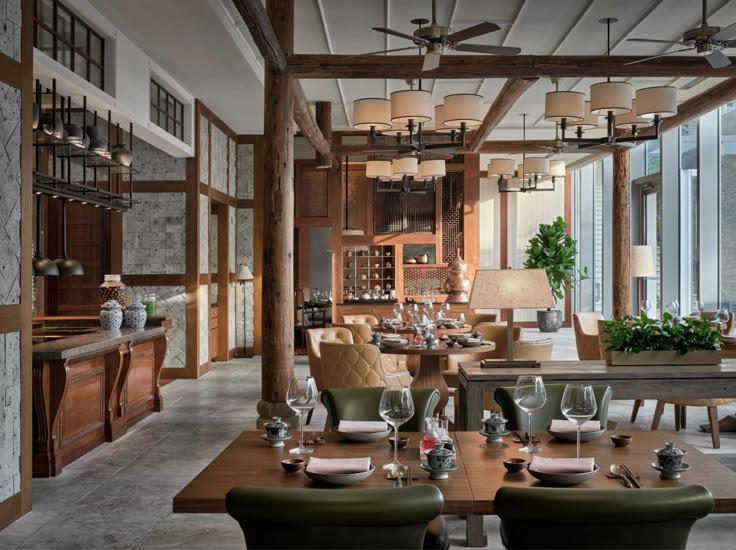
Bars in Guangzhou
All bars in Guangzhou →
Details
- Elegant
- Intimate
- Sophisticated
- Cozy
- Business Dinner
- Group Dining
- Family
- Celebration
- Private Event
- Private Dining
- Courtyard
- Design Destination
- Standalone
- Extensive Wine List
- Local Sourcing
- Set Menu
- A La Carte
- Wine
- Tea
- Vegetarian Friendly
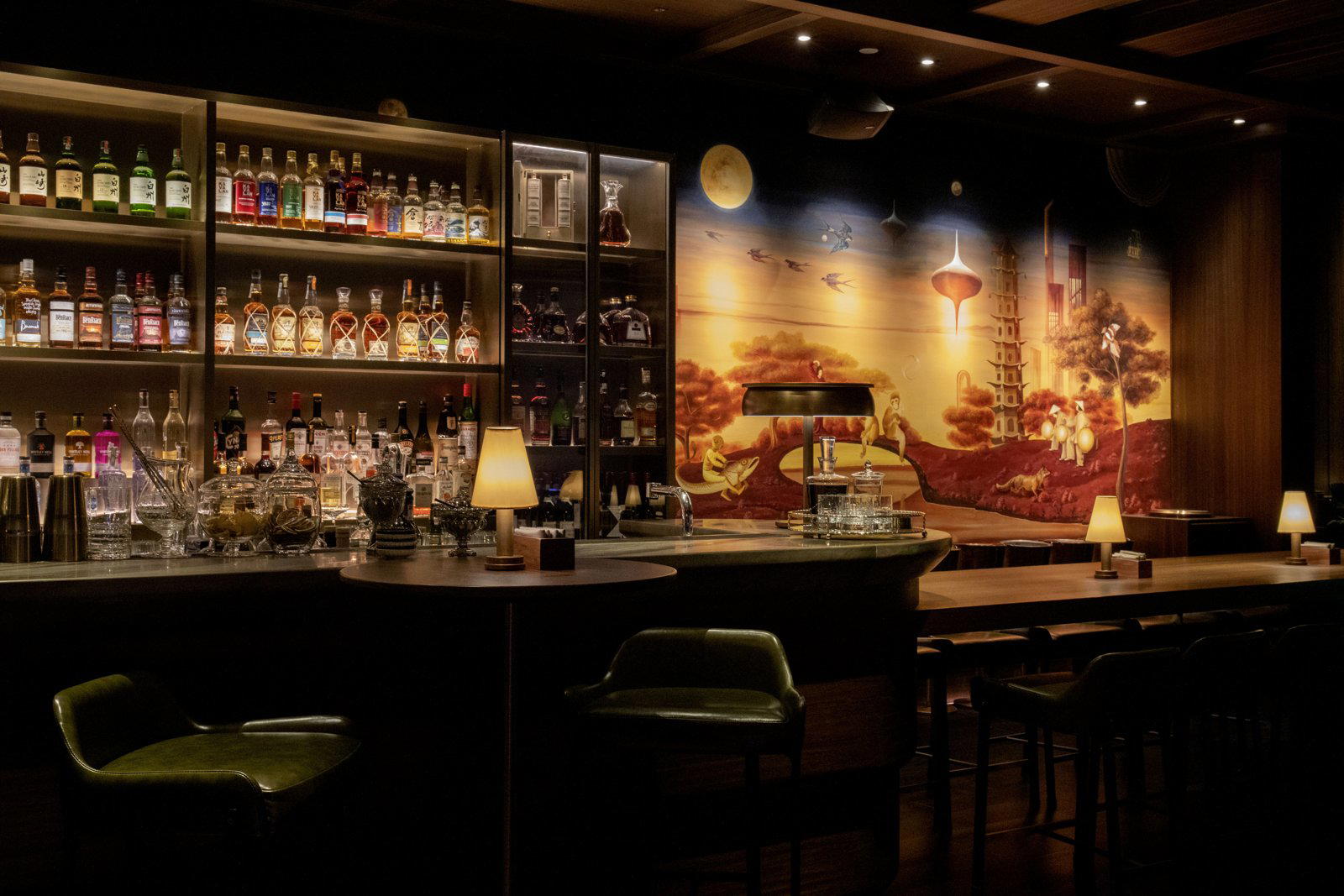
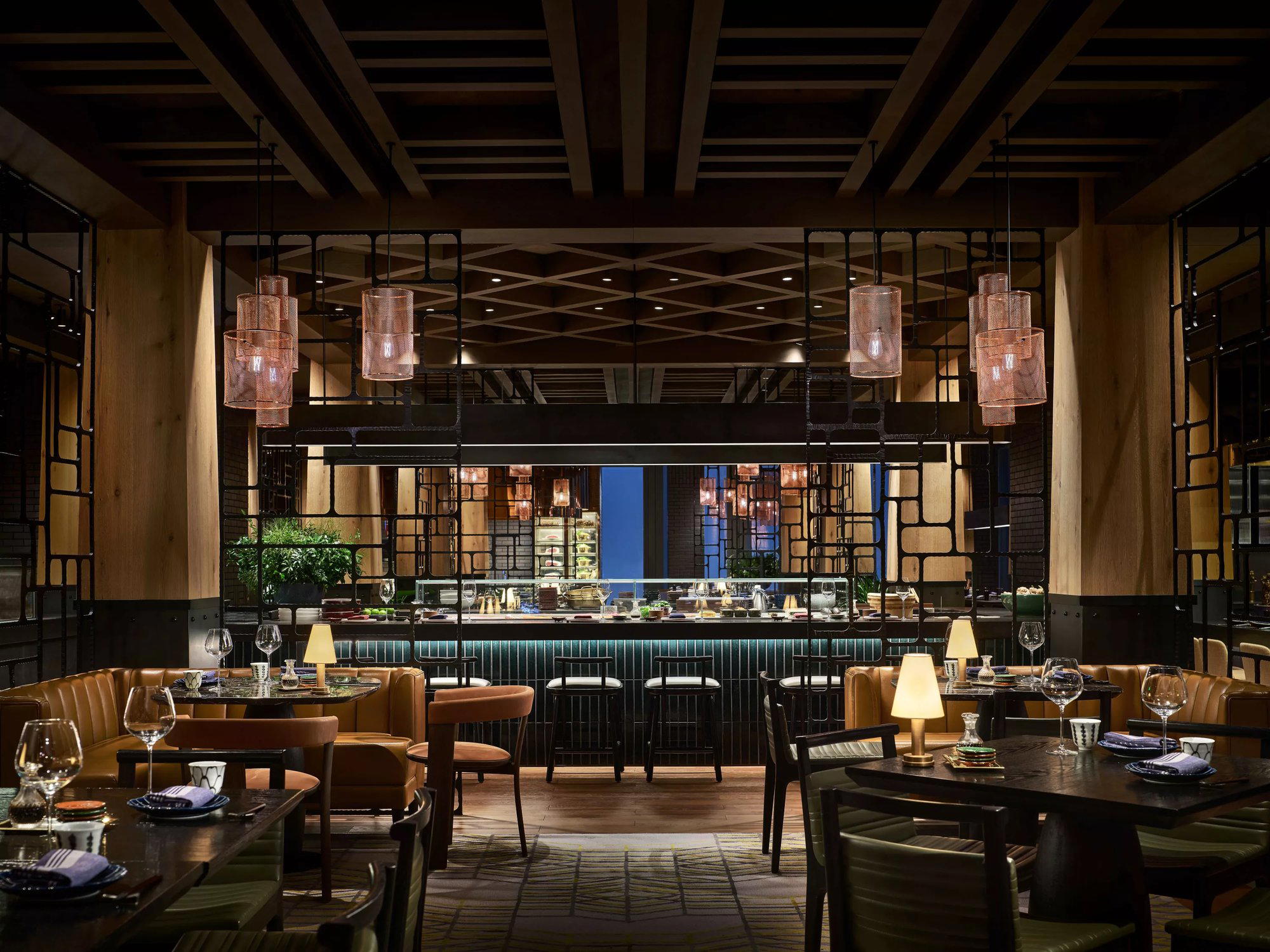
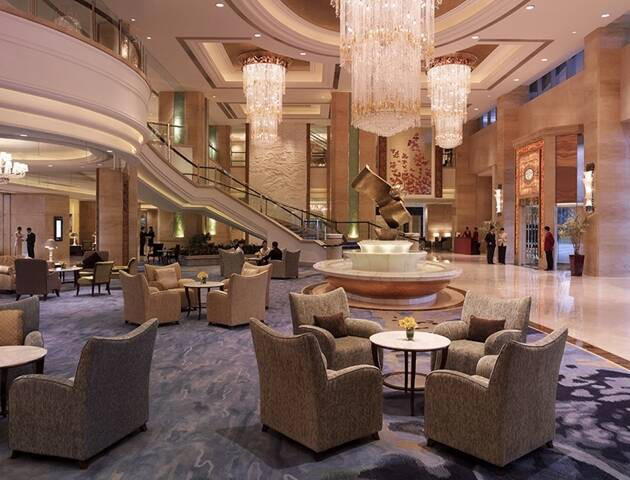
Cosy, elegant private rooms with a hidden, artistic ambience inside a two‑storey complex that also houses a furniture showroom and Japanese tea room, creating an exclusive, refined and somewhat secretive destination atmosphere.