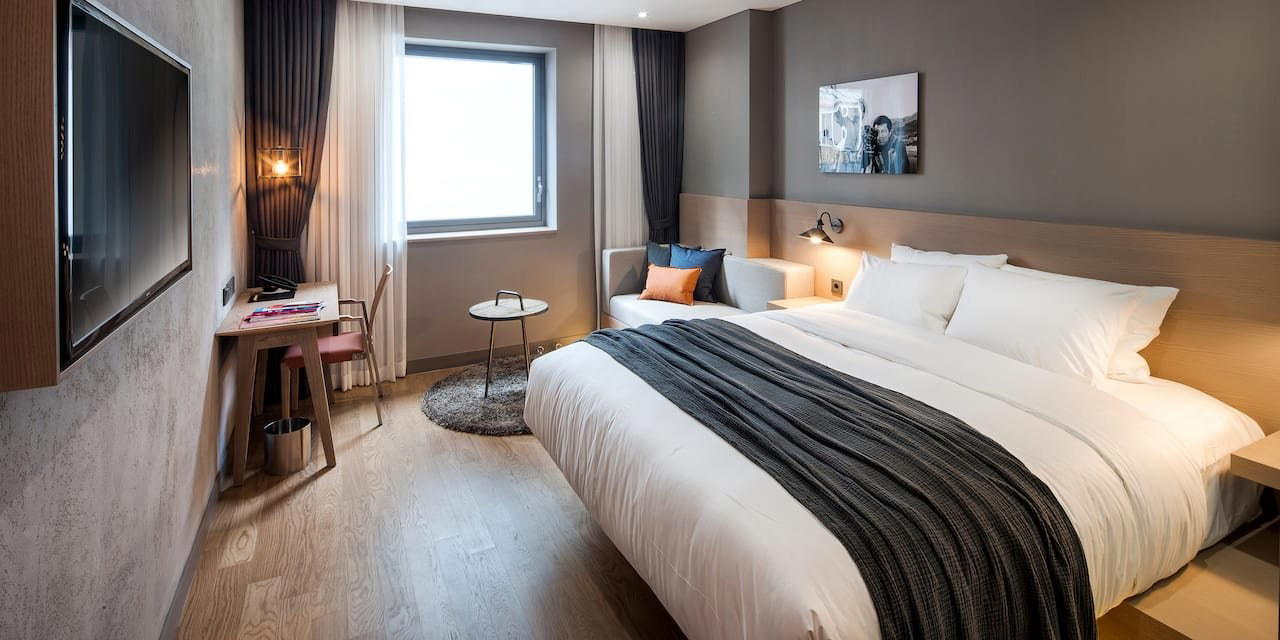
YUN

1 Michelin Star
Our verdict
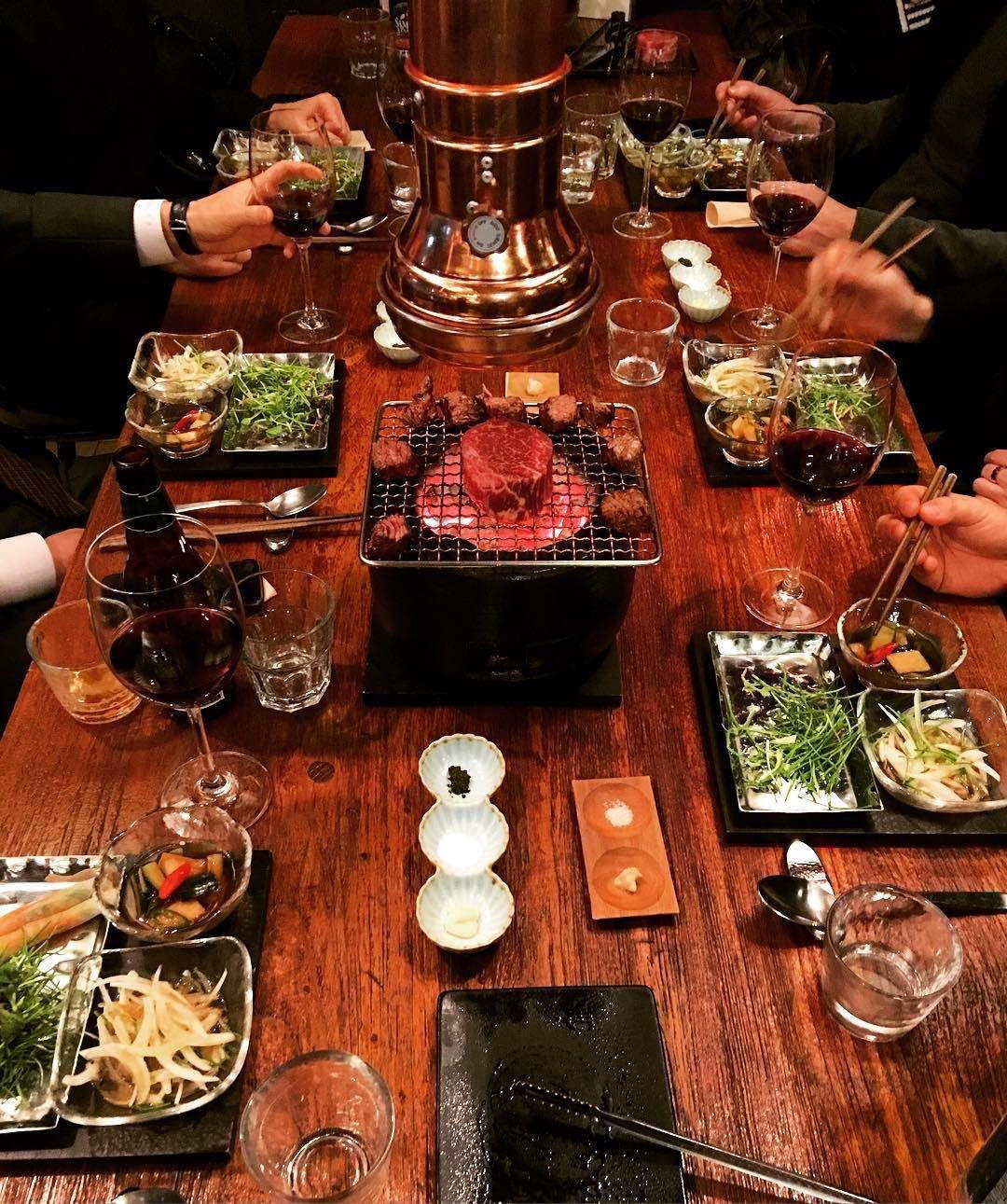
YUN occupies a precise position in Seoul's Korean fine-dining tier: a counter-format restaurant in Gangnam where chef-owner Kim Do-yun applies aging, fermenting, and drying techniques to fish, meats, and housemade wheat noodles across a multi-course set menu.

Pearl is the En Primeur Club membership app, where members save venues, book tables and use the concierge.
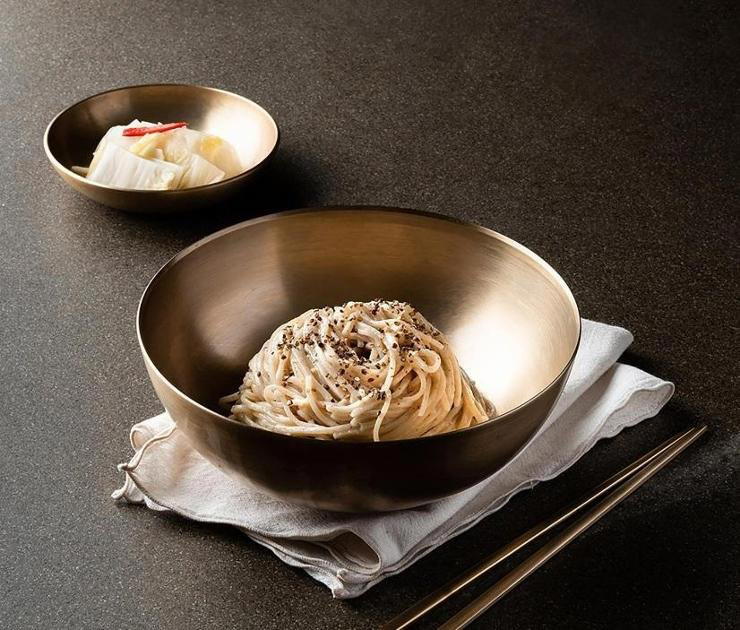
The menu
What to order
- Perilla_oil_noodles
- Dry-aged_hanwoo_sirloin
- Aged_fish_tarts
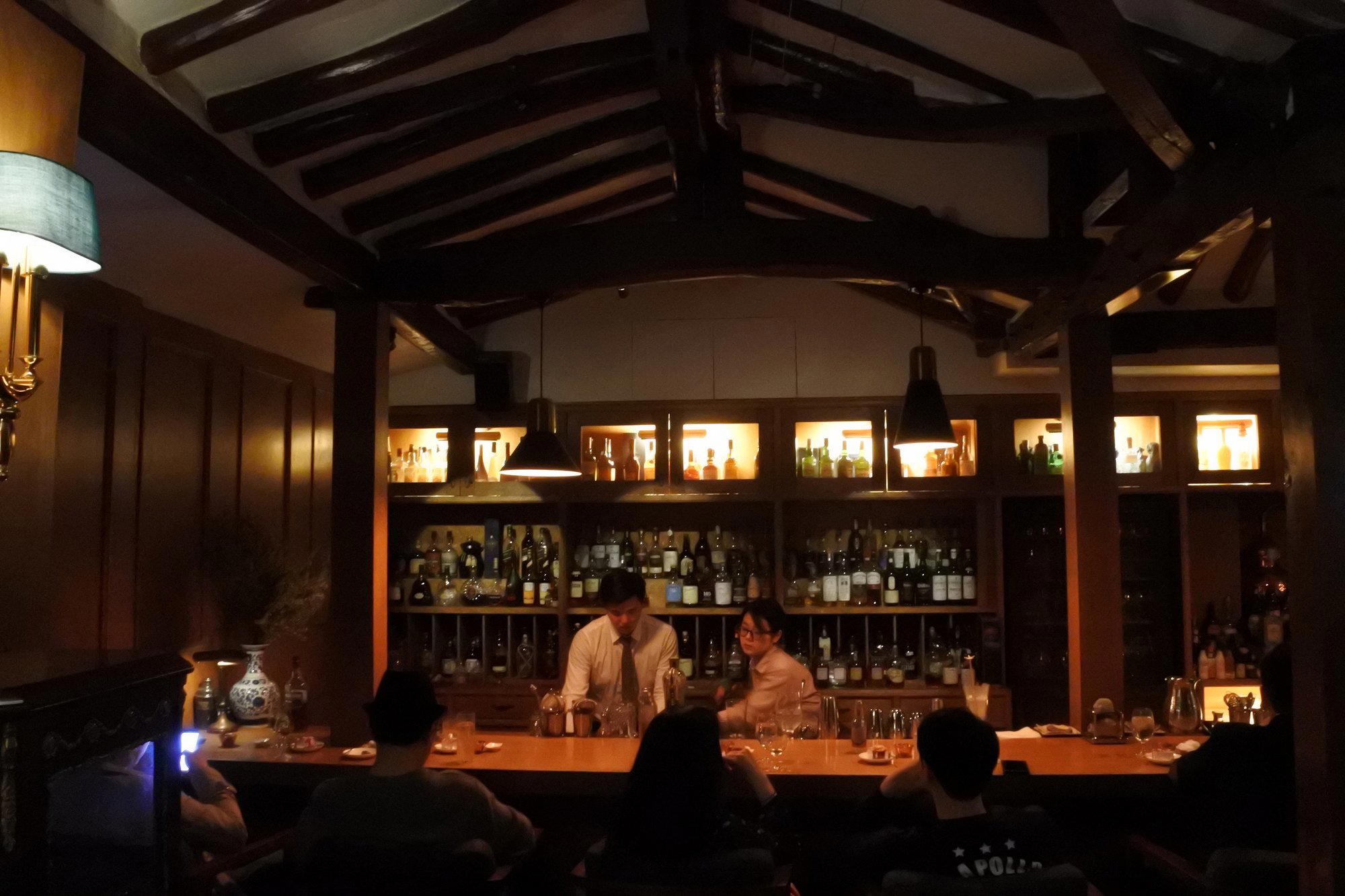
The Counter, the Kitchen, the Pairing Context
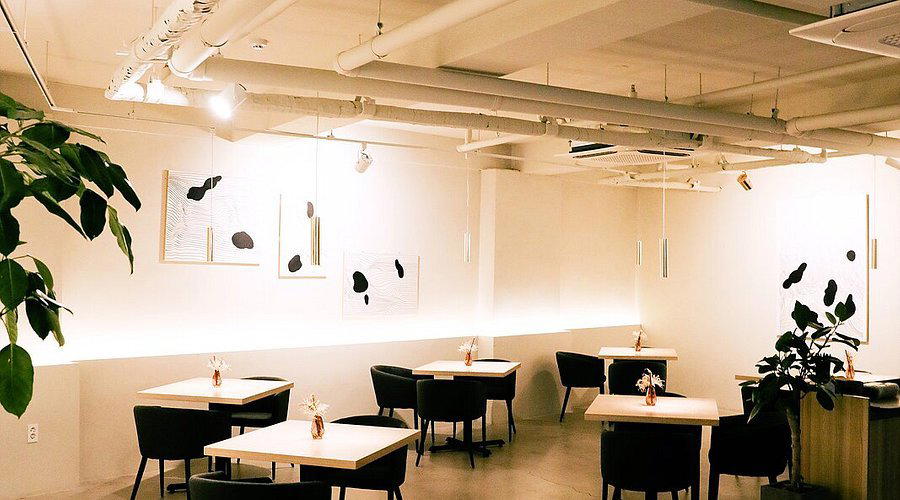
Seoul's contemporary Korean dining scene has split along a clear axis over the past decade. On one side sit the ceremonial tasting-room formats, tablecloth-heavy, geomungo soundtrack, service choreography drawn from court dining traditions, venues like Onjium and La Yeon that treat jeong-sik and royal cuisine as the reference point. On the other side, a smaller cohort of counter-format restaurants has developed where the cook-to-diner relationship drives the format: fewer seats, visible technique, and a menu built around fermentation, aging, and the kind of patient craft that explains itself leading when you can watch it happen. YUN belongs to the second cohort, and its recent relocation from Mapo to Gangnam, with a larger, renovated dining hall in tow, signals a restaurant consolidating rather than compromising its identity.
The address is 805 Seolleung-ro in Gangnam-gu, a district better known for its density of high-end restaurants than for counter-format Korean cooking. That placement matters for the pairing context this piece is concerned with. Gangnam diners arrive with expectations shaped by venues priced at ₩₩₩₩, Kwonsooksoo, Bicena, Kwon Sook Soo, and with drinking habits calibrated accordingly. YUN sits at ₩₩₩, a tier that prices it accessibly against those neighbours while still operating firmly within the serious end of contemporary Korean dining.
Drinking Korean: Why the Food at YUN Demands a Different Kind of Glass
Korean drinking culture has always been inseparable from its eating culture, and the pairing logic that applies to a restaurant like YUN is distinct from what you'd bring to a French tasting menu or a Japanese kaiseki. Soju and makgeolli, Korea's two foundational fermented and distilled categories, are not incidental to the food. They were developed alongside it, and the fermentation chemistry that gives aged fish and dried meats their depth of flavour is the same chemistry that governs how a well-made makgeolli behaves in the glass.
Makgeolli, the unfiltered rice wine cloudy with active cultures, has undergone something of a specialist revival in Seoul over the past several years. Craft producers now differentiate by rice variety, fermentation vessel, and residual sweetness in ways that create genuine pairing territory. The umami compression of a house-aged fish dish, the kind that YUN's menu is built around, responds well to a makgeolli with pronounced lactic character, where the mild acidity cuts through fat and the effervescence resets the palate between bites. Soju, particularly the artisan distilled styles from Andong or Jeju rather than the industrial diluted versions, brings a different register: cleaner, higher alcohol, with a warmth that amplifies the savory depth of Korean beef preparations.
What makes a counter format particularly useful for this kind of pairing conversation is access. At YUN, the multi-course set menu arrives with chef-owner Kim Do-yun's detailed explanations of the techniques behind each dish, which fermentation method produced which flavour compound, why a particular drying period changes texture rather than just concentration. That context is the kind of information that allows a diner, or a sommelier, to make pairing decisions based on actual chemistry rather than received convention. Restaurants at the ₩₩₩₩ tier, like Mingles, have built elaborate alcohol programs partly around this logic. YUN's format enables the same conversation at a lower entry price.
Technique as Signature: Noodles, Aged Fish, and Korean Beef
The menu architecture at YUN orbits three elements confirmed in the restaurant's own documentation: perilla oil noodles made from housemade Korean wheat noodles, house-aged fish preparations across multiple courses, and a newer strand of Korean beef dishes added to address the umami register more directly. These are not decorative flourishes, they represent a coherent technical position.
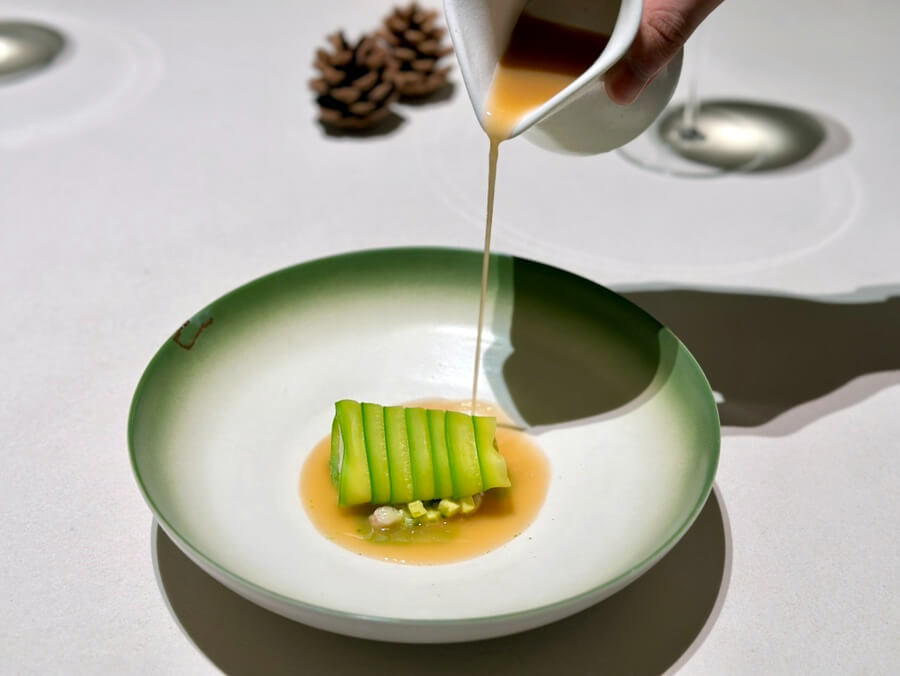
Perilla oil, pressed from perilla seeds (deulkkae), carries a deep nuttiness that sits between sesame and walnut, and it reads differently on fresh-extruded wheat noodles than on dried pasta or commercial noodles. The house-aging program for fish draws on the same preservation tradition that runs through Korean cuisine's historical relationship with the coast, salting, drying, fermenting, but applied with the precision of a chef who, by his own account, continues to develop and refine rather than reproduce. The Korean beef additions signal an intentional move toward the richer, more mineral end of the flavor spectrum, the kind of territory where a clean artisan soju creates more dialogue than a wine program built around European grapes.
For readers familiar with Korean cooking abroad, through venues like bōm in New York City, DOSA in London, or Jeju Noodle Bar in New York City, YUN represents what happens when that tradition is practiced without the need to translate it for an audience unfamiliar with Korean fermentation. The techniques are not explained to make them legible to outsiders; they are explained because they are genuinely interesting to anyone paying attention.
YUN in Its Competitive Tier
Within Gangnam's restaurant density, YUN occupies an interesting position. The comparison set at ₩₩₩₩ includes contemporary Korean formats that have invested heavily in wine programs and international-facing tasting menus. YUN's ₩₩₩ pricing places it in a tier alongside French-influenced restaurants like L'Amitié, but its cooking is entirely Korean in reference and technique. That is a narrower and arguably more demanding position, the cooking cannot rely on the authority that French culinary tradition lends to a European format.
Casual walk-in traffic does not generate that profile. Neither does a restaurant that is coasting.
For the wider Korean fine-dining picture, regional expressions, temple cooking traditions, and the full range from Busan to Seoul, Mori in Busan, Baegyangsa Temple in Jangseong-gun, and Gaon in Seoul each represent distinct nodes in a conversation about what Korean cuisine is doing across its full register. YUN sits at the contemporary counter end of that conversation, focused and technically specific.
Planning Your Visit
YUN is open Tuesday through Saturday, 12 PM to 10 PM, with Monday and Sunday closed. The counter format and confirmed reservation requirement mean same-week bookings are rarely available. Arrive with time before your sitting to consider the Korean spirits list thoughtfully; the pairing decision is worth making before you sit down.
| Venue | Cuisine | Price Tier | Format | Days Open |
|---|---|---|---|---|
| YUN | Korean (contemporary) | ₩₩₩ | Counter, set menu | Tue–Sat |
| Mingles | Korean (contemporary) | ₩₩₩₩ | Tasting room | Check directly |
| Kwonsooksoo | Korean | ₩₩₩₩ | Tasting room | Check directly |
| L'Amitié | French | ₩₩₩ | À la carte / set | Check directly |
| Onjium | Korean (traditional) | ₩₩₩₩ | Tasting room | Check directly |
For the full picture of what Seoul's dining, drinking, and hospitality scene offers across every category, see our full Seoul restaurants guide, our full Seoul hotels guide, our full Seoul bars guide, our full Seoul wineries guide, and our full Seoul experiences guide.
Frequently asked questions
Has YUN won any awards?
YUN has received recognition including: Chef-Owner Kim Do-yun is someone clearly passionate about ingredients, and he holds a particular fascination for noodles. The counter allows those lucky enough to have secured reservations a front-row seat to witness the dishes’ creation an….
How much does it cost to eat at YUN?
Pricing at YUN is listed as ₩₩₩.
What's the signature dish at YUN?
YUN structures its menu around three interconnected pillars rather than a single showcase plate: perilla oil noodles made from housemade Korean wheat noodles, house-aged fish preparations, and Korean beef with pronounced umami. Chef-owner Kim Do-yun's particular focus on noodles and fermentation techniques means the noodle course carries notable weight within the set. The multi-course format is built so that aging, fermenting, and drying techniques accumulate across dishes rather than peaking in one moment.
What's the cuisine at YUN?
Is YUN open every day?
Hours at YUN: Monday closed Tuesday 12 PM-10 PM Wednesday 12 PM-10 PM Thursday 12 PM-10 PM Friday 12 PM-10 PM Saturday 12 PM-10 PM Sunday closed.
| Venue | Cuisine | Price | Awards | Notes |
|---|---|---|---|---|
| YUNThis venue (the venue you are viewing) | Modern Korean Fine Dining | $100–150 | 1 Michelin Star | Not listed |
| 7th Door | Modern Korean Fermentation Fine Dining | $100–150 | 1 Michelin Star · World's 50 Best #49 | Korean, Contemporary |
| Solbam | Contemporary Neo-Classical Korean | $200–300 | 1 Michelin Star · World's 50 Best #55 | Contemporary |
| Onjium | Modern Korean Royal Court Cuisine | Not listed | 1 Michelin Star · World's 50 Best #14 | Korean |
| L'Amitié | Classic French Fine Dining | $100–150 | 1 Michelin Star · La Liste Top Restaurants | French |
| Zero Complex | Modern French Neo-Bistro | $100–150 | 1 Michelin Star · La Liste Top Restaurants | Korean-French, Innovative |
Recognition history
Dated appearances from independent guides and award organizations, with the underlying list record or original source where available.
Michelin 1 Star
Michelin
Full recognition history (3 entries)
Michelin 1 Star
Michelin
Michelin 1 Star
Michelin