KANG MINCHUL Restaurant



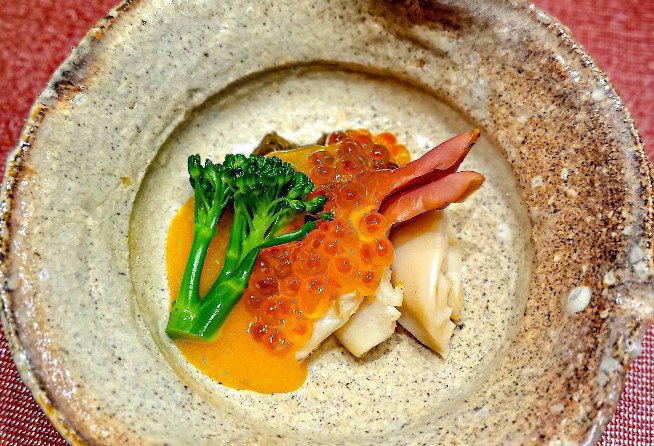
Tucked into an intimate setting where reservations are coveted, KANG MINCHUL Restaurant distills the essence of French gastronomy through the personal lens of Chef Kang Min-chul. Influenced by time with master chefs yet unmistakably his own, his tasting menus unfold like a kaleidoscope, precise, artful courses that balance delicacy with depth, classic technique with modern clarity. Expect meticulously sourced ingredients, shimmering sauces, and textures that whisper and crackle in turn, all choreographed with serene confidence. For informed travelers, this is a rarefied encounter: a discreet room, hushed service, and a culinary philosophy that transforms dinner into a memorable, quietly luminous experience.
Pearl is the En Primeur Club membership app — saves, bookings, and concierge access live there. Same editors, same standards.
- Address
- 18 5F Dosan-daero 63-gil, Gangnam District, Seoul, South Korea
- Phone
- +82 2-545-2511
- Website
- kangminchul.com
- Directions
- Get directions
 Saves & bookings on Pearl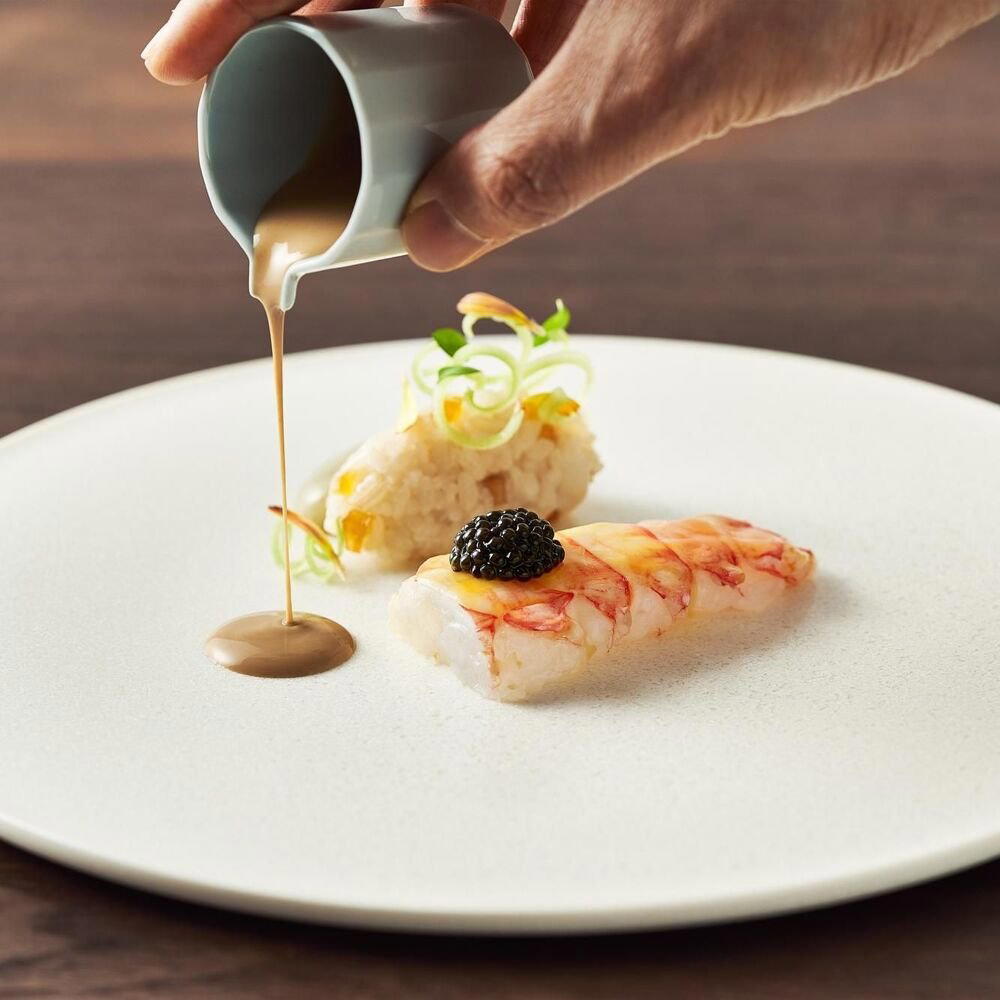
French Technique in a Gangnam Fifth-Floor Dining Room
The approach to Dosan-daero 63-gil in Gangnam gives little indication of what awaits on the fifth floor. The building is discreet, the signage minimal, a presentation that mirrors the cooking inside. Seoul's premium French dining scene has, over the past decade, clustered around a handful of small, counter-adjacent rooms where European classical technique is applied with Korean precision and personal conviction. KANG MINCHUL Restaurant occupies exactly that tier: a compact, reservation-scarce space where the limited seat count functions less as a constraint and more as a structural commitment to a particular kind of meal. It is a one-star Michelin restaurant in Gangnam, Seoul, serving modern French fine dining at around US$100 per person.
Gangnam's dining grid has become one of Asia's more competitive zones for fine French cuisine, sitting alongside addresses like L'Amitié and Tutoiement, and within sight of the Korean-French crossover work happening at Au Bouillon. What distinguishes KANG MINCHUL from that comparable set is its commitment to refined French cuisine as a complete register, not as a framework to be deconstructed, but as a tradition to be inhabited and interpreted.
The Cooking: French as Tradition, Not Signifier
The menu at KANG MINCHUL moves through what La Liste describes as a range of flavors that reflect the diversity of refined French cuisine. That framing matters. In Seoul's current premium dining context, the instinct is often toward fusion or toward Korean-inflected crossover, work worth tracking at venues like Bistrot de Yountville and Chez Nous Private Kitchen. KANG MINCHUL is making a different wager: that French cuisine, practiced with seriousness and without detour, is sufficient and interesting on its own terms.
Chef Kang Min-chul's cooking is shaped by extended time with master practitioners, a formative period that La Liste's 2025 and 2026 documentation acknowledges as foundational to his culinary philosophy. That kind of training tends to produce a cook more interested in technique than in novelty, in precision than in provocation. The result, at this address, is a menu that the La Liste entry characterizes as offering a wide range of flavors, with dishes that feel considered rather than experimental. The score progression from 77 points in 2025 to 80 points in 2026 on the La Liste index suggests the kitchen's execution is not static, it is tightening.
For diners cross-referencing across the broader French fine dining geography, the approach here has more in common with the restrained classicism at Hotel de Ville Crissier or the ingredient-focused clarity at L'Effervescence in Tokyo than it does with the fusion-forward energy prevalent elsewhere in Gangnam. Among the Asian French fine dining tier, Les Amis in Singapore remains a useful regional benchmark for what rigorous French commitment looks like outside Europe.
Sustainability as Editorial Frame, What the Format Implies
The sustainability question in Seoul's fine dining sector rarely surfaces in the conventional language of environmental certification or waste audits. It surfaces instead through format choices: how many covers, how often, sourced from where. A small room with two service windows per day and a closed weekend structure (Monday and Sunday both dark) makes a specific set of decisions about throughput, ingredient volume, and the rhythm of kitchen work. High-volume French restaurants operating five or six service days can rarely source with the same selectivity as a venue running four lunch and four dinner services per week across five days.
The compressed service schedule at KANG MINCHUL, lunch from noon to 2:30 PM, dinner from 6 PM to 9:30 PM Tuesday through Friday, with Saturday dinner running slightly later to 10 PM, points toward a kitchen that controls its output carefully. That structure is also common to the upper tier of Seoul's ethical-sourcing restaurants: tighter service windows allow closer attention to provenance and preparation. It is worth comparing this to the approach at Gaon, which applies similar discipline to Korean fine dining, or to the format logic visible at Kwon Sook Soo, where small capacity and deliberate scheduling serve the kitchen's sourcing choices directly.
France's classical cooking tradition carries its own embedded sustainability logic, nose-to-tail use, classical stocks from bones and trimmings, the discipline of waste-minimizing brigade culture. When that tradition is practiced with care rather than stripped for aesthetic effect, it tends to produce kitchens where nothing is treated as disposable. The structural signals of a small room and a disciplined service calendar are worth reading as intentional.
Credentials and Recognition
The recognition stack here is specific. A Michelin one star, awarded in 2024, places KANG MINCHUL inside Seoul's formal fine dining tier, a comparable set that includes French-adjacent addresses like L'Amitié and the Korean-French work at L'Amitié, as well as Korean contemporary rooms like the broader Seoul dining scene tracked through our guides. The La Liste score of 80 points in 2026, up from 77 in 2025, positions the restaurant in La Liste's upper middle tier for global French cuisine, a different and in some ways more demanding measure than Michelin alone, since La Liste aggregates critic and peer assessments internationally.
It suggests a room that is not serving large volumes of covers and not attracting casual drop-in traffic. That combination of low review count and high score is characteristic of genuinely appointment-led dining rooms, the kind of space where reservation-holders have skin in the game before they arrive. For context on what this recognition level means in the Seoul geography, see our full Seoul restaurants guide.
Placing KANG MINCHUL in the Korean French Dining Conversation
Seoul is not a city that lacks ambition in French cooking. The question is which direction that ambition runs. One strand, visible at Zero Complex and several Itaewon-area rooms, runs toward Korean-French synthesis, using French technique as a vehicle for Korean ingredient storytelling. Another strand, visible at KANG MINCHUL, treats French cuisine as its own complete subject. Both approaches are legitimate. Both are producing Michelin-level results. But they appeal to different readers.
For the diner primarily interested in French cuisine as a tradition, in what a well-executed French menu actually tastes like when the kitchen takes it seriously, KANG MINCHUL is a more direct address than venues that use French technique as infrastructure for another agenda. The Korean fine dining scene beyond Gangnam also repays attention: Mori in Busan and Baegyangsa Temple in Jangseong-gun offer comparative frameworks for how Korean chefs are approaching sourcing and tradition in non-French registers. See also the regional work tracked through The Flying Hog in Seogwipo for how different Korean culinary zones are developing distinct identities.
Planning Your Visit
KANG MINCHUL Restaurant occupies the fifth floor at 18 Dosan-daero 63-gil in Gangnam District. The service calendar runs Tuesday through Saturday, with the kitchen closed Sunday and Monday. Lunch service runs noon to 2:30 PM; dinner runs 6 PM to 9:30 PM, extending to 10 PM on Saturdays. The restaurant falls into the ₩₩₩₩ price tier, aligning it with Michelin-starred peers across the city. Given the small room and the award profile, reservations should be secured well in advance; this is not a venue that accommodates last-minute bookings. For broader trip planning across Seoul's dining, accommodation, and cultural programming, see our full Seoul hotels guide, bars guide, wineries guide, and experiences guide.
Cost Snapshot
Comparable venues nearby, for context on price, style, and recognition.
| Venue | Cuisine | Price | Awards | Notes |
|---|---|---|---|---|
| KANG MINCHUL RestaurantThis venue — the venue you are viewing | 압구정동, Modern French Fine Dining | $$$$ | Michelin 1 Star | Not listed |
| Soul | 소공동, Contemporary Korean Fusion | $$$$ | Michelin 1 Star | Not listed |
| Bicena | Not listed | $$$$ | Michelin 1 Star | Jamsil-dong, Contemporary Korean Fine Dining |
| Zero Complex | 서빙고, Modern French Neo-Bistro | $$$$ | Michelin 1 Star | Not listed |
| YUN | 소공동, Modern Korean Fine Dining | $$$$ | Michelin 1 Star | Not listed |
| Escondido | 한남동, Authentic Mexican Fine Dining | $$$$ | Michelin 1 Star | Not listed |
Recognition history
Dated appearances from independent guides and award organizations, with the underlying list record or original source where available.
La Liste Top Restaurants
La Liste
Michelin 1 Star
Michelin
Wine Spectator Best of Award of Excellence
Wine Spectator
La Liste Top Restaurants
La Liste
Michelin 1 Star
Michelin
Michelin 1 Star
Michelin
At a Glance
- Elegant
- Intimate
- Sophisticated
- Modern
- Minimalist
- Date Night
- Special Occasion
- Business Dinner
- Chefs Counter
- Extensive Wine List
- Sommelier Led
Current opening hours
- Monday
- Closed
- Tuesday
- 12–2:30 PM, 6–9:30 PM
- Wednesday
- 12–2:30 PM, 6–9:30 PM
- Thursday
- 12–2:30 PM, 6–9:30 PM
- Friday
- 12–2:30 PM, 6–9:30 PM
- Saturday
- 12–2:30 PM, 6:30–10 PM
- Sunday
- Closed
Hours can change for holidays and private events. Last verified .
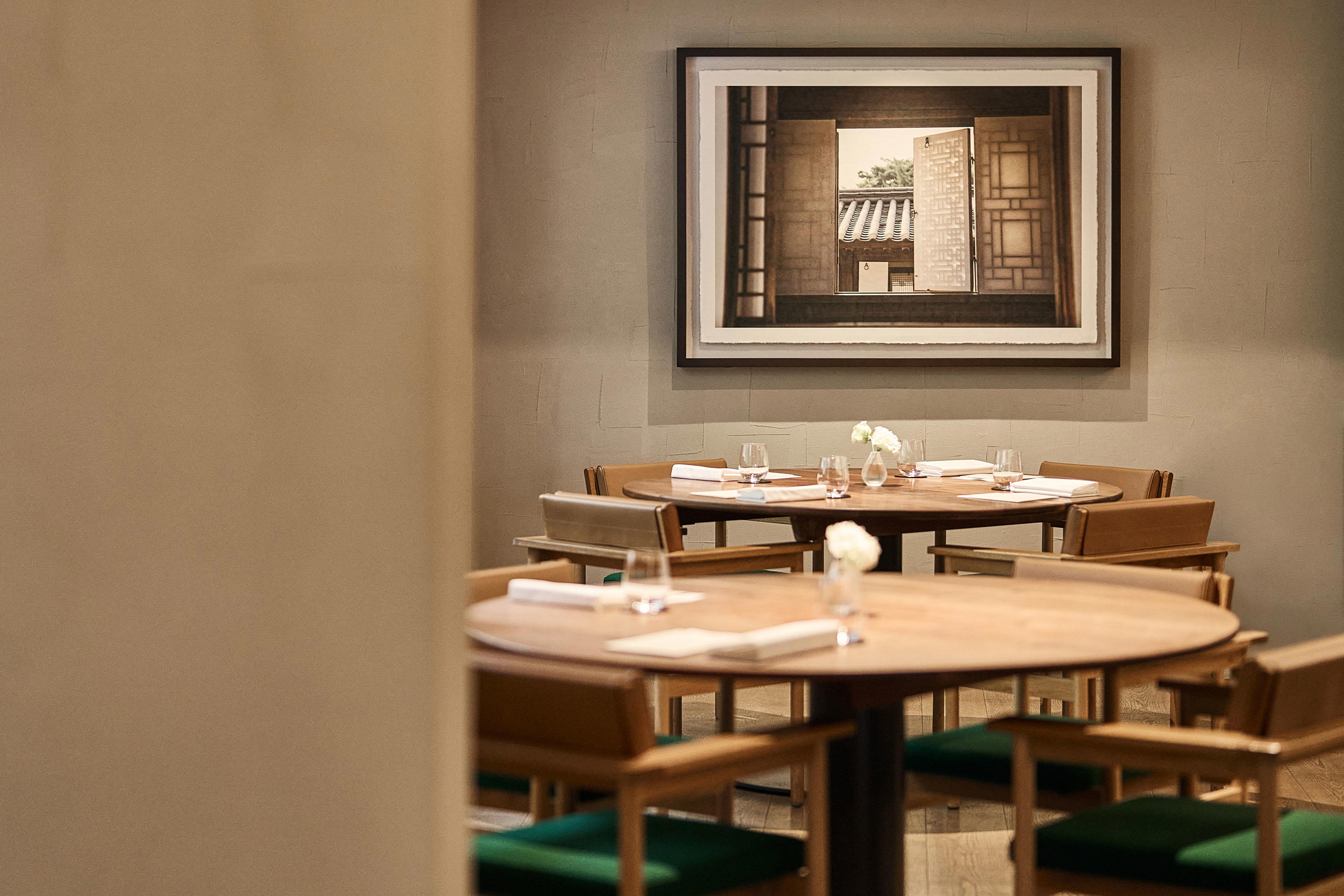
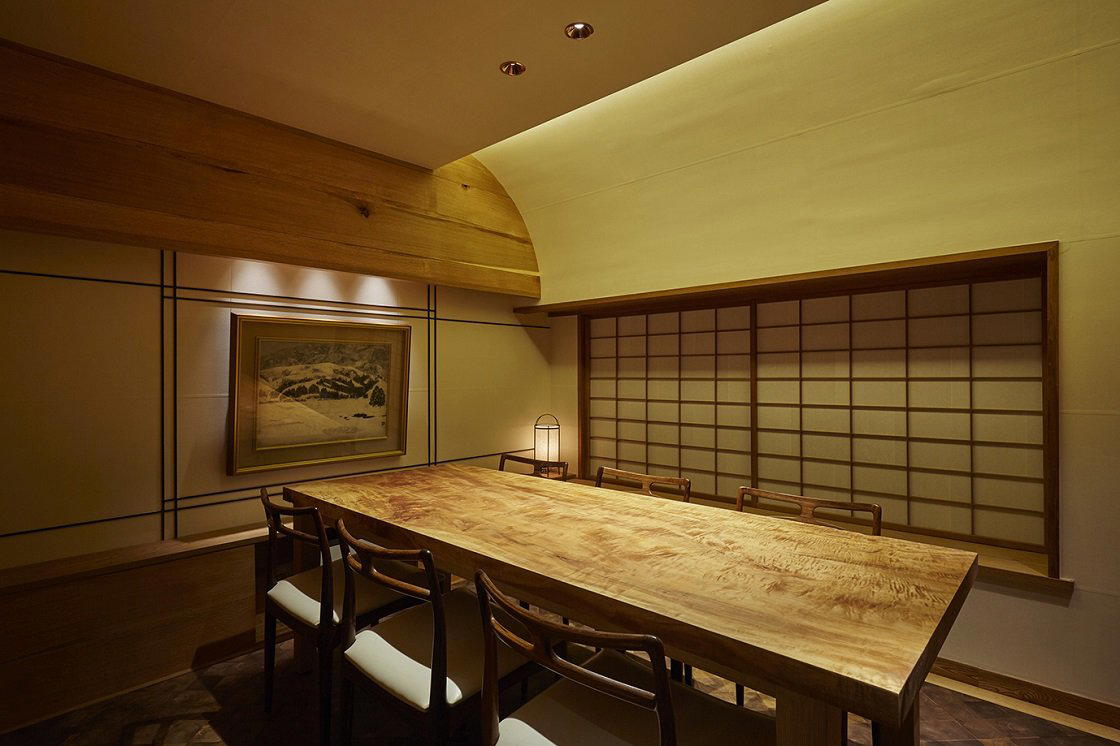
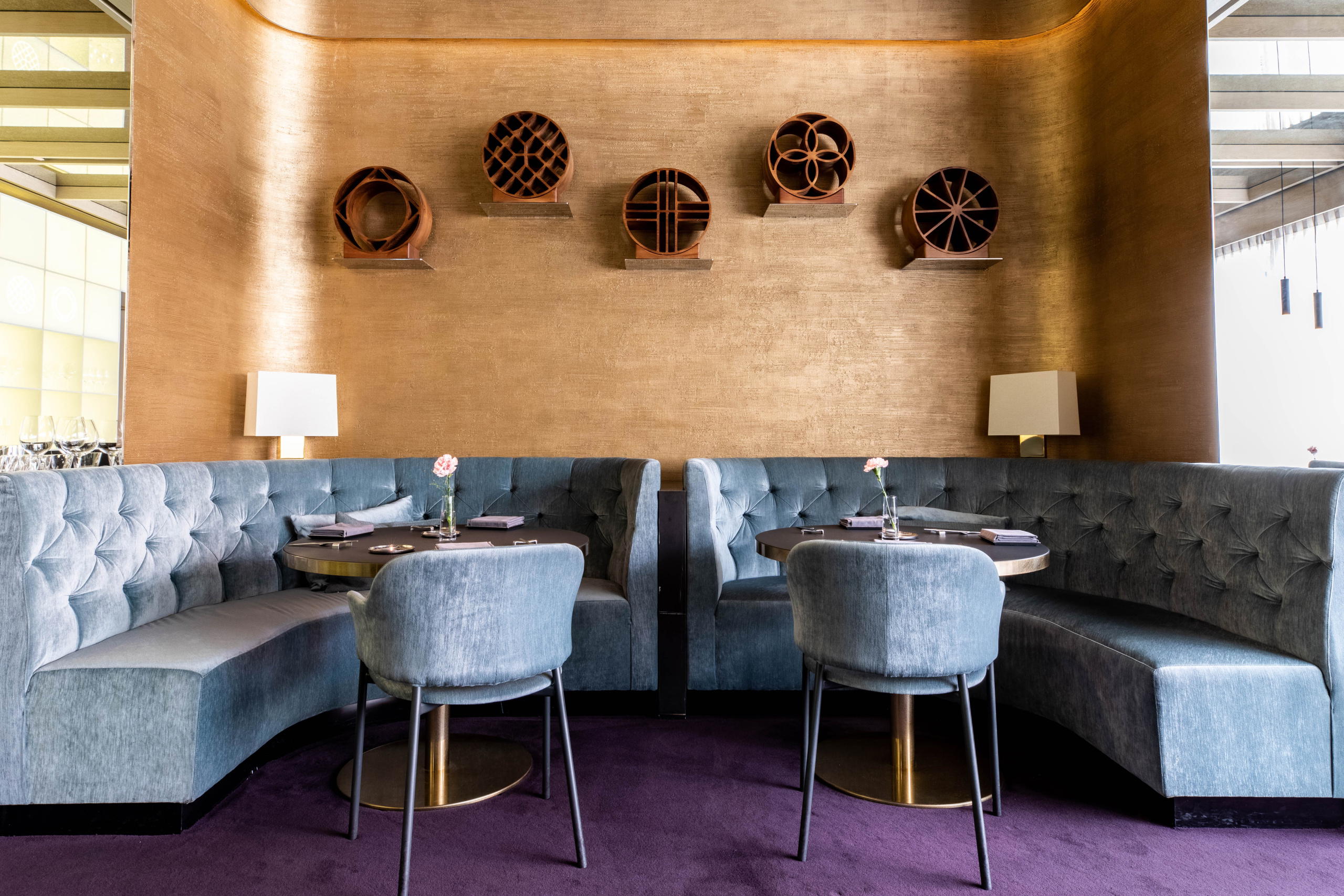
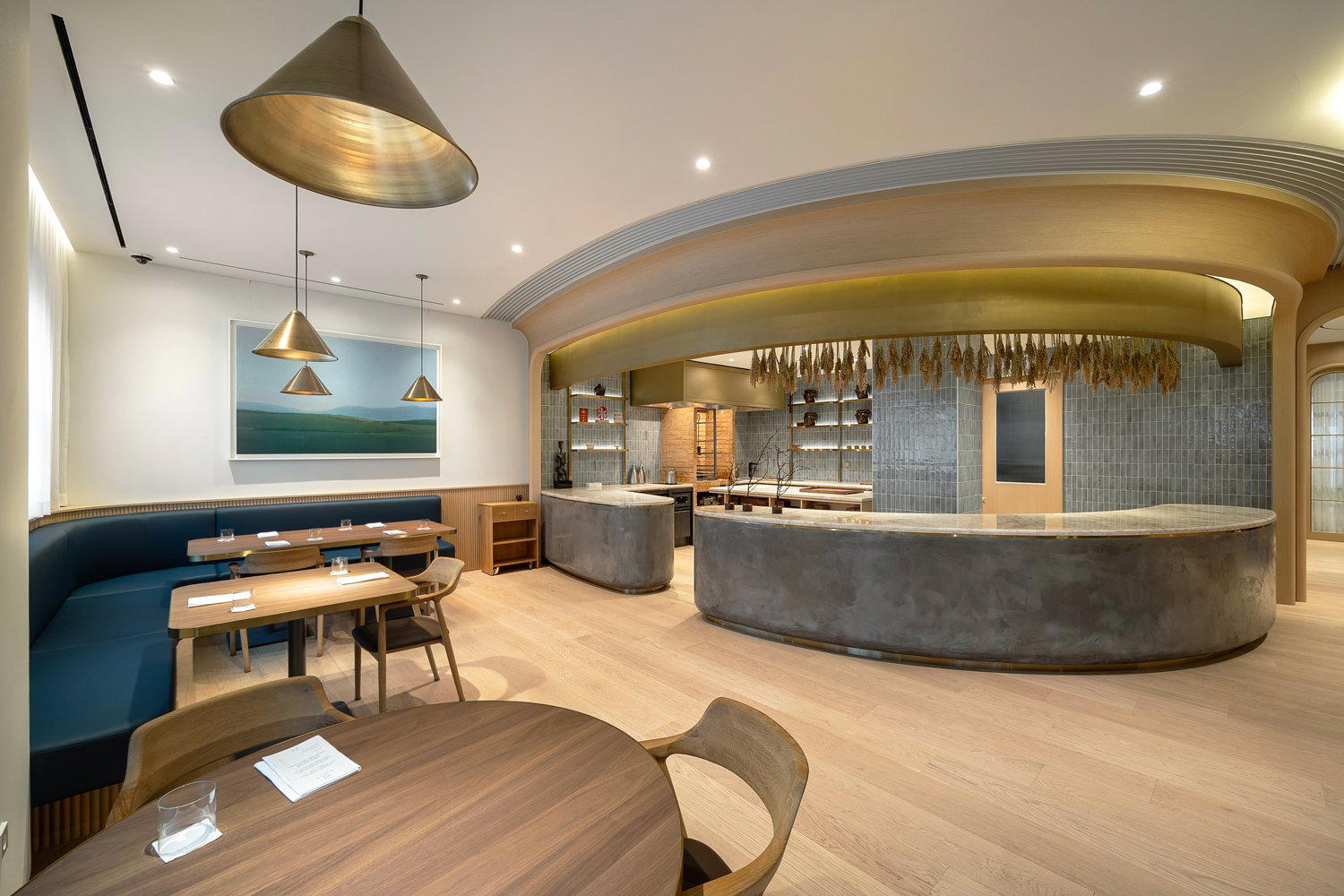
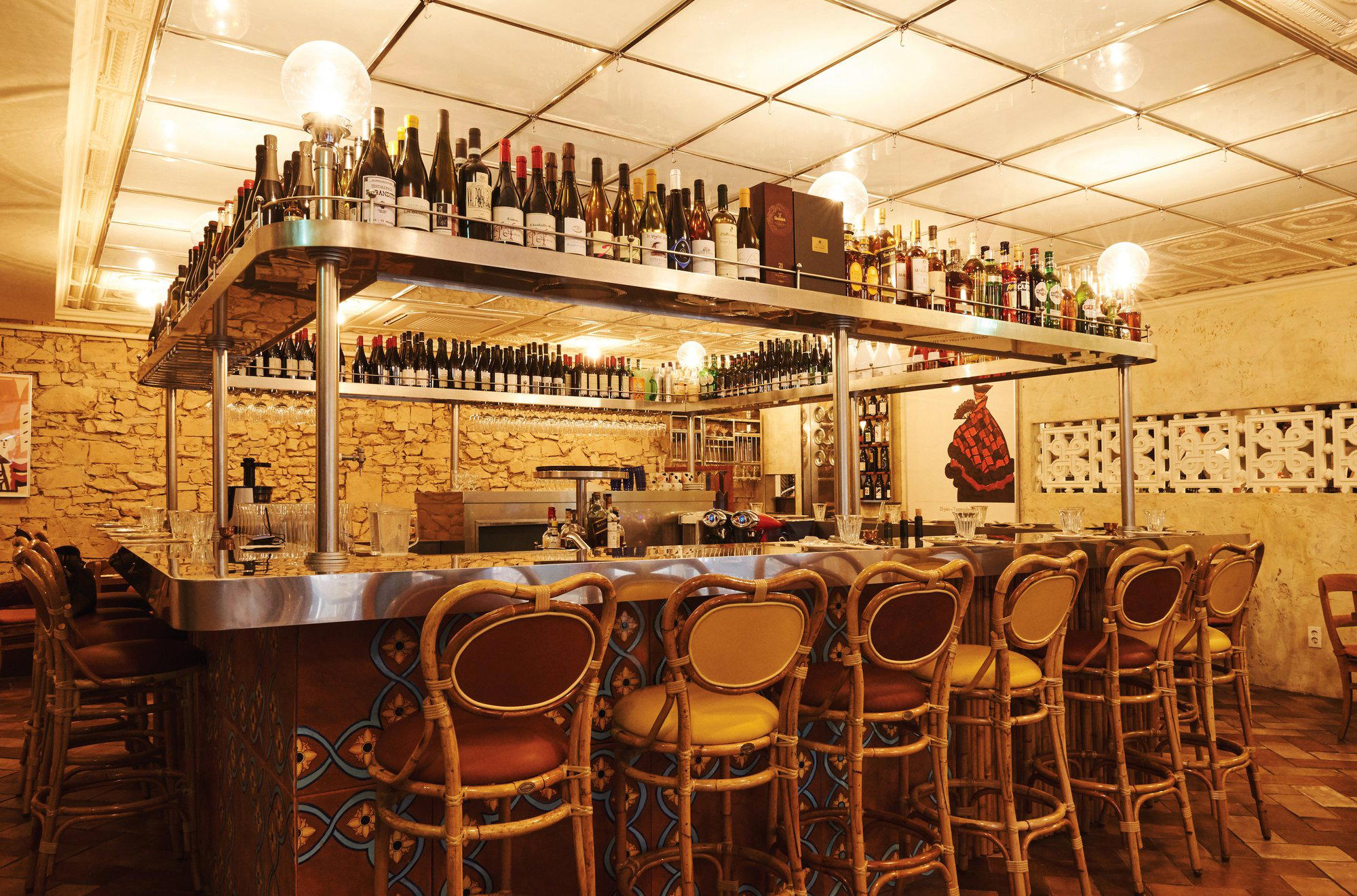
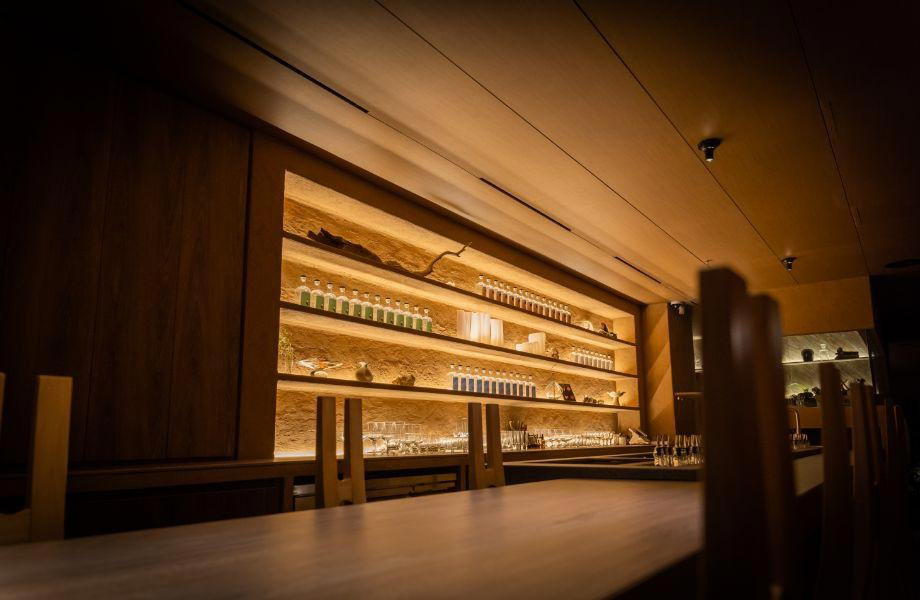
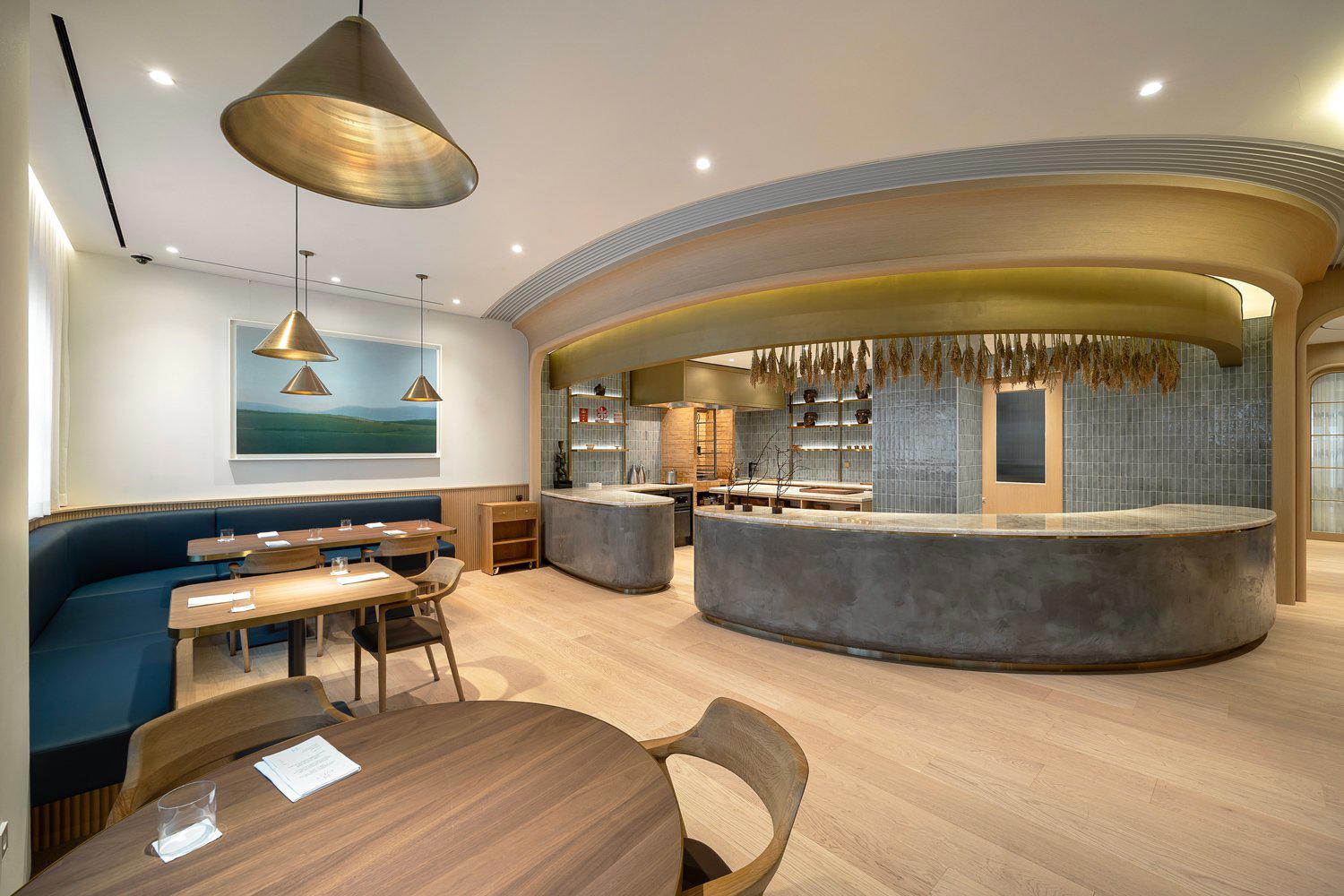
Elegant minimalist interior with 3D metal wave ceiling, grey tones accented by red and yellow, providing a chic and secluded atmosphere.