
Yoshoku Miura Tei belongs to Tokyo’s small-counter yoshoku tradition, where Western technique is filtered through Japanese lunch-and-dinner rhythms rather than hotel dining formality. The six-seat, counter-only room in Nerima’s Musashi-Seki area is listed in Tabelog 100 Yoshoku EAST 2025, with omurice and hamburger steak placing it in a compact, highly local category of everyday cooking treated with unusual seriousness.
Pearl is the En Primeur Club membership app — saves, bookings, and concierge access live there. Same editors, same standards.
- Address
- 東京都練馬区関町北2-33-8
- Phone
- +81339291919
- Website
- miuratei.com
 Saves & bookings on Pearl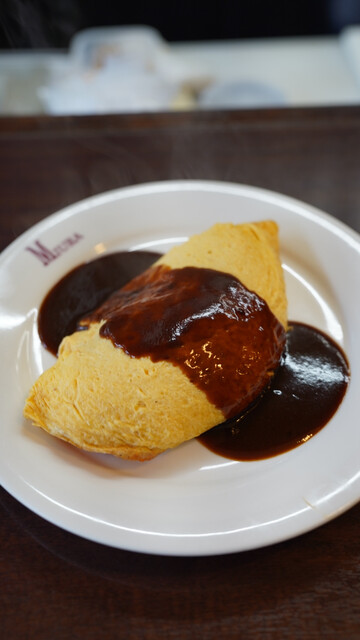
Approaching a house restaurant in Nerima changes Tokyo dining’s tempo. The city’s polished districts suggest elevators, hidden counters, and ceremonial prices. Musashi-Seki works at residential scale: a station-area shopping street and a room where the counter is less theatre than proximity. Yoshoku Miura Tei sits in that domestic register, fitting a cuisine built on translation rather than display.
Yoshoku is Japan’s long conversation with Western cooking: omelette rice, hamburger steak, cutlets, stews, demi-glace, frying technique, and sauces adapted for rice-centered eating. In Tokyo, it splits between old central-city institutions, department-store comfort dining, and small neighbourhood specialists. This Nerima address is the third type. Its Tabelog 100 Yoshoku EAST 2025 selection gives it a credential in a field that rarely travels on international hype, while the category explains why the room can feel modest and serious at once.
Western forms, Tokyo neighbourhood discipline
Read this address not as a novelty Western restaurant, but as a Japanese kitchen using imported forms with local habits of portion, pacing, and repetition. Omurice and hamburger steak are Tokyo reference dishes, testing egg handling, sauce balance, rice texture, searing, and how much richness a plate can carry before it loses lunch-counter logic. Yoshoku has more in common with soba or curry culture than with international fine dining: regulars return to measure consistency.
A six-seat counter becomes part of the argument. Small capacity does not automatically mean luxury in Tokyo, but it compresses the distance between cooking and eating. In sushi, that intimacy often signals hierarchy and price. In yoshoku, it can signal craft applied to familiar forms. The cooking does not ask diners to decode a tasting menu; it asks whether a known dish has been handled with enough control to justify crossing town.
The 2025 Tabelog 100 Yoshoku EAST listing places the restaurant among a narrow set of eastern Japan yoshoku addresses selected for the category, not Michelin-style dégustation rooms. That distinction helps visitors building a Tokyo itinerary. A meal here belongs beside other vernacular specialties rather than replacing a splurge counter. It says something about Tokyo that a counter serving omurice and hamburger steak can sit on an award list alongside formal genres while keeping the language of everyday food.
How it compares with Tokyo's specialist casual tier
Tokyo’s lower-priced specialist dining often reveals more than its formal dining. Soba shops, curry counters, bakeries, yoshoku rooms, and yakitori counters compete through repetition and focus. Within that set, 3 Chome no Curry Ya San points to the same appetite for category-specific cooking, while 124. KAGURAZAKA (Yakitori) shows a different Japanese format where counter discipline carries the experience. 12/10 Shinjuku ten and . 鮪と炭火焼き うお炭 秋葉原店 show how Tokyo diners move between narrow specialties rather than chasing one grand category.
The comparison venues sharpen the point. Sobakiri Suzuki, in Tokyo, represents specialist cooking’s leaner side: soba, low-friction pricing, and restraint as message. Nikuyama belongs to a meat-focused yakiniku lane. Dans Dix ans and Liberte Patisserie Boulangerie Tokyo honten・kichijoji sit closer to bakery and casual café economics. Yoshoku occupies another pocket: Western-derived technique domesticated into Japanese restaurant rhythm. It is neither a retro theme nor a European restaurant with Japanese ingredients, but a local grammar with foreign roots.
For travellers, the meal corrects the city’s prestige narrative. Tokyo’s global reputation is heavy with sushi counters, kaiseki rooms, French-Japanese tasting menus, and cocktail bars, but daily eating culture also rests on specialized rooms with short menus and repeat customers. Yoshoku belongs to that structure. It absorbs global technique, then judges it by local expectations: rice compatibility, sauce restraint, quick service windows, and plates that make sense at lunch as much as dinner.
Who should make the trip to Nerima
This fits diners who already have central Tokyo covered and want a meal that explains the city’s neighbourhood food intelligence. Nerima is not Ginza, Ebisu, or Aoyama; the reward is context rather than spectacle. The house-restaurant format, counter seating, and take-out availability keep the experience close to daily life. The listing also notes wine, signalling that yoshoku’s Western inheritance can reach the glass without becoming a formal pairing exercise.
The practical reading is simple: plan around a compact room and treat the meal as a focused category stop. Credit cards, electronic money, and QR payments are not accepted, so cash matters. Parking is unavailable at the restaurant, with paid parking nearby, though rail is the more Tokyo-appropriate approach, using Musashi-Seki on the Seibu Shinjuku Line. Reservations are listed as available, useful for a six-seat counter where casual timing can decide the meal.
Families and friends are explicitly part of the stated occasion profile, saying much about yoshoku’s social role. This is not a hushed counter built to exclude children or casual diners; it is a small-format room where familiar dishes carry craft. Children are welcome from the age when they can eat alone, a phrase that captures the Japanese balance between hospitality and compact-room discipline.
Use the broader Tokyo map to place it properly. The city ranges from graphic café experiences such as 2D Cafe to regional and genre-specific rooms across Japan, including -Grilled beef Sukiyaki- KAMAKURA TANUKIAN 鎌倉 たぬき庵 in Kamakura.cafe in Osaka.know in Kumamoto, (Shoku) Vietnam in Kawasaki, [Curry Senmon Ten] Maruyama Kyoju. in Sapporo, and [ki:] in Kyoto. Overseas Japanese food culture takes other forms at Jōdo Saké Bar in Los Angeles and Onigiri Time in Pasadena, but the Tokyo counter remains the sharper lens for this food.
For broader planning, use Our full Tokyo restaurants guide alongside Our full Tokyo hotels guide, Our full Tokyo bars guide, Our full Tokyo wineries guide, and Our full Tokyo experiences guide. Yoshoku Miura Tei is not skyline-dining Tokyo. It is the Tokyo of a six-seat counter, Japanese-Western cooking, and a category deep enough to earn repeat recognition without abandoning neighbourhood scale.
The Short List
Side-by-side context: comparable cuisine and price.
| Venue | Cuisine | Price | Notes |
|---|---|---|---|
| Yoshoku Miura TeiThis venue — the venue you are viewing | Not listed | $$ | Not listed |
| Hana Goori Kakigori | Not listed | $$ | Roppongi, Japanese Kakigori (Shaved Ice) |
| Kurumi Do Kissa Ten | Not listed | $$ | Kokubunji, Japanese kissaten & café with bookstore |
| Hassho | Setagaya, Hiroshima-style okonomiyaki | $$ | Not listed |
| Mejiro Shimura | Not listed | $$ | Toshima, Traditional Japanese sweets & kakigori café |
| Yakitori Hachiman | Shinjuku, Traditional Yakitori Izakaya | $$ | Not listed |
Recognition history
Dated appearances from independent guides and award organizations, with the underlying list record or original source where available.
Tabelog 100 #81 · No. 81
Tabelog · Tabelog 100 - Yoshoku - EAST - 2025
Continue exploring
More in Tokyo
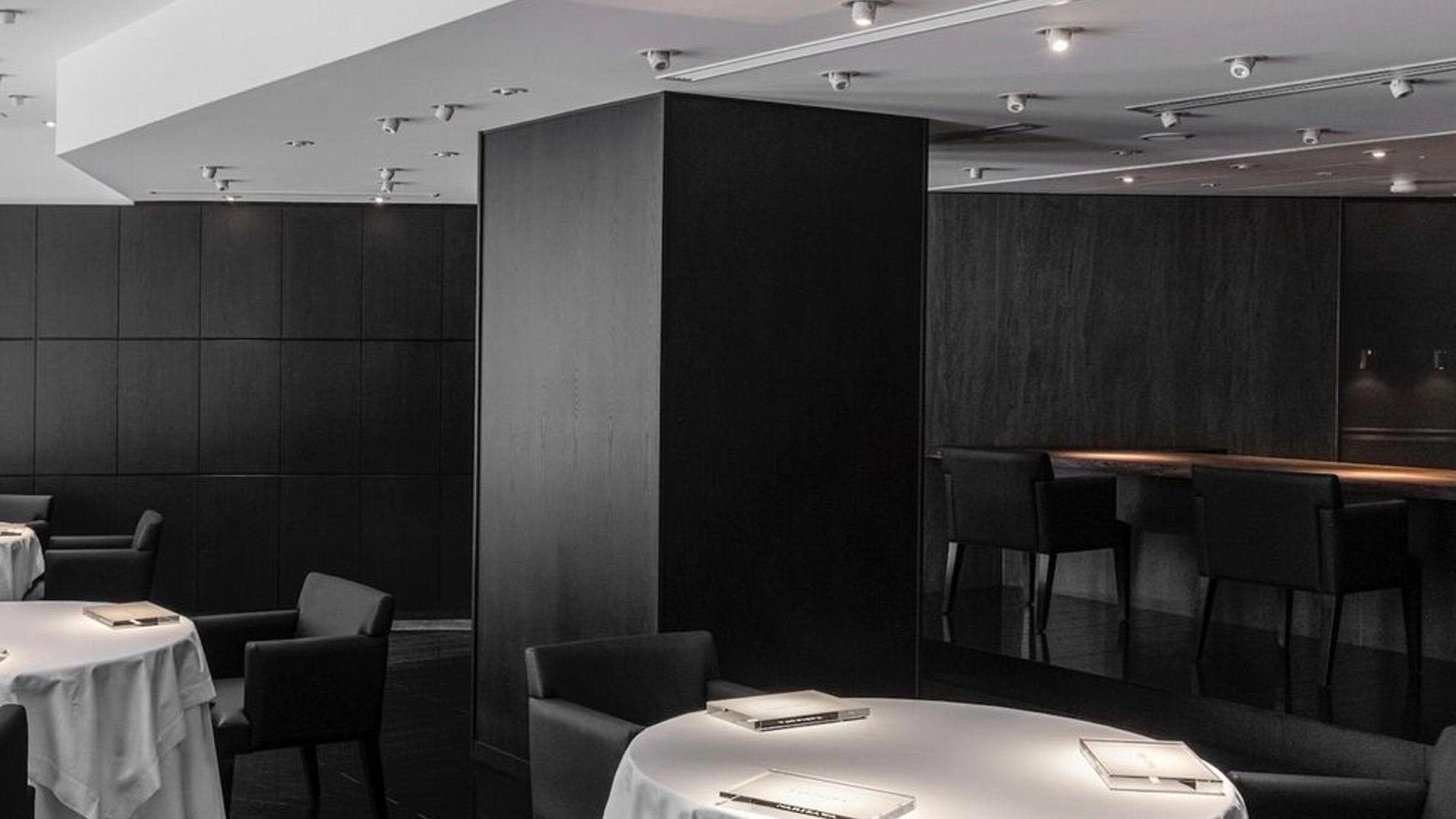
Restaurants in Tokyo
Browse all →



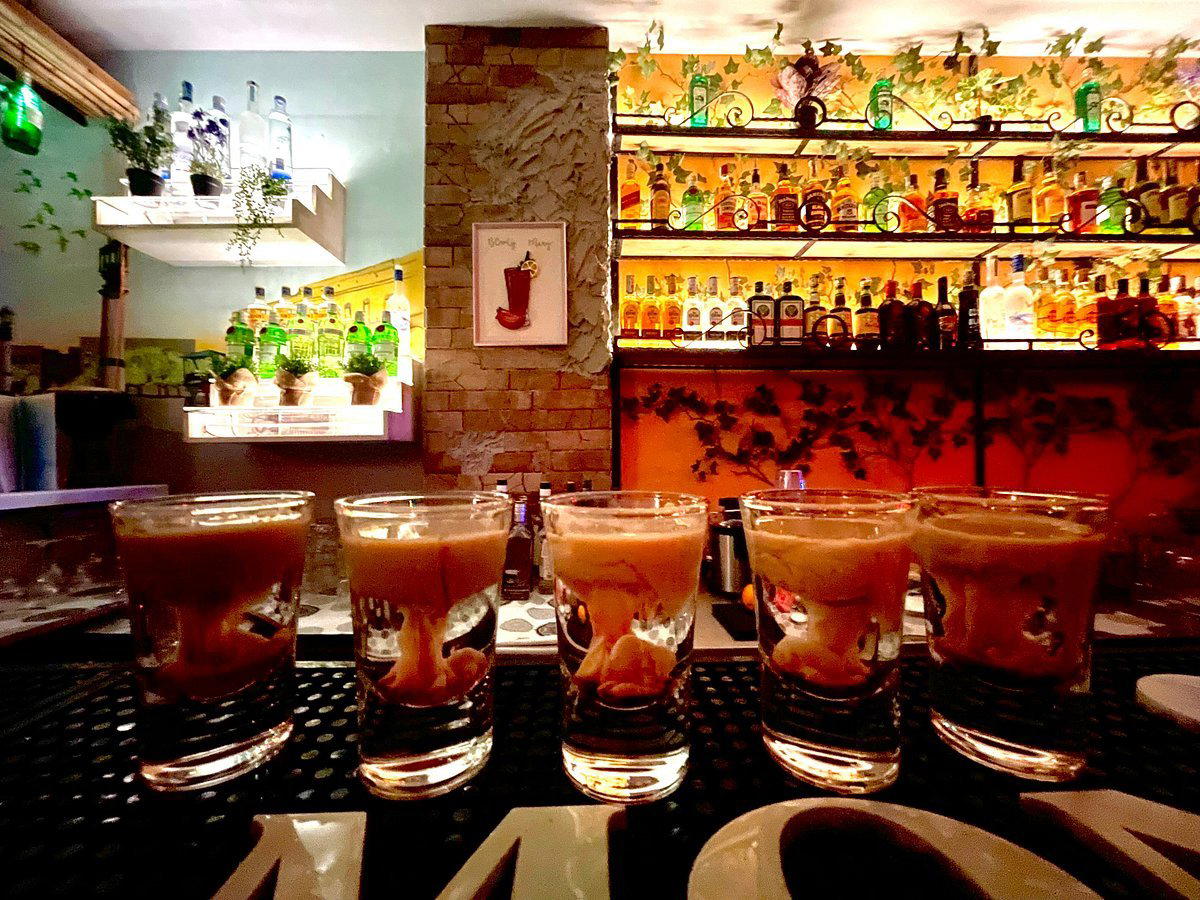
Bars in Tokyo
Browse all →



Hotels in Tokyo
Browse all →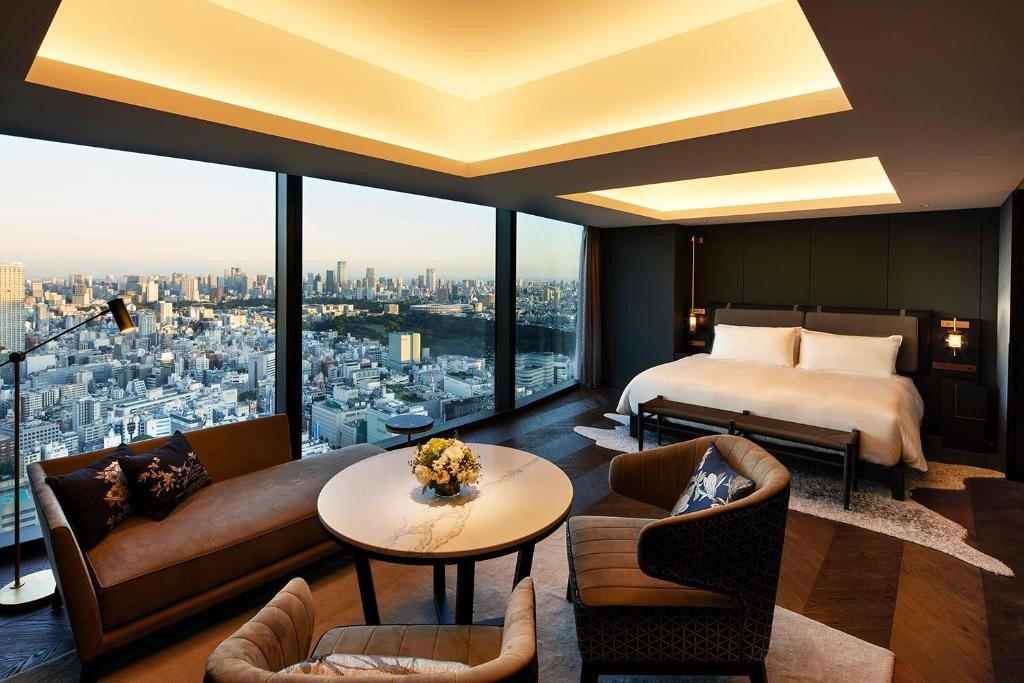




Wineries in Tokyo
Browse all →
At a Glance
- Cozy
- Classic
- Intimate
- Solo
- Casual Hangout
- Date Night
- Family
- Chefs Counter
- Standalone
A snug, five-seat counter-only space with a classic yoshoku feel, quiet and respectful in tone, where guests sit close together and enjoy homestyle Western-influenced Japanese dishes in a calm neighborhood setting.