
Mejiro Shimura belongs to Tokyo’s precise, ritual-minded world of wagashi cafés and kakigori counters, where the pause between shopping, station transfer, and afternoon tea matters as much as the sweet itself. Its Tabelog 100 selection for Tokyo Japanese sweets in 2023 gives it credible standing in a category often overlooked by visitors chasing sushi counters and tasting menus.
Pearl is the En Primeur Club membership app — saves, bookings, and concierge access live there. Same editors, same standards.
- Address
- 3 Chome-13-3 Mejiro, Toshima City, Tokyo 171-0031, Japan
- Phone
- +81 3-3953-3388
- Website
- instagram.com
 Saves & bookings on Pearl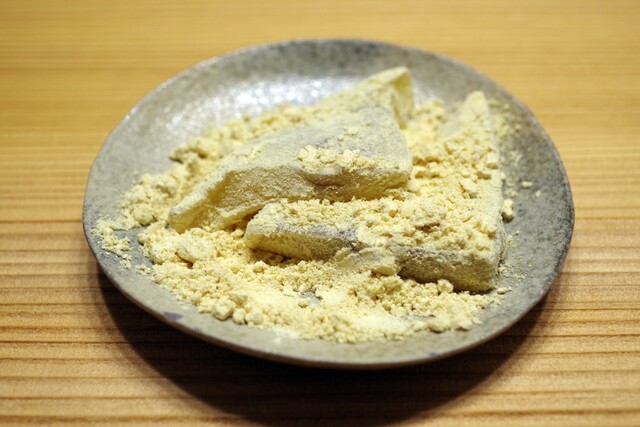
Mejiro’s station-side calm changes the pace before the first spoonful. The JR Yamanote Line puts this pocket of Toshima within the daily Tokyo loop, but the neighborhood moves with less theatrical urgency than Shinjuku or Ginza. That matters for wagashi and kakigori. These are not meals built around progression, pairing, and table turnover; they are rituals of timing, temperature, and restraint, closer to an afternoon intermission than a restaurant sitting.
In Tokyo, Japanese sweets cafés occupy a distinct lane from dessert bars and hotel patisseries. The grammar is older: seasonal cues, tea-house pacing, and an expectation that sweetness is measured rather than loud. Kakigori adds a different tempo, especially in warm months, when shaved ice becomes less a novelty than a serious urban habit. Mejiro Shimura sits inside that tradition with a café format and take-out service, giving travelers a useful alternative to the city’s more formal dining reservations.
Wagashi and kakigori as a Tokyo dining ritual
The point of this genre is not excess. Wagashi asks for attention to shape, texture, and season; kakigori asks for speed once it lands, because the dish changes by the minute. A good Tokyo sweets stop also carries social codes that are easy to miss: order with purpose, avoid camping through peak periods, and treat the room more like a tea salon than a casual coffee shop. The meal is small, but the etiquette is exact.
Recognition matters in this category because Tokyo has a deep sweets field and few international visitors have a reliable shorthand for judging it. Selection for Tabelog 100 Japanese traditional sweets / Japanese sweets café in Tokyo in 2023 places Mejiro Shimura in a curated citywide group rather than in the broad pool of cafés. The same listing history also notes appearances in Tabelog Sweets Tokyo 100 in 2022 and 2020, which suggests continuity rather than a single seasonal surge.
The price band reinforces the format. JPY 1,000 to JPY 1,999 keeps the visit in the low-commitment range for Tokyo, especially compared with multi-course dining, but the ritual is not casual in the sense of careless. This is the sort of stop that works between a museum morning and an evening reservation, or as a deliberate detour when the day needs one focused address rather than another department-store basement.
Mejiro’s surrounding dining scene helps explain the role. Nearby comparison addresses such as Mejiro Zorome and Unagi Mejiro Zorome point to a neighborhood where traditional Japanese formats still carry weight, while Mejiro Shunkotei reflects the city’s long affection for yoshoku. Against that backdrop, a Japanese sweets café is not an afterthought. It is part of the same local pattern: compact, specialized places that reward diners who plan around one category instead of trying to cover Tokyo in a single day.
Why Mejiro changes the calculation
Many visitors treat sweets in Tokyo as a bonus after sushi, ramen, or yakitori. That is a mistake when the itinerary allows a separate pause. Wagashi culture has its own hierarchy, and kakigori has become a serious seasonal pursuit across the city, with summer demand changing the practical rhythm of a visit. At Mejiro Shimura, reservations are available, and summer can bring restrictions for guests without one. That is not the behavior of an anonymous café; it is the operating reality of a specialist address in a high-demand seasonal category.
The café has 55 seats, a relatively generous figure for a Tokyo sweets room, yet capacity does not remove the need for timing. A room like this performs differently at opening, mid-afternoon, and close to last order. The wiser move is to treat it like a planned stop rather than a fallback, especially in humid months when kakigori demand reshapes the day. Sunday closure also changes weekend planning, a small detail that can derail a sweets itinerary if left to chance.
There is another reason to take the category seriously: Japanese sweets reveal a side of Tokyo dining that is often quieter than the city’s luxury counters. The craft is less about visible performance and more about proportion. A traveler moving from yakitori at 124. KAGURAZAKA (Yakitori), curry at 3 Chome no Curry Ya San, or a graphic café format such as 2D Cafe will see how sharply Tokyo separates its micro-genres. The restaurant belongs to the slower, more tradition-led end of that spectrum.
How to fit it into a Tokyo day
The strongest use case is a daytime sweets stop built around Mejiro rather than a hurried add-on across town. The station proximity makes it easy to pair with a Yamanote Line day, but the neighborhood’s calmer rhythm is part of the value. For a broader restaurant plan, use Our full Tokyo restaurants guide; for adjacent trip planning, keep Our full Tokyo hotels guide, Our full Tokyo bars guide, Our full Tokyo wineries guide, and Our full Tokyo experiences guide close at hand.
Tokyo itineraries work better when they mix intensity with small rituals. A sweets stop here can sit between a seafood meal such as. 鮪と炭火焼き うお炭 秋葉原店 and a Shinjuku address such as 12/10 Shinjuku ten, or it can anchor a quieter afternoon before leaving the city’s dining grid for regional references like -Grilled beef Sukiyaki- KAMAKURA TANUKIAN 鎌倉 たぬき庵 in Kamakura.cafe in Osaka.know in Kumamoto, (Shoku) Vietnam in Kawasaki, [Curry Senmon Ten] Maruyama Kyoju. in Sapporo, and [ki:] in Kyoto.
For travelers comparing Japanese food culture beyond Japan, the same logic applies: small-format specialists often explain more than grand rooms. That is why a Tokyo wagashi café can sit on the same planning map as Jōdo Saké Bar in Los Angeles or Onigiri Time in Pasadena. The editorial verdict is simple: come for the sweets category, not for spectacle. The reward is a precise Tokyo pause with credible recognition, modest spend, and a format that teaches as much about the city as another full meal.
Peers in This Market
Comparable venues by cuisine and price in the same metro.
| Venue | Cuisine | Price | Notes |
|---|---|---|---|
| Mejiro ShimuraThis venue — the venue you are viewing | Traditional Japanese sweets & kakigori café | $$ | Not listed |
| たんたん亭 本店 | Traditional Japanese Ramen | $$ | Hamadayama |
| HIKINIKU TO COME (挽肉と米) | Japanese Hamburger Steak with Rice | $$ | Shibuya |
| Nonokura | Chuutakansuimen Ramen | $$ | Kameari |
| Yakiniku Hiromiya Shin honten | Yakiniku (Japanese BBQ) Omakase | $$ | Shinjuku |
| 梢 | Modern Zero Waste Cafe | $$ | Shinjuku |
Recognition history
Dated appearances from independent guides and award organizations, with the underlying list record or original source where available.
Tabelog 100 #64 · No. 64
Tabelog · Tabelog 100 - Japanese traditional sweets / Japanese sweets cafe - TOKYO - 2023













At a Glance
- Classic
- Cozy
- Quiet
- Solo
- Casual Hangout
- Family
- After Work
- Standalone
- Design Destination
Current opening hours
- Monday
- 9 AM–6 PM
- Tuesday
- 9 AM–6 PM
- Wednesday
- 9 AM–6 PM
- Thursday
- 9 AM–6 PM
- Friday
- 9 AM–6 PM
- Saturday
- 9 AM–6 PM
- Sunday
- Closed
Hours can change for holidays and private events. Last verified .
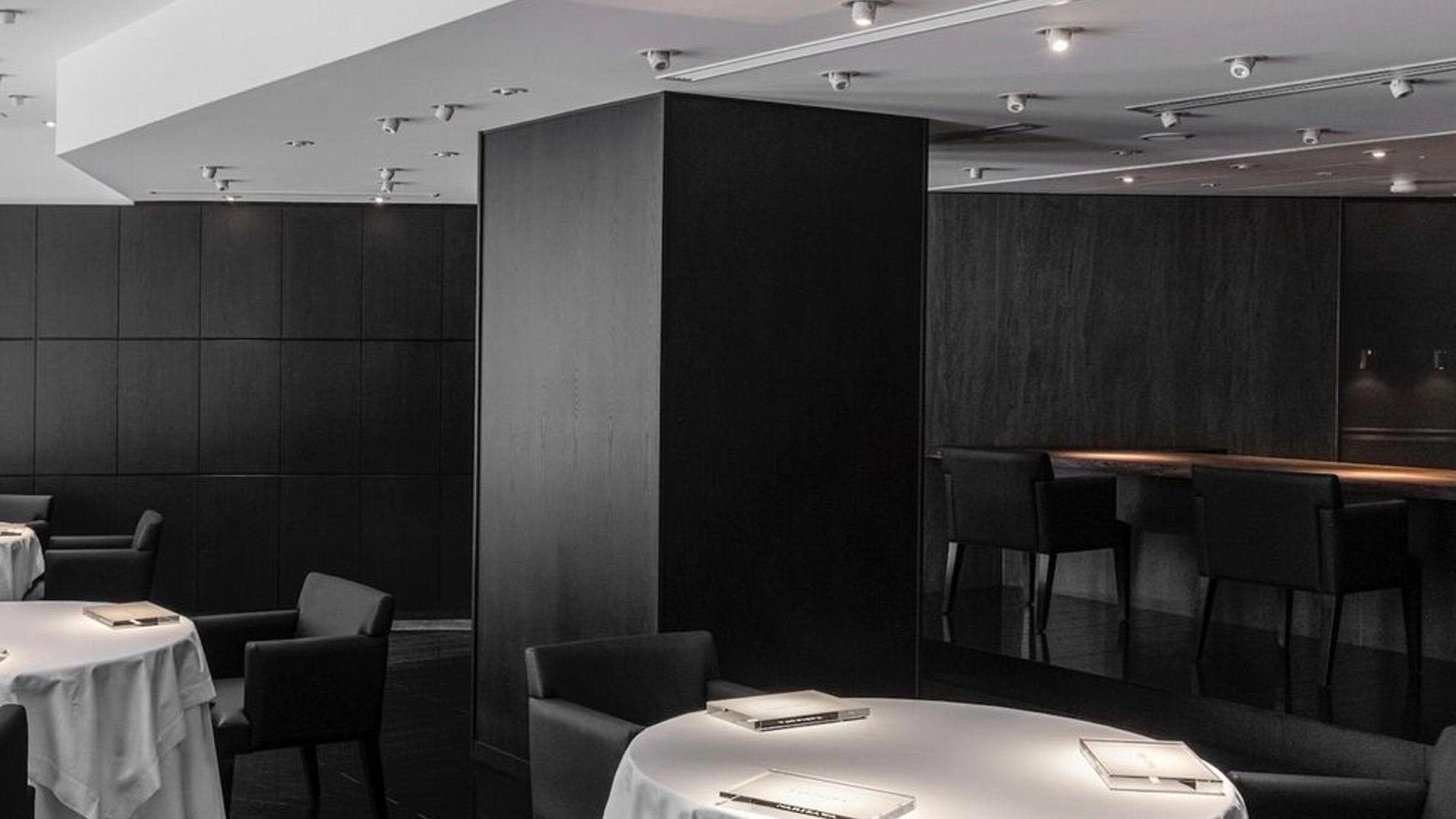
A traditional, softly lit Japanese confectionery and café with a calm, neighborhood feel—more classic than trendy—where guests enjoy seasonal kakigori and wagashi in a relaxed, unhurried setting near Mejiro Station.