
Yakitori Hachiman sits in Tokyo’s serious yakitori conversation: a 22-seat Nishiwaseda room with counter seating, chicken-skewer focus, and repeat selection for Tabelog’s Yakitori 100. The appeal is less spectacle than discipline, with a format that rewards diners who understand why Tokyo’s grill culture treats portioning, pacing, and quiet attention as part of the craft.
Pearl is the En Primeur Club membership app — saves, bookings, and concierge access live there. Same editors, same standards.
- Address
- Japan, 〒169-0051 Tokyo, Shinjuku City, Nishiwaseda, 3 Chome−1−1 B1
- Phone
- +81 3-3203-2880
- Website
- yakitori-hachiman.com
 Saves & bookings on Pearl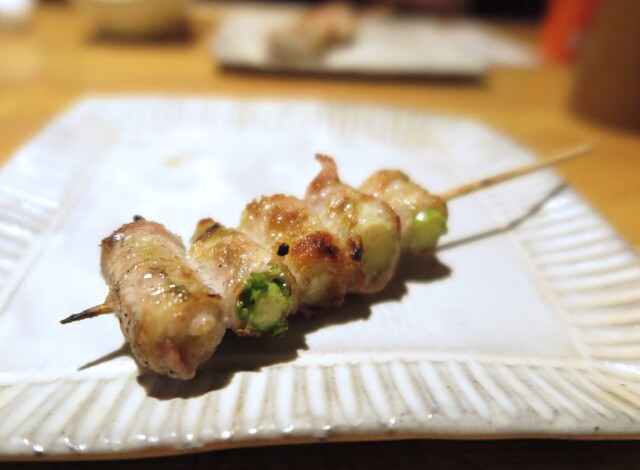
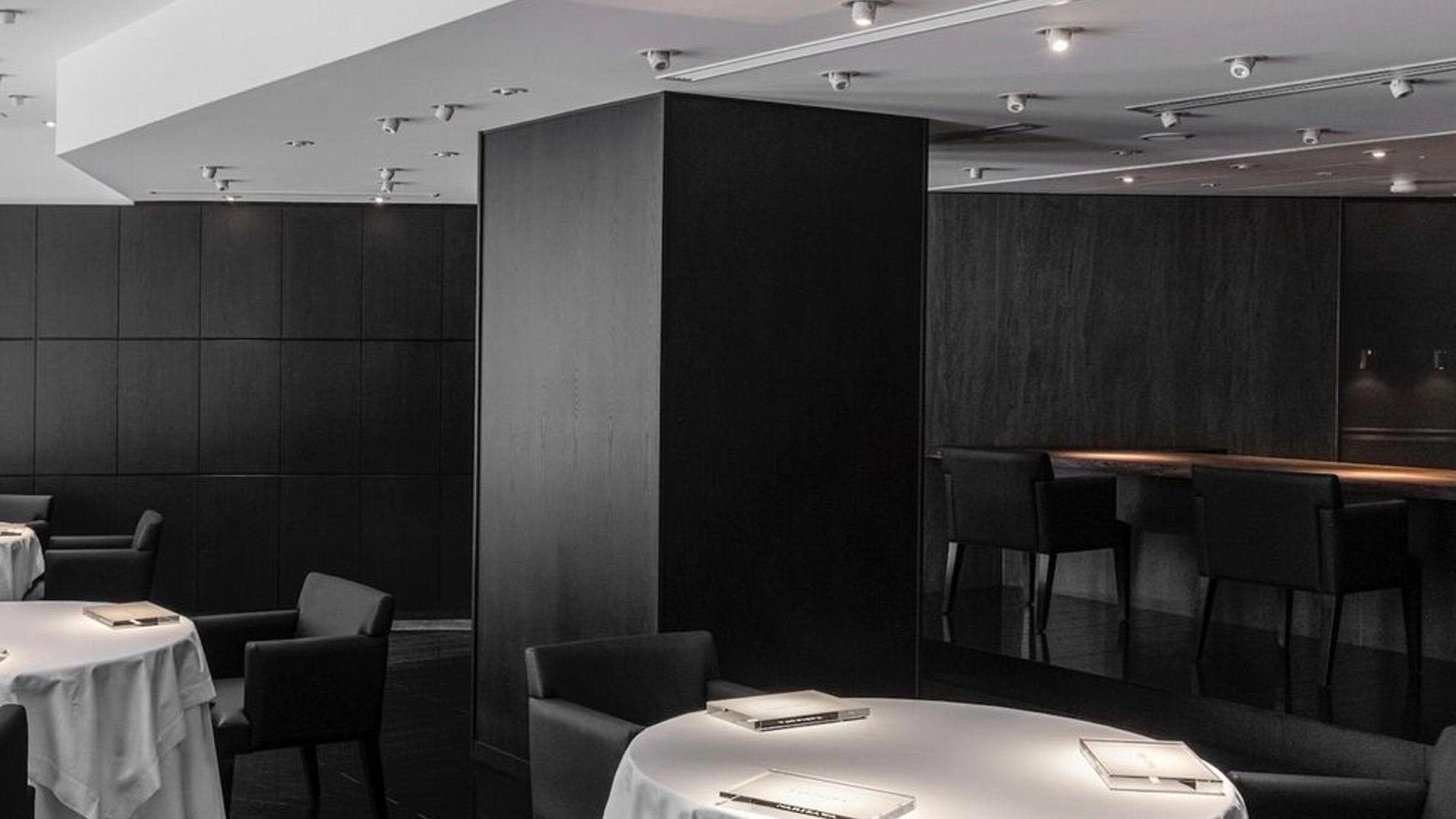
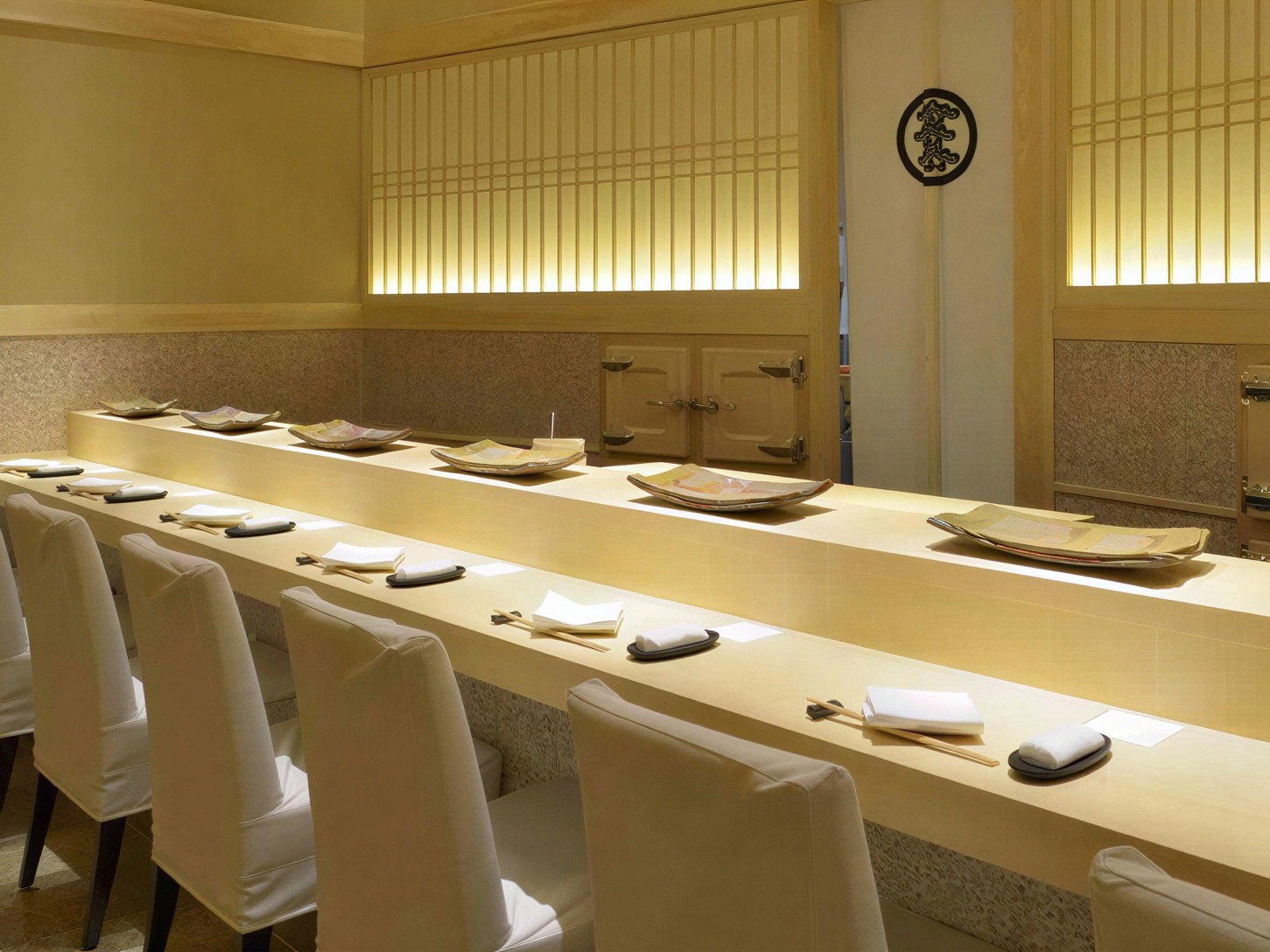
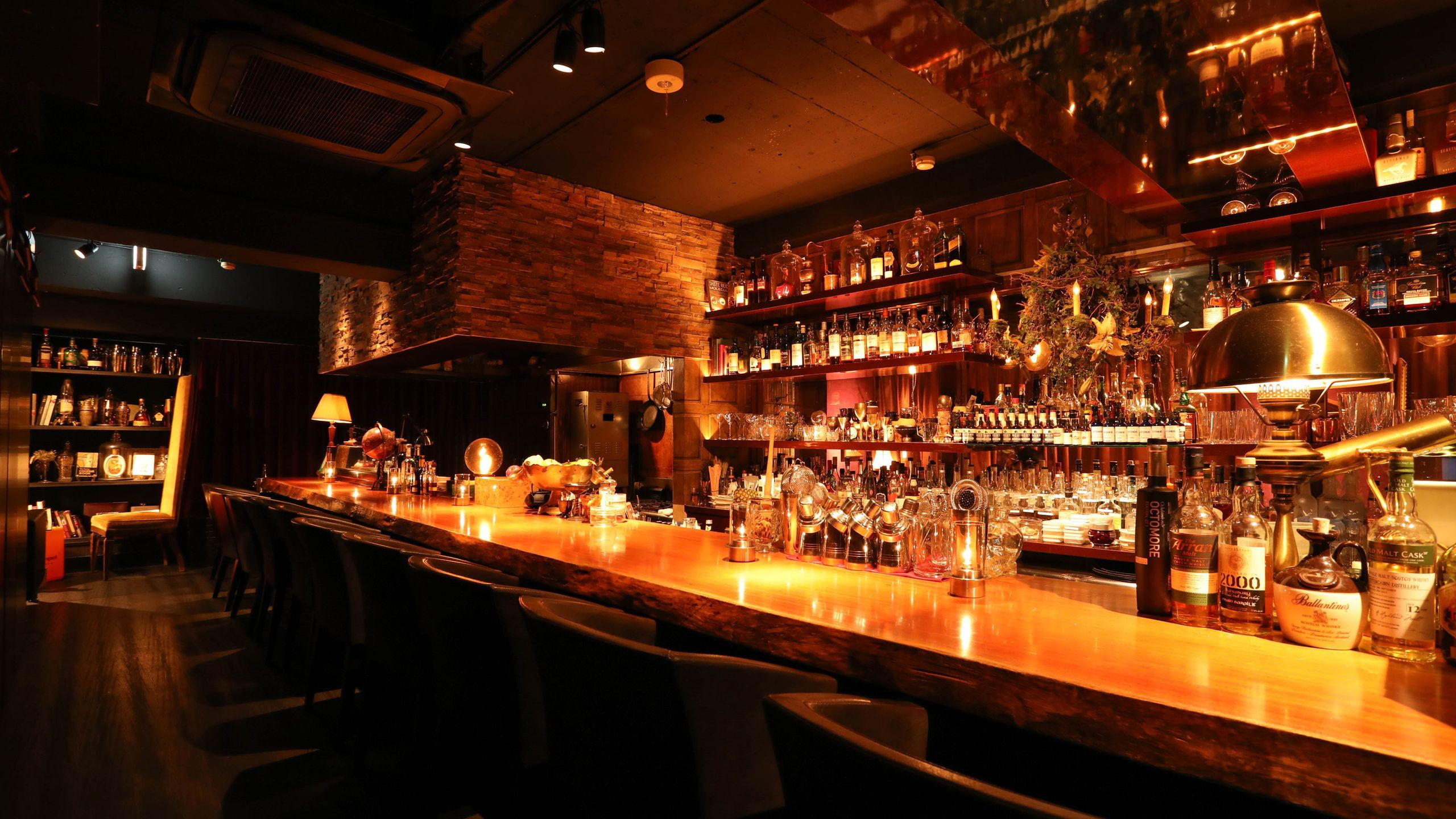
Below street level in Nishiwaseda, the room moves the meal away from Tokyo restaurant theater and into yakitori’s compact grammar: counter seats, table seats, smoke-managed restraint, and a rhythm built around the grill rather than a long printed narrative. In a city where chicken skewers range from after-work drinking food to controlled counter dining, Yakitori Hachiman sits in the middle-high tier: serious without becoming ceremony.
That matters in Tokyo. Yakitori is often discussed through heat, tare, salt, and chicken sourcing, but the sharper question is efficiency. A good yakitori room uses the bird with precision: small cuts, offal, skin, cartilage, thigh, breast, and seasonal accompaniments turn craft into a low-waste format. The environmental argument is not a slogan; it is built into the cuisine. Skewer-by-skewer cooking reduces excess portioning, charcoal grilling requires close attention rather than volume, and the format keeps the meal within what the kitchen can control.
Nishiwaseda yakitori with a serious counter culture
Nishiwaseda gives this restaurant a different register from Ginza or Roppongi. Outside the obvious luxury circuit, closer to university streets, residential blocks, and Waseda’s practical eating culture, the area changes the social tone without making the cooking casual. The 22 seats, split between 7 counter seats and 15 table seats, make it feel like a neighbourhood specialist rather than a destination tasting counter. Yet repeat selection for Tabelog’s Yakitori 100 in 2018, 2019, 2021, 2023, 2024, and 2025 keeps it in the conversation for diners tracking Tokyo grill houses with evidence rather than hearsay.
Locally, it occupies a different lane from nearby quick-meal addresses such as Ramen Yamaguchi, Tokyo Rakkyo Brothers, or Ethiopia Curry Kitchen Takadanobaba ten, where speed, value, and a narrower lunch-counter logic lead. It also differs from Alayashiki, in a higher dinner budget band. Yakitori Hachiman’s position is more specific: chicken dishes, sake, shochu, and wine, served in a small room where the counter matters and tables keep the experience usable for groups.
Tokyo’s yakitori hierarchy is increasingly stratified. One end has casual izakaya-style counters where drinks lead and skewers follow; the other has reservation-heavy omakase rooms priced closer to sushi and kappo. Nishiwaseda reads as a practical alternative to both. Tabelog lists it at 3.68, with the 2025 Yakitori EAST 100 selection acting as the clearer trust signal: not a Michelin-style star system, but a useful marker for restaurants Japanese diners actively compare within a defined category.
The sustainability case is in the format, not the slogan
Yakitori is one of Japan’s clearest examples of resource-conscious cooking because it rewards granular use. The cuisine depends on breaking a chicken into many textures and cooking each cut precisely enough that small portions feel complete. That is a stronger sustainability story than the vague language often attached to luxury dining. The craft lies in avoiding excess, not dressing it up.
Hachiman’s published category is yakitori and chicken dishes, placing it inside that whole-bird tradition without inventing a sourcing claim. Its environmental credibility sits in the meal’s grammar: skewers instead of oversized plates, a narrow protein focus rather than a sprawling menu, and a drink program within the classic yakitori orbit of sake, shochu, and wine. The one-drink system also fits the genre’s social structure, where grilled chicken and alcohol have long been linked, though the room is listed as family friendly and welcomes children.
There is also a behavioural side. The restaurant’s etiquette discourages strong scents, phone calls, and videos with sound. In Tokyo, those rules are not affectation. Counter-focused restaurants depend on shared concentration: smoke, heat, timing, and conversation sit close together. The indoor smoking ban, in place since March 2018, further supports the focus on the grill rather than ambient clutter.
For travellers building a wider Tokyo itinerary, this address makes sense after comparing neighbourhood food cultures rather than chasing only central luxury rooms. The city’s depth is clearer through contrasts: yakitori in Nishiwaseda, curry in Takadanobaba, ramen nearby, and more formal Japanese dining elsewhere. For broader planning, see Our full Tokyo restaurants guide, alongside Our full Tokyo hotels guide, Our full Tokyo bars guide, Our full Tokyo wineries guide, and Our full Tokyo experiences guide.
How to place it in a Tokyo eating week
Use this restaurant not as a blowout substitute for Tokyo’s formal tasting-menu circuit, but as a focused yakitori night with enough recognition to justify the detour west of the busiest dining zones, especially for travellers who care about craft formats that waste less by design. The 22-seat scale keeps the meal intimate, while table seating gives it more flexibility than counters built only for pairs.
Its Tabelog 100 history separates it from Tokyo’s many competent grill rooms. Plenty of places serve chicken over charcoal; fewer sustain multi-year category recognition while staying within a neighbourhood frame. That balance is the point. The restaurant is not turning yakitori into luxury theater. It shows why the form already has discipline: limited protein focus, small portions, heat control, and a room that asks guests to behave like participants rather than spectators.
Readers mapping nearby and adjacent options can compare it with Tokyo listings such as. 鮪と炭火焼き うお炭 秋葉原店, 12/10 Shinjuku ten, 124. KAGURAZAKA (Yakitori), 2D Cafe, and 3 Chome no Curry Ya San. For a wider Japan and trans-Pacific food map, the contrast runs from -Grilled beef Sukiyaki- KAMAKURA TANUKIAN 鎌倉 たぬき庵 in Kamakura and.cafe in Osaka to.know in Kumamoto, (Shoku) Vietnam in Kawasaki, [Curry Senmon Ten] Maruyama Kyoju. in Sapporo, [ki:] in Kyoto, Jōdo Saké Bar in Los Angeles, and Onigiri Time in Pasadena.
The verdict is simple: this is a Tokyo yakitori address for diners who value format discipline over display. The draw is not a named chef narrative or a catalog of signature skewers. It is how a small Nishiwaseda grill room, repeatedly recognized within its category, shows why yakitori remains one of Japan’s intelligent answers to responsible eating: modest portions, close control, and respect for the whole bird.
A Quick Peer Check
Comparable venues at the same tier for side-by-side context.
| Venue | Cuisine | Price | Notes |
|---|---|---|---|
| Yakitori HachimanThis venue — the venue you are viewing | Traditional Yakitori Izakaya | $$ | Not listed |
| Negishi | Japanese Beef Tongue Grill | $$ | Shinjuku |
| Otsuka Miyaho | Japanese Izakaya & Ramen | $$ | Toshima |
| 傳 | japanese | Not listed | Shibuya |
| Takenoshita Soba | Traditional Japanese Soba | $$ | Shibuya |
| Sumatra Curry Kyoei Do | Historic Sumatra-style Japanese curry | $$ | Chiyoda |
Recognition history
Dated appearances from independent guides and award organizations, with the underlying list record or original source where available.
Tabelog 100 #34 · No. 34
Tabelog · Tabelog 100 - Yakitori - EAST - 2025










At a Glance
- Cozy
- Lively
- Intimate
- Classic
- After Work
- Casual Hangout
- Group Dining
- Solo
- Date Night
- Late Night
- Chefs Counter
- Standalone
- Sake Program
- Beer Program
Current opening hours
- Monday
- 5–10:30 PM
- Tuesday
- Closed
- Wednesday
- Closed
- Thursday
- 5–10:30 PM
- Friday
- 5–10:30 PM
- Saturday
- 5–10:30 PM
- Sunday
- 12–2:30 PM, 5–8:30 PM
Hours can change for holidays and private events. Last verified .