Yorozu occupies a quiet address in Akasaka, one of Fukuoka's most considered dining neighbourhoods, where the pace of service and the seriousness of the kitchen align with a scene that has long operated at a register most visitors miss entirely. The restaurant sits within a local dining culture that rewards repeat visits, advance planning, and a willingness to follow the kitchen's lead rather than arrive with fixed expectations.
Pearl is the En Primeur Club membership app — saves, bookings, and concierge access live there. Same editors, same standards.
- Address
- 2 Chome-3-32 Akasaka, Chuo Ward, Fukuoka, 810-0042, Japan
- Phone
- +81927247880
- Website
- yorozu-tea.jp
- Directions
- Get directions
 Saves & bookings on Pearl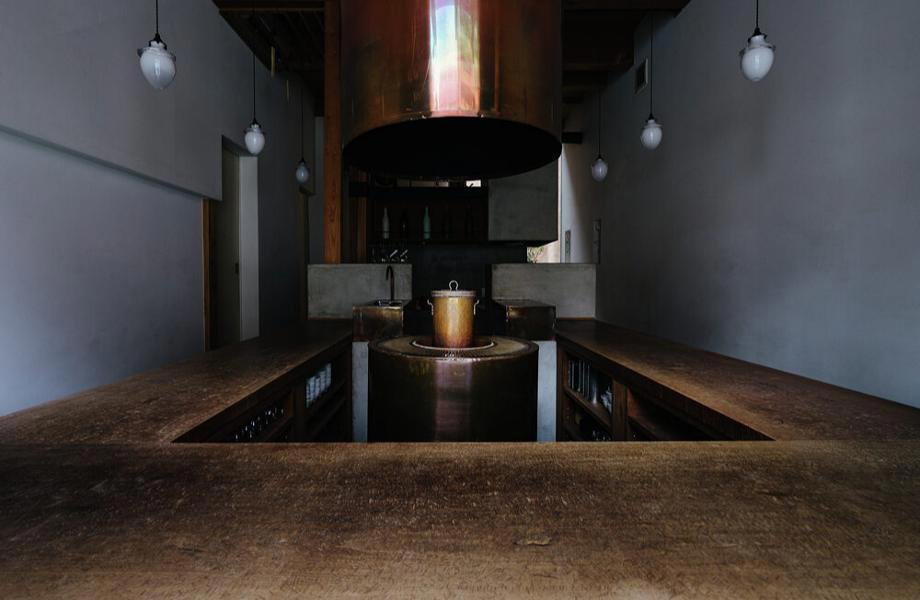
Akasaka and the Dining Culture That Shaped It
Fukuoka's Akasaka district, in Chuo Ward, does not announce itself the way Tenjin or Nakasu do. There are no lantern-lit alleys angled at tourists, no ramen queue theatrics. What you find instead is a residential-commercial mix where serious kitchens operate without much ceremony, drawing a clientele that already knows what it wants. Yorozu sits inside this dynamic, at 2 Chome-3-32 Akasaka, in a ward that has quietly accumulated some of the city's most considered dining rooms. That address is not incidental. In Fukuoka, neighbourhood is often the clearest signal of what a restaurant is trying to do.
Chuo Ward, and Akasaka specifically, has become a reference point for a particular kind of Fukuoka dining: locally focused, often small in scale, and oriented toward regulars rather than foot traffic. This is not the Fukuoka of yatai stalls and tourist-facing hakata ramen, though that city exists and has its own value. This is the Fukuoka that Japanese food writers and in-the-know visitors seek out, a city whose dining scene consistently punches above its profile relative to Tokyo or Osaka, and which rewards the traveller prepared to do a little research before arrival.
Where Yorozu Sits in the Fukuoka Scene
Fukuoka's restaurant tier has diversified considerably over the past decade. The city now carries a cluster of restaurants operating at a level comparable to Osaka or Kyoto addresses, with a fraction of the international visitor pressure. Destinations like Goh (French) and Chikamatsu (Sushi) represent the upper end of that tier, while a broader set of smaller, specialist-focused restaurants fills the middle ground with a seriousness that would be unremarkable in Japan's larger culinary cities but feels, in Fukuoka, like something worth noting.
What the address and neighbourhood context make clear is the competitive set: Akasaka-area restaurants of this type tend to draw from a local professional clientele, and keep their booking calendars tight enough that walk-in visits are rarely viable. That pattern holds across comparable Fukuoka addresses and almost certainly shapes how Yorozu should be approached as a visitor.
For comparative orientation, the Fukuoka scene at this level sits somewhere between the hyper-concentrated fine dining of Gion Sasaki in Kyoto and the more experimental registers of HAJIME in Osaka. Fukuoka kitchens at this level tend toward craft precision over conceptual statement, and the city's access to Kyushu produce, including notable seafood from Hakata Bay and the surrounding waters, gives those kitchens a material advantage that shows in the plate.
The Logic of Booking and Timing
Visiting Akasaka-level restaurants in Fukuoka without advance planning is a category error. The dining rooms are small, the booking windows are real, and the city does not have the same backup infrastructure of last-minute cancellation apps that Tokyo visitors rely on. For international travellers building an itinerary around Fukuoka dining, several weeks of lead time is a reasonable working assumption for restaurants operating at this tier, though popular counters can extend longer, particularly for weekend seats.
Fukuoka is also a city with a strong domestic dining culture, meaning competition for seats comes from Japanese domestic travellers and Fukuoka regulars, not just international visitors. This affects availability in ways that are different from, say, planning around Harutaka in Tokyo, where the international visitor base is better documented and booking patterns more predictable from the outside. In Fukuoka, the safest approach is to confirm reservation details as early as your travel dates are fixed, and to have a considered backup within the same neighbourhood. Asago, Bekk, and Beef Taigen are all within reach of central Fukuoka and cover different cuisine angles worth considering.
Reading the Neighbourhood on Arrival
The physical experience of arriving at an Akasaka restaurant is part of the dining pattern itself. Unlike Ginza or Nishiazabu in Tokyo, where premium addresses often signal themselves through architecture or visible queues, Akasaka in Fukuoka tends toward understatement. Entrances are modest, signage is minimal, and the streetscape gives little away about what is happening inside. This is not a flaw; it is the calibration of a neighbourhood that has always prioritised substance over display.
That calibration extends to service pacing. Fukuoka dining rooms at this tier tend to move at a deliberate pace, particularly in the evening. The meal is not rushed, and the rhythm of courses reflects a kitchen working in real time rather than against a turn-time target. For travellers used to major international fine dining, this can feel surprisingly unhurried in the leading sense. For comparable unhurried, craft-serious formats elsewhere in Japan, akordu in Nara offers a useful parallel in a similarly under-visited city.
Fukuoka Beyond Yorozu
A visit structured around Yorozu works well when it is part of a wider Fukuoka dining plan rather than a standalone objective. The city rewards lateral exploration. Akasaka sits close enough to central Fukuoka that moving between neighbourhoods for lunch and dinner is practical, and the city's transit is direct enough to make day-trip dining excursions viable for longer stays.
For context on how Fukuoka's premium dining tier compares to other Japanese cities operating below the upper-tier visibility of Tokyo and Kyoto, it is worth noting that the format patterns here, small rooms, refined sourcing, tight booking windows, often translate well to other regional Japanese cities. The comparison set extends beyond Kyushu: Bistro Ange in Toyohashi and Birdland in Sakai both operate within this same logic of serious regional dining without the capital-city apparatus.
Cuisine Context
Comparable venues nearby, for context on price, style, and recognition.
| Venue | Cuisine | Price | Notes |
|---|---|---|---|
| YorozuThis venue — the venue you are viewing | Modern Japanese Tea House & Bar | $$$$ | Not listed |
| Tempura Tanaka | Tempura Omakase Counter | $$$$ | Chūō |
| Sushi Dokoro Ishibashi | Seasonal Kyushu Omakase Sushi | $$$$ | Chūō |
| 嗣味 | Modern Japanese Omakase | $$$$ | Chūō |
| Kego Furuya | Yakitori Omakase & Seasonal Japanese Cuisine | $$$ | Chūō |
| Tempura Tenko | Seasonal Tempura Omakase | $$$ | Chūō |
At a Glance
- Intimate
- Modern
- Cozy
- Minimalist
- Elegant
- Date Night
- Solo
- Special Occasion
- Sake Program
- Craft Cocktails
- Local Sourcing
Current opening hours
- Monday
- 12 PM–12 AM
- Tuesday
- 12 PM–12 AM
- Wednesday
- 12 PM–12 AM
- Thursday
- 12 PM–12 AM
- Friday
- 12 PM–12 AM
- Saturday
- 12 PM–12 AM
- Sunday
- 12 PM–12 AM
Hours can change for holidays and private events. Last verified .
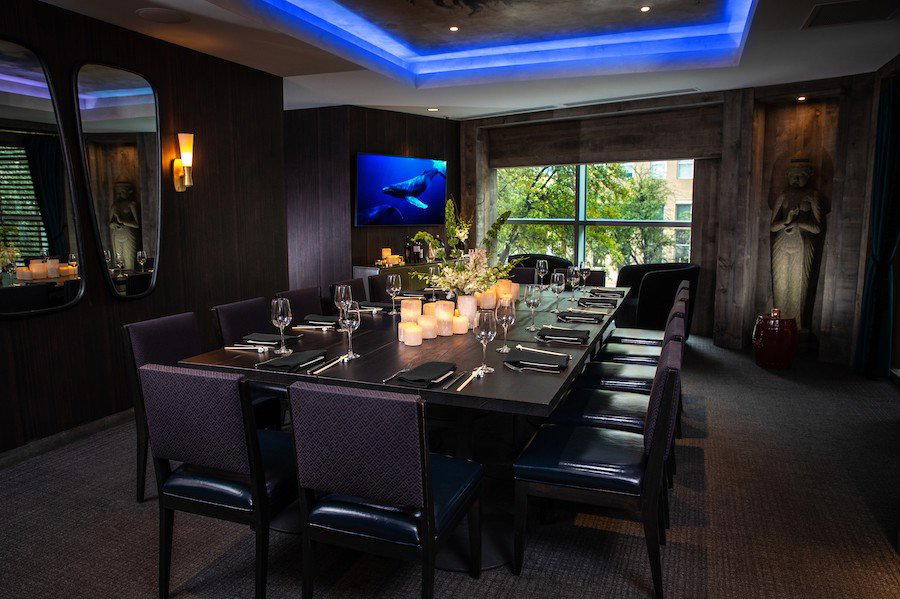
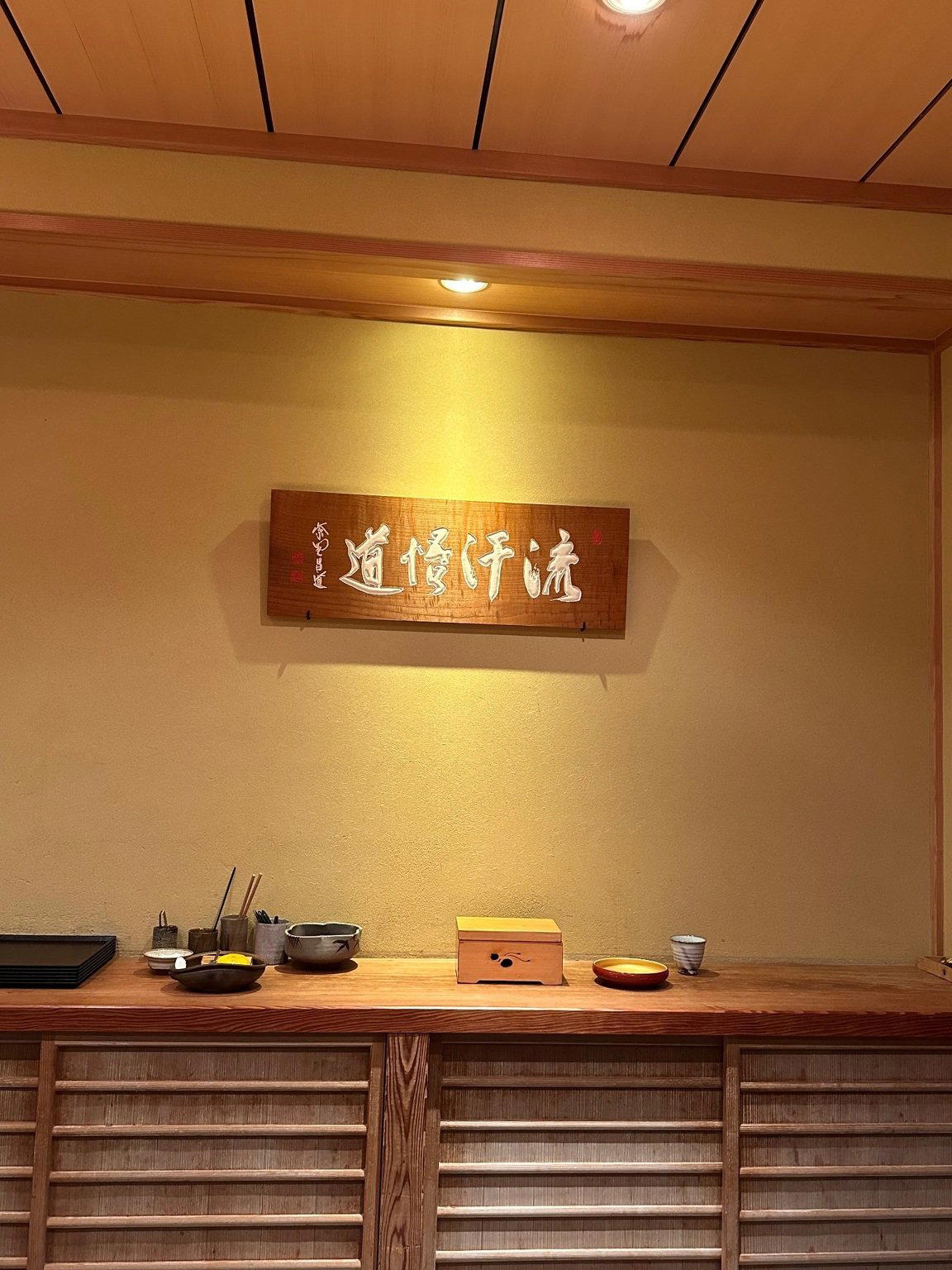
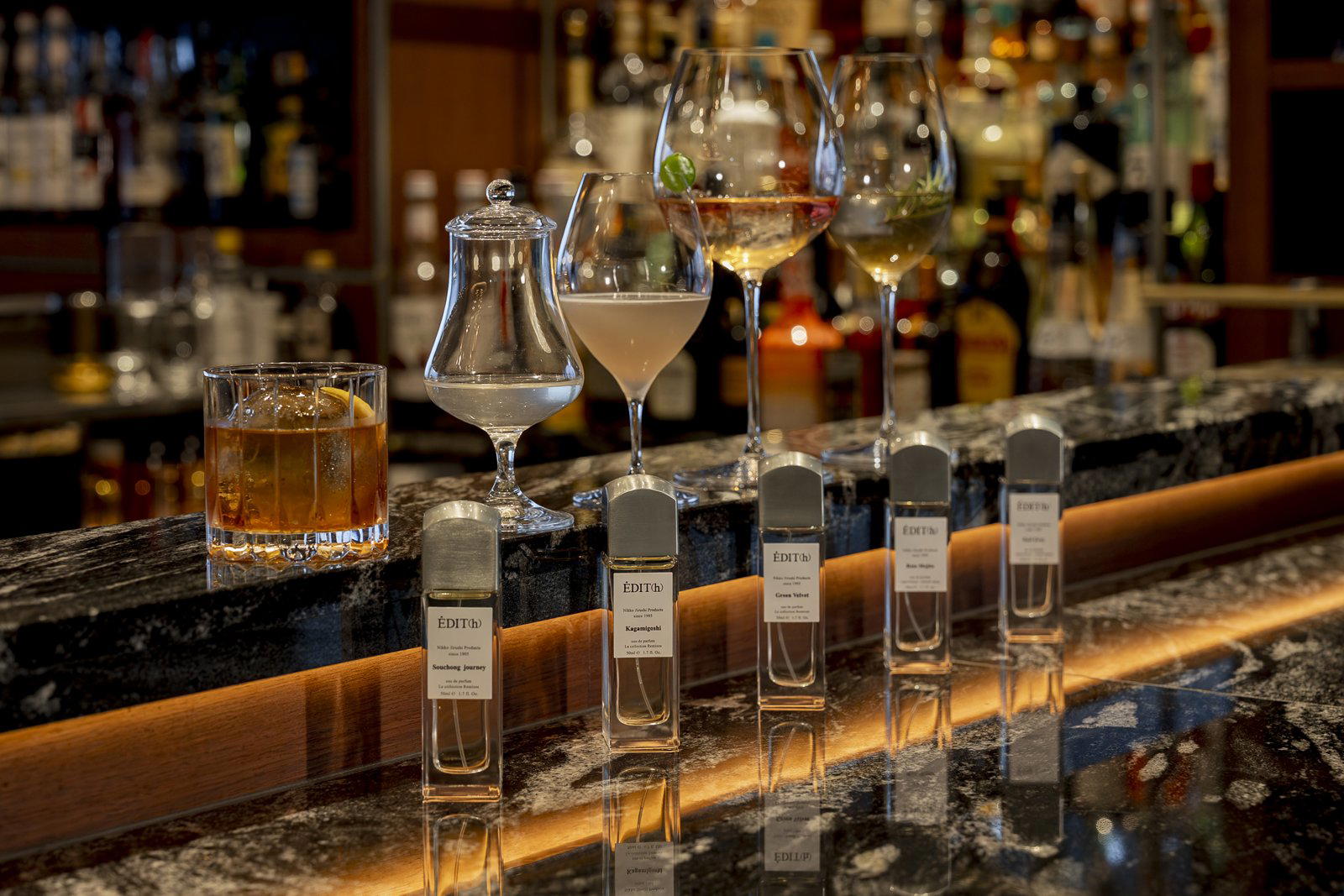
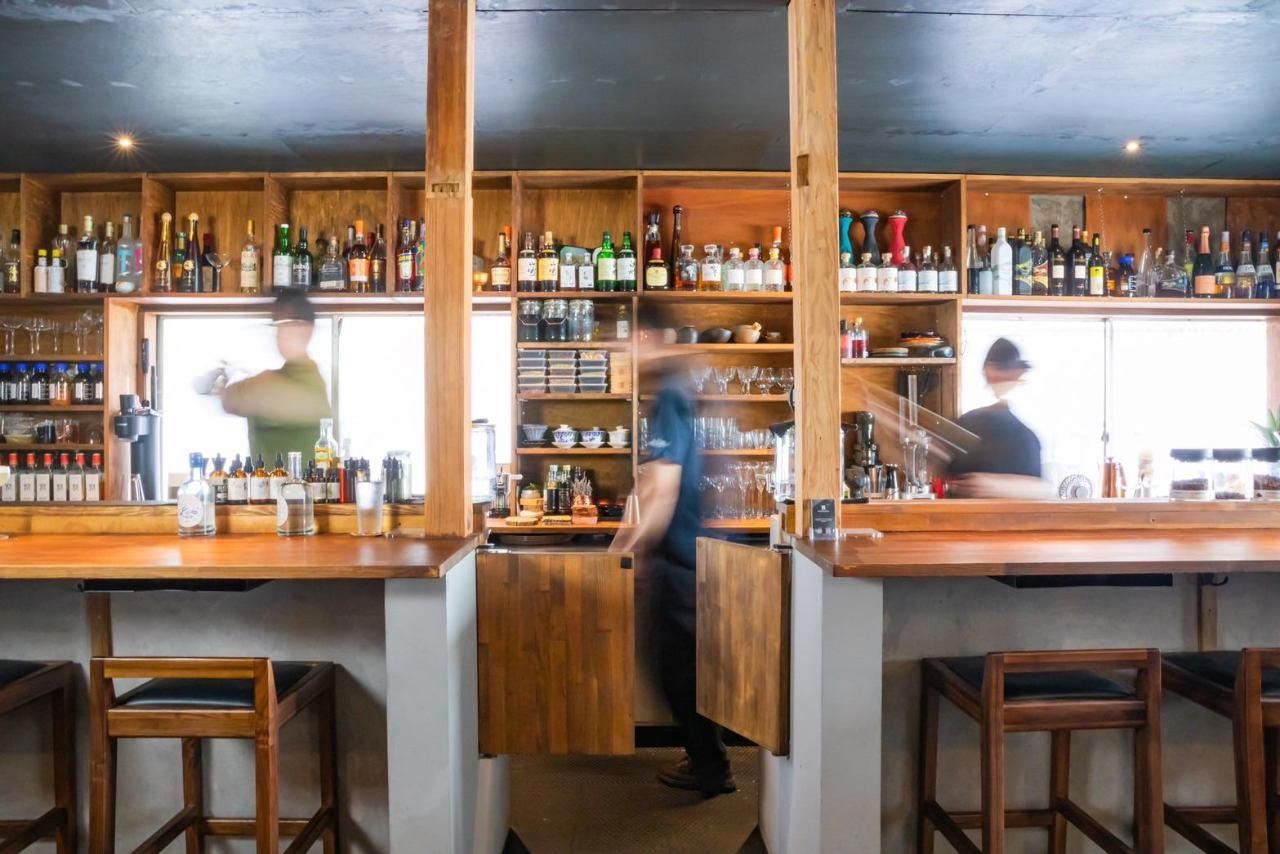
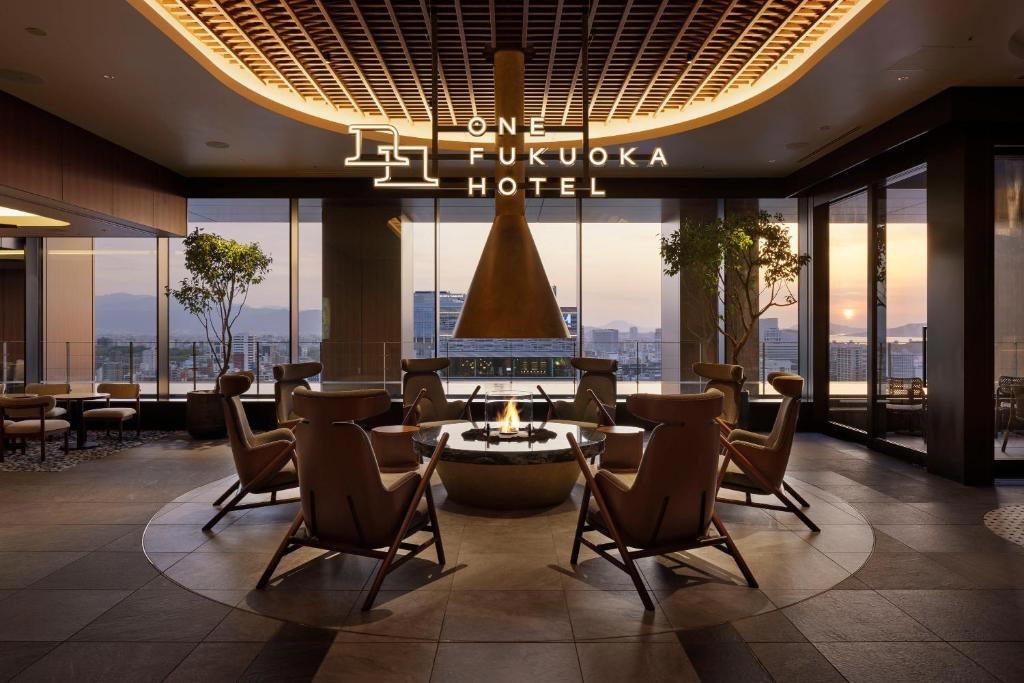
Minimalist and serene with a central hearth, soft lighting, and relaxing atmosphere ideal for quiet reflection or intimate conversations.