
Tempura Tenko places Fukuoka’s tempura tradition in a small counter setting, with recognition from Tabelog 100 - Tempura - 2025 and earlier selections in 2023 and 2022. Its reputation rests on a focused tempura format, fish-led sourcing, and the kind of close-range service that makes timing, oil work, and pacing visible rather than decorative.
Pearl is the En Primeur Club membership app — saves, bookings, and concierge access live there. Same editors, same standards.
- Address
- Japan, 〒810-0022 Fukuoka, Chuo Ward, Yakuin, 2 Chome−4−26 ライオンズマンション薬院第5
- Phone
- +81 92-771-7387
- Website
- tempura-tenko.com
 Saves & bookings on Pearl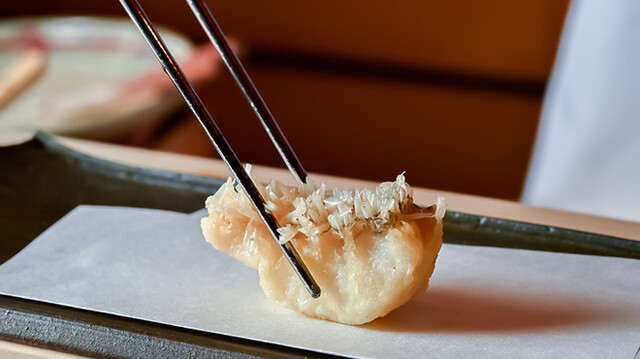
A serious tempura counter is quieter than sushi theatre or ramen steam. The room matters because cooking happens close: batter mixed for the moment, oil managed by sound and colour, seafood and vegetables served in a heat-led sequence. In Fukuoka, where dining identity often leans toward Hakata ramen, mentaiko, seafood izakaya, and late-night drinking, a dedicated tempura counter occupies a narrower lane. Tempura Tenko belongs to that lane, and its Tabelog 100 - Tempura - 2025 selection places it among a national group where precision counts more than volume.
Tempura holds a particular cultural position in Japan: simple from a distance, exacting up close. The form arrived through early contact with Portuguese frying techniques, then became Japanese through batter, oil, seasonality, and service rhythm. At counter level, craft means more than frying cleanly. It means light batter, protected moisture, a sequence that avoids fatigue, and a meal that keeps moving before the pleasure of oil turns heavy. That is why small tempura rooms often feel more rigorous than decorative tasting menus.
A fish-led tempura counter in a city better known for noodles, offal, and seafood taverns
Fukuoka’s dining strength is range rather than one luxury category. The city can move from South Indian cooking at 106 South Indian Fukuoka tenjin ten to spice-focused modern cooking at Afterglow, then into local Japanese rooms such as Aji Dokoro Taro Gen Sougyou ten, Aji Furai Shokudo Kaba, and Aji no Katsueda. Against that spread, tempura reads as a specialist choice: less abundance, more calibration.
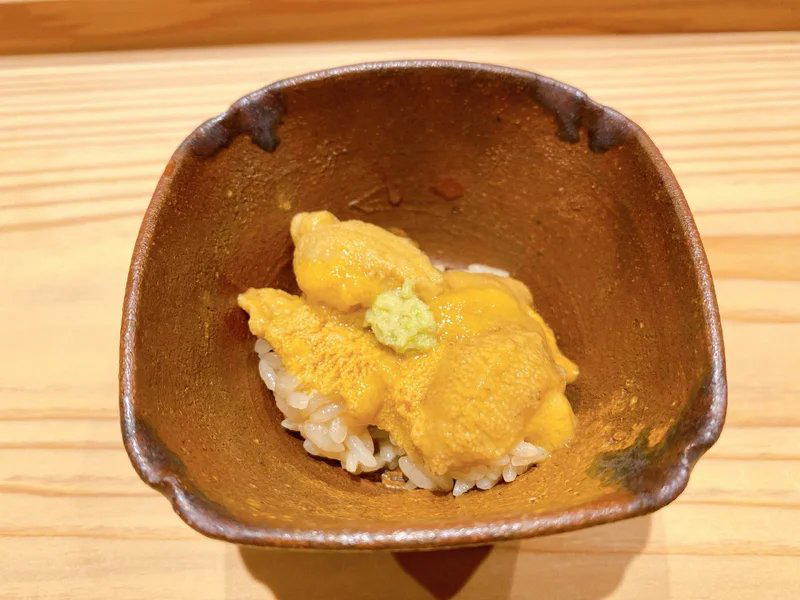
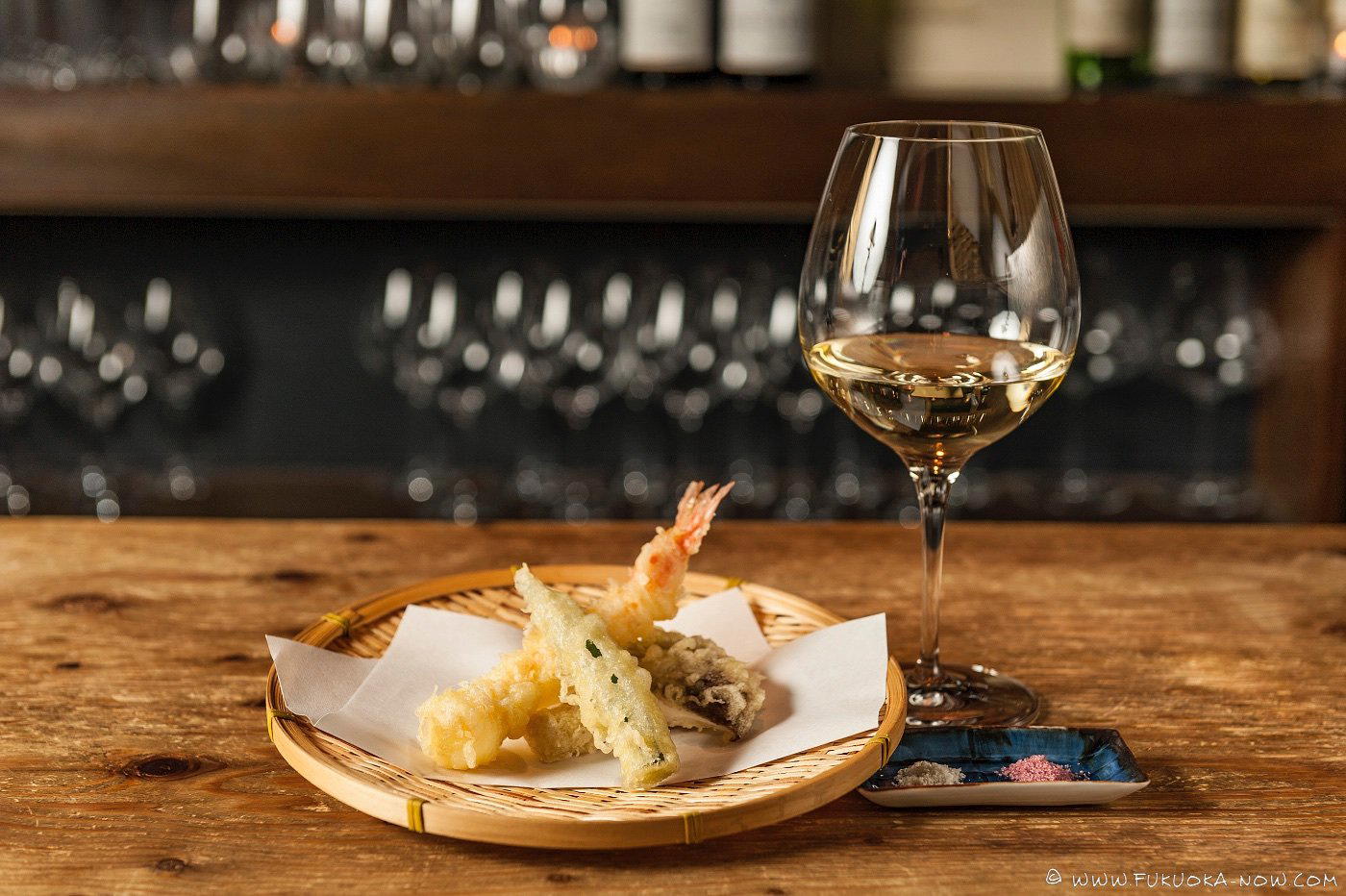
That distinction matters. Fukuoka has excellent raw material access through Kyushu’s surrounding waters and markets, but not every restaurant turns seafood into a restrained counter format. Tempura Tenko’s public positioning is plainly tempura, with fish noted as an emphasis and drinks spanning sake, shochu, and wine. Those details put the experience closer to a controlled kappo-adjacent meal than a casual fry shop. The pleasure is not a pile of fried items; it is one piece at a time while the counter tracks temperature, pace, and appetite.
Within Fukuoka’s higher-spend Japanese dining tier, the comparison is instructive. Yakitori Mako works in the grilled-skewer idiom at a lower listed dinner band, while Sushi to Amakusa Daio Amane sits higher in the sushi category. Soba Ozaki and Bomber Kitchen Yakuin honten occupy more everyday price territory. Tempura Tenko is not competing with the city’s casual comfort staples; it is for diners seeking a compact, technique-led Japanese meal where craft is visible and the format is narrow by design.
Why Tabelog's tempura recognition matters here
Tabelog’s Hyakumeiten lists are useful in categories where international awards have uneven coverage. Tempura is one of them. Michelin attention can cluster around larger cities and broader fine-dining narratives, while Tabelog’s category lists tend to reward Japanese diners’ sustained interest in specific genres. Selection for Tabelog 100 - Tempura - 2025, with earlier selections in 2023 and 2022, gives Tempura Tenko a concrete trust signal without forcing it into the vocabulary of French tasting-menu prestige.
The listing’s 3.69 score should be read in Japanese context. On Tabelog, high numbers are difficult to accumulate, especially for small specialist restaurants, and genre-specific lists often carry more practical weight for domestic diners than a simple star-chasing itinerary. The repeated tempura selections suggest consistency inside a narrow field. For a traveller, that is the point: this is not merely a Fukuoka address serving tempura, but a category-recognised counter in a city where tempura is not the loudest dining headline.
The counter format also shapes judgment. Tempura is unforgiving because flaws arrive immediately: batter that sits too long, oil that dulls, vegetables that lose moisture, seafood that tightens. A small counter reduces the distance between cooking and eating, which is why serious tempura rooms prize compact service. The meal asks for attention but not solemnity. It rewards diners who understand that the most expressive moment may be a texture change or a shift from fish to vegetable rather than a named signature dish.
How to read it against the rest of a Fukuoka itinerary
For visitors building a food-led stay, this is not a broad survey of Hakata eating. It is a focused stop for one Japanese craft. The wider city should supply contrast: noodles, market seafood, izakaya drinking, curry, grilled skewers, and regional comfort food. Start with Our full Fukuoka restaurants guide for dining range, then use Our full Fukuoka hotels guide, Our full Fukuoka bars guide, Our full Fukuoka wineries guide, and Our full Fukuoka experiences guide to build the rest of the trip around neighbourhood movement rather than a single meal.
There is also a broader Japan lesson here. Specialist formats travel unevenly: sukiyaki in Kamakura at -Grilled beef Sukiyaki- KAMAKURA TANUKIAN 鎌倉 たぬき庵 in Kamakura, tuna and charcoal cooking at. 鮪と炭火焼き うお炭 秋葉原店 in Tokyo, café culture at.cafe in Osaka, and contemporary dining at.know in Kumamoto all show how tightly Japanese restaurants define their lane. The same principle extends beyond Japan through focused rooms such as (Shoku) Vietnam in Kawasaki, [Curry Senmon Ten] Maruyama Kyoju. in Sapporo, Jōdo Saké Bar in Los Angeles, and Onigiri Time in Pasadena: the narrower the promise, the more clearly the diner can judge execution.
Tempura Tenko is strongest as a cultural counterpoint to Fukuoka’s louder pleasures. It asks the diner to slow down and watch a technique defined by restraint: not flame drama, not the luxury shorthand of rare ingredients, but the timing of batter, oil, and sequence. In a city where eating can be generous, casual, and late-running, that restraint is the reason to pay attention.
Price and Recognition
Comparable venues by cuisine and price in the same metro.
| Venue | Cuisine | Price | Awards | Notes |
|---|---|---|---|---|
| Tempura TenkoThis venue — the venue you are viewing | Chūō, Seasonal Tempura Omakase | $$$ | , | |
| Seimon Barai | Hakata, Seafood-focused Japanese Izakaya | $$$ | , | |
| Warayaki Mikan | $$$ | , | Chūō, Traditional Japanese Izakaya & Warayaki | |
| Soba Kiri Kanbee | Chūō, Traditional Japanese Soba | $$$ | , | |
| あ三五 | Chūō, Masterful Soba Kaiseki | $$$ | , | |
| Hinai Matomi | Chūō, Seasonal Soba & Nabe Kaiseki | $$$ | , |
At a Glance
- Elegant
- Cozy
- Intimate
- Hidden Gem
- Classic
- Special Occasion
- Date Night
- Business Dinner
- Solo
- Chefs Counter
- Standalone
- Design Destination
- Sake Program
- Local Sourcing
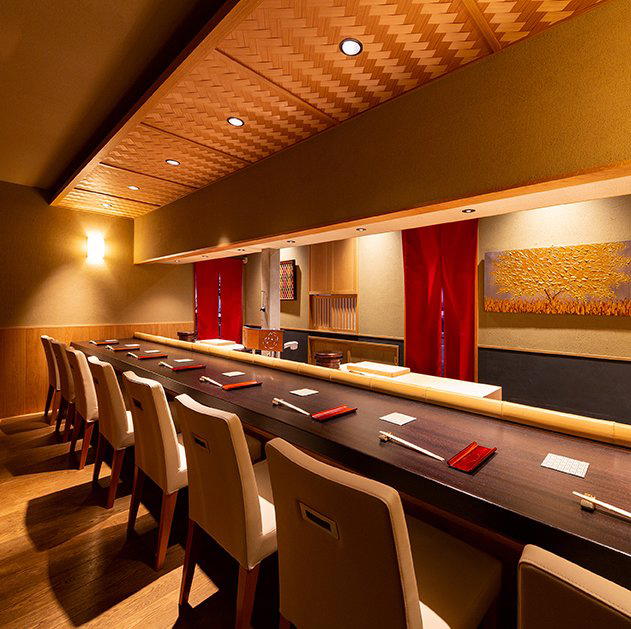
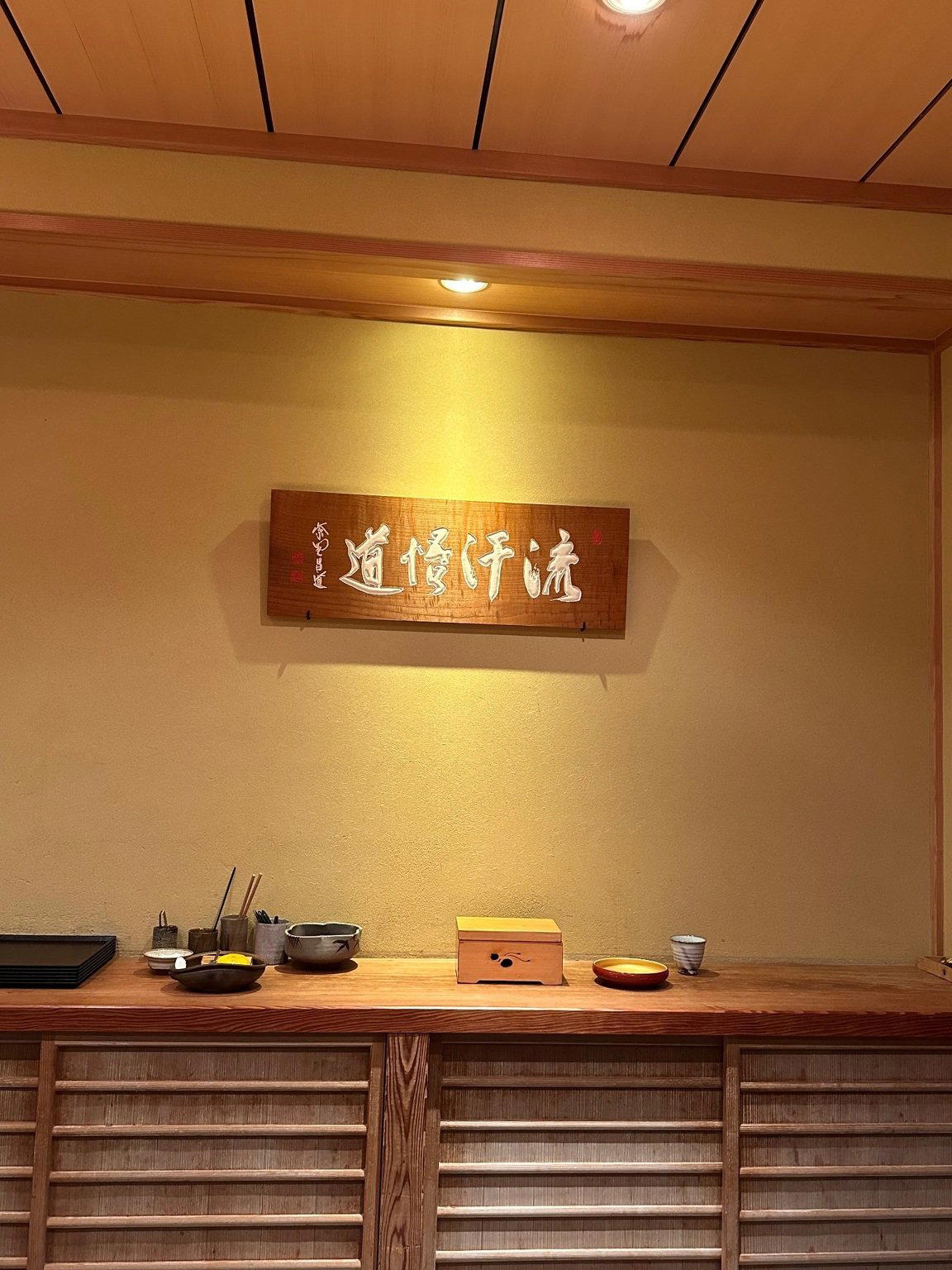
Small and quietly refined, with counter seating facing the chef, soft lighting and simple decor that emphasizes the tempura craft rather than ornament; the mood is serene and focused, suitable for lingering over a set course.