
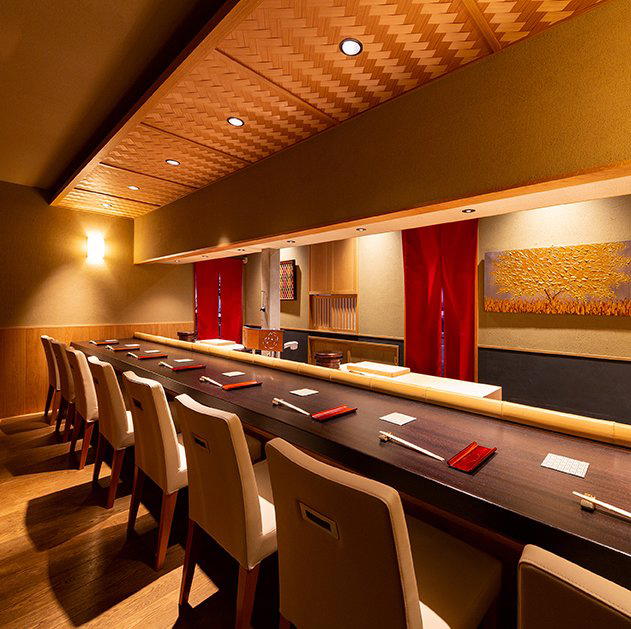
Kego Furuya belongs to Fukuoka’s compact counter-dining tradition, where yakitori is treated less as casual drinking food than as a paced evening ritual. Its Tabelog 100 Yakitori WEST selections from 2023 through 2025 and 10-seat counter format place it in the city’s more serious charcoal-grill tier, with Japanese cuisine and seafood broadening the frame beyond skewers alone.
Pearl is the En Primeur Club membership app — saves, bookings, and concierge access live there. Same editors, same standards.
- Address
- 2 Chome-9 Kego, Chuo Ward, Fukuoka, 810-0023, Japan
- Phone
- +81 80-4311-1114
- Website
- tabelog.com
 Saves & bookings on Pearl
In Fukuoka, the serious counter meal often starts before the first skewer appears: the room contracts, conversation drops, and the grill becomes the evening’s metronome. Yakitori here is not only smoke and chicken. At its sharper end, it is a sequence of heat control, timing, small pours, and restraint, closer to a tasting-counter ritual than a casual stop after work.
Kego Furuya sits inside that tradition with a narrow, counter-led format and recognition that matters in Japan’s restaurant culture: selection for Tabelog 100 Yakitori WEST in 2023, 2024, and 2025. That repeat appearance is the relevant signal. Fukuoka has plenty of places for skewers and shochu; the more limited category is the small grill counter where pacing, product choice, and drink alignment carry the meal.
Yakitori as a paced counter ritual, not a quick grill stop
Yakitori’s premium language is built around increments. The diner does not order a table full of dishes and retreat into private conversation; the counter sets the rhythm. Skewers arrive one by one, the grill dictates tempo, and the experience depends on trust in sequence rather than abundance. That custom explains why a 10-seat counter can feel more serious than a larger room with a broader menu.
The category listing for Kego Furuya spans yakitori, Japanese cuisine, and seafood, which points to a broader Fukuoka pattern. The city’s dining identity is unusually comfortable crossing land and sea: chicken grilled over charcoal, seasonal side dishes, and fish-led cooking can share the same evening without feeling like a hybrid concept. Fukuoka’s proximity to strong seafood supply has shaped even non-sushi counters; the better yakitori rooms often read as Japanese restaurants first and chicken specialists second.
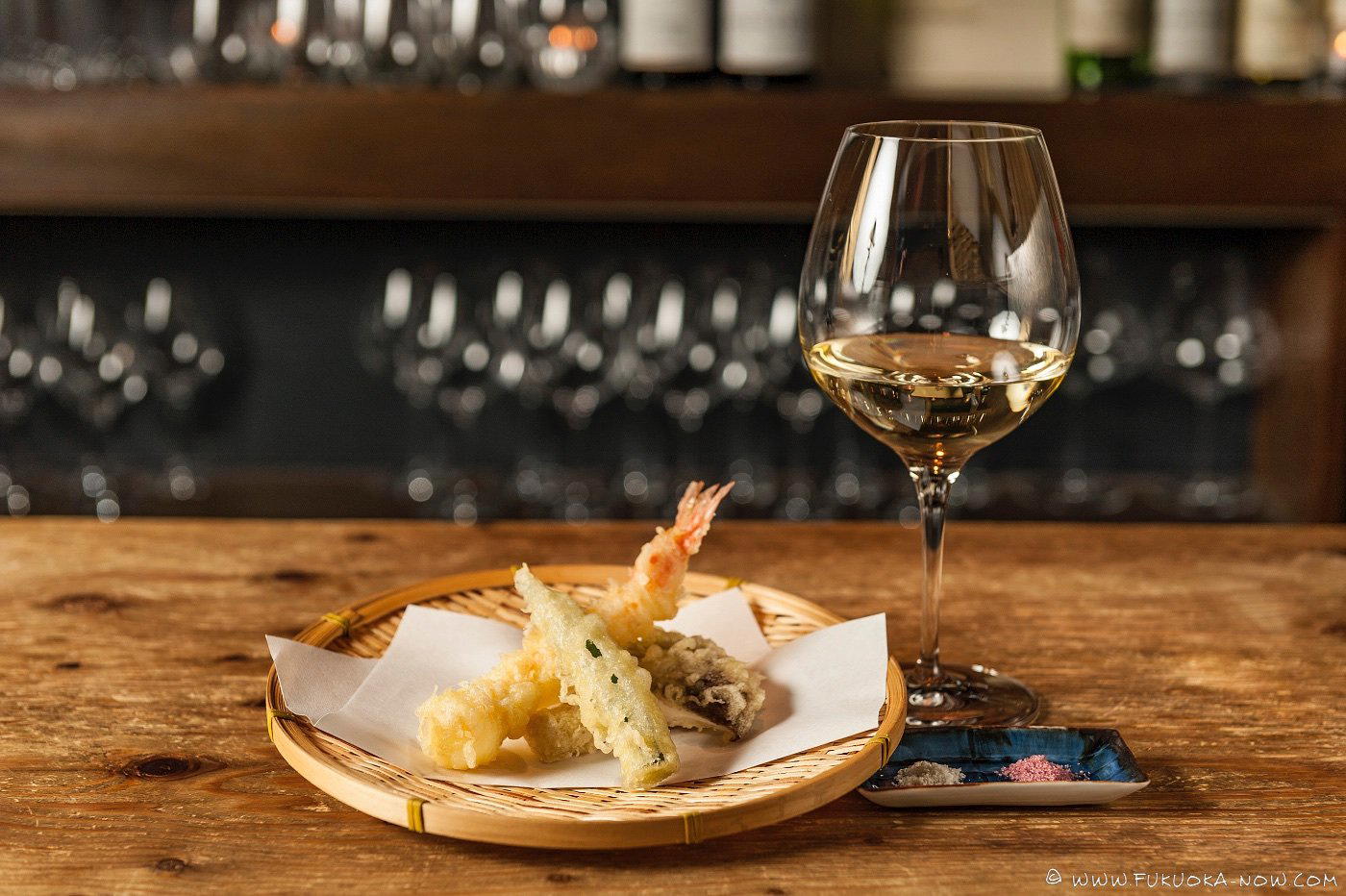
The drink language reinforces that point. Sake, shochu, and wine are all part of the restaurant’s stated range, and that trio says something about contemporary yakitori in western Japan. Shochu keeps the meal grounded in Kyushu drinking culture, sake links the cooking to broader washoku habits, and wine signals the way charcoal, fat, and salt have become increasingly legible to diners who think in pairings rather than pints.
For readers mapping Fukuoka by genre, this is a different decision from curry, South Indian cooking, or fry-shop comfort. The city’s range is better understood by contrast: 106 South Indian Fukuoka tenjin ten and Afterglow speak to spice-driven dining; Aji Furai Shokudo Kaba and Aji no Katsueda sit closer to everyday local appetite. A counter like this belongs to the reservation-minded evening category, where the meal is structured by sequence and attention.
Where the Kego address fits in Fukuoka's dining map
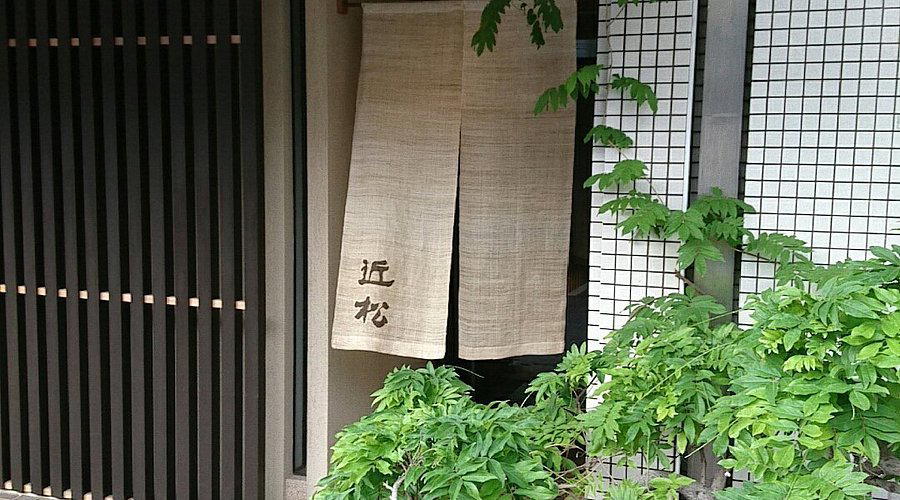
Kego and the adjoining central districts carry a different energy from the polished hotel-restaurant circuit. The area rewards small rooms, local regulars, and places that do not need a grand facade to announce seriousness. In that context, Kego Furuya’s counter format makes sense: the appeal is concentration, not spectacle.
Compared with Fukuoka’s sushi tier, yakitori also occupies a distinct price-and-formality lane. Sushi Dokoro Ishibashi sits in a higher-spend sushi bracket, while Sushi Karashima and 鮨 唐島 represent the city’s separate omakase vocabulary. Yakitori counters work by another grammar. They trade the theatre of fish cutting for the discipline of charcoal, and the diner reads progression through doneness, seasoning, and pause rather than through neta variety.
That distinction matters for planning a Fukuoka dining run. A city itinerary built only around sushi misses a large part of Kyushu’s counter culture. The more interesting comparison is not whether yakitori is “less formal” than sushi, but how each format controls time. Sushi compresses seasonality into hand-formed bites; yakitori stretches an evening through heat, smoke, and the steady arrival of small portions.
For broader context, Our full Fukuoka restaurants guide is the useful starting point, with parallel city coverage in Our full Fukuoka hotels guide, Our full Fukuoka bars guide, Our full Fukuoka wineries guide, and Our full Fukuoka experiences guide. Fukuoka’s appeal is the density of specialized formats rather than a single flagship dining style.
How to read the meal before choosing it
The right diner for this room wants a controlled evening built around the counter. The repeat Tabelog 100 Yakitori WEST selections provide a trust signal, but they should be read as category recognition rather than a promise of ceremony. The meal’s appeal lies in close-range cooking, a small number of seats, and a format where each serving matters because there is little room for distraction.
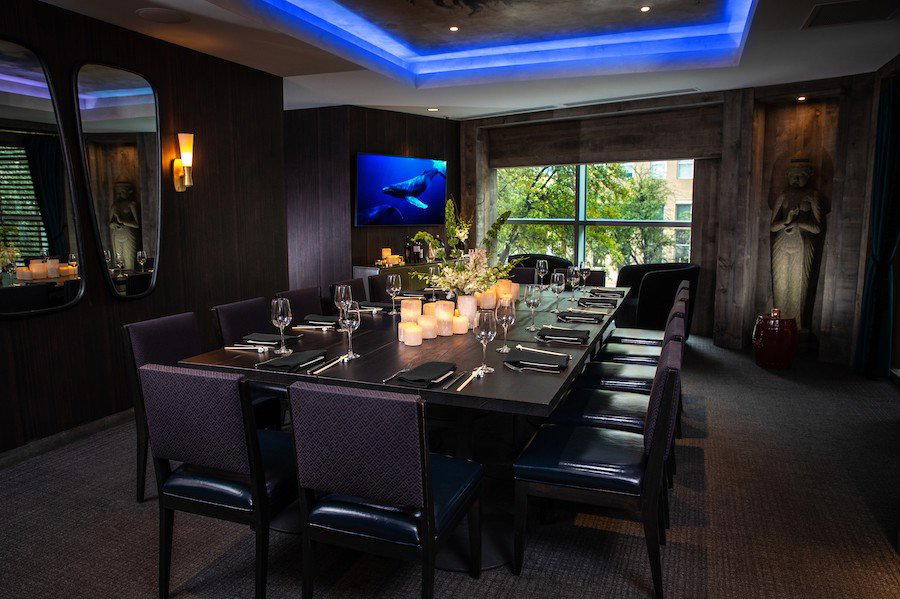
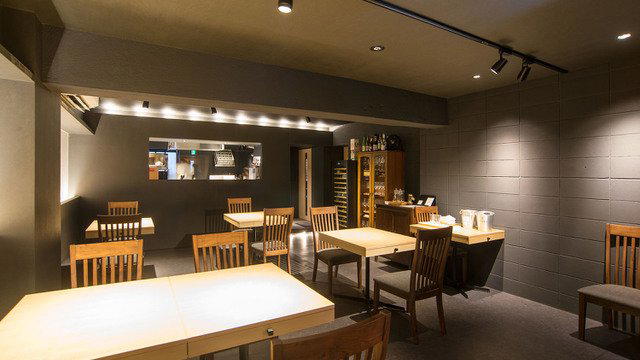
There are practical implications to that kind of dining. Counter restaurants reward punctuality, small parties, and guests who are comfortable letting the sequence unfold. Private-room dining is not the point here; the counter is the format. Non-smoking status also places the experience firmly in the modern premium Japanese dining lane, where charcoal smoke belongs to the grill, not the room.
Fukuoka has cheaper casual options and higher-spend sushi counters, so the editorial case for the restaurant is specific: choose it when the evening calls for yakitori treated with the discipline of a serious Japanese counter. For adjacent planning across Japan and beyond, EP Club also covers restaurants such as Aji Dokoro Taro Gen Sougyou ten, -Grilled beef Sukiyaki- KAMAKURA TANUKIAN 鎌倉 たぬき庵 in Kamakura. 鮪と炭火焼き うお炭 秋葉原店 in Tokyo.cafe in Osaka.know in Kumamoto, (Shoku) Vietnam in Kawasaki, [Curry Senmon Ten] Maruyama Kyoju. in Sapporo, Jōdo Saké Bar in Los Angeles, and Onigiri Time in Pasadena.
Cuisine-First Comparison
Comparable venues to calibrate price, style, and recognition.
| Venue | Cuisine | Price | Notes |
|---|---|---|---|
| Kego FuruyaThis venue — the venue you are viewing | Yakitori Omakase & Seasonal Japanese Cuisine | $$$ | Not listed |
| Hyaku Shiki | Seasonal Japanese Izakaya & Robatayaki | $$$ | Chūō |
| Teppanyaki Akatsuki | Teppanyaki & Wagyu Steakhouse | $$$ | Chūō |
| Kamo to Negi Yodomizu Nigyo | Duck shabu-shabu (Japanese hotpot) | $$$ | Chūō |
| Tatsu Sho | Sushi Omakase | $$$ | Chūō |
| Sushi to Amakusa Daio Amane | Omakase Sushi & Amakusa Daio Chicken | $$$ | Chūō |
Recognition history
Dated appearances from independent guides and award organizations, with the underlying list record or original source where available.
Tabelog 100 #26 · No. 26
Tabelog · Tabelog 100 - Yakitori - WEST - 2025
At a Glance
- Cozy
- Intimate
- Elegant
- Date Night
- Special Occasion
- Celebration
- Business Dinner
- Solo
- Group Dining
- Chefs Counter
- Open Kitchen
- Design Destination
- Standalone
- Extensive Wine List
- Sake Program
- Sommelier Led
- Local Sourcing
- Sustainable Seafood
Current opening hours
- Monday
- 6–10 PM
- Tuesday
- 6–10 PM
- Wednesday
- 6–10 PM
- Thursday
- 6–10 PM
- Friday
- 6–10 PM
- Saturday
- 6–10 PM
- Sunday
- 6–10 PM
Hours can change for holidays and private events. Last verified .
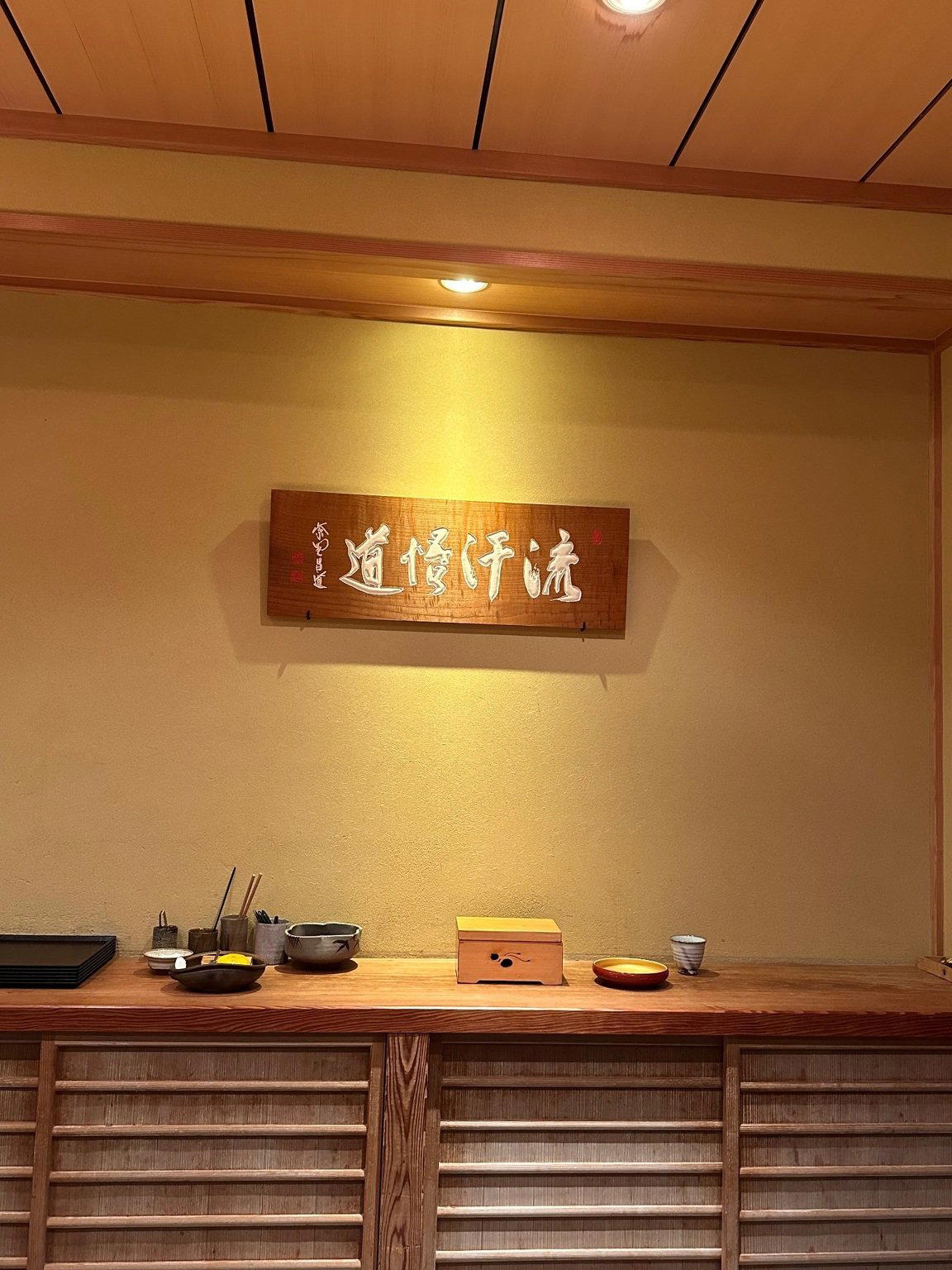
A small, stylish counter-only space in a converted traditional house, with a relaxed, cozy atmosphere and the feel of a hidden neighborhood destination, where guests are served courses one by one over a charcoal grill.