
Tempura Tanaka places Fukuoka’s tempura tradition in a tight counter format, with an eight-seat room, reservation-only service, and a 2025 Tabelog 100 Tempura selection giving it national context. The appeal is less spectacle than concentration: seafood-led tempura, Japanese cuisine discipline, and a drink program that spans sake, shochu, wine, and cocktails.
Pearl is the En Primeur Club membership app — saves, bookings, and concierge access live there. Same editors, same standards.
- Address
- 福岡県福岡市中央区警固2-2-1 ルピエレジデンス赤坂南 1F
- Phone
- +81927135725
- Website
- tempura-tanaka.com
 Saves & bookings on Pearl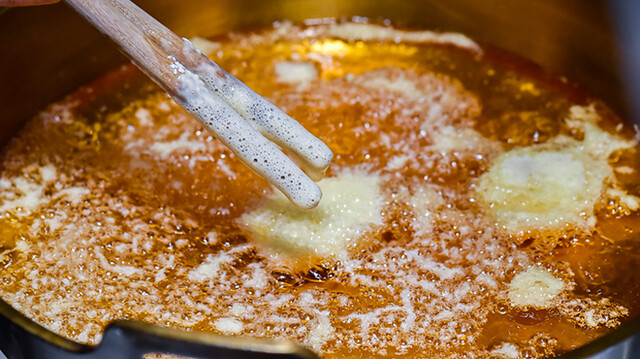
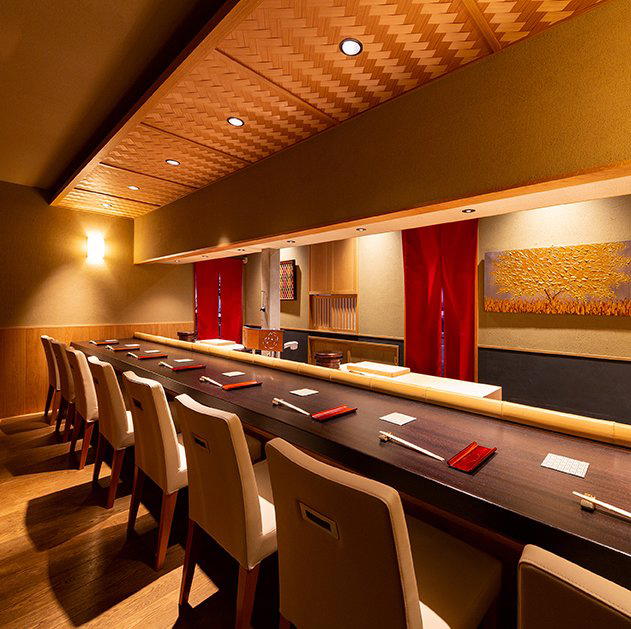
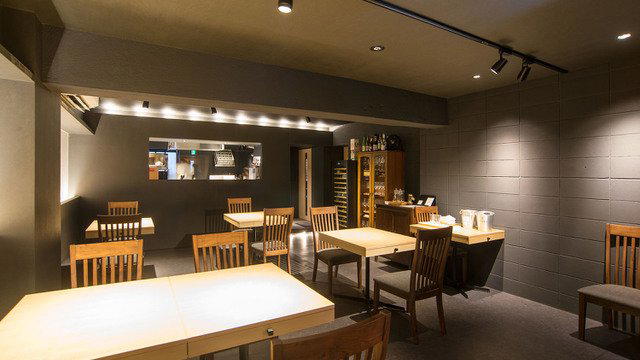
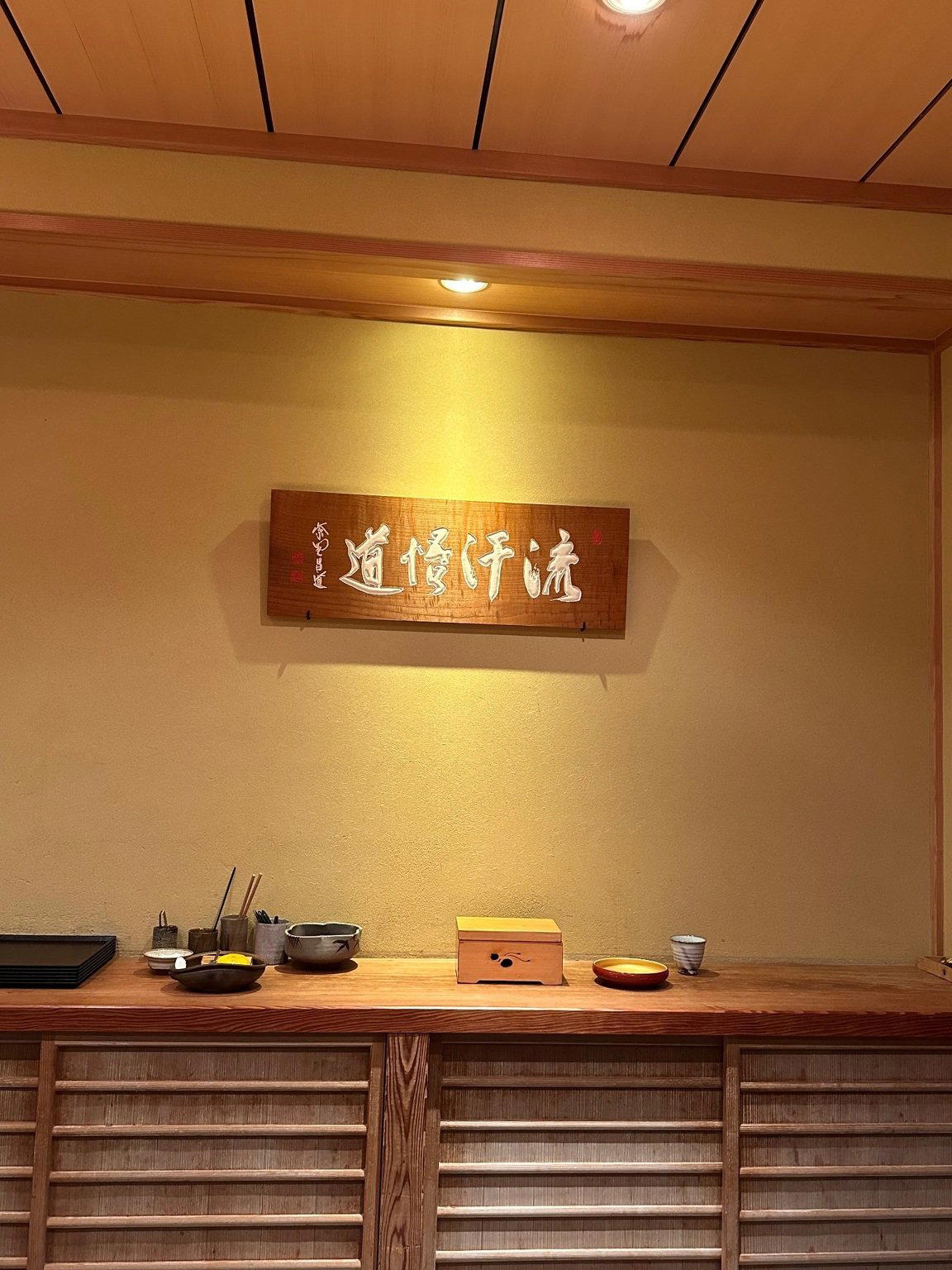
The room tells the story before the first course arrives: counter seating, a small audience, and the quiet choreography that defines serious tempura in Japan. Fukuoka is often discussed through ramen, market seafood, and late-night drinking, but its higher-end dining culture also rewards formats where timing is the meal. Tempura belongs to that category. Batter, oil temperature, seafood quality, and pacing leave little room for distraction, so an eight-seat counter becomes a statement of intent rather than a design flourish.
In that context, Tempura Tanaka sits in a narrower Fukuoka bracket than casual fried-food counters or broad Japanese restaurants. The format is reservation-only, the cooking is centered on tempura and Japanese cuisine, and the restaurant was selected for Tabelog 100 Tempura in 2025. That recognition matters because tempura is a national field with deep Tokyo gravity; a Fukuoka address entering that conversation signals a room being judged against specialists, not general-purpose fine dining.
An eight-seat counter built for timing, not theatre
Tempura is unforgiving because it looks simple from the dining side. A piece leaves the oil, crosses the counter, and has a short window in which texture, heat, and seasoning align. The counter format reduces the distance between cooking and eating, which is why serious tempura houses tend to feel more like workshops than restaurants built for lingered conversation. Here, the small capacity sharpens that rhythm. With eight seats and a maximum seated party size of eight, the experience is scaled around control: fewer plates in motion, fewer interruptions, and a service tempo that gives the fryer’s timing real consequence.
Fukuoka’s restaurant culture is particularly good at this kind of intimacy. The city’s dining rooms often trade grand architectural drama for proximity, whether in sushi, yakitori, kappo, or tempura. Compared with Chikamatsu in sushi or Yakitori Mako in grilled chicken, this address belongs to the same broader specialist logic: one craft, limited seats, and a price tier that filters the occasion. Tempura Tenko, also priced in the same dinner band, offers a useful local comparison for how Fukuoka supports serious tempura without needing the scale or ceremony associated with larger metropolitan dining rooms.
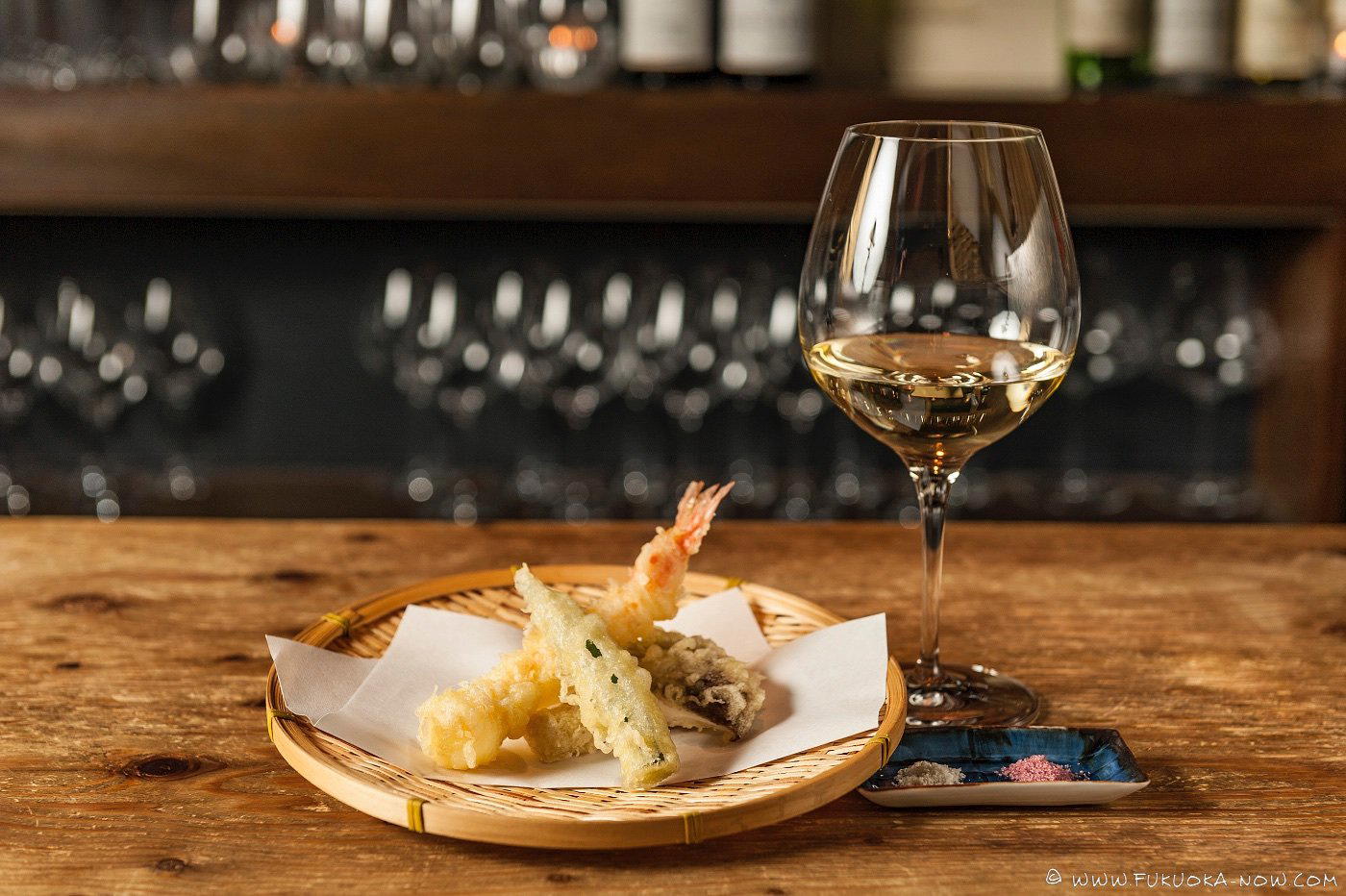
The sensory appeal of this genre is not volume; it is sequence. A counter tempura meal is built from small shifts in sound and temperature: oil activity, the pause before serving, the difference between seafood and vegetable courses, the way drinks reset the palate rather than dominate the table. The listed focus on fish gives the meal a local logic in a city where seafood is central to dining identity. The drink range, from sake and shochu to wine and cocktails, also reflects a contemporary Japanese pattern: specialist counters are no longer confined to one narrow beverage script, even when the cooking remains traditional in structure.
Why the 2025 Tabelog 100 selection matters in Fukuoka
Tabelog’s Hyakumeiten lists are useful because they separate category recognition from general popularity. A 2025 selection in Tempura places the restaurant inside a defined national category rather than a loose city ranking. For travelers, that is a cleaner signal than broad acclaim: the question is not whether Fukuoka has good restaurants, but where a specific craft has been recognized at a level that justifies planning around it.
The distinction matters in a city with many competing food narratives. Fukuoka’s casual strength can obscure its controlled, counter-led dining. Visitors often build trips around Hakata ramen, yatai culture, motsunabe, and seafood izakaya, then treat fine dining as an optional add-on. A tempura counter changes that order of priorities. It is not a substitute for the city’s street-level pleasures; it is the quieter counterweight, where Kyushu ingredients and Japanese technique are compressed into a room that rewards attention.
That makes the restaurant useful for a certain kind of itinerary. It suits diners who want one controlled, category-specific meal rather than another broad survey of Japanese cuisine. It also works for solo dining, a format the listing explicitly supports, which is not a minor detail in Japan’s counter culture. Solo seats often make more sense at specialist counters than at large tasting-menu rooms, because the point is observation: the fryer, the pacing, the plate-by-plate progression.
How to place it within a Fukuoka food itinerary
A strong Fukuoka trip should not flatten the city into one genre. Tempura Tanaka belongs on the refined end of the spectrum, while nearby and citywide choices can show the range around it. For broader planning, start with Our full Fukuoka restaurants guide, then contrast specialist counters with places such as Aji no Katsueda, Aji Furai Shokudo Kaba, Aji Dokoro Taro Gen Sougyou ten, Afterglow, and 106 South Indian Fukuoka tenjin ten. Those names point to a city where precision dining, everyday frying, curry, and izakaya-style eating can all sit within a short trip.
Travel planning around dinner should account for the wider city, not just the meal. Pair restaurant research with Our full Fukuoka hotels guide, Our full Fukuoka bars guide, Our full Fukuoka wineries guide, and Our full Fukuoka experiences guide to avoid treating a reservation as the whole evening. For a broader Japan and overseas dining map, compare the category spread with -Grilled beef Sukiyaki- KAMAKURA TANUKIAN 鎌倉 たぬき庵 in Kamakura,. 鮪と炭火焼き うお炭 秋葉原店 in Tokyo,.cafe in Osaka,.know in Kumamoto, (Shoku) Vietnam in Kawasaki, [Curry Senmon Ten] Maruyama Kyoju. in Sapporo, Jōdo Saké Bar in Los Angeles, and Onigiri Time in Pasadena.
The critical read is clear: this is a small-format tempura counter for diners who care about timing, quiet, and category focus. In Fukuoka, where louder food stories often dominate travel planning, that restraint is the point. The draw is not novelty; it is a disciplined room applying a demanding Japanese form at a scale where every course has to justify its place.
At-a-Glance Comparison
Comparable venues at a glance for context.
| Venue | Cuisine | Price | Awards | Notes |
|---|---|---|---|---|
| Tempura TanakaThis venue — the venue you are viewing | Tempura Omakase Counter | $$$$ | , | |
| 鮨おさむ | Hakata-style Omakase Sushi | $$$$ | , | Takamiya |
| あ三五 | Masterful Soba Kaiseki | $$$ | , | Chūō |
| Teppanyaki Akatsuki | Teppanyaki & Wagyu Steakhouse | $$$ | , | Chūō |
| Kamo to Negi Yodomizu Nigyo | Duck shabu-shabu (Japanese hotpot) | $$$ | , | Chūō |
| Kego Furuya | Yakitori Omakase & Seasonal Japanese Cuisine | $$$ | , | Chūō |
At a Glance
- Intimate
- Elegant
- Sophisticated
- Cozy
- Hidden Gem
- Special Occasion
- Date Night
- Celebration
- Business Dinner
- Solo
- Chefs Counter
- Open Kitchen
- Standalone
- Design Destination
- Sake Program
- Local Sourcing
- Farm To Table
An intimate 8-seat counter-only space where guests sit close to the fry station, hearing the crisp sound of tempura oil and smelling the aromas as each piece is prepared to order; the mood is refined yet warm, designed for focused, sensory dining and special occasions.[0][4][5]