

Tabelog 100 #42
Our verdict
A Chinese restaurant on the ninth floor of a Ginza office building, Yamanobe sits in a tier of Tokyo dining where Chinese cuisine operates at the same register of seriousness as the city's celebrated Japanese tables.

Pearl is the En Primeur Club membership app, where members save venues, book tables and use the concierge.
The menu
What to order
- Tianjin noodles
- Vermicelli with karasumi
- Shirako mapo tofu
The ninth floor of a Ginza office tower is an unlikely address for a restaurant that its regulars treat as a fixed point in their dining calendar. Yet that distance from street-level visibility is part of what defines a particular tier of Tokyo Chinese dining, venues that operate on word of mouth and repeat custom rather than foot traffic, where the room fills because people came back, not because they walked past.
Chinese Dining at the Ginza Register
Tokyo's Chinese restaurant scene divides more sharply than outsiders expect. At one end sit the accessible, high-volume Cantonese and Sichuan houses that serve the city's enormous appetite for Chinese food in all its regional breadth. At the other sits a smaller, more deliberate cohort: Chinese restaurants that price and perform against Tokyo's serious Japanese tables, where kaiseki cadence and omakase discipline have set the standard for what premium dining looks like in this city.
Yamanobe occupies that second tier. Its Ginza address places it in immediate proximity to counters like Chugoku Hanten Fureika and Chugoku Hanten Kohakukyu (Amber Palace), two of the district's most recognised Chinese addresses, as well as Ippei Hanten, which anchors a slightly different tradition in the same competitive zone. In that company, Yamanobe's Opinionated About Dining ranking of #595 in Japan for 2025 positions it as a credentialed participant in the conversation rather than a peripheral one.
What Keeps the Regulars Returning
The profile of a loyal Ginza dining crowd tells you something useful about what a restaurant has to offer. These are not first-time visitors exploring the neighbourhood. They are people who eat out with purpose and frequency, who have access to most of the city's serious tables, and who choose to return somewhere because the experience justifies the opportunity cost of not going elsewhere.
For Chinese restaurants operating at this level in Tokyo, the draw rarely comes down to novelty. The menus at this tier tend toward refinement and consistency over rotation and surprise. Regulars are not chasing a new dish each visit; they are returning to something that works at a standard they trust.
Chef Hiroshi Yamanboe's approach, as the kitchen's named lead, places the cooking inside a tradition where technical discipline over Chinese fundamentals is the point of difference from more casual Chinese dining in the city. What that means in practice is a kitchen that has thought carefully about where it sits in Tokyo's competitive field rather than one that borrows prestige from proximity to Ginza's luxury retail strip.
For context on how Chinese restaurants at this level compare across Japanese cities, Koshikiryori Koki and itsuka offer adjacent reference points within Tokyo's broader premium dining tier, where Japanese culinary traditions set the terms of comparison for all serious restaurants regardless of cuisine origin.
Ginza as a Context, Not a Backdrop
Ginza's restaurant density at the premium end is high enough that location alone confers nothing. A Chinese restaurant on this block competes with three-star sushi counters, long-running kaiseki houses, and a growing number of internationally trained chefs bringing European and creative Asian frameworks to Japanese produce. The fact that Yamanobe has built a recognisable regular clientele in this environment is more meaningful than a Ginza address would be in any other city.
The ninth-floor positioning matters too. Restaurants that sit above street level in Tokyo's denser dining districts tend to operate differently from ground-floor venues. They are harder to stumble into. Their audiences self-select. The trade-off is less casual walk-in traffic and more deliberate bookings from people who already know what they are looking for. For a restaurant whose appeal is built on consistency and craft over spectacle, that filtering is a feature rather than a disadvantage.
Tokyo's broader dining scene, covered in our full Tokyo restaurants guide, shows how this pattern repeats across the city's serious tables: the venues that accumulate the most loyal followings are often the ones that require a degree of intention to find in the first place.
Chinese Cooking in Tokyo vs. Abroad
The question of what Chinese cooking looks like when it is filtered through Tokyo's culinary discipline is one that serious food travellers find increasingly interesting. The city's Chinese restaurants at the top of the OAD Japan rankings operate within a framework shaped by Japanese dining norms: the precision, the sourcing standards, the service rhythm, and the expectation of consistency across every service. That framework produces a version of Chinese cuisine that differs meaningfully from its counterparts in Hong Kong, Shanghai, or in the diaspora restaurants that have shaped Chinese food's global reputation.
For comparison, Restaurant Tim Raue in Berlin and Mister Jiu's in San Francisco represent how Chinese culinary frameworks translate through Western fine dining contexts. Tokyo's version runs in a different direction: Chinese technique refracted through Japanese discipline rather than through European fine dining structures.
Beyond This Table
Ginza and the wider city offer enough serious dining to build multiple visits around. HAJIME in Osaka, Gion Sasaki in Kyoto, and akordu in Nara mark the range of serious dining across the Kansai region if your itinerary extends beyond Tokyo. Further afield, Goh in Fukuoka, 1000 in Yokohama, and 6 in Okinawa fill out the national picture for travellers working through Japan's ranked tables systematically.
For planning the rest of a Tokyo visit, our full Tokyo hotels guide, our full Tokyo bars guide, our full Tokyo wineries guide, and our full Tokyo experiences guide cover the full scope of the city's premium tier.
Know Before You Go
- Address: Rape Building 9F, 6-7-6 Ginza, Chuo City, Tokyo 104-0061
- Cuisine: Chinese
- Recognition: Opinionated About Dining Leading Restaurants in Japan, #595 (2025)
- Booking: No website or phone listed publicly; approach via reservation platforms or direct inquiry through building management
- Getting There: Ginza Station (Tokyo Metro Ginza, Hibiya, Marunouchi lines) is the nearest major hub; the building sits within the Ginza 6-chome block
Frequently asked questions
What do people recommend at Yamanobe?
At this tier of Tokyo Chinese dining, regulars tend to favour the precision of the cooking across service rather than chasing a single dish.
What is the ideal way to book Yamanobe?
For a ninth-floor Ginza address at the OAD-ranked level, the most reliable approach is through Japanese reservation platforms such as Tableall or Omakase, or via a hotel concierge with established relationships across Ginza's serious tables. Booking lead times at this tier in Ginza typically run several weeks ahead, particularly for weekend services.
What do critics highlight about Yamanobe?
The Opinionated About Dining ranking places Yamanobe among the 600 most-noted restaurants across Japan in 2025, a field that spans Michelin-starred kaiseki, omakase sushi, and the country's most discussed creative tables. For a Chinese restaurant in Tokyo, that positioning represents meaningful recognition within a list where Japanese culinary traditions dominate the upper rankings. Chef Hiroshi Yamanboe's kitchen operates in a space where Chinese cuisine is held to the same standards of precision and consistency as the city's celebrated Japanese addresses.
The Minimal Set
Comparable venues nearby, for context on price, style, and recognition.
| Venue | Cuisine | Price | Awards | Notes |
|---|---|---|---|---|
| YamanobeThis venue (the venue you are viewing) | Michelin-Starred Edo-Chinese Omakase | $300–500 | Tabelog 100 #42 | Not listed |
| Pizzeria e Trattoria da ISA | Neapolitan Pizza | $20–30 | Not listed | Meguro, Neapolitan Pizza |
| SPICY CURRY Roka | Innovative Spice Curry with Taiwanese Influences | $10–20 | Tabelog Bronze #374 | Shinjuku, Innovative Spice Curry with Taiwanese Influences |
| Sousakumen Hitosuji | Modern Creative Ramen | $10–20 | Tabelog 100 #57 | Suginami, Modern Creative Ramen |
| Coffee Tengoku | Asakusa, Retro Japanese Pancake Cafe | $10–20 | Tabelog 100 | Not listed |
| Zaichi | Premium Hida Beef Yakiniku & Horumon | $50–100 | Tabelog 100 #9 | Chūō, Premium Hida Beef Yakiniku & Horumon |
Recognition history
Dated appearances from independent guides and award organizations, with the underlying list record or original source where available.
Opinionated About Dining Top Restaurants in Japan Recommended
Opinionated About Dining
Tabelog 100 #42 · No. 42
Tabelog · Tabelog 100 - Chinese cuisine - TOKYO - 2026
Full recognition history (3 entries)
Opinionated About Dining Top Restaurants in Japan Ranked #595
Opinionated About Dining
Continue exploring
More in Tokyo
Restaurants in Tokyo
All restaurants in Tokyo →
Bars in Tokyo
All bars in Tokyo →
Details
- Elegant
- Sophisticated
- Intimate
- Modern
- Special Occasion
- Date Night
- Business Dinner
- Celebration
- Chefs Counter
- Private Dining
- Standalone
- Local Sourcing
- Omakase
- Tasting Menu
- Set Menu
- Allergy Accommodating
Current opening hours
- Monday
- 12–3:30 PM, 4:30–11 PM
- Tuesday
- 12–3:30 PM, 4:30–11 PM
- Wednesday
- 12–3:30 PM, 4:30–11 PM
- Thursday
- 12–3:30 PM, 4:30–11 PM
- Friday
- 12–3:30 PM, 4:30–11 PM
- Saturday
- 12–3:30 PM, 4:30–11 PM
- Sunday
- Closed
Hours can change for holidays and private events. Hours as of .
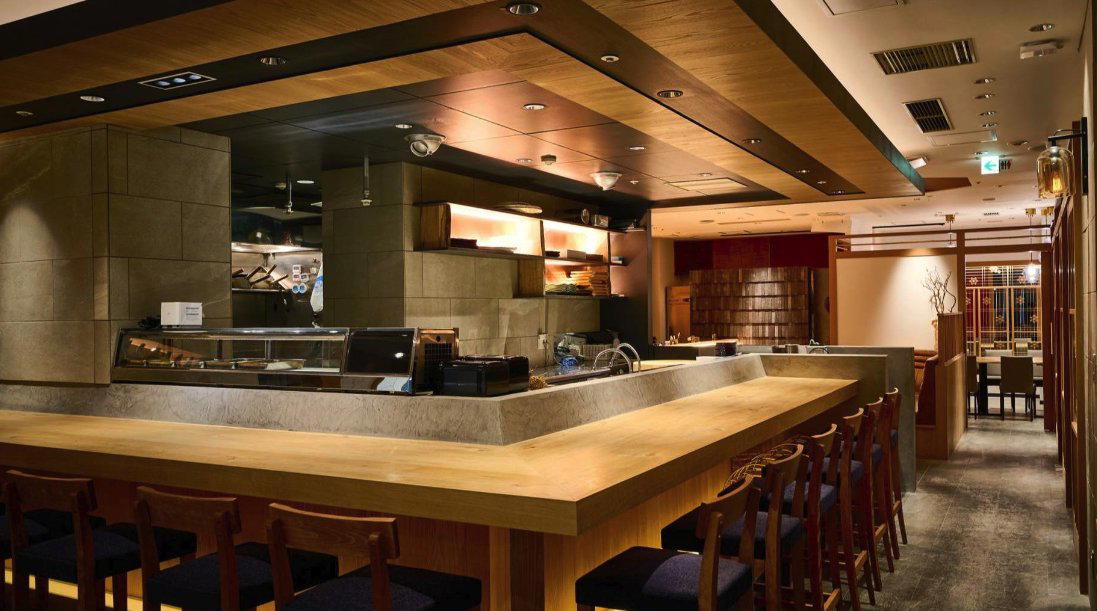
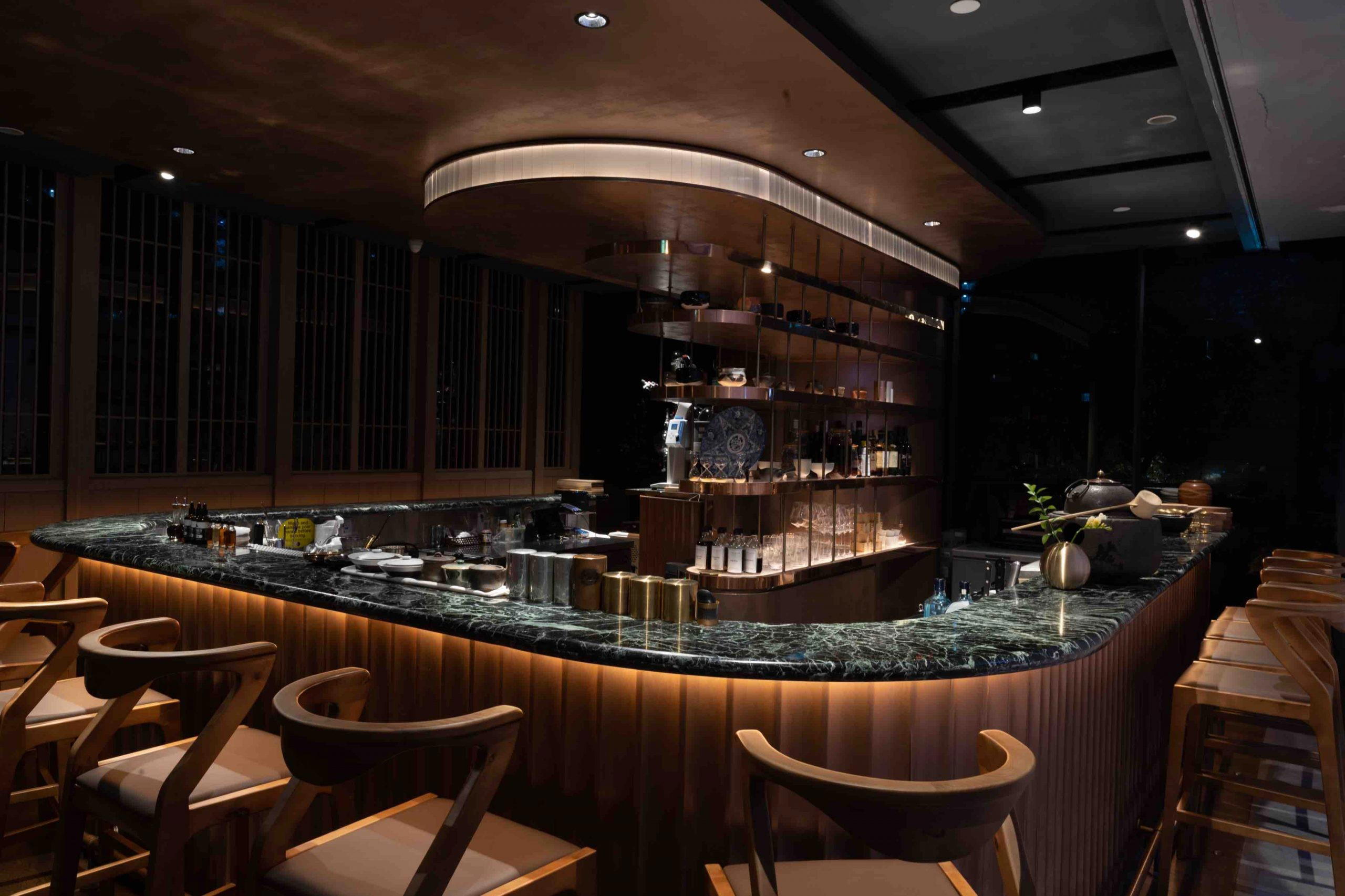
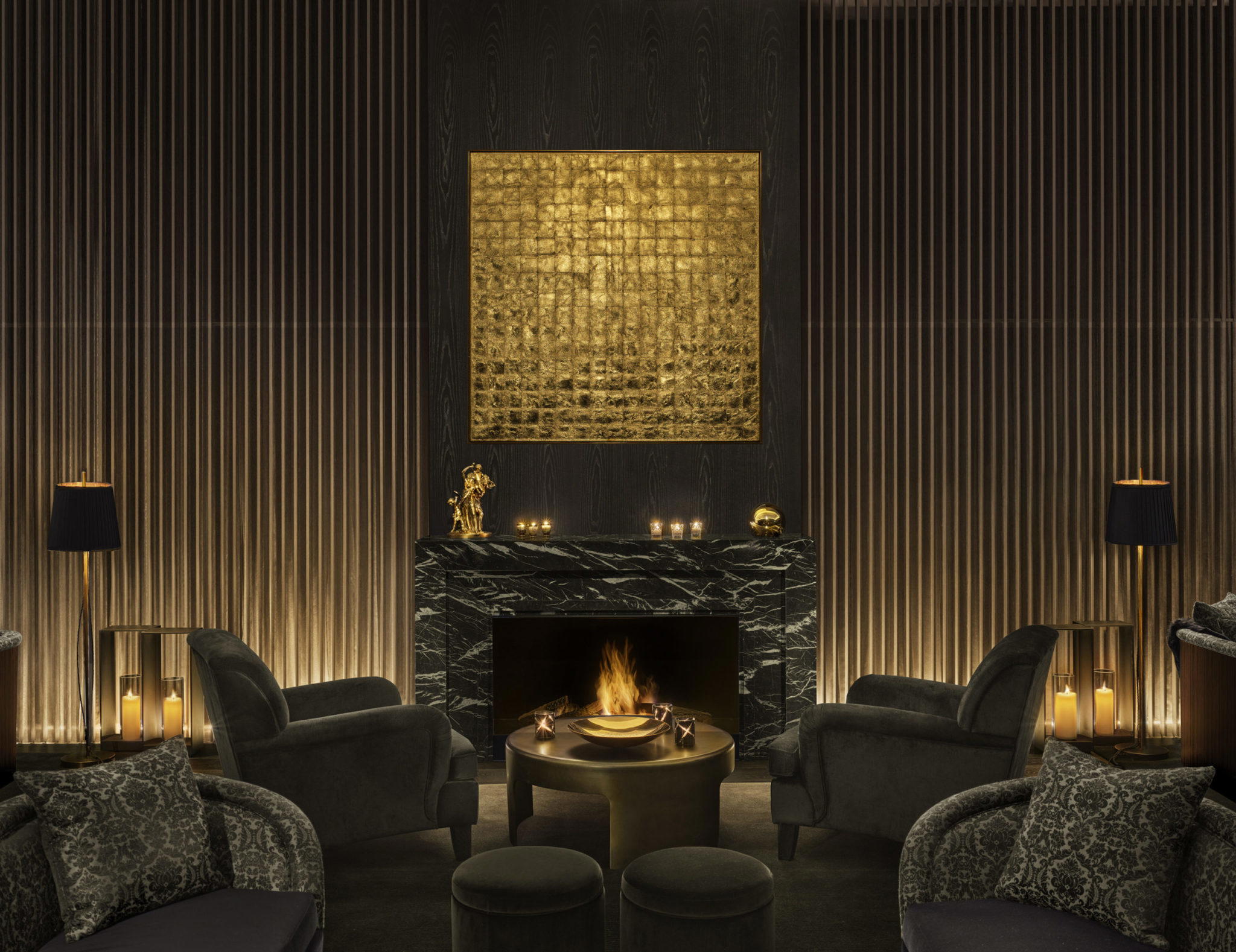
Refined, intimate fine-dining atmosphere focused on seasonal courses and chef-led presentation.