Tabelog 100 #40
Our verdict
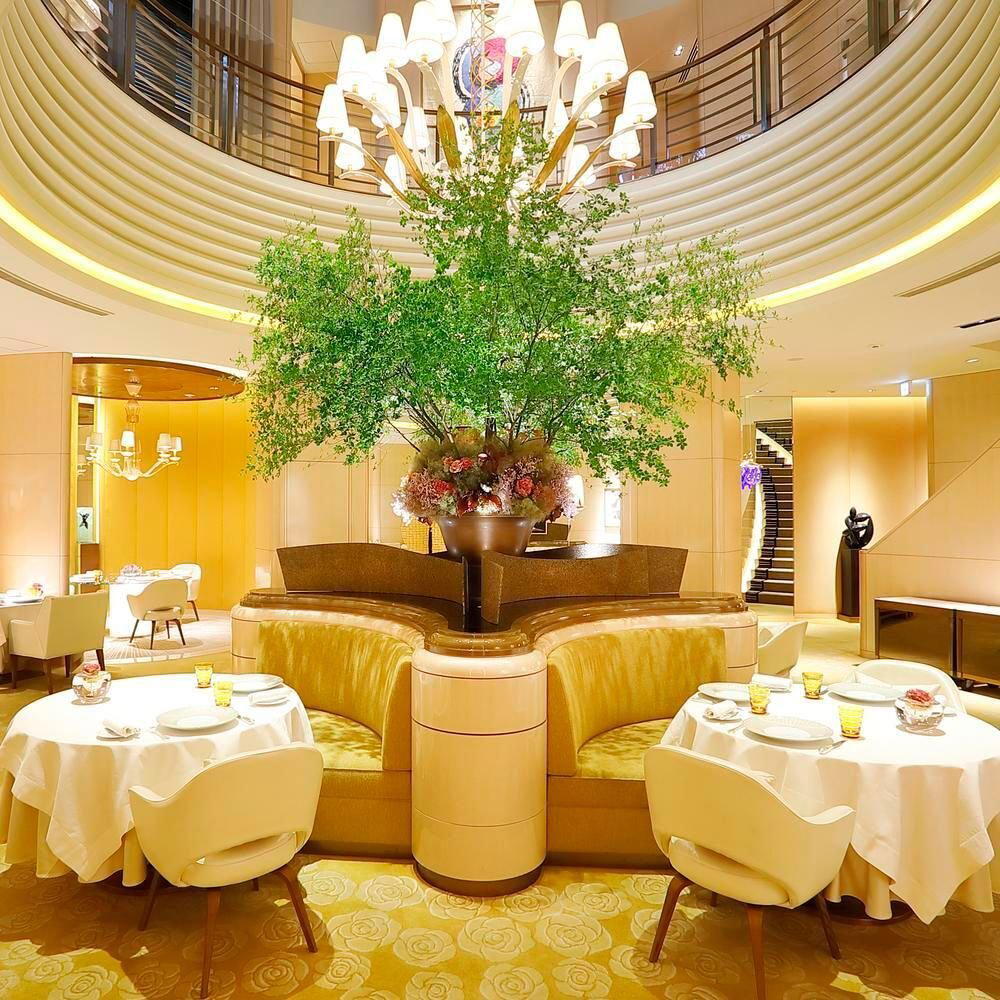
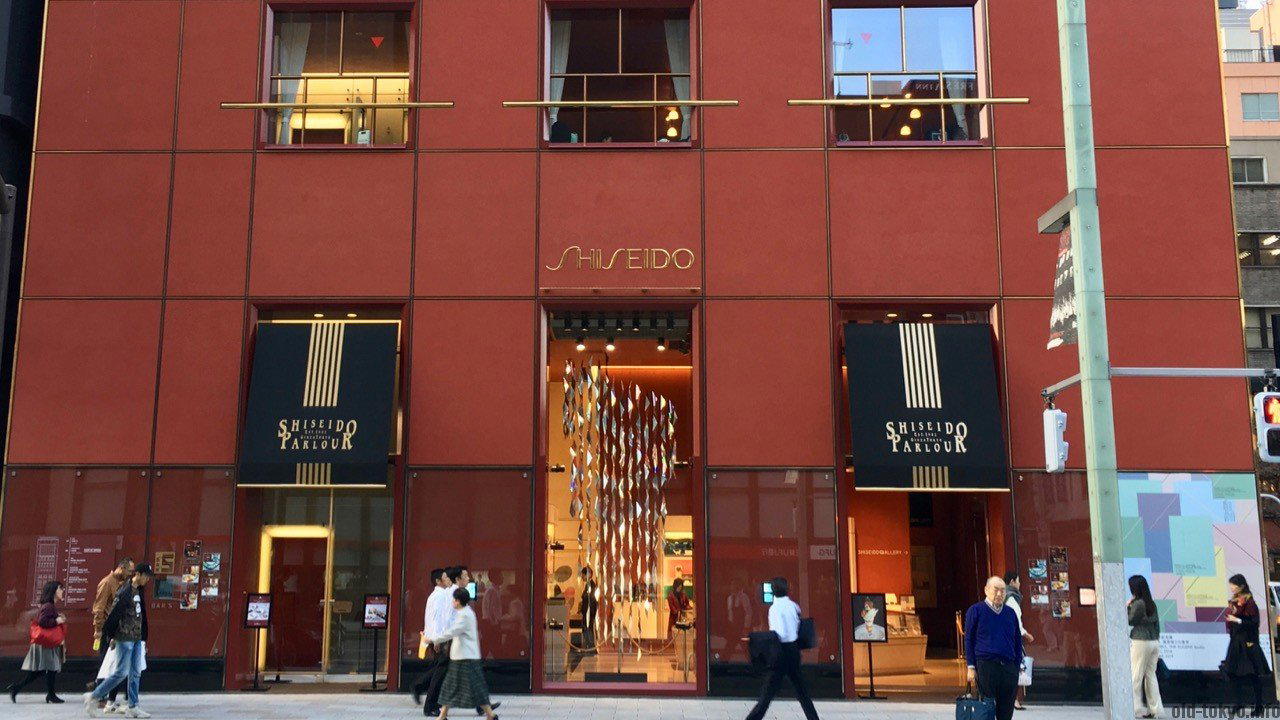
Shiseido Parlour occupies the fifth floor of the Shiseido building in Ginza 8-chome, a block that anchors one of Tokyo's most historically layered retail and dining corridors. The restaurant carries more than a century of association with the Shiseido brand's Western-inflected aesthetic, positioning it as a reference point for yoshoku, the Japanese interpretation of Western cuisine, in a neighbourhood defined by precision and longevity.

Pearl is the En Primeur Club membership app, where members save venues, book tables and use the concierge.
The menu
What to order
- Omelette Rice
- Meat Croquette
- Beef Stew
Ginza's Long Game: What a Century-Old Address Tells You About a Neighbourhood
Ginza does not reward the impatient. The district's reputation was built over generations of incremental refinement, and the blocks around 8-chome, where Shiseido's flagship complex sits, reflect that accumulation more visibly than almost anywhere else in central Tokyo. This is not a neighbourhood where restaurants open with a burst of social media attention and quietly fade. Tenure here carries weight, and Shiseido Parlour has held its address long enough that it functions as a kind of institutional memory for the area.
For context on how unusual that is: Tokyo's restaurant scene turns over at a rate that would alarm most European cities, yet certain Ginza establishments have operated continuously for decades, accruing a reputation that newer openings in Roppongi or Shibuya simply cannot replicate. Shiseido Parlour belongs to that longer timeline. It opened in 1902, initially as a soda fountain attached to the Shiseido pharmacy, and its evolution into a full restaurant mirrors the broader arc of yoshoku, the Japanese culinary tradition that absorbed Western cooking techniques and adapted them into something distinctly local.
Yoshoku in Its Natural Habitat
To understand Shiseido Parlour's place in Tokyo's dining order, it helps to understand what yoshoku actually represents. It is not fusion in the contemporary sense, not a chef deciding to pair miso with butter for effect. Yoshoku emerged in the Meiji era as Japan deliberately adopted elements of Western culture, and the dishes that crystallised from that period (omurice, hayashi rice, beef croquettes, cream stews) became as embedded in Japanese food culture as soba or tempura. They are Western in origin, Japanese in execution and emotional register.
Ginza was one of the primary zones where this culinary hybridisation played out publicly, partly because the district was explicitly designed as Japan's window onto Western modernity, wide boulevards, brick buildings, imported goods. The neighbourhood's restaurants were among the first to serve Western-style food to Japanese diners, and establishments like Shiseido Parlour were part of that cultural infrastructure. Eating there now connects a visitor to that specific historical thread in a way that ordering the same dishes at a newer restaurant in a different part of the city simply does not.
Contrast this with the dominant dining conversation in contemporary Ginza, which centres on omakase counters and high-end kaiseki. Harutaka represents the sushi tier that has become the neighbourhood's most internationally recognised export, while RyuGin anchors the kaiseki tradition that Ginza's proximity to Tsukiji and its concentration of top-tier ingredients makes possible. Shiseido Parlour occupies a different register entirely, not competing for the same diner, not targeting the same occasion.
The Fifth Floor, and What It Means to Arrive There
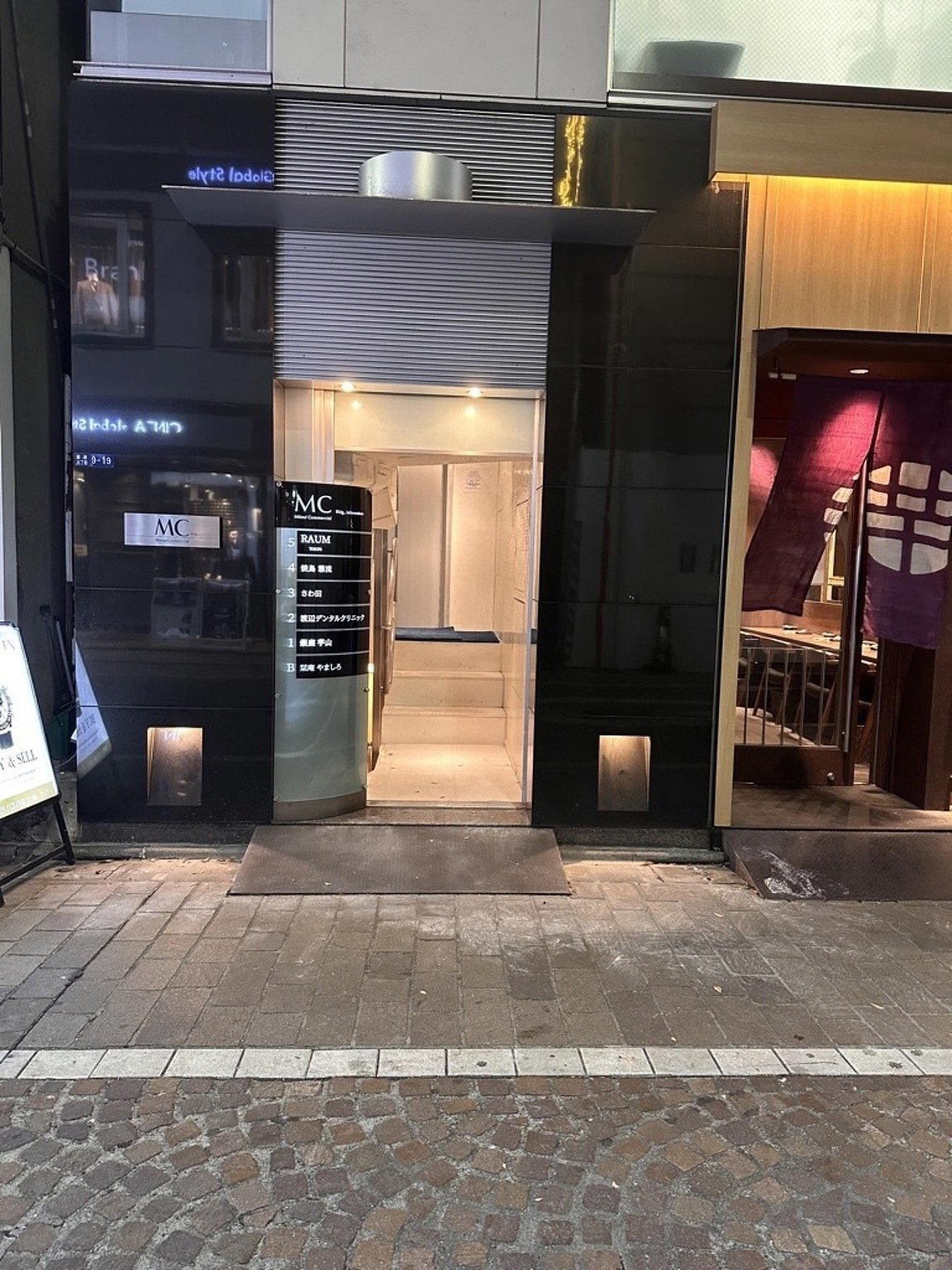
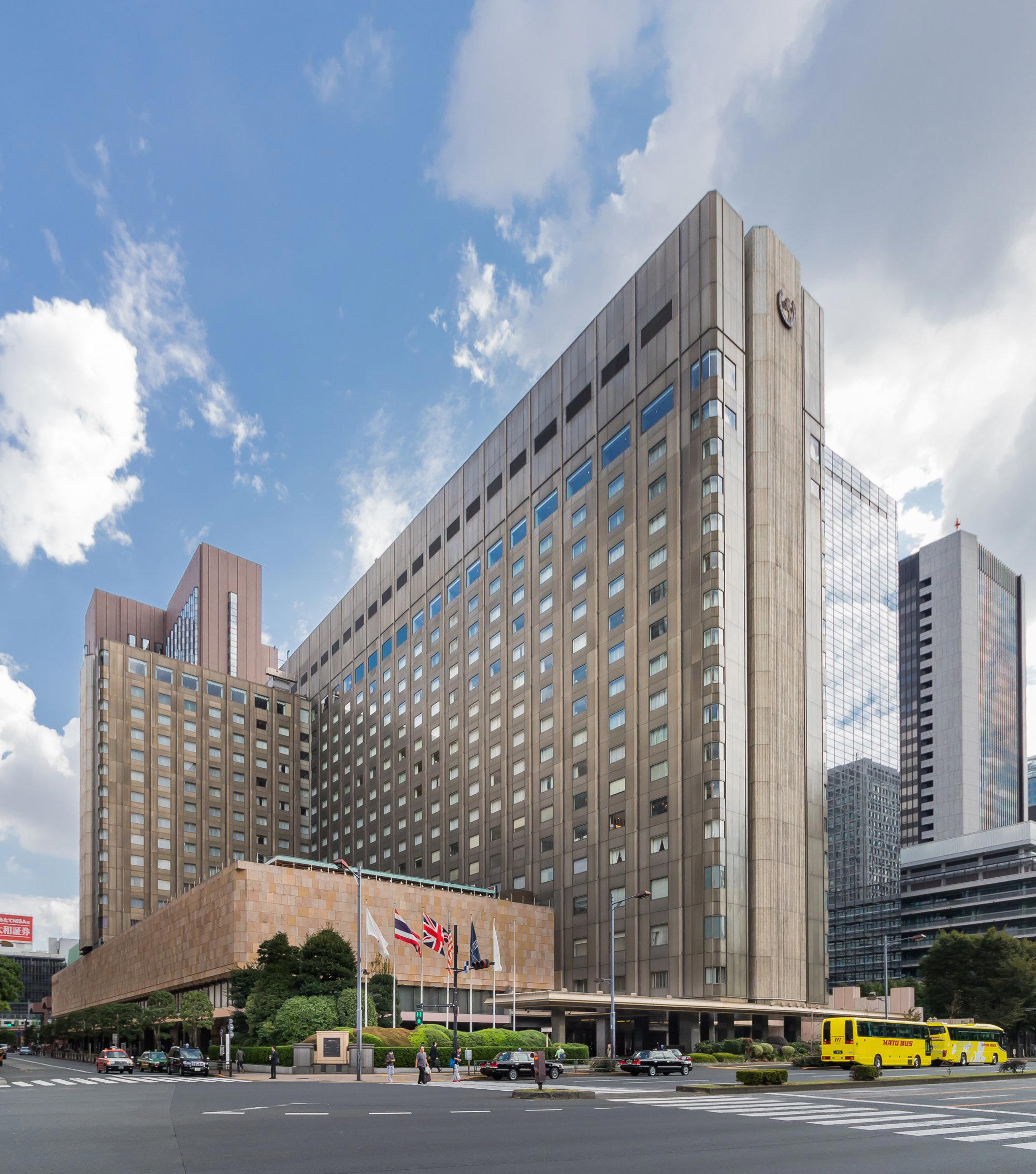
The restaurant sits on the fifth floor of the Shiseido building at 8 Chome-8-3 in Ginza, a location that requires a deliberate vertical journey through a building that has housed the brand's retail and cultural operations for over a century. The approach matters. Unlike street-level restaurants where the dining decision is made from the pavement, arriving at Shiseido Parlour involves passing through a context, the building's design history, the Shiseido aesthetic that has inflected everything from Japanese cosmetics to graphic design, before you reach the dining room.
This is characteristic of a certain style of Tokyo restaurant that international visitors sometimes underestimate: the destination embedded within a larger institutional or retail complex, where the surrounding context is part of the experience rather than incidental to it. Tokyo department store restaurants (depachika culture, and the floor restaurants above it) operate on a similar logic, but Shiseido Parlour's specific building has a more concentrated identity than a general department store.
For visitors building a Ginza itinerary, the 8-chome location places Shiseido Parlour at the southern end of the main Ginza corridor, walkable from Ginza Station (Ginza, Marunouchi, and Hibiya lines all stop there) and close enough to the waterfront that a meal here can anchor an afternoon that includes both the gallery spaces nearby and a walk toward Tsukiji.
Where It Sits Relative to the Wider Tokyo Scene
Tokyo's premium dining conversation currently runs through several competing formats. There are the tasting-menu-forward French houses, L'Effervescence and Sézanne operate at the top of that register, as does the more technically experimental Crony. There are the innovation-led Japanese formats. And then there are the legacy establishments whose value proposition is not novelty but continuity, the sense that a place has been doing something well for long enough that it has become part of the city's texture.
Shiseido Parlour falls into that last category, which means it is not a useful comparison point for anyone trying to identify Tokyo's current leading edge in technique or ingredient sourcing.
For those exploring Japanese dining beyond Tokyo, the same layered relationship between place and food appears at different registers across the country, in the kaiseki tradition at Gion Sasaki in Kyoto, in the localist approaches at akordu in Nara, in the distinct regional signatures at Goh in Fukuoka. HAJIME in Osaka represents a completely different point on the spectrum. The range across Japan's dining scene is covered in our guides to venues including Abon in Ashiya, affetto akita in Akita, Aji Arai in Oita, Ajidocoro in Yubari District, Akakichi in Imabari, and aki nagao in Sapporo. For international comparisons, legacy establishments with deep institutional identity in their cities, Le Bernardin in New York City and Lazy Bear in San Francisco offer different models of how a restaurant can carry cultural weight over time. See our full Tokyo restaurants guide for the broader picture.
Planning a Visit
Shiseido Parlour's Ginza address is its primary logistical convenience. The building at 8 Chome-8-3 is within a short walk of Ginza Station, making it accessible without navigating Tokyo's further-flung neighbourhoods. Given the institutional character of the restaurant, the dress code tends toward the smart-casual register that Ginza's general atmosphere implies, the neighbourhood is not formal in a strict sense, but it is a district where effort in appearance reads as appropriate rather than overdressed. Visitors arriving from other parts of Tokyo should expect Ginza's premium pricing environment across food, retail, and incidental expenses, though yoshoku restaurants in this category generally sit below the top tier of Tokyo omakase pricing.
Frequently asked questions
Can I bring kids to Shiseido Parlour?
Shiseido Parlour's yoshoku format, a category rooted in structured, Western-style Japanese dining, tends to draw a composed, sit-down crowd rather than a family-casual one. Children are not prohibited, but the fifth-floor setting at 8 Chome-8-3, Ginza, is a formal dining room rather than a relaxed neighbourhood spot. Families with older children who are comfortable in a quiet, table-service environment will find it more practical than those with young children.
Is Shiseido Parlour formal or casual?
The atmosphere sits closer to the formal end without crossing into black-tie territory. Ginza's 8-chome address carries its own dress expectations, the neighbourhood is among Tokyo's most polished retail and dining corridors, and the fifth-floor dining room reflects that context. Smart dress is the sensible default: structured separates or equivalent rather than streetwear.
What makes Shiseido Parlour different from other long-running Tokyo restaurants?
Shiseido Parlour occupies an unusual position in Tokyo's dining history: it is tied directly to the Shiseido cosmetics company, giving it an origin outside the traditional restaurant trade. The Ginza building at 8 Chome-8-3 has been the address for Shiseido's consumer-facing operations for generations, which means the restaurant exists within an institutional context rather than as a standalone culinary venture. That backstory distinguishes it from family-run Tokyo institutions of similar age and places it closer to the category of corporate heritage dining rooms that prioritise continuity and setting alongside the food.
What's the must-try dish at Shiseido Parlour?
Shiseido Parlour is historically associated with yoshoku classics, the category of Western-influenced Japanese dishes that took shape during the Meiji and Taisho eras. Specific current menu details are best confirmed directly with the restaurant before visiting, as seasonal and menu updates are not reflected in third-party sources.
Where do I go for Shiseido Parlour?
Shiseido Parlour is located at Japan, 〒104-0061 Tokyo, Chuo City, Ginza, 8 Chome−8−3 4 5F, Tokyo.
Do they take walk-ins at Shiseido Parlour?
Walk-in availability at the Ginza location depends on the day and time, but the fifth-floor restaurant at 8 Chome-8-3 is a destination address in one of Tokyo's most trafficked dining districts. Lunch slots in particular tend to fill quickly. Booking ahead is the practical approach rather than arriving and hoping for a table.
Category Peers
A quick snapshot of similar venues for side-by-side context.
| Venue | Cuisine | Price | Awards | Notes |
|---|---|---|---|---|
| Shiseido ParlourThis venue (the venue you are viewing) | Classic Yoshoku | $50–100 | Tabelog 100 #40 | Not listed |
| Harutaka | Edo-Style Omakase Sushi | $200–300 | 3 Michelin Stars · World's 50 Best #76 | Sushi |
| L'Effervescence | Modern French with Japanese Influences | $200–300 | 3 Michelin Stars · World's 50 Best #69 | French |
| RyuGin | Modern Kaiseki | $500+ | 3 Michelin Stars · World's 50 Best #41 | Kaiseki, Japanese |
| Crony | Modern French with Japanese Influences | $150–200 | 2 Michelin Stars · World's 50 Best #34 | Innovative, French |
| Den | Modern Japanese Kaiseki | $150–200 | 2 Michelin Stars · World's 50 Best #51 | Innovative, Japanese |
Recognition history
Dated appearances from independent guides and award organizations, with the underlying list record or original source where available.
Opinionated About Dining Casual in Japan Ranked #38
Opinionated About Dining
Tabelog 100 #40 · No. 40
Tabelog · Tabelog 100 - Yoshoku - EAST - 2025