Michelin Plate · Tabelog 100 #64
Our verdict
Yakitori Matsuri occupies the Dojima address where the chef first apprenticed, a deliberate lineage encoded in the restaurant's name itself. The omakase format moves through a structured arc from chicken ham to classic skewers, with seasoning progressing from salt to sweet tare. A 2025 Michelin Plate.

Pearl is the En Primeur Club membership app, where members save venues, book tables and use the concierge.
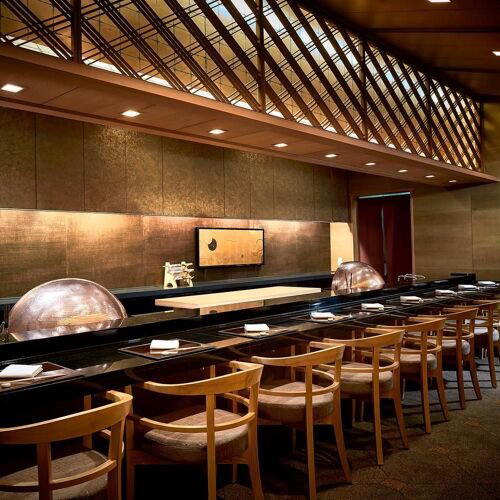
A Counter Built on Inherited Ground
Osaka's yakitori scene has always operated in the shadow of the city's more celebrated kaiseki and street-food traditions, but in the past decade a distinct tier of counter-format yakitori restaurants has emerged: technically precise, omakase-driven, and positioned at a price point that demands the same attention a diner might give a two-Michelin-star kitchen. Yakitori Matsuri sits inside that shift, at an address in Dojima, Kita Ward, that carries more weight than its ground-floor location might suggest.
The restaurant occupies the site where the chef apprenticed under Ichimatsu, the yakitori house that preceded it. The name Matsuri is constructed from this inheritance: one character drawn from Ichimatsu, one from the Japanese word for hometown. That etymology is not an affectation. It places the current restaurant in direct conversation with its predecessor, framing the whole enterprise as a continuation rather than a departure, and that framing shapes everything from the omakase structure to the seasoning logic on the skewer.
How the Format Has Evolved
The evolution from apprenticeship kitchen to independent counter is a familiar arc in Japanese specialist cooking, but the detail worth noting at Yakitori Matsuri is how the chef has translated that lineage into a menu architecture with its own internal logic. The omakase begins with chicken ham, a preparation that foregrounds depth of flavour before the grill even enters the picture. From there, the sequencing follows a deliberate progression: seasoning moves from salt to sweet tare, and the overall register shifts from light to rich as the meal advances.
This is not an arbitrary sequence. In the broader tradition of yakitori omakase, increasingly formalised across counters in Osaka, Kyoto, and Tokyo, the ordering of skewers encodes a philosophy about how the palate should travel through a meal. Counters that operate at this level, such as Torisho Ishii and Yakitori Torisen, each make different structural choices, but the shared assumption is that yakitori at this price point earns the same sequencing intelligence as any multi-course Japanese format. Yakitori Matsuri's salt-to-tare arc is one answer to that challenge, and it is a considered one.
The chicken itself is described as delicate, with portion size gauged to the way the meat behaves on the teeth, a detail that points to the degree of technical calibration involved. At this level of omakase yakitori, the cut, skewering angle, resting temperature, and char depth are as deliberate as the knife work in a kaiseki kitchen. Compare that against the broader Osaka mid-to-high dining tier, which includes French-leaning destinations like Ayamuya and Japanese counter formats like Ishii, and yakitori at Matsuri's level occupies a genuinely distinct niche: ingredient-focused, fire-driven, and legible without translation.
Dojima as a Setting
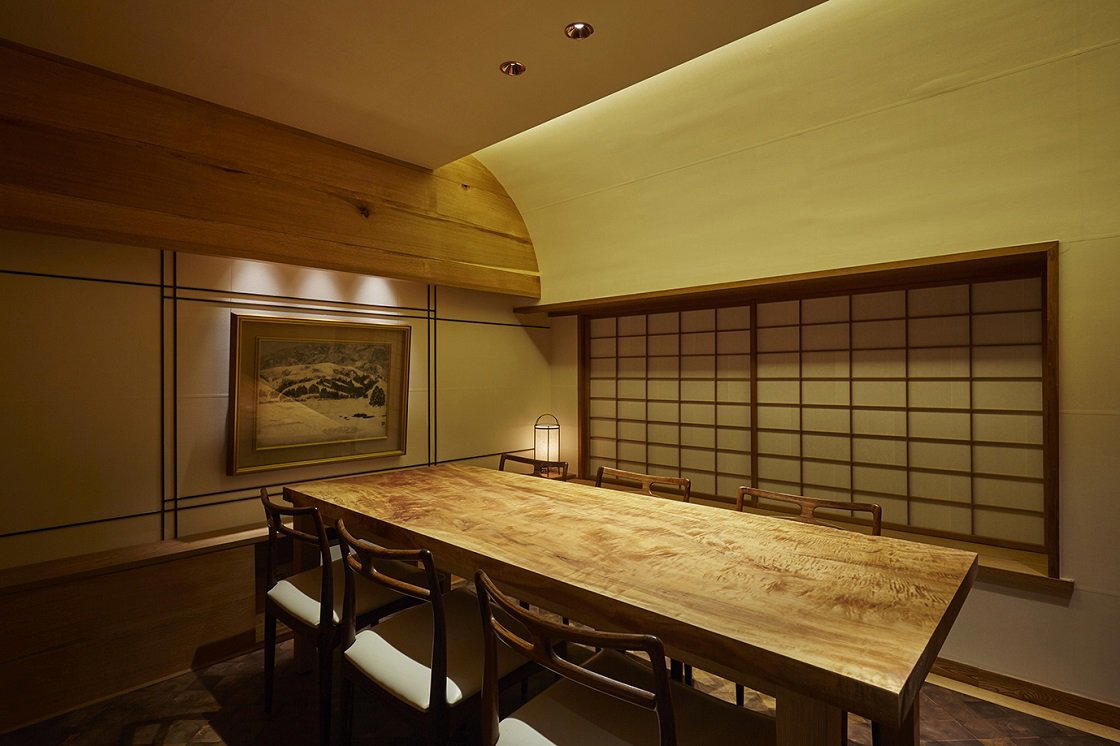
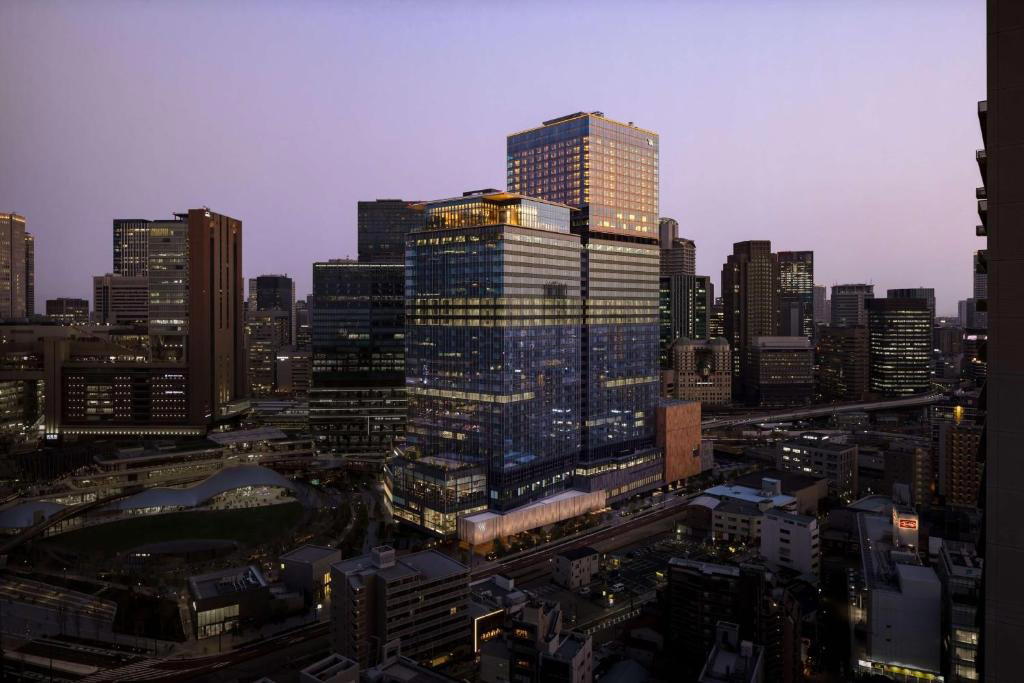
Dojima is a business district by day and a quiet, restaurant-dense neighbourhood by night. It lacks the tourist density of Shinsaibashi or the late-night energy of Namba, which means the clientele at a counter like Yakitori Matsuri tends to skew local and intentional. Diners arrive knowing what they are ordering, in the sense that an omakase commitment at the ¥¥¥ tier in this neighbourhood is a considered choice rather than a walk-in impulse. That self-selecting dynamic contributes to the atmosphere at the counter: focused, unhurried, and oriented around the food rather than the occasion.
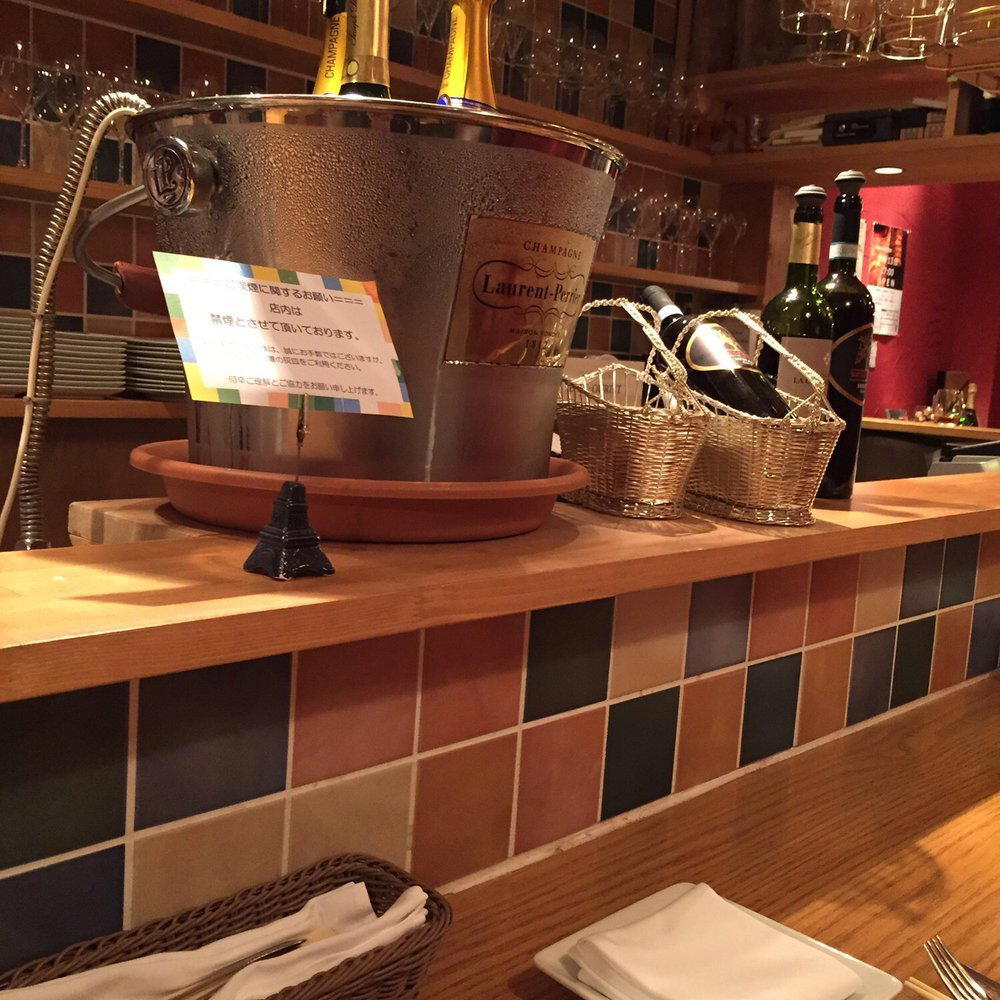
The ground-floor position in the Res Dojima building is functional rather than dramatic, which is consistent with how serious yakitori counters tend to present themselves across Japan. The spectacle, if there is one, is at the grill. For context on how the format plays out in other cities, Torisaki in Kyoto and Yakitori Omino in Tokyo offer instructive comparisons: both operate counter formats in similarly low-key physical settings, and both situate the dining experience entirely in the cooking rather than the room.
Recognition and Competitive Position
Yakitori Matsuri holds a 2025 Michelin Plate, the Guide's marker for cooking that represents good quality without yet reaching the starred tier. At the ¥¥¥ price point, that places it in a peer group that includes Osaka's serious single-cuisine counters rather than the city's multi-star kaiseki or innovative French operations. Venues like Gion Sasaki in Kyoto and Harutaka in Tokyo operate in entirely different formats and price brackets, but the Michelin framework that connects them is the same: recognition earned through consistency and technical discipline, not volume or spectacle.
That score suggests a stable, satisfied repeat clientele rather than a venue riding viral attention. Other Kansai and wider Japan comparisons worth considering for the same trip: akordu in Nara, Goh in Fukuoka, 1000 in Yokohama, and 6 in Okinawa each represent the same tier of focused, chef-driven Japanese cooking in different regional expressions.
Planning Your Visit
Location: 2 Chome-2-33 Res Dojima Building 1F East, Dojima, Kita Ward, Osaka 530-0003. Budget: ¥¥¥ (mid-to-upper range for Osaka; consistent with serious omakase counter pricing). Reservations: No booking contact details are available in public records; approach via a hotel concierge or a Japan-specialist reservation service, particularly for non-Japanese speakers. Dress: No formal dress code is documented, though the counter format and price tier suggest smart-casual as a reasonable baseline. Timing: Dojima is quieter at the weekend; a weekday evening aligns better with the neighbourhood's local-business clientele and the unhurried counter pace that the omakase format requires.
For broader planning, see our full Osaka restaurants guide, our full Osaka hotels guide, our full Osaka bars guide, our full Osaka wineries guide, and our full Osaka experiences guide.
Frequently asked questions
Is Yakitori Matsuri better for a quiet night or a lively one?
Dojima runs quiet after business hours, and Yakitori Matsuri fits that register. The omakase format structures the pace of the meal from chicken ham through to richer seasoned skewers, so the experience leans toward focused and unhurried rather than convivial or high-energy. It suits a considered dinner over a celebratory night out.
How do I find Yakitori Matsuri?
Yakitori Matsuri is located at Japan, 〒530-0003 Osaka, Kita Ward, Dojima, 2 Chome−2−33 Res 堂島 ビル 1F東, Osaka.
What distinctions does Yakitori Matsuri have?
Yakitori Matsuri has received recognition including: The restaurant stands on the site of Yakitori Ichimatsu, the restaurant where the chef apprenticed, hence the name – a word formed by taking one character from Ichimatsu and one from the word meaning ‘hometown’. The omakase menu begins with….
What's the best thing to order at Yakitori Matsuri?
There is no à la carte choice here. The kitchen runs a set omakase menu that opens with chicken ham and moves through a sequence of skewers where seasoning shifts from salt to tare, light to rich. The chicken itself is judged on bite size and tooth texture, so the whole progression is the point, not any single skewer.
What should I expect cuisine-wise at Yakitori Matsuri?
What should I budget for a meal at Yakitori Matsuri?
Pricing at Yakitori Matsuri is listed as ¥¥¥.
Do they take walk-ins at Yakitori Matsuri?
The counter format allows limited covers, and arriving without a booking carries real risk. Reservations in advance are strongly advisable.
A Quick Peer Check
| Venue | Cuisine | Price | Awards | Notes |
|---|---|---|---|---|
| Yakitori MatsuriThis venue (the venue you are viewing) | Yakitori Omakase | Not listed | Michelin Plate · Tabelog 100 #64 | Not listed |
| HAJIME | Avant-Garde Japanese Fine Dining | $300–500 | 3 Michelin Stars · World's 50 Best #83 | French, Innovative |
| La Cime | Modern French with Japanese Ingredients | $150–200 | 2 Michelin Stars · World's 50 Best #13 | French |
| Kashiwaya Osaka Senriyama | Seasonal Kaiseki Omakase | $200–300 | 3 Michelin Stars · La Liste Top Restaurants | Japanese |
| Taian | Traditional Japanese Kaiseki Omakase | $150–200 | 3 Michelin Stars · La Liste Top Restaurants | Kaiseki, Japanese |
| Fujiya 1935 | Modern Japanese with European influences | $100–150 | 2 Michelin Stars · La Liste Top Restaurants | Innovative |
Recognition history
Dated appearances from independent guides and award organizations, with the underlying list record or original source where available.
Michelin Plate
Michelin
Tabelog 100 #64 · No. 64
Tabelog · Tabelog 100 - Yakitori - WEST - 2025
Full recognition history (4 entries)
Michelin Plate
Michelin
Michelin Plate
Michelin