

Michelin Plate · Tabelog 100 #2
Our verdict
Kamekichi is a French bistro in Osaka's Chuo Ward earning consecutive Michelin Plate recognition in 2024 and 2025. The menu centres on French country cooking: quiche Lorraine, cassoulet, and butter-rich braised meats, with seasonal game such as mallard and Daurian partridge appearing when available. À la carte dinner portions are sized for sharing, making it one of the more accessible French tables in the city at the ¥¥ price point.

Pearl is the En Primeur Club membership app, where members save venues, book tables and use the concierge.
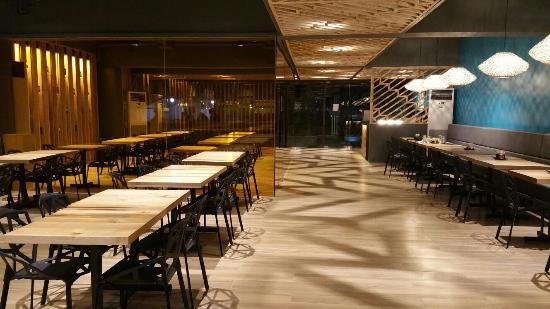
The menu
What to order
- Quiche Lorraine
- Cassoulet
- Beef cheek
- Mallard
- Daurian partridge
French Country Cooking in Osaka's Chuo Ward
The French restaurants of Osaka spread across a wide price spectrum. At one end sit the grand tasting-menu houses: La Cime and LE PONT DE CIEL occupy the ¥¥¥¥ bracket where multi-course progression and wine pairing are the assumed format. At the other sits a quieter tier of French cooking rooted in the bistro and country-kitchen traditions of provincial France, where the point is not ceremony but the food itself: a well-made quiche, a slowly braised braise, a sauce that does not try to be clever. Kamekichi operates in that second register, and does so at a ¥¥ price point that makes it one of the more accessibly priced French tables in the city to have earned consecutive Michelin Plate recognition, in both 2024 and 2025.
The restaurant sits in Yariyamachi, a low-key corner of Chuo Ward, at 1 Chome-3-13. The neighbourhood has none of the obvious food-destination signalling of Kitashinchi or the tourist circuit around Dotonbori. Arriving here is a deliberately quiet act. The name itself carries a particular kind of informality: the chef named the restaurant after his own nickname, a choice that positions the room as personal territory rather than a formal stage.
The Argument for Butter and Cream
French cuisine in Japan has a long and complicated relationship with restraint. The country's most-decorated French tables, including Hajime at the ¥¥¥¥ tier, have largely moved toward a leaner, more technical vocabulary that borrows as much from Japanese aesthetics as from the classical French canon. Kamekichi goes the other direction. The menu is built around dishes in which butter and cream are not apologised for but treated as the central pleasure of the cuisine: sauces that carry richness as a statement of intent rather than an indulgence to be moderated.
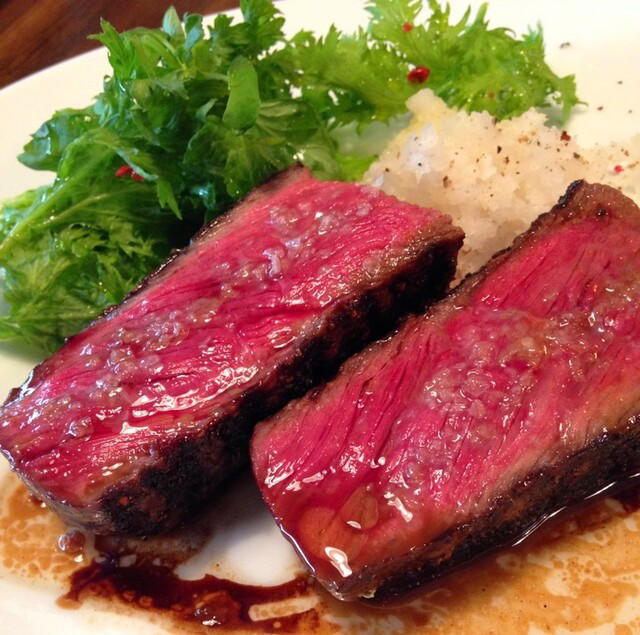
Quiche Lorraine, cassoulet, and beef cheek simmered in red wine form the backbone of what's on offer. These are dishes that reward slow cooking over spectacle, where the measure of skill is in the depth of a braise or the balance of a custard rather than the visual precision of a tasting-menu plate. The cassoulet tradition in particular, a dish rooted in the Languedoc and built from preserved meats, white beans, and rendered fat, is one of the clearest expressions of French country cooking's philosophy: use everything, waste nothing, cook long. That sensibility is not incidental. It aligns with a broader ethic of whole-product cooking and minimum waste that sits comfortably alongside contemporary conversations about sustainability in kitchens, even if Kamekichi arrives at it through tradition rather than ideology.
Game in season adds another dimension. Mallard and Daurian partridge appear on the menu when available, which means the kitchen operates on a supply-led calendar rather than a fixed year-round offering. Sourcing seasonal wild game in Japan is not direct: the country's hunting culture is smaller than Europe's, and wild bird availability is genuinely constrained by season and supplier. A kitchen that builds game into its menu is, by definition, working with what exists rather than engineering consistency. That is a particular approach to ingredient ethics, and it produces a menu that changes with the year rather than against it. For a comparison of how seasonal game integrates into French-influenced menus elsewhere in the Kansai region, La Bécasse is worth examining alongside Kamekichi in Osaka's French tier.
Format and Sharing
Dinner at Kamekichi follows an à la carte format with portions sized for sharing at the table. This is a structural choice with real implications: shared plates at a French bistro shift the evening away from individual progression toward a more communal, generous rhythm that suits the country-cooking register well. A cassoulet meant for sharing arrives as a centrepiece rather than a portion; a beef cheek braise becomes the anchor of a table rather than one course in a sequence. The format also means the kitchen's commitment to generous portioning translates directly to value, given the ¥¥ pricing.
This approach places Kamekichi in a different competitive frame from the structured tasting-menu format at restaurants like Différence or nent, where the sequenced course is the organising principle. The bistro model asks something different of a diner: less attention to progression, more attention to the table as a whole. For those used to the choreography of a multi-course dinner, it is a deliberate change of pace.
Kamekichi in Osaka's French Tier
Osaka's French restaurants occupy a more varied field than is sometimes acknowledged. The city's leading end is heavily decorated: La Cime holds two Michelin stars, and the broader restaurant ecosystem includes multiple three-star Japanese tables at the ¥¥¥¥ level. But there is also a functioning middle register of French cooking that earns Michelin recognition without the multi-star architecture, and Kamekichi fits that pattern. Two consecutive Michelin Plate awards in 2024 and 2025 confirm consistent kitchen quality without placing the restaurant in the rarefied tier where booking windows stretch months ahead and omakase deposits apply.
For context across the wider Kansai and Japanese dining circuit, the French tradition has deep roots: L'Effervescence in Tokyo represents the more refined, product-led end of French cooking in Japan, while akordu in Nara shows how European culinary traditions adapt to regional Japanese ingredients. Hotel de Ville Crissier in Switzerland, for reference, anchors what the European classical tradition looks like at its most uncompromising. Kamekichi occupies a very different register from all three, but it is part of the same conversation about what French cooking can mean outside France.
Other Japan restaurant coverage from EP Club that provides useful comparative context: Harutaka in Tokyo, Gion Sasaki in Kyoto, Goh in Fukuoka, 1000 in Yokohama, and 6 in Okinawa.
Planning Your Visit
Kamekichi is located at 1 Chome-3-13 Yariyamachi, Chuo Ward, Osaka, 540-0027. The ¥¥ price point and à la carte format mean a dinner for two with wine is significantly more accessible than the tasting-menu houses that dominate Osaka's French upper tier.
For a full picture of where to eat, stay, drink, and explore in Osaka, EP Club's full Osaka restaurants guide, Osaka hotels guide, Osaka bars guide, Osaka wineries guide, and Osaka experiences guide cover the full range of the city's premium options.
Frequently asked questions
What's the dish to order at Kamekichi?
The cassoulet and beef cheek braised in red wine are the dishes that most directly express what the kitchen is doing. Both are built on long cooking, good fat, and sauces that carry real depth. When the season allows, the game birds, mallard and Daurian partridge, represent the menu at its most product-specific and time-limited. The Michelin Plate recognition in both 2024 and 2025 is consistent with a kitchen that has found its range and maintains it. The cuisine is classical French country cooking rather than a hybrid or a reinterpretation.
Should I book Kamekichi in advance?
At the ¥¥ price point and with a Michelin Plate rather than a star designation, Kamekichi does not operate on the months-long booking windows that apply to Osaka's two- and three-star French tables. Booking ahead for dinner, particularly on weekends or during game season when the menu has its most distinctive offerings, is the practical approach. Osaka's dining culture is competitive, and the city's appetite for French food at this price tier means reliable neighbourhood restaurants fill tables without much difficulty.
A Pricing-First Comparison
| Venue | Cuisine | Price | Awards | Notes |
|---|---|---|---|---|
| KamekichiThis venue (the venue you are viewing) | French Country Bistro | $50–100 | Michelin Plate · Tabelog 100 #2 | Not listed |
| HAJIME | Avant-Garde Japanese Fine Dining | $300–500 | 3 Michelin Stars · World's 50 Best #83 | French, Innovative |
| La Cime | Modern French with Japanese Ingredients | $150–200 | 2 Michelin Stars · World's 50 Best #13 | French |
| Kashiwaya Osaka Senriyama | Seasonal Kaiseki Omakase | $200–300 | 3 Michelin Stars · La Liste Top Restaurants | Japanese |
| Taian | Traditional Japanese Kaiseki Omakase | $150–200 | 3 Michelin Stars · La Liste Top Restaurants | Kaiseki, Japanese |
| Fujiya 1935 | Modern Japanese with European influences | $100–150 | 2 Michelin Stars · La Liste Top Restaurants | Innovative |
Recognition history
Dated appearances from independent guides and award organizations, with the underlying list record or original source where available.
Michelin Plate
Michelin
Tabelog 100 #2 · No. 2
Tabelog · Tabelog 100 - French - WEST - 2025
Full recognition history (4 entries)
Michelin Plate
Michelin
Michelin Plate
Michelin
Continue exploring
More in Osaka
Restaurants in Osaka
All restaurants in Osaka →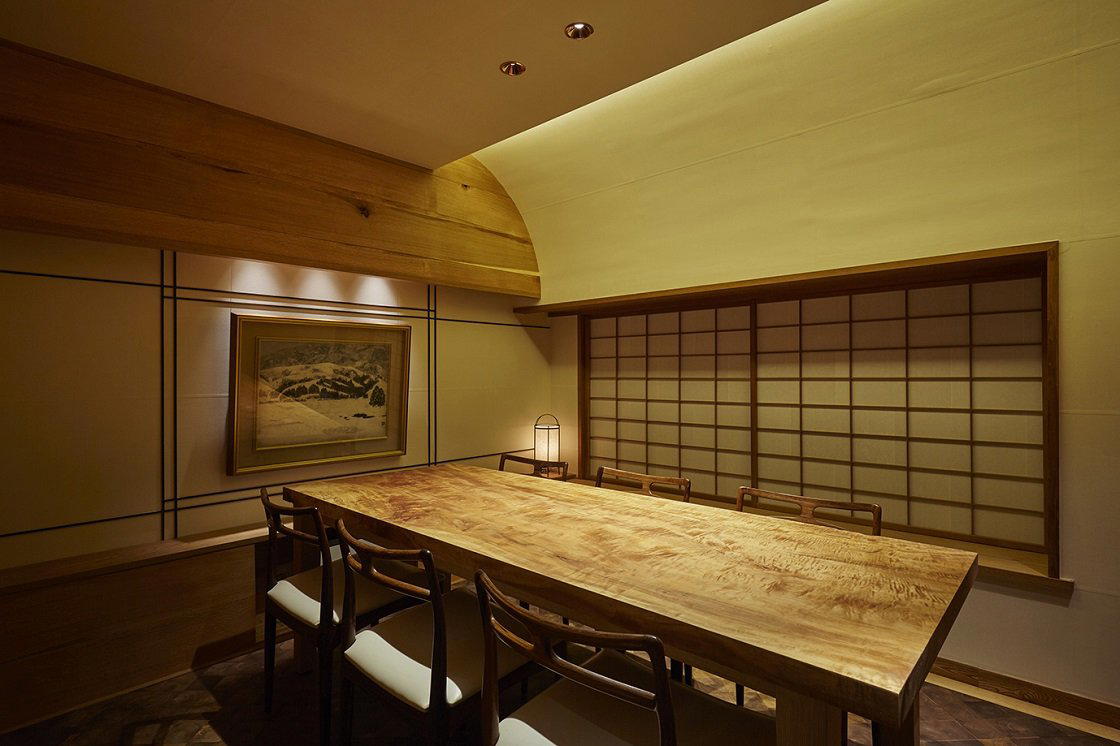



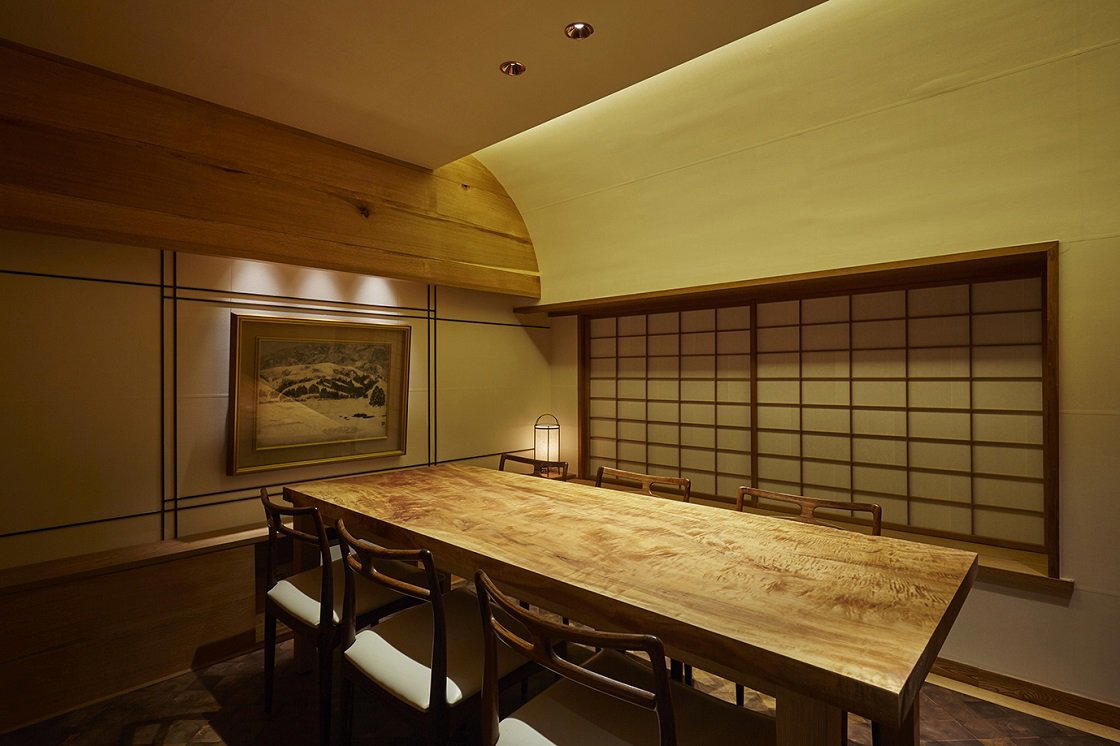
Bars in Osaka
All bars in Osaka →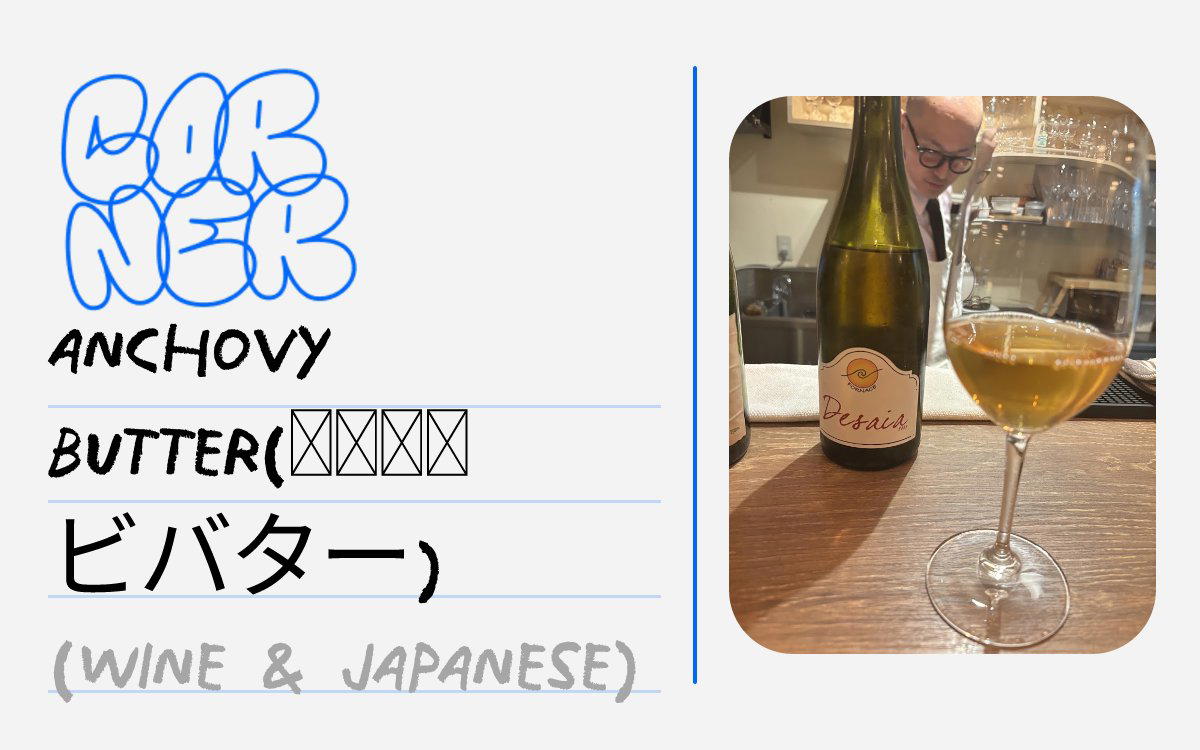

Hotels in Osaka
All hotels in Osaka →



Wineries in Osaka
Browse all →
Details
- Cozy
- Elegant
- Intimate
- Sophisticated
- Date Night
- Business Dinner
- Casual Hangout
- Open Kitchen
- Sake Program
- A La Carte
- Wine
Current opening hours
- Monday
- 6–10:30 PM
- Tuesday
- 6–10:30 PM
- Wednesday
- 11:30 AM–2 PM, 6–10:30 PM
- Thursday
- 11:30 AM–2 PM, 6–10:30 PM
- Friday
- 11:30 AM–2 PM, 6–10:30 PM
- Saturday
- 11:30 AM–2:30 PM, 6–10:30 PM
- Sunday
- Closed
Hours can change for holidays and private events. Hours as of .
Glowing with soft light, burnished wood, and unobtrusive hum; modern yet cozy with stylish, relaxing space and counter seating.