
Michelin Plate
Our verdict
A Michelin Plate-recognised kaiseki counter in Osaka's Tenma district, Temmabashi Fujikawa delivers a prix fixe format built around seasonal ingredients and a cedar counter that sets the physical and philosophical tone. The midcourse tempura sequence, fried to order in the open kitchen, marks a distinctive structural move within the kaiseki tradition. Lunch and dinner menus differ in scope, with evenings offering a longer, ingredient-focused progression.

Pearl is the En Primeur Club membership app, where members save venues, book tables and use the concierge.
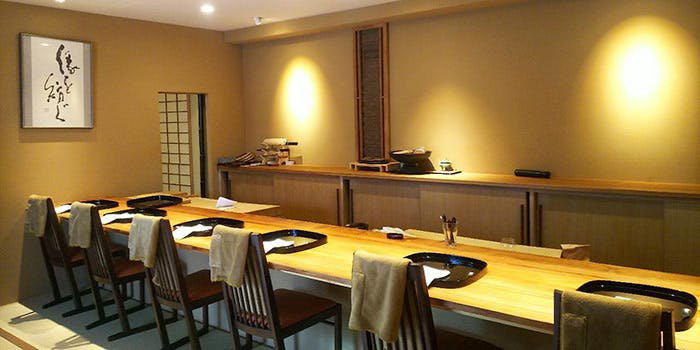
A Counter Built Around Material and Craft
Osaka's kaiseki scene occupies a different register from Kyoto's. Where Kyoto kaiseki often emphasises ceremonial restraint and lineage above all else, Osaka's kitchens have historically permitted more flexibility in ingredients and pacing, reflecting a city that has always treated eating as a direct, unsentimental pleasure. Temmabashi Fujikawa, on the ground floor of a low-rise building in Kita Ward's Tenma neighbourhood, fits inside that tradition: the kaiseki format is present and respected, but the structure is the chef's own.
The first thing the room communicates is material integrity. The counter is Yoshino cedar, a wood associated in Japan with fine joinery and temple construction, chosen here for its grain and its effect on the atmosphere of a working kitchen counter. Cedar counters of this calibre are not common in Osaka's mid-tier kaiseki rooms, and the choice locates Temmabashi Fujikawa within a specific aesthetic position: neither the lacquered formality of the city's top-end kaiseki houses nor the utilitarian approach of neighbourhood kappo. The open kitchen completes the picture, making the craft visible rather than hidden.
Holding a Michelin Plate in both 2024 and 2025, the restaurant sits within the ¥¥¥ bracket that also includes Kashiwaya Osaka Senriyama and Miyamoto. The Michelin Plate designation signals consistent quality and inspectors' attention without the full star recommendation, a position shared by a number of Osaka counters working in the kaiseki and kappo traditions. For context on Osaka's wider dining scene across price points and cuisines, our full Osaka restaurants guide maps the full range.
The Structure of the Menu
In Kansai kaiseki, the progression of a meal is rarely accidental. At Temmabashi Fujikawa, the prix fixe structure follows a deliberate arc: courses build in intensity, the pacing is managed, and the open kitchen creates a live connection between preparation and service. What distinguishes the format here is the inclusion of a dedicated tempura sequence in the middle of the prix fixe, with each piece fried individually to order. This is not standard kaiseki architecture. Tempura appears occasionally in kaiseki as a secondary element, but framing it as a midcourse set within a tightly sequenced meal requires timing coordination between the kitchen and the pass, the kind of decision that defines a room's operational identity as much as its ingredient choices.
The editorial angle matters here: the team dynamic in a kaiseki kitchen of this scale involves close collaboration between the chef and front-of-house, because the success of individually fried tempura served at the right moment depends entirely on communication between kitchen and table. In Osaka kaiseki rooms at the ¥¥¥ tier, this level of sequential precision is increasingly a marker of ambition, seen similarly at Tenjimbashi Aoki and Oimatsu Hisano, each with its own structural interpretation of the kaiseki frame.
Lunch and dinner operate as distinct experiences. At lunch, the appetiser sequence is designed with visual attention, the presentation calibrated for a guest arriving in daylight with perhaps less time. In the evening, the menu expands in number of courses and sharpens its focus on the quality of individual ingredients, allowing the later hour and longer sitting to support a slower, more detailed progression. This bifurcation is common among serious Osaka kaiseki counters: the lunch format serves as an access point, the dinner format as the full statement.
Tenma and Its Dining Context
Tenma is not Osaka's most obvious kaiseki neighbourhood. The area is better known for the Tenjinbashi-suji shopping arcade and a denser, more casual food culture than the riverside Fukushima district or the polished addresses around Shinsaibashi. Finding a counter of Temmabashi Fujikawa's format in Kita Ward's Tenma rather than in the more traditionally premium corridors is itself an editorial detail worth noting: it speaks to the way serious cooking in Osaka has dispersed across the city rather than concentrating in designated fine dining zones.
For visitors building an Osaka itinerary around food, the city's kaiseki and kappo tradition runs from this mid-tier with Michelin recognition through to starred rooms like Yugen. Elsewhere in the Kansai region, the kaiseki conversation extends to Gion Sasaki in Kyoto, while for Japanese fine dining comparisons in Tokyo, Myojaku and Azabu Kadowaki offer useful reference points for how the kaiseki-adjacent format translates in a different city context. Broader regional comparisons can be found at Harutaka in Tokyo, akordu in Nara, Goh in Fukuoka, 1000 in Yokohama, and 6 in Okinawa.
Planning Your Visit
Address: Hiro Building 1F, 2-2-21 Tenma, Kita Ward, Osaka 530-0043. Price tier: ¥¥¥, consistent with Osaka's mid-to-upper kaiseki bracket. Reservations: Advance booking is advisable given the counter format; exact booking method is not published centrally, so direct contact via the venue is recommended. Format: Prix fixe only, with lunch and dinner menus differing in scope and course count. Getting there: Temmabashi station (Osaka Metro Tanimachi Line and Keihan Main Line) is the nearest access point for the Tenma address. Wider Osaka: For hotels, bars, and experiences around your visit, see our full Osaka hotels guide, our full Osaka bars guide, our full Osaka wineries guide, and our full Osaka experiences guide.
Frequently asked questions
What's the pricing like at Temmabashi Fujikawa?
Pricing at Temmabashi Fujikawa is listed as ¥¥¥.
Credentials Lens
| Venue | Cuisine | Price | Awards | Notes |
|---|---|---|---|---|
| Temmabashi FujikawaThis venue (the venue you are viewing) | Kappo Kaiseki with Tempura | $100–150 | Michelin Plate | Not listed |
| HAJIME | Avant-Garde Japanese Fine Dining | $300–500 | 3 Michelin Stars · World's 50 Best #83 | French, Innovative |
| La Cime | Modern French with Japanese Ingredients | $150–200 | 2 Michelin Stars · World's 50 Best #13 | French |
| Kashiwaya Osaka Senriyama | Seasonal Kaiseki Omakase | $200–300 | 3 Michelin Stars · La Liste Top Restaurants | Japanese |
| Taian | Traditional Japanese Kaiseki Omakase | $150–200 | 3 Michelin Stars · La Liste Top Restaurants | Kaiseki, Japanese |
| Fujiya 1935 | Modern Japanese with European influences | $100–150 | 2 Michelin Stars · La Liste Top Restaurants | Innovative |
Recognition history
Dated appearances from independent guides and award organizations, with the underlying list record or original source where available.
Michelin Plate
Michelin
Full recognition history (3 entries)
Michelin Plate
Michelin
Michelin Plate
Michelin
Continue exploring
More in Osaka
Restaurants in Osaka
All restaurants in Osaka →


Bars in Osaka
All bars in Osaka →
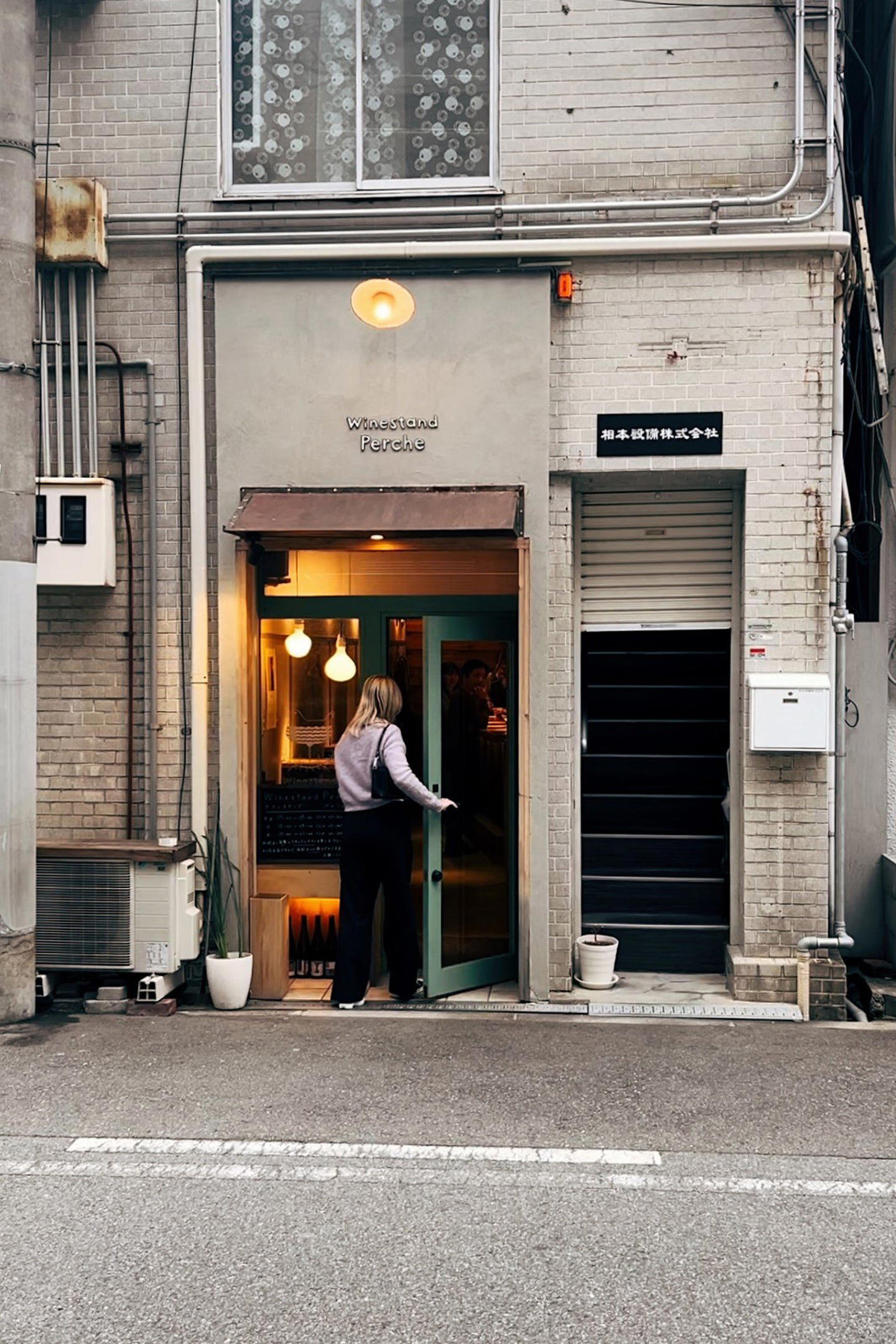

Hotels in Osaka
All hotels in Osaka →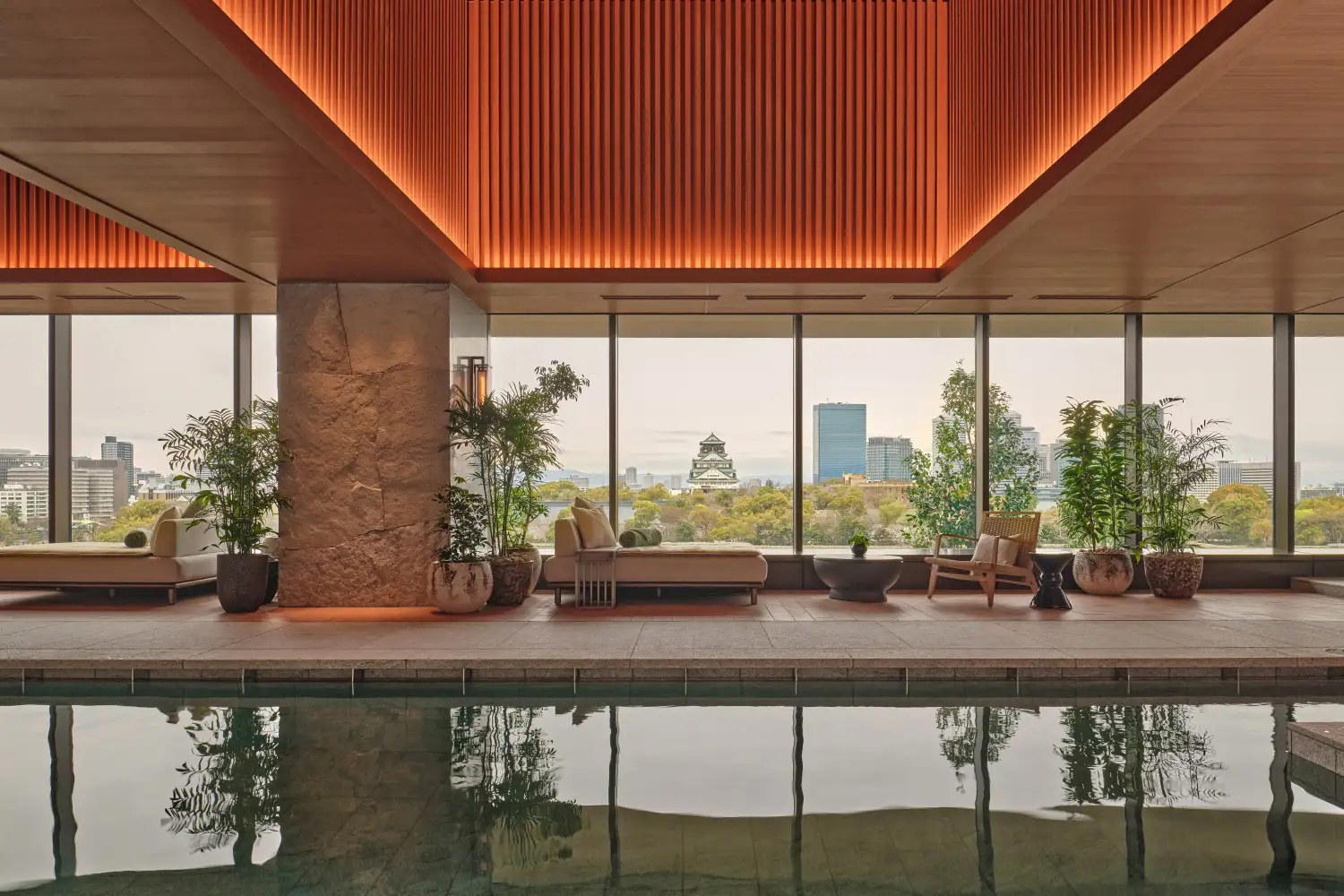



Wineries in Osaka
Browse all →
Details
- Elegant
- Intimate
- Sophisticated
- Cozy
- Date Night
- Special Occasion
- Business Dinner
- Chefs Counter
- Open Kitchen
- Sake Program
- Local Sourcing
- Street Scene
- Counter Dining
- Sake
- Wine
Current opening hours
- Monday
- 12–2 PM, 6–9 PM
- Tuesday
- 12–2 PM, 6–9 PM
- Wednesday
- 12–2 PM, 6–9 PM
- Thursday
- 12–2 PM, 6–9 PM
- Friday
- 12–2 PM, 6–9 PM
- Saturday
- 12–2 PM, 6–9 PM
- Sunday
- 12–2 PM, 6–9 PM
Hours can change for holidays and private events. Hours as of .
Tranquil Japanese-style atmosphere with a uniquely elegant Yoshino cedar counter, simple decor featuring stone walls, and a relaxing open kitchen setup along the Okawa River.