In Fukuoka's Haruyoshi district, yakiniku carries a specific cultural weight that extends well beyond grilled meat. Yakiniku Sudou Haruyoshi sits within this tradition, operating from a Chuo Ward address that places it inside one of the city's most concentrated dining corridors. For visitors already tracking Fukuoka's serious restaurant scene, it belongs on the same itinerary as the city's top counters.
Pearl is the En Primeur Club membership app — saves, bookings, and concierge access live there. Same editors, same standards.
- Address
- 3 Chome-12-19 Haruyoshi, Chuo Ward, Fukuoka, 810-0003, Japan
- Phone
- +815031371010
- Website
- yakinikusudo.com
 Saves & bookings on Pearl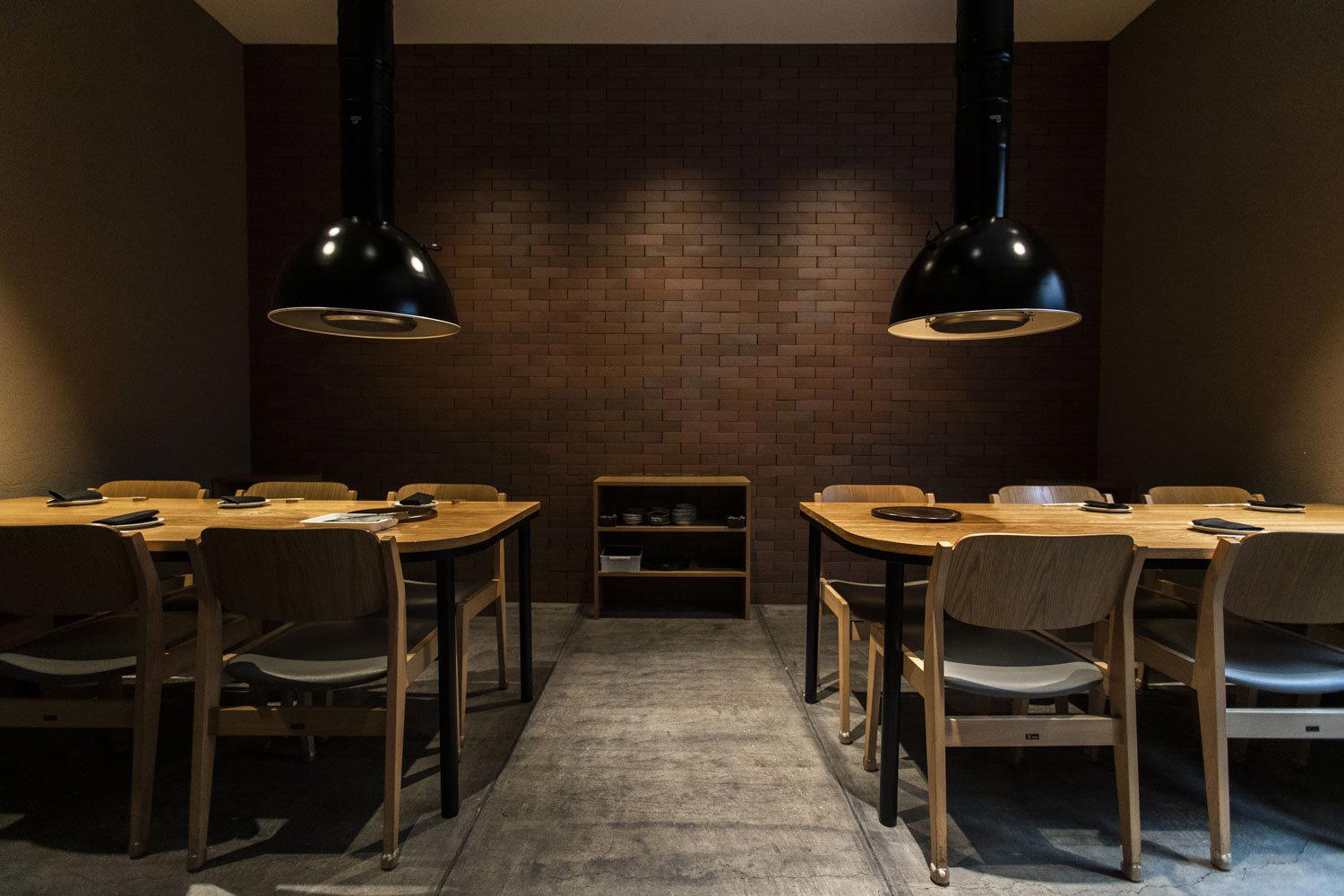
Haruyoshi and the Yakiniku Tradition It Carries
Yakiniku Sudou Haruyoshi is a restaurant in Fukuoka's Chuo Ward serving Premium Yakiniku Omakase. The streets running through this part of central Fukuoka carry a higher density of specialist restaurants per block than almost anywhere else in Kyushu, and the format diversity ranges from raw-fish counters to long-simmered broths to live-fire cooking traditions that arrived in Japan through cultural exchange with the Korean peninsula. Yakiniku sits in that last category, and understanding its roots matters for reading any serious yakiniku address correctly.
Yakiniku as a format has a layered history in Japan. What appears as a direct grilling tradition carries significant Korean-Japanese cultural exchange, developed most visibly through Zainichi Korean communities in postwar Japan. The cuisine moved from working-class neighbourhood staple to premium dining category over several decades, and today its upper tier is defined by the quality of beef sourced, the precision of the cut, and the restraint of the cooking environment rather than theatrical additions. Fukuoka, as a city with strong trade and cultural connections to the Korean peninsula, has historically been a strong address for yakiniku, and the Haruyoshi corridor reflects that long-standing relationship between the city and the format.
Yakiniku Sudou Haruyoshi operates at 3 Chome-12-19 Haruyoshi, Chuo Ward, positioning it within walking range of the dining concentration that makes this part of the city particularly productive for a serious meal itinerary.
What Defines Serious Yakiniku at This Level
At premium yakiniku counters across Japan, the differentiators are consistent and largely invisible to the casual visitor. Beef provenance matters more than volume: the sourcing of Wagyu by prefecture, grade, and cut, and the internal logistics of how a kitchen ages or conditions specific muscles before service. The grill medium also signals quality tier. Charcoal-based setups, particularly binchōtan, burn without significant smoke or odour transfer, allowing the fat in well-marbled Wagyu to render without being overwhelmed by the heat source. The service choreography at serious yakiniku addresses often involves staff managing the grill on behalf of the guest, shifting the dynamic away from participatory cooking and toward something closer to omakase pacing.
This is the tier that Yakiniku Sudou Haruyoshi occupies within Fukuoka's dining scene. The Haruyoshi address and the specificity of the name both suggest an operator working in the specialist yakiniku category rather than the casual format. Across Japan, yakiniku venues that incorporate a family name or operator name into their branding typically signal a proprietor-led model where the source relationships and curation of cuts are treated as core differentiators, not as background detail.
For comparison within the broader Fukuoka dining context, addresses like Beef Taigen (Beef泰元) represent another point in the city's beef-focused dining spectrum, while Chikamatsu (Sushi) and Asago illustrate how Fukuoka's counter dining culture extends well beyond any single format.
Fukuoka's Position in Japan's Live-Fire Dining Scene
Japan's approach to live-fire cooking divides across several distinct formats, each with its own sourcing logic, service culture, and regional variation. Yakitori concentrated heavily in Tokyo, where addresses like Birdland in Sakai demonstrate how seriously single-protein grilling can be taken at the premium end. Yakiniku, by contrast, spread more evenly across Japan's major cities, with Osaka, Tokyo, and Fukuoka each developing distinct interpretations of how the format should be experienced at its upper registers.
Fukuoka's version tends to emphasise the directness of the dining experience over elaborate production. The city's dining culture more broadly favours precision over theatre, which is visible across formats from ramen to kappo. Yakiniku in this context becomes an exercise in sourcing discipline and service calibration rather than an opportunity for scenographic dining environments. That orientation places Fukuoka-based yakiniku addresses in productive conversation with what serious yakiniku looks like elsewhere in Japan, including in cities with dense Michelin coverage.
Fukuoka works as a meaningful counterpoint to the larger urban markets.
The Neighbourhood Context
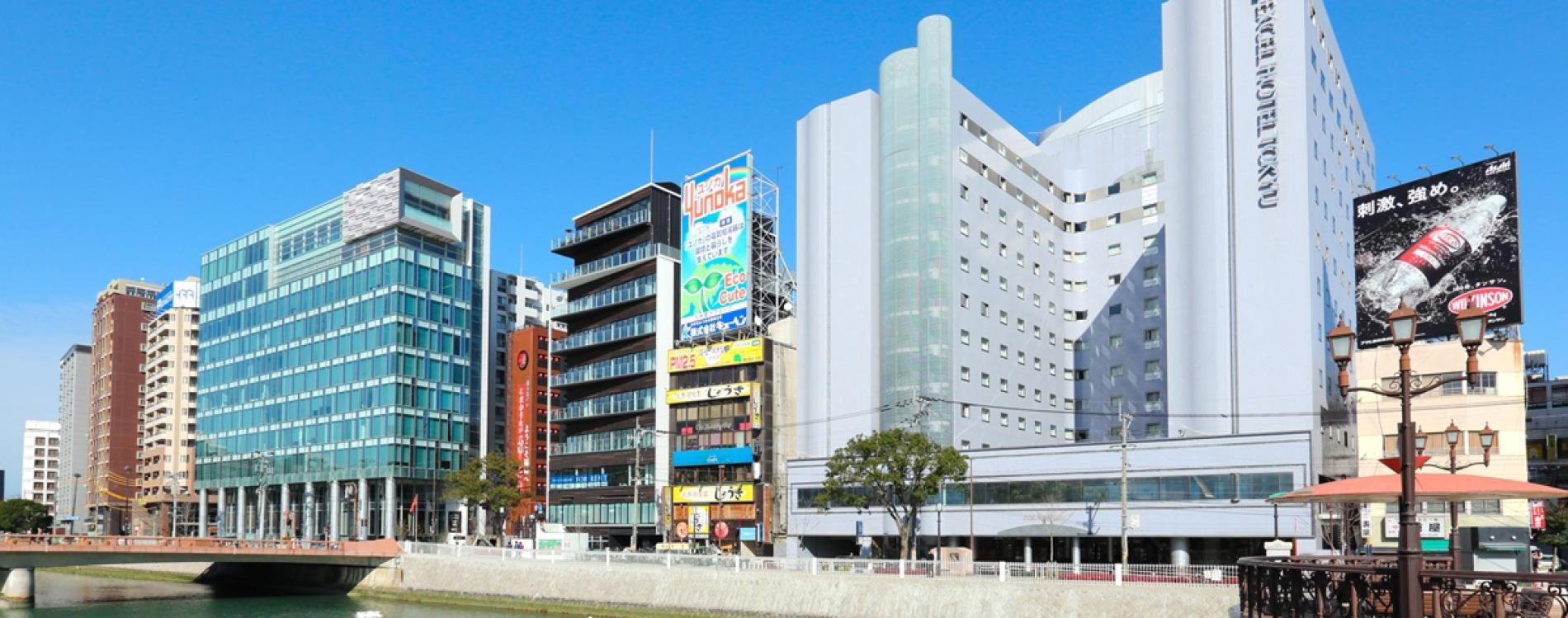
Chuo Ward in central Fukuoka contains both the Tenjin commercial core and the quieter dining streets that branch off it toward the Naka River. Haruyoshi sits in the latter category, closer to the atmosphere of a specialist dining quarter than a high-traffic commercial strip. This positioning is significant for the yakiniku format specifically: serious yakiniku in Japan gravitates toward addresses that feel deliberate rather than accidental, where the surrounding streets reinforce the sense that the meal requires some degree of intention to reach.
Other strong dining addresses in Fukuoka's Chuo Ward include Goh (French), which operates at the intersection of French technique and Japanese produce sourcing, and Bekk, which represents a different register of the city's dining ambition. The concentration of serious restaurants within a relatively compact geography is one of Fukuoka's structural advantages as a dining destination: a visitor can cover multiple meaningful meals across formats within a short radius.
Visitors tracking Japan's regional dining scene more broadly will find useful reference points in destinations like 一本木 毛川製 in Nanao, 夕仙山乃 in Sapporo, and 羽根屋 in Nishikawa Machi, each of which illustrates how Japan's serious restaurant culture extends far outside the capital. 湖南厨房 in Takashima and Bistro Ange in Toyohashi add further regional texture.
Planning a Visit
Yakiniku Sudou Haruyoshi is located at 3 Chome-12-19 Haruyoshi, Chuo Ward, Fukuoka 810-0003. The Haruyoshi address is accessible from central Fukuoka's Tenjin area, and the Chuo Ward location keeps it within the dense dining corridor that makes this part of the city productive for evening itineraries. Given that serious yakiniku addresses in Japan typically operate on a reservation basis and seat limited covers per service, contacting the venue directly well ahead of your intended visit is the practical approach. Arriving informed about the format and the neighbourhood context will improve the experience considerably.
Comparable Spots, Quickly
Comparable venues nearby, for context on price, style, and recognition.
| Venue | Cuisine | Price | Awards | Notes |
|---|---|---|---|---|
| Yakiniku Sudou HaruyoshiThis venue — the venue you are viewing | Premium Yakiniku Omakase | $$$$ | , | |
| Tempura Tanaka | Tempura Omakase Counter | $$$$ | , | Chūō |
| Torira | Yakitori | $$$$ | , | Chūō |
| Yakitori Morimoto | Yakitori | $$$ | , | Chūō |
| Ningyocho Imahan JR hakata shiti ten | Traditional Japanese sukiyaki & shabu-shabu | $$$ | , | Hakata |
| Osake to Hakata Kozara Tanakada | Traditional Hakata Izakaya & Small Plates | $$$ | , | Chūō |
At a Glance
- Lively
- Cozy
- Group Dining
- Special Occasion
- Sake Program
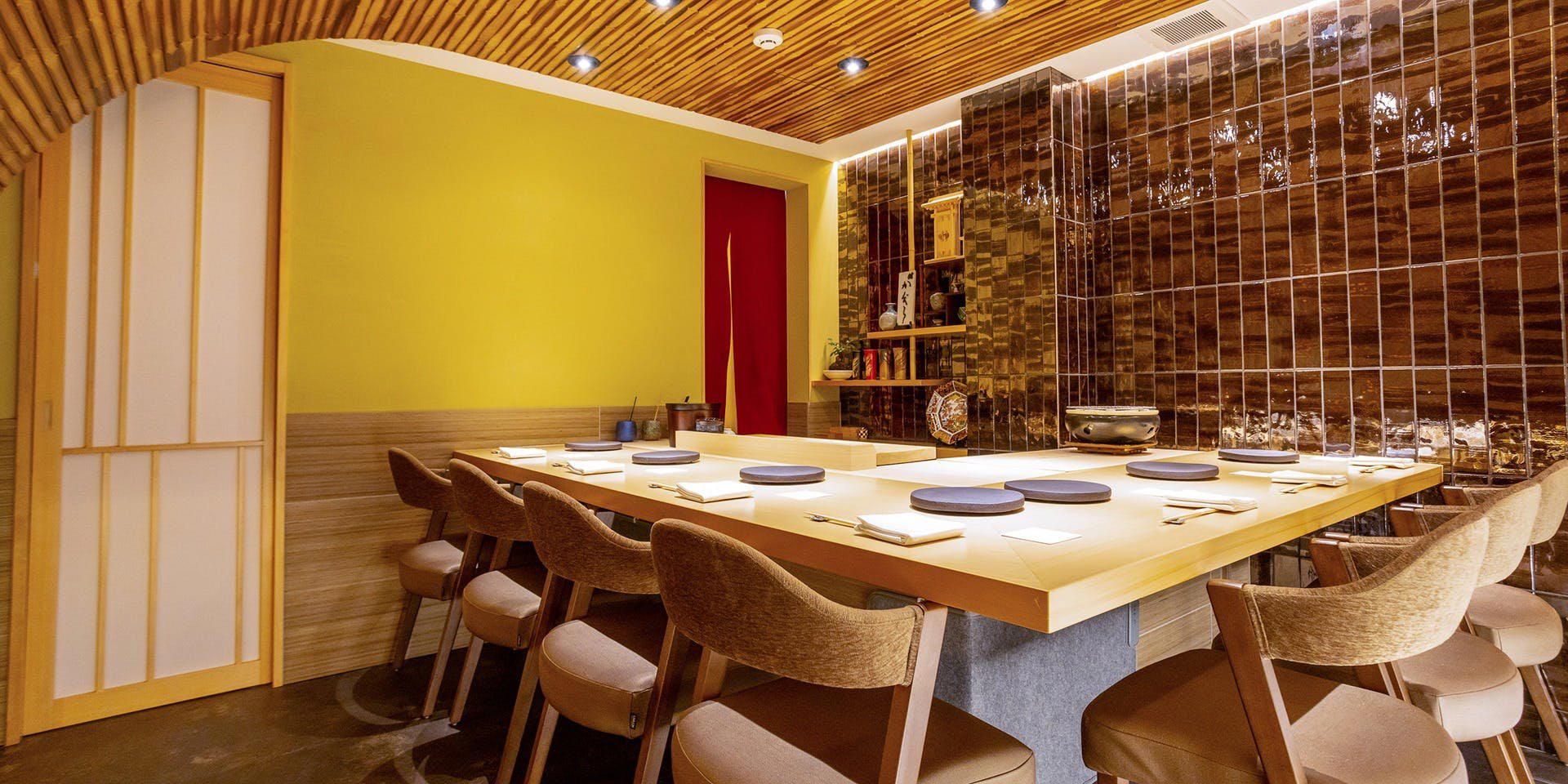
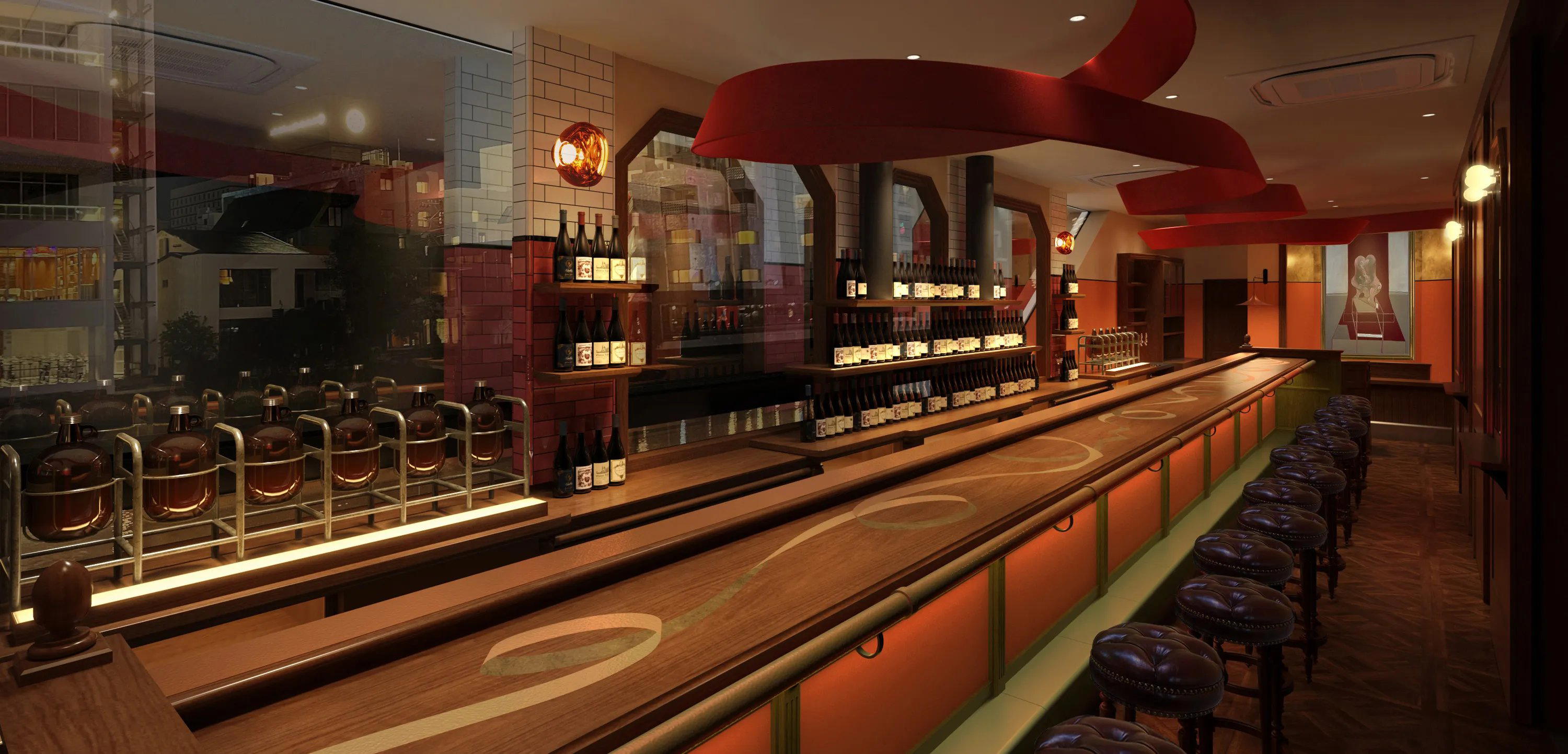
Brick-accented space with wooden tables for groups and a six-seat counter, in a buzzing neighborhood near nightlife.