Aged chicken skewers with fat hint at peak flavor
Pearl is the En Primeur Club membership app — saves, bookings, and concierge access live there. Same editors, same standards.
- Address
- Japan, 〒810-0014 Fukuoka, Chuo Ward, Hirao, 3 Chome−10−9 イートオンプレイス平尾202
- Phone
- +819020894890
- Website
- s.tabelog.com
 Saves & bookings on Pearl
Hirao and the Quiet End of Fukuoka Dining
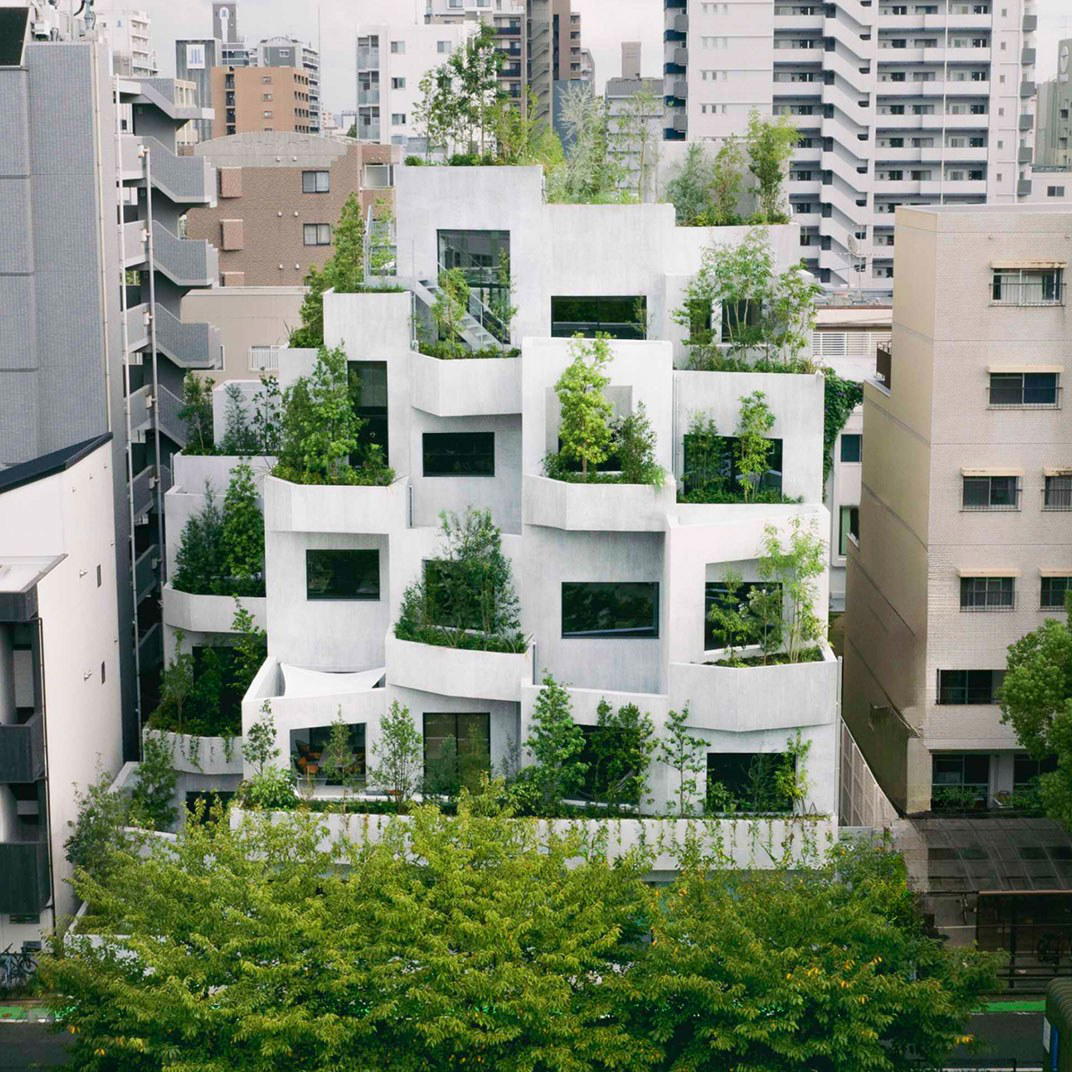
Hirao sits at the southern edge of Chuo Ward, removed from the canal-side bustle of Daimyo and the transit density of Tenjin. The residential streets here are narrower, the signage more restrained, and the restaurants fewer. It is precisely the kind of neighbourhood where Fukuoka's more considered dining has found room to operate without competing for foot traffic. Torira is a yakitori restaurant in Hirao, Fukuoka, where dinner typically costs about $100 per person.
Ingredient Sourcing as the Defining Framework
Across Japan's premium restaurant tier, the question of provenance has shifted from marketing language to structural commitment. Kitchens at this level define their menus not by technique alone but by the supply relationships they sustain across seasons. Fukuoka's geographic position makes it one of the most advantageous cities in Japan for this kind of sourcing work. The city sits at a confluence of Kyushu's agricultural interior, the Genkai Sea, and the Ariake Sea. Few Japanese cities of comparable size have access to this range of primary produce within a single day's supply chain.
That context matters for understanding what restaurants like Torira represent within Fukuoka's dining scene. Hakata wagyu, Itoshima vegetables, Genkai sea bream, and Ariake seaweed are not background details in this city's cuisine; they are the structural argument for why Fukuoka restaurants have increasingly drawn notice from critics and travellers who previously stopped at Osaka or Tokyo. For reference, Goh (French) has made Itoshima produce central to a French tasting format with recognised results. Asago operates along a similar logic of seasonal Kyushu sourcing within a traditional Japanese frame. Torira occupies a position within this broader movement, where sourcing specificity is the primary editorial statement a restaurant makes about itself.
This stands in contrast to the yakitori tradition that has long defined the city's street-level hospitality. Fukuoka's yatai stalls along the Naka River serve grilled chicken in a format built for volume and proximity, where the social experience frames the food. The direction Hirao restaurants take runs perpendicular to that model: fewer covers, more deliberate sourcing, and a format where the ingredient is the subject rather than the backdrop. Bekk and Chikamatsu (Sushi) both sit inside this more considered tier of Fukuoka dining, each building a case through specific produce relationships rather than through culinary spectacle.
What the Setting Communicates
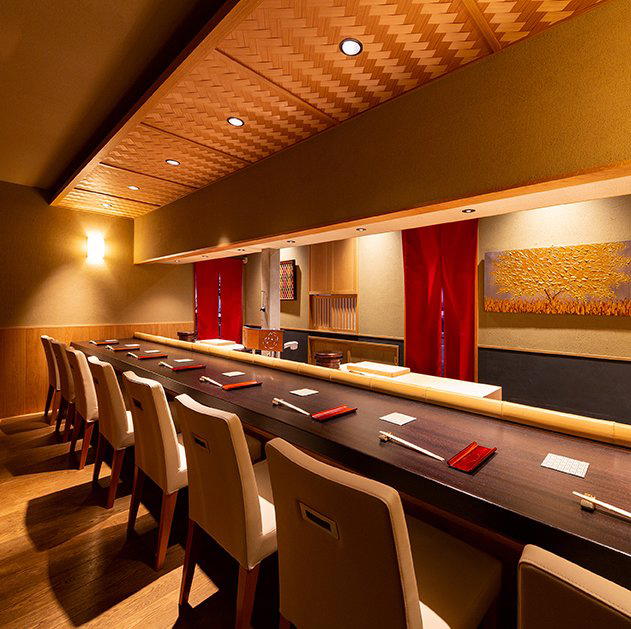
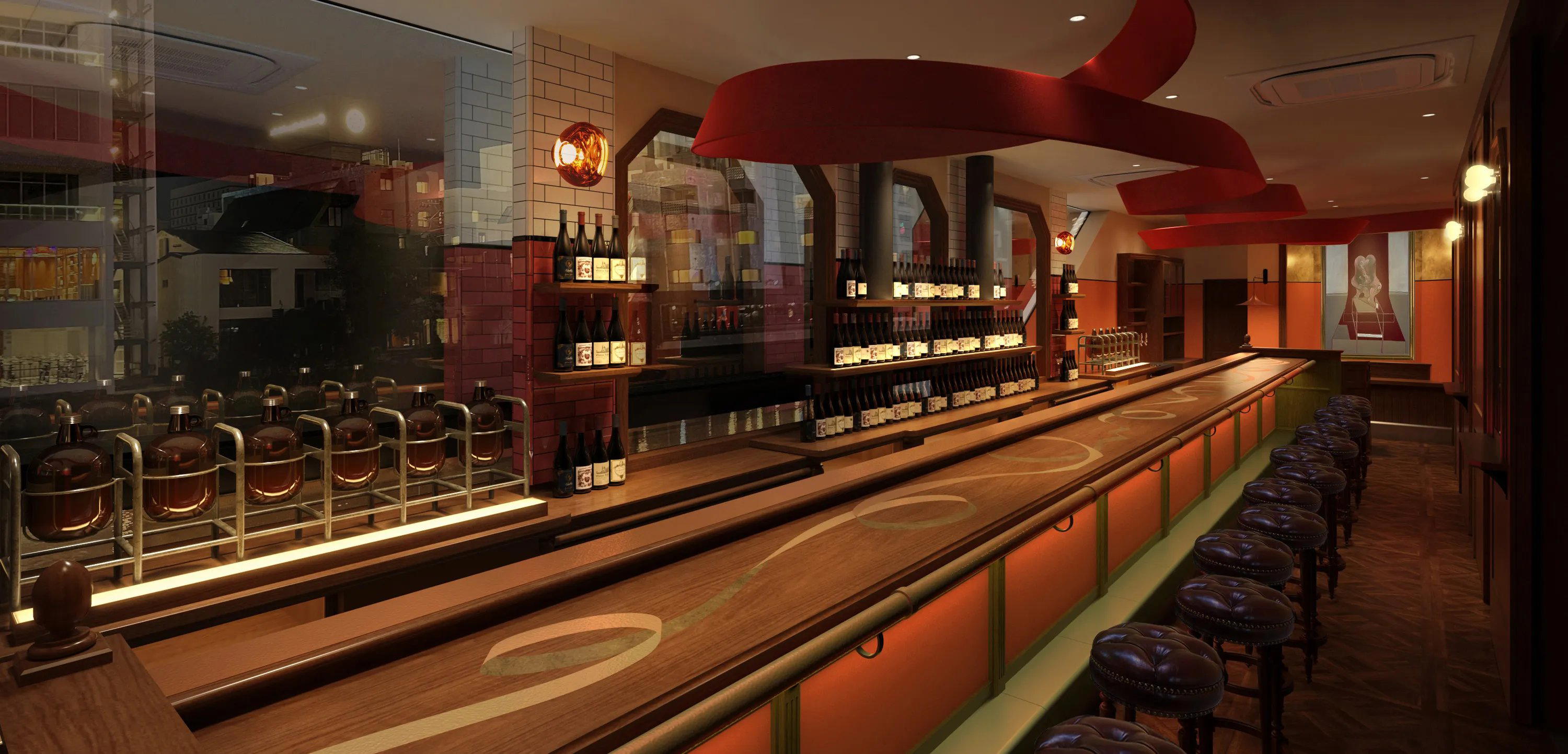
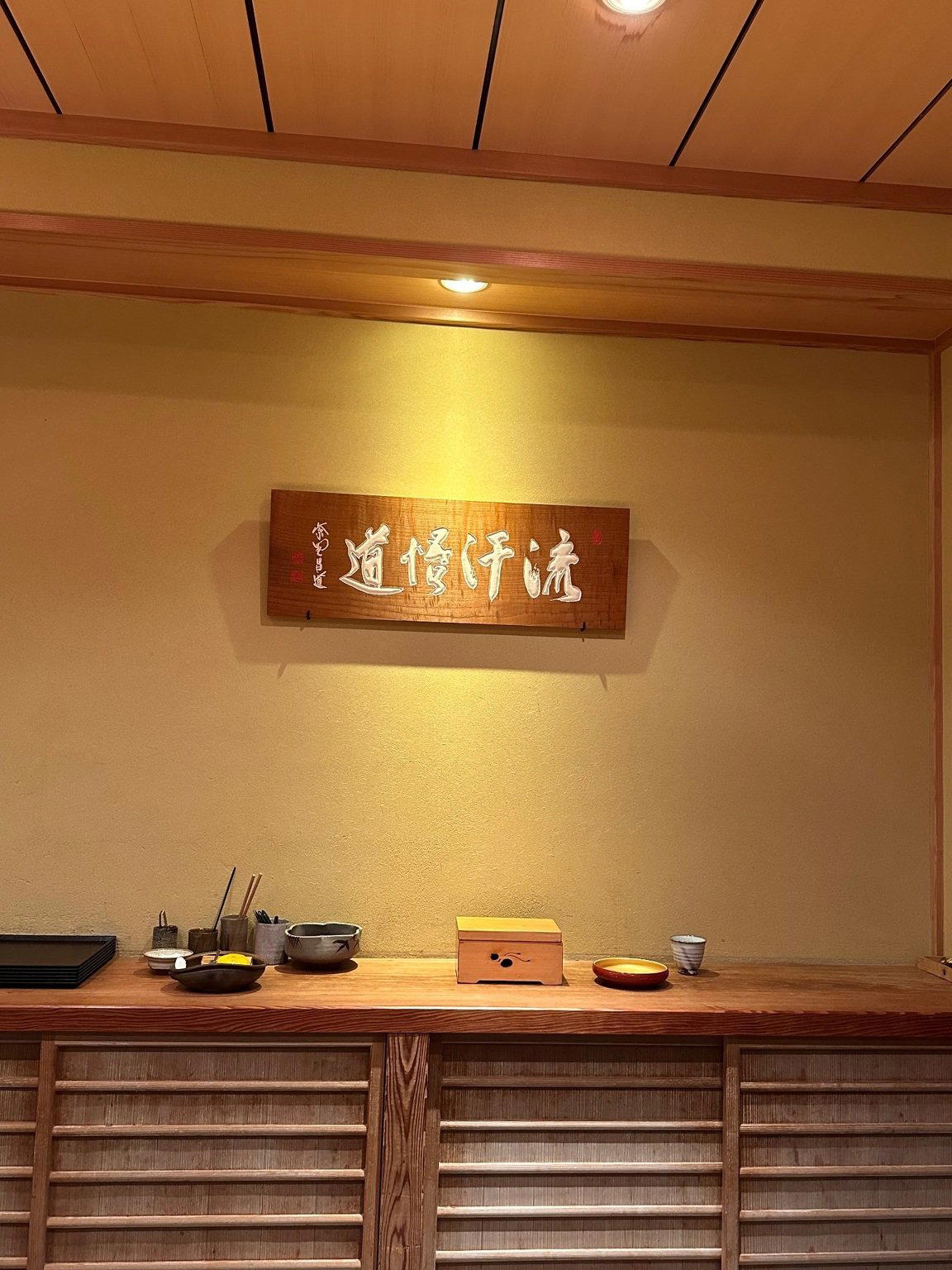
In Fukuoka's mid-to-upper dining tier, the physical environment tends to function as a statement about restraint rather than display. This is a city where the most serious kitchens often occupy the quietest rooms: counters with clean materials, limited decoration, and spatial arrangements that keep attention on the plate. The Hirao address places Torira within a residential density that filters for guests who arrive with purpose. There is no passing trade in this part of the ward. You are here because you planned to be here.
This mirrors a broader pattern visible across Japan's premium regional dining. At Gion Sasaki in Kyoto, the setting functions as a frame for kaiseki tradition rather than as spectacle in its own right. HAJIME in Osaka similarly uses environmental restraint to redirect focus toward technique and produce. Torira's Hirao location positions it inside that national pattern of considered, low-profile settings where the room recedes and the food advances.
Fukuoka in the National and Regional Picture
Fukuoka has historically been underweighted in international travel itineraries relative to its culinary depth. That is changing. The city's Michelin presence has grown steadily, and its position as Kyushu's primary city gives it access to produce diversity that larger, more northern Japanese cities cannot replicate. The shift is legible across the dining categories: Beef Taigen (Beef泰元) has built a specific case around Kyushu beef; the sushi tradition is well-established at counters like Chikamatsu (Sushi); and the French-influenced track visible at Goh connects the city's sourcing strengths to European technique.
Beyond Fukuoka, the pattern of regional Japanese restaurants building reputations on hyper-local sourcing is consistent. Harutaka in Tokyo anchors its sushi counter around specific supplier relationships for fish. akordu in Nara draws on the Yamato vegetable tradition of Nara's agricultural hinterland. Torira participates in the same national movement, one where geography and season determine the menu rather than the reverse.
Outside Japan, the comparative reference points are kitchens where sourcing is structurally determinative. Le Bernardin in New York City has built a decades-long reputation on seafood sourcing specificity. Atomix in New York City applies Korean ingredient logic in a fine-dining format where provenance is editorial. Both demonstrate that sourcing-led restaurants occupy a distinct critical tier from those where technique alone carries the argument.
Planning a Visit
Torira is in Hirao, Chuo Ward, Fukuoka, accessible from Tenjin via a short taxi or a walk along the southern avenues of the ward. Given the residential setting, contacting the restaurant directly to confirm availability and hours is advisable before visiting. Advance booking is essential, and visiting in autumn or spring is a strong choice if you want the widest seasonal range.
Comparable Venues
Comparable venues nearby, for context on price, style, and recognition.
| Venue | Cuisine | Price | Notes |
|---|---|---|---|
| ToriraThis venue — the venue you are viewing | Yakitori | $$$$ | |
| 一本木 石橋 | Kappo-Style Kaiseki | $$$$ | Chūō |
| Oryori Yamanokuchi | Japanese Izakaya | $$$ | Chūō |
| Tori Kami Garden City | Yakitori | $$$ | Chūō |
| Kamoryori Marimo Honten | Duck hot pot & kaiseki-style Japanese | $$$ | Hakata |
| Kiyoki | Japanese small plates and steak | $$$ | Chūō |
At a Glance
- Cozy
- Intimate
- Trendy
- Date Night
- Solo
- Chefs Counter
- Sake Program
Cozy and intimate counter seating with savory aromas of charcoal-grilled chicken.