
Fukuoka’s serious izakaya culture is built on pacing: small plates, seasonal fish, sake, shochu, and a table that settles in rather than turns quickly. Osake to Hakata Kozara Tanakada sits in that grown-up register, with Tabelog 100 Izakaya WEST recognition in 2025 and a format that treats the izakaya meal as a composed evening, not a casual afterthought.
Pearl is the En Primeur Club membership app — saves, bookings, and concierge access live there. Same editors, same standards.
- Address
- Japan, 〒810-0005 Fukuoka, Chuo Ward, Kiyokawa, 3 Chome−16−19 アーバントップ清川 1F
- Phone
- +81 92-522-1211
- Website
- tanakada.net
 Saves & bookings on Pearl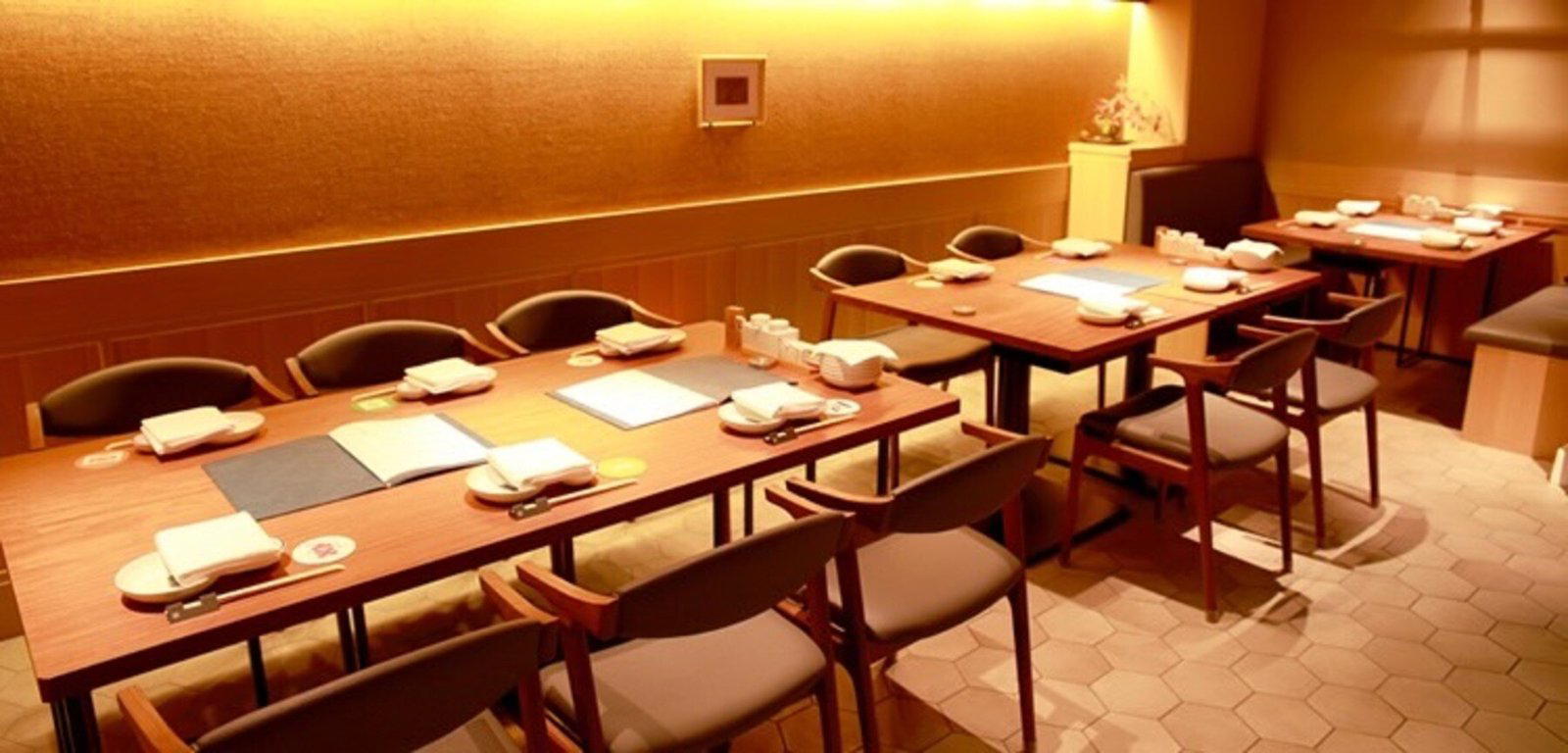
In Kiyokawa, the izakaya ritual feels less like bar-hopping and more like an evening arranged in measured courses. The room is built for sitting down properly: counter seats for a direct view of the kitchen rhythm, tables for longer conversations, and small private rooms for groups that want the meal to unfold away from the main floor. Fukuoka has plenty of fast, social drinking rooms; this belongs to the narrower category where the small-plate format is handled with the expectation of a full dinner.
That distinction matters in Hakata. The city is often introduced through ramen, yatai, and mentaiko, but its sharper dining identity also runs through seafood-led izakaya, where the order of the night is not a fixed tasting menu but a sequence of dishes paced around drink. Osake to Hakata Kozara Tanakada sits in that lane: Japanese cuisine, seafood, sake, shochu, and wine, with the meal shaped around small plates rather than a single marquee dish.
Small plates as a Hakata dining rhythm
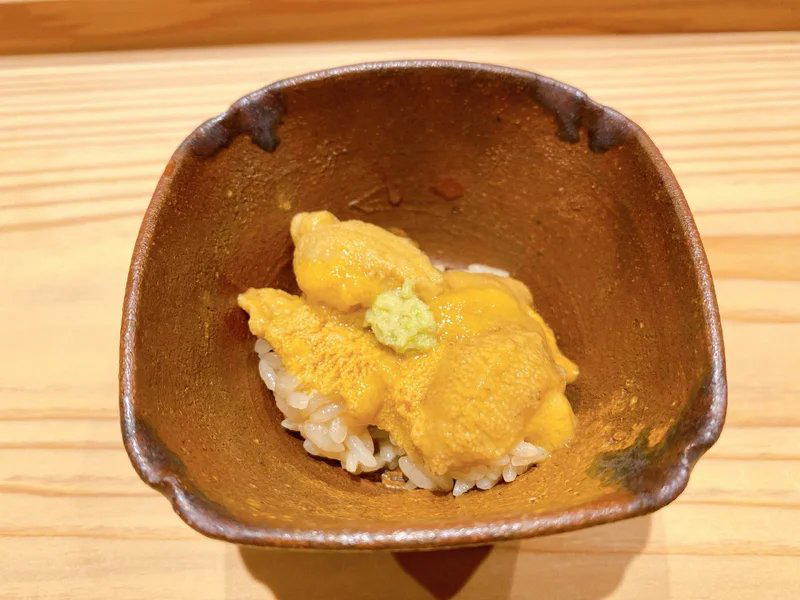
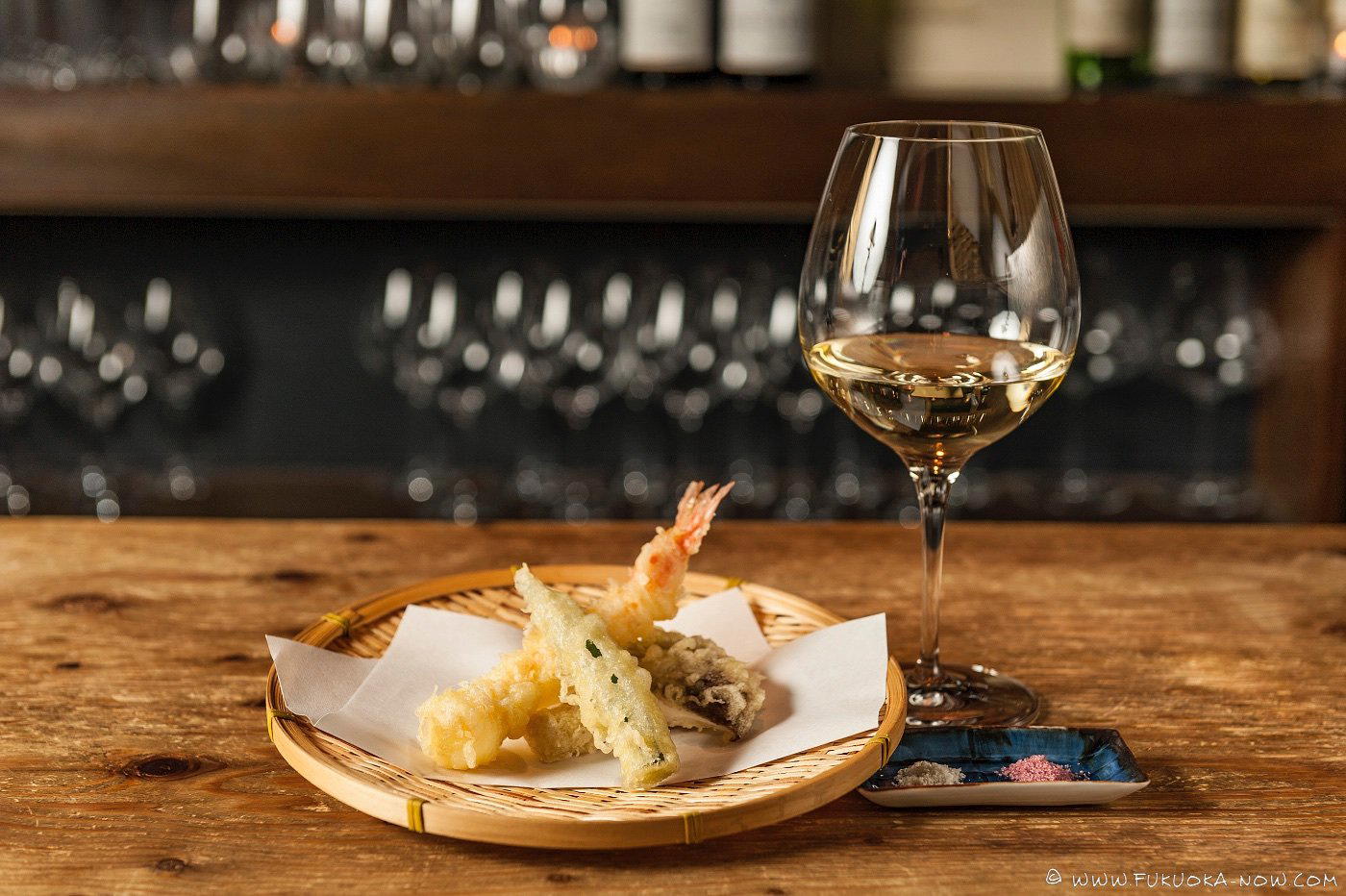
The phrase “kozara” signals the point of the house: small plates, not snack plates. In a serious izakaya, the format gives the kitchen range without forcing the diner into formality. Fish matters here, and the drink list is framed around nihonshu, shochu, and wine, a combination that reflects how contemporary Fukuoka izakaya dining has moved beyond the old binary of beer first, sake later. The useful comparison is not with a sushi counter or kaiseki room, but with restaurants that preserve the looseness of an izakaya while charging and pacing at a more ambitious level.
The price tier confirms that positioning. At JPY 15,000 to JPY 19,999, this is not the low-cost neighborhood izakaya category, nor is it a ceremonially quiet counter where the chef controls every bite. It occupies a middle space that Fukuoka does well: convivial, fish-conscious, drink-led, and expensive enough that the evening should be treated as dinner rather than a prelude. In that sense it sits above the more casual spending band represented by Houshou, listed at JPY 4,000 to JPY 4,999, and above Yakitori Taka’s JPY 8,000 to JPY 9,999 bracket, while staying outside the fully formal restaurant vocabulary associated with tasting-menu dining.
Tabelog selected Osake to Hakata Kozara Tanakada for its Tabelog 100 Izakaya WEST list in 2025, with earlier selections appearing in 2024, 2022, and 2021. The score attached to the listing is 3.76, a meaningful signal in Japan’s user-rating culture, where high marks in established categories are difficult to sustain. Awards do not explain the meal by themselves, but in izakaya they help separate serious cooking rooms from places that trade mainly on atmosphere and alcohol volume.
Why the room changes the etiquette
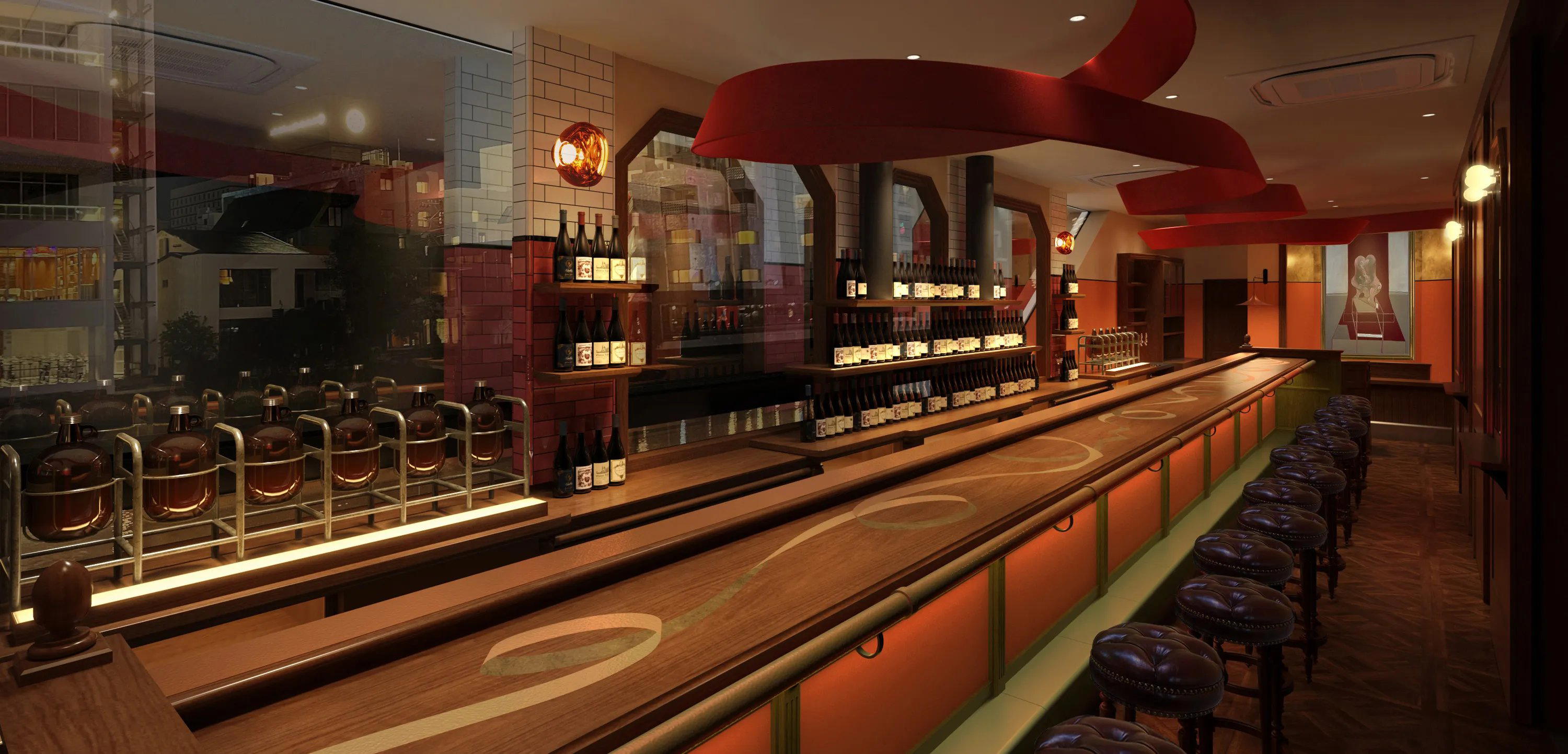
The seating tells a diner how to behave. A 38-seat room with 10 counter seats, tables, and two four-person private rooms allows several versions of the same meal. Counter seating suits diners who want the cadence of a kitchen-facing evening. Tables are better for the classic Hakata izakaya pattern: shared plates, staggered drinks, and a conversation that widens as dishes arrive. Private rooms make sense for small groups, though their additional charge places them in the planned-dinner category rather than the casual drop-in one.
The etiquette is simple: order with the arc of the night in mind. In a small-plate izakaya, the wrong move is to front-load the table as if speed were the goal. The better approach is gradual, moving through fish, cooked dishes, and drinks in a way that lets sake, shochu, or wine set the tempo. That is where Fukuoka’s izakaya culture becomes more interesting than its reputation suggests. The city’s social dining is relaxed, but not careless; a well-run room rewards patience.
For visitors building a wider Fukuoka itinerary, this meal pairs well with the city’s broader split between regional comfort and specialist cooking. Aji no Katsueda and Aji Furai Shokudo Kaba show how narrow formats can carry local affection, while Aji Dokoro Taro Gen Sougyou ten sits closer to the everyday Japanese dining register. The city also makes room for non-Japanese specialists such as 106 South Indian Fukuoka tenjin ten and Afterglow, which helps explain why the serious izakaya now competes not only with other drinking rooms, but with a wider field of destination dinners.
Where it fits in a Fukuoka night
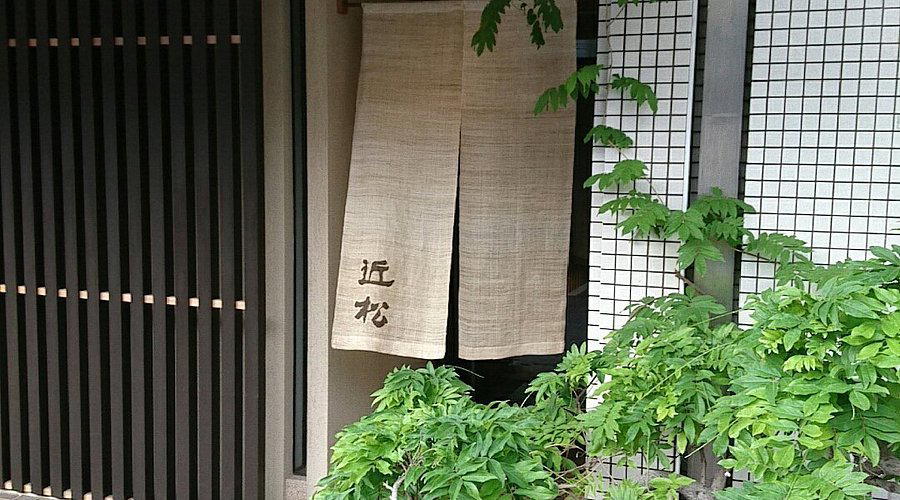
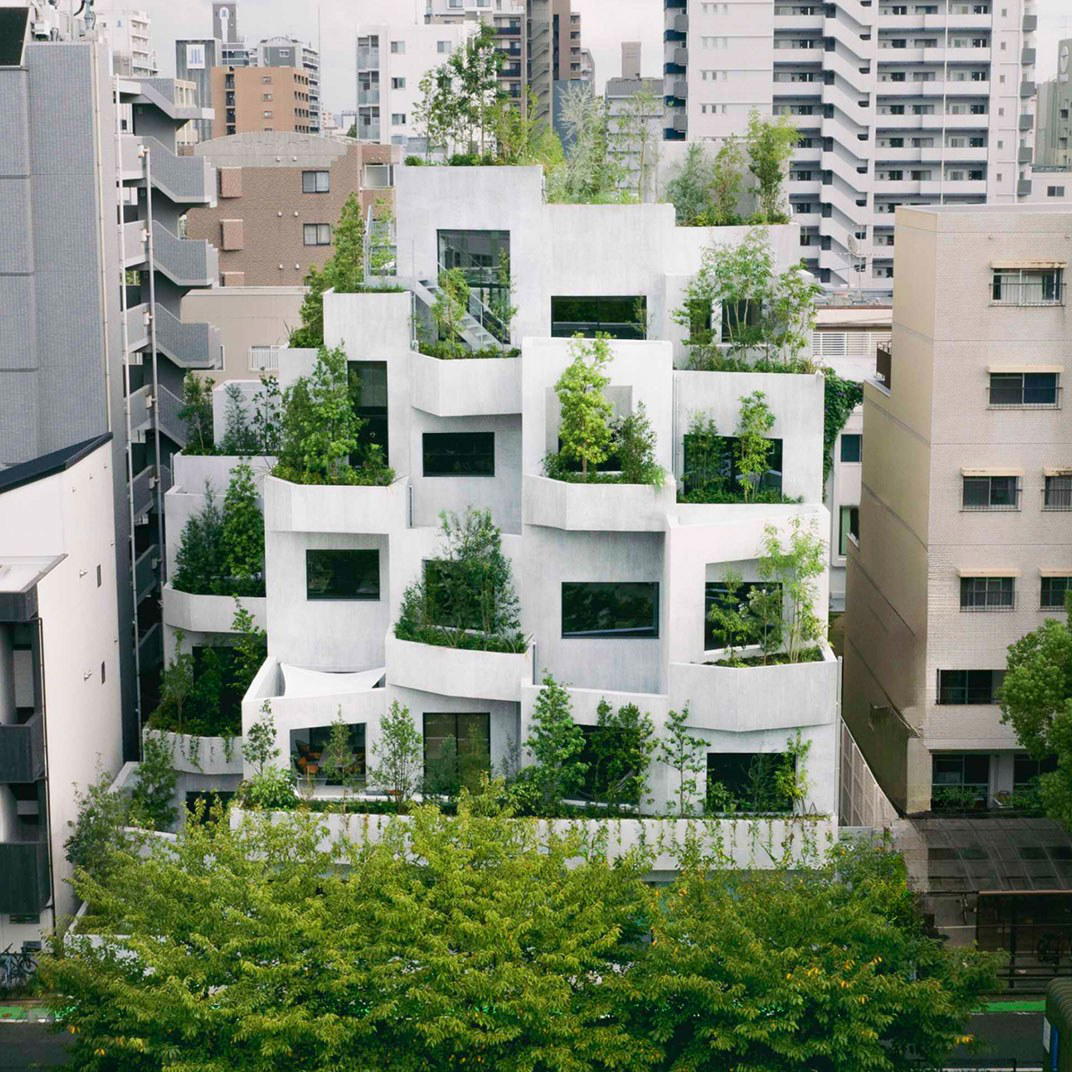
Kiyokawa is not the postcard version of Fukuoka dining. It is more practical, more local in feel, and less dependent on the immediate foot traffic of Tenjin or Hakata Station. That suits an izakaya built around a full evening rather than a quick stop. The nearest station is Nishitetsu Hirao, with the Takasago 2-chome area giving the restaurant a useful position between central nightlife and residential dining patterns.
The broader lesson is that Fukuoka’s dining depth is not limited to famous single-dish formats. Ramen may introduce the city; izakaya explains how it spends time. Osake to Hakata Kozara Tanakada is compelling because it preserves that social structure while operating at a higher level of price, recognition, and drink seriousness. It is the kind of booking that makes sense when the aim is not to collect another famous local food, but to understand how Hakata adults actually stretch dinner across an evening.
For planning around the meal, use our full Fukuoka restaurants guide alongside our full Fukuoka hotels guide, our full Fukuoka bars guide, our full Fukuoka wineries guide, and our full Fukuoka experiences guide. Readers comparing Japanese dining formats beyond Kyushu can also look at -Grilled beef Sukiyaki- KAMAKURA TANUKIAN 鎌倉 たぬき庵 in Kamakura,. 鮪と炭火焼き うお炭 秋葉原店 in Tokyo,.cafe in Osaka,.know in Kumamoto, (Shoku) Vietnam in Kawasaki, and [Curry Senmon Ten] Maruyama Kyoju. in Sapporo. For sake-adjacent dining outside Japan, Jōdo Saké Bar in Los Angeles and Onigiri Time in Pasadena offer useful contrast in how Japanese drinking and casual food culture travel abroad.
Cuisine Context
Comparable venues to calibrate price, style, and recognition.
| Venue | Cuisine | Price | Awards | Notes |
|---|---|---|---|---|
| Osake to Hakata Kozara TanakadaThis venue — the venue you are viewing | Traditional Hakata Izakaya & Small Plates | $$$ | , | |
| Kiyoki | Japanese small plates and steak | $$$ | , | Chūō |
| Kego Furuya | Yakitori Omakase & Seasonal Japanese Cuisine | $$$ | , | Chūō |
| Teppanyaki Hiyori | Kyushu-focused Japanese Teppanyaki | $$$ | , | Sawara |
| Daidokoro | Seasonal Japanese Izakaya & Seafood | $$$ | , | Chūō |
| Mashiko | High-end Yakitori Counter | $$$ | , | Chūō |
At a Glance
- Cozy
- Classic
- Intimate
- Hidden Gem
- After Work
- Group Dining
- Date Night
- Casual Hangout
- Late Night
- Standalone
- Sake Program
- Beer Program
- Local Sourcing
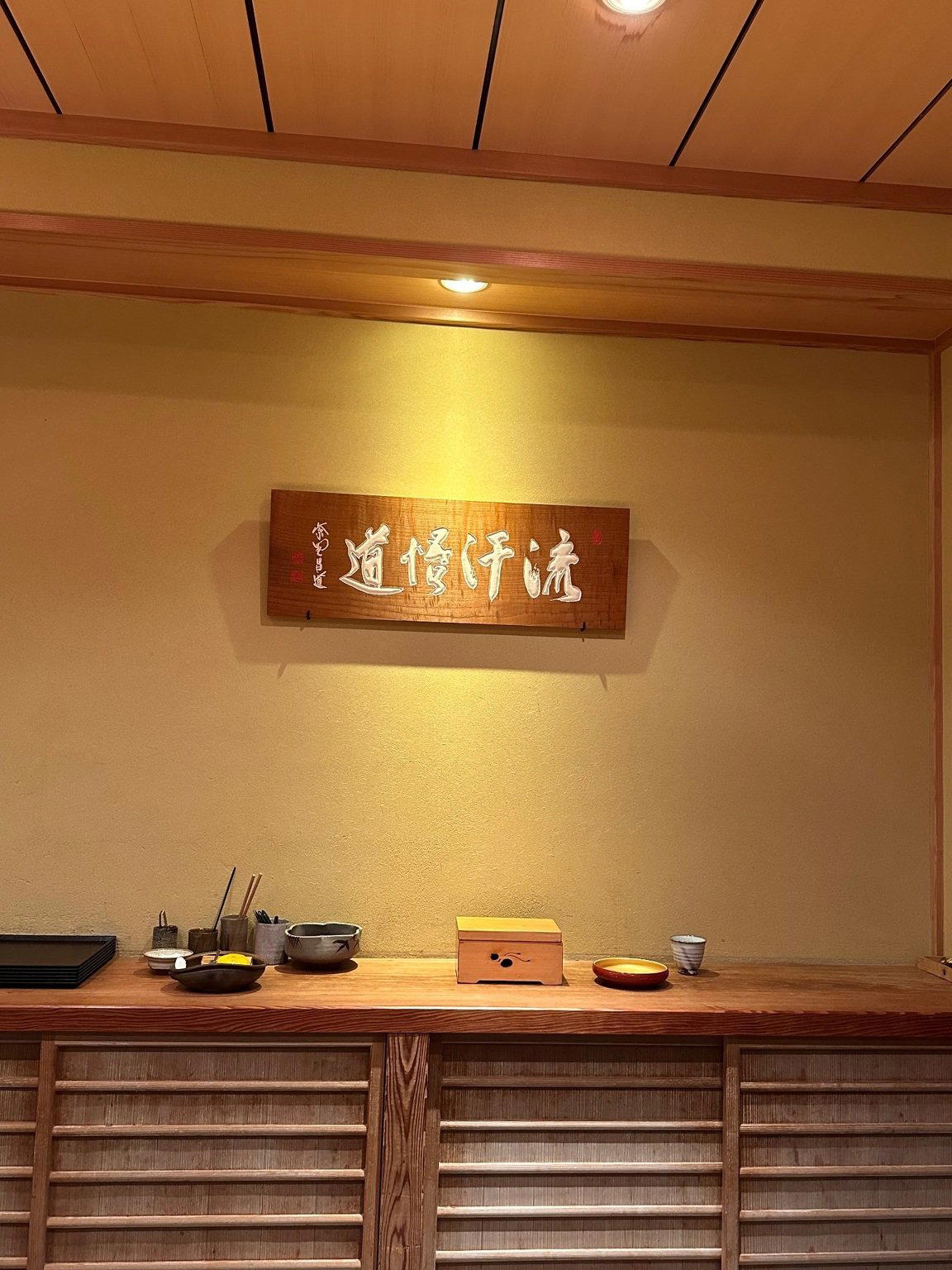
Warm, quietly bustling izakaya with counter and table seating, soft lighting, and a classic Japanese décor that feels intimate but not formal.