
A Michelin Bib Gourmand recipient in Hangzhou's Xiaoshan District, Xiao Dian Huang runs on a handwritten daily menu sourced from Shaoxing markets every other day. The kitchen's through-line is fermentation: the stinky tofu draws on a family brine aged over two decades, steamed with lamb brain in a preparation that anchors the Zhejiang vernacular tradition this restaurant represents.
Pearl is the En Primeur Club membership app — saves, bookings, and concierge access live there. Same editors, same standards.
- Address
- 190 Jincheng Rd, Xiaoshan District, Hangzhou, Zhejiang, China, 310051
- Phone
- +86 150 8878 6097
- Directions
- Get directions
 Saves & bookings on Pearl
What a Handwritten Menu Tells You About Zhejiang Cooking
There is a category of restaurant in Chinese cities that resists the formalities of fixed menus and printed wine lists, operating instead on the daily logic of what arrived that morning. In Hangzhou, where Zhejiang cuisine ranges from the refined lakeside presentations at Ru Yuan to the mid-market polish of Guiyu (Xihu), the whiteboard restaurant occupies a distinct and deliberately informal tier. Xiao Dian Huang, at 190 Jincheng Road in Xiaoshan District, operates on exactly this logic: a handwritten board, a menu that changes every day, and a sourcing routine built around personal relationships rather than distributor catalogues.
The owner's practice of driving to Shaoxing every other day to collect ingredients is less a romantic detail than a structural commitment. It determines what gets written on that board, and it explains why the restaurant earned a Michelin Bib Gourmand in 2025 without the apparatus of a fixed tasting format. The Bib Gourmand category, which rewards quality at a lower price point, has increasingly found traction in this kind of place: ingredient-led, operationally lean, and built on sourcing discipline.
Fermentation as a Kitchen Foundation
Across Zhejiang cooking, fermentation is not a trend or a technique flourish; it is a foundational vocabulary. Shaoxing's culinary identity rests on aged rice wine, fermented tofu, and preserved vegetables that generate depth over months and years rather than through high heat. The stinky tofu at Xiao Dian Huang sits inside this tradition and extends it: the fermenting brine used in its preparation has been maintained by the owner's family for over twenty years. That kind of continuity is rare even within Zhejiang cooking, where family fermentation stocks are treated as inherited infrastructure.
The preparation itself combines the tofu with lamb brain, steamed together so that the brine's deep, ammonia-edged complexity softens and penetrates both ingredients. It is a pairing that asks for prior familiarity with fermented flavours rather than a first-time encounter, which partly explains why this dish functions as a signal of seriousness rather than a crowd-pleasing opener. It is the one permanent fixture on an otherwise rotating menu, which makes it the restaurant's anchor point and, by extension, its clearest statement of culinary intention.
For context on how Zhejiang cuisine translates into more formal settings elsewhere in China, Xin Rong Ji (Xinyuan South Road) in Beijing and Xin Rong Ji in Chengdu both operate in the ¥¥¥ tier with Taizhou-adjacent Zhejiang cooking at considerably higher price points. 102 House in Shanghai offers another reference point for how regional Chinese cuisine operates outside its home province. Internationally, Zhejiang Heen in Hong Kong and Rong Rong Yuan in Taipei show where the same culinary tradition lands in higher-overhead markets.
River Fish and the Logic of Daily Sourcing
Beyond the stinky tofu, the river fish merits attention for what it demonstrates about how the daily sourcing model works in practice. Freshwater fish from the Zhejiang river systems, when cooked on the same day of purchase, behaves differently at the table than fish that has spent time in distribution. The texture holds; the flavour is cleaner; the cooking can stay simple because the ingredient does the work. This is the underlying argument for the Shaoxing drive, and the river fish dishes, which vary depending on what the market offered that day, make that argument concretely.
In Hangzhou's mid-range restaurant tier, few kitchens structure their sourcing this aggressively. Places like Hangzhou House and Jie Xiang Lou operate with more standardised menus and supply chains that trade some ingredient immediacy for menu consistency. Xiao Dian Huang trades the consistency for the immediacy, which is a genuine editorial choice with real trade-offs: you cannot book a specific dish, and repeat visits will not reliably deliver the same meal.
Where This Fits in Hangzhou's Dining Range
Hangzhou's Zhejiang restaurant scene runs from the ¥¥¥¥ formal tier, represented by Ru Yuan and the composed presentations at Longjing Manor, down through polished mid-market options and into this more direct, ingredient-first category. The restaurant at ¥¥ sits toward the lower end of this range in price but not in sourcing rigour. The Michelin Bib Gourmand recognition in 2025 positions it alongside a cohort of Hangzhou restaurants where the value proposition is genuine: this is not a budget restaurant making compromises, it is a restaurant with a specific philosophy that happens to cost less than its formal peers.
The Xiaoshan District address places it outside the West Lake tourist corridor, which means the clientele trends toward local. That is consistent with the restaurant's format: a whiteboard menu, no fixed hours in public records, and the kind of operational informality that depends on an audience who either knows the place or arrives on recommendation. For visitors, that means some planning is required.
Among regional Zhejiang comparisons further afield, Chef Tam's Seasons in Macau, Imperial Treasure Fine Chinese Cuisine in Guangzhou, and Dai Yuet Heen in Nanjing operate in adjacent Chinese fine-dining territory, useful for calibrating expectations when travelling across the region.
Know Before You Go
- Address: 190 Jincheng Rd, Xiaoshan District, Hangzhou, Zhejiang 310051
- Cuisine: Zhejiang (Shaoxing-influenced)
- Price range: ¥¥
- Awards: Michelin Bib Gourmand 2025
- Menu format: Handwritten whiteboard, changes daily based on market sourcing
- Must-order: Stinky tofu with lamb brain (permanent fixture); river fish (varies by day)
- Booking: No confirmed online booking method; contact directly or arrive early
- Hours: not confirmed; verify before visiting
- District note: Xiaoshan District, outside the West Lake tourist corridor
Cuisine and Recognition
Comparable venues nearby, for context on price, style, and recognition.
| Venue | Cuisine | Price | Awards | Notes |
|---|---|---|---|---|
| Xiao Dian HuangThis venue — the venue you are viewing | Shaoxing Seasonal River Fish and Stinky Tofu | $$$ | Bib Gourmand | Not listed |
| Qing Chun Perma | Modern Vegetarian Chinese | $$$ | Bib Gourmand | Hangzhoushi |
| Ge Lang Guan | Authentic Shaoxing Regional Cuisine | $$ | Bib Gourmand | Yuhangxian |
| Shuiyang | Refined Zhejiang Cuisine | $$$ | Michelin Plate | Hangzhoushi |
| Grand Dragon | Zhejiang & Cantonese Fusion | $$$ | Michelin Plate | Hangzhoushi |
| Lou Wai Lou (Gushan Road) | Traditional Hangzhou Cuisine | $$$ | Michelin Plate | Hangzhoushi |
Recognition history
Dated appearances from independent guides and award organizations, with the underlying list record or original source where available.
Michelin Bib Gourmand
Michelin
Michelin Bib Gourmand
Michelin
Continue exploring
More in Hangzhou
More from Chef Stefan Wiesner
Browse all →
Restaurants in Hangzhou
Browse all →
At a Glance
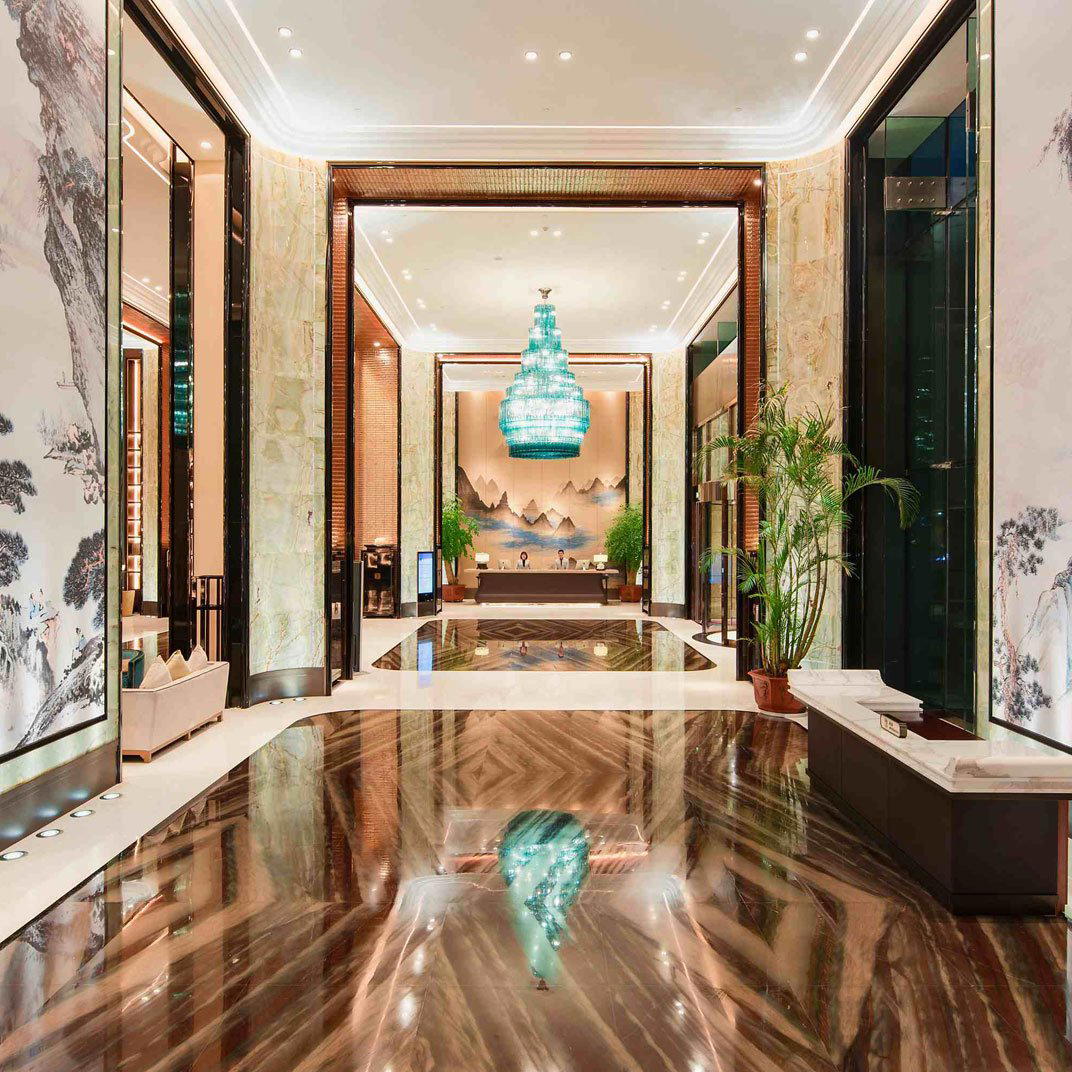
- Quiet
- Elegant
- Intimate
- Sophisticated
- Special Occasion
- Standalone
- Local Sourcing
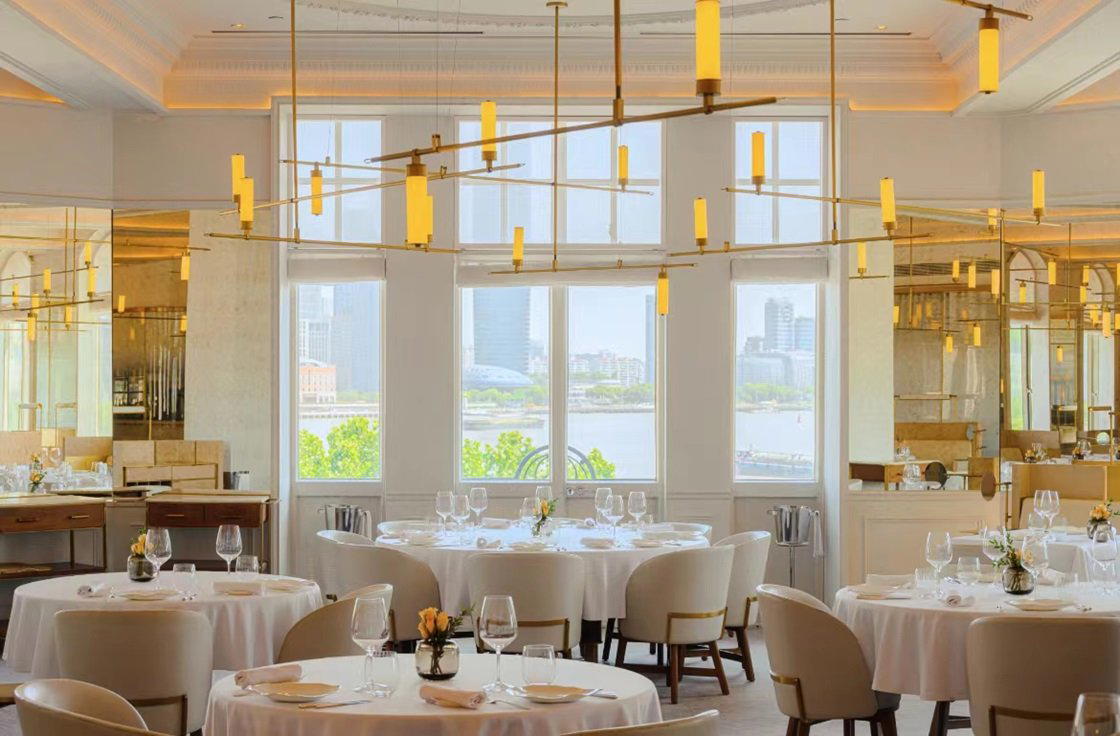
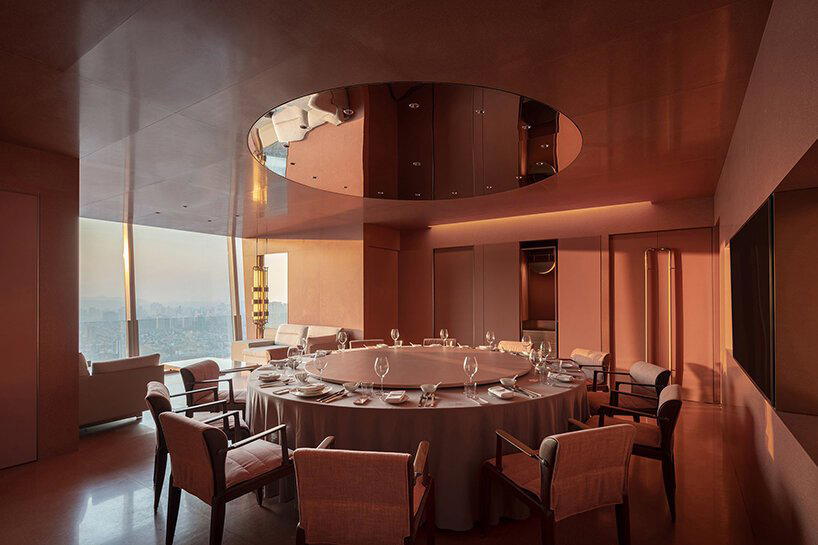
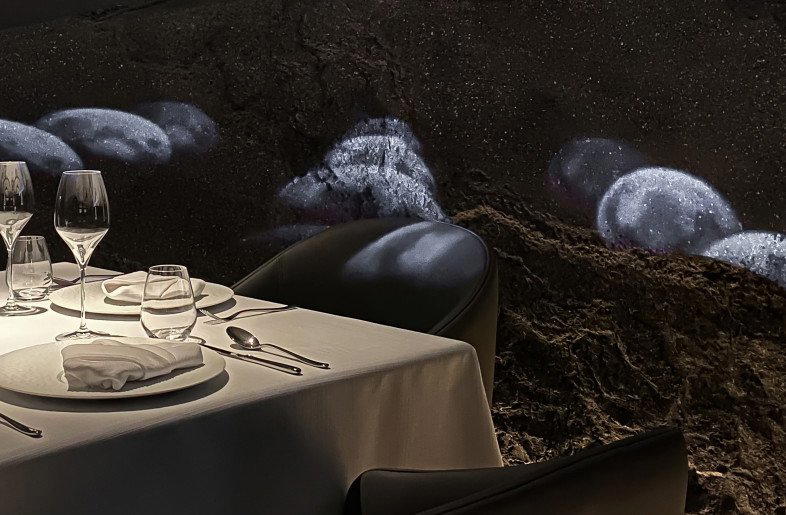
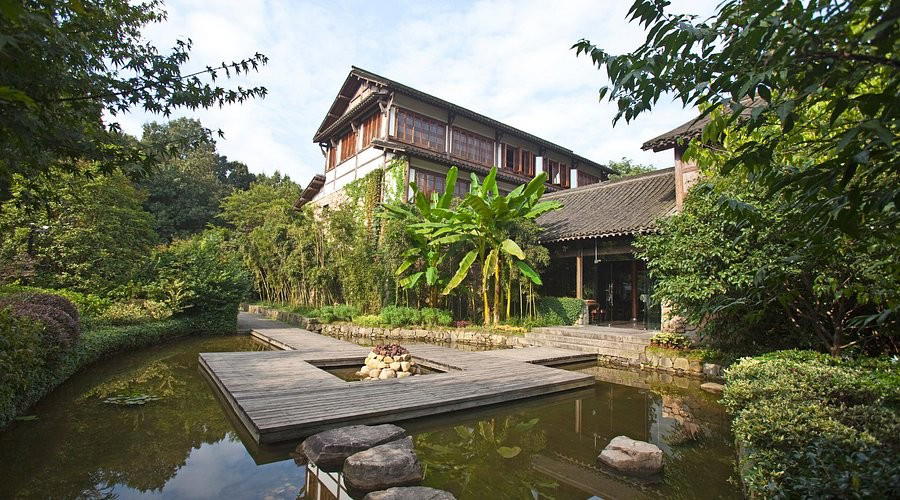
Softened flattering lighting with a hushed, expectant hum creating quiet elegance and intimacy.