Skip to Main Content

UpcomingDrink over $25,000 of Burgundy at La Paulée New York

← Collection
CuisineZhejiang
Executive ChefFranz Feckl
LocationHangzhou, China
Michelin

Longjing Manor holds a Michelin star earned in both 2024 and 2025, placing it among the few restaurants in Hangzhou where classical Zhejiang cooking meets consistent critical recognition. Set along Longjing Road in the Xihu district, it occupies the kind of address that connects the food directly to one of China's most celebrated tea-growing corridors. A ¥¥¥ price point positions it as a serious but accessible entry into Hangzhou's fine-dining tier.

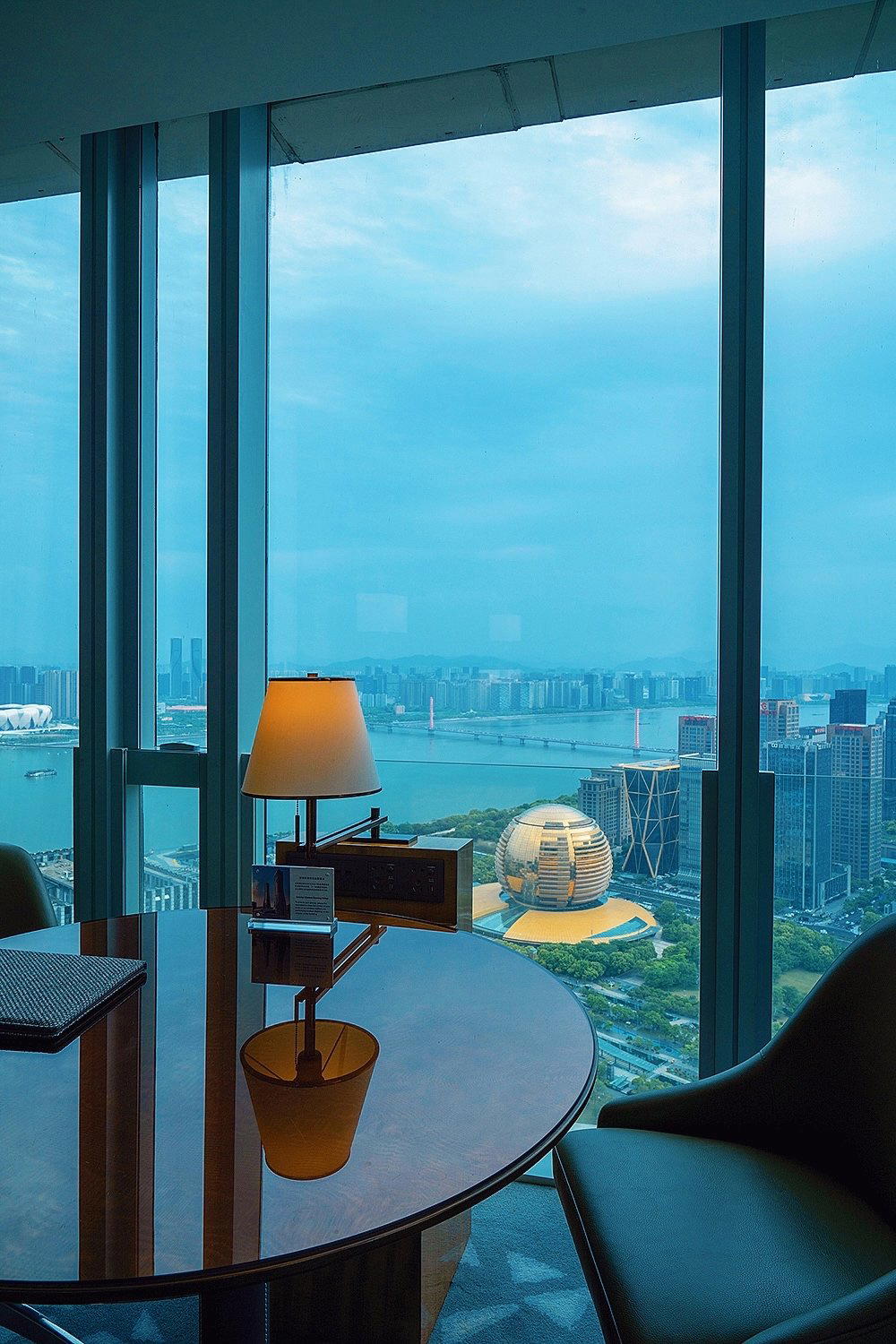
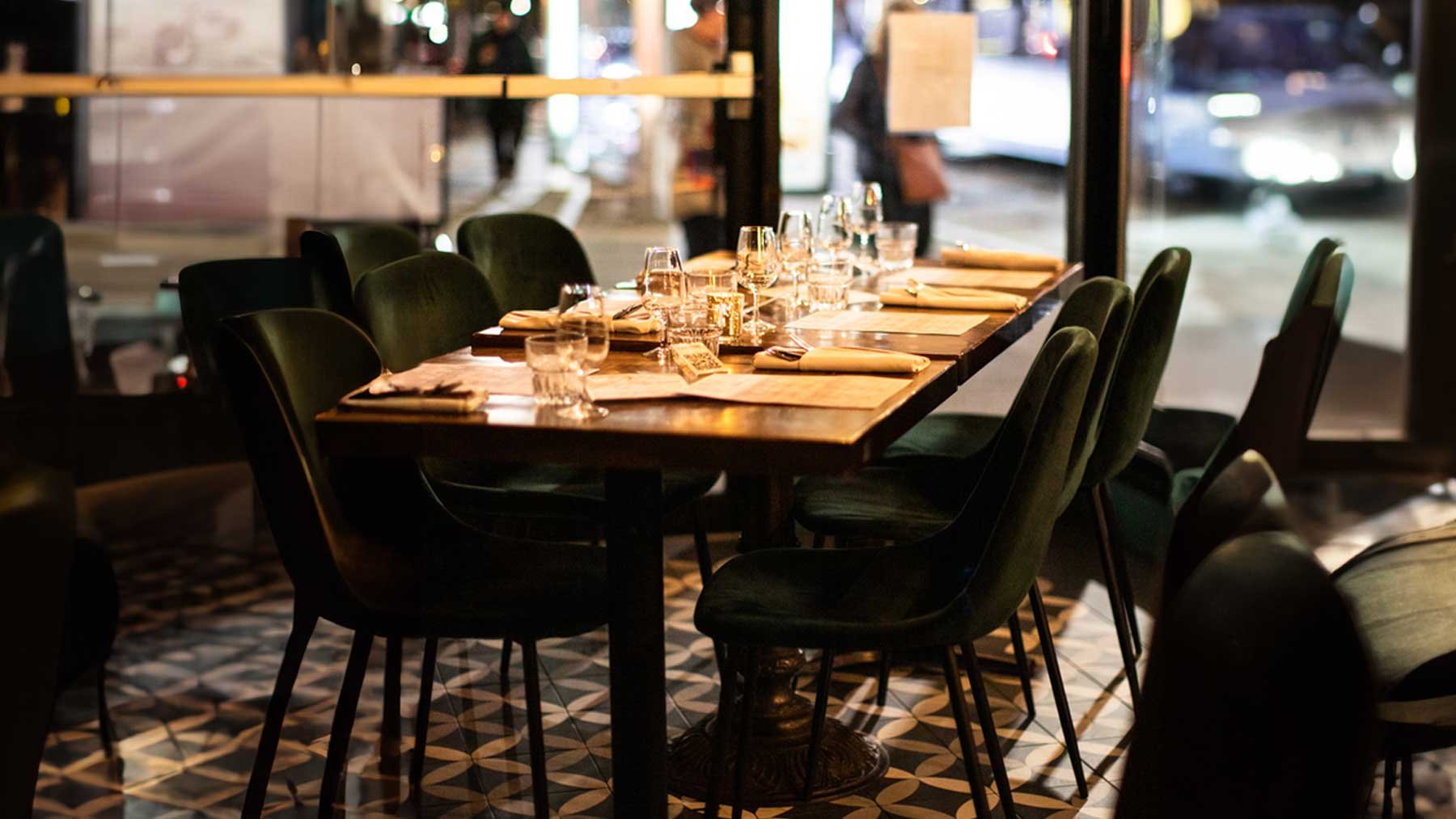
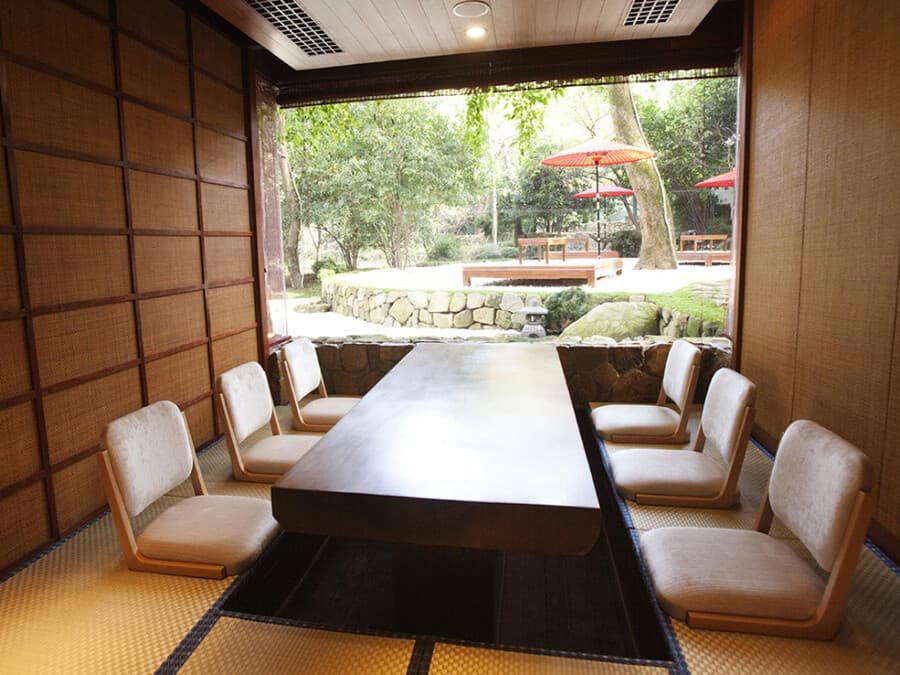
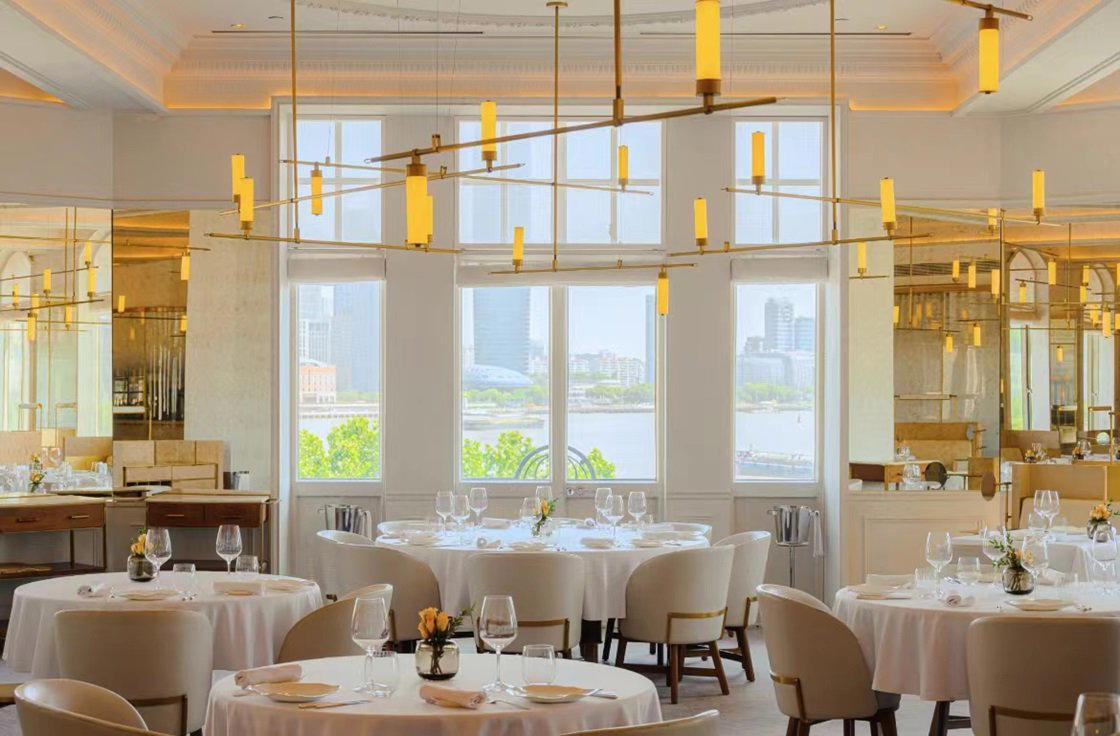
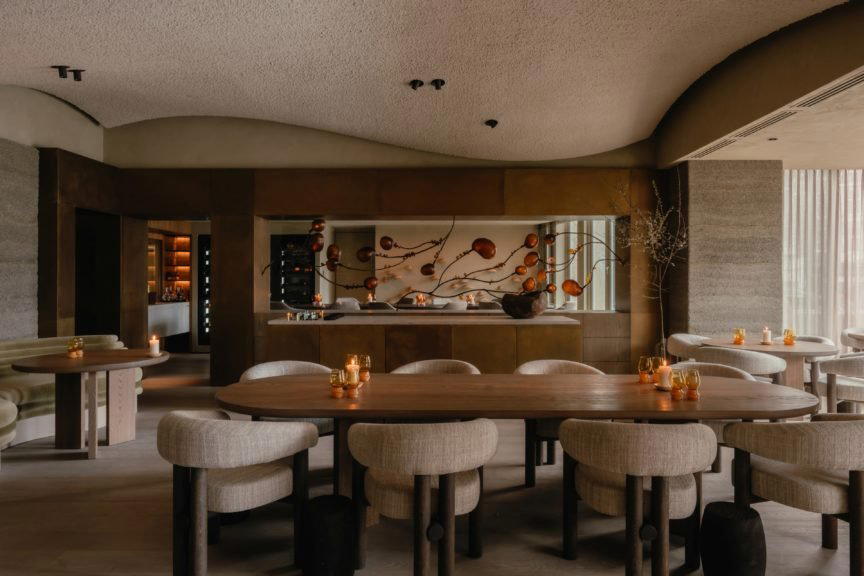
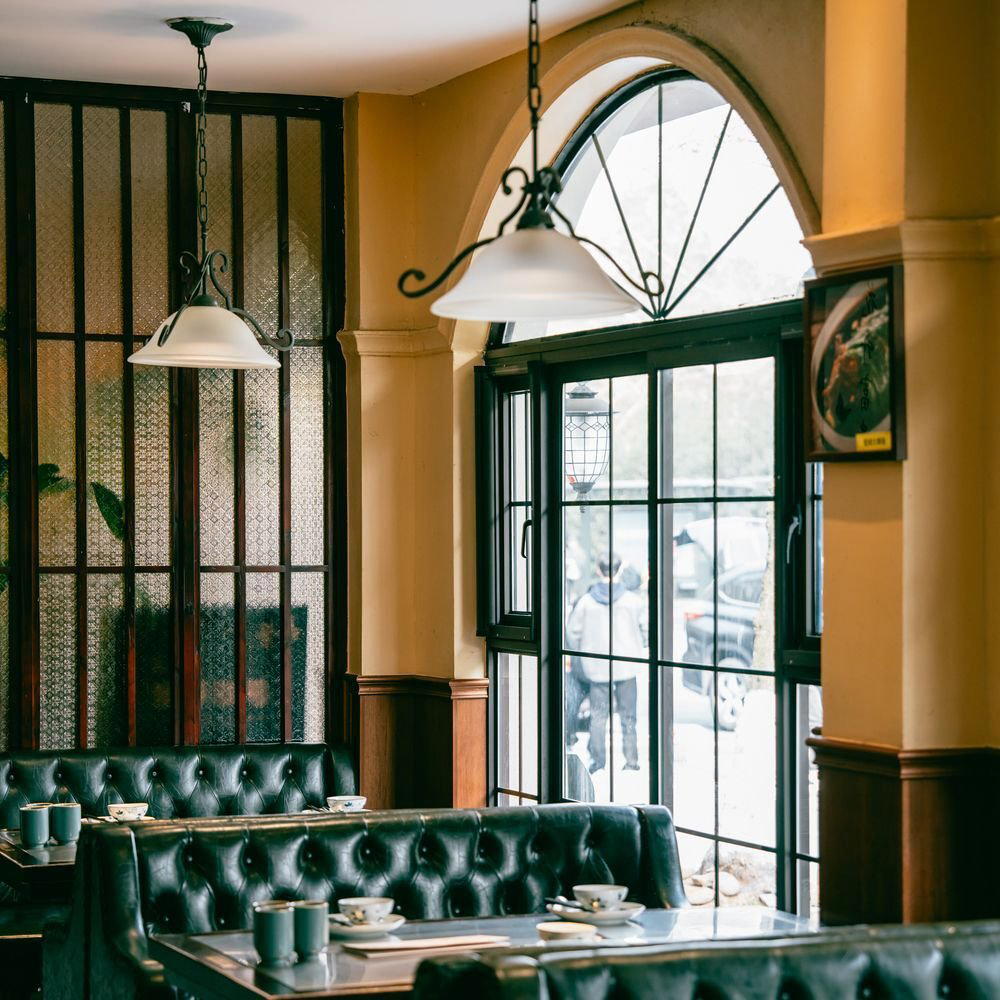
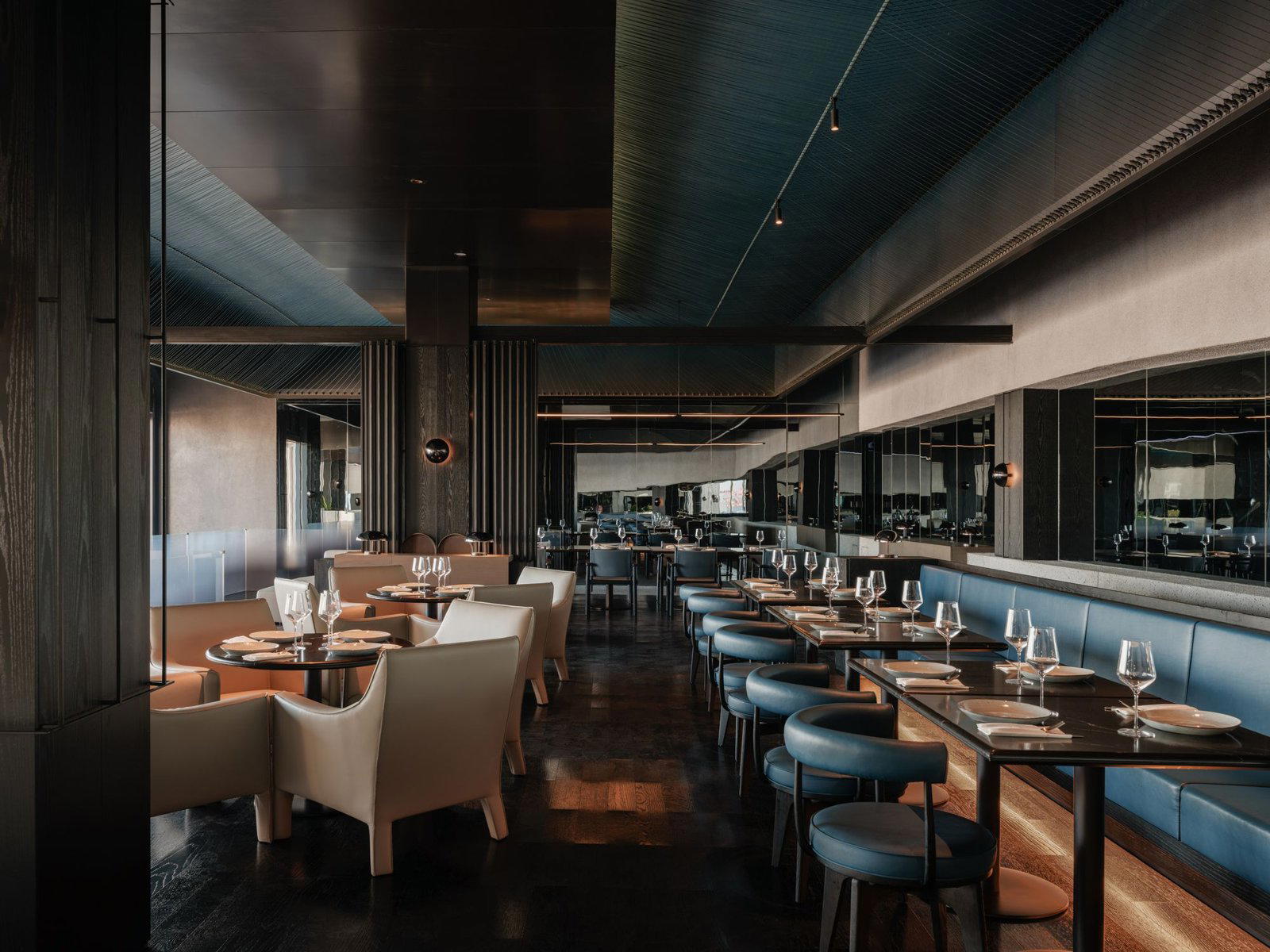
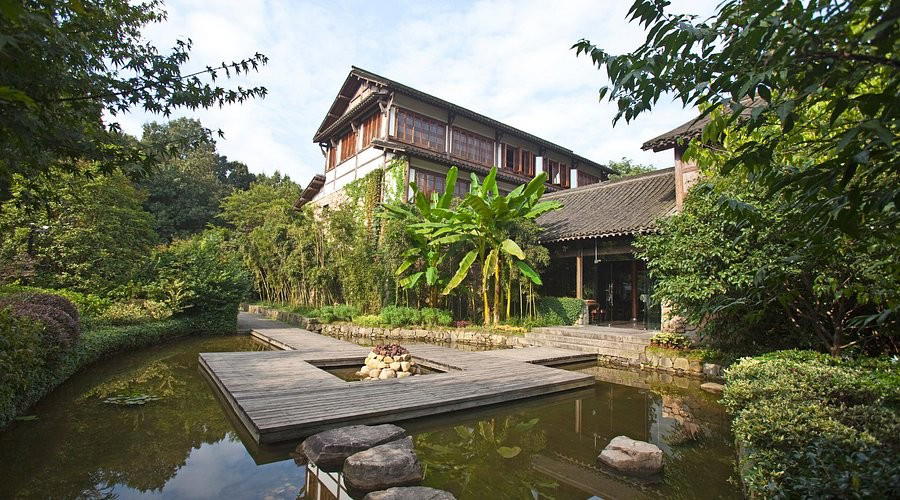
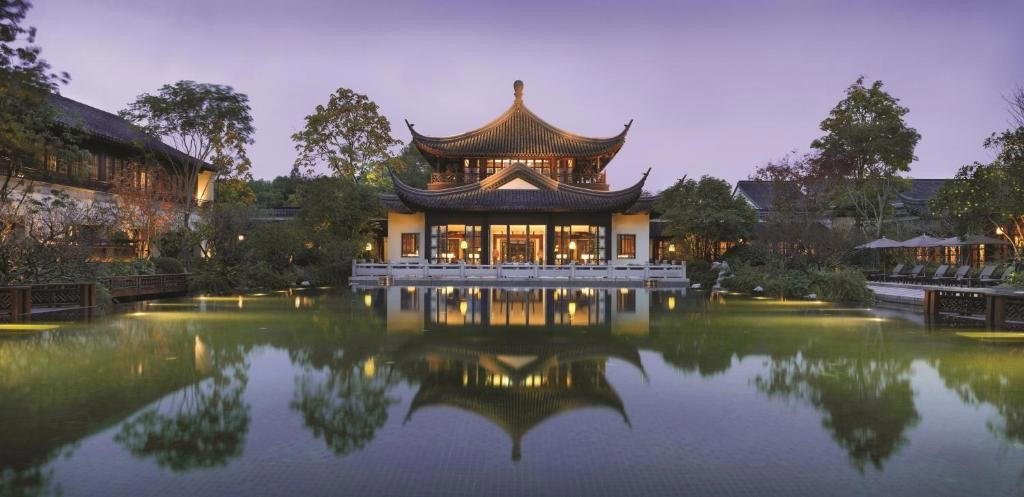
Longjing Manor restaurant in Hangzhou, China
About

Where the Tea Fields Meet the Table

Longjing Road runs through one of the most storied stretches of the Xihu district, passing between hillside tea terraces that have supplied the country's most prized green tea for centuries. The physical approach to Longjing Manor at number 399 sets a specific kind of expectation: this is not a restaurant in a commercial block that happens to serve Zhejiang food. The address itself is an argument about sourcing and provenance, placing the kitchen within walking distance of the plantations that define much of what ends up on the plate. In a city where restaurants routinely invoke Longjing tea as a regional marker, proximity to the actual source carries a different weight.

That sense of rooted context matters in Hangzhou, where the gap between restaurants that trade on regional identity and those that genuinely embody it has narrowed but not closed. Longjing Manor has held a Michelin star for two consecutive years, 2024 and 2025, which places it in a small group of Hangzhou establishments where critical recognition has been sustained rather than arrived at once and not repeated. The guide's consistent return to the same address is a more useful signal than a single-year award: it suggests the kitchen has not chased novelty at the expense of the cooking standards that earned the first star.

Zhejiang Cooking at the Fine-Dining Register

Zhejiang cuisine sits within the broader category of Jiangnan cooking, the river-delta tradition shared with Shanghai and Jiangsu that prizes freshness, subtlety, and a restraint with seasoning that can read as understatement to palates trained on bolder regional styles. Within Zhejiang itself, Hangzhou cooking forms a distinct sub-tradition: lighter than Ningbo's sea-forward approach, more reliant on freshwater ingredients and the produce of the immediate countryside, and historically connected to the imperial court periods when Hangzhou served as China's southern capital. That history gives local chefs a culinary reference point that extends well beyond the modern restaurant era.

At the ¥¥¥ price tier, Longjing Manor positions itself in the middle band of Hangzhou's fine-dining market, below the ¥¥¥¥ register occupied by venues like Ru Yuan and above the more casual end of the Zhejiang restaurant spectrum. The same price tier is shared by 28 Hubin Road, another Zhejiang-focused address in the city, and the competitive comparison is instructive: both operate in the space where fine-dining formality and regional cooking tradition overlap, but the Longjing Manor's Xihu location gives it a geographical specificity the lakeside addresses cannot replicate.

Chef Franz Feckl's presence at a restaurant rooted in Zhejiang cuisine is a data point worth contextualizing. The name suggests European training, and the combination of a European chef leading a Chinese regional kitchen in a Michelin-starred setting fits a broader pattern seen in high-end Chinese dining across Asia, where cross-cultural culinary fluency has become one signal of a kitchen operating at a serious level. What matters editorially is not the biography but the outcome: the Michelin inspectors have visited and returned, which is the most reliable external measure available.

Critical Reception in Context

Hangzhou's Michelin presence is relatively young. The city entered the Michelin Guide China ecosystem after Shanghai and Beijing, and the number of starred restaurants remains smaller than either of those cities. That scarcity makes each starred address more significant within the local dining conversation: Longjing Manor is not one of dozens of starred venues in a dense metropolitan grid but one of a short list in a city where the guide still carries discovery value.

Across Chinese regional cuisines at the Michelin level, Zhejiang has historically been less represented than Cantonese or Shanghainese cooking in international critical frameworks. Venues like Zhejiang Heen in Hong Kong have worked to place the cuisine in a fine-dining context accessible to international audiences, and Rong Rong Yuan in Taipei represents another node in the broader Zhejiang dining diaspora. Encountering the cuisine in Hangzhou itself, at a Michelin-starred address within the Xihu district, provides a kind of source-context that neither of those venues can fully replicate.

For comparison across China's Michelin-starred regional Chinese tier, addresses like Xin Rong Ji in Beijing, Xin Rong Ji in Chengdu, and 102 House in Shanghai demonstrate how regional Chinese traditions are being formalized within the critical restaurant economy. Chef Tam's Seasons in Macau and Imperial Treasure Fine Chinese Cuisine in Guangzhou add further points of comparison for how Cantonese and broader Chinese fine-dining operates at the starred level. Against that peer set, Longjing Manor occupies a specific niche: a regionally specific kitchen in its home city, starred twice, at a price point that does not demand the highest-tier budget commitment.

The restaurant's Google rating of 4.7 from 20 reviews is a limited sample, but the consistency with the Michelin signal is notable. A small review base at a high average score typically indicates a guest profile that skews toward considered, intentional visits rather than high-volume passing traffic, which fits the character of a Xihu-district fine-dining address.

The Wider Hangzhou Dining Field

Hangzhou's restaurant scene has matured significantly over the past decade, moving from a city visited primarily for West Lake scenery and street-food traditions toward one with a credible fine-dining tier. Several addresses now anchor that tier with distinct identities. Guiyu (Xihu) operates in the same broad Zhejiang-cuisine space. Hangzhou House and Jie Xiang Lou each represent distinct approaches to presenting the local culinary tradition at a formal register. Dai Yuet Heen in Nanjing provides a useful cross-city comparison for how the Jiangnan culinary tradition translates into fine-dining terms one city to the north.

Within that competitive landscape, Longjing Manor's two-year Michelin run and its address in the heart of the Xihu tea corridor place it at the more serious end of Hangzhou fine dining without requiring the highest price commitment. For a visitor with one formal dinner allocation in the city, the case for choosing it rests on the sustained critical recognition, the setting's direct connection to the ingredients that define the local cuisine, and the ¥¥¥ positioning that delivers Michelin-starred execution at a step below the top tier.

Planning a Visit

Longjing Manor sits at 399 Longjing Road in the Xihu district, the western edge of the city where the West Lake trails give way to tea-field paths and the pace of the neighborhood changes accordingly. The Xihu district is most accessibly reached by taxi or rideshare from central Hangzhou; the area is not walkable from the main lakefront hotels without a significant journey. Given the restaurant's Michelin profile, advance booking is advisable, particularly for weekend evenings and during the spring Longjing tea harvest season, when the Xihu area sees its highest visitor concentration. A ¥¥¥ pricing level in Hangzhou's fine-dining context suggests a meaningful per-head spend without reaching the premium-allocation territory of ¥¥¥¥ venues. For those building a wider Hangzhou trip around food, our full Hangzhou restaurants guide maps the broader dining field, while our full Hangzhou hotels guide, bars guide, wineries guide, and experiences guide cover the rest of the city's premium circuit.

Frequently Asked Questions

What's the leading thing to order at Longjing Manor?

Without a verified current menu in the database, any specific dish recommendation would be speculation. What the awards record and cuisine type point toward is the Longjing tea-inflected preparations that are central to Hangzhou's culinary identity: dishes that use the local tea leaves as a seasoning or poaching element rather than as a garnish. At a Michelin-starred Zhejiang kitchen in the Xihu tea corridor, the strongest signal is to follow the chef's selection or tasting format if offered, which at this level of recognition typically represents the most coherent expression of the kitchen's capabilities. For further context on Zhejiang cuisine at Hangzhou's fine-dining tier, the Hangzhou restaurants guide covers comparable addresses including Ru Yuan and 28 Hubin Road, both of which work in the same culinary tradition.

Collector Access

Need a table?

Our members enjoy priority alerts and concierge-led booking support for the world's most difficult tables.

Access the Concierge