
Xiao Lao Hun Tun holds back-to-back Michelin Bib Gourmand recognition for 2024 and 2025, placing it among Hangzhou's most consistently rewarded value addresses. The focus is hun tun, the filled dumpling tradition that Zhejiang has refined over centuries, served in the Shangcheng District at prices that sit firmly in the single-symbol tier. For anyone mapping the city's dim sum and dumpling scene, this is a reference point worth understanding.
Pearl is the En Primeur Club membership app — saves, bookings, and concierge access live there. Same editors, same standards.
- Address
- 12 Sipailou, Shangcheng District, Hangzhou, Zhejiang, China, 310002
- Phone
- +86 130 0362 8372
- Directions
- Get directions
 Saves & bookings on Pearl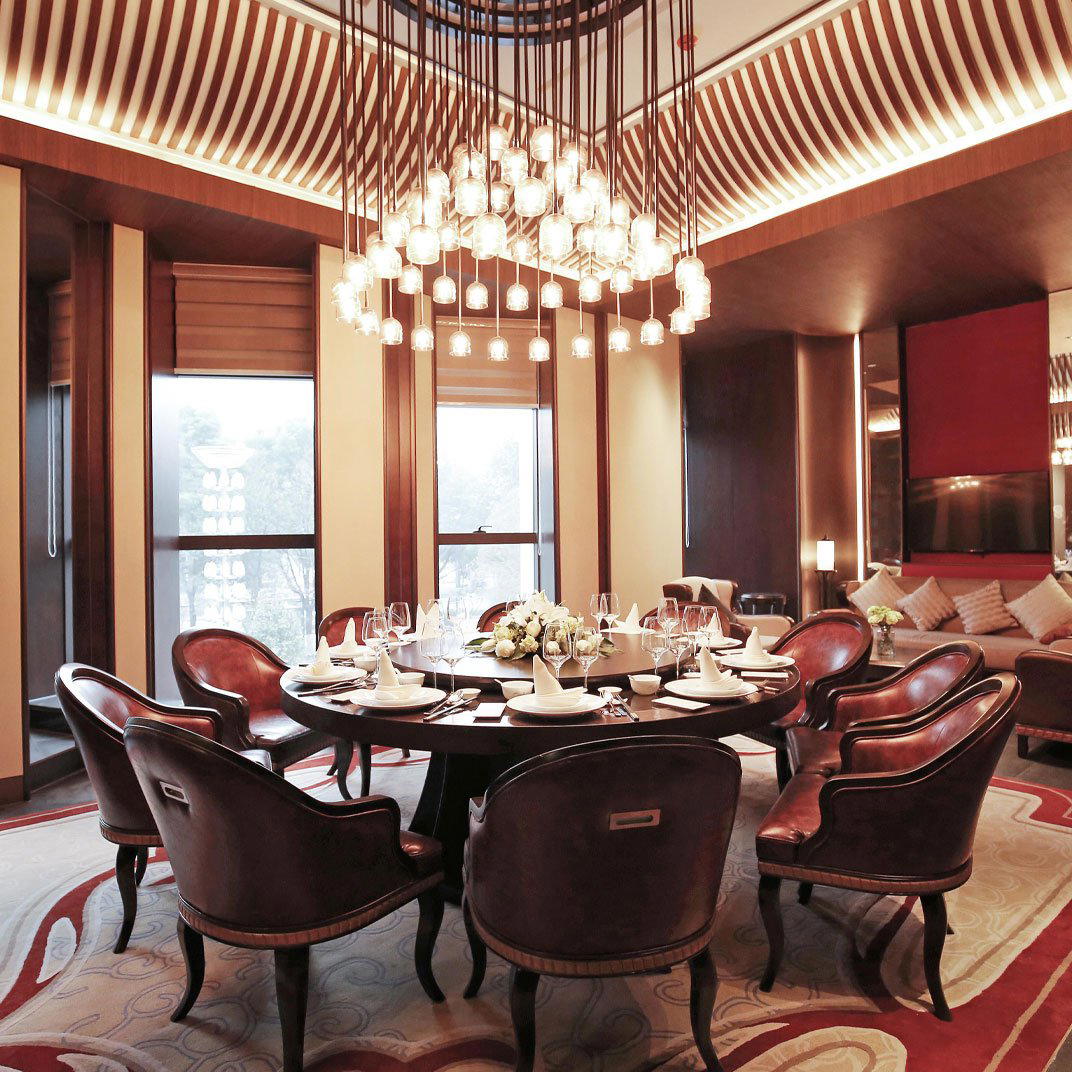
A Street-Level Entry Point into Hangzhou's Dumpling Tradition
Shangcheng District's older residential grids have a particular texture in the morning hours: vendors setting up at narrow storefronts, the smell of broth rising before the foot traffic does, a rhythm that belongs to the neighbourhood rather than to any particular kitchen. Sipailou, the street where Xiao Lao Hun Tun operates, sits within that fabric. The address is not a destination quarter in the way that West Lake's lakefront promenades are; it is a functioning urban block where the food exists for the people who live and work nearby, and where a Michelin inspector's arrival might genuinely have surprised the regulars.
That contrast is worth dwelling on. Hangzhou's high-end Zhejiang dining has consolidated around a recognisable set of properties, addresses like Ru Yuan (Zhejiang) at the ¥¥¥¥ tier and Guiyu (Xihu) (Zhejiang) that position themselves explicitly against the city's cultural prestige. Xiao Lao Hun Tun operates in a different register entirely, priced at the ¥ tier, which in Hangzhou typically means a per-head spend well below what even a casual multi-course meal at those peers would cost. The Bib Gourmand designation is the appropriate frame here: this is not a restaurant that competes with the starred tier on elaboration or ceremony, but one that has been judged to deliver cooking worth seeking out on its own terms.
What the Hun Tun Format Actually Involves
Dim sum as a category spans an enormous range of formats across Chinese regional traditions, from the Cantonese yum cha model built around bamboo steamers and trolley service to the more austere filled-wrapper styles of the Yangtze Delta. Hun tun, the dumpling form that gives Xiao Lao Hun Tun its name, sits firmly in the latter tradition. In Zhejiang and neighbouring Jiangsu, hun tun tend toward thinner wrappers and lighter broths than their Cantonese counterparts, often finished with sesame oil, dried shrimp, or vinegar-forward condiments that cut through the fat of the filling. The construction is intended to be eaten in sequence with the broth rather than beside it, which means the progression of a bowl from first sip to last dumpling is itself a kind of pacing.
This tasting arc is modest by fine-dining standards, but it is not accidental. The discipline required to calibrate wrapper thickness, filling ratio, and broth seasoning so that all three elements remain coherent through a bowl's natural cooling curve is real craft. Hangzhou's older hun tun establishments have been executing this calibration for decades; the Bib Gourmand suggests that the restaurant belongs in that company. For context on how this style of dumpling fits into the broader dim sum conversation across China's major cities, the work being done at Wu You Xian in Shanghai and Hongtu Hall in Guangzhou offers useful reference points from adjacent traditions.
Consecutive Recognition and What It Signals
The 2024 and 2025 Bib Gourmand listings point to sustained recognition. Michelin's Bib Gourmand reviews operate on an annual basis, and retaining the designation requires the kitchen to perform consistently across the inspection cycle. Two consecutive listings at a ¥ price point, in a city where the guide also tracks more elaborate Zhejiang restaurants, indicates that the core execution has held.
That consistency matters in a category where small-format dumpling operations are vulnerable to drift: a change in supplier, a shift in wrapper preparation, a broth that loses its depth as volume increases. The re-listing suggests those variables have remained under control. For comparison, the broader Hangzhou dining scene includes restaurants like Pan Fang Chun (Zhongshan South Road) and Hui Xin Xiao Chi Dian operating in related casual and traditional formats, as well as more experimental addresses like Ambré Ciel at the other end of the style and price spectrum. The restaurant's position is defined precisely by not competing on those axes.
Placing Xiao Lao Hun Tun in the Regional Picture
Hangzhou sits at a productive crossroads in Chinese culinary geography. It is the historical capital of Zhejiang province, whose cooking tradition prizes freshness, restrained seasoning, and an intimacy with both lake and river ingredients. But it is also a city that has absorbed waves of influence from Shanghai to the north and from the broader Yangtze Delta food culture. The hun tun, as a form, travels well across those influences: its simplicity allows local sourcing and seasonal variation without requiring the kitchen to overextend.
At the national level, the precision-driven approach to Chinese fine dining that addresses like Xin Rong Ji in Beijing, 102 House in Shanghai, and Chef Tam's Seasons in Macau represent is entirely different from what the restaurant does. The latter is not trying to articulate a regional cuisine at a statement level; it is trying to make a bowl of hun tun that is worth walking to on a cold morning. The Michelin framework recognises both impulses, and the Bib Gourmand is its specific instrument for the second category.
Planning Your Visit
The restaurant is at 12 Sipailou in the Shangcheng District, a central Hangzhou address accessible from the West Lake area on foot or by a short taxi ride. The ¥ price designation means a meal here is unlikely to strain any reasonable food budget, which also means it functions well as an early-morning or midday stop rather than a primary dinner reservation.
Comparable Options
Comparable venues nearby, for context on price, style, and recognition.
| Venue | Cuisine | Price | Notes |
|---|---|---|---|
| Xiao Lao Hun TunThis venue — the venue you are viewing | Handmade Wonton Specialist | $$ | Not listed |
| Nan Feng Fan Dian | Authentic Xiaoshan Cuisine | $$ | Yuhangxian |
| King's Choice (Huyu Road) | Authentic Hangzhou Regional Cuisine | $$ | Yuhangxian |
| Ge Lang Guan | Authentic Shaoxing Regional Cuisine | $$ | Yuhangxian |
| Hu Ge Si Fang Cai | Hangzhou Classics | $$ | Hangzhoushi |
| Zhi Wei Guan • Wei Zhuang (Xihu) | New Hangzhou Cuisine | $$ | Hangzhoushi |
Recognition history
Dated appearances from independent guides and award organizations, with the underlying list record or original source where available.
Michelin Bib Gourmand
Michelin
Michelin Bib Gourmand
Michelin
Michelin Bib Gourmand
Michelin
Continue exploring
More in Hangzhou
More from Chef Stefan Wiesner
Browse all →
Restaurants in Hangzhou
Browse all →
Bars in Hangzhou
Browse all →
At a Glance
- Cozy
- Intimate
- Classic
- Casual Hangout
- Open Kitchen
- Local Sourcing
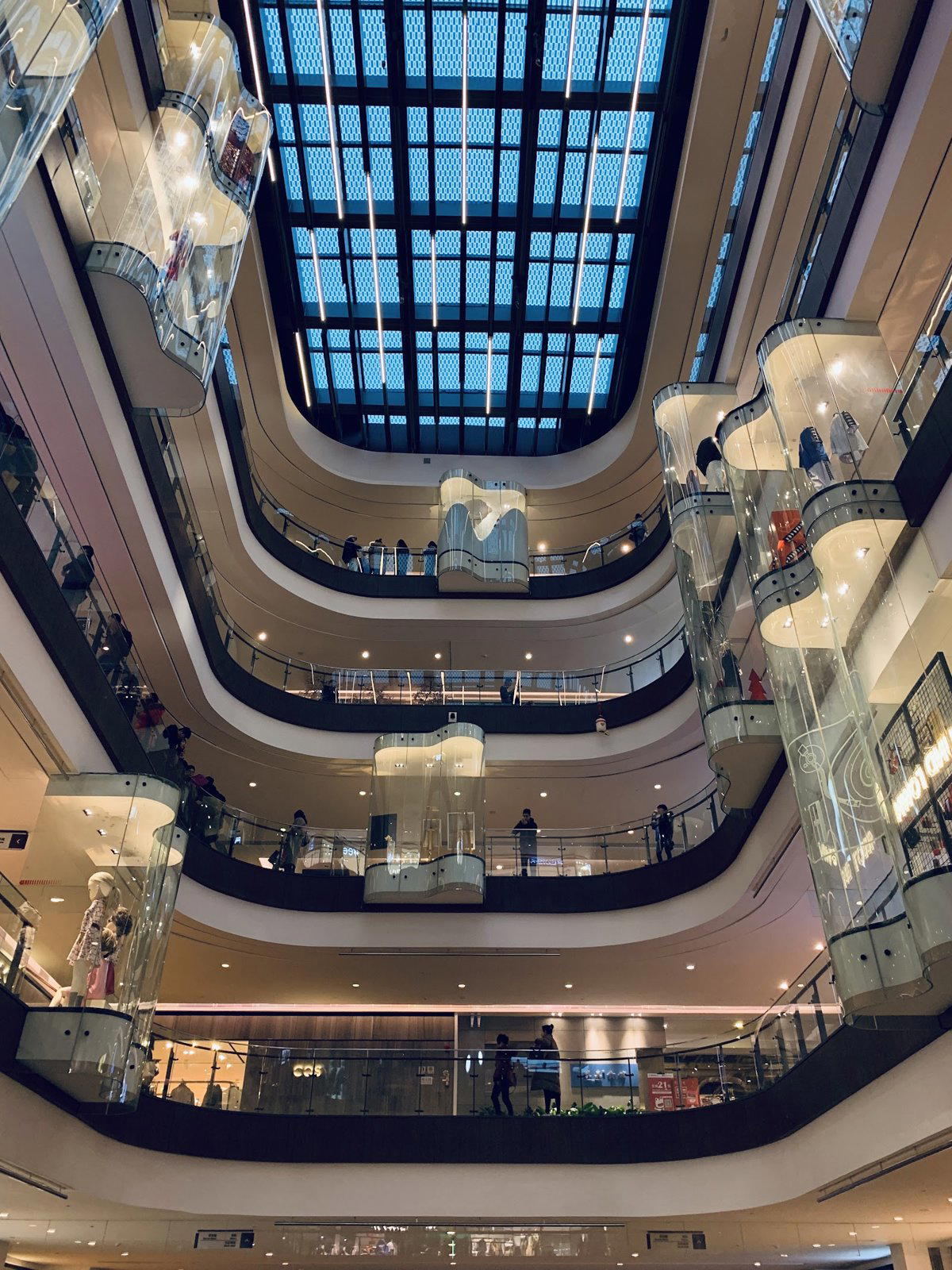
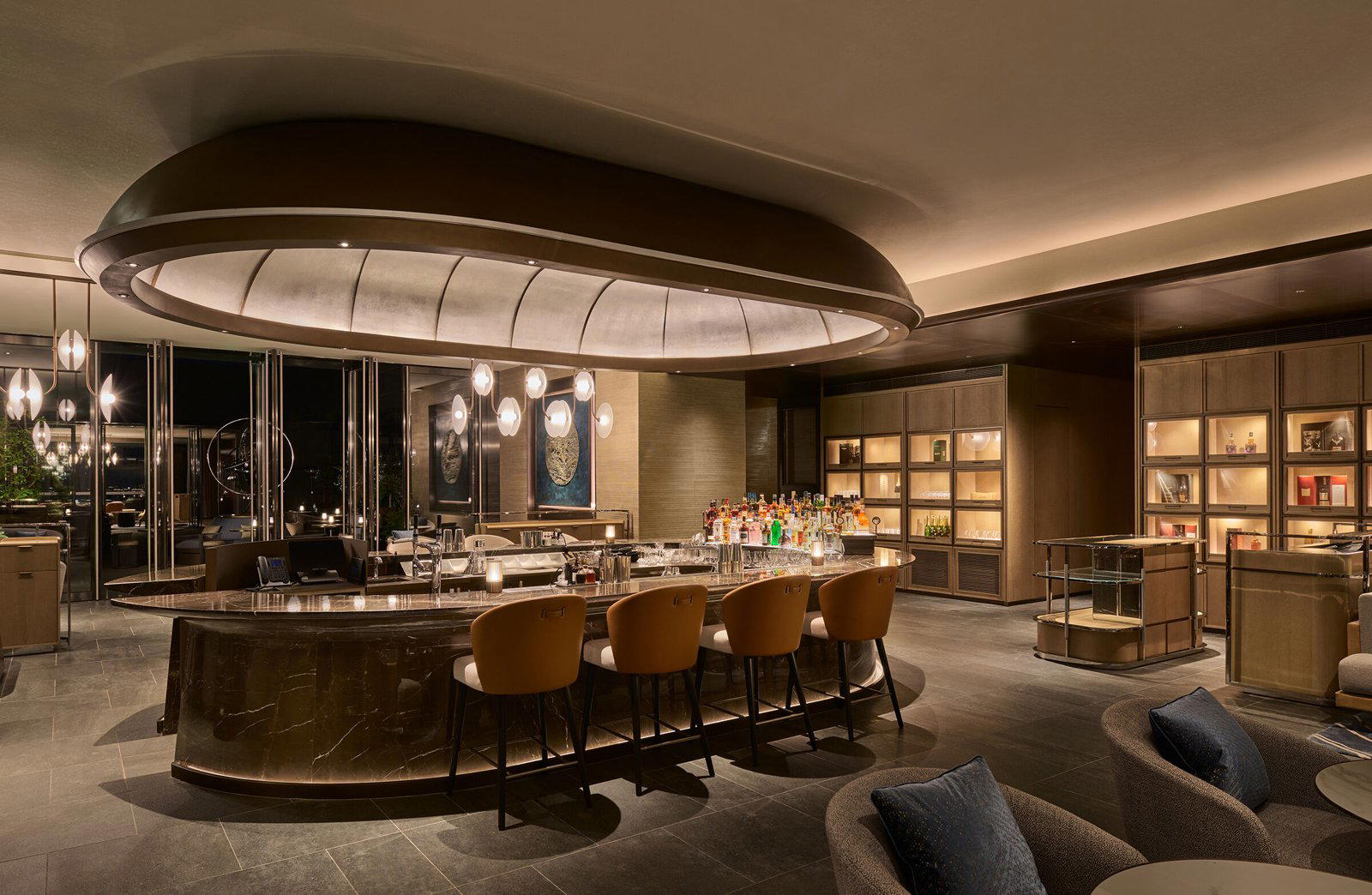
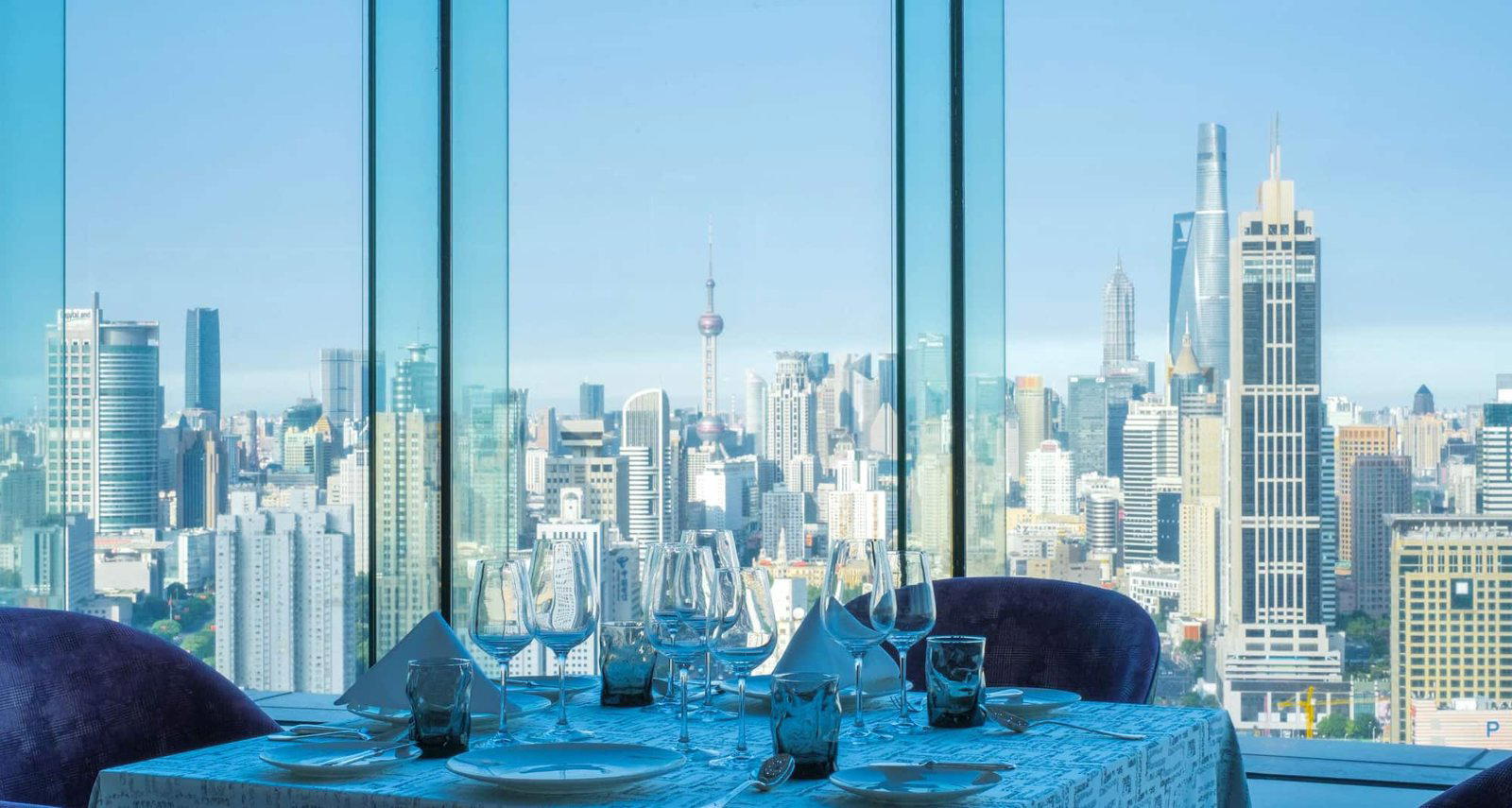
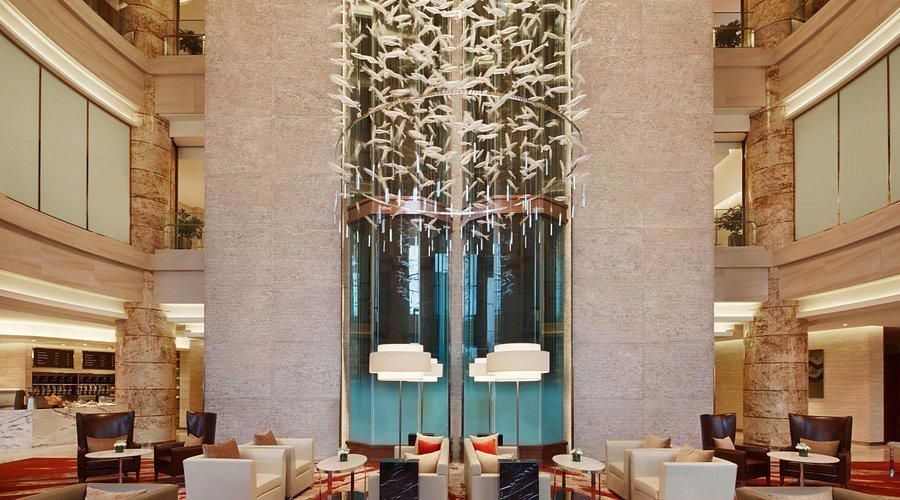
Intimate and unfussy with polished wood interiors, steam rising elegantly, and a quiet, warm atmosphere.