Michelin Plate
Our verdict
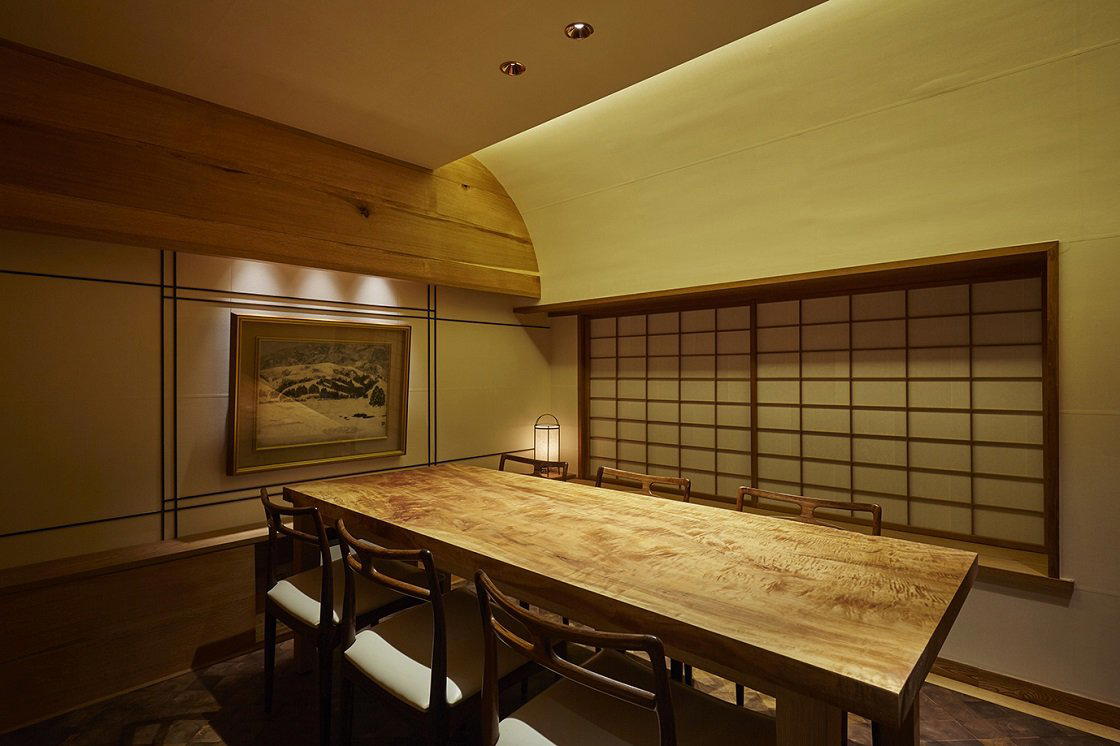
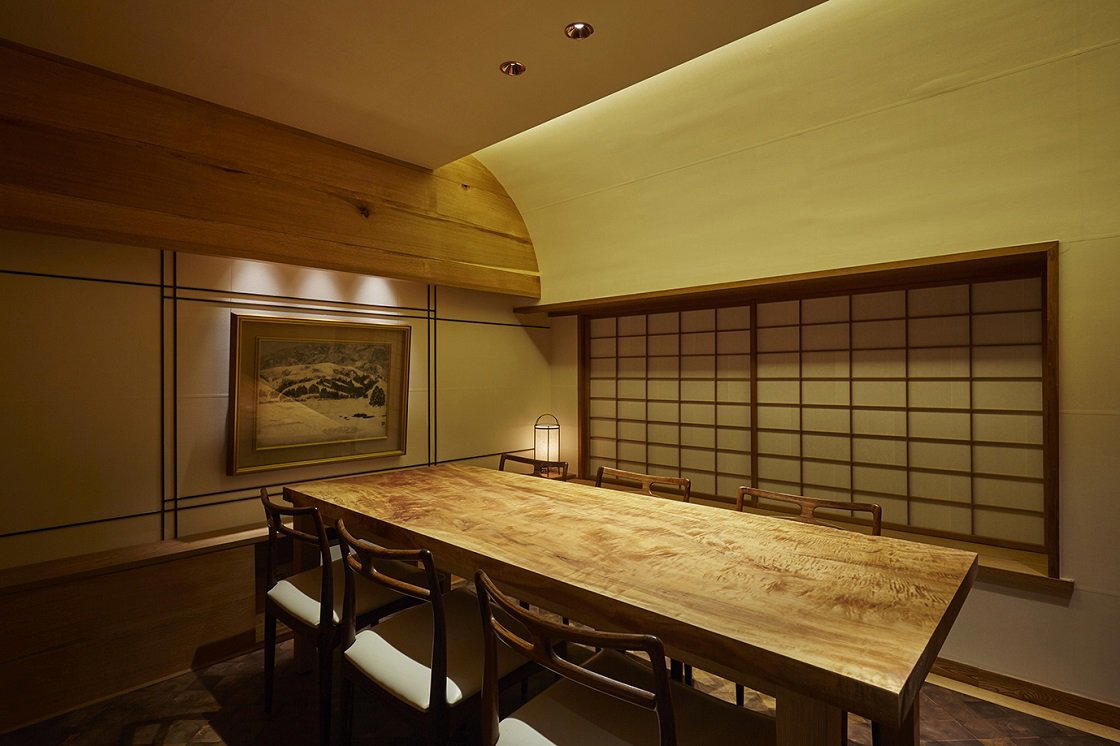
A Michelin Plate-recognised Japanese restaurant in Osaka's Nishitenma district, Washoku Iikura occupies the space between izakaya informality and kappo precision. The kitchen leads with grilled, simmered, and deep-fried fish preparations, with clay-pot rice dishes rounding out an extensive menu designed for wide sampling. Rated 4.5 on Google across 102 reviews, it sits at the ¥¥¥ tier alongside comparable Osaka Japanese houses.

Pearl is the En Primeur Club membership app, where members save venues, book tables and use the concierge.
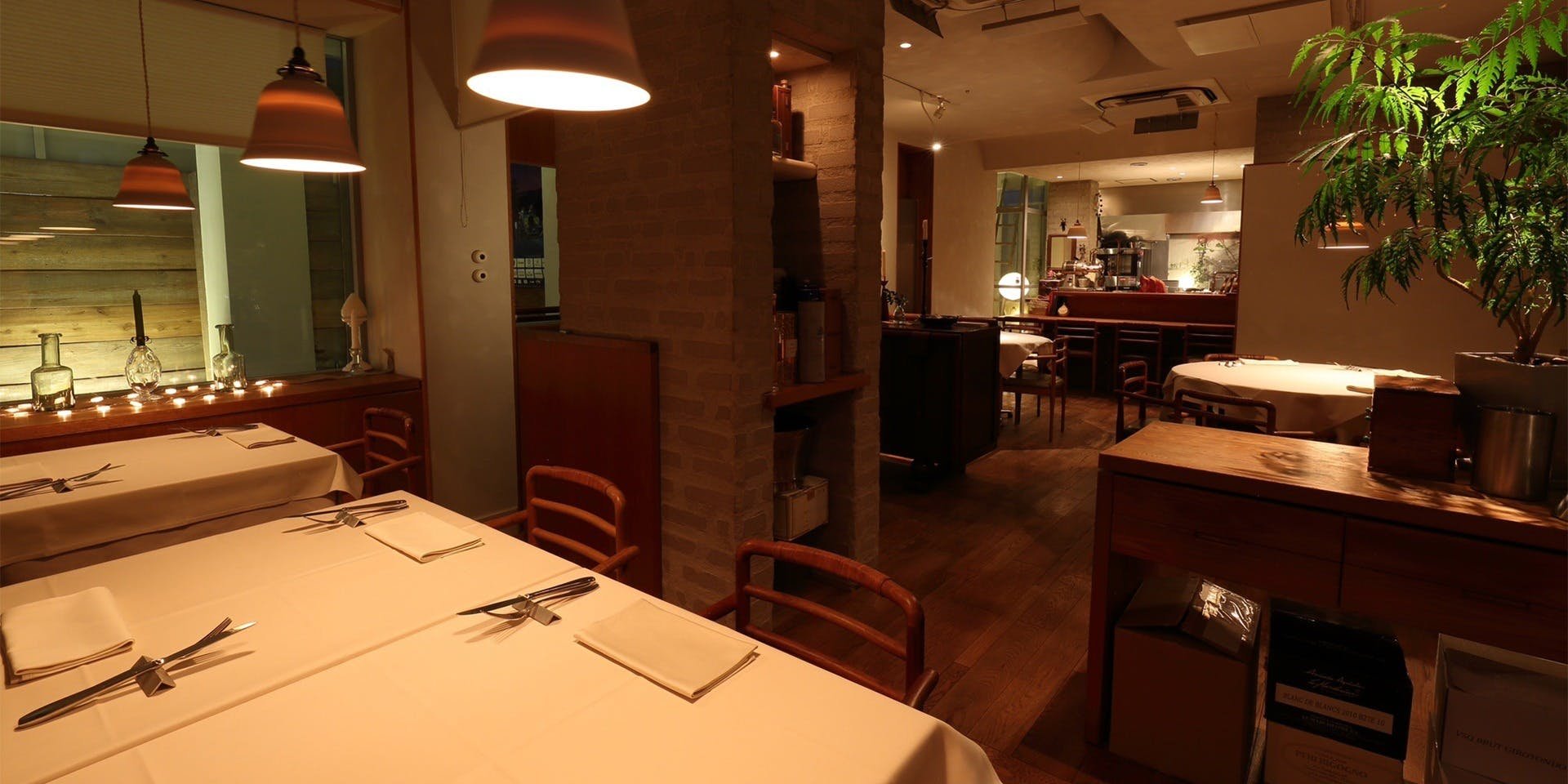
Between Izakaya and Kappo: Where Nishitenma Eats on Its Own Terms
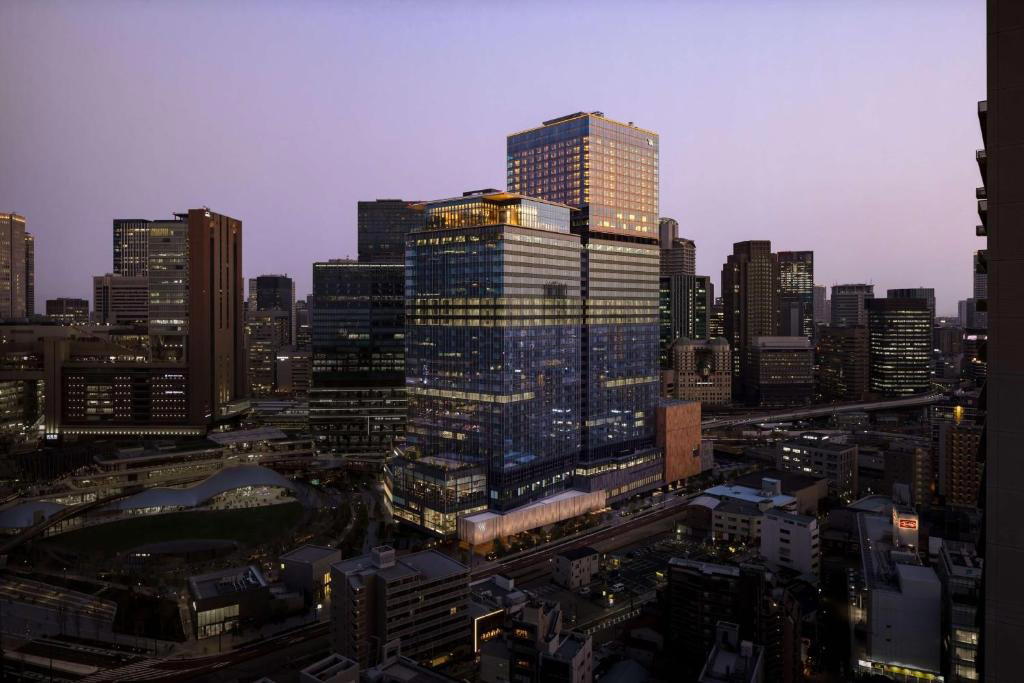
Kita Ward's Nishitenma district sits at a practical crossroads in Osaka's dining geography. North of the Dojima River and west of the legal and business corridors around Osaka High Court, it draws a mix of after-work professionals and food-conscious locals who prefer something more considered than a chain izakaya but less ceremonial than a full kaiseki sequence. That gap in the market is not small, and a cluster of mid-to-upper Japanese houses has settled into it over the past decade. Washoku Iikura, on a low-rise commercial stretch of Nishitenma 3-chome, is one of the more coherent answers to that demand.
The name itself signals intent. 'Washoku', the Japanese term for the country's traditional food culture, awarded UNESCO Intangible Cultural Heritage status in 2013, is paired with a family name rather than a style descriptor. The implicit promise is enjoyment of Japanese cuisine in a setting where the formality dial sits closer to relaxed than reverential. That positioning places it in a distinct tier: not the choreographed progression of Kashiwaya Osaka Senriyama, not the structured precision of Tenjimbashi Aoki, but a house that operates with genuine technical ambition at a register guests can sustain across multiple visits in a year.
The Kitchen's Logic: Fish, Fire, and Deliberate Portions
Osaka's culinary reputation has always centred on produce quality and honest preparation rather than architectural presentation. The city's fish markets, inland waterway heritage, and proximity to Seto Inland Sea suppliers create a supply chain that gives kitchens reliable access to seasonal fish at a range of price points. What distinguishes one restaurant from another at this tier is less the ingredient list and more what technique does to it.
At Iikura, the kitchen organises itself around three classical Japanese methods applied to an extensive fish roster: grilling, simmering, and deep-frying. These are not interchangeable approaches, each extracts different qualities from a given fish. Grilling concentrates flavour and creates textural contrast through caramelisation; simmering in seasoned dashi allows the fish's own character to persist while absorbing aromatics; deep-frying, handled properly, can make even secondary cuts of a fish worth ordering. The Michelin inspectors' note that the chef applies these methods 'simply, yet with ingenious touches' is a useful frame. At this level, 'ingenious touches' typically signals an awareness of technique beyond the classical tradition, a marinade, a timing adjustment, a garnish drawn from outside the standard washoku vocabulary, without abandoning the logic of the dish.
This intersection of indigenous Japanese methods and ingredient-led cooking with absorbed external influences is the story of how serious Japanese restaurant cooking has evolved since the 1990s. Chefs at houses like Myojaku in Tokyo and Azabu Kadowaki represent one end of that evolution, formal, highly decorated. Iikura operates at a different price and formality point, but the underlying approach to technique is recognisably part of the same lineage. Across the broader Kansai region, similar ambitions animate restaurants like Gion Sasaki in Kyoto and Yugen in Osaka itself, though each at distinct price tiers and formats.
The Menu Architecture: Portion Strategy and Clay-Pot Rice
One of the more considered decisions in the menu's design is portion sizing. Individual portions are deliberately modest, not in a way that leaves guests under-fed, but scaled to encourage ordering across more dishes. This is a model with deep roots in Japanese dining culture, where the logic of eating broadly rather than deeply at any single dish produces a more complete picture of what a kitchen can do. For the guest, it functions as a low-friction route into a wide menu; for the kitchen, it is an argument for range over spectacle.
The clay-pot rice dishes anchor the meal's later stages. Cooking rice in donabe, the traditional Japanese clay pot, is a slow, attention-intensive process that produces a crust at the base and a steam-finished grain at the leading that no electric appliance replicates with the same consistency. That the kitchen offers a varied selection of these, rather than a single set preparation, reflects the same logic as the fish menu: depth through range. Comparable approaches to washoku's more domestic-register dishes appear at Oimatsu Hisano and Miyamoto, both Osaka houses operating in a similar register.
Where Iikura Sits in Osaka's Mid-to-Upper Japanese Tier
Osaka's Michelin ecosystem is densely populated at every tier. At ¥¥¥¥, houses like HAJIME, La Cime, and Fujiya 1935 compete on innovation and global reach. The ¥¥¥ Japanese tier, where Iikura, Kashiwaya Senriyama, and Taian all operate, is more varied in format and ambition, ranging from kaiseki sequences requiring weeks of advance booking to more accessible set-and-à-la-carte hybrids. Iikura's Michelin Plate recognition in 2025 places it inside that tier's credentialed cohort without the reservation pressure of a starred house. For comparable experiences in other Japanese cities, Harutaka in Tokyo, Goh in Fukuoka, and akordu in Nara each illustrate how Japanese fine-dining ambition plays out differently by city and format. Further afield, 1000 in Yokohama and 6 in Okinawa show how regional Japanese kitchens develop distinct identities around local supply chains, a dynamic Iikura participates in through its Osaka fish sourcing.
At a house where repeat visits are part of the intended pattern, that consistency matters more than a higher average built on fewer data points.
Planning Your Visit
Washoku Iikura is located at 3-7-20 Nishitenma, Kita Ward, Osaka, on the ground floor of Ito Building. The address places it within walking distance of Minami-Morimachi and Nishitenma stations. Budget: ¥¥¥ tier, mid-to-upper range for Osaka Japanese dining. Reservations: Dress: No dress code is specified, but the relaxed-formal register of the room suits smart casual. Timing: The extensive fish menu makes this a better choice for evenings when you have time to order across several preparations rather than a quick dinner between appointments.
For broader context on eating, drinking, and staying in the city, see our full Osaka restaurants guide, our full Osaka hotels guide, our full Osaka bars guide, our full Osaka wineries guide, and our full Osaka experiences guide.
Frequently asked questions
How much does it cost to eat at Washoku Iikura?
Pricing at Washoku Iikura is listed as ¥¥¥.
What part of town is Washoku Iikura in?
Washoku Iikura is located at Japan, 〒530-0047 Osaka, Kita Ward, Nishitenma, 3 Chome−7−20 伊藤ビル 1階, Osaka.
What distinctions does Washoku Iikura have?
Washoku Iikura has received recognition including: More than an izakaya but not quite a kappo. The addition of ‘Washoku’ to the name promises enjoyment of Japanese cuisine in a relaxed setting. Commitment to guest satisfaction shines in the extensive menu. The chef excels at grilling, simme….
What's the signature dish at Washoku Iikura?
No single dish defines the menu here; the Michelin Plate recognition specifically cites the chef's skill across grilling, simmering, and deep-frying from an extensive fish list. Clay-pot rice, cooked to order in several variations, functions as a structural centrepiece. The deliberate portion strategy encourages ordering across multiple preparations rather than anchoring on one dish.
What's the cuisine at Washoku Iikura?
Price and Recognition
A quick peer list to put this venue’s basics in context.
| Venue | Cuisine | Price | Awards | Notes |
|---|---|---|---|---|
| Washoku IikuraThis venue (the venue you are viewing) | Kansai Kappo | $100–150 | Michelin Plate | Not listed |
| HAJIME | Avant-Garde Japanese Fine Dining | $300–500 | 3 Michelin Stars · World's 50 Best #83 | French, Innovative |
| La Cime | Modern French with Japanese Ingredients | $150–200 | 2 Michelin Stars · World's 50 Best #13 | French |
| Kashiwaya Osaka Senriyama | Seasonal Kaiseki Omakase | $200–300 | 3 Michelin Stars · La Liste Top Restaurants | Japanese |
| Taian | Traditional Japanese Kaiseki Omakase | $150–200 | 3 Michelin Stars · La Liste Top Restaurants | Kaiseki, Japanese |
| Fujiya 1935 | Modern Japanese with European influences | $100–150 | 2 Michelin Stars · La Liste Top Restaurants | Innovative |
Recognition history
Dated appearances from independent guides and award organizations, with the underlying list record or original source where available.
Michelin Plate
Michelin
Full recognition history (2 entries)
Michelin Plate
Michelin