Michelin Plate
Our verdict
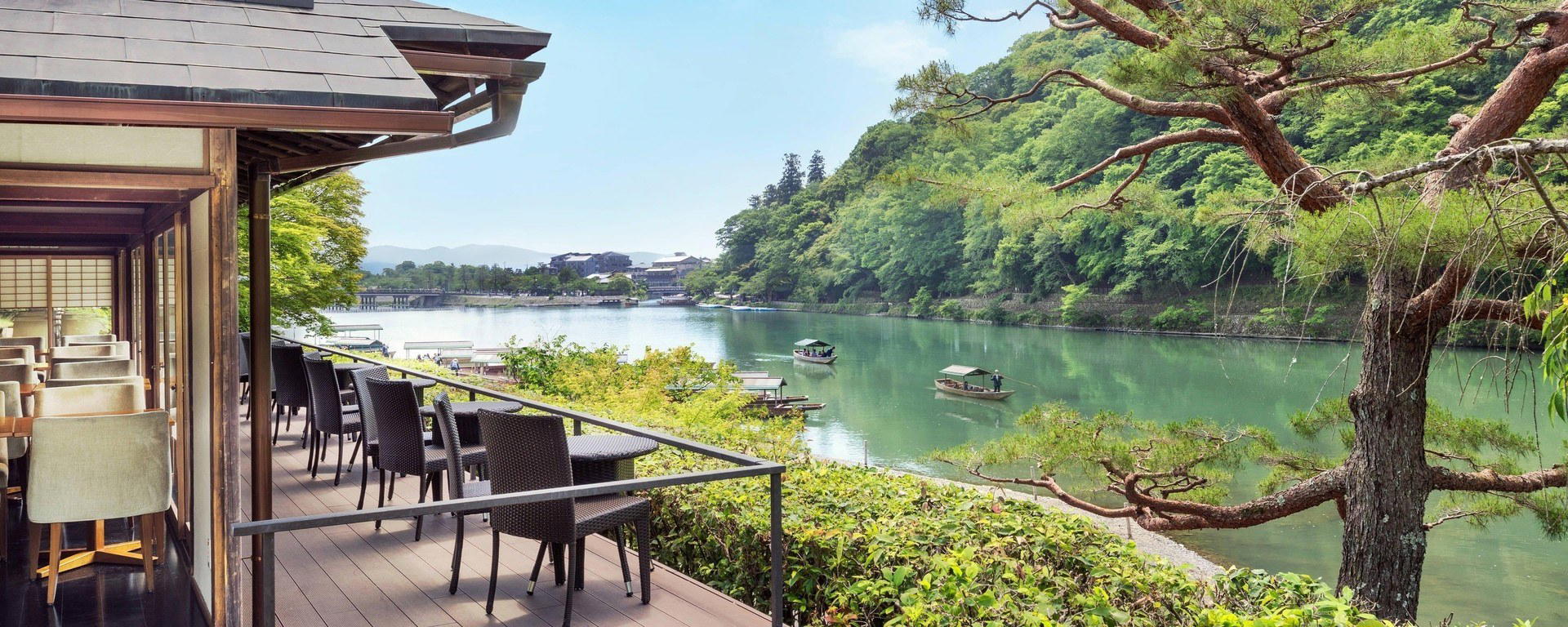
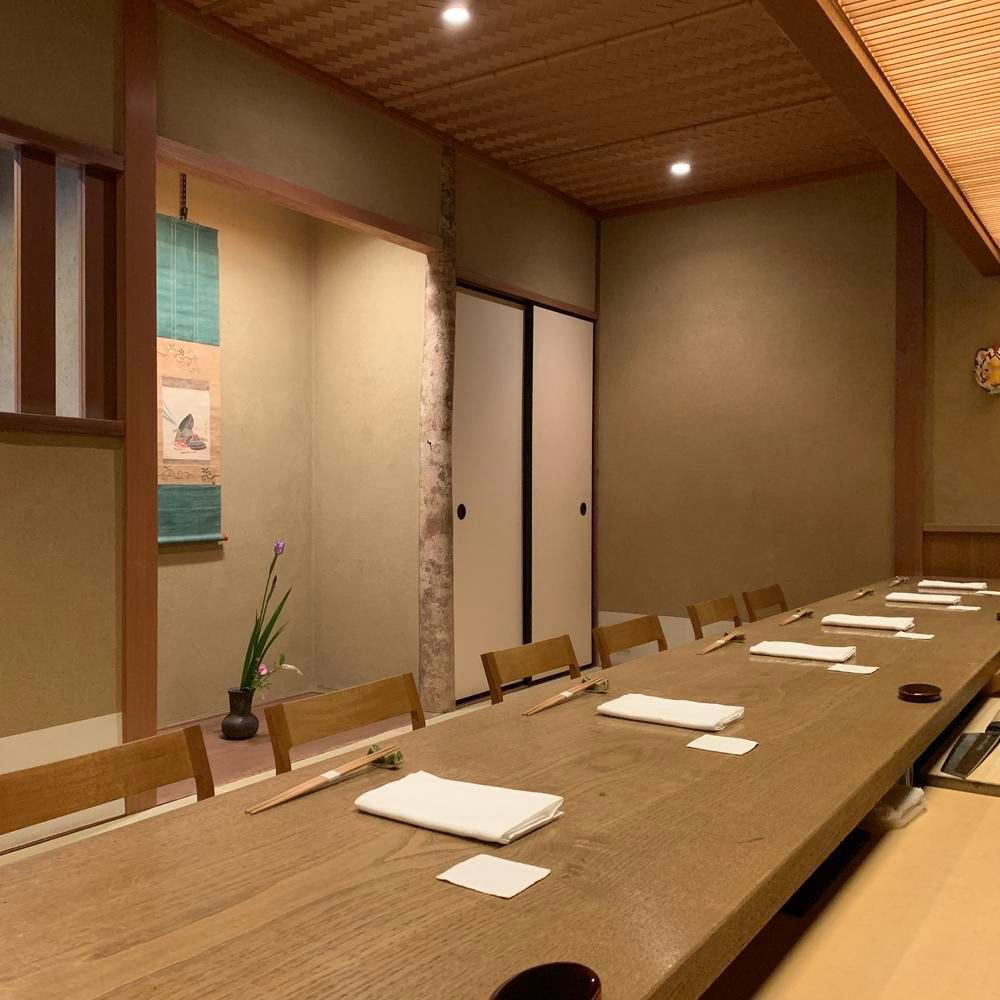
A Michelin Plate washoku counter in Osaka's Doshincho district, where the chef's Kyoto training shows in every carefully restrained bowl. The kitchen anchors every dish in a two-ingredient discipline, pairing each component with its own dashi, and uses Rishiri kombu and light-dried bonito flakes as the structural foundation.

Pearl is the En Primeur Club membership app, where members save venues, book tables and use the concierge.
The menu
What to order
- Tai Sashimi with Jellied Sea Bream Dashi
- Grilled Tilefish with Crisped Scales
- Kamameshi
A Street in Kita Ward That Still Eats Like a Neighbourhood
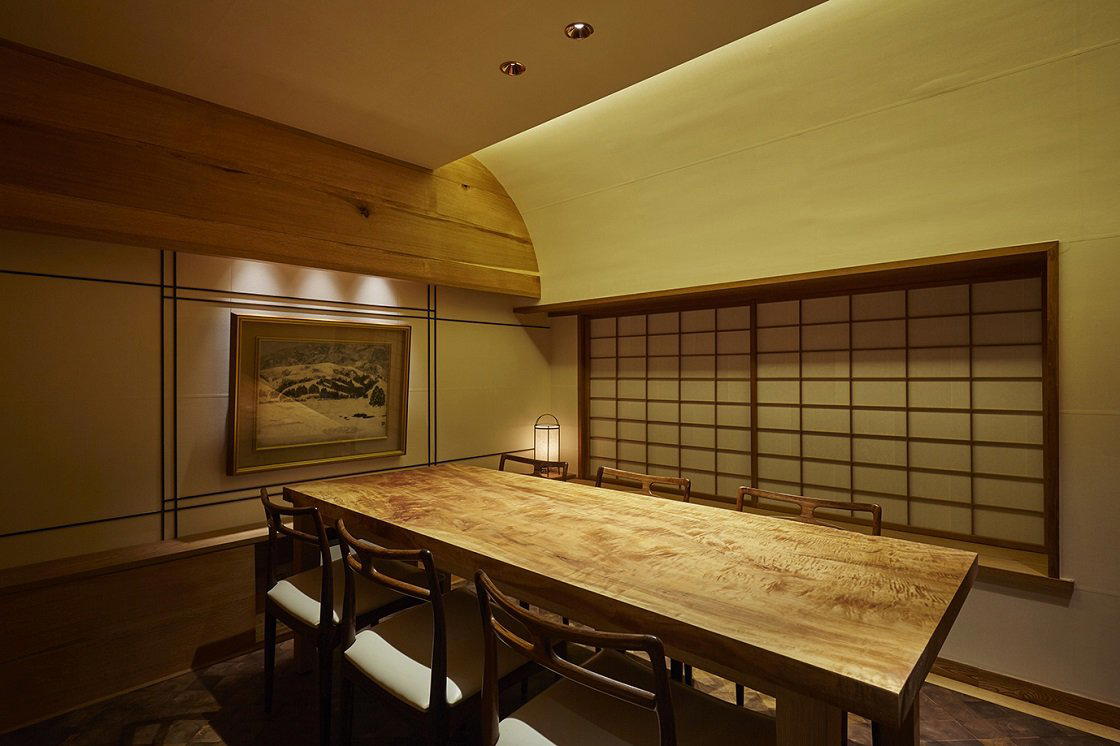
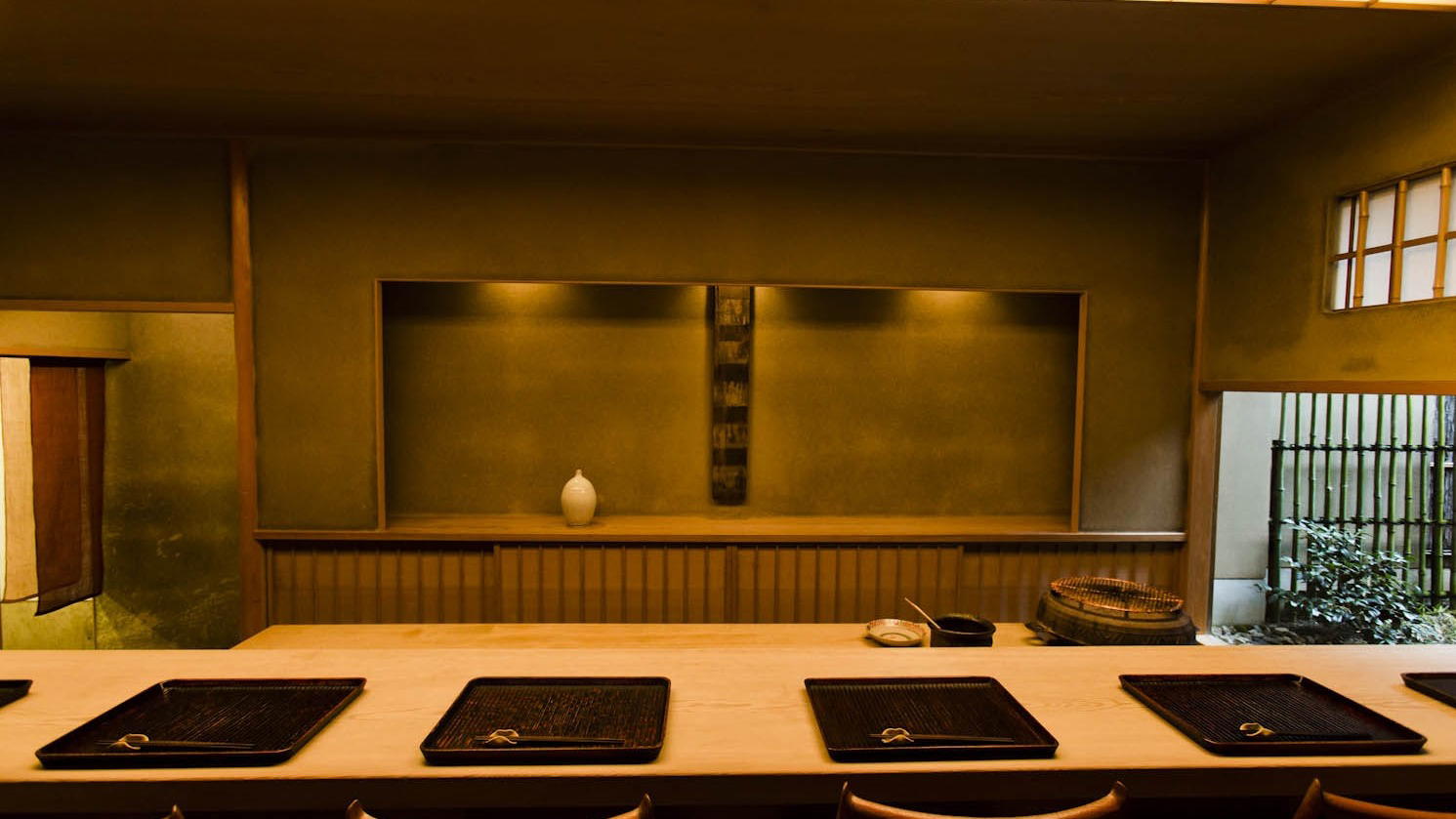
Doshincho occupies a quieter corner of Kita Ward, north of the commercial density of Umeda and well away from the tourist circuit of Shinsaibashi or Dotonbori. The streets here are residential in character, lined with modest apartment buildings and the kind of small, owner-operated restaurants that feed the same faces week after week. Doshincho Washoku Zui operates inside that context, in a low-key ground-floor space at 2 Chome-4-13 Veil Doshin, and its position within the neighbourhood shapes the register of the cooking as much as anything on the plate.
What Washoku Looks Like When the Discipline Is Structural
Osaka's higher-end washoku tier is well documented. Kashiwaya Osaka Senriyama holds three Michelin stars and prices accordingly. Counter kaiseki rooms like Tenjimbashi Aoki and Oimatsu Hisano occupy a mid-to-upper range, and the broader city scene includes three-star kaiseki, two-star French innovation at Fujiya 1935 and La Cime, and the category-crossing work at Yugen. Doshincho Washoku Zui sits below that tier in price, carrying a ¥¥ rating, and below it also in ambition for scale. What it does instead is reduce the cooking to a structural principle: each dish is restricted to two ingredients, and each pairing is accompanied by a dashi built from those same ingredients. The effect is not minimalism for its own sake. The constraint forces every component to carry its weight fully, because there is no third or fourth element to absorb slack.
This approach places the kitchen in a tradition that runs through Japanese culinary philosophy more broadly. The idea that restraint reveals rather than diminishes is not new in washoku, but the two-ingredient framework is a more rigid application of that thinking than most Osaka counters attempt. Comparable precision around dashi philosophy appears in washoku rooms that have trained through Kyoto's kaiseki lineage, where the stock is understood as the dish rather than its support. In Kyoto itself, that discipline shows up at rooms like Gion Sasaki. At Doshincho Washoku Zui, the Kyoto training is filtered through a different neighbourhood register: less ceremonial, more direct.
The Foundation: Rishiri Kombu and Light-Dried Bonito
The ingredient sourcing at the base of the kitchen's method is specific. Rishiri kombu, harvested from the waters around Rishiri Island in Hokkaido, is one of the highest-regarded kombu varieties in Japanese professional kitchens, valued for the clarity and subtlety of the dashi it produces. Paired with light-coloured dried bonito flakes, which yield a more delicate extraction than the deeply smoked katsuobushi used in heavier preparations, the result is a stock that reads clean and precise rather than deep or assertive. This is a deliberate choice with a clear culinary rationale. Broth built on Rishiri kombu and pale bonito does not compete with or mask the primary ingredients; it mirrors them. When the kitchen's stated method pairs each dish with a dashi made from its own core ingredient, the base stock becomes the substrate that makes that specificity possible.
The sea bream preparation that appears in the kitchen's documented approach illustrates the method directly. Sashimi of sea bream is accompanied by a jellied broth made from sea bream dashi. The fish appears twice, in two states, and the eater experiences the ingredient's range within a single course. That kind of self-referential pairing is demanding to execute, because the dashi must be clean enough not to simply repeat the sashimi's flavour, but instead to show a different register of the same ingredient. It is the type of dish that earns recognition in the Michelin framework not for drama but for technical coherence, which is why two consecutive Michelin Plate citations in 2024 and 2025 are the appropriate framing for this room: not star-level luxury, but documented professional standards.
Where This Kitchen Sits in the Osaka Scene
Michelin Plate designation in Japan marks establishments where inspectors consider the food good but below the threshold for star candidacy, either in ambition, consistency, or some combination of the two. Across Osaka, the Plate tier spans an enormous range of formats, from casual specialists to neighbourhood omakase rooms. For a ¥¥ washoku counter in a residential district, two consecutive Plate citations are a meaningful signal. They confirm that the kitchen is cooking at a level that the city's most rigorous independent assessors have noted across multiple visits and years.
Within Osaka's broader washoku scene, it is also worth contextualising what this room is not. It is not a multi-course kaiseki sequence in the Kyoto ceremonial model. It is not attempting to compete with the three-star rooms or the two-star innovation-driven formats that define Osaka's upper bracket. It occupies the neighbourhood counter position: lower price, more personal, built on a local repeat clientele, and anchored in a specific technical discipline that gives it a clear identity within that tier. For readers tracking Japanese washoku across the country, comparisons to how neighbourhood-level precision plays out in other cities are useful. Myojaku in Tokyo and Azabu Kadowaki represent how Tokyo handles the intersection of technique and neighbourhood scale. In Osaka, Doshincho Washoku Zui is an example of what that looks like in a district where the clientele is not visiting from abroad.
For reference across Japan's broader dining map, rooms like Harutaka in Tokyo, akordu in Nara, Goh in Fukuoka, 1000 in Yokohama, and 6 in Okinawa each represent different regional registers of serious Japanese cooking at various price points. Doshincho Washoku Zui's contribution to that picture is modest in scale but clear in method.
Planning a Visit
The restaurant is located at 2 Chome-4-13 Veil Doshin in Kita Ward, in a part of Osaka that sits north of Umeda's main transport hub. The ¥¥ price range makes this one of the more accessible serious washoku rooms in the city. Visiting during off-peak weekday slots is the lower-risk approach for those without a confirmed booking. For broader context on Osaka's dining, accommodation, and nightlife options, see our full Osaka restaurants guide, our full Osaka hotels guide, our full Osaka bars guide, our full Osaka wineries guide, and our full Osaka experiences guide. For a room in a similar local-counter register, Miyamoto is a nearby point of comparison within the Osaka scene.
Frequently asked questions
Is Doshincho Washoku Zui more mid-range or high-end?
Pricing at Doshincho Washoku Zui is listed as ¥¥.
What's the address for Doshincho Washoku Zui?
Doshincho Washoku Zui is located at Japan, 〒530-0035 Osaka, Kita Ward, Doshin, 2 Chome−4−13 ヴェール同心 101, Osaka.
What distinctions does Doshincho Washoku Zui have?
Doshincho Washoku Zui has received recognition including: ‘Zui’ means ‘fresh and lively’, which applies equally well to both fare and chef. His cheerful personality and energetic expression reflect his passion for cuisine and service. As a restaurateur who studied in Kyoto, the chef makes Rishiri ….
What's the best thing to order at Doshincho Washoku Zui?
The kitchen's defining method restricts each dish to two primary ingredients, each paired with a dashi made from one of those same components. The sea bream sashimi served alongside a jellied sea bream dashi broth is the most documented expression of this approach, and the clearest illustration of what separates this Michelin Plate counter from broader washoku dining in Osaka.
What's the cuisine at Doshincho Washoku Zui?
Do I need a reservation for Doshincho Washoku Zui?
A reservation is advisable. The restaurant has held consecutive Michelin Plate citations in 2024 and 2025, which puts it above the threshold where walk-in availability is reliable, particularly for dinner. The ¥¥ price range draws a local neighbourhood crowd in addition to visitors, so seats fill without the kind of visible queue that signals demand from the street.
Style and Standing
A quick peer list to put this venue’s basics in context.
| Venue | Cuisine | Price | Awards | Notes |
|---|---|---|---|---|
| Doshincho Washoku ZuiThis venue (the venue you are viewing) | Traditional Japanese Kaiseki Omakase | $50–100 | Michelin Plate | Not listed |
| HAJIME | Avant-Garde Japanese Fine Dining | $300–500 | 3 Michelin Stars · World's 50 Best #83 | French, Innovative |
| La Cime | Modern French with Japanese Ingredients | $150–200 | 2 Michelin Stars · World's 50 Best #13 | French |
| Kashiwaya Osaka Senriyama | Seasonal Kaiseki Omakase | $200–300 | 3 Michelin Stars · La Liste Top Restaurants | Japanese |
| Taian | Traditional Japanese Kaiseki Omakase | $150–200 | 3 Michelin Stars · La Liste Top Restaurants | Kaiseki, Japanese |
| Fujiya 1935 | Modern Japanese with European influences | $100–150 | 2 Michelin Stars · La Liste Top Restaurants | Innovative |
Recognition history
Dated appearances from independent guides and award organizations, with the underlying list record or original source where available.
Michelin Plate
Michelin
Full recognition history (3 entries)
Michelin Plate
Michelin
Michelin Plate
Michelin