
1 Michelin Star
Our verdict
In Osaka's Sonezaki Shinchi district, Sushi Shigenaga operates as a practitioner of Edo-style technique applied through a Kansai lens. Fish arrives primarily from Kitakyushu, supplemented by selections at the Tsuruhashi and Kuromon markets, while the vinegared rice favours the sharper, eastern-Japan profile over the sweeter Osaka norm. Those who return do so for the consistency of craft and the specificity of detail, not the spectacle.

Pearl is the En Primeur Club membership app, where members save venues, book tables and use the concierge.
The menu
What to order
- Sea urchin nigiri
- Densuke anago
- Kanpyo maki
What the Third Floor Tells You Before a Piece Is Served
The staircase to the third floor of New Central Building in Sonezaki Shinchi is the kind of approach that filters out the incurious. There is no street-level theatre, no neon signage angled for passers-by. The sign at the door, its calligraphy hand-written by the proprietor himself, is the first signal that this counter operates on its own terms. In Osaka's sushi scene, which sits somewhat in the shadow of Tokyo's omakase machine, that self-possession reads as a statement of intent.
Sonezaki Shinchi is Osaka's traditional entertainment and hospitality quarter, and the surrounding blocks carry decades of accumulated dining culture. The neighbourhood doesn't generate the same international press traffic as Namba or Dotonbori, which means the counters that sustain themselves here do so largely on repeat trade and word of mouth. Sushi Shigenaga fits that pattern precisely: a room that earns its reputation through accumulated visits rather than a single marquee experience.
The Edo Argument, Made in Osaka
The most interesting tension at a counter like this is the regional one. Osaka has its own sushi tradition, pressed battera, sweeter vinegared rice, an emphasis on preserved and marinated fish rooted in the city's role as a merchant and distribution hub. Edo-style omakase, with its warm, firmer-textured shari and preference for nigiri formed to order, represents a different school entirely.
Sushi Shigenaga plants its flag in the eastern tradition. Rice from the previous harvest is cooked firm, seasoned with a vinegar mix that favours the sharper, more acidic profile of Tokyo-style shari over the sweeter Kansai varieties, and held at body temperature until the moment of forming. That detail matters more than it might appear: the temperature differential between the rice and the fish is a foundational element of how nigiri reads on the palate. A counter that attends to it carefully is signalling a level of technical rigour that informs every other decision in the meal.
The fish supply reinforces that positioning. The primary source is Kitakyushu, a port city on northern Kyushu's coast with access to the Genkai Sea and Seto Inland Sea fisheries, supplemented by direct selection at Osaka's own Tsuruhashi and Kuromon markets. Running two supply lines gives the kitchen flexibility: a counter that sources exclusively from a single market is at the mercy of its daily availability, while one that combines regional shipping with local selection can build a more considered programme.
What Regulars Already Know
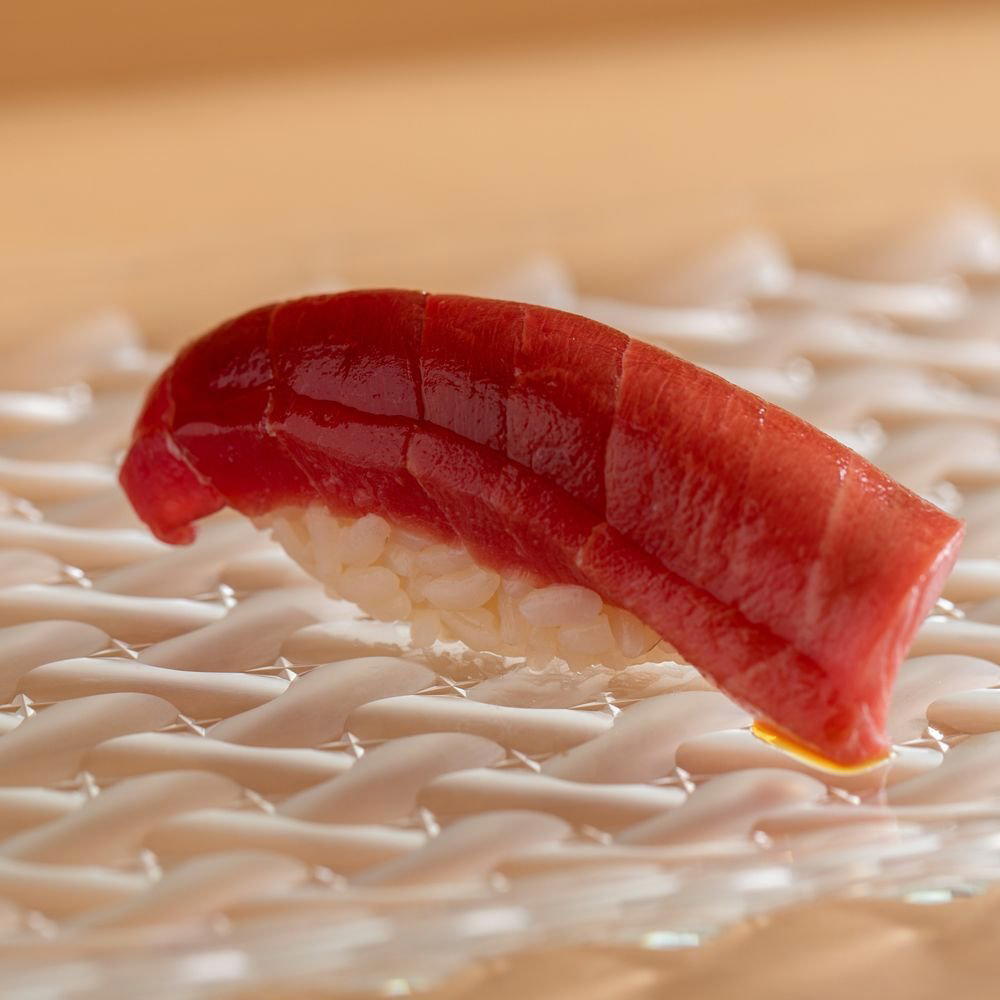
The practitioner detail that accumulates into a loyal clientele is rarely a single showpiece piece. At Shigenaga, it shows up in several places. The fatty tuna, formed with salt rather than the more conventional soy brush, produces a cleaner, more direct flavour signal. Salt draws out the fat without the layered fermentation note that tamari adds; the result is a piece where the fish speaks without editorial comment from the seasoning.
Sea urchin portions here run generous, which is not always the case at Edo-style counters where restraint in portioning is sometimes treated as a mark of sophistication. The choice to give the ingredient room is a confident one: good uni needs space on the rice, not a token placement. And the rolled omelette, often treated as a filler piece at less attentive counters, carries the mark of long practice, the kind of tamago that regulars assess before sitting down, because its texture and sweetness calibration tell them what kind of session they are about to have.
The sake vessels deserve a note. Satsuma cut glass, from the Kagoshima tradition, is among Japan's most technically demanding glassware, produced by cutting and polishing hand-blown coloured glass in layered patterns. Serving sake in Satsuma kiriko at an Osaka sushi counter is not a decorative accident; it reflects a specific regional pride and a considered relationship with craft objects that extends beyond the food itself. The room communicates through its objects as much as its technique.
Where This Counter Sits in the Osaka Picture
Osaka's high-end dining scene is weighted heavily toward French-influenced and kaiseki formats. The city's Michelin-starred cohort includes French and innovative houses like HAJIME and La Cime, and kaiseki institutions like Kashiwaya Osaka Senriyama and Taian, alongside innovative formats like Fujiya 1935. Serious Edo-style sushi counters occupy a smaller niche within that structure, and counters of this character, technically disciplined, neighbourhood-anchored, reliant on repeat business rather than tourism volume, represent a distinct category.
Seeing what the format looks like when transplanted to Osaka, adapted to local supply channels while maintaining eastern technical standards, is part of what makes a visit here instructive. Related dining in the wider Kansai and Kyushu region can be tracked through Gion Sasaki in Kyoto and Goh in Fukuoka, both of which illuminate how differently the tradition of careful, ingredient-led Japanese cooking expresses itself across cities. Further afield, akordu in Nara, 1000 in Yokohama, and 6 in Okinawa add useful comparative points for the reader building a broader Japan dining picture. For cross-format reference outside Japan, the kind of seafood-first technical discipline this counter represents has parallels at Le Bernardin in New York City, or in the ingredient-led precision of Atomix.
Osaka's full dining context is covered in our full Osaka restaurants guide. For planning a broader trip, see also our full Osaka hotels guide, our full Osaka bars guide, our full Osaka wineries guide, and our full Osaka experiences guide.
Planning a Visit
Sushi Shigenaga is located on the third floor of New Central Building in Sonezaki Shinchi, Kita Ward. The address is 曽根崎新地1丁目6-13, and the counter is accessible from the Osaka Metro Tanimachi Line at Higashi-Umeda or the Hankyu Umeda station cluster. Sonezaki Shinchi is a compact district and most of it is walkable from the Umeda interchange.
Given the neighbourhood positioning and the counter's evident focus on repeat trade, an advance reservation is strongly advisable; walk-in availability at a Kita Ward sushi counter of this character is unlikely, particularly on weekday evenings when the surrounding entertainment district is active.
Quick reference: Sushi Shigenaga, New Central Building 3F, Sonezaki Shinchi 1-6-13, Kita Ward, Osaka. Reservation recommended; contact details to be confirmed directly.
Frequently asked questions
What do people recommend at Sushi Shigenaga?
Among the pieces that return visitors pay closest attention to: the fatty tuna formed with salt rather than soy, which produces a clean, direct flavour without the added fermented note; generous sea urchin portions that give the ingredient proper presence on the rice; and the rolled omelette, which regulars treat as a benchmark for the session ahead. The rice itself is the constant, held at body temperature and seasoned in the sharper, eastern-Japan style, a deliberate departure from the sweeter Osaka norm that sets the tone for everything that follows. The Satsuma cut-glass sake vessels are also worth noting as objects, not incidentals.
Do I need a reservation for Sushi Shigenaga?
A reservation is strongly advisable. Counters of this type in Osaka's Kita Ward operate primarily on regular and referred trade, and the Sonezaki Shinchi location places the counter within an active evening hospitality district where competition for seats at respected addresses is consistent. Edo-style omakase counters in Japanese cities at this level of craft rarely hold walk-in capacity. Because EP Club's database does not currently include phone or website details the practical step is to research current contact information through local concierge services or platforms that list Osaka sushi reservations, and to book well in advance of any planned visit.
A Tight Comparison
Comparable venues nearby, for context on price, style, and recognition.
| Venue | Cuisine | Price | Awards | Notes |
|---|---|---|---|---|
| Sushi ShigenagaThis venue (the venue you are viewing) | Edomae Sushi Omakase | $150–200 | 1 Michelin Star | Not listed |
| Kushikatsu Daibon | Modern Kushikatsu | $100–150 | Michelin Plate · Tabelog Bronze #51 | Kita, Modern Kushikatsu |
| Sumisho Mikuriya | Yakitori | $50–100 | Michelin Bib Gourmand · Tabelog 100 #58 | Kita, Yakitori |
| Shunzen Kiraku | 浪速割烹 Japanese Kaiseki | $100–150 | Michelin Plate | Chūō, Naniwa Kappo |
| Naniwaryori Satou | Naniwa Ryori (Osaka-style Japanese Cuisine) | Not listed | Michelin Plate | Kita, Naniwa Ryori (Osaka-style Japanese Cuisine) |
| Hide | Japanese Izakaya | $500+ | Tabelog Bronze #105 | Chūō, Traditional Izakaya |
Recognition history
Dated appearances from independent guides and award organizations, with the underlying list record or original source where available.
Michelin 1 Star
Michelin
Continue exploring
More in Osaka
Restaurants in Osaka
All restaurants in Osaka →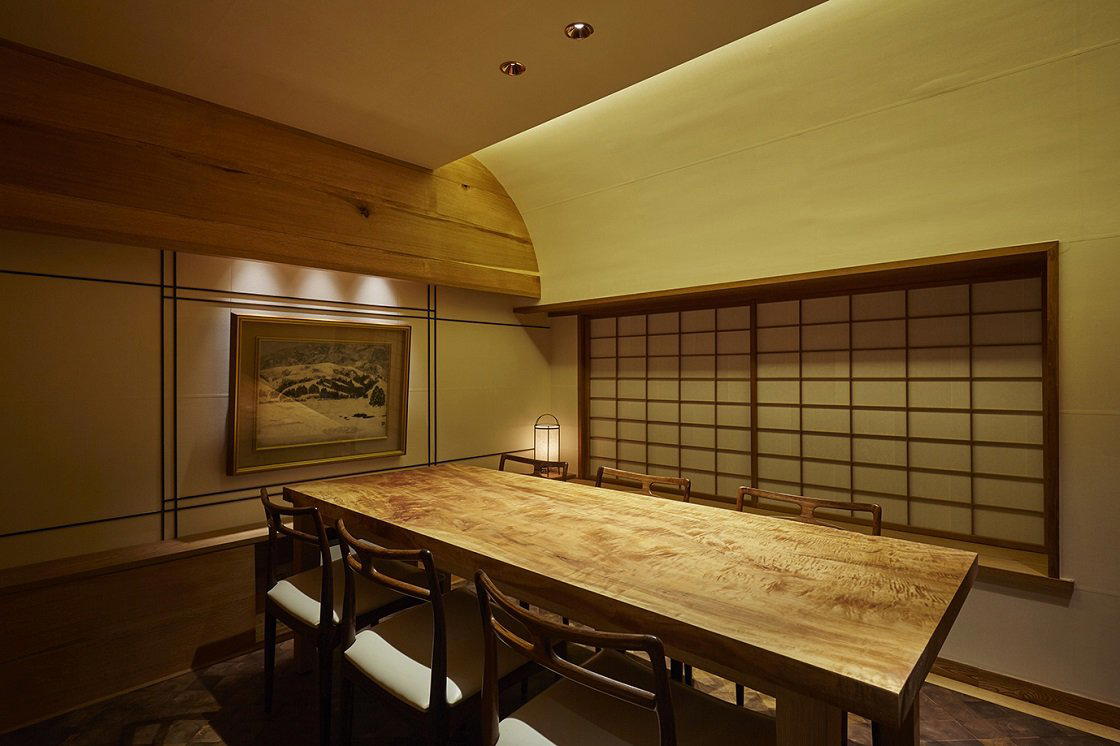
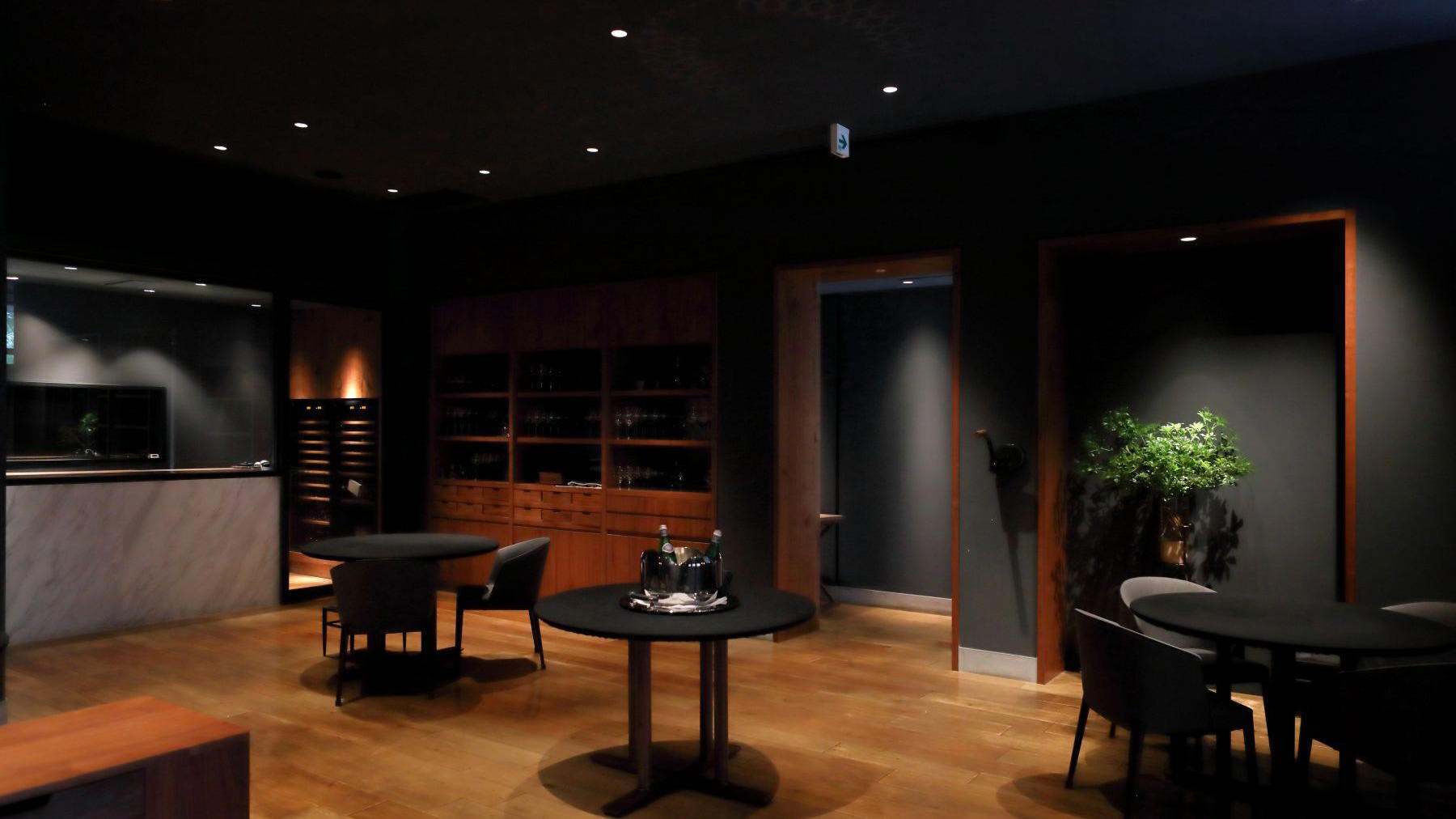
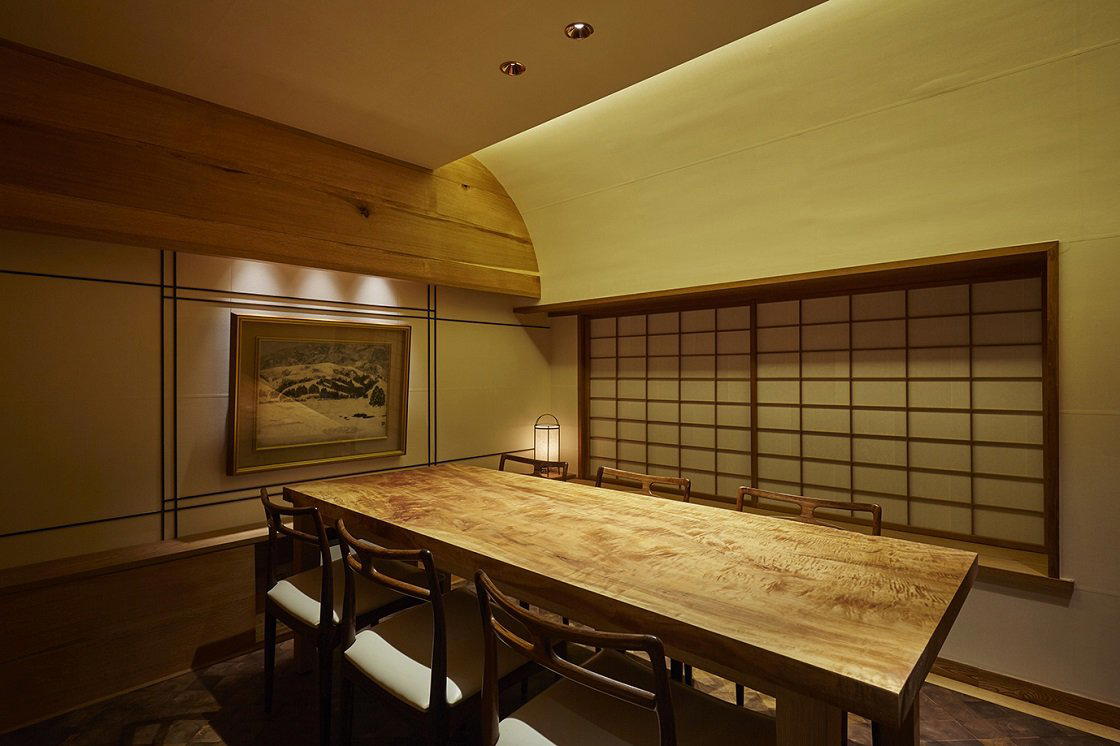
Bars in Osaka
All bars in Osaka →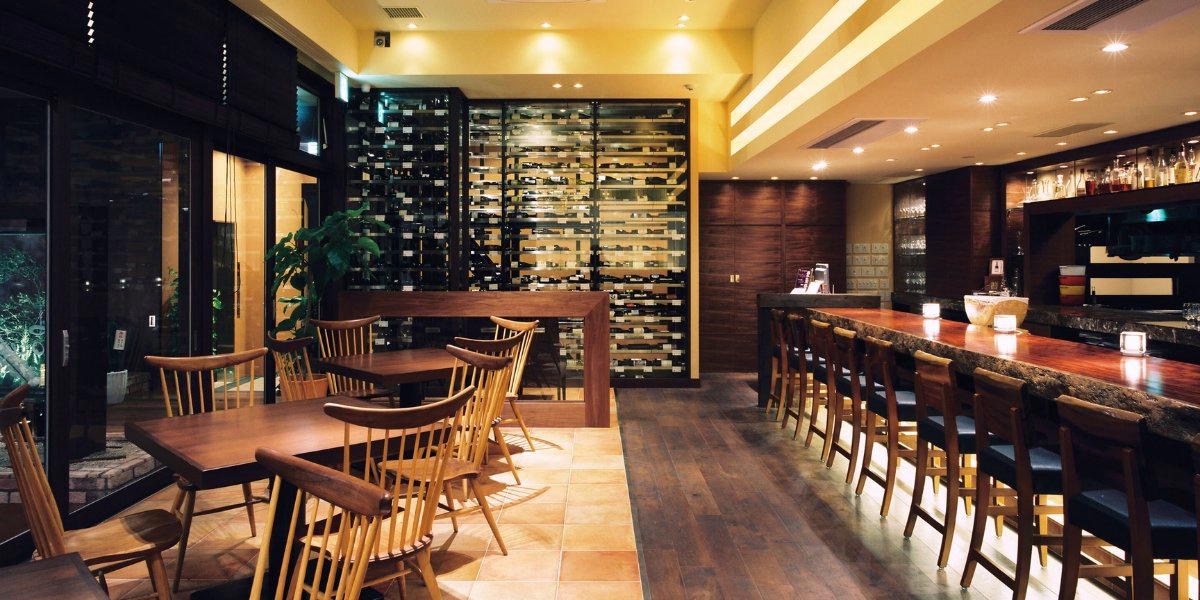
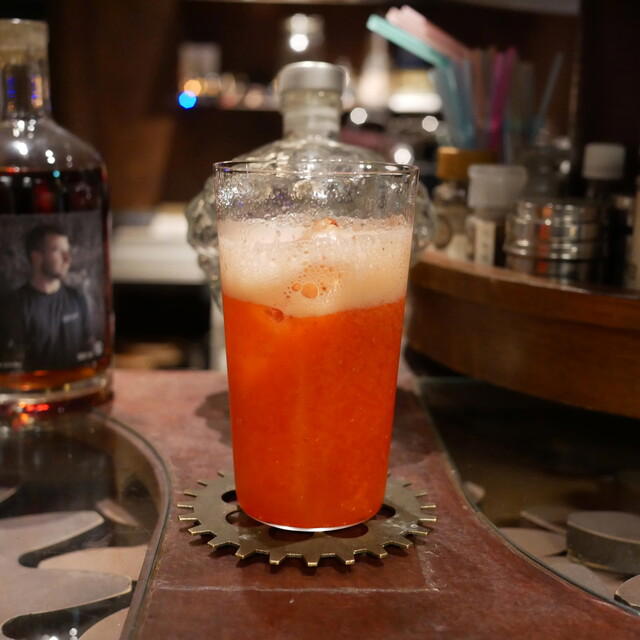
Hotels in Osaka
All hotels in Osaka →
Wineries in Osaka
Browse all →
Details
- Intimate
- Relaxed
- Elegant
- Date Night
- Special Occasion
- Solo
- Chefs Counter
- Sake Program
- Sustainable Seafood
- Omakase
- Counter Dining
- Sake
- Pescatarian Friendly
Current opening hours
- Monday
- 6–10:30 PM
- Tuesday
- 6–10:30 PM
- Wednesday
- 6–10:30 PM
- Thursday
- 6–10:30 PM
- Friday
- 6–10:30 PM
- Saturday
- 6–10:30 PM
- Sunday
- 6–8:30 PM
Hours can change for holidays and private events. Hours as of .
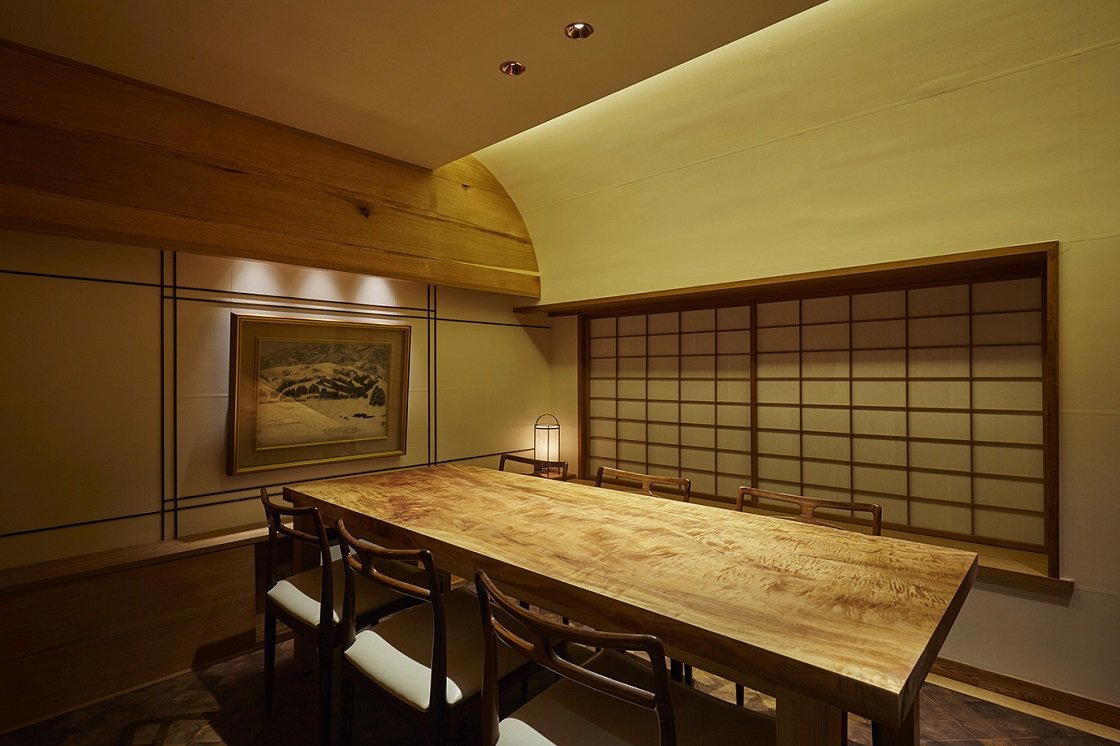
Bright and cozy space with a striking Yoshino cypress counter, creating a relaxing and stylish atmosphere enhanced by the warm hospitality of the chef and hostess.