W4 – Wein occupies a Kellergasse address in the Weinviertel town of Röschitz, placing it at the working end of Austria's wine culture rather than its polished fine-dining tier. The cellar-lane setting at Ziegelstadel Kellergasse 1 connects directly to the region's agricultural wine tradition, where provenance is geography rather than a menu footnote. A distinct counterpoint to Austria's starred restaurant circuit.
Pearl is the En Primeur Club membership app — saves, bookings, and concierge access live there. Same editors, same standards.
- Address
- Im Ziegelstadl, Ziegelstadel Kellergasse 1, 3743 Röschitz, Austria
- Phone
- +43298421486
- Website
- w-4.at
- Directions
- Get directions
 Saves & bookings on Pearl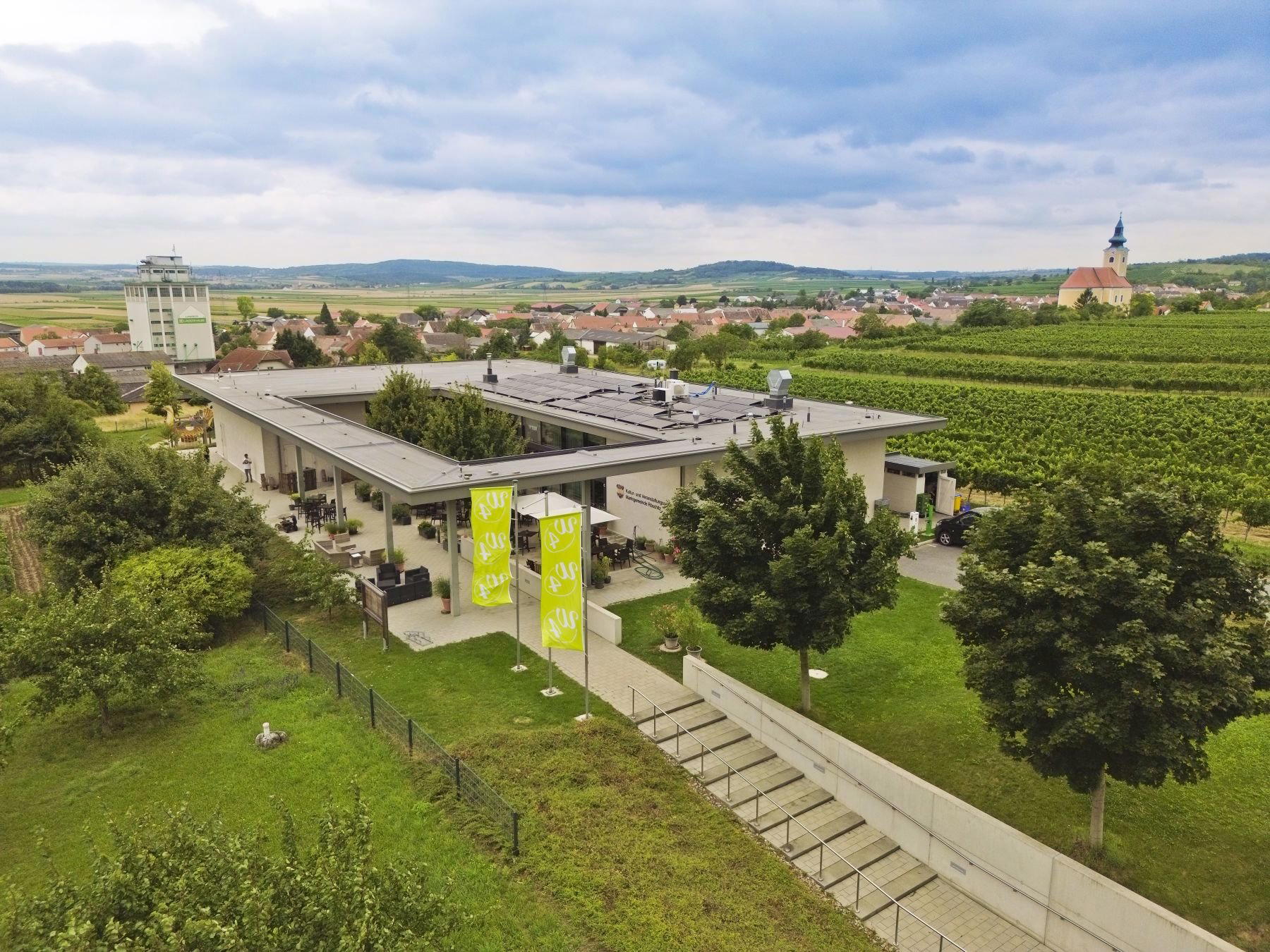
Kellergasse Country: The Wine Cellar Lanes of Lower Austria
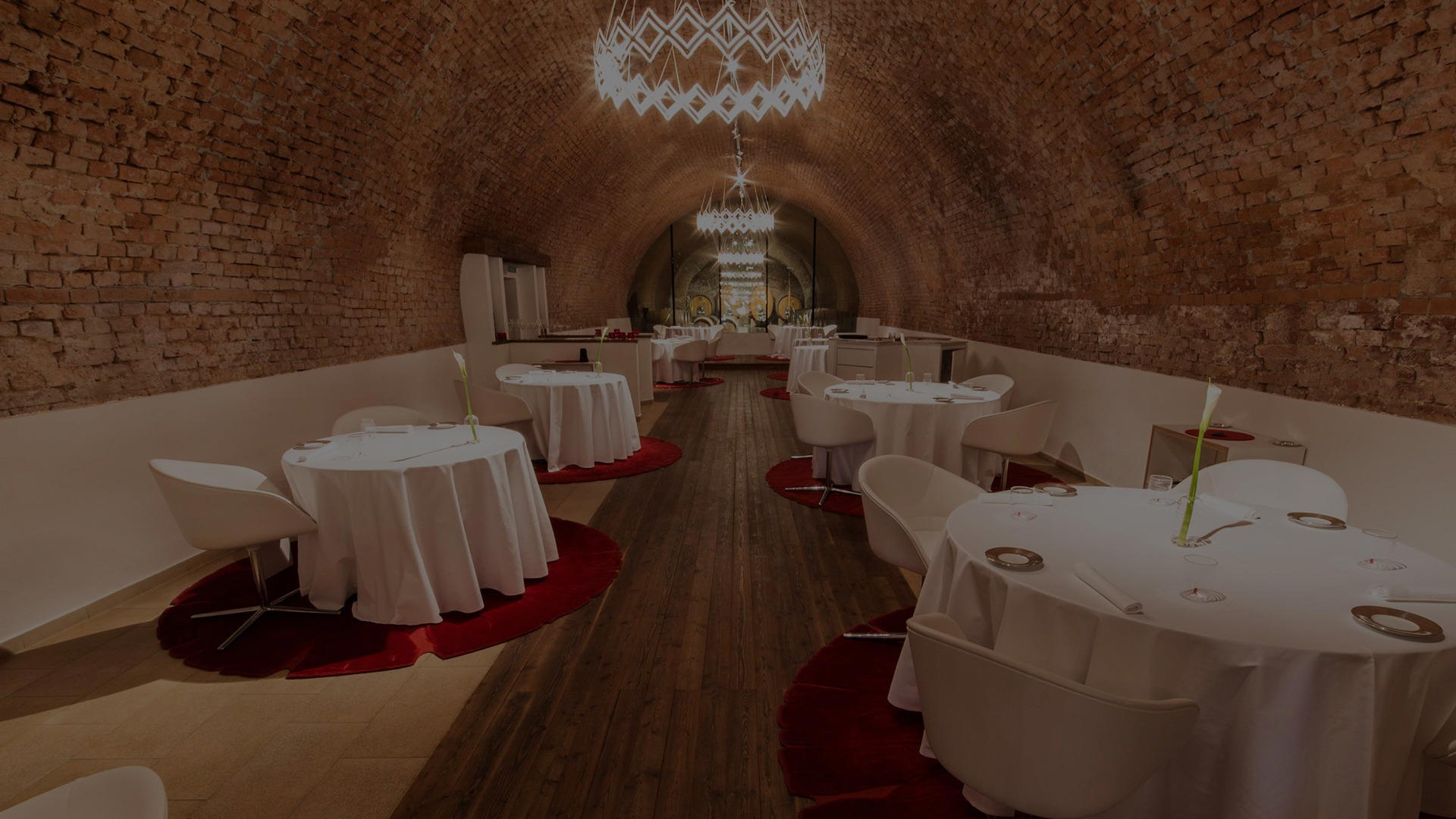
Drive north from Vienna into the Weinviertel and the landscape shifts quietly from motorway sprawl to rolling vine country, where villages like Röschitz have organised their communal wine life around the Kellergasse, the cellar lane. These are rows of low-arched press houses and barrel cellars dug into the hillside, many centuries old, built by farming families who needed somewhere cool and collective to store their harvests. The Kellergasse is not a tourist construct; it is a working agricultural institution, and in Röschitz it remains that. W4 – Wein is located at Ziegelstadel Kellergasse 1, placing it at the entrance to one such lane, the Ziegelstadel, where the architecture itself tells you what kind of drinking culture you are entering.
This matters as context because Austria's premium wine scene tends to be discussed through its most decorated addresses, the Wachau's grand crus, the Kamptal's mineral Grüner Veltliners, the Ried-designated single-vineyard bottlings that now trade at serious auction prices. Venues like Steirereck im Stadtpark in Vienna or Landhaus Bacher in Mautern an der Donau anchor that conversation at the fine-dining end. W4 – Wein operates in a different register entirely: a cellar-lane address in a small Weinviertel town, positioned closer to the source of the wine than to the white-tablecloth rooms that serve it.
What the Weinviertel Does Differently
The Weinviertel is Austria's largest wine-growing region by area, producing more wine than the Wachau and Kamptal combined, yet it receives a fraction of the critical column inches. The region's dominant variety, Grüner Veltliner, is made here at every price point from everyday litre bottles to serious single-vineyard expressions. The terroir in the northern Weinviertel around Röschitz tends toward sandy and loam-heavy soils with a continental climate, warm growing seasons, cold winters, and diurnal temperature swings that preserve acidity in the finished wines.
This is the agricultural and viticultural context that gives a venue on a Kellergasse its meaning. The cellar lanes were not designed for tourism; they were designed for production and communal storage. When a wine address occupies one of these spaces, it is borrowing an identity deeply rooted in the region's self-image: wine as local industry, not performance. Compare that positioning to something like Taubenkobel in Schützen am Gebirge, which has built a destination-dining model in Burgenland around regional produce and wine, or Döllerer in Golling an der Salzach, which frames sourcing as its central editorial statement. Proximity to origin is now a competitive credential across Austrian dining at every level.
Ingredient Sourcing and the Kellergasse Ethos
The Kellergasse model implies a particular relationship to provenance. Press houses on these lanes were traditionally operated by the same families who worked the surrounding vineyards, meaning the distance between vine and cellar was measured in minutes of walking. That origin logic, hyper-local, seasonal, tied to a specific patch of ground, is the same principle that now drives sourcing conversations at Austria's most discussed dining addresses, from Ikarus in Salzburg to Kräuterreich by Vitus Winkler in Sankt Veit im Pongau, though the execution and ambition differ considerably.
At the Kellergasse level, sourcing tends to be self-evident rather than narrated. The wine in the glass comes from the region around you, often from the cellar beneath your feet or a neighbour's barrel three doors down. This is not farm-to-table as marketing positioning; it is farm-to-table as simple geography. The Weinviertel's cooperative and estate wine structure means that a Kellergasse address like W4 – Wein is likely operating within a dense network of local growers, where the provenance question answers itself. Austria's wine law, with its DAC (Districtus Austriae Controllatus) designations protecting regional typicity, adds a regulatory layer to that geographic identity: a Weinviertel DAC on the label is a legally bounded claim about where the grapes grew and how the wine was made.
For comparison, the sourcing conversations happening at Obauer in Werfen or Ois in Neufelden involve chefs actively selecting from a curated network of named producers and farms. The Kellergasse model inverts that: the producer and the venue may be the same entity, or at least immediate neighbours, which removes several layers of supply chain between origin and glass.
Atmosphere and Setting
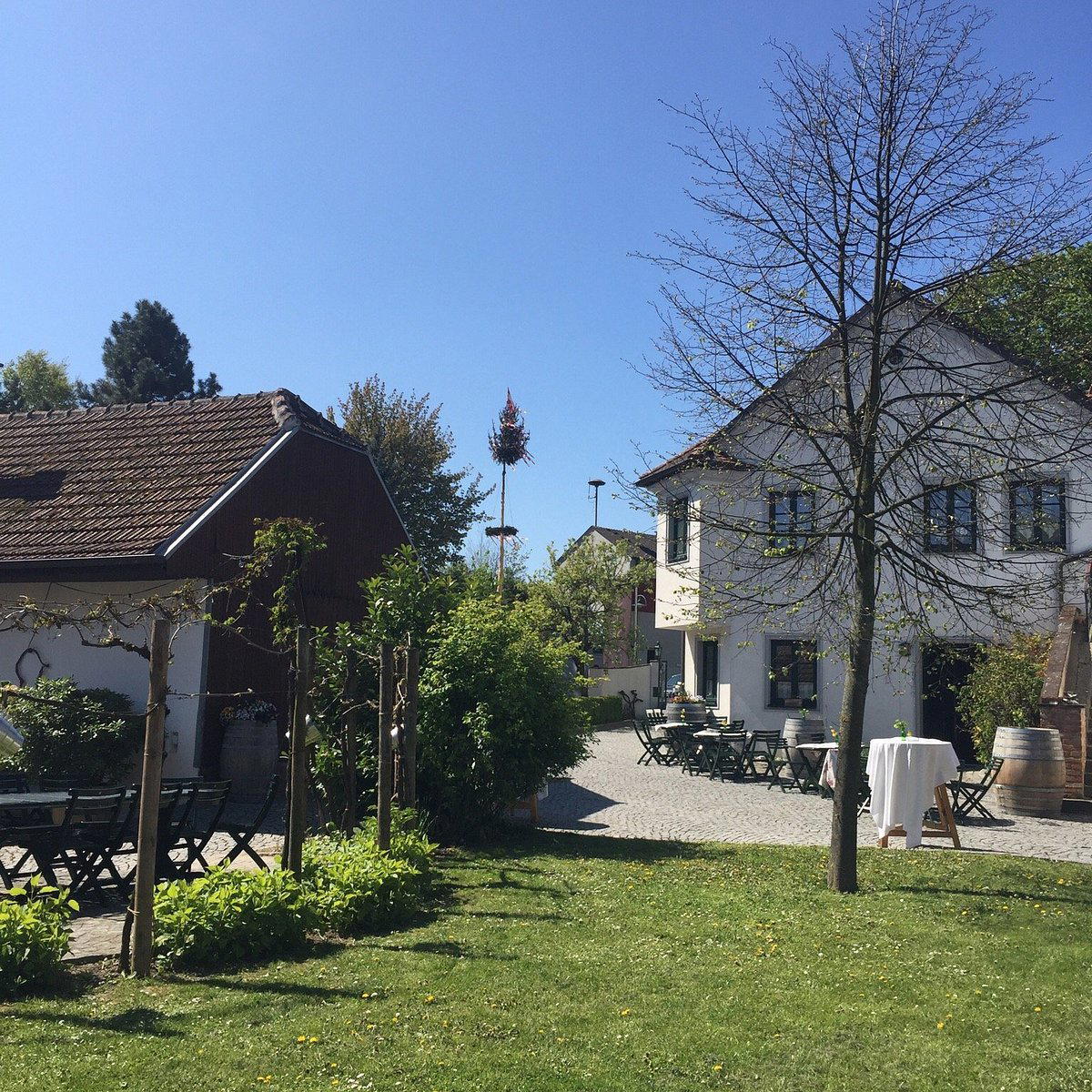
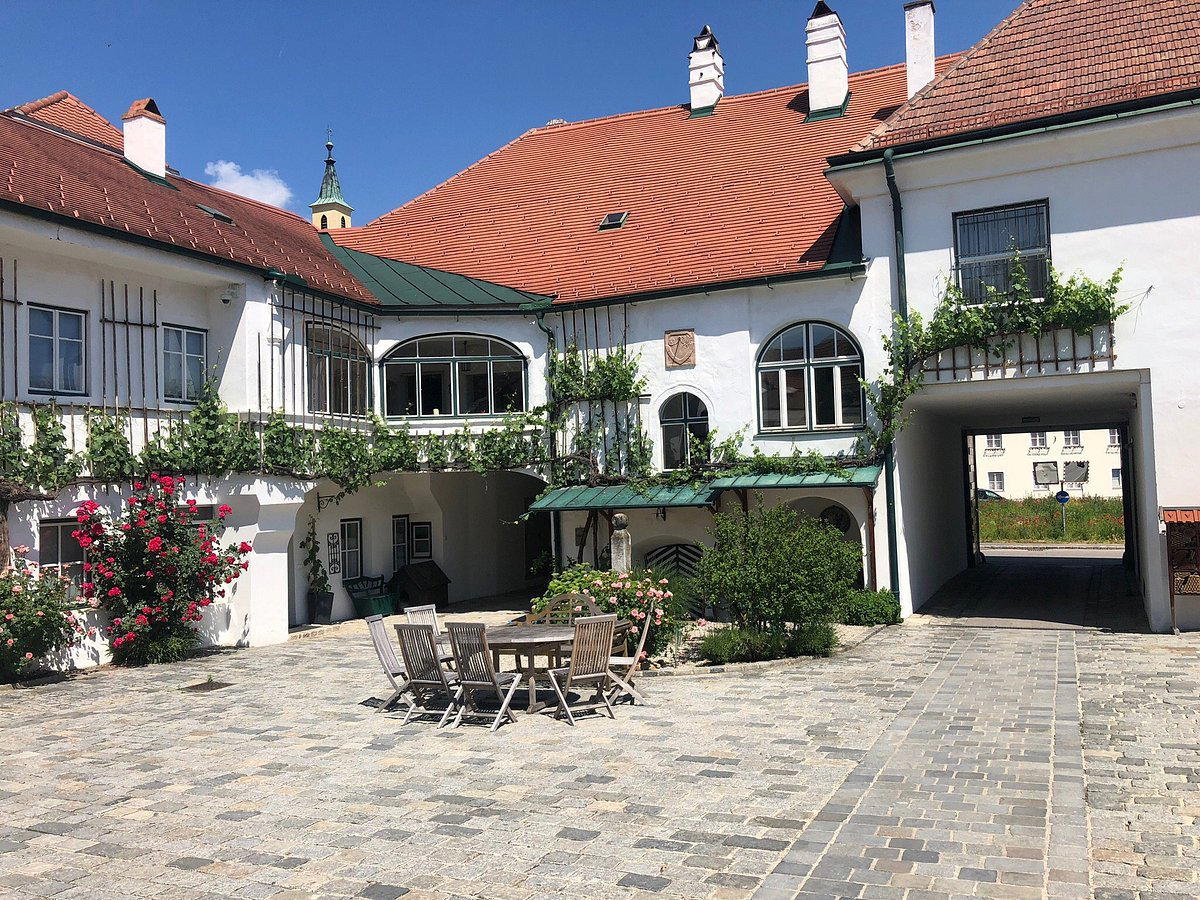
Kellergasse addresses have a particular physical character that no amount of interior design can replicate. Stone or rendered facades, low doorways, the smell of must and old oak in the air during harvest season, and a quiet that is countryside-quiet rather than city-restaurant-quiet. The Ziegelstadel Kellergasse in Röschitz carries that character, and an address at its entrance positions W4 – Wein at the threshold between the lane's working identity and whatever public-facing offer it makes.
The atmosphere of a Kellergasse wine stop tends toward the informal and the unhurried. This is not the kind of address where tasting menus progress through twelve courses with matching pairings explained by a sommelier in white gloves. The peer frame here is the Austrian Heuriger tradition, licensed wine taverns where producers serve their own wine alongside simple food, rather than the starred-restaurant circuit that runs from Gourmetrestaurant Tannenhof in Sankt Anton am Arlberg to Griggeler Stuba in Lech. The appropriate comparison set is regional and unpretentious, which is not a criticism, it is a description of what this type of address is built for.
Where W4 – Wein Sits in the Broader Austrian Wine Scene
Austria's wine identity has been rebuilt with considerable discipline since the 1985 glycol scandal reshaped the industry's regulatory and reputational foundations. The country now produces some of Europe's most precisely defined regional wines, and the Weinviertel is part of that story even if it operates outside the prestige tier occupied by Wachau Smaragd or Kamptal Reserve bottlings. A Kellergasse address in Röschitz is a point of access to that regional wine culture at close range, without the mediation of a wine list curated by a restaurant sommelier.
For readers whose Austrian dining reference points run from Schwarzer Adler in Hall in Tirol to Artis in Graz or Atelier Fischer in Sankt Gilgen, the restaurant occupies a different position entirely, not a competitor to those addresses but a different kind of encounter with Austrian food and wine culture. The sourcing logic is similar in principle (local, regional, tied to specific ground) but the format is stripped back to its working essentials. If the dining format at Stüva in Ischgl or Restaurant 141 by Joachim Jaud in Mieming is the polished presentation of regional identity, the Kellergasse model is that identity in its unreconstructed form.
For readers who want to extend the wine-and-food itinerary to the international tier, Le Bernardin in New York City and Atomix in New York City represent the kind of sourcing-led precision dining that shares a philosophical baseline with Austrian regionalism, even if the geography and price point differ considerably.
How It Stacks Up
Comparable venues nearby, for context on price, style, and recognition.
| Venue | Cuisine | Price | Notes |
|---|---|---|---|
| W4 – WeinThis venue — the venue you are viewing | Traditional Austrian Regional | $$$ | Not listed |
| Genusswirtschaft | Modern Austrian Fine Dining | $$$ | Weinviertel |
| Café & Restaurant Motto am Fluss | Modern Austrian with International Influences | $$$ | Innere Stadt |
| Bruder – Küche & Bar | Modern Central European with Fermented Cocktails | $$$ | Mariahilf |
| Dorfhotel Fasching | Austrian Alpine Cuisine | $$$ | Fischbach |
| Casino Restaurant Baden | Austrian Fine Dining | $$$ | Centre |
Continue exploring
More in Röschitz
Restaurants in Röschitz
Browse all →
Bars in Röschitz
Browse all →

Hotels in Röschitz
Browse all →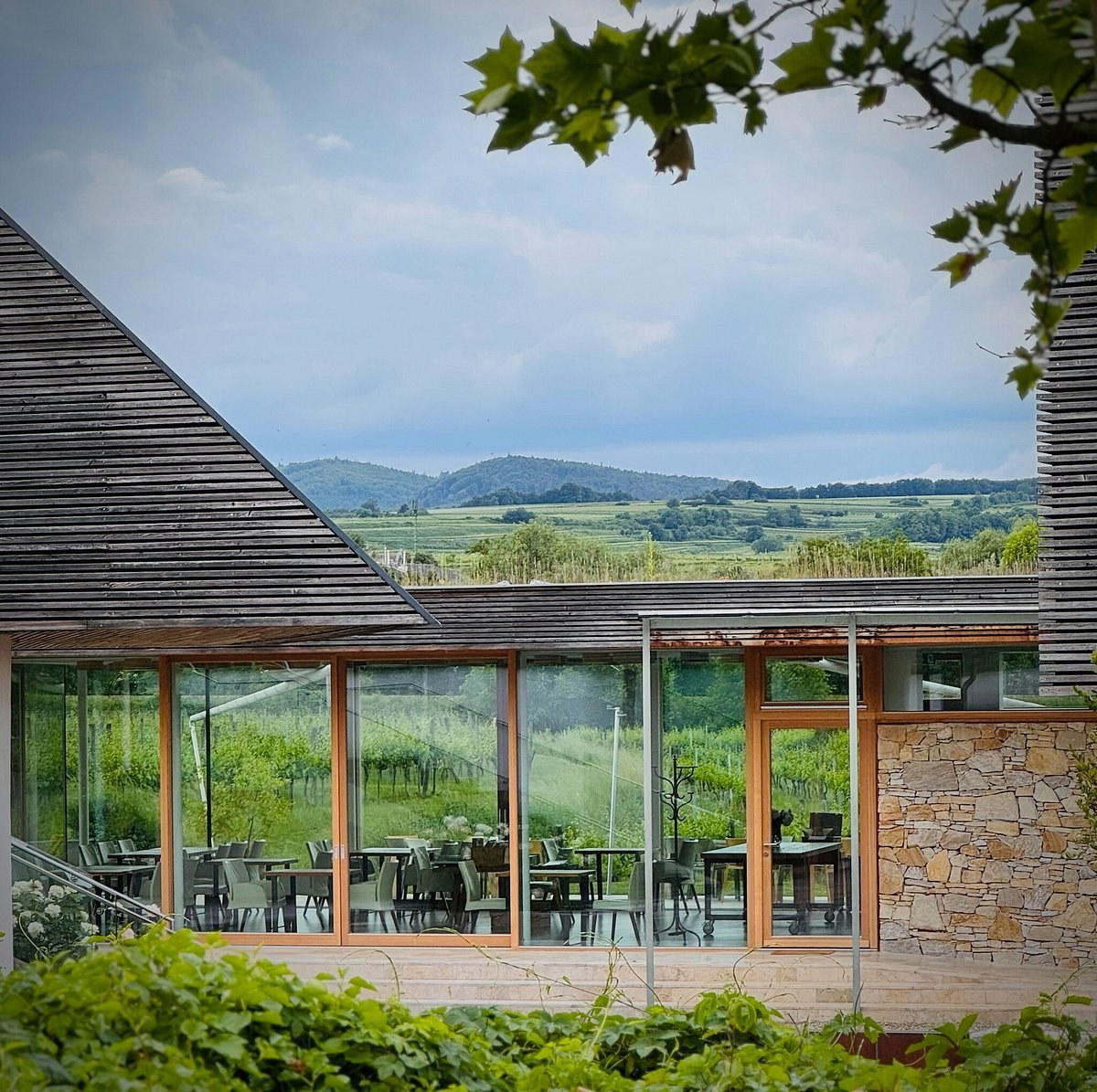
At a Glance
- Scenic
- Modern
- Cozy
- Elegant
- Special Occasion
- Group Dining
- Celebration
- Wine Cellar
- Panoramic View
- Extensive Wine List
- Local Sourcing
- Vineyard
Current opening hours
- Monday
- Closed
- Tuesday
- Closed
- Wednesday
- 11:30 AM–4 PM
- Thursday
- 11:30 AM–4 PM
- Friday
- 11:30 AM–10 PM
- Saturday
- 11:30 AM–10 PM
- Sunday
- 11:30 AM–4 PM
Hours can change for holidays and private events. Last verified .
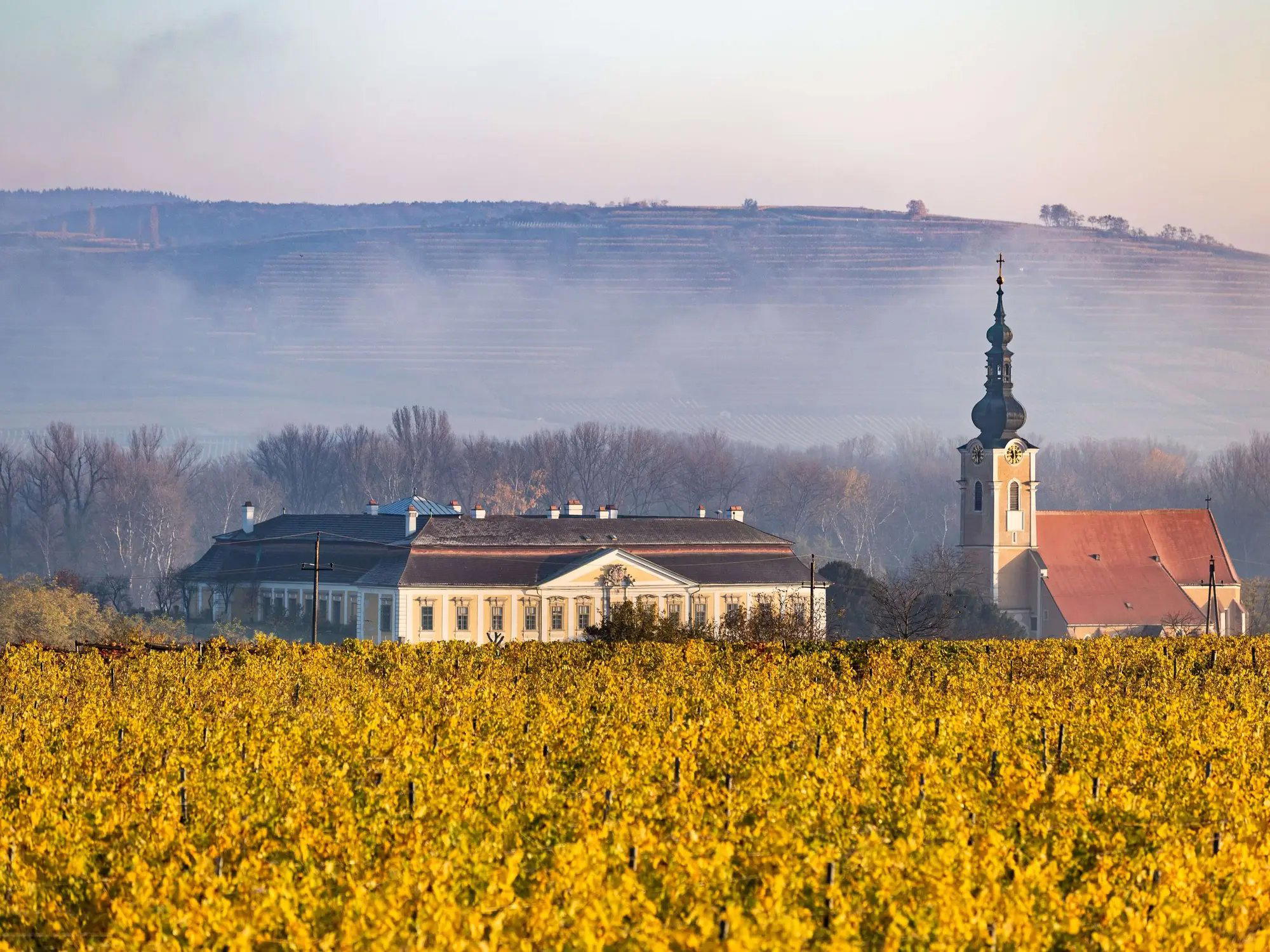
Transparent glass construction provides sensational panoramic views of surrounding vineyards, creating a serene and culturally rich atmosphere in a quiet hillside location.