Genusswirtschaft sits in Mailberg, a small wine village in Lower Austria's Weinviertel where the land itself sets the menu. The format belongs to a tradition of Austrian Heuriger-adjacent dining rooms that let regional ingredients do the talking, pairing local produce with wines drawn from the surrounding vineyards. For visitors to the area, it represents the kind of grounded, place-specific eating that the Weinviertel does quietly well.
Pearl is the En Primeur Club membership app — saves, bookings, and concierge access live there. Same editors, same standards.
- Address
- Mailberg 252, 2024 Mailberg, Austria
- Phone
- +43 2943 30056
- Website
- genusswirtschaft-mailberg.at
- Directions
- Get directions
 Saves & bookings on Pearl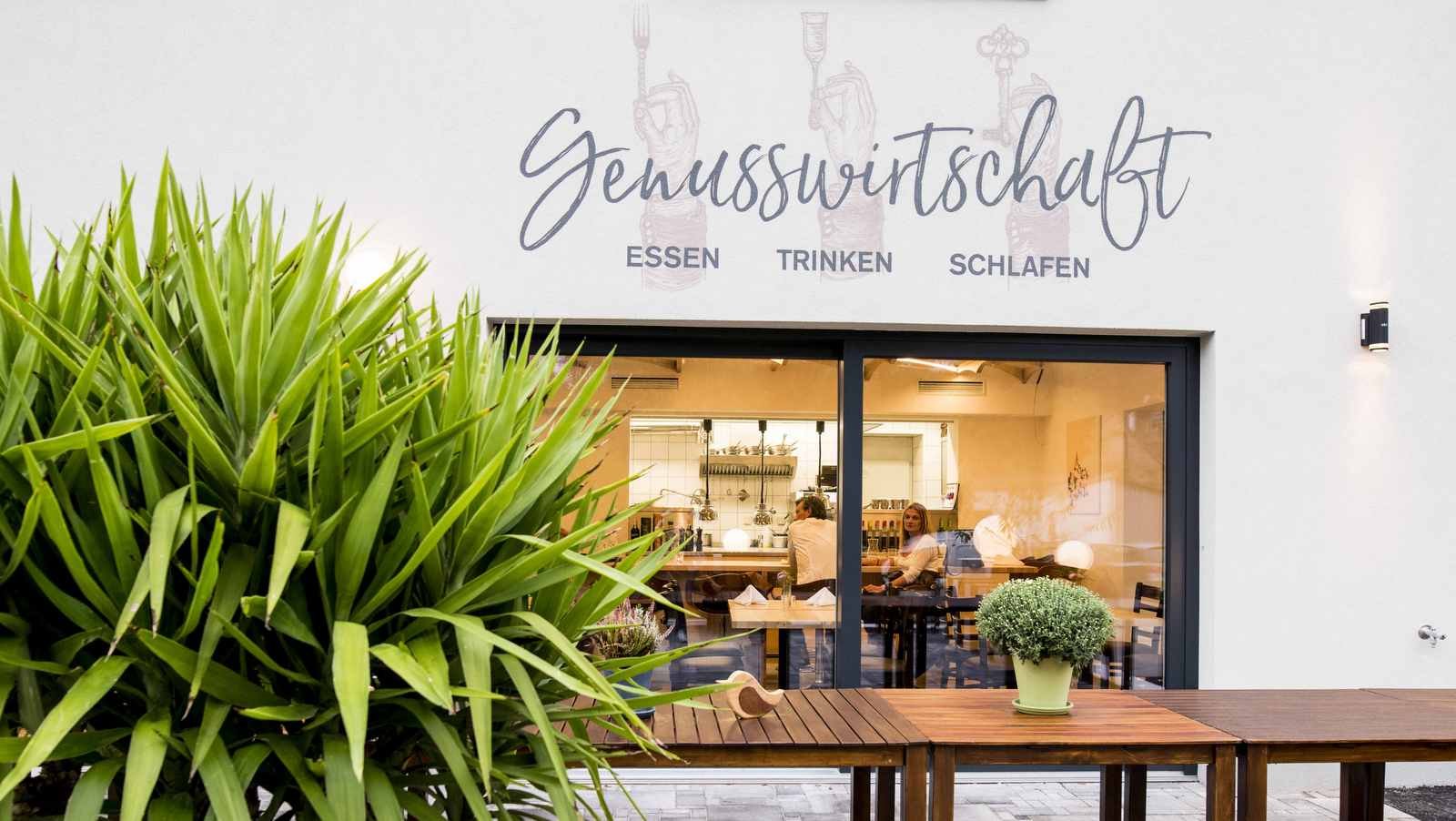
Where the Weinviertel Puts Food on the Table
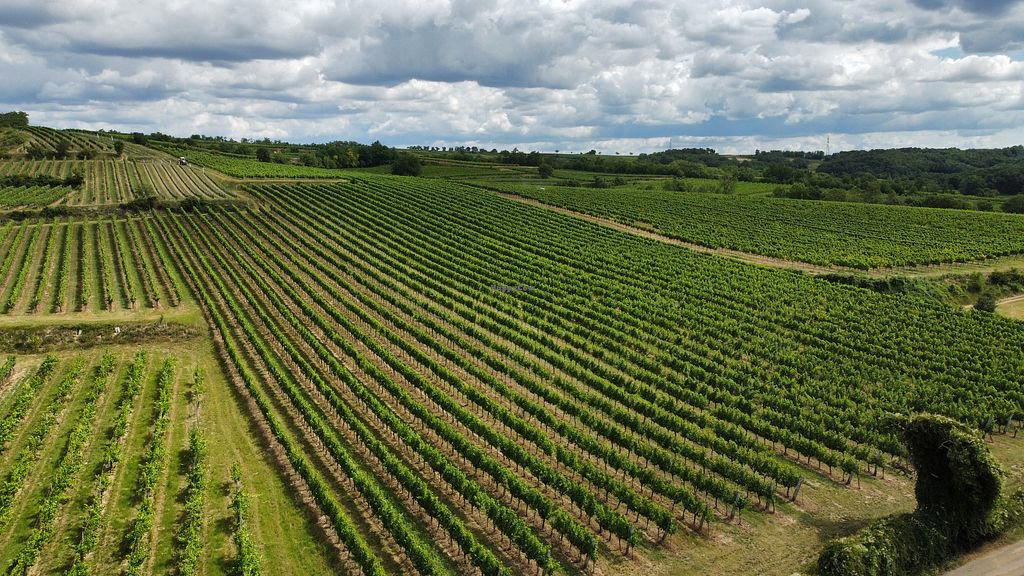
Mailberg sits in the Weinviertel, the broad agricultural plateau north of Vienna that produces more wine by volume than any other Austrian region yet receives a fraction of the press attention that Wachau or Kamptal attract. The roads here run between field and vineyard without ceremony. Villages are small, distances between them short, and the food culture that has developed across the plateau reflects that agricultural density: produce travels a short distance from ground to kitchen, and what appears on the plate tends to be whatever the season has made abundant. Genusswirtschaft, addressed at Mailberg 252, belongs to this tradition.
The word Genusswirtschaft combines Genuss (pleasure, or enjoyment) with Wirtschaft (an inn or tavern), signalling a format that sits between a Heuriger wine tavern and a proper restaurant. Across Lower Austria, this category of dining room has become a vehicle for growers and smallholders to present their produce with more attention than a standard tavern allows, without the formality or price register of the fine-dining tier. It is a format worth understanding before you arrive, because it shapes expectations around service tempo, menu structure, and the relationship between food and wine on the table.
Ingredient Logic in a Wine Village
The Weinviertel's agricultural character is the central fact of eating well here. The region produces grain, pumpkin, asparagus, game, and root vegetables alongside its wine, and the kitchens that take sourcing seriously draw from a supply network that rarely extends beyond a few dozen kilometres. In a wine village like Mailberg, the proximity of Weingut Hagn and other local producers means that the connection between cellar and kitchen is literal rather than aspirational. Growers are often neighbours.
This model of hyper-local sourcing contrasts with what drives Austria's celebrated urban and resort dining. At Steirereck im Stadtpark in Vienna, sourcing is a deliberate program built around named producers and long-standing supplier relationships, presented with the infrastructure of a major restaurant operation. At Döllerer in Golling an der Salzach, Alpine ingredient logic drives a contemporary Austrian menu at the leading price tier. What the Weinviertel's smaller Genusswirtschaft format offers is sourcing by proximity rather than by curation: the ingredient is local because there is no reason for it not to be, and the menu follows from that fact rather than constructing itself around it.
Compared to destination restaurants with deep wine program architecture, like Landhaus Bacher in Mautern an der Donau or Obauer in Werfen, a village Genusswirtschaft operates with different priorities. The wine list at such a place will typically be short and regional. The food will be seasonal in direct sense. The service will be unhurried. These are features of the format, not gaps in ambition.
The Setting and What It Asks of the Visit
Mailberg is not a destination you pass through. It sits in the quieter north of the Weinviertel, away from the main wine tourism corridors, and reaching it means committing to a drive across open agricultural country. That self-selection is part of what the place offers. Dining rooms in villages like this one carry a different register than those in resort towns or city neighbourhoods, where foot traffic and reputation management shape the experience. Here, the room is likely to be full of people who have made a specific decision to come.
The physical setting of the Weinviertel rewards unhurried attention. The plateau has a spare, open quality that is distinct from the dramatic river gorge scenery of Wachau or the Alpine verticality that frames restaurants like Schwarzer Adler in Hall in Tirol or Gourmetrestaurant Tannenhof in Sankt Anton am Arlberg. It is agricultural rather than scenic, and the dining that makes sense here reflects that character: grounded, seasonal, direct.
Where Genusswirtschaft Sits in Austrian Dining
Austria's restaurant culture has two parallel tracks that rarely intersect. One runs through the Michelin-recognised dining rooms: Taubenkobel in Schützen am Gebirge, which works modern Austrian and French contemporary references at the summit of the Burgenland wine country; Ikarus in Salzburg, with its rotating guest chef format; Kräuterreich by Vitus Winkler in Sankt Veit im Pongau, built around Alpine herb sourcing with formal tasting menu structure. The other track runs through the inns, Heurigen, and Genusswirtschaften that form the daily fabric of eating and drinking across the country's agricultural regions. The latter category is older, less photographed, and more representative of how Austria actually eats.
The Genusswirtschaft format sits at the more serious end of that second track. It implies more kitchen attention than a standard Heuriger, more investment in what arrives on the plate, and a clearer editorial point of view about what the region produces. In that sense, it occupies a niche analogous to what American farm-to-table dining rooms attempted in the 2010s, though the Austrian version draws on a tradition of inn culture that predates the concept by centuries. Internationally, the closest analogues might be the kind of producer-anchored dining format found at places like Lazy Bear in San Francisco, though the register and price point differ considerably.
Planning a Visit
Mailberg is reachable by car from Vienna in under an hour, placing it within range of a half-day or full-day excursion that could include vineyard visits and a circuit of the northern Weinviertel. The village is small enough that Genusswirtschaft at Mailberg 252 will be direct to locate. For those building a broader Austrian dining itinerary, the Weinviertel pairs logically with a stop at Atelier Fischer in Sankt Gilgen or, if extending west, with Ois in Neufelden or Restaurant 141 by Joachim Jaud in Mieming.
The format and scale of a village Genusswirtschaft means availability can be limited, particularly at weekends when wine tourism in the region is at its highest. Visiting outside of peak summer and harvest season, broadly October through April, often means a quieter room and produce that reflects the colder months rather than the asparagus and courgette abundance of summer.
Comparison Snapshot
Comparable venues nearby, for context on price, style, and recognition.
| Venue | Cuisine | Price | Notes |
|---|---|---|---|
| GenusswirtschaftThis venue — the venue you are viewing | Modern Austrian Fine Dining | $$$ | Not listed |
| Weingut Hagn | Regional Austrian Wine Estate Cuisine | $$$ | Mailberg |
| Winery Nigl | Traditional Austrian Regional | $$$ | Senftenberg |
| Steinhart | Modern Austrian | $$$ | Favoriten |
| Restaurant Thomas | Traditional Austrian Winery Cuisine | $$$ | Tattendorf |
| Landgasthaus Böhm | Traditional Austrian Regional | $$$ | Weinzierl |
Continue exploring
More in Mailberg
Restaurants in Mailberg
Browse all →
Bars in Mailberg
Browse all →
Hotels in Mailberg
Browse all →

At a Glance
- Cozy
- Rustic
- Elegant
- Intimate
- Special Occasion
- Date Night
- Courtyard
- Extensive Wine List
- Local Sourcing
- Vineyard
Current opening hours
- Monday
- 5–10 PM
- Tuesday
- 5–10 PM
- Wednesday
- Closed
- Thursday
- Closed
- Friday
- 5–10 PM
- Saturday
- 11 AM–2:30 PM, 5–10 PM
- Sunday
- 11 AM–2:30 PM, 5–10 PM
Hours can change for holidays and private events. Last verified .
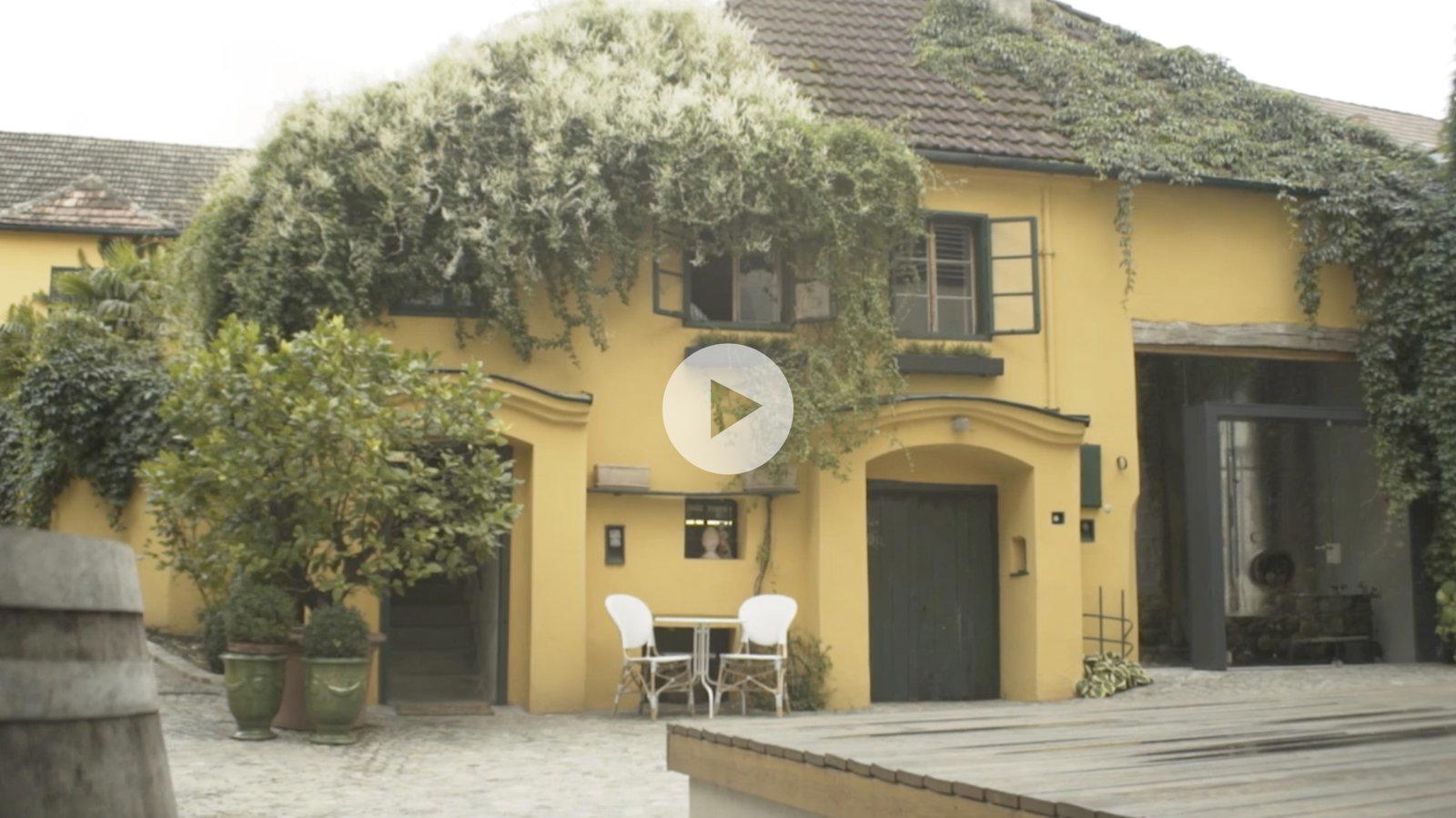
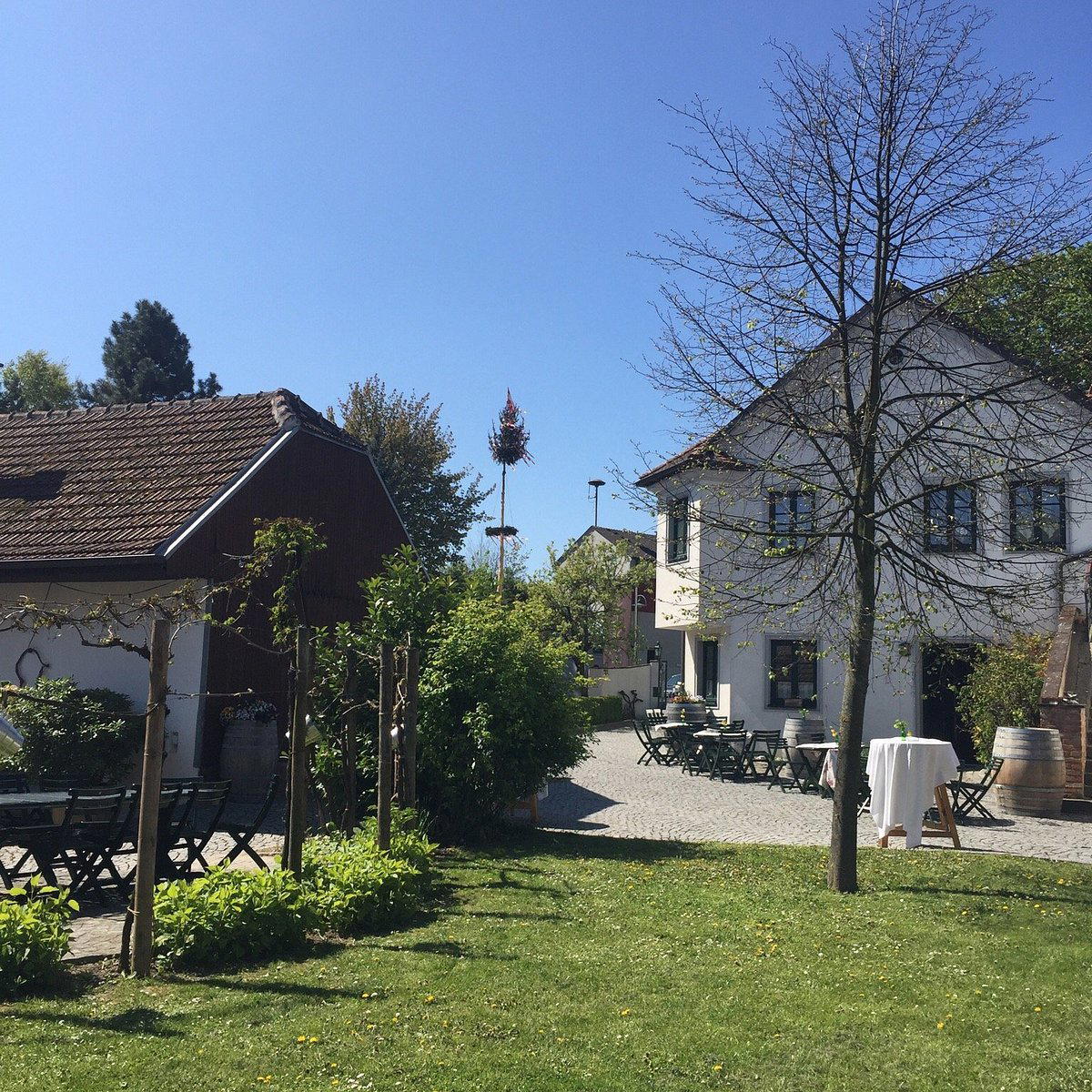
Dreamy, romantic courtyard with cozy, rustic hospitality atmosphere.