Weinberghof Fritsch

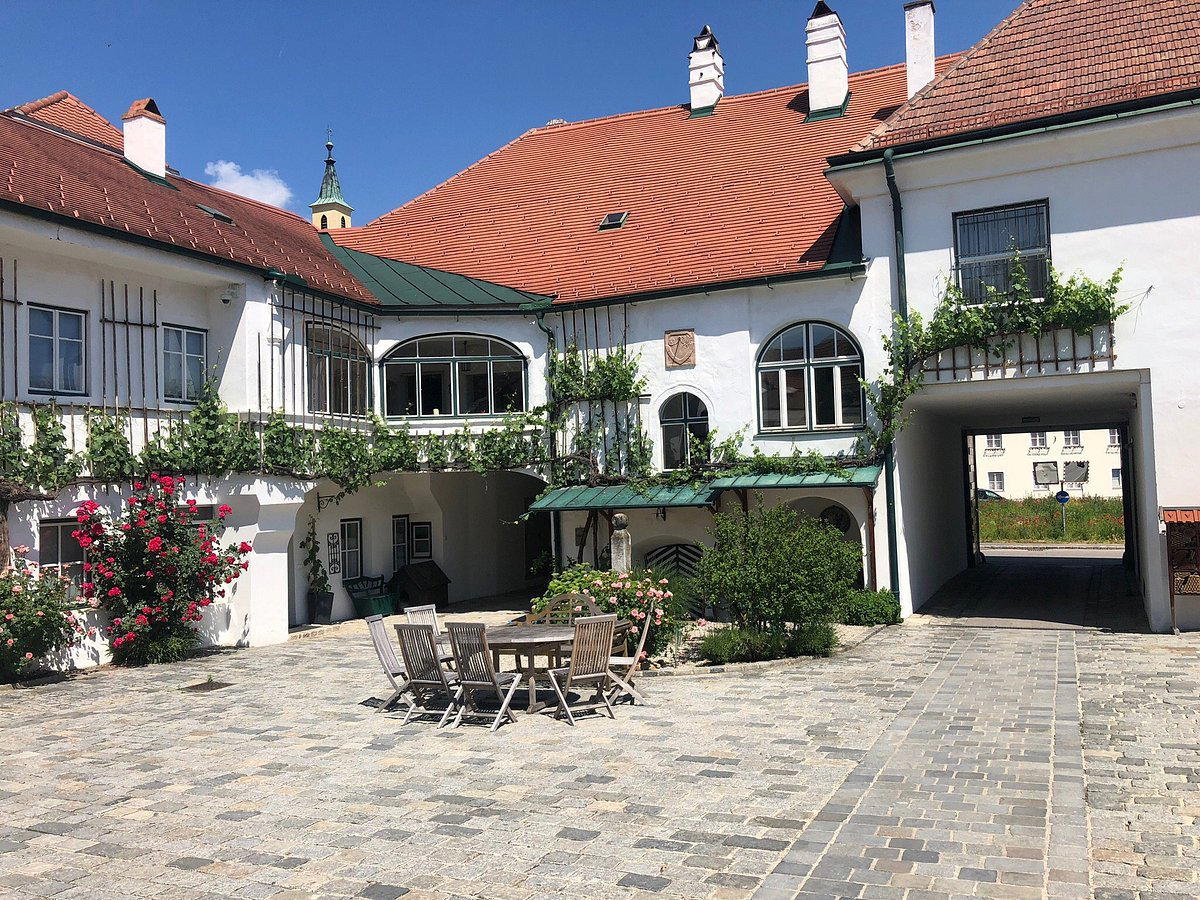
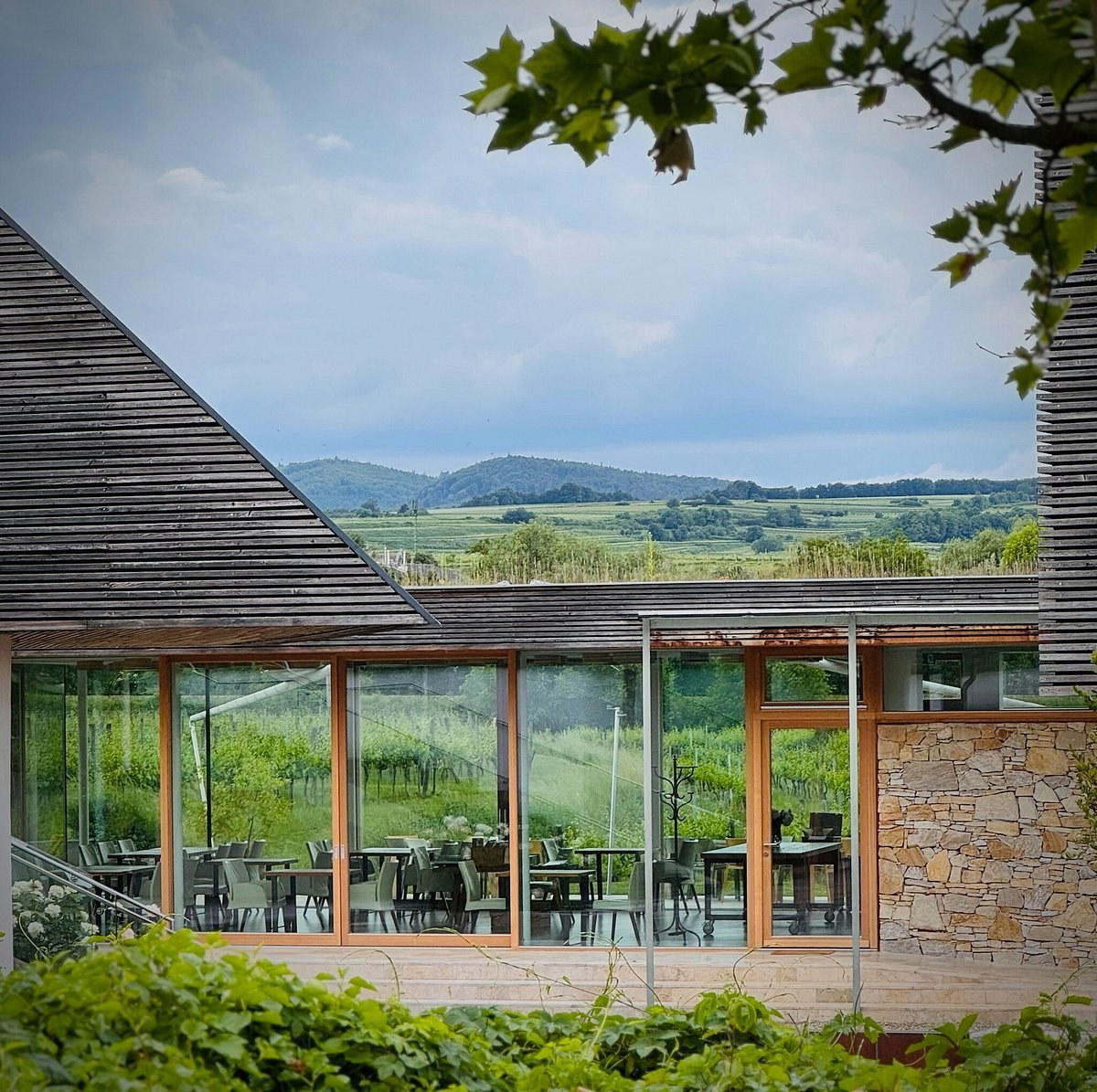
Weinberghof Fritsch sits in Oberstockstall, a quiet corner of the Wagram wine region northwest of Vienna, where loess-rich soils and continental climate produce some of Austria's most compelling Grüner Veltliner. The setting combines working vineyard with direct hospitality, making it a reference point for understanding what Wagram terroir actually tastes like.
Pearl is the En Primeur Club membership app — saves, bookings, and concierge access live there. Same editors, same standards.
- Address
- Schloßbergstraße 9; Oberstockstall, 3470 Kirchberg am Wagram
- Phone
- +43 2279 5037
- Website
- fritsch.cc
- Directions
- Get directions
 Saves & bookings on Pearl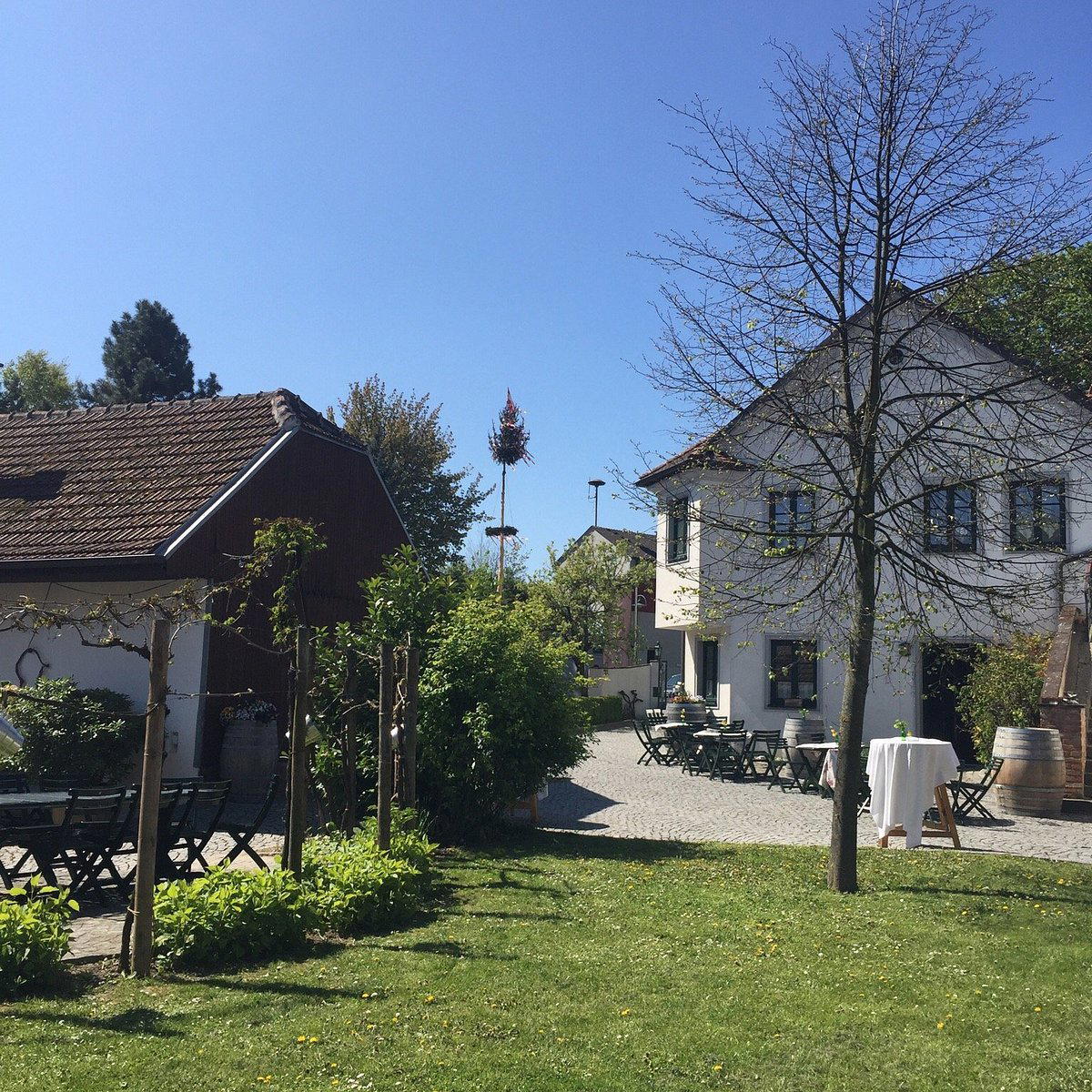
Wagram Country, Where the Loess Does the Talking
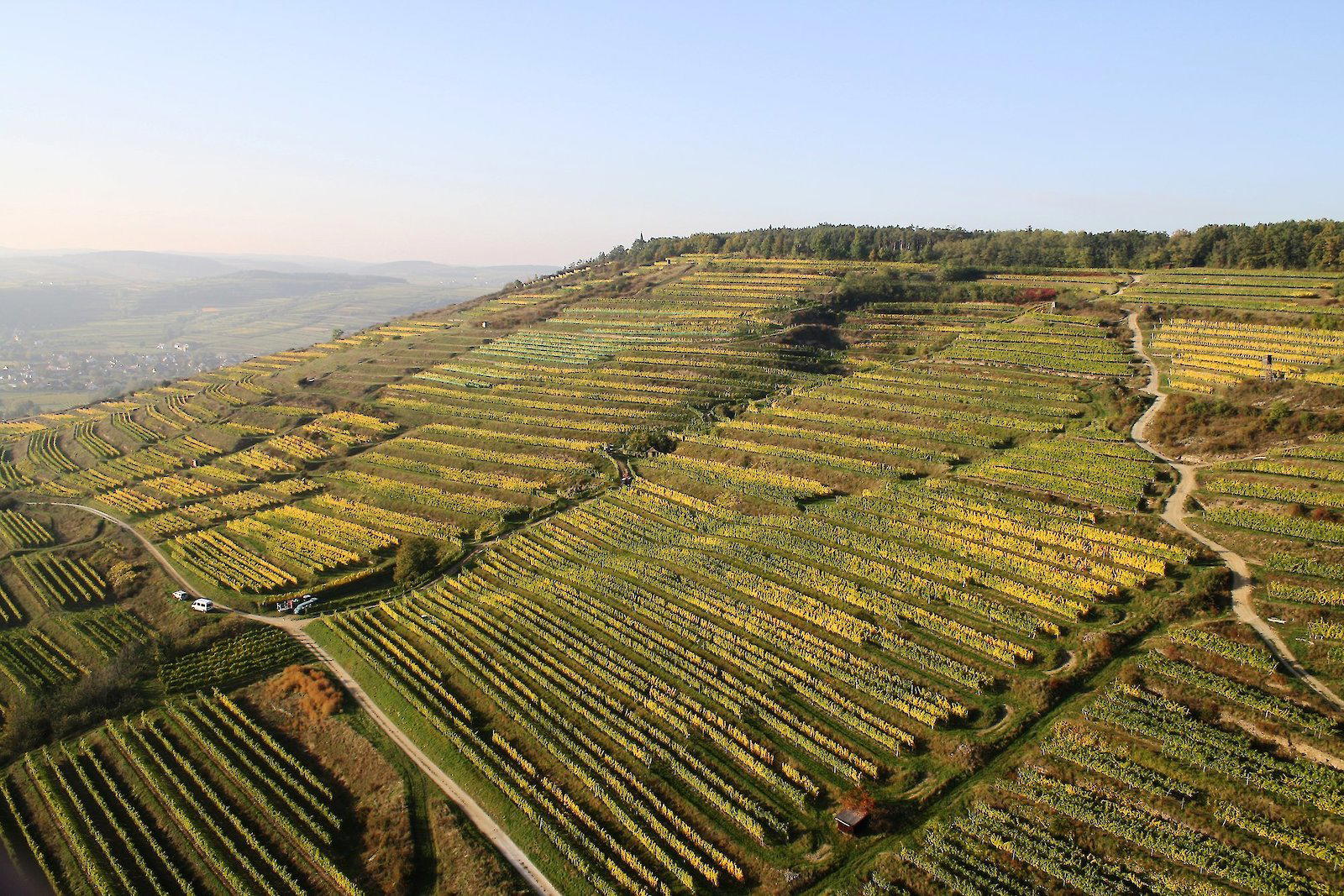
The village of Oberstockstall sits on the southern edge of the Wagram ridge, a geological shelf of deep loess deposits that drops sharply toward the Danube flood plain. The roads narrow, the signage is modest, and the vines arrive before the buildings. That physical arrangement is not incidental: in this part of Lower Austria, the land is the argument, and producers who understand it let the wines make the case.
Weinberghof Fritsch operates within that tradition. The address on Schloßbergstraße places it in the agricultural core of Kirchberg am Wagram municipality, a sub-region built around the loess soils that define the Wagram DAC appellation. The approach here is characteristic of the area's serious producers: farming oriented around the soil profile, winemaking that keeps intervention proportional to what the vineyard provides in a given year.
What the Wagram Loess Actually Does
The deposits here, accumulated over glacial periods, can run several metres deep, with a mineral and clay composition that retains moisture in dry years while draining well enough in wet ones. For Grüner Veltliner, the primary variety of the appellation, this translates into wines with structure that holds through the growing season, acidity that stays lively, and a mineral character that distinguishes Wagram GV from the lighter, earlier-drinking styles found on gravel and mixed soils elsewhere in Lower Austria.
The Wagram appellation formalised these distinctions in recent years, with estate-bottling and minimum alcohol thresholds shaping the region's standards. Within that framework, the upper tier of Wagram houses now operates with a peer consciousness: they compare themselves to each other and to the broader conversation about what Austrian white wine can achieve internationally. For context within the Austrian wine scene, Weingut Bründlmayer in Langenlois represents the Kamptal appellation benchmark to the west, while Weingut Emmerich Knoll in Dürnstein anchors the Wachau tier in the opposite direction. The Wagram sits between these zones geographically and stylistically, producing wines that tend toward more textural weight than the Kamptal but less of the mineral austerity of the Wachau's terraced schist.
In Austria's wine producer hierarchy, this tier sits above the competent regional producer and below the handful of houses that command international allocation queues. It is, in practical terms, the level at which visiting the estate directly becomes a reliable way to access the full range, since distribution at this scale rarely covers the breadth of what is made.
Other Austrian producers holding comparable recognition across different regions include Weingut Kracher in Illmitz in Burgenland, Weingut Pittnauer in Gols, and Weingut Wohlmuth in Kitzeck in Styria. Each operates in a distinct appellation with its own soil logic; comparing them is less about ranking than about mapping the breadth of what serious Austrian wine production looks like across different terroirs.
The Setting and How to Approach It
Weinberghof Fritsch is a Weinhof in the Austrian sense: a farm estate combining wine production with direct visitor hospitality, typically offering tasting, sometimes food, and in some cases accommodation. The Kirchberg am Wagram area is not a high-traffic tourist corridor in the way that the Wachau or the Viennese wine suburbs are. Arriving here requires deliberate planning rather than spontaneous detour, which is part of the value. The visitors who make the effort are typically people interested in the wines themselves.
The village of Oberstockstall itself is small enough that Schloßbergstraße is easy to locate on any mapping application. Kirchberg am Wagram, the broader municipality, is accessible by car from Vienna in under an hour, and the regional rail network connects to Tulln an der Donau, from which road transport continues north into the Wagram. Timing a visit to coincide with harvest in September and October places the estate in full operational mode; late spring, when the vines show new growth against the loess terraces, offers a different but equally instructive read on the landscape.
For visitors building a wider Lower Austrian itinerary, the Wagram sits within reasonable range of both the Kamptal and the Wachau, making a two- or three-day circuit across appellations a practical structure.
Within the Broader Austrian Drinks Landscape
Austria's drinks identity extends well beyond its established wine appellations. Distilling has developed into a serious secondary category, with operations like Weingut Scheiblhofer Distillery in Andau, 1310 Spirit of the Country Distillery in Sierning, 1404 Manufacturing Distillery in Sankt Peter-Freienstein, and A. Batch Distillery in Bergheim contributing to a category that complements rather than competes with wine tourism. Similarly, 1516 Brewing Company Distillery in Vienna and Abfindungsbrennerei Franz in Leithaprodersdorf reflect a country increasingly comfortable placing agricultural craft at the centre of its hospitality offer. Weingut Heinrich Hartl in Oberwaltersdorf represents another point on the Lower Austrian map worth incorporating into a regional circuit.
For comparison outside Austria entirely, Aberlour in Aberlour and Accendo Cellars in St. Helena illustrate how different climate and soil contexts produce entirely different frameworks for discussing terroir expression, a useful counterpoint when calibrating what Wagram loess actually contributes to Weinberghof Fritsch's wines.
Planning Your Visit
Reaching the winery is best done by searching the estate's name alongside Kirchberg am Wagram through Austrian wine directories or the regional tourist board. Visits to small Austrian estates generally require advance contact rather than walk-in access. Building a day that combines the estate with the broader Wagram ridge, including time to observe the loess terraces directly, gives the tasting more context than the glass alone can supply.
A Quick Peer Check
Comparable venues nearby, for context on price, style, and recognition.
| Venue | Cuisine | Price | Notes |
|---|---|---|---|
| Weinberghof FritschThis venue — the venue you are viewing | Grüner Veltliner, Riesling | $$ | Not listed |
| Brennerei Kirchbichler | Winery | Not listed | Wildschönau |
| Destillerie Königsberg | Winery | Not listed | Kirchschlag |
| Grüneis Distillery | Winery | Not listed | Stanz im Landeck |
| Brennerei Mair | Winery | Not listed | Fügen |
| Weingut Lenz Moser | Grüner Veltliner, Blauer Zweigelt | $$ | Rohrendorf bei Krems |
Recognition history
Dated appearances from independent guides and award organizations, with the underlying list record or original source where available.
Falstaff Winery - 5 Stars
Falstaff
Continue exploring
More in Oberstockstall
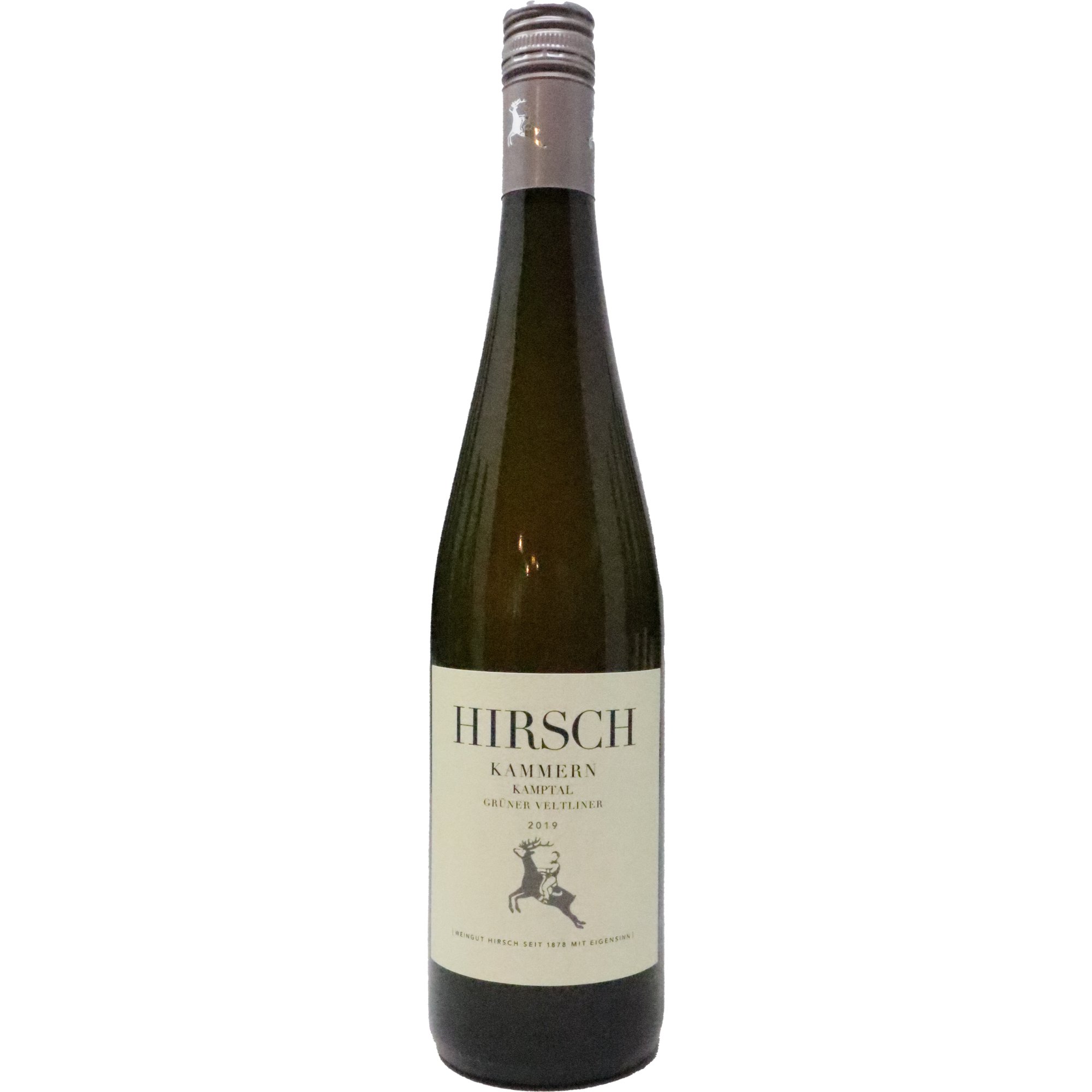
Wineries in Oberstockstall
Browse all →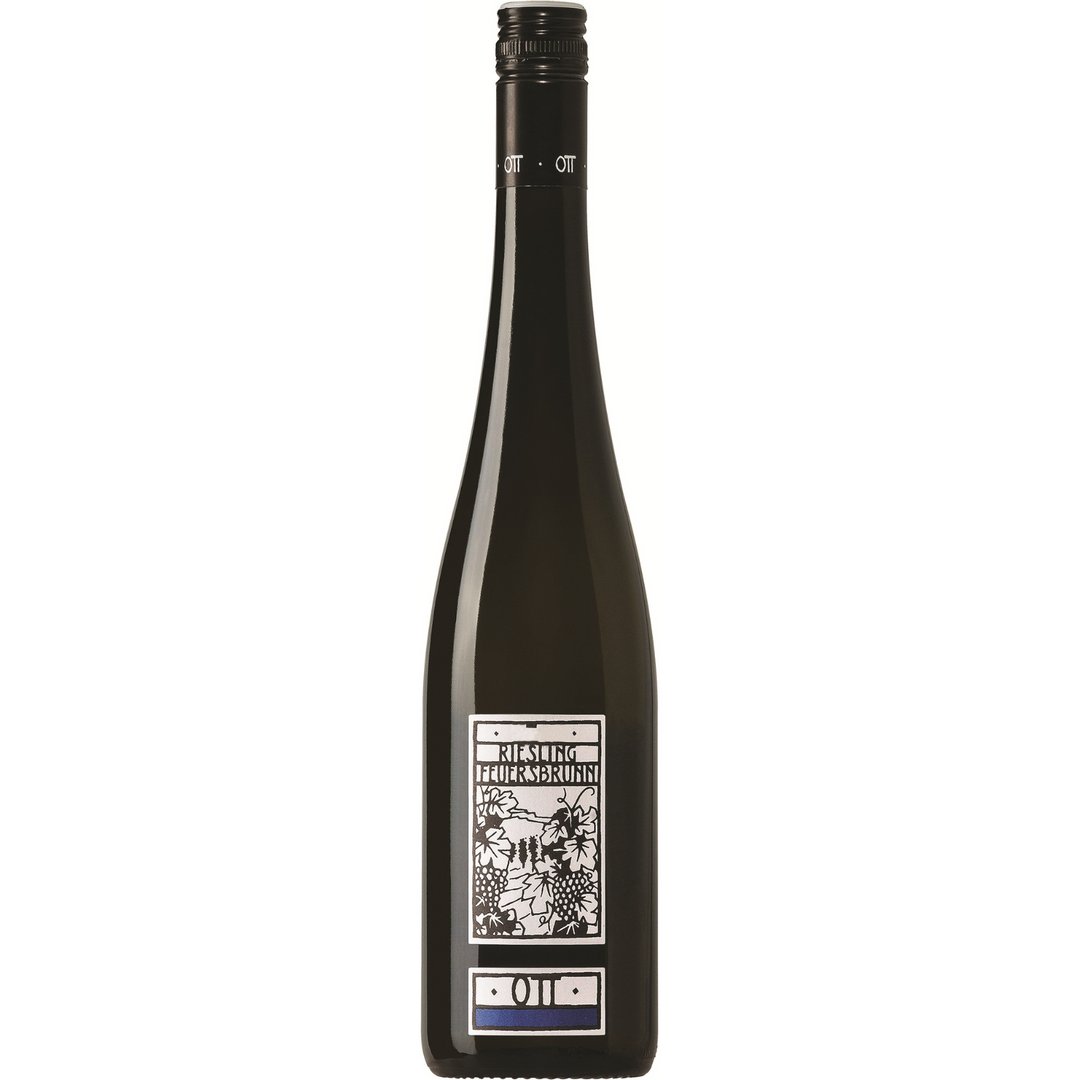
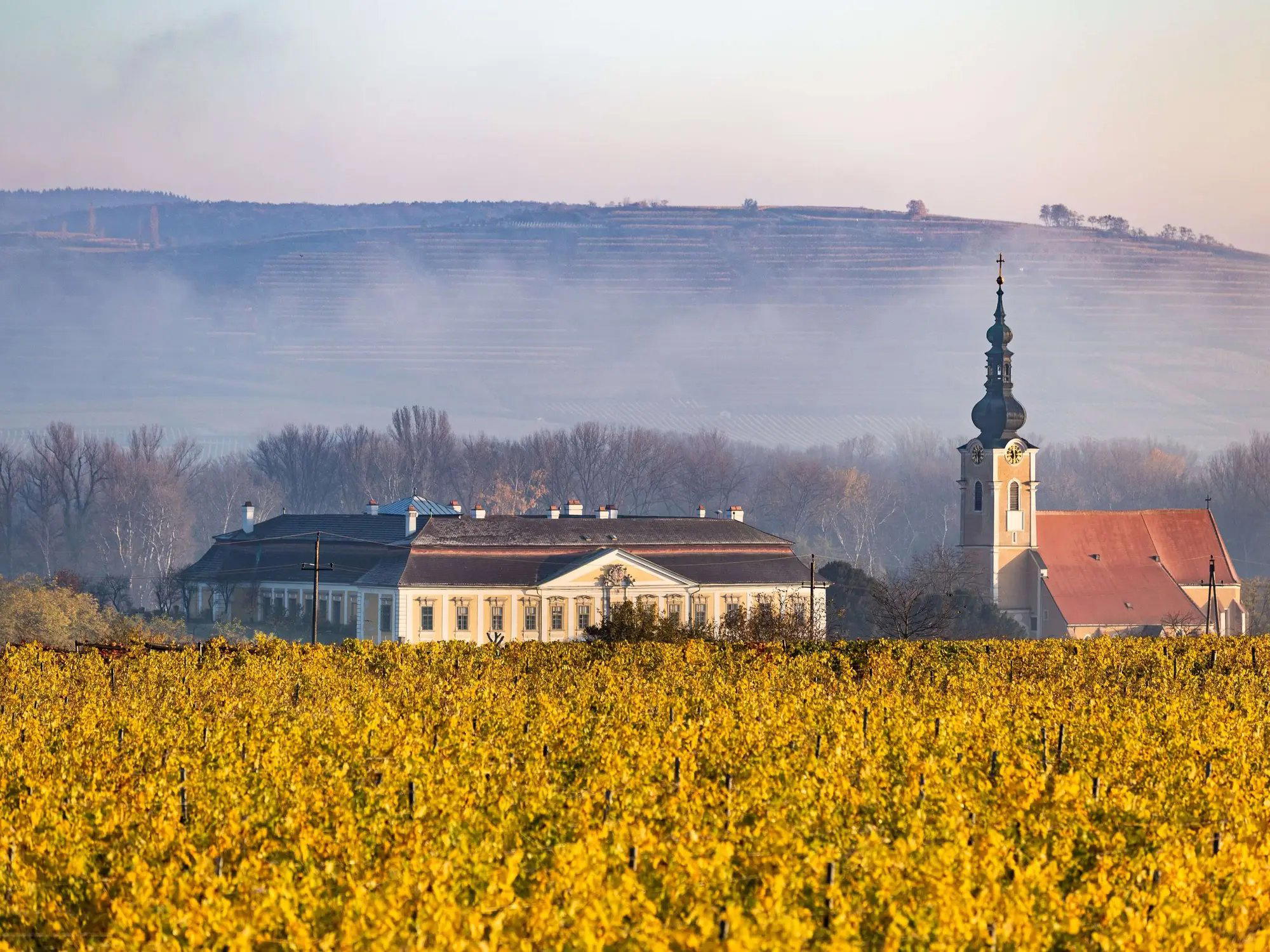
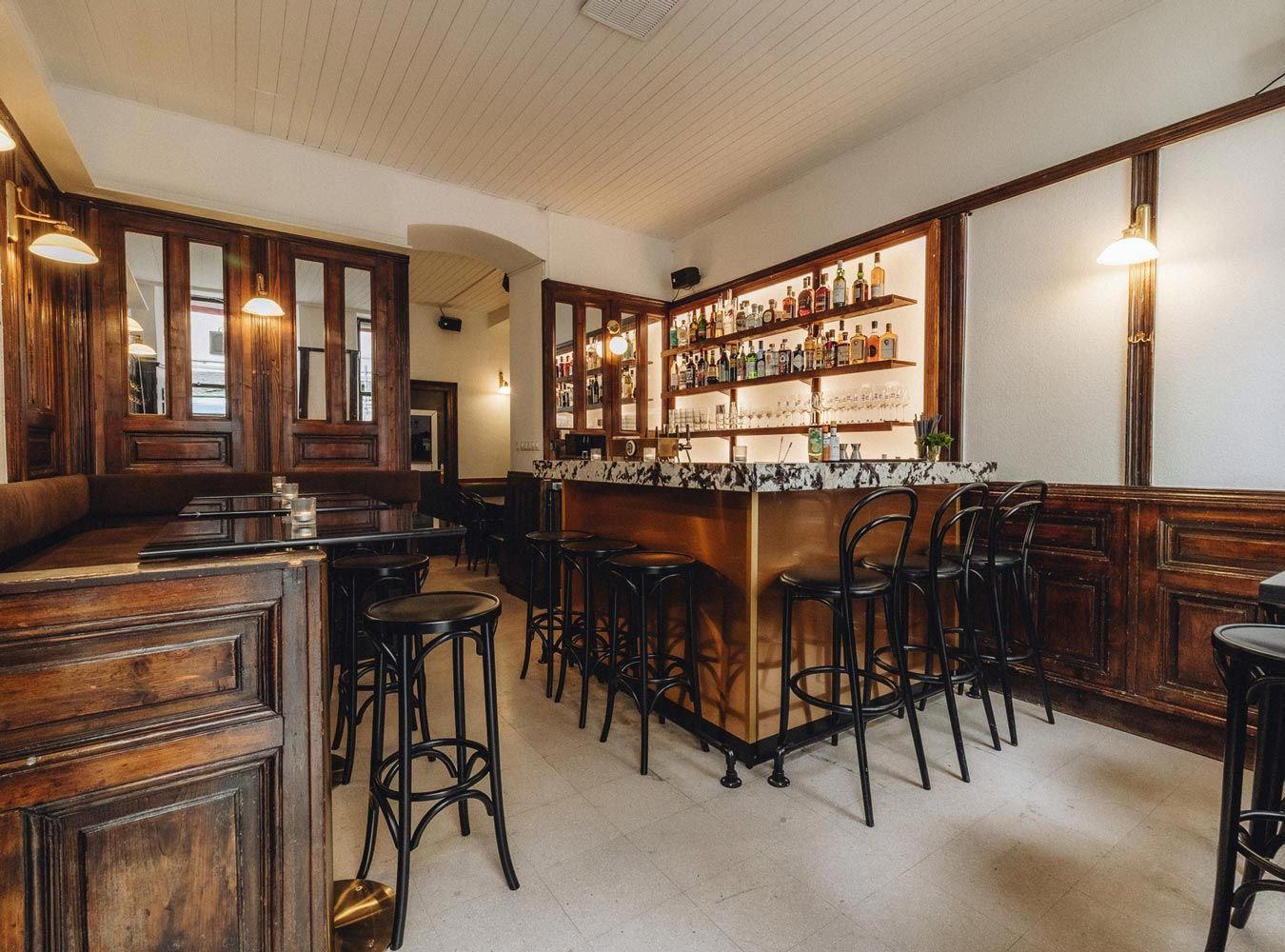
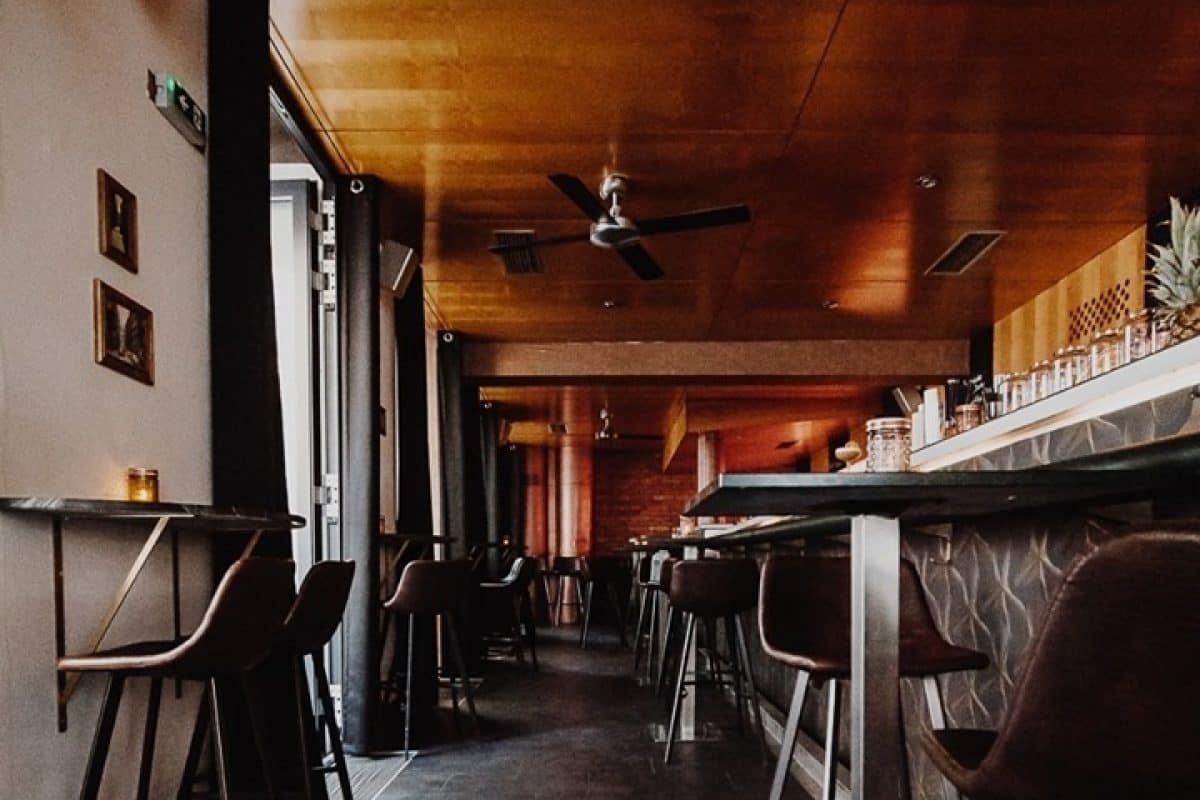
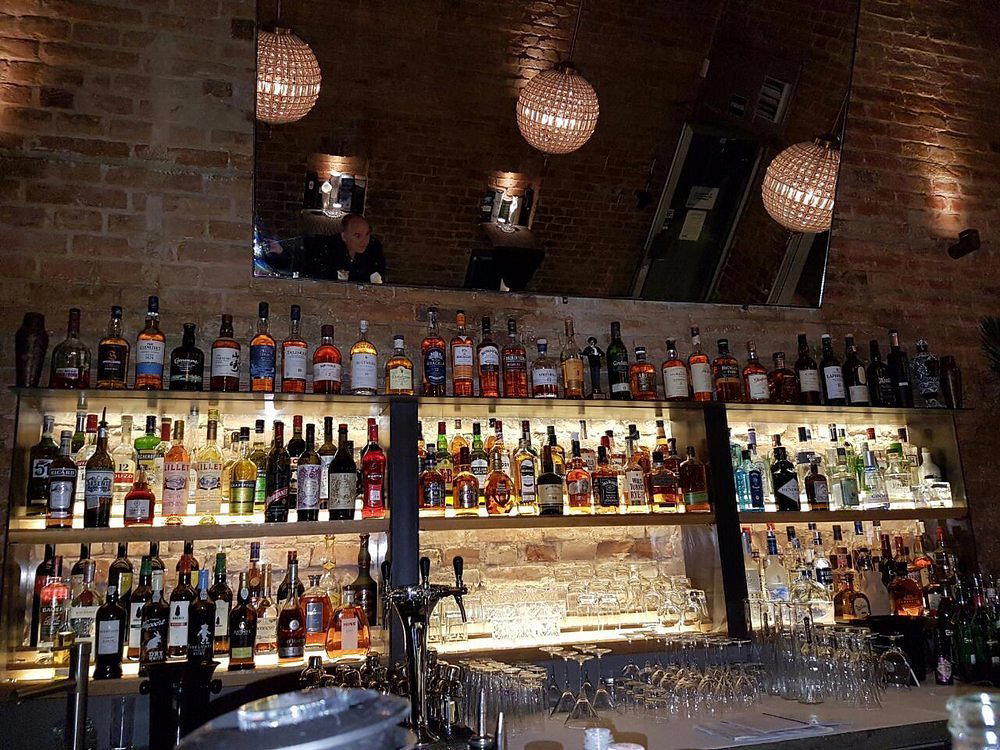
Bars in Oberstockstall
Browse all →
Restaurants in Oberstockstall
Browse all →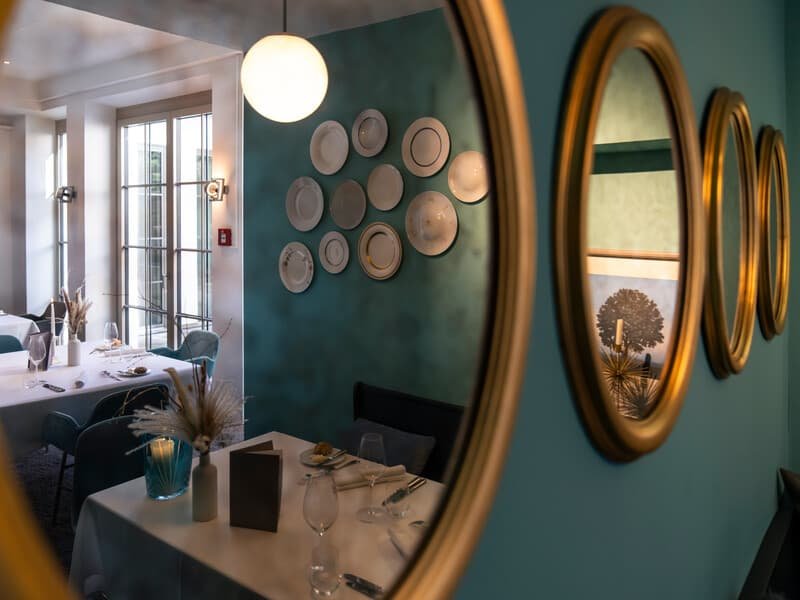

At a Glance
- Rustic
- Scenic
- Quiet
- Wine Education
- Solo Exploration
- Vineyard Tour
- Estate Grounds
- Biodynamic
- Organic
- Vineyard
- Wagram
- Grüner Veltliner
- Riesling
- Pinot Noir
- Zweigelt
- Still White
- Still Red
- Orange
- Cave Tasting
- Private Tasting
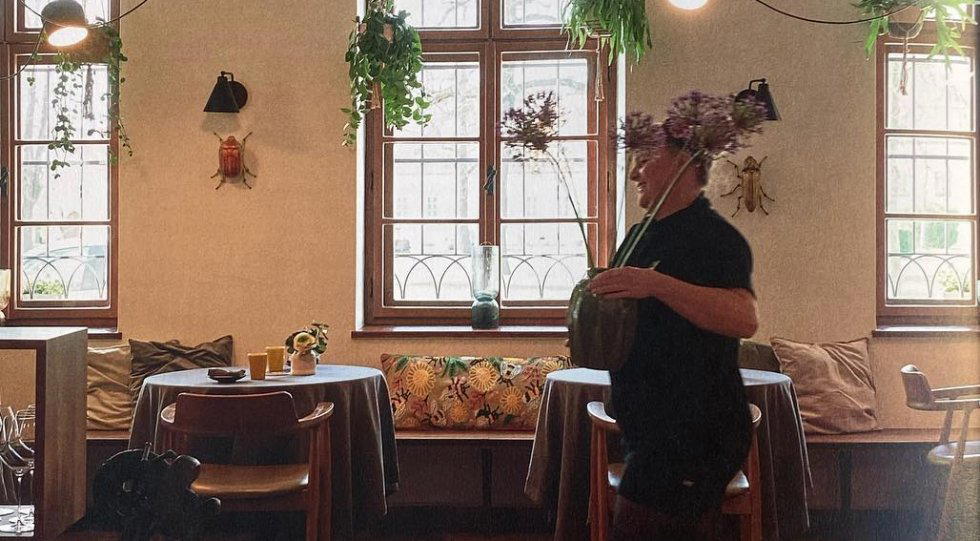
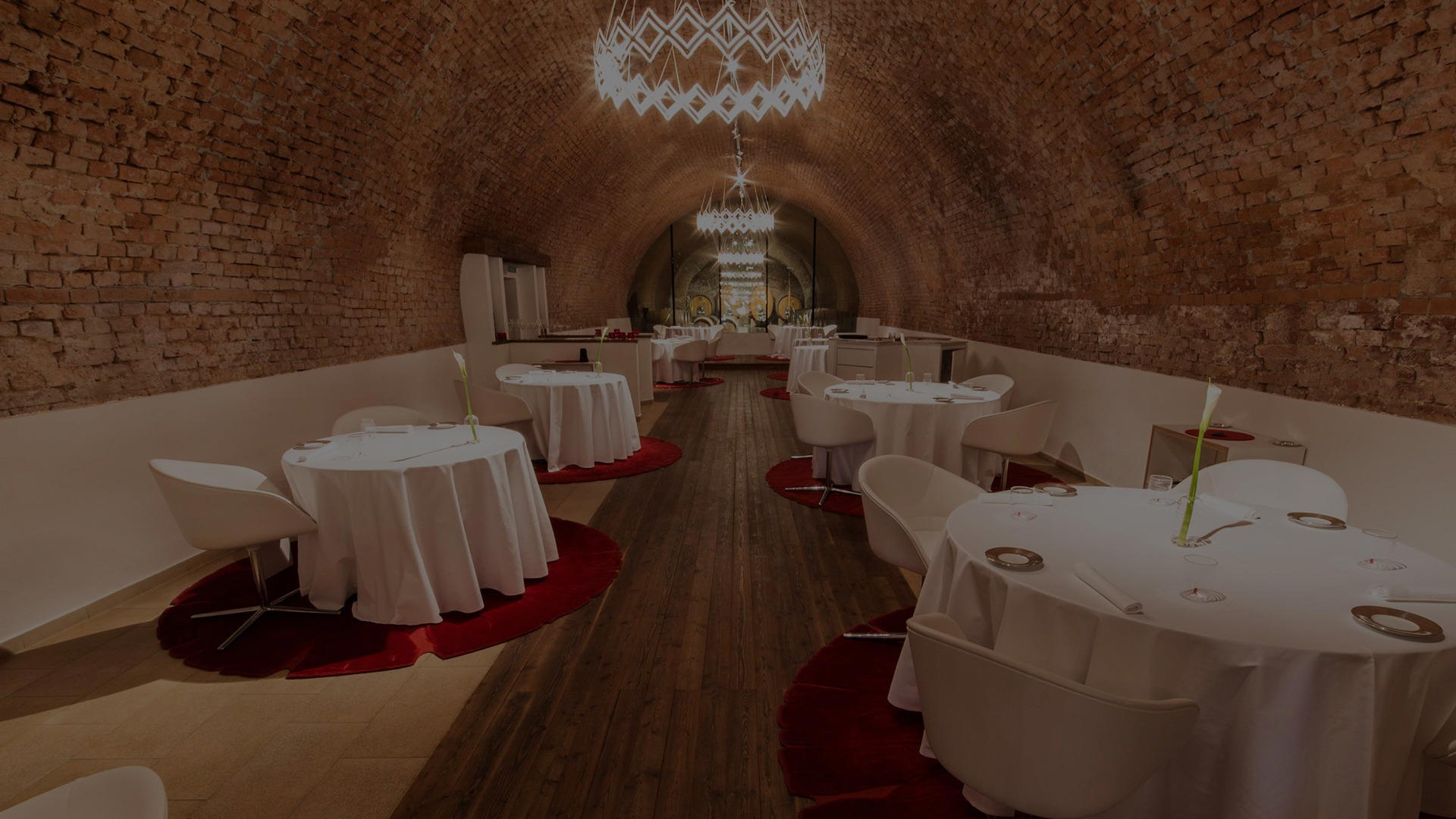
Rustic and natural atmosphere emphasizing terroir-driven wines in a family-run estate close to nature.