Weingut Bernhard Ott

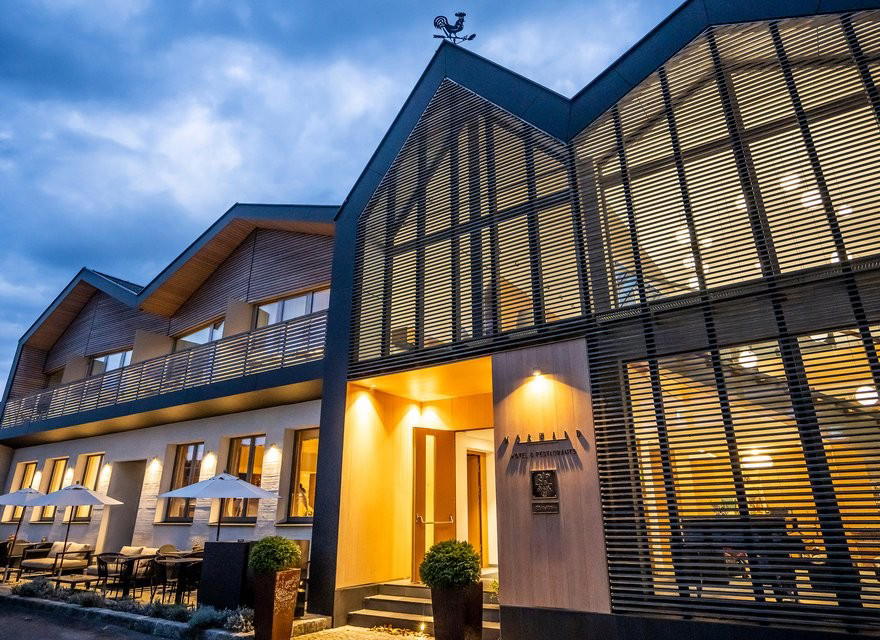
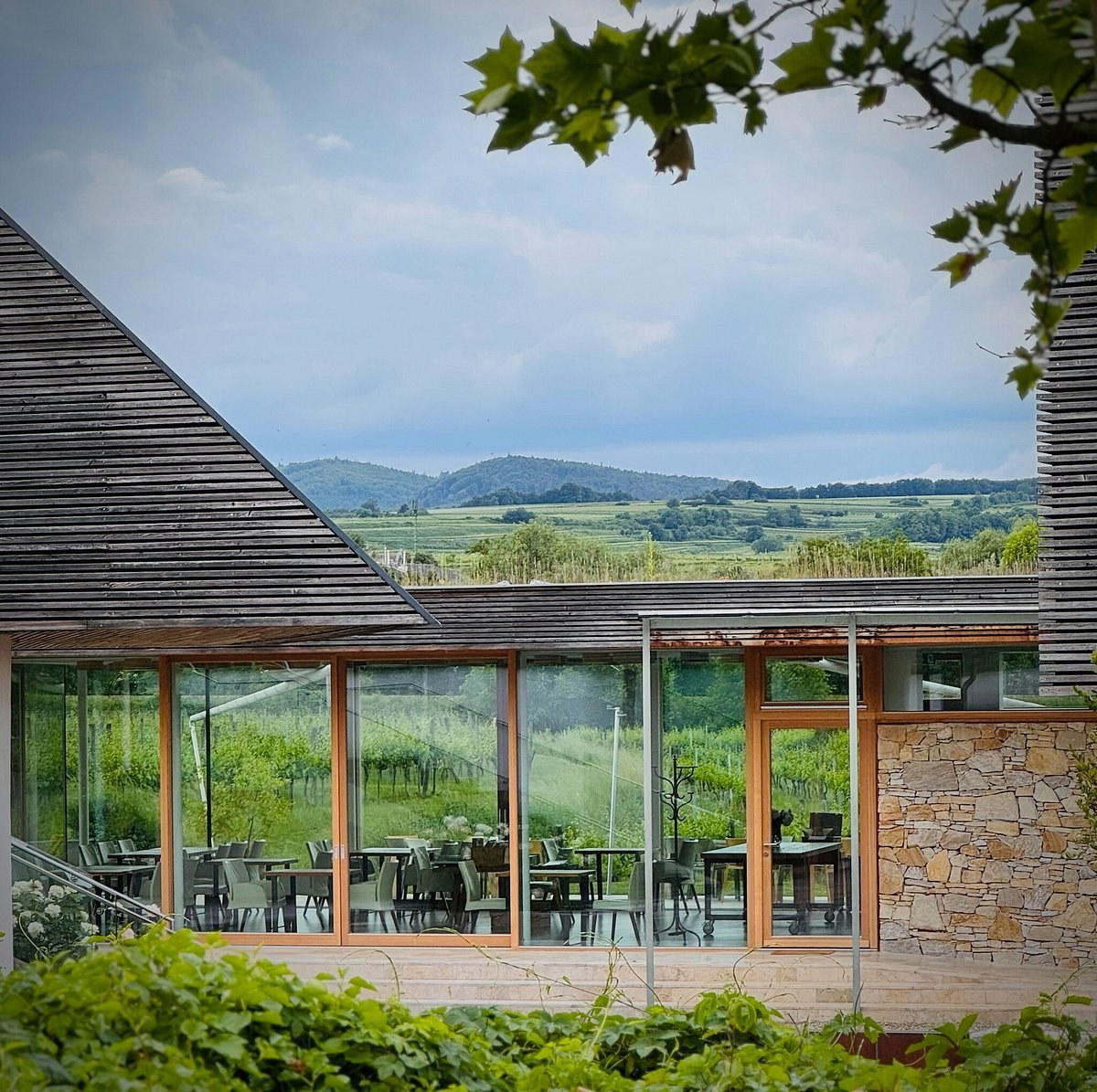
Weingut Bernhard Ott operates from the quiet village of Feuersbrunn in Austria's Wagram wine region, where loess-heavy soils define some of the country's most distinctive Grüner Veltliner. Visitors arrive for the wines, not the spectacle.
Pearl is the En Primeur Club membership app — saves, bookings, and concierge access live there. Same editors, same standards.
- Address
- Neufang 36, 3483
- Phone
- +43 2738 2257
- Website
- ott.at
- Directions
- Get directions
 Saves & bookings on Pearl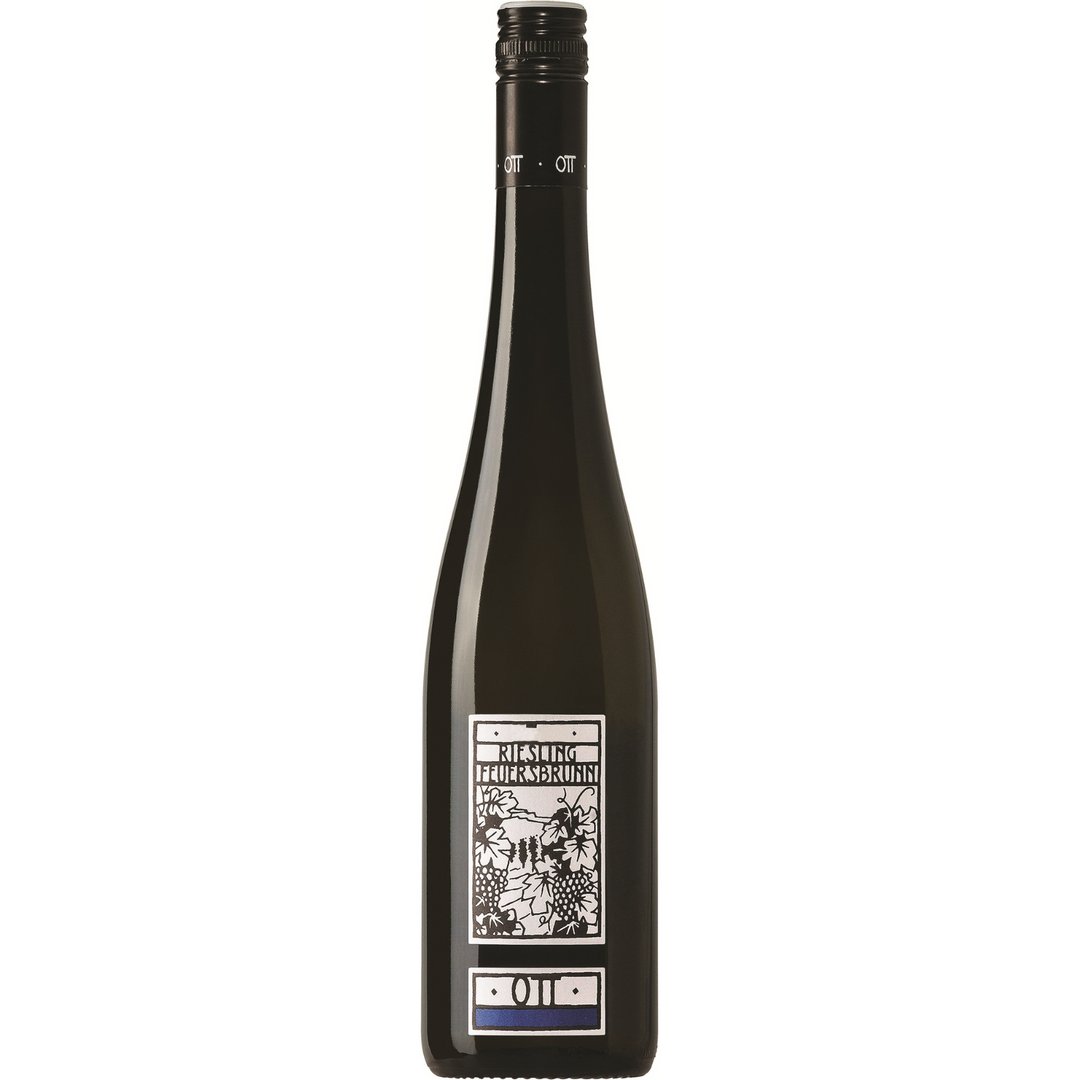
Loess, Wind, and the Wagram Plateau
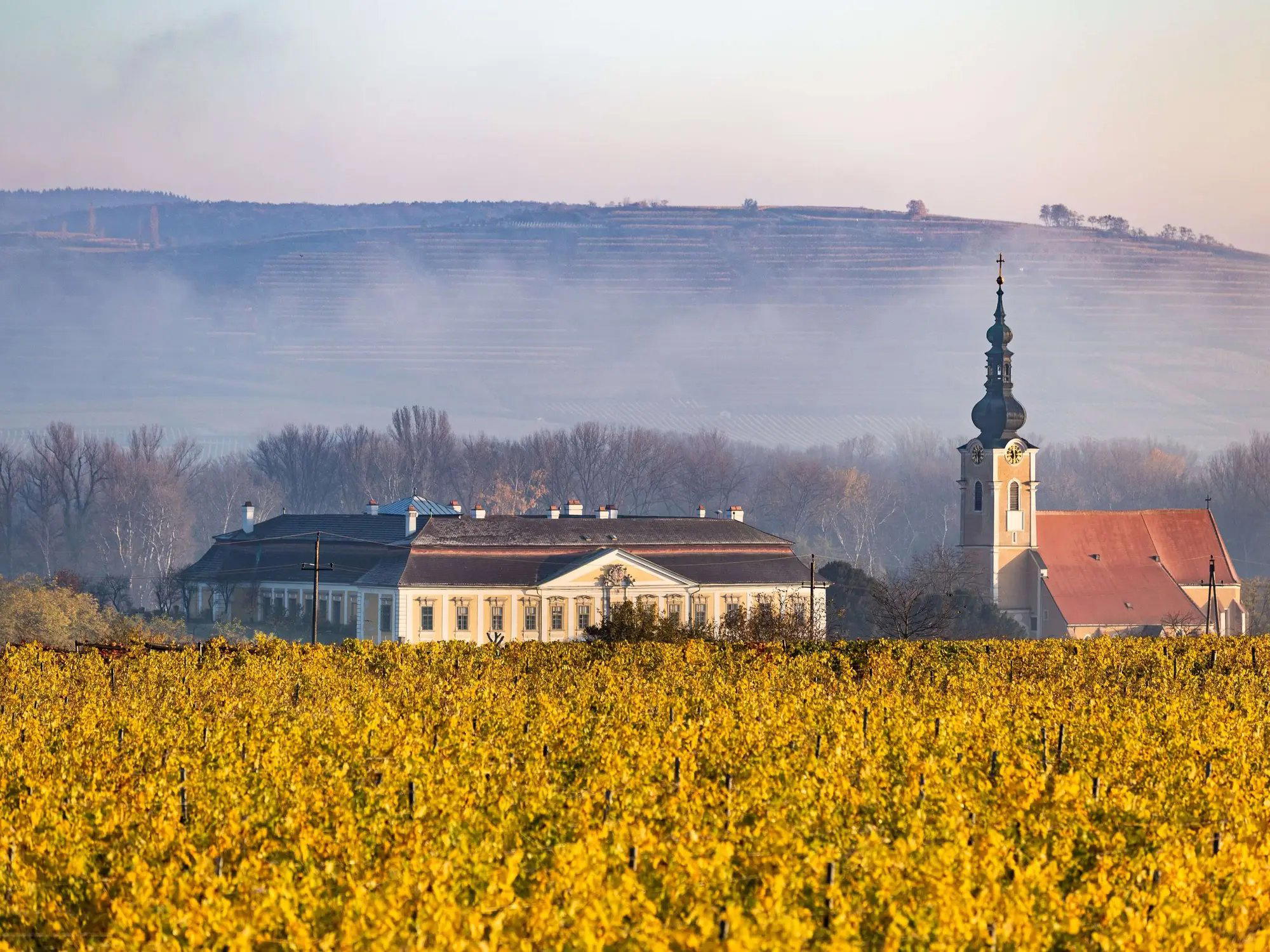
The Wagram is not the part of Austria that appears first on wine maps drawn by outsiders. That distinction tends to go to the Wachau, with its vertiginous terraces and UNESCO designation, or to the Kamptal, which has spent decades building international name recognition through producers like Weingut Bründlmayer in Langenlois. The Wagram operates at a lower volume, its reputation built on a geological argument rather than a scenic one: a thick band of loess, the wind-deposited silt that defines this plateau's character as clearly as granite defines the northern Rhône or chalk defines Champagne. In that context, Feuersbrunn is precisely the kind of village where serious wine tends to come from. Small, agricultural, not oriented toward tourism, it functions as working countryside rather than wine-country backdrop.
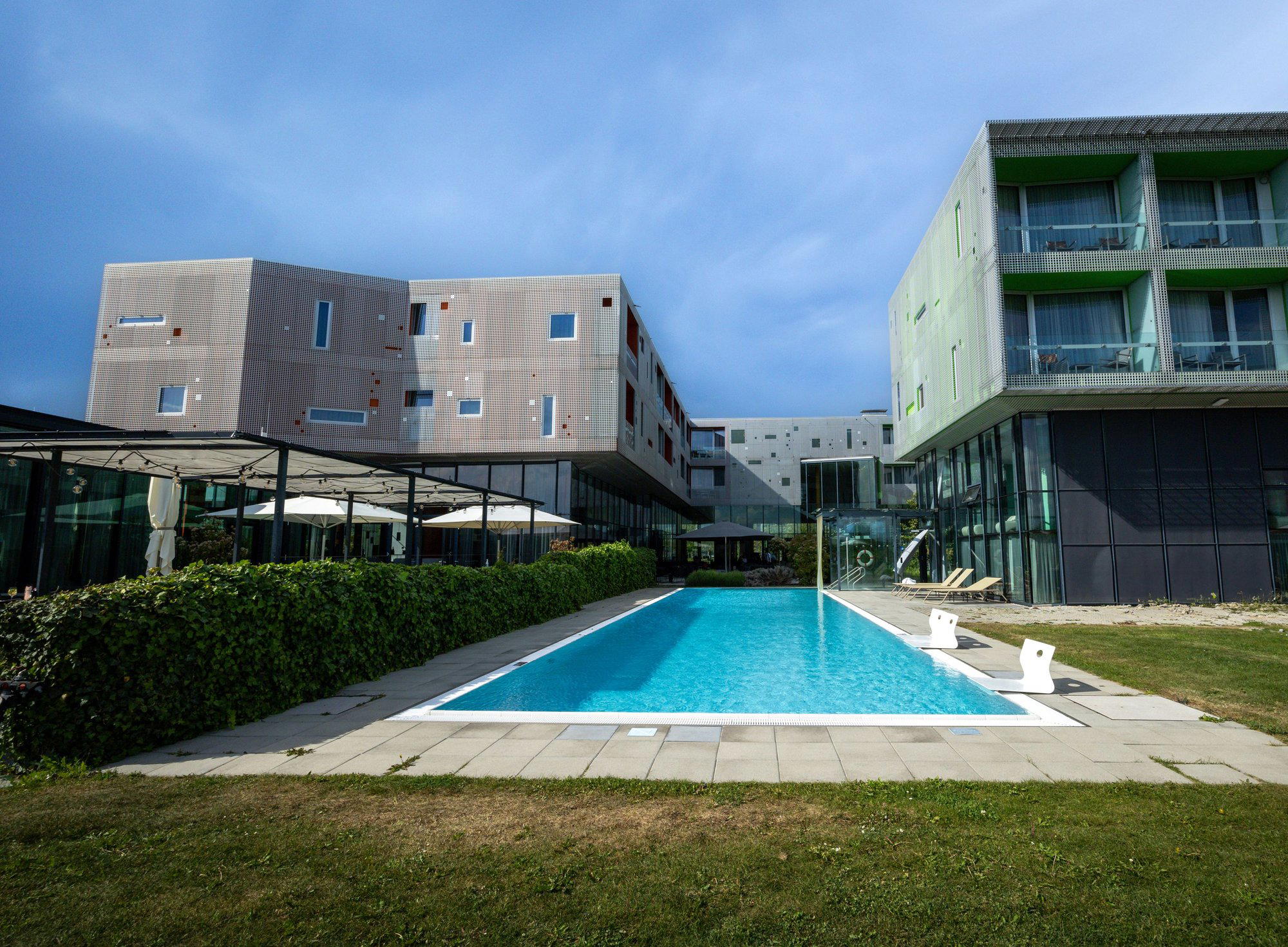
Weingut Bernhard Ott sits at Neufang 36 in that village, and the address tells you something useful before you arrive. This is not a property designed around a tasting pavilion or a hotel annexe. It is a working winery in a farming community, and the wines it produces reflect that orientation, grounded in place rather than shaped around visitor expectation. That credential matters as a calibration point: it signals where Ott sits relative to peers, and it does so without requiring the visitor to take the winery's own word for it.
What Loess Does to Grüner Veltliner
To understand why this address commands attention among Austrian wine specialists, it helps to understand what loess actually does. The mineral is not inert background material, it is the primary shaping force for wines grown in it. Loess retains moisture deeply, which gives vines access to water reserves during dry spells without requiring shallow root systems. It also drains well at the surface, preventing waterlogging. The result, in Grüner Veltliner particularly, tends toward wines with weight and textural density that you do not find in the lighter alluvial or sandy soils further downstream. The typical Wagram Grüner carries more body than its Kamptal counterpart, and it ages differently, less dependent on primary fruit energy, more reliant on the structural depth that loess-grown vines develop over time.
This is the tradition that producers in Feuersbrunn and the surrounding Wagram villages are working within, and it is a different tradition from what you find at properties like Weingut Emmerich Knoll in Dürnstein, where metamorphic rock and the Danube's thermal corridor push Grüner in a more mineral, taut direction. Both are serious expressions of the same variety; they simply argue for different definitions of what Grüner Veltliner is capable of.
Reading the Estate in Its Regional Context
Austria's wine recognition landscape has matured considerably over the past two decades. The country's DAC system, which ties varietal character to specific regions, has helped establish clearer identity markers for areas that previously had to compete on individual producer reputation alone. The Wagram DAC, which designates Grüner Veltliner as its signature variety, gives estates like Ott a denominational framework to operate within, and the leading producers use that framework not as a ceiling but as a floor, a minimum definition of regional character from which to build.
Across Austria, recognised estates of similar standing include producers working in different terroir conditions: Weingut Kracher in Illmitz, which operates at the opposite end of the stylistic spectrum with Burgenland's noble-rot sweet wines; Weingut Pittnauer in Gols, where Pannonian warmth drives a different red-wine character; and Weingut Wohlmuth in Kitzeck, operating in Styria's cool Sauvignon Blanc heartland. What connects these estates is not a shared style but a shared commitment to letting geography determine the wine's character. Ott earns its place in that cohort through the same logic applied to Wagram loess.
It is also worth noting how Ott's positioning differs from estates that have built reputations on international grape varieties or cross-regional blending. Austria's most awarded producers generally succeed by going deeper into what their specific patch of ground does well rather than broader across what the market rewards. Weingut Heinrich Hartl in Oberwaltersdorf illustrates a different approach further south, and the contrast helps define what makes Wagram producers distinct within the Austrian canon.
The Visit: What the Setting Requires of You
Arriving at a winery in Feuersbrunn requires a degree of intentionality that a visit to a well-signposted wine-tourism corridor does not. The Wagram sits roughly an hour west of Vienna by car, accessible but not on any obvious tourist circuit. That distance and the village's agricultural character mean you are unlikely to end up here by accident. The visitors who make it tend to arrive with a specific purpose, which shapes the atmosphere at the cellar door in ways that differ from wineries that receive hundreds of casual walk-ins per week. The estate's profile is that of a production-focused property where wine, not hospitality infrastructure, is the primary offering.
For practical planning, the address is Neufang 36, 3483 Feuersbrunn. Contacting the estate in advance is the correct approach before travelling. The broader guide to Feuersbrunn covers logistics and surrounding producers in more detail for those planning a Wagram-focused itinerary.
Seasonality matters here as it does across Austrian wine country. Harvest period in the Wagram typically runs through October, when the loess terraces are at their most active and cellar access may be restricted. The quieter months between tastings and harvest, late spring and early summer, tend to offer particularly focused visits at smaller estates, when attention is not divided between vineyard work and receiving guests.
Why the 2025 Recognition Matters as a Planning Signal
Awards at the 2 Star Prestige level within the Pearl system function as a cross-regional calibration tool for wine travellers. They do not tell you what a wine tastes like, but they do tell you where a producer sits in relation to the broader field of assessed estates. For Ott in 2025, that signal confirms continued relevance at a moment when Austrian wine is drawing more international attention than at any previous point, partly driven by natural wine interest pointing visitors toward lower-intervention Austrian producers, and partly by a broader critical reassessment of Grüner Veltliner as a variety capable of serious ageing. The timing of this recognition is not incidental: it arrives as the Wagram is receiving more comparative coverage alongside the Wachau and Kamptal in specialist wine media.
Estates in this category do not typically require justification in the way that emerging or lesser-known producers do. The recognition does that work. What it cannot tell you is what to expect at the cellar door on a specific day, which is why direct contact before visiting remains the practical baseline for any serious planning.
Other Austrian Producers Worth Exploring
- Weingut Bründlmayer in Langenlois, Kamptal's benchmark for Grüner Veltliner and Riesling from crystalline schist soils
- Weingut Emmerich Knoll in Dürnstein, Wachau producer operating at the mineral end of the Grüner spectrum
- Weingut Kracher in Illmitz, Burgenland estate with international recognition for sweet Trockenbeerenauslese
- Weingut Pittnauer in Gols, Pannonian-climate producer focused on biodynamic red wines
- Weingut Wohlmuth in Kitzeck, Styrian estate known for cool-climate Sauvignon Blanc and Muskateller
- Weingut Heinrich Hartl in Oberwaltersdorf, Thermenregion producer with a different varietal focus south of Vienna
- Weingut Scheiblhofer Distillery in Andau, Burgenland estate extending into spirits production alongside wine
For distillery and spirits producers in the broader Austrian context, the EP Club directory also covers 1310 Spirit of the Country Distillery in Sierning, 1404 Manufacturing Distillery in Sankt Peter-Freienstein, 1516 Brewing Company in Vienna, A. Batch Distillery in Bergheim, and Abfindungsbrennerei Franz in Leithaprodersdorf for those extending an Austrian itinerary beyond wine alone.
Fast Comparison
Comparable venues nearby, for context on price, style, and recognition.
| Venue | Cuisine | Price | Notes |
|---|---|---|---|
| Weingut Bernhard OttThis venue — the venue you are viewing | Grüner Veltliner, Riesling | $$$ | Not listed |
| Weingut Mantlerhof | Grüner Veltliner, Roter Veltliner | $$$ | Gedersdorf |
| Weingut F. X. Pichler | Grüner Veltliner, Riesling | $$$ | Dürnstein |
| Weingut Prager | Riesling, Grüner Veltliner | $$$ | Weißenkirchen |
| Weingut Jurtschitsch | Grüner Veltliner, Riesling | $$$ | Langenlois |
| Weingut Markus Huber | Grüner Veltliner, Riesling | $$$ | Reichersdorf |
Recognition history
Dated appearances from independent guides and award organizations, with the underlying list record or original source where available.
Falstaff Winery - 5 Stars
Falstaff
Continue exploring
More in Feuersbrunn
Wineries in Feuersbrunn
Browse all →
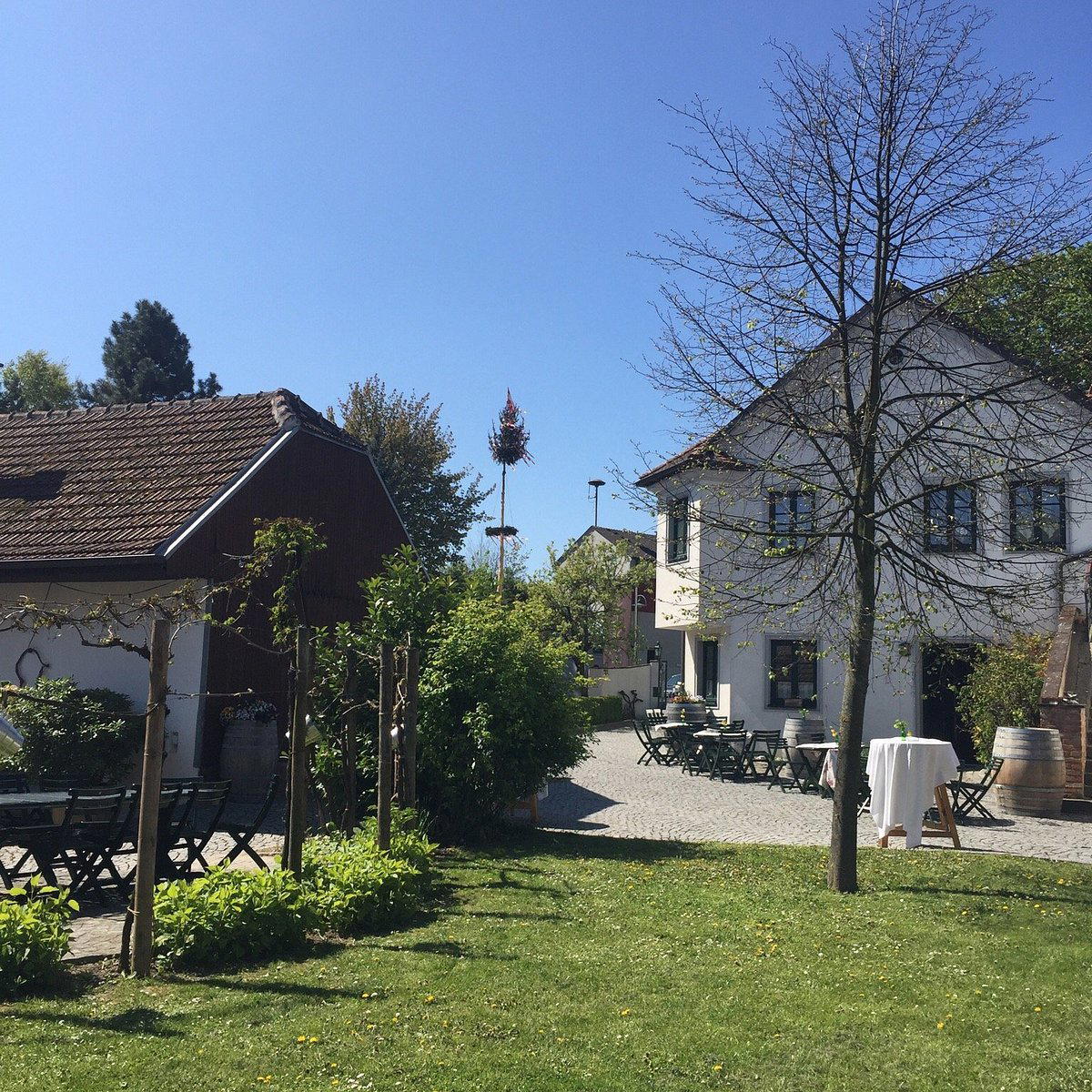
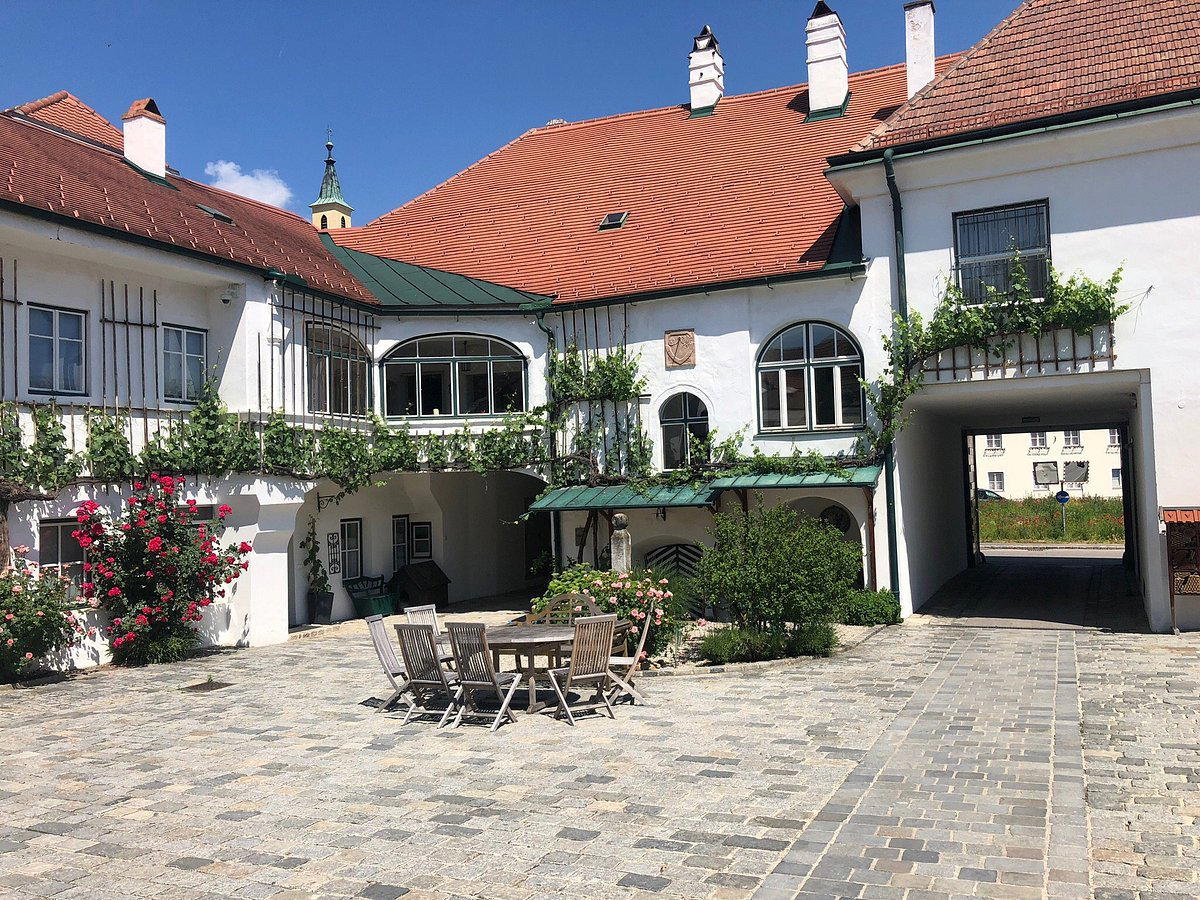
Bars in Feuersbrunn
Browse all →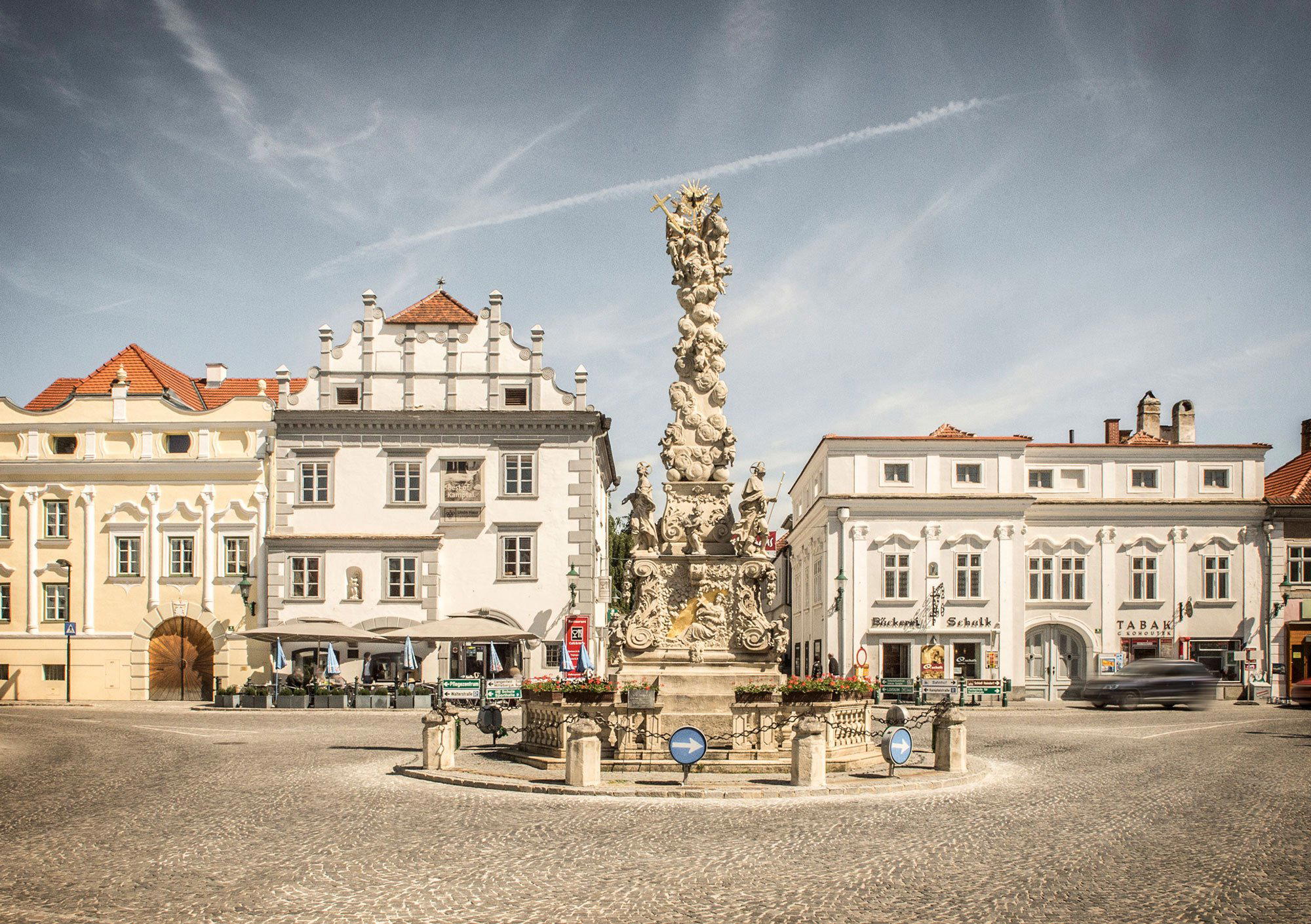
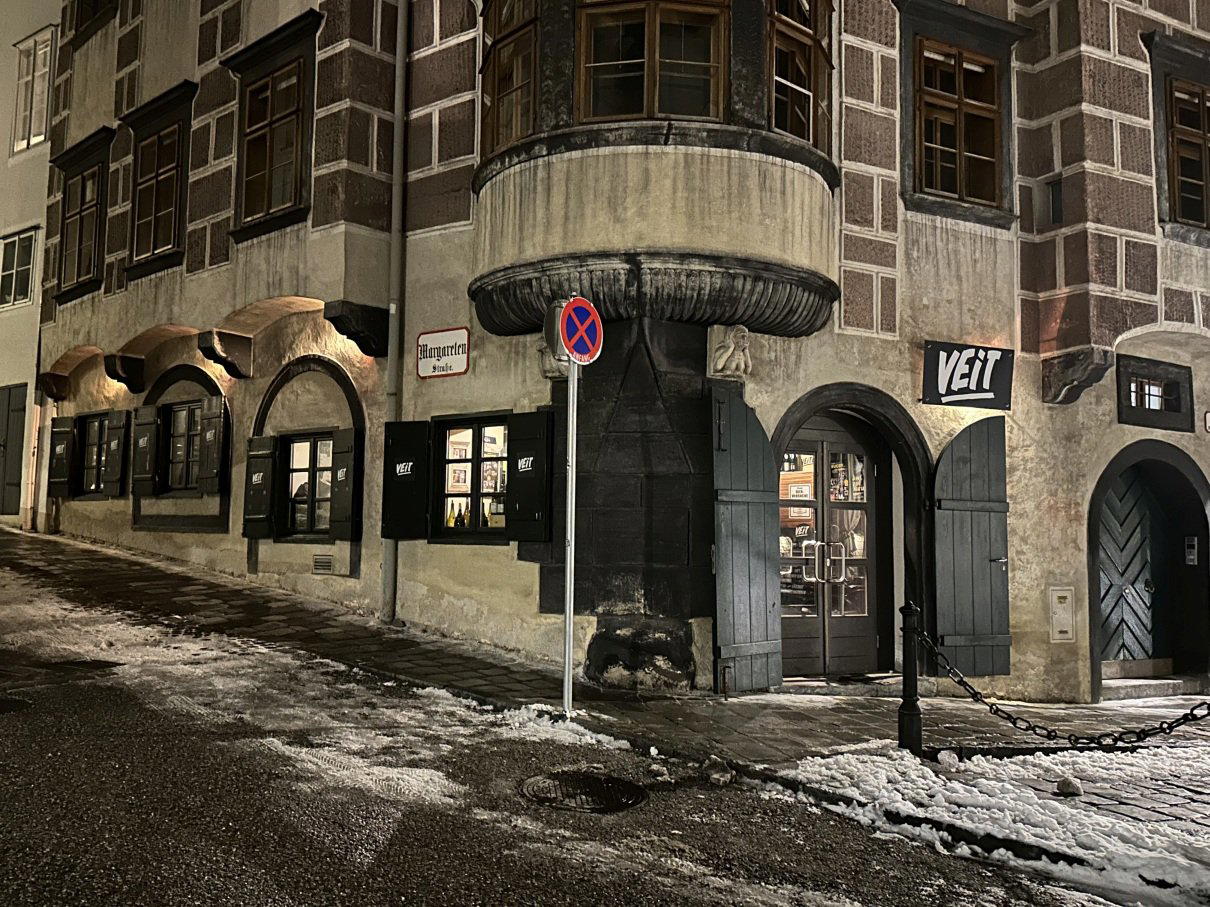
Restaurants in Feuersbrunn
Browse all →
At a Glance
- Quiet
- Rustic
- Classic
- Wine Education
- Solo Exploration
- Group Outing
- Private Tasting
- Estate Grounds
- Historic Building
- Biodynamic
- Organic
- Sustainable
- Vineyard
- Wagram
- Grüner Veltliner
- Riesling
- Still White
- Still Rosé
- Walk In Tasting
- By Appointment Tasting
Terroir-driven and understated, with a quiet, handcrafted, nature-respecting winery-shop feel rather than a showy hospitality experience.