MALAT Weingut und Hotel

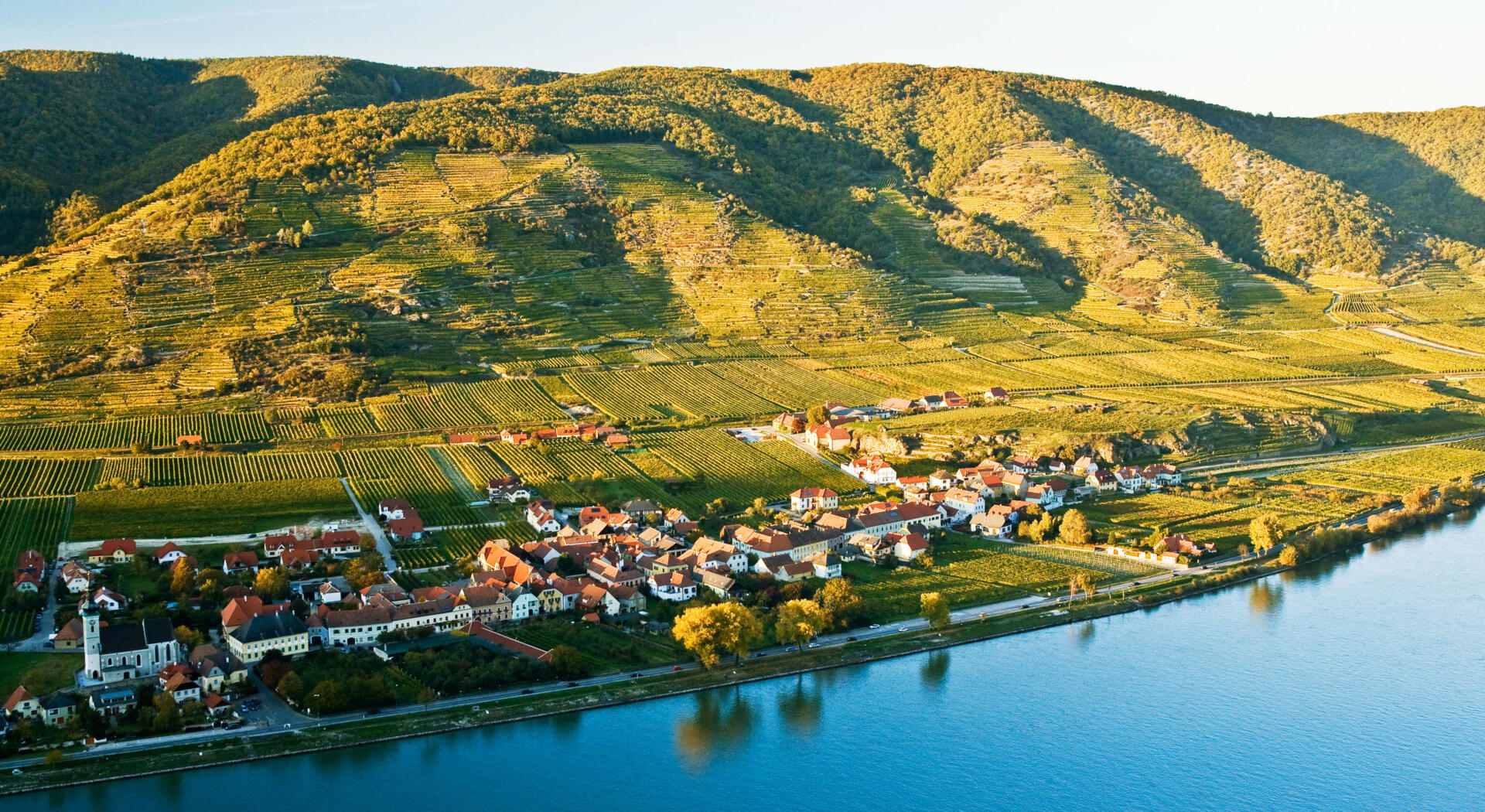
A ten-room boutique hotel built into a working winery that has operated since 1722, MALAT Weingut und Hotel sits on the south bank of the Danube amid the vine terraces of Lower Austria's Wachau-adjacent countryside. Split-level suites in locally sourced timber and stone look out over the 11th-century Stift Göttweig monastery. The property occupies a niche where serious wine heritage and considered modern architecture share the same address.
Pearl is the En Primeur Club membership app — saves, bookings, and concierge access live there. Same editors, same standards.
- Address
- Palt AT, Hafnerstraße 12, 3511 Furth bei Göttweig
- Phone
- +43 2732 82934
- Website
- malat.at
- Directions
- Get directions
 Saves & bookings on Pearl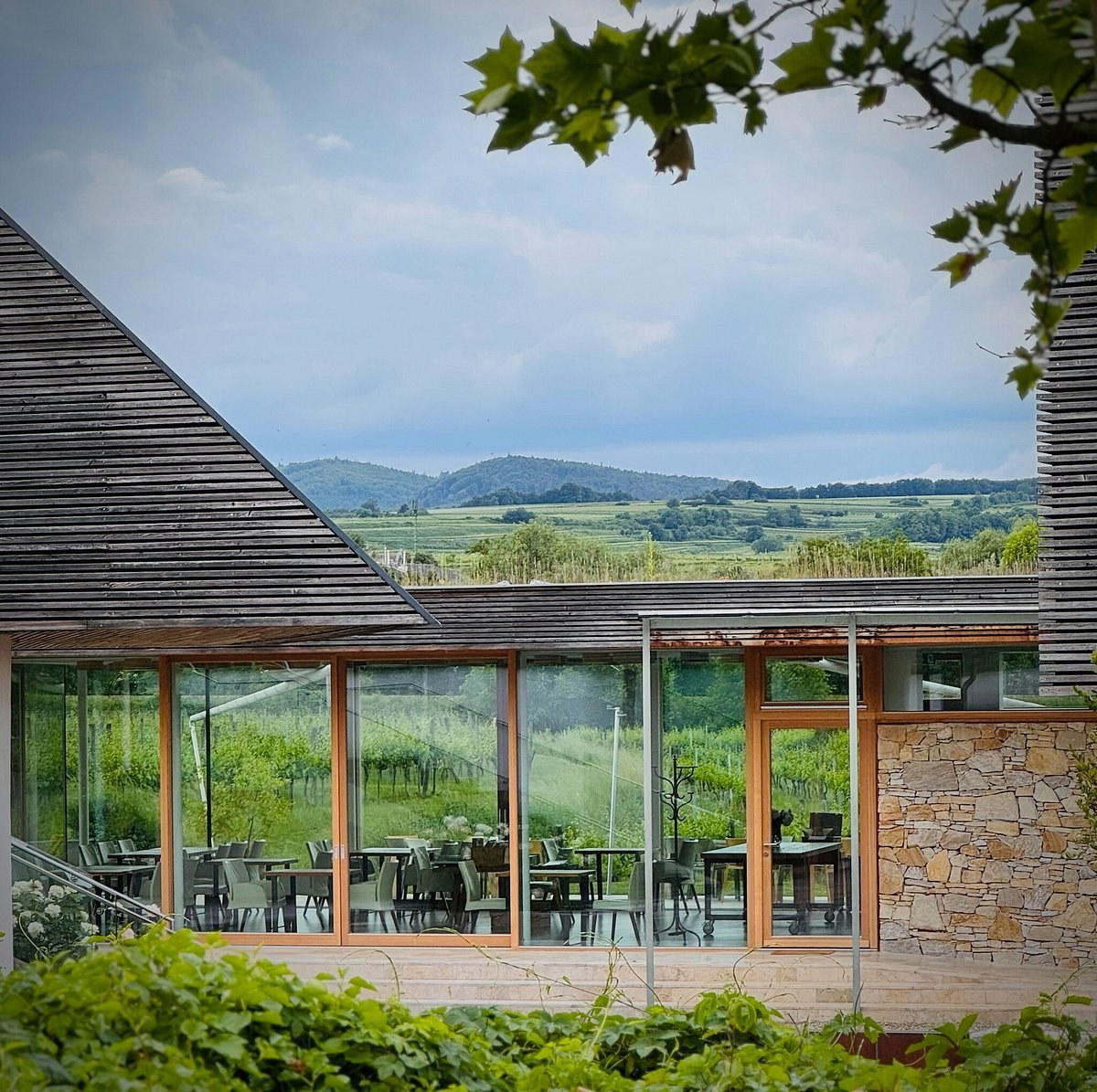
Where Winery Architecture Meets the Danube Valley
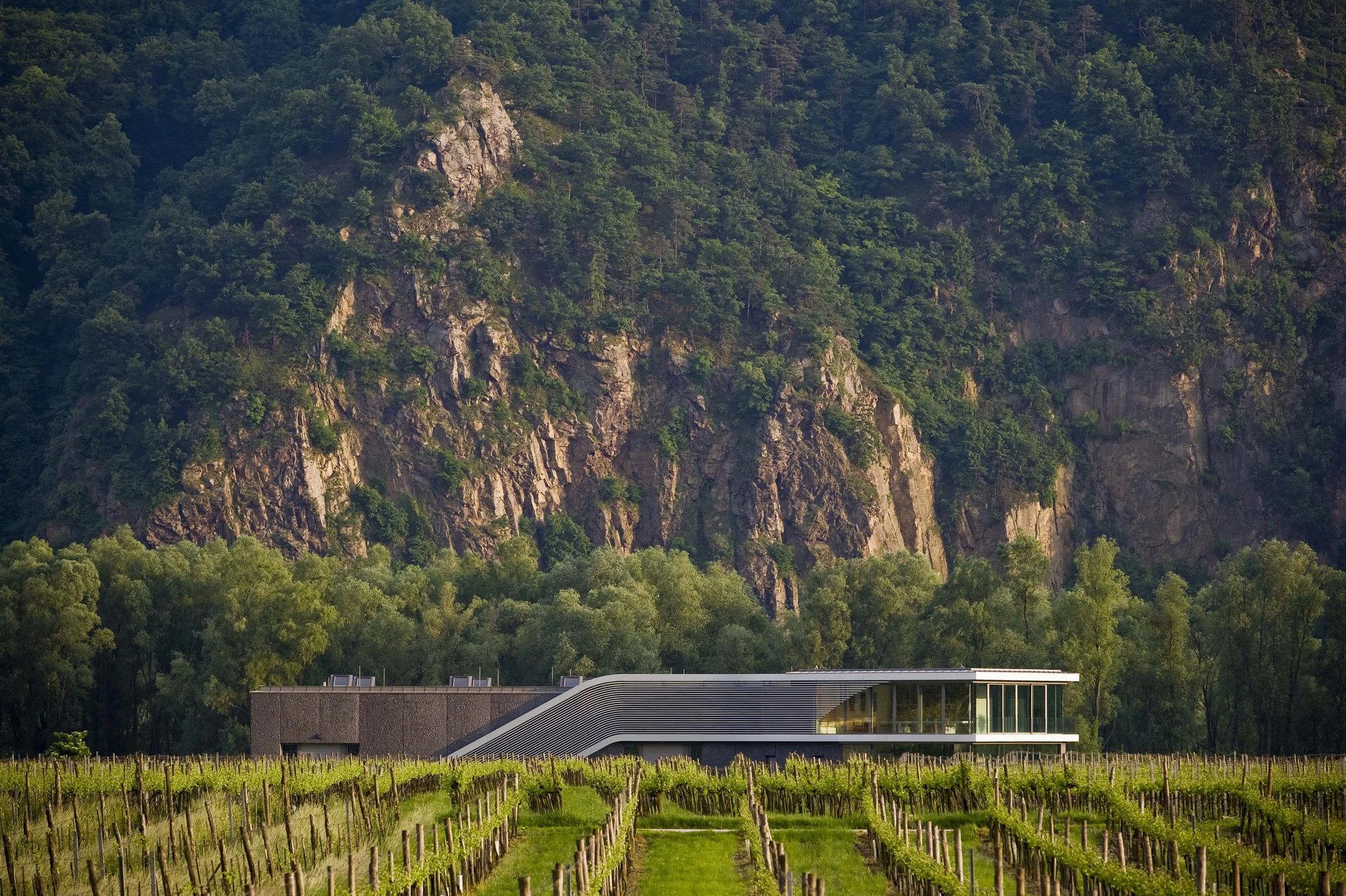
The south bank of the Danube between Krems and Melk is one of the few wine regions in Central Europe where the physical drama of the land directly shapes the character of what grows in it. Rocky terraces cut into steep hillsides, monasteries crown ridgelines, and the river catches and diffuses light in ways that shift the microclimate from one bend to the next. MALAT Weingut und Hotel is a 4-star hotel in Furth bei Göttweig, Austria, with one Michelin Key and a rate of about $350 per night. Constructed from locally sourced timber and stone, the building reads as a considered response to its site rather than an import. The angular, modern silhouette sits at a deliberate distance from the rustic-pastoral vernacular that dominates wine tourism in this part of Lower Austria, a choice that positions it alongside a small peer group of design-forward wine estate hotels, a format that has grown across Europe's premium wine regions over the past two decades as producers seek to extend the relationship between guest and terroir beyond a single tasting room visit.
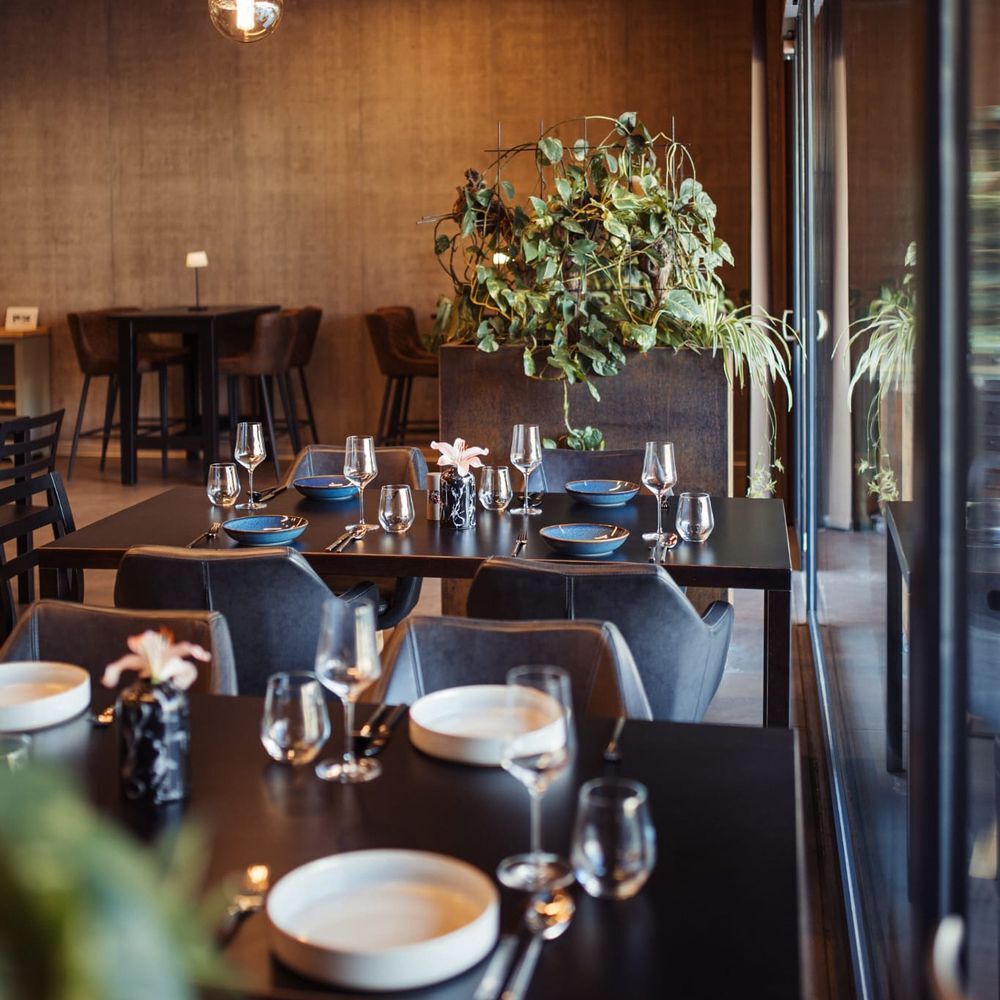
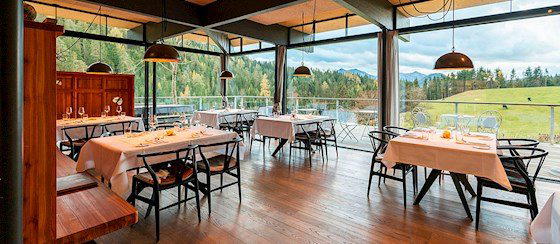
Boutique wine estate hotels of this type operate on a logic distinct from conventional rural retreats. At ten rooms, MALAT is operating at a scale where every spatial decision carries disproportionate weight. There is no lobby crowd to absorb an awkward corridor or an underlit lounge. The interiors answer to that pressure with natural materials throughout, sunlight used as a primary design element through generous glazing, and warm finishes that soften the building's sharp exterior geometry. The result is a property that reads as crisp on approach and grounded once inside, a register that aligns, not accidentally, with how critics tend to describe the white wines produced in this broader corridor of the Danube.
The Suites: Split-Level Design and Monastery Views
In European wine country, the room with the vineyard view has become a standard amenity claim. What distinguishes MALAT's suite configuration is the layering of that view with architectural specificity. The split-level format separates living and sleeping zones on different planes, a spatial arrangement that creates a sense of residential scale unusual in a ten-room property. Parquet floors carry through both levels, private patios extend the interior outward, and floor-to-ceiling glass frames a prospect that takes in rocky terraced vineyards, green hills, and the 11th-century Stift Göttweig monastery rising on the opposite bank. The monastery, a Benedictine abbey that has occupied its hilltop since the early 1000s and was designated a UNESCO World Heritage candidate site within the Wachau cultural landscape, provides a reference point that no amount of interior design budget can manufacture. It also functions as a reminder that this corner of Lower Austria has been considered worth attention for considerably longer than the contemporary wine tourism circuit has existed.
For context on where MALAT sits among Austrian boutique properties, it occupies a different position from the large-footprint resort model represented by properties like the LOISIUM Wine & Spa Resort Langenlois, which operates in the same wine-country category but at greater scale and with a broader amenity offer. MALAT's ten rooms place it in a specialist tier where intimacy and wine estate access are the primary differentiators. Guests at properties like Rosewood Schloss Fuschl in the Salzkammergut or Hotel Sacher Wien in Vienna are buying into heritage and institutional weight at larger scale; MALAT's proposition is the opposite, a close, quiet engagement with a specific place and its produce.
Three Centuries of Winery History as Context
The MALAT family winery has been operating since 1722, which places its founding well before the modern appellation system that now formally defines the Wachau and its neighboring wine zones. That kind of institutional continuity is relatively uncommon in Austria's wine sector, where many of the producers now considered reference points rebuilt their reputations from the late 1980s onward following the wine scandal of 1985 that restructured the country's entire export identity. A winery operating continuously across that period carries a different relationship to the land than one established in the premium wine boom of the past thirty years. The hotel building is particularly recent addition to this history, framing the estate's contemporary turn toward wine tourism as an extension of long-standing local roots rather than an opportunistic pivot.
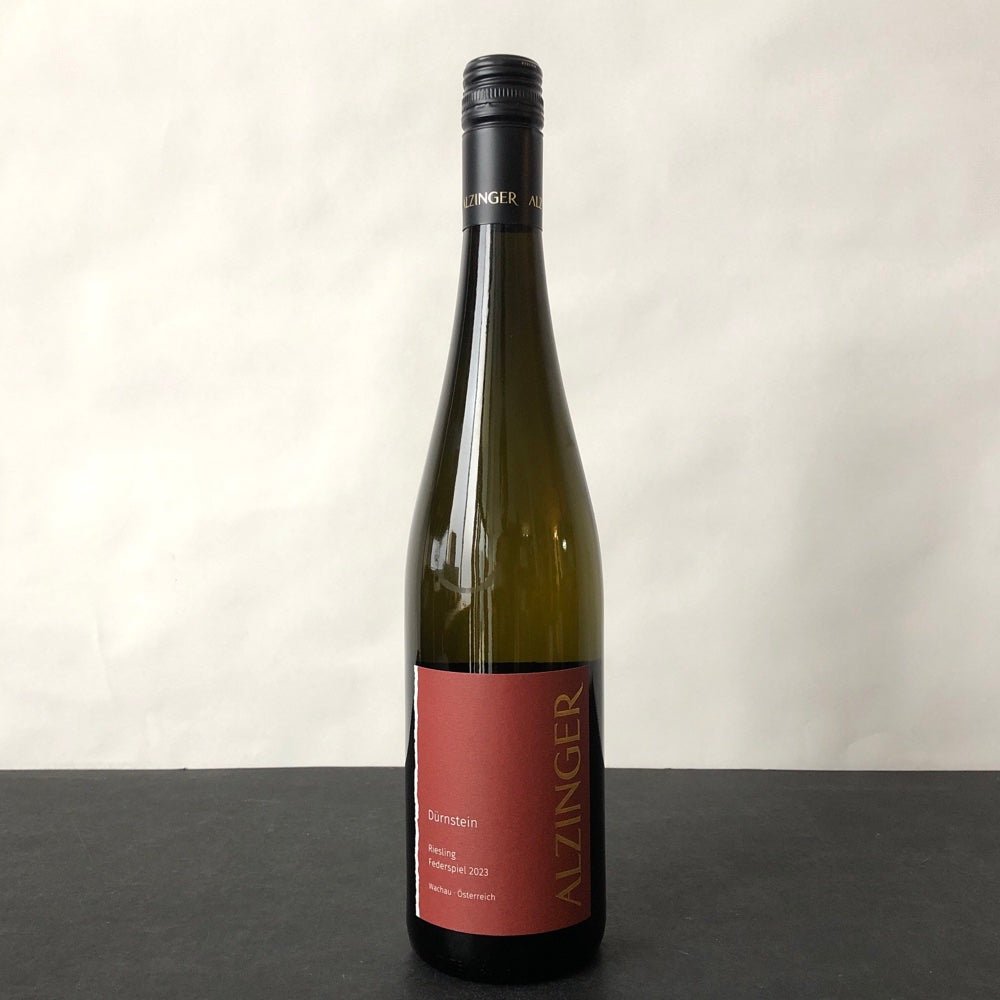
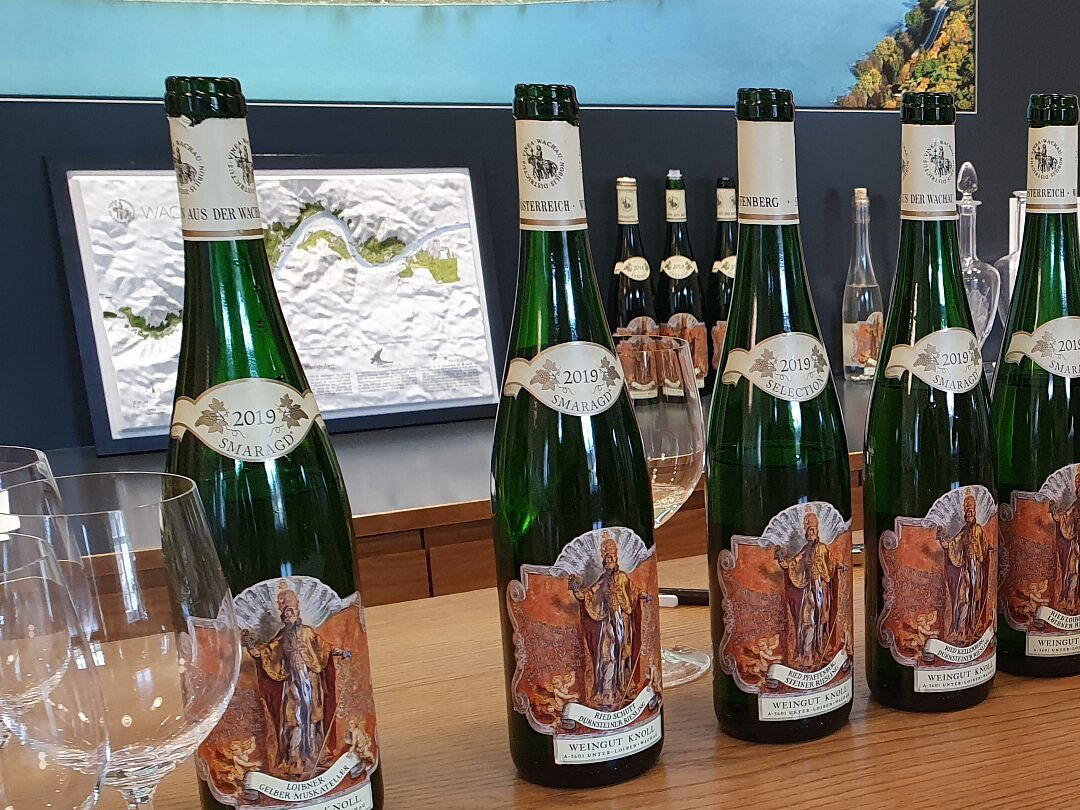
Lower Austria's wine regions, including the Wachau, Kremstal, and Kamptal, have collectively repositioned over the past two decades as a serious counterweight to Austria's tourist-facing image of Viennese Grüner Veltliner in suburban Heurigen. The Wachau in particular operates under its own classification system, the Vinea Wachau's Steinfeder, Federspiel, and Smaragd categories, which functions as a quality signal independent of national appellation law. Furth bei Göttweig sits just outside the Wachau's formal boundary but inside the broader cultural and viticultural zone that benefits from the region's reputation. Guests staying at the property are, in effect, positioned at a productive edge between the tightly regulated Wachau designation and the somewhat more flexible Kremstal appellation, with direct access to both.
Placing MALAT in the Austrian Boutique Hotel Conversation
Austria's boutique hotel offering has expanded considerably, with notable concentrations in Tyrol's mountain resort segment (properties like Aktiv & Wellnesshotel Bergfried in Tux, Alpen-Wellness Resort Hochfirst in Obergurgl, and Grand Tirolia Kitzbühel), in Salzburg's historic city core (Schloss Mönchstein), and along lakeshores (Hotel Schloss Seefels in Techelsberg, Falkensteiner Schlosshotel Velden). Wine-country hospitality at this level of specificity remains a smaller category, which is part of what makes MALAT's position notable within the national offer. The estate provides a logical base for extended time in the region without requiring a return to Krems or Vienna each evening.
Other Austrian mountain and design properties worth benchmarking against a different set of criteria include Naturhotel Waldklause in Längenfeld, DAS EDELWEISS in Grossarl, and Alpenresort Schwarz in Obermieming, all of which operate in the wellness-and-landscape register rather than the wine-estate format. The distinction matters for trip planning: MALAT's draws are primarily viticultural and architectural, not spa-driven, which places it in a different decision frame entirely. Travelers considering wine-focused itineraries that continue beyond Austria might look at the Aman Venice for a contrasting estate-adjacent property in a different wine-country context.
Planning a Stay
At ten rooms, MALAT operates without the buffer of inventory that larger properties can absorb. The harvest window in particular, typically running through September and October in this part of Lower Austria, brings the winery's activity into direct view for guests and represents one direct point of contact between the estate's production history and the experience of staying on site. The address at Hafnerstraße 12, 3511 Furth bei Göttweig, places the property on the south bank, with the Stift Göttweig monastery visible on the hill across the river.
A Quick Peer Check
Comparable venues nearby, for context on price, style, and recognition.
| Venue | Cuisine | Price | Awards | Notes |
|---|---|---|---|---|
| MALAT Weingut und HotelThis venue — the venue you are viewing | Modern minimalist boutique winery hotel with contemporary architecture sensitively integrated into vineyard landscape using local materials. | $$$$ | Michelin 1 Key | Not listed |
| Hotel Josefine | Revitalized 1896 Gründerzeit building with Art Deco splendor. | $$$ | Michelin 1 Key | Mariahilf |
| Hideaway Hotel Montestyria Chalets & Suiten | Modern Alpine chalets blending luxury and homey comfort | $$$$ | Michelin 1 Key | Mariazell |
| die HOCHKÖNIGIN Mountain Resort | Soulful alpine mountain resort blending tradition and modern luxury post-2019 renovation. | $$$$ | Michelin 1 Key | Maria Alm am Steinernen Meer |
| Hollmann Beletage Design & Boutique Hotel | Historic beletage apartment building transformed into intimate boutique hotel | $$$ | Michelin 1 Key | Innere Stadt |
| Impulshotel FREIGOLD | Contemporary city spa hotel with innovative design | $$$ | Michelin 1 Key | Freistadt |
Recognition history
Dated appearances from independent guides and award organizations, with the underlying list record or original source where available.
Michelin 1 Key
Michelin
Continue exploring
More in Furth Bei Göttweig
Hotels in Furth Bei Göttweig
Browse all →
Bars in Furth Bei Göttweig
Browse all →
Restaurants in Furth Bei Göttweig
Browse all →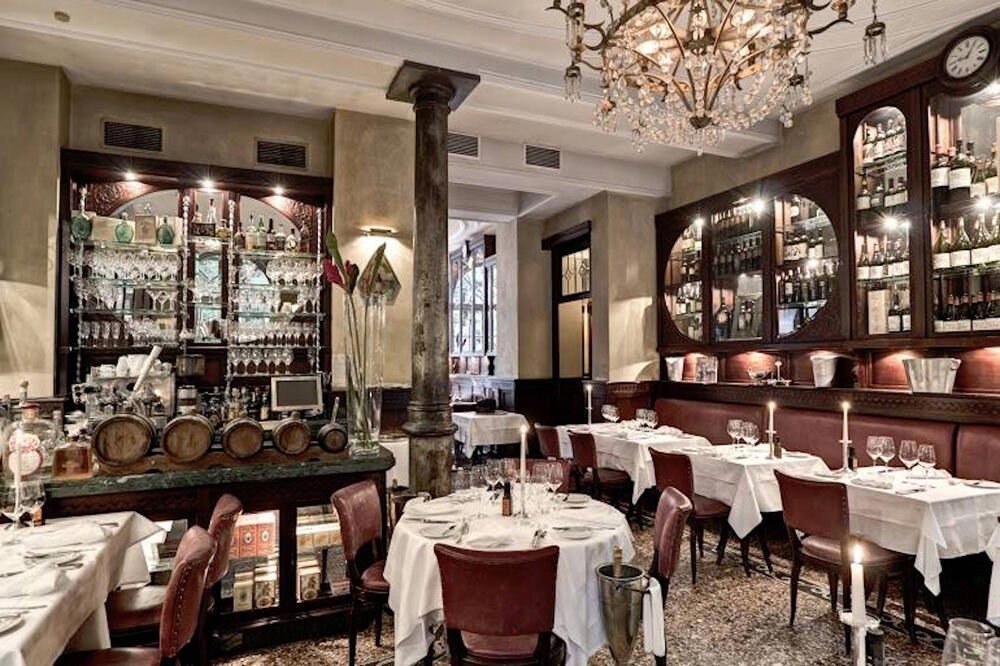
At a Glance
- Romantic
- Scenic
- Elegant
- Sophisticated
- Quiet
- Modern
- Romantic Getaway
- Honeymoon
- Anniversary
- Weekend Escape
- Wellness Retreat
- Garden
- Terrace
- Panoramic View
- Design Destination
- Wi Fi
- Spa
- Massage
- Sauna
- Laundry Service
- Vineyard
- Garden
- Wi Fi
- Spa
- Massage
- Sauna
- Laundry Service
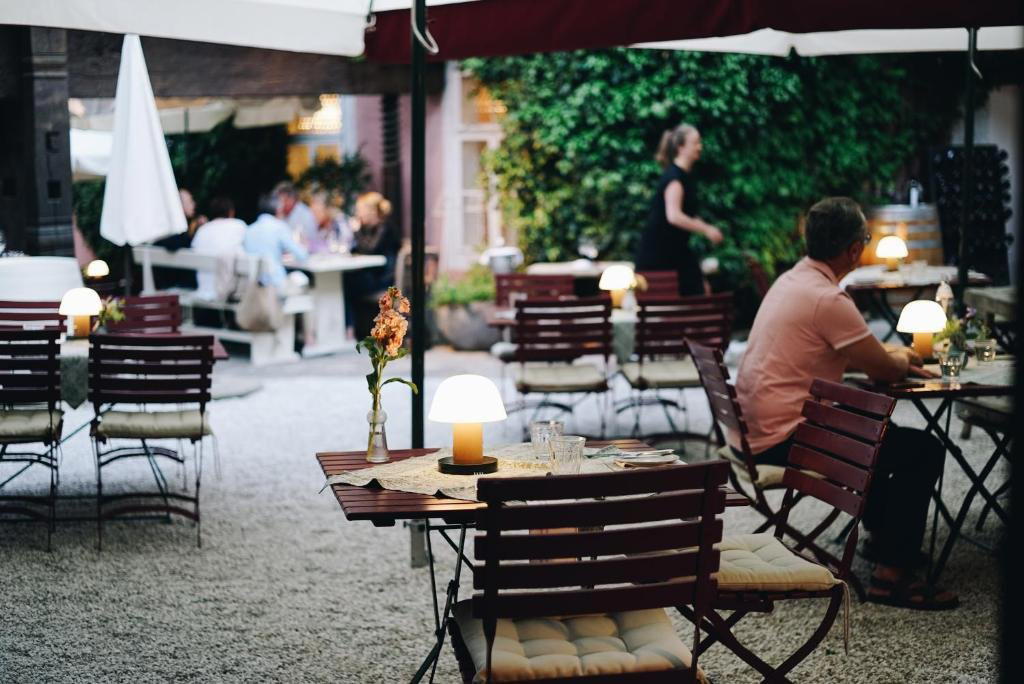
Bright, airy modernist spaces with abundant natural light from floor-to-ceiling windows overlooking vineyards and Göttweig Abbey; warm, inviting common areas with vinyl record players and wine bars; minimalist yet cozy design blending glass, wood, and stone.