Dorfhotel Fasching sits in Fischbach, a small Styrian village in the forested hills of eastern Austria where the region's produce-driven hospitality tradition runs deep. The hotel occupies a quiet address at Badgasse 5, placing it within a landscape where farm proximity and seasonal supply shape what ends up on the plate. For travellers seeking Austrian alpine character without the resort-town crowds, Fischbach offers a quieter register.
Pearl is the En Primeur Club membership app — saves, bookings, and concierge access live there. Same editors, same standards.
- Address
- Badgasse 5, 8654 Fischbach, Austria
- Phone
- +43433170262
- Website
- dorfhotel-fasching.at
- Directions
- Get directions
 Saves & bookings on Pearl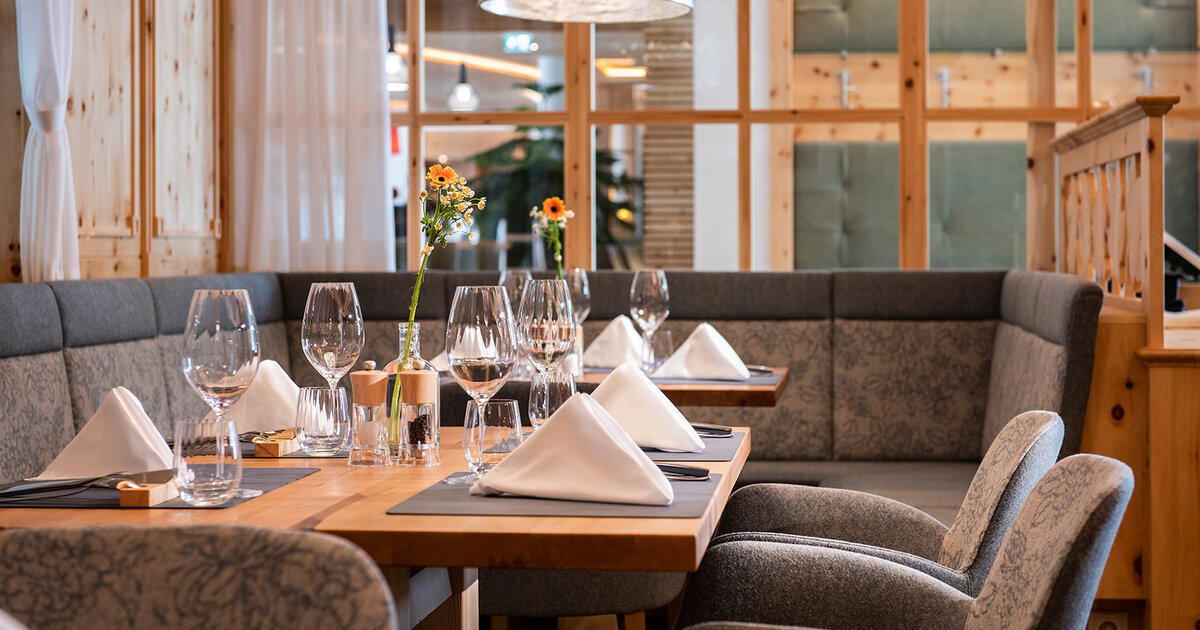
Where Styrian Produce Meets Alpine Village Hospitality
Eastern Styria's forested highlands operate on a different rhythm from the ski-resort circuit to the west or the urban dining scene in Graz. Fischbach, a small village in the Feistritz valley hills, sits in the kind of terrain where the supply chain between farm and kitchen is short by necessity as much as philosophy. Dorfhotel Fasching is a restaurant in Fischbach, eastern Styria, at Badgasse 5, serving Austrian Alpine Cuisine. It is a smart casual, reservation-recommended address. In the village centre, it belongs to a category of Austrian country hotel where the sourcing question is answered by geography: the producers are close, the seasons are visible, and the menu follows accordingly.
This matters because Styria has built one of Austria's most coherent regional food identities around exactly these conditions. Pumpkin seed oil from the flatlands to the south, cured meats from small operations in the hills, dairy from farms that graze at altitude, these are the ingredients that define Styrian cooking at every price point, from roadside Buschenschank to the formal dining rooms recognised by Austria's major awards programmes. Dorfhotel Fasching sits within that regional tradition, in a village that sees far fewer visitors than the Schilcherland wine routes or the Graz food scene that draws much of the international attention Styria now receives.
The Fischbach Setting and What It Signals
Arriving in Fischbach, the scale is immediately clear. This is not a resort town or a gateway to a major attraction. The village functions on agricultural and forestry rhythms, and the accommodation options here reflect that character: smaller properties, family operation, and a guest profile that skews toward walkers, cyclists, and travellers who have specifically sought out the Styrian hill country rather than passed through it. Dorfhotel Fasching, with its village-centre position, fits that pattern.
In Austrian hospitality, the term Dorfhotel (village hotel) carries specific expectations. The format prioritises local character over international standardisation, and the dining offer, where it exists, tends to draw directly on regional supply rather than importing a cuisine from outside the immediate area. For the ingredient-sourcing question that defines so much of contemporary Austrian gastronomy, properties like this occupy a structurally different position from city hotels: the supply chain is visible from the breakfast table, and the kitchen's relationship with local producers is often long-standing rather than trend-driven.
Austria's broader dining scene has spent the past decade making exactly this argument at the highest levels. Properties like Döllerer in Golling an der Salzach and Taubenkobel in Schützen am Gebirge have demonstrated that Austria's regional produce credentials can anchor internationally recognised fine dining. Landhaus Bacher in Mautern an der Donau and Obauer in Werfen have made similar cases from their respective regions. Fischbach operates at a more modest register, but the underlying logic of produce proximity is the same.
Styria's Regional Ingredient Tradition
Understanding what a Styrian country hotel kitchen draws on requires some sense of what the region actually produces. Styria accounts for the majority of Austria's pumpkin seed oil output, and that oil appears in cooking here the way olive oil functions in Mediterranean kitchens: as a finishing element, a dressing base, and a flavour signature that marks a dish as distinctly regional. Beyond that, the area's forested hills support game, mushroom harvesting, and the kind of herb growth that makes spring and autumn one interesting seasons at the table.
Styrian cured meats, particularly in the hill country around Fischbach, follow traditions that predate the current European interest in charcuterie. Small operations cure pork using local methods, and the results appear on hotel breakfast boards and evening menus alike. Dairy, meanwhile, tends to come from farms operating at modest scale, which means seasonal variation in cheese and butter is real rather than cosmetic.
This supply structure positions a village hotel in Fischbach differently from, say, an urban property in Graz sourcing from the same region at one remove. The argument for staying in the production area rather than the city is an ingredient argument as much as an atmosphere one. For context on how Austria's most recognised kitchens handle similar regional sourcing at the formal end of the spectrum, the work at Steirereck im Stadtpark in Vienna and Kräuterreich by Vitus Winkler in Sankt Veit im Pongau provides useful reference points for how deeply the regional produce argument runs through Austrian hospitality.
Fischbach in the Wider Austrian Country Hotel Context
Austrian country hotels have developed a distinct identity within European rural hospitality. Unlike the Swiss resort model or the Italian agriturismo format, the Austrian Dorfhotel tends to combine comfort with a certain lack of performance: the focus is on the meal, the walk, and the quietness of the setting rather than on curated experiences or designed programming. At properties like Griggeler Stuba in Lech or Gourmetrestaurant Tannenhof in Sankt Anton am Arlberg, the alpine hotel format has been pushed toward formal gastronomy. Fischbach sits at the other end of that spectrum, in a village where the draw is the terrain and the table rather than any particular programme.
Travellers comparing options in Styria's hill country will find Fischbach positioned as a quieter alternative to the better-known Schilcherland wine belt. The village receives less international attention than the Graz region destinations covered in our full Fischbach restaurants guide, which makes it a reasonable choice for visitors who have already covered the region's headline properties and want something closer to the working agricultural character of eastern Styria.
For those building a broader Austrian itinerary that includes rural stops alongside city dining, properties like Atelier Fischer in Sankt Gilgen, Ois in Neufelden, and Schwarzer Adler in Hall in Tirol each represent the country hotel format in different regional registers. Stüva in Ischgl and Restaurant 141 by Joachim Jaud in Mieming demonstrate how the alpine western regions handle the same hospitality tradition. For reference beyond Austria, the farm-to-table sourcing argument at venues like Lazy Bear in San Francisco shares structural similarities with how Styrian country kitchens position regional produce, even if the execution and cultural context differ considerably. The formal end of ingredient-led European dining, as seen at Le Bernardin in New York City or Ikarus in Salzburg, provides a broader frame for understanding how sourcing specificity functions as a quality signal across different tiers of hospitality. Thaller - Gasthaus in Sankt Veit am Vogau offers another Styrian data point at a comparable village scale.
Planning a Stay in Fischbach
Fischbach is accessible from Graz by road in under an hour, which makes it a viable base for day visits to the city without the cost or noise of an urban stay. The village is small enough that Badgasse 5 is easy to locate without navigation detail. Given the limited availability of accommodation at this scale in the Feistritz valley hills, booking ahead is advisable for peak walking and cycling seasons in late spring and early autumn, when demand for Styrian hill country properties tends to run ahead of supply. Specific pricing, room categories, and booking channels are best confirmed directly with the hotel, as current rates were not available at time of publication.
How It Stacks Up
Comparable venues nearby, for context on price, style, and recognition.
| Venue | Cuisine | Price | Notes |
|---|---|---|---|
| Dorfhotel FaschingThis venue — the venue you are viewing | Austrian Alpine Cuisine | $$$ | Not listed |
| Landhauskeller | Traditional Styrian/Austrian | $$$ | Innere Stadt |
| Claus Curn | Innovative Austrian | $$$ | Adamstal |
| Der Graf im Stadthaus | Austrian Gutbürgerliche (Polished Home Cooking) | $$$ | Neusiedl am See city center |
| Bitzinger The Passion | Modern Viennese | $$$ | Innere Stadt |
| Griechenbeisl | Traditional Viennese | $$$ | Innere Stadt |
Continue exploring
More in Fischbach
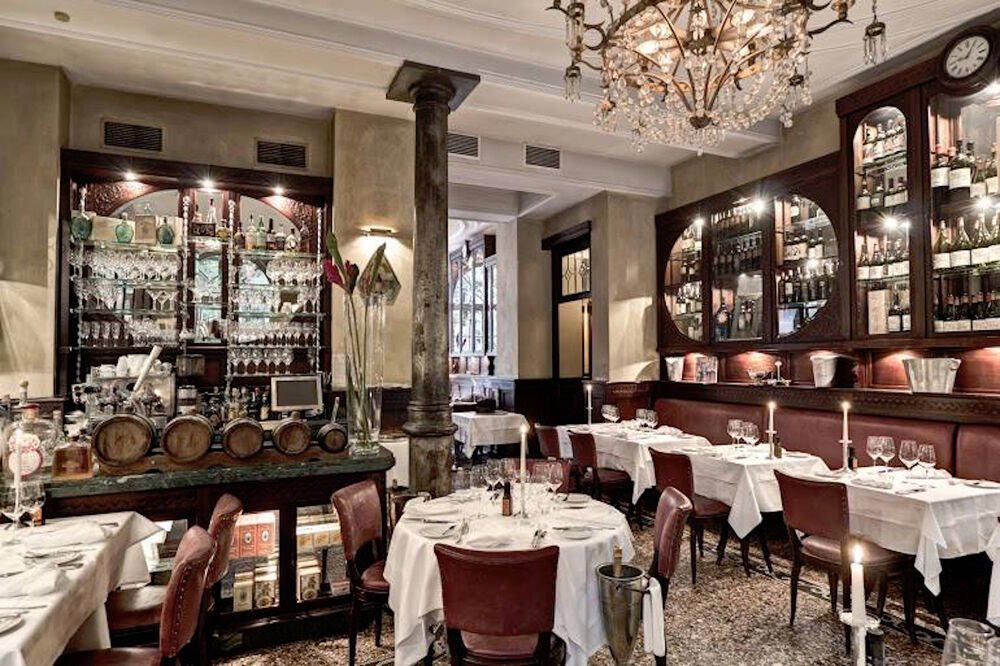
Restaurants in Fischbach
Browse all →

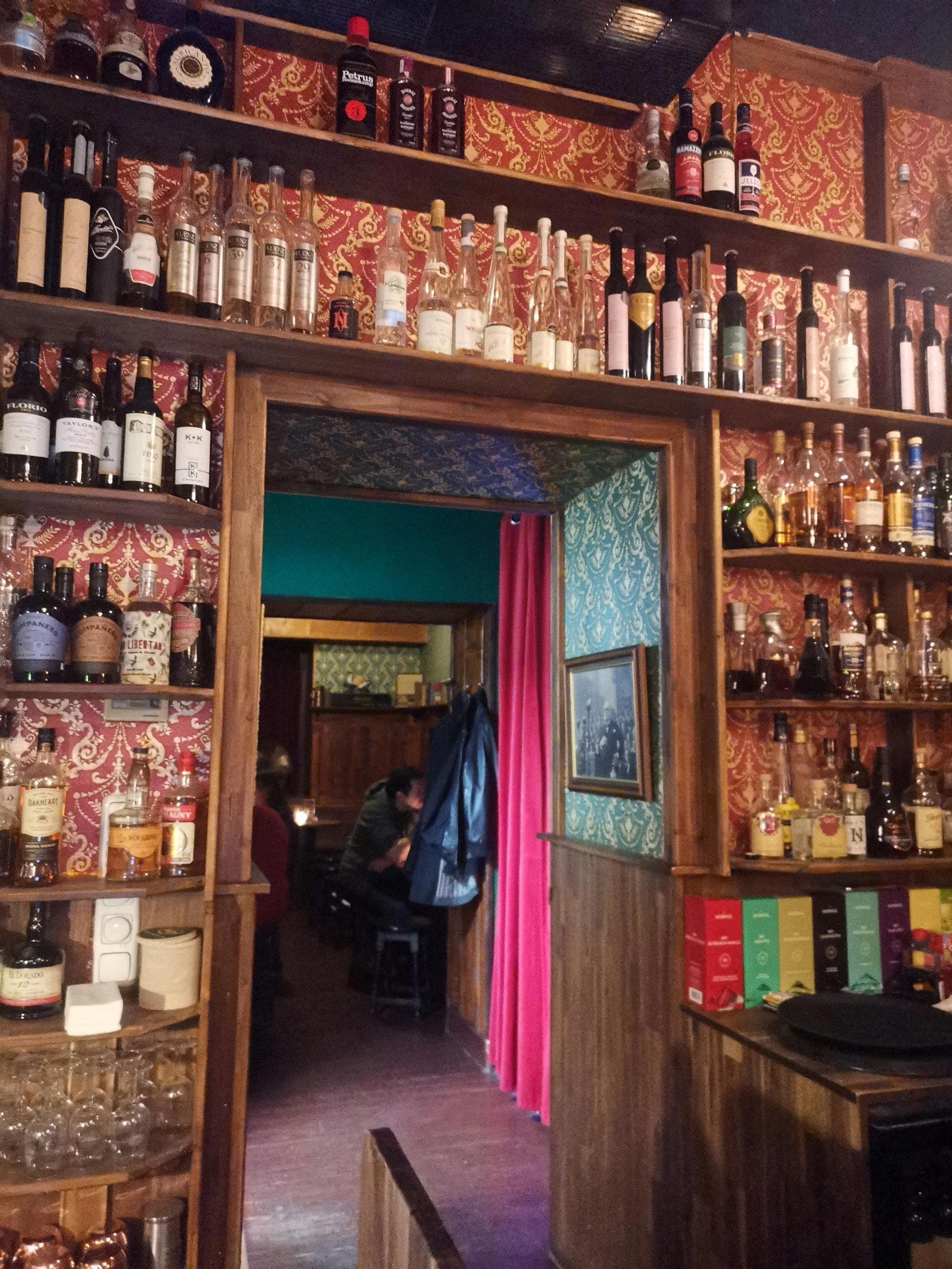
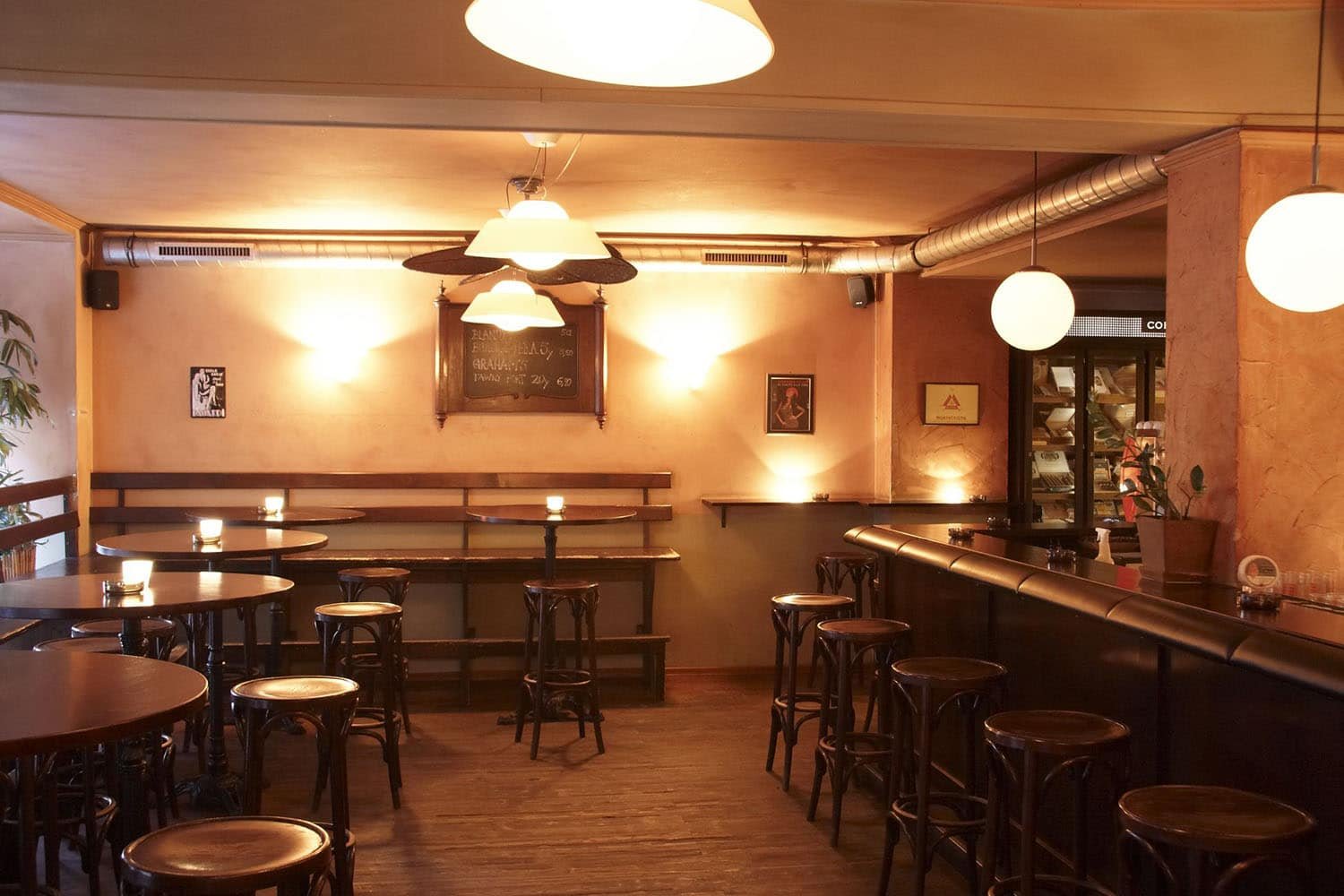
Bars in Fischbach
Browse all →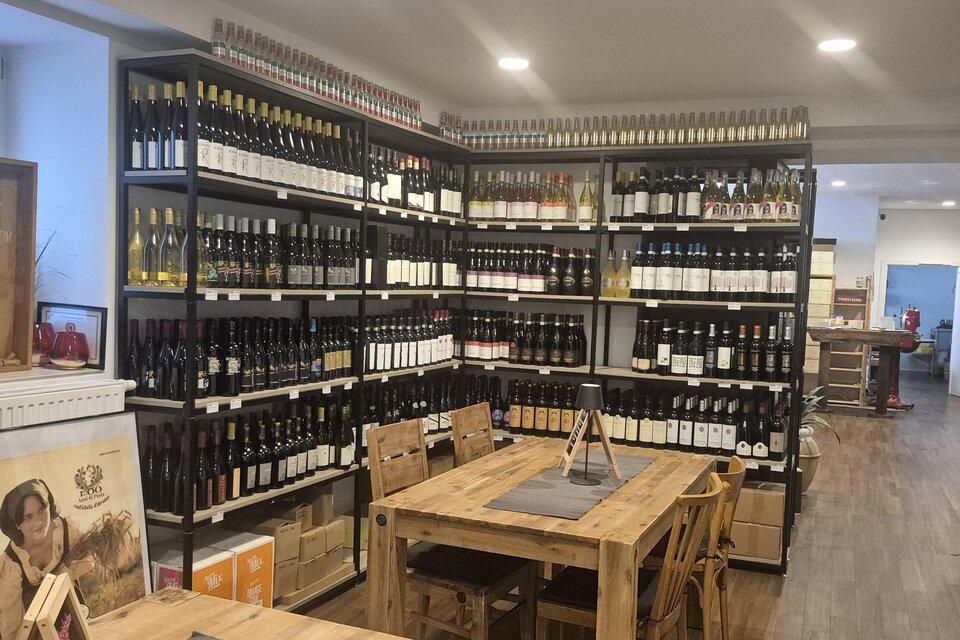
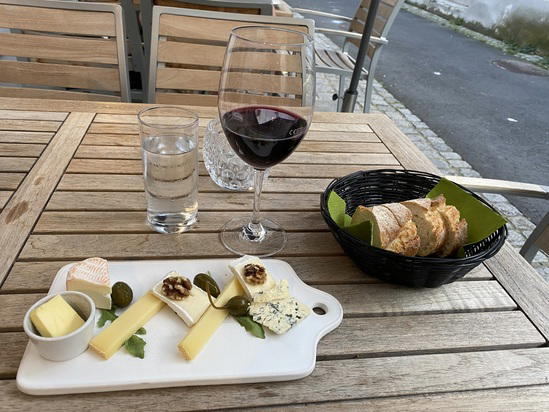
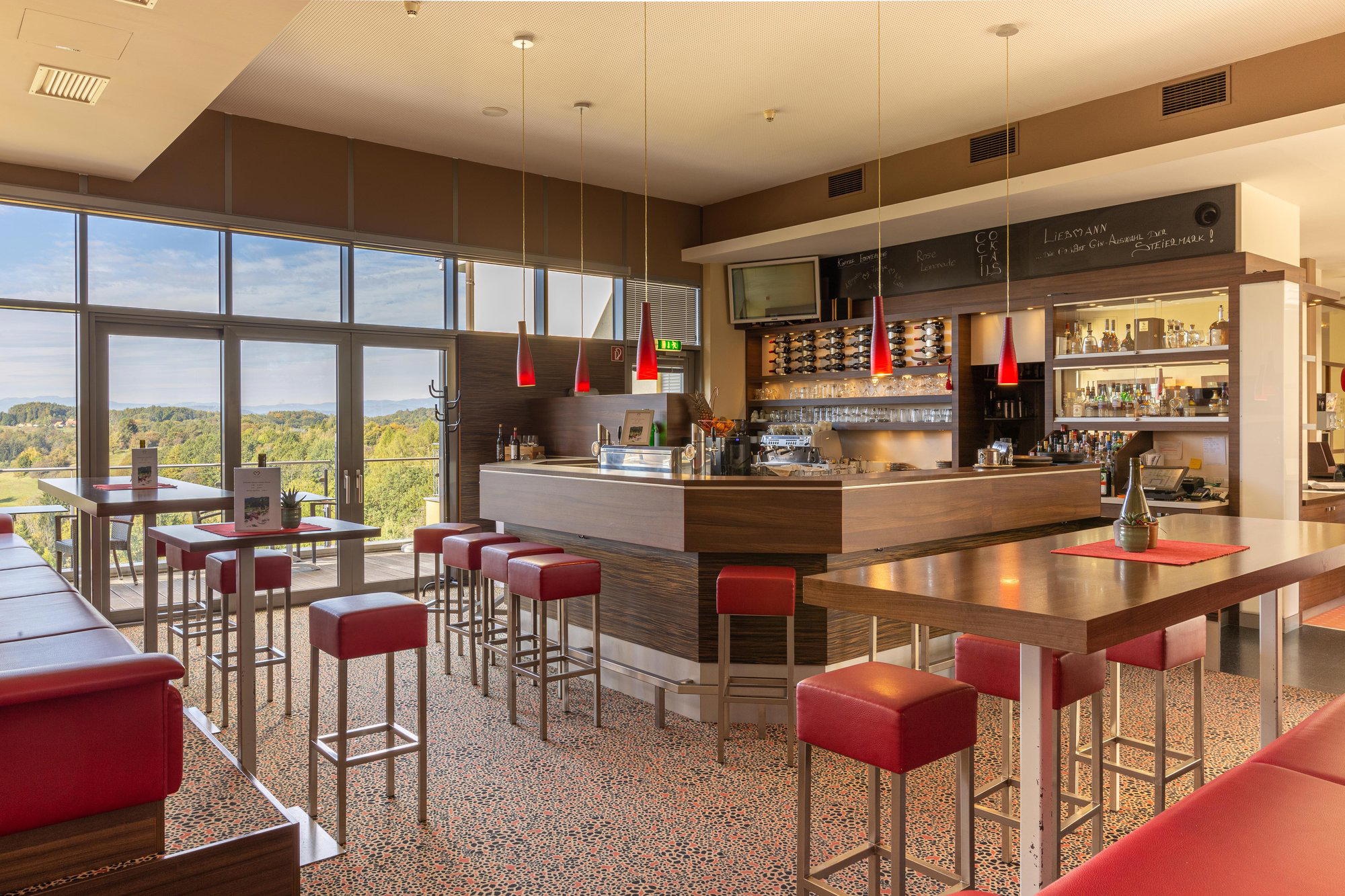
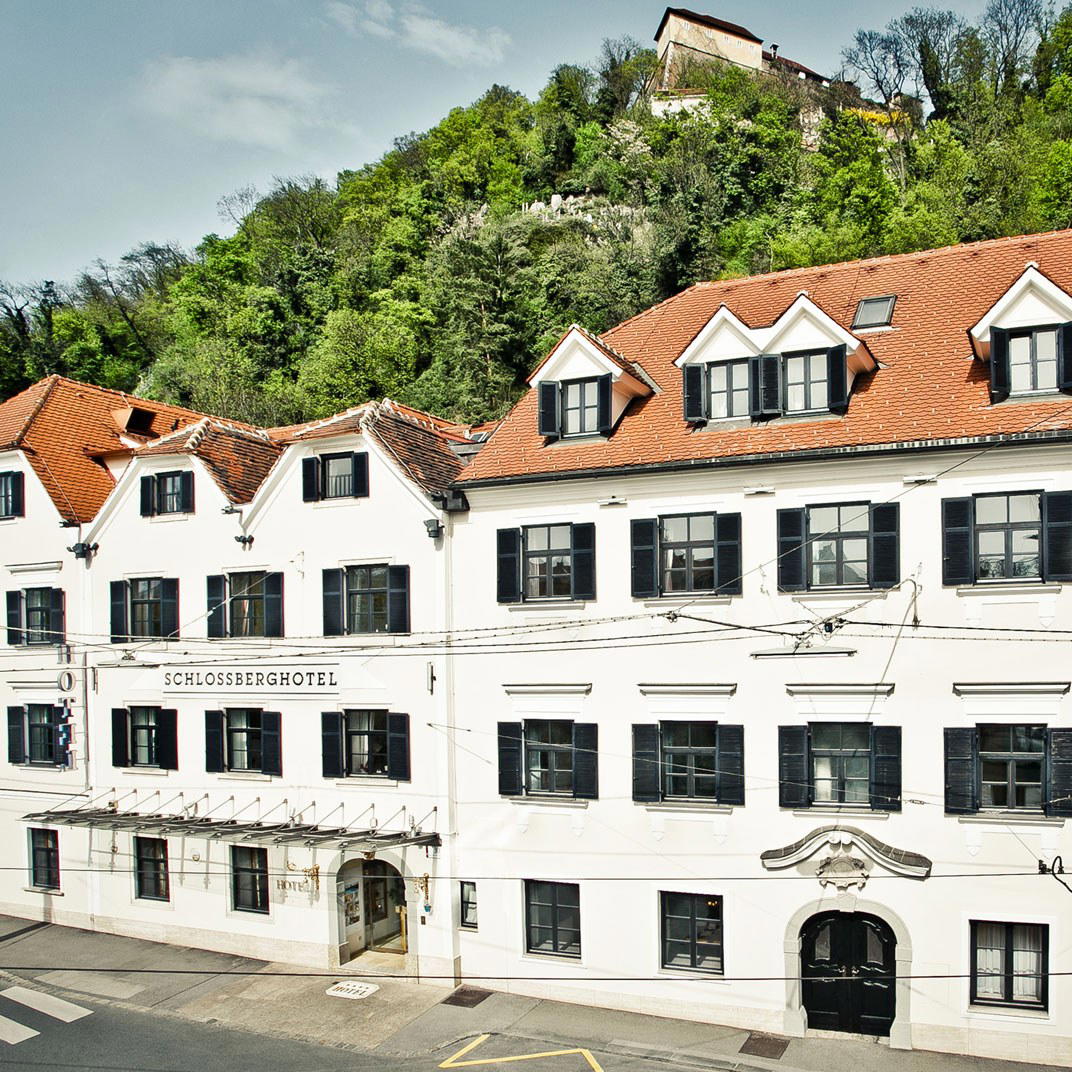
Hotels in Fischbach
Browse all →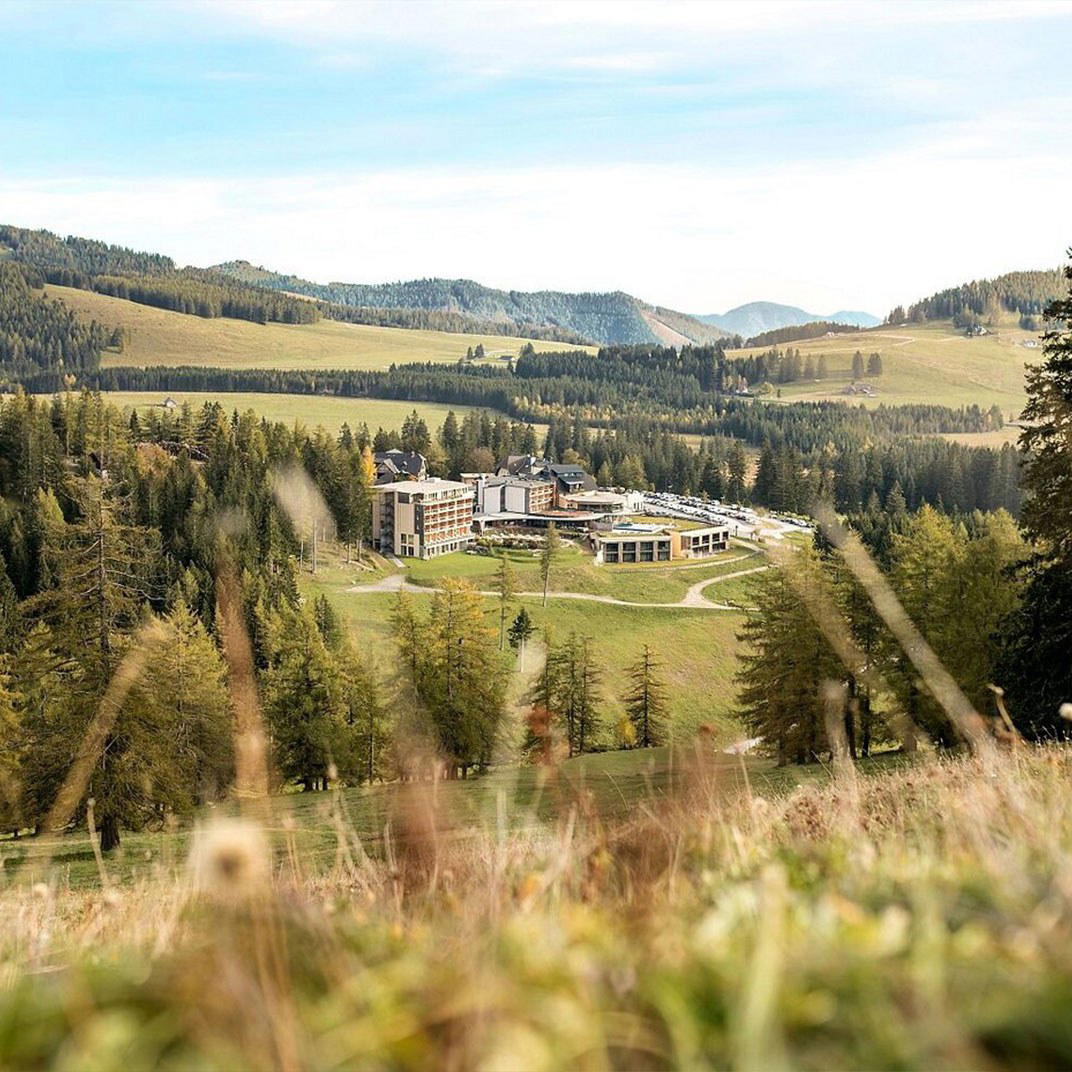

At a Glance
- Cozy
- Rustic
- Elegant
- Scenic
- Family
- Celebration
- Special Occasion
- Business Dinner
- Hotel Restaurant
- Wine Cellar
- Panoramic View
- Terrace
- Extensive Wine List
- Sommelier Led
- Farm To Table
- Local Sourcing
- Mountain
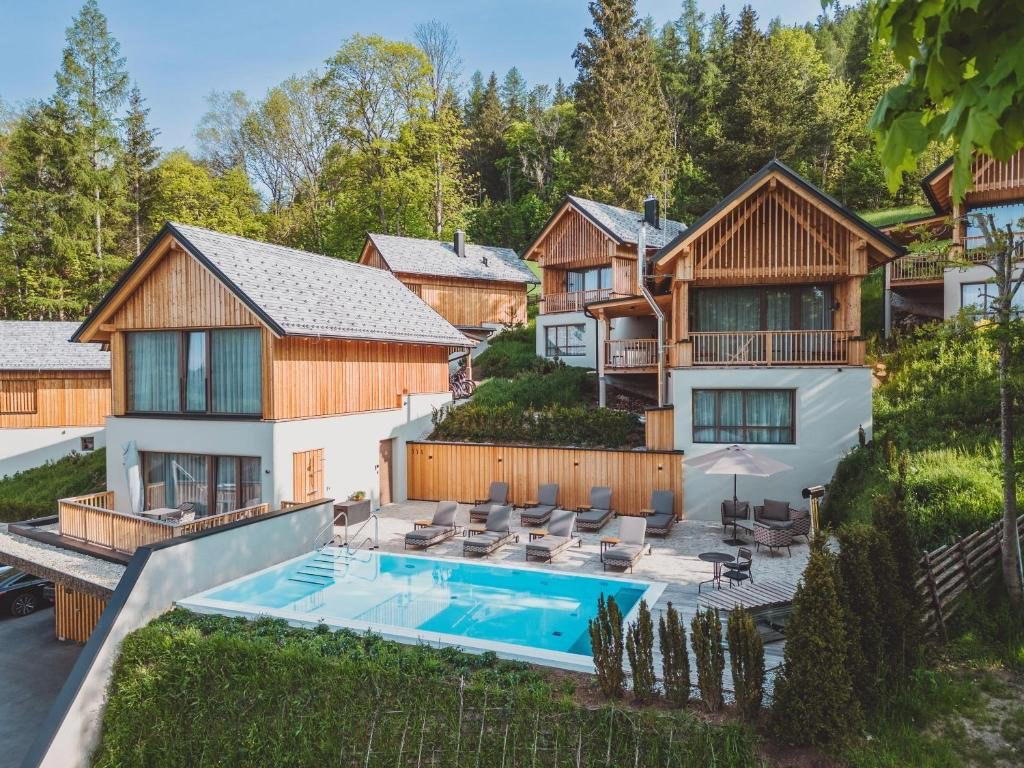
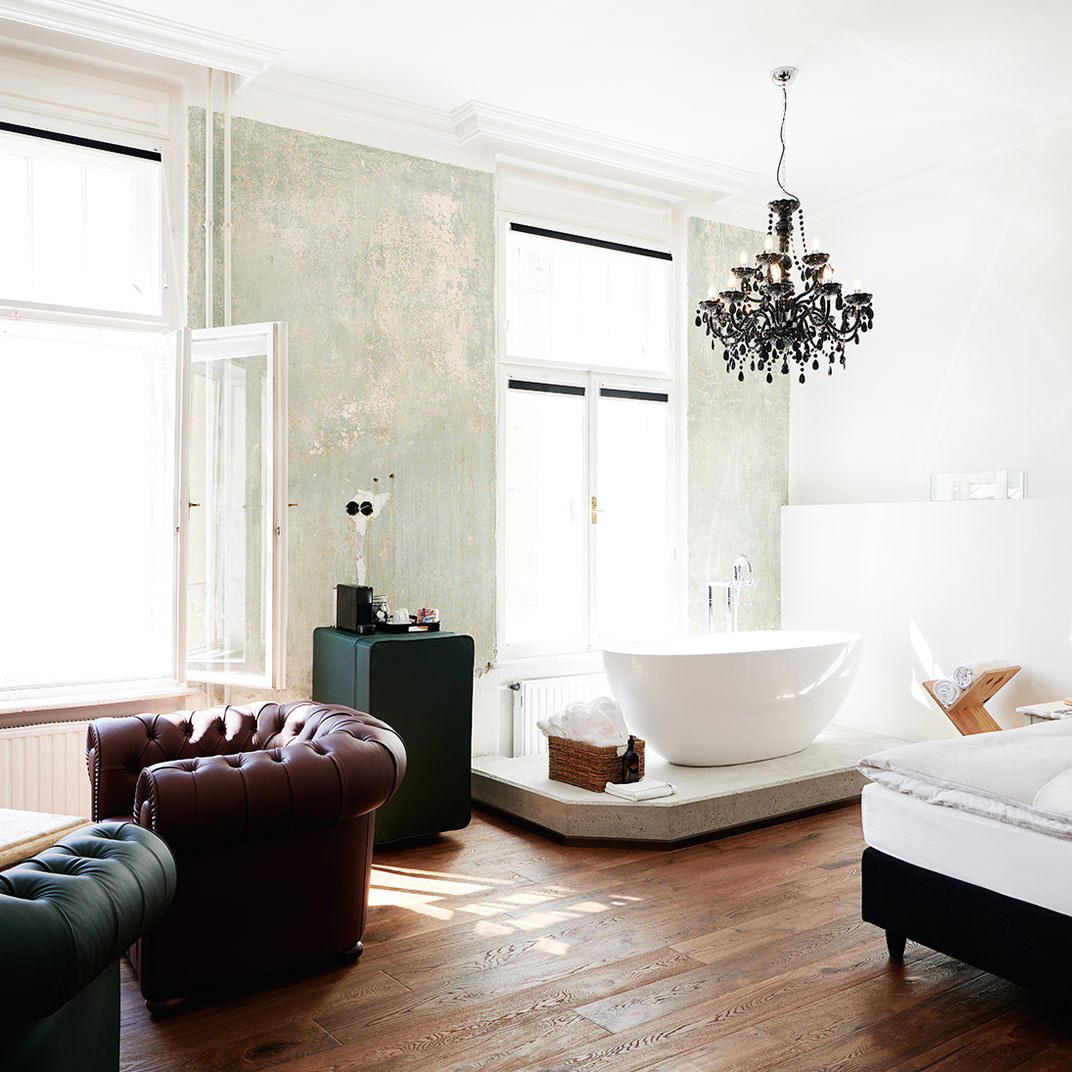
Warm, welcoming atmosphere with natural hospitality; wood-accented dining rooms (Roseggerstüberl with zirbenholz); relaxed yet refined ambiance reflecting three generations of family stewardship.