Mörwald „Toni M.“



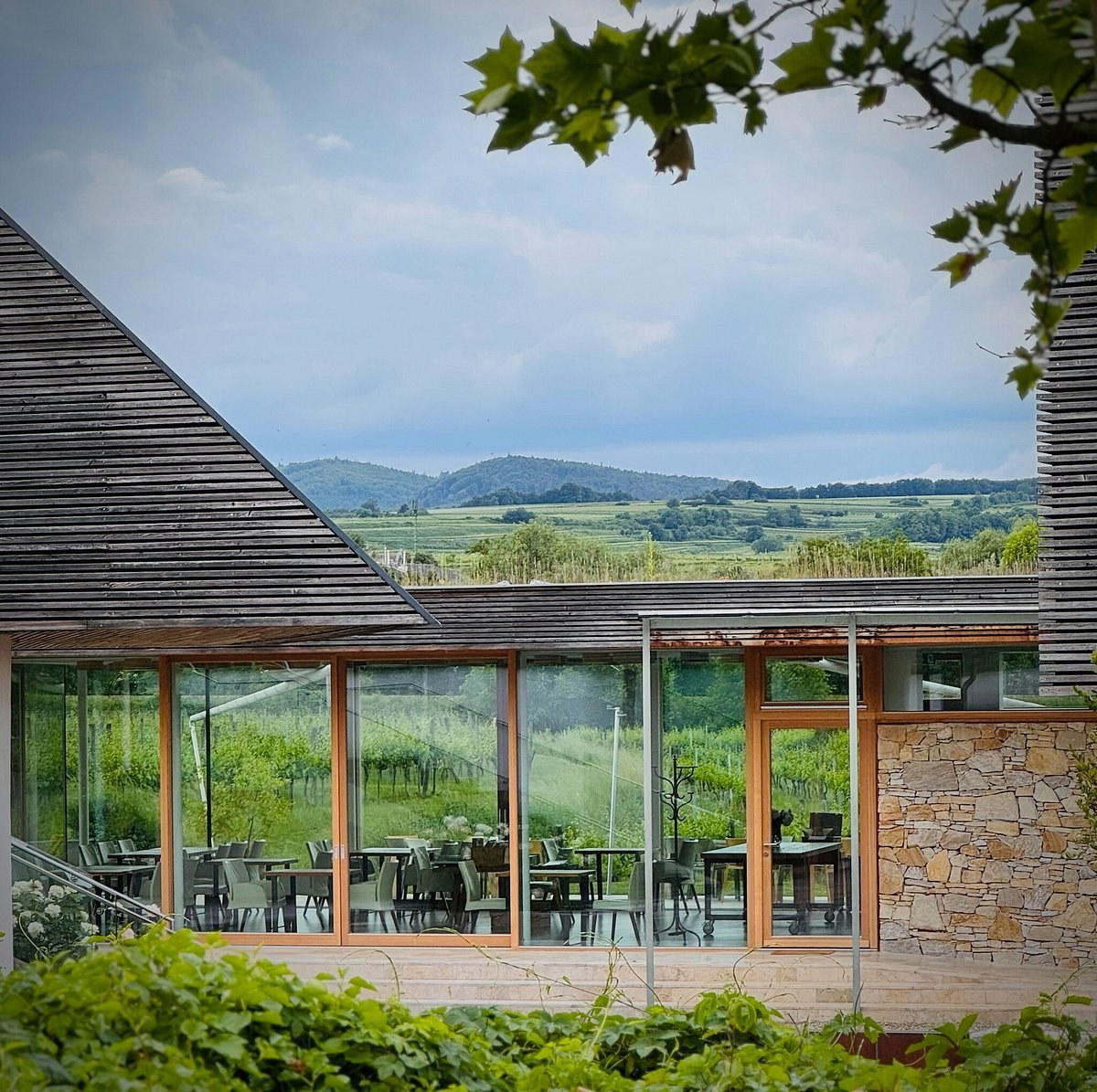
At Mörwald „Toni M.“, Austrian terroir is translated into modern culinary artistry, where seasonal precision meets an effortlessly elegant sense of place. Chef Karl Mörwald’s cuisine celebrates pristine regional ingredients, forest, field, and vineyard, polished through contemporary techniques, nuanced textures, and graceful balance. In a serene, light-bathed setting, guests embark on a choreographed tasting experience complemented by a deep cellar of Austrian and Old World wines, attentive yet discreet service, and a quiet confidence that turns dinner into a memorable, deeply personal ritual. Expect harmony on the plate, warmth in the room, and a lingering impression of Austria at its most refined.
Pearl is the En Primeur Club membership app — saves, bookings, and concierge access live there. Same editors, same standards.
- Address
- Kleine Zeile 13/17, 3483, Austria
- Phone
- +43 2738 2298
- Website
- speisekartenweb.de
- Directions
- Get directions
 Saves & bookings on Pearl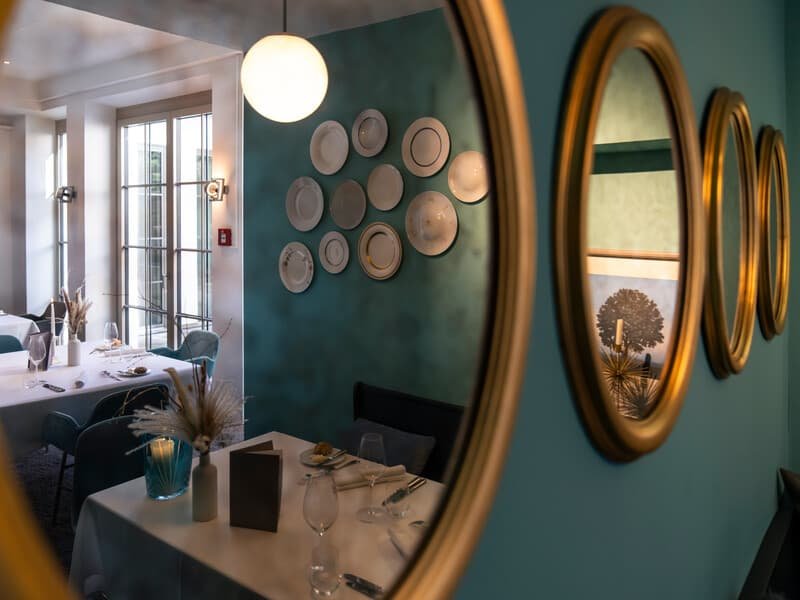
A Village Address with a Serious Kitchen
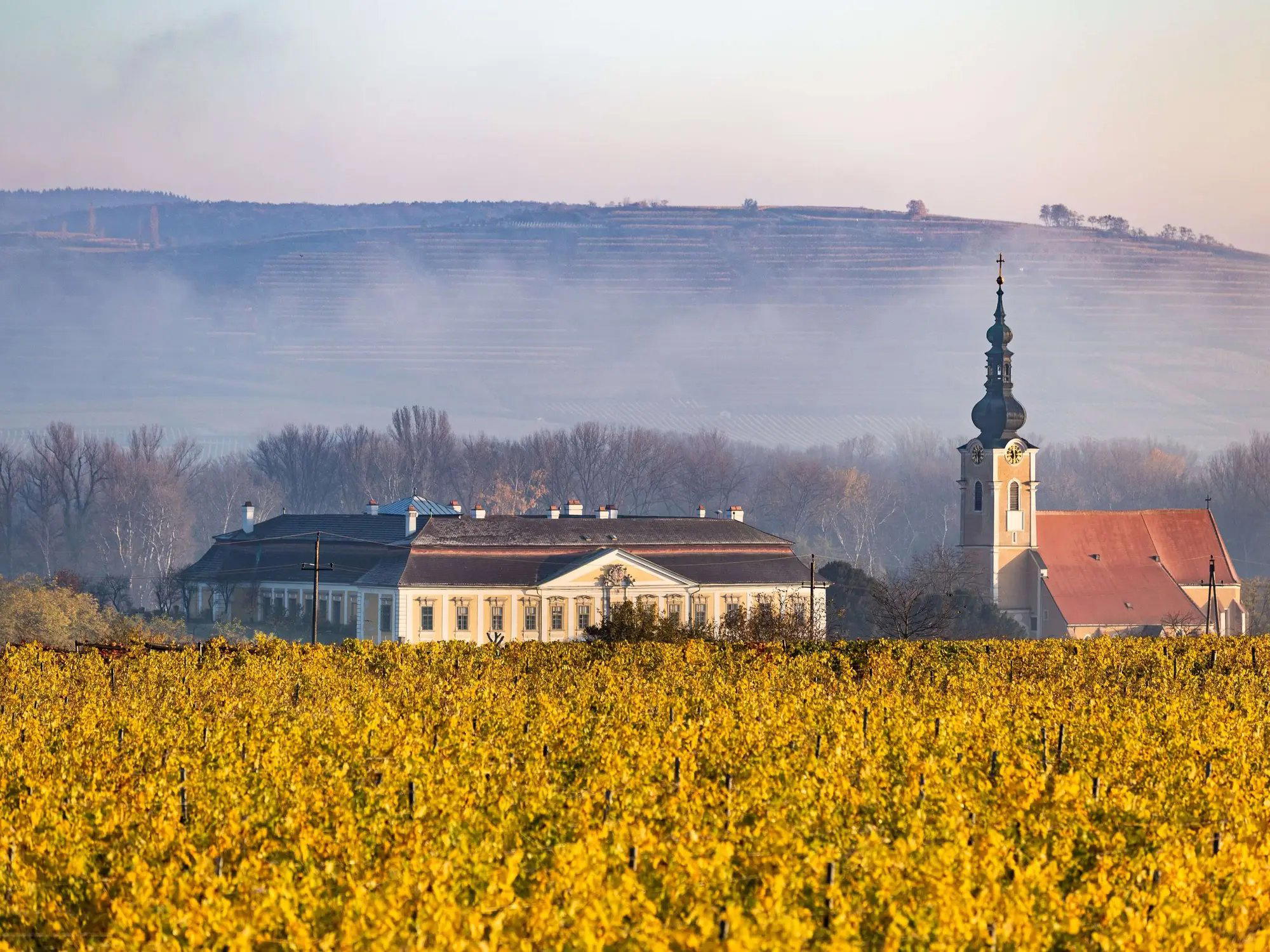
The Wagram plateau sits above the Danube valley northwest of Vienna, where vineyards press close to small settlements and the pace of life answers to the agricultural calendar rather than the city's. Feuersbrunn is one of those settlements: a wine-growing village small enough that arriving by car means scanning house numbers rather than following signage. It is not, on the surface, the kind of place you associate with Michelin-starred dining. That gap between the modest physical setting and the ambition inside is precisely what defines the dining tradition represented here. Austria has a track record of serious kitchens operating in rural or semi-rural contexts, visible at Obauer in Werfen and Döllerer in Golling an der Salzach.
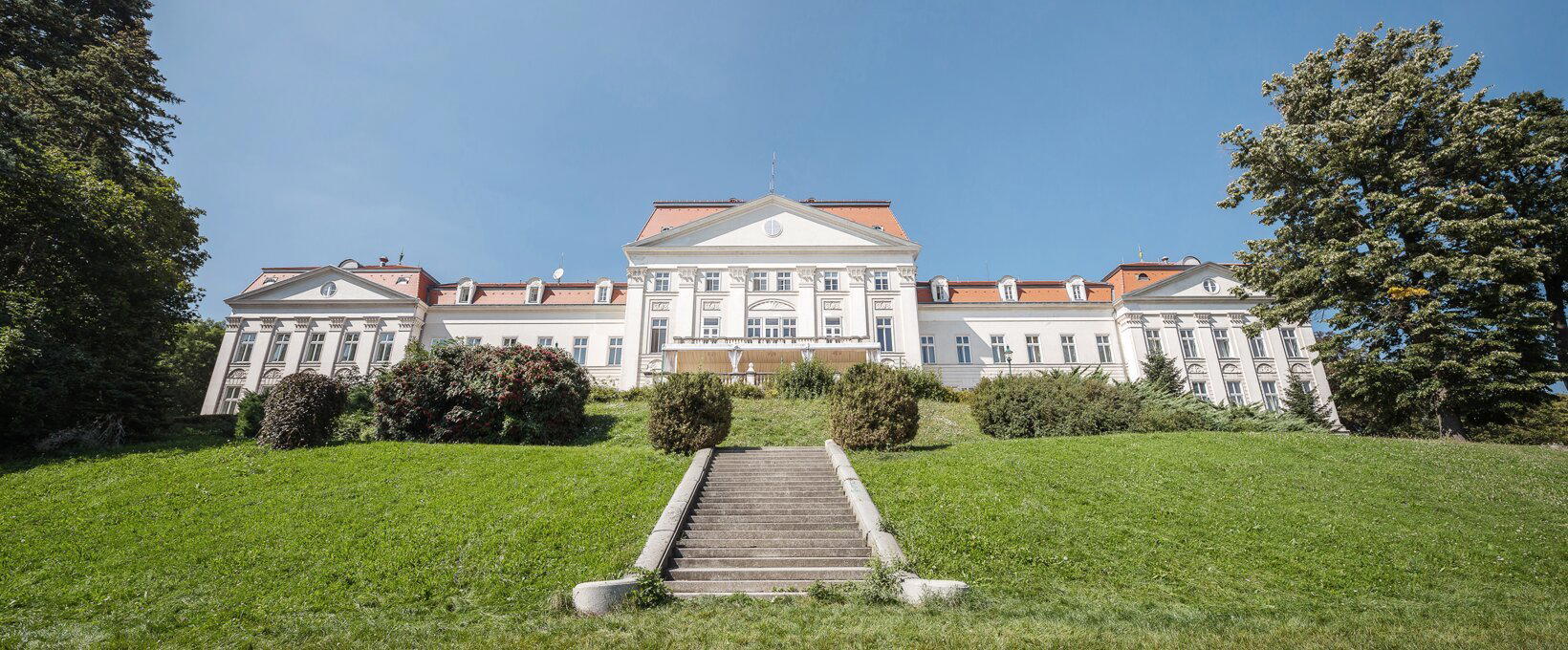
Mörwald "Toni M." follows that logic. The address on Kleine Zeile places it firmly in the village fabric, and the on-site accommodation at Villa Katharina and Hotel am Wagram reinforces the destination-dining model: guests are expected to stay, not rush back to the city after dessert. That pairing of table and guestroom is a structural decision, not an amenity add-on, and it places the restaurant in a specific comparable set within Austrian fine dining.
Classic Cuisine in the Contemporary Austrian Context
Austrian fine dining at the summit tier often moves toward creative and modern registers. Steirereck im Stadtpark in Vienna and Ikarus in Salzburg operate in creative and modern European modes respectively, and the broader trend among new openings favours innovation-led tasting menus. Classic cuisine, in this environment, is a positional choice rather than a default. It signals a commitment to technique-first cooking, to the kind of finesse that comes from discipline over novelty, and to a repertoire where the quality of the ingredient carries more weight than the surprise of the combination.
Michelin notes for Toni M. are instructive here. The inspectors note a tendency toward classic cooking that nonetheless admits Mediterranean and Asian references when the dish warrants it, and they cite a dish of Maibock fillet with celeriac, Cox apple, black morels, and whey as evidence of clarity and coherence. What that description communicates is a kitchen that understands why a dish is built the way it is: the whey introduces an acidity that offsets the richness of the fillet, the Cox apple provides a second register of fruit alongside the earthiness of the morels, and the celeriac grounds the plate. That is classic reasoning, not classic formula. The restaurant holds one Michelin star.
For comparison against the Austrian comparable set: Obauer in Werfen also works in a classic cuisine register at the leading price tier, while the creative end of the national scene runs toward Döllerer and the mountain-resort formats at Griggeler Stuba in Lech and Gourmetrestaurant Tannenhof in Sankt Anton am Arlberg. Toni M. sits in a smaller cohort: classic technique, rural location, destination format, Michelin recognition.
The Role of the Chef in This Register
Classic cuisine, more than creative or innovation-led formats, depends on the continuity and authority of its central figure. Toni Mörwald has built a recognisable presence in Austrian gastronomy over decades, operating multiple restaurants and publishing award-winning cookery books. That breadth of activity matters as credential. The Relais and Châteaux designation carried by the broader Mörwald operation adds a further layer of contextual authority, placing the restaurant within an international network of properties that maintain specific standards for hospitality and cuisine.
That combination of long-standing recognition, multi-format operation, and Relais and Châteaux affiliation positions Toni M. differently from a young chef's first starred room. It represents an established practitioner working at the address that most directly reflects their name and their cooking at its most focused. The "Toni M." format of the name is itself a signal: this is the personal, concentrated expression of a larger operation, the room where the chef's own name is the argument.
Among European comparisons in the classic cuisine register, Maison Rostang in Paris operates on a similar logic: a named chef, a classic foundation, a long institutional history. KOMU in Munich offers a parallel Central European classic reference point.
The Wine List as a Distinct Argument
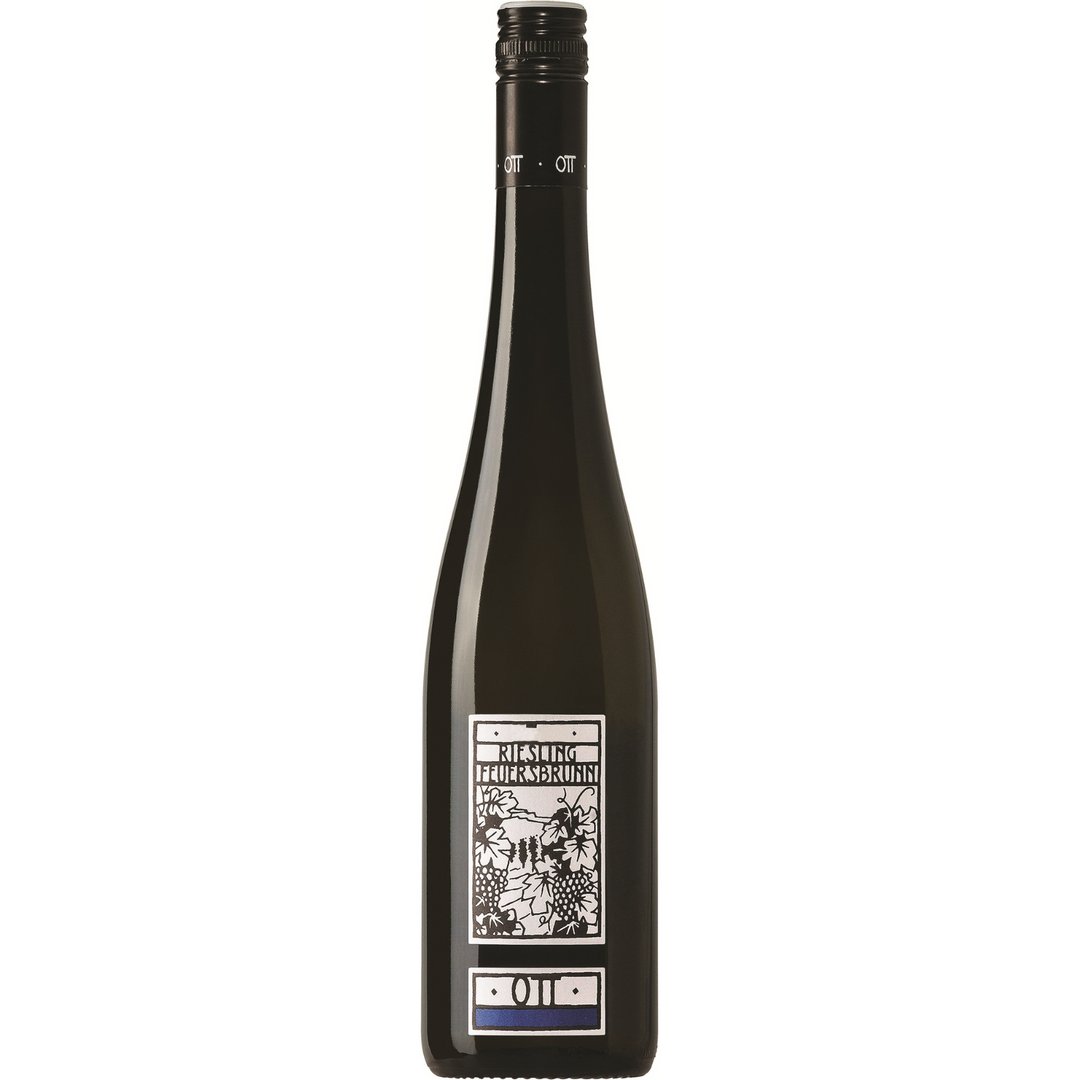
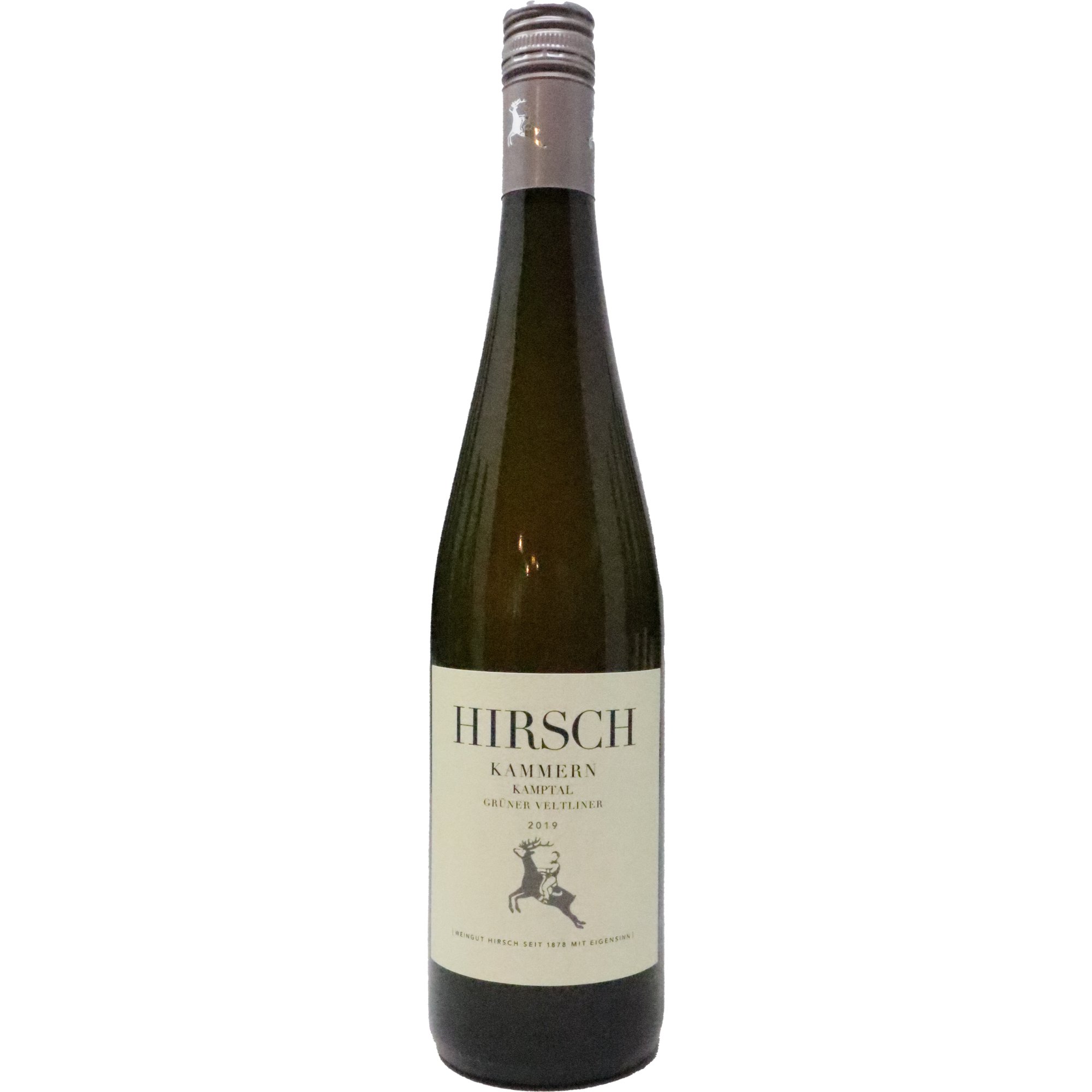
The Wagram wine region surrounds the restaurant, and the list reflects that geography. Michelin inspectors specifically called out the wine selection as noteworthy, citing strong Austrian picks alongside a champagne and sparkling wine selection of particular depth. Star Wine List published the restaurant in December 2021, awarding it a White Star, which recognises wine programs of high quality rather than just scale. In a region where Grüner Veltliner from the Wagram appellation is among the more site-expressive expressions of that grape in Austria, a list built around local bottles carries genuine authority rather than regional obligation. The proximity of Klosterneuburg and the broader Weinviertel adds further context: this is a restaurant that sits inside the geography it pours from, not one that curates Austria from a distance.
What to Expect in Practice
The kitchen operates Tuesday through Saturday from 6 PM to 10 PM, with Monday and Sunday closed. That schedule is consistent with a focused dinner-service operation rather than an all-day hospitality format, and it is worth factoring into travel planning, particularly for visitors arriving from Vienna who may be timing a weekend trip around a Sunday or Monday. The price tier sits at the summit of the Austrian scale, consistent with Michelin-starred dinner-only operations in the country. Guestrooms on site at Villa Katharina and Hotel am Wagram make an overnight stay the natural approach, and for guests combining a visit here with the broader Wagram wine region, the accommodation removes the need to manage a return journey after a serious wine-focused dinner.
5 across 63 reviews reflects a small but consistently satisfied guest base.
For planning a broader Feuersbrunn visit, see our full Feuersbrunn restaurants guide, our full Feuersbrunn hotels guide, our full Feuersbrunn wineries guide, our full Feuersbrunn bars guide, and our full Feuersbrunn experiences guide.
For those building a wider Austrian fine dining itinerary, the Michelin-starred field extends to Kräuterreich by Vitus Winkler in Sankt Veit im Pongau, Ois in Neufelden, Restaurant 141 by Joachim Jaud in Mieming, and Schwarzer Adler in Hall in Tirol, as well as the alpine-resort formats at Stüva in Ischgl.
A Quick Peer Check
Comparable venues nearby, for context on price, style, and recognition.
| Venue | Cuisine | Price | Awards | Notes |
|---|---|---|---|---|
| Mörwald „Toni M.“This venue — the venue you are viewing | Modern Austrian Fine Dining | $$$$ | Michelin 1 Star | Not listed |
| Lieperts | Modern Austrian Fine Dining | $$$$ | Michelin 1 Star | Leutschach an der Weinstraße |
| Restaurant Krainer | New Styrian Austrian | $$$ | Bib Gourmand | Langenwang |
| Sattlerhof | Michelin-Starred Styrian Fine Dining | $$$$ | Michelin 1 Star | Gamlitz |
| Verdi | Modern Austrian Fine Dining | $$$$ | Michelin 1 Star | Linz |
| Paula | Modern European Fine Dining | $$$$ | Michelin 1 Star | Sankt Wolfgang im Salzkammergut |
Recognition history
Dated appearances from independent guides and award organizations, with the underlying list record or original source where available.
Michelin 1 Star
Michelin
Star Wine List
Star Wine List
Michelin 1 Star
Michelin
Relais Chateaux Award
Relais Chateaux
Michelin 1 Star
Michelin
Continue exploring
More in Feuersbrunn
Restaurants in Feuersbrunn
Browse all →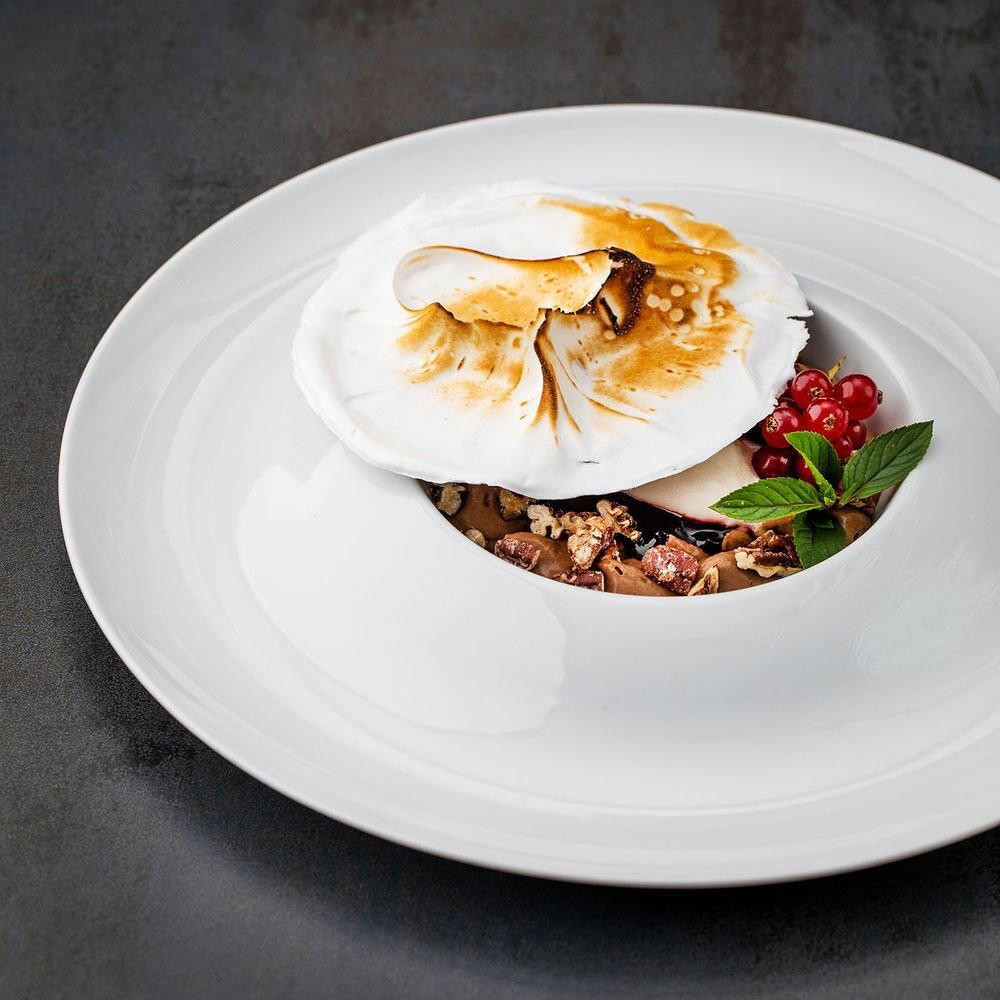
Bars in Feuersbrunn
Browse all →

Hotels in Feuersbrunn
Browse all →
At a Glance
- Elegant
- Sophisticated
- Cozy
- Date Night
- Special Occasion
- Business Dinner
- Private Dining
- Extensive Wine List
- Local Sourcing
- Vineyard
Current opening hours
- Monday
- Closed
- Tuesday
- 6–10 PM
- Wednesday
- 6–10 PM
- Thursday
- 6–10 PM
- Friday
- 6–10 PM
- Saturday
- 6–10 PM
- Sunday
- Closed
Hours can change for holidays and private events. Last verified .
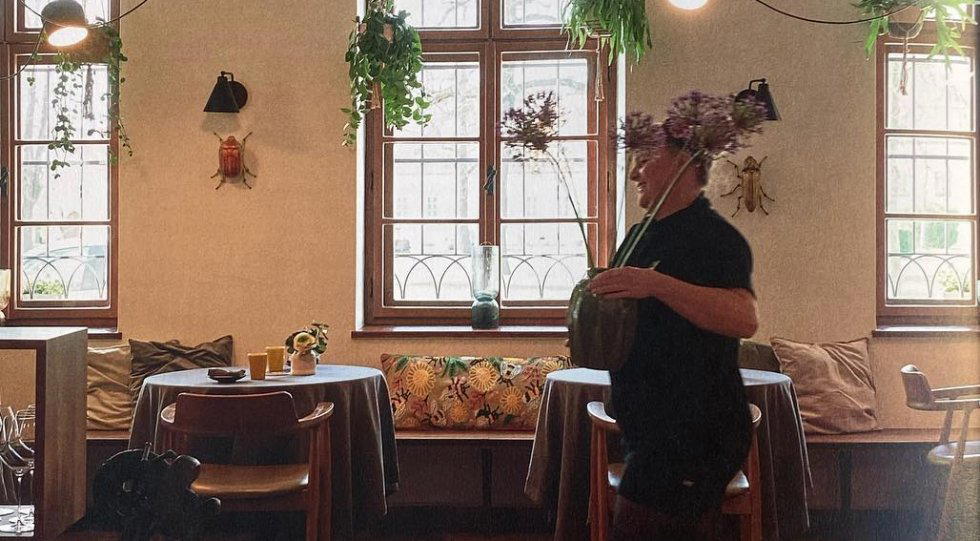
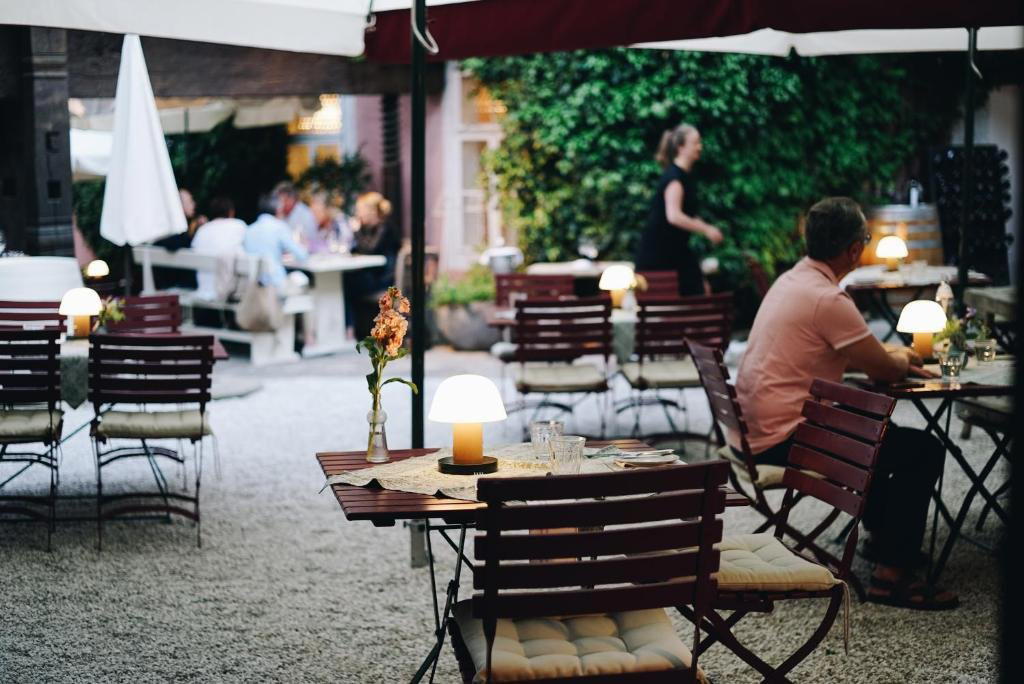
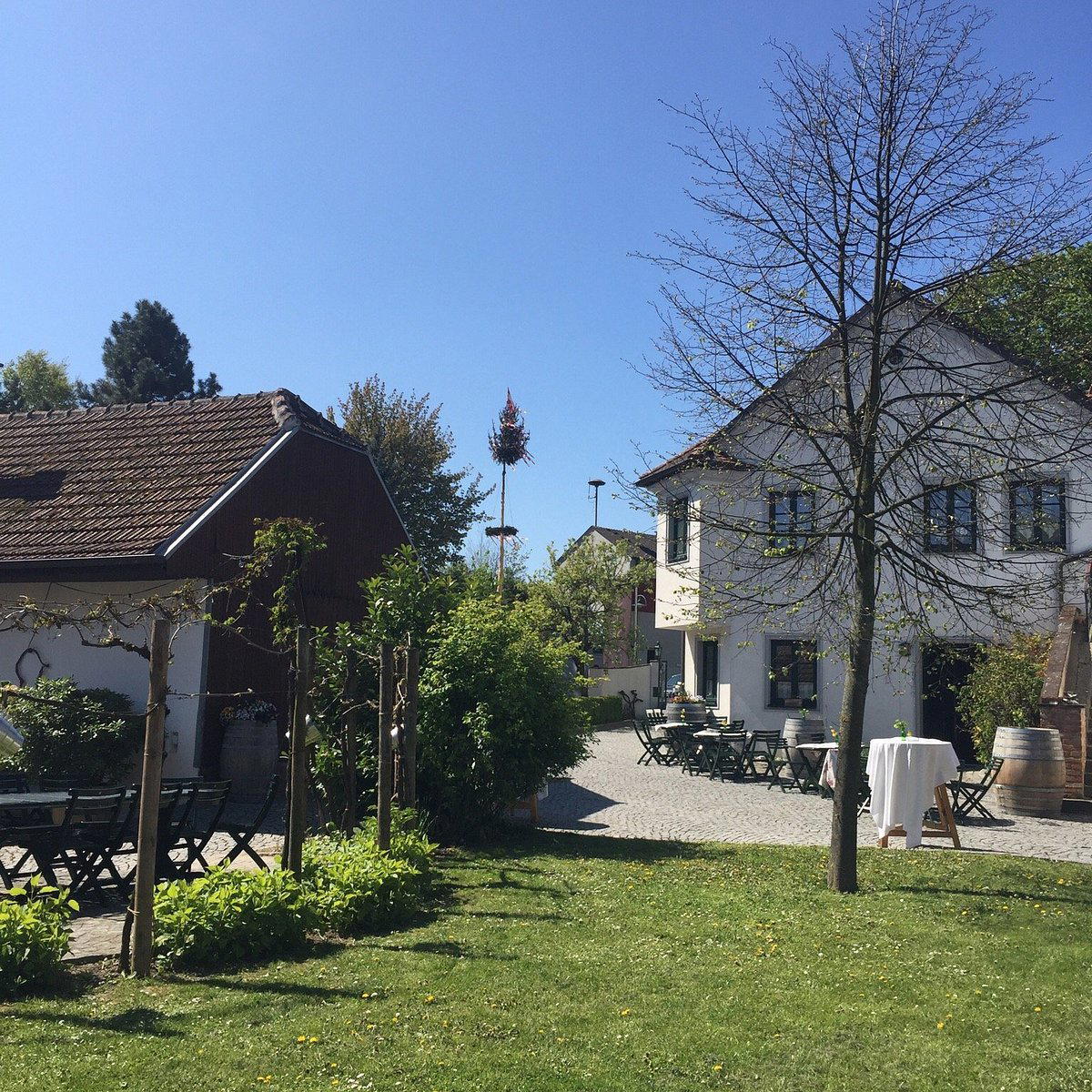
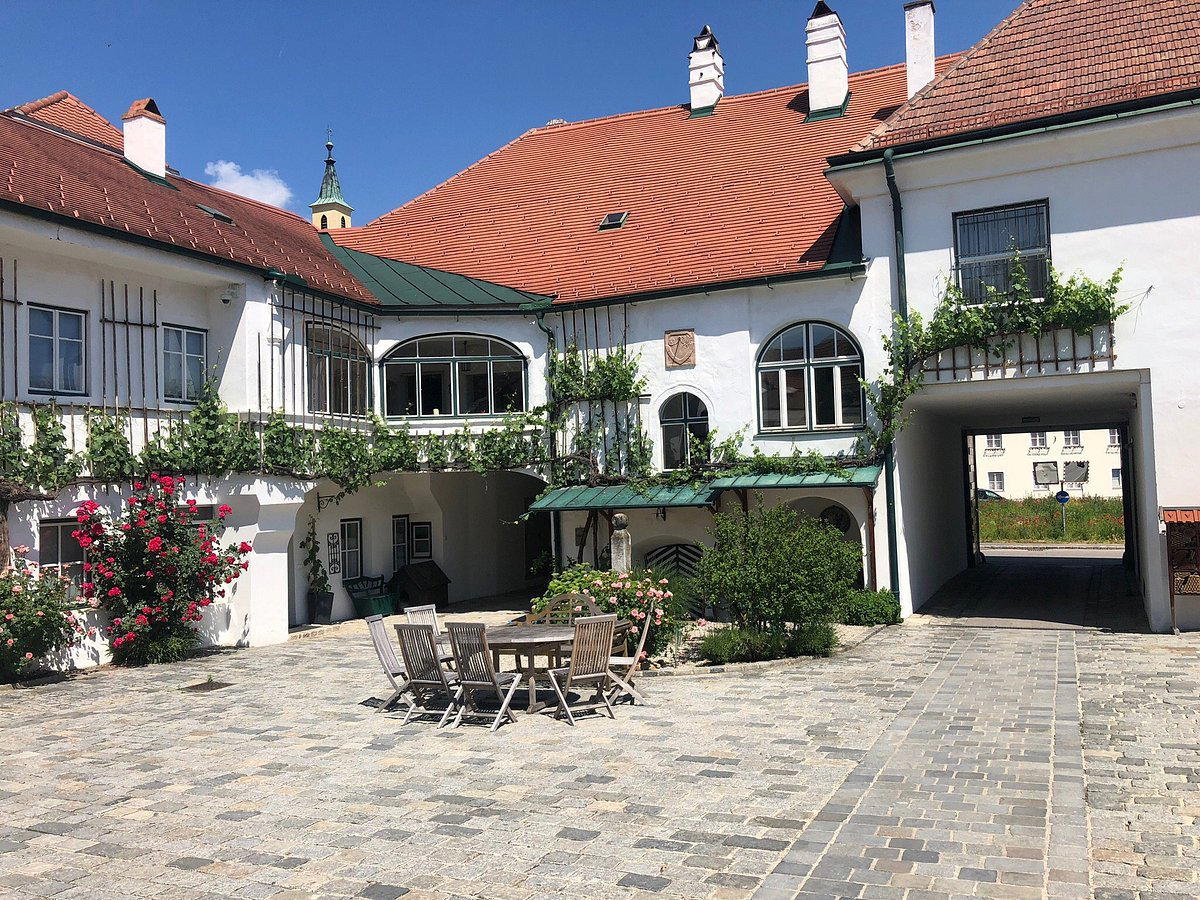
Elegant and timeless setting with a pleasant garden atmosphere, though some note dated interior; warm and welcoming service.