Atelier Fischer

1 Michelin Star
Our verdict
Atelier Fischer holds a Michelin star in the unlikely setting of Sankt Gilgen, a lakeside village on the Wolfgangsee. Stefan Fischer's surprise menus run five to eight courses, drawing on sourcing as specific as South Burgenland pigeon, and the first-floor terrace looks directly over the waterfront promenade. The restaurant operates seasonally, which means booking well ahead is not optional.

Pearl is the En Primeur Club membership app, where members save venues, book tables and use the concierge.
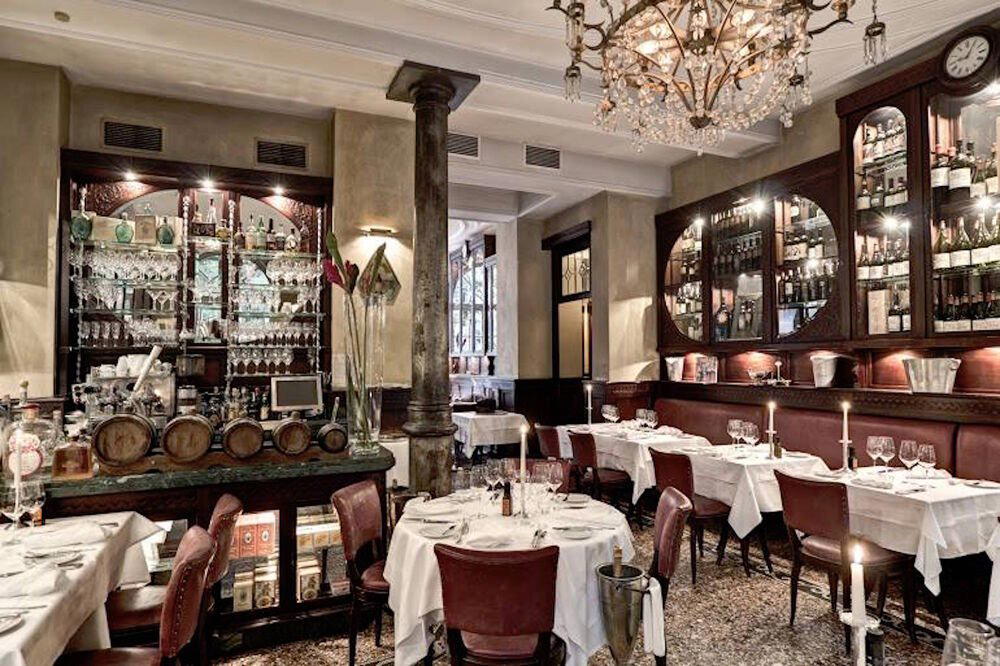
The menu
What to order
- Der Wolfgangsee
- Taube mit Khao Neaw Ma Muang und Zirbenzapfen
A Michelin Star on the Wolfgangsee
The lakeside villages of the Salzkammergut are better known for sailing regattas and Baroque church facades than for Michelin-starred kitchens. That context matters when approaching Atelier Fischer, which holds a 2024 Michelin star in Sankt Gilgen, a town of fewer than 4,000 residents on the western shore of the Wolfgangsee. Austria's fine dining circuit is anchored in Vienna and Salzburg, where Steirereck im Stadtpark and Ikarus operate at two and three stars respectively, with the full logistical infrastructure of a major city behind them. A one-star restaurant in a village this size, operating seasonally, occupies a different and arguably more demanding position: the kitchen cannot rely on a dense local audience, and every service carries the weight of a destination that diners have specifically travelled to reach.
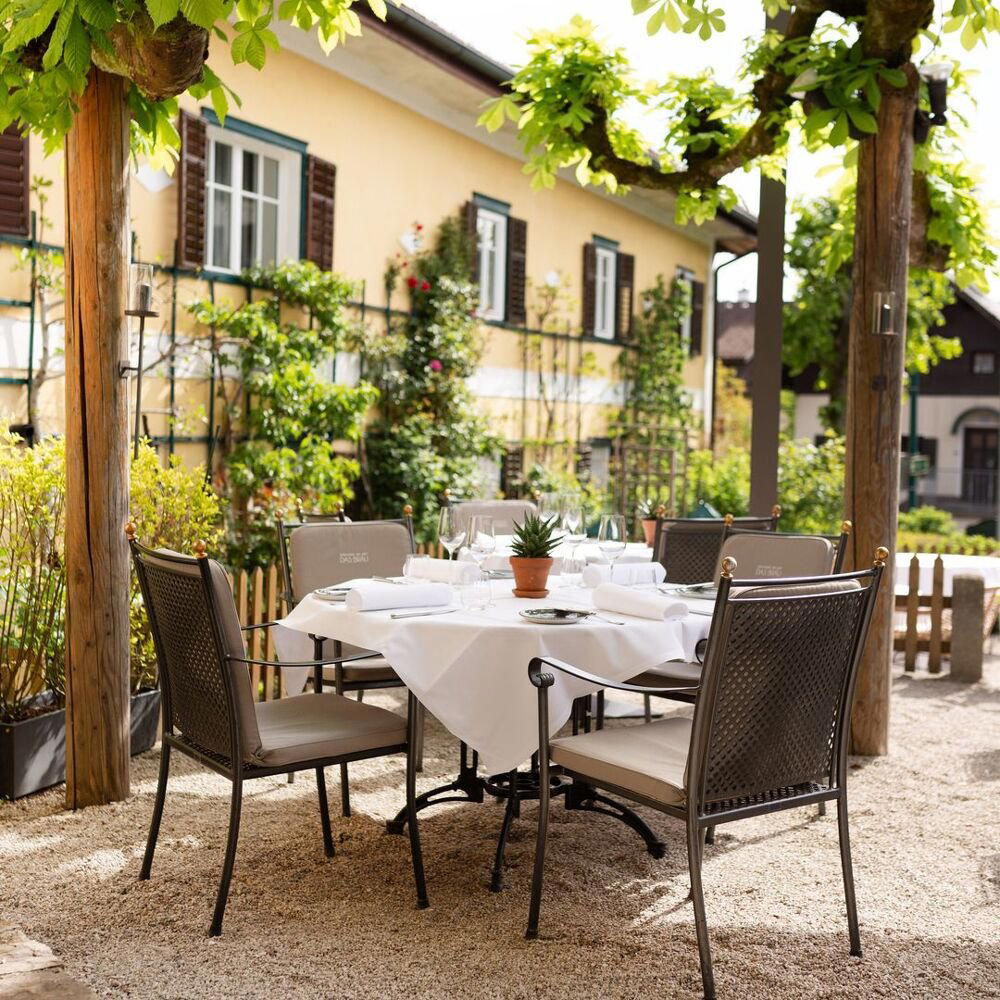
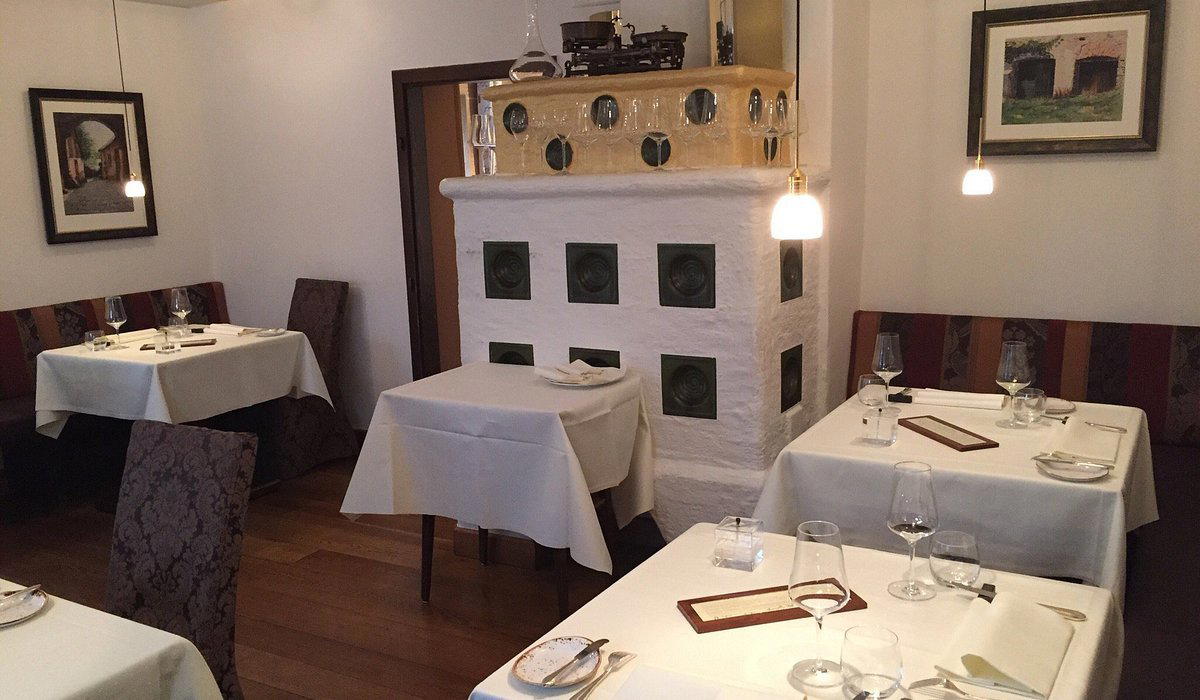
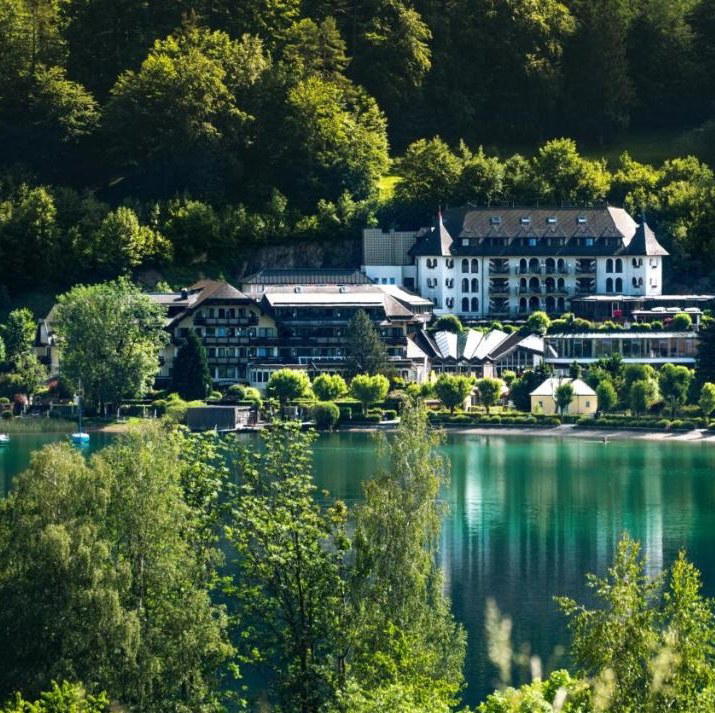
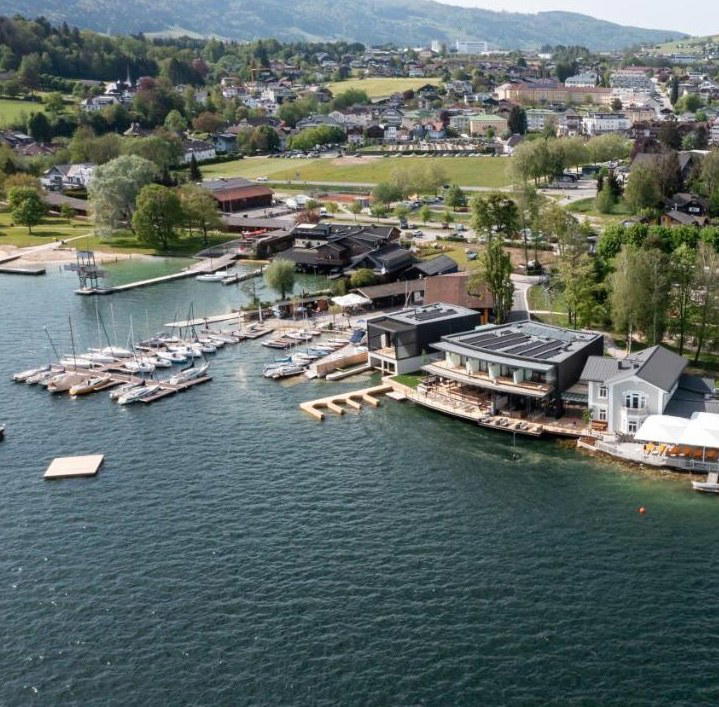
The physical setting reinforces that sense of deliberate arrival. The restaurant occupies the first floor of a modern pavilion on the waterfront promenade, with floor-to-ceiling windows ensuring that the Wolfgangsee is present throughout the meal even when the terrace is full. Terrace seats are taken quickly, particularly in summer, but the interior does not ask you to settle for a consolation view. The design is described as tasteful rather than theatrical, which places it in the quieter register of Alpine fine dining, distinct from the more scenographic interiors found at destination restaurants such as Griggeler Stuba in Lech or Gourmetrestaurant Tannenhof in Sankt Anton am Arlberg. A café runs on the ground floor, which gives the building a dual identity: accessible during the day, considered at dinner.
Where the Ingredients Come From, and Why That Shapes the Menu
Sourcing logic at Atelier Fischer is worth reading carefully, because it explains the menu's geographic range. The kitchen does not default to local-regional sourcing as an aesthetic posture. Instead, it reaches across Austria's distinct agricultural zones when a specific product justifies the distance. South Burgenland pigeon is a documented example from the menu, and it illustrates the point precisely: Burgenland, in Austria's southeast near the Hungarian border, has a different agricultural profile from the Salzkammergut, and its pigeon carries different characteristics than birds raised in Alpine foothills. Bringing that ingredient to a lakeside kitchen in Upper Austria, and pairing it with umeboshi plum, spelt, consommé, shiitake mushroom, elderberry and rowanberry, reflects a sourcing approach that follows flavour logic rather than postcode proximity.
That combination also signals something about how the kitchen thinks about European and Japanese reference points simultaneously. Umeboshi, the salt-pickled Japanese plum, appears alongside elderberry and rowanberry, which are distinctly Central European foraged ingredients. The juxtaposition is not fusion in the blunt sense; it reads more as a kitchen that is willing to pull from a wide pantry when the flavour argument holds. This places Atelier Fischer in a loose peer group with Austrian kitchens that have absorbed international technique without abandoning regional product logic, including Döllerer in Golling an der Salzach, which operates at two Michelin stars with a comparable commitment to Austrian sourcing and contemporary technique, and Kräuterreich by Vitus Winkler in Sankt Veit im Pongau, which foregrounds Alpine herb sourcing within a creative format. For a broader comparison in the creative register, Alléno Paris au Pavillon Ledoyen and Arpège represent the French end of the same sourcing-led creative tradition.
The surprise menu format, running five to eight courses depending on the sitting, means that ingredient decisions remain in the kitchen's hands. Guests do not select from a carte; they commit to the sequence. This is now a well-established format in Austrian fine dining, used at comparable operations including Obauer in Werfen and Ois in Neufelden. At Atelier Fischer, it has a specific practical consequence: the kitchen can source precisely, without overproducing to cover menu variables. A pigeon from South Burgenland ordered for a fixed number of covers is a different procurement exercise from the same ingredient held in reserve against possible à la carte demand.
The Wine Program as a Structural Element
Wine pairing at this price tier in Austria tends to split between cellars that lean heavily on domestic producers and those that range across European appellations. The Atelier Fischer sommelier is described in the Michelin record as amiable and highly qualified, which in Michelin language is a meaningful commendation rather than a courtesy note. At the €€€€ price point, shared with two-star operations like Landhaus Bacher in Mautern an der Donau and Restaurant 141 by Joachim Jaud in Mieming, the expectation is that wine service functions as a genuine second layer of the meal rather than a list attached to it. The surprise menu format makes the sommelier's role more active: pairing decisions must flex with the kitchen's choices rather than being mapped to a stable carte.
Seasonality as a Constraint and a Signal
The Michelin entry notes, without apparent irony, that it is a shame Stefan Fischer's cuisine cannot be enjoyed all year round. That framing acknowledges something structurally significant: seasonal closure at this standard is a genuine scarcity signal, not a marketing positioning. Many of the Alpine and lake-district restaurants in Austria operate on compressed calendars, because the destination audience that fills a fine dining room in a small village is weather-dependent. The consequence for diners is planning discipline. Atelier Fischer is not a restaurant you can decide to visit on short notice during its open months; terrace demand alone implies that the leading sittings fill early. For those travelling to the Salzkammergut specifically for this kitchen, the seasonal window is the first constraint to check.
That seasonality also frames Atelier Fischer within the wider pattern of Austrian fine dining outside the capital. Restaurants of comparable ambition in rural or lake settings, including those referenced in our full Sankt Gilgen restaurants guide, often operate within compressed seasons and serve an audience that has made a specific journey. The pressure that places on consistency is different from what a city restaurant absorbs; there are fewer off-nights to average out against a strong run. A Michelin star held in that context carries a specific kind of weight.
Planning a Visit
Atelier Fischer sits at Ischler Straße 16 on the Sankt Gilgen waterfront promenade, on the first floor of the pavilion above the ground-floor café. The price range sits at €€€€, consistent with the top tier of Austrian fine dining, and the surprise menu format means the per-head spend is set by the menu length rather than individual selection. The restaurant operates seasonally, so confirming open dates before building an itinerary around it is essential. Travellers combining this meal with a wider visit to the region will find additional context in our Sankt Gilgen hotels guide, bars guide, wineries guide, and experiences guide. For diners also considering the neighbouring village dining circuit, Luckys Restaurant Haus am Hang represents the local international alternative at a different register.
Frequently asked questions
Is Atelier Fischer expensive?
Pricing at Atelier Fischer is listed as €€€€.
| Venue | Cuisine | Price | Awards | Notes |
|---|---|---|---|---|
| Atelier FischerThis venue (the venue you are viewing) | Modern Austrian Fusion Fine Dining | $150–200 | 1 Michelin Star | Not listed |
| Steirereck im Stadtpark | Modern Austrian Fine Dining | $200–300 | 3 Michelin Stars · World's 50 Best #33 | Creative |
| Döllerer | Modern Alpine Cuisine | $100–150 | 2 Michelin Stars · La Liste Top Restaurants | Contemporary Austrian, Innovative |
| Ikarus | Guest Chef Fine Dining | $200–300 | 2 Michelin Stars · La Liste Top Restaurants | Modern European, Creative |
| Mraz & Sohn | Contemporary Austrian Fusion | $150–200 | 2 Michelin Stars · La Liste Top Restaurants | Modern Austrian, Creative |
| Obauer | Modern Austrian Fine Dining | $50–100 | 2 Michelin Stars · La Liste Top Restaurants | Classic Cuisine |
Recognition history
Dated appearances from independent guides and award organizations, with the underlying list record or original source where available.
Michelin 1 Star
Michelin
Full recognition history (3 entries)
Michelin 1 Star
Michelin
Michelin 1 Star
Michelin
Continue exploring
More in Sankt Gilgen
Restaurants in Sankt Gilgen
All restaurants in Sankt Gilgen →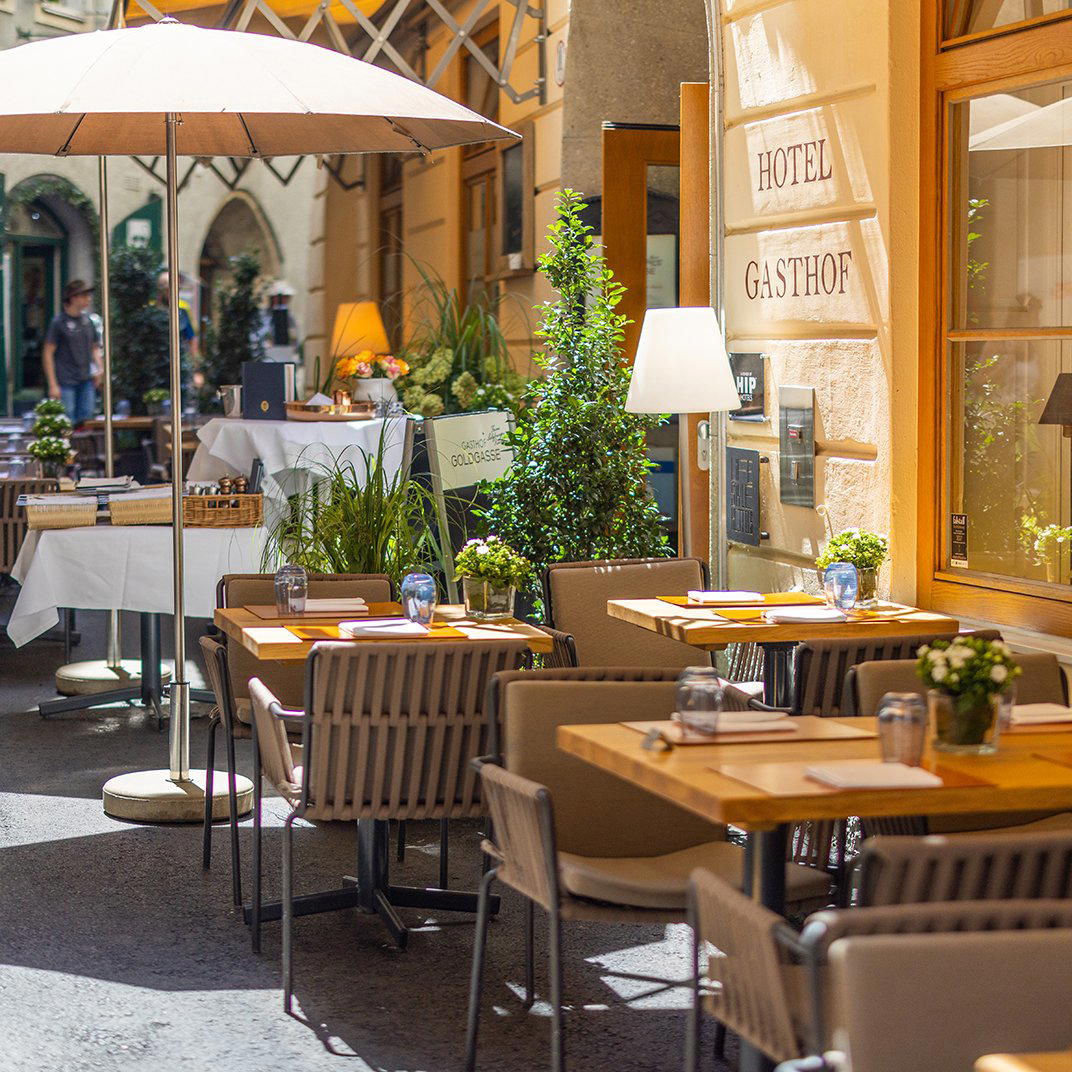
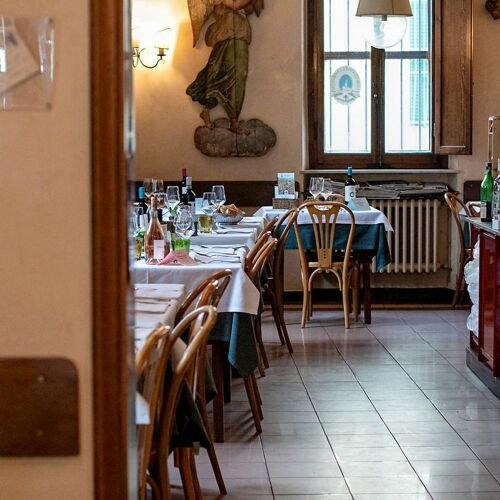
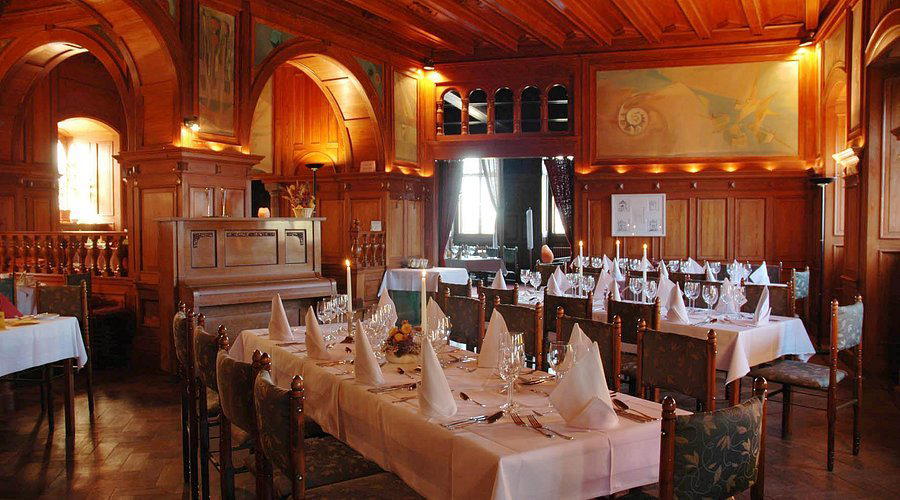
Bars in Sankt Gilgen
Browse all →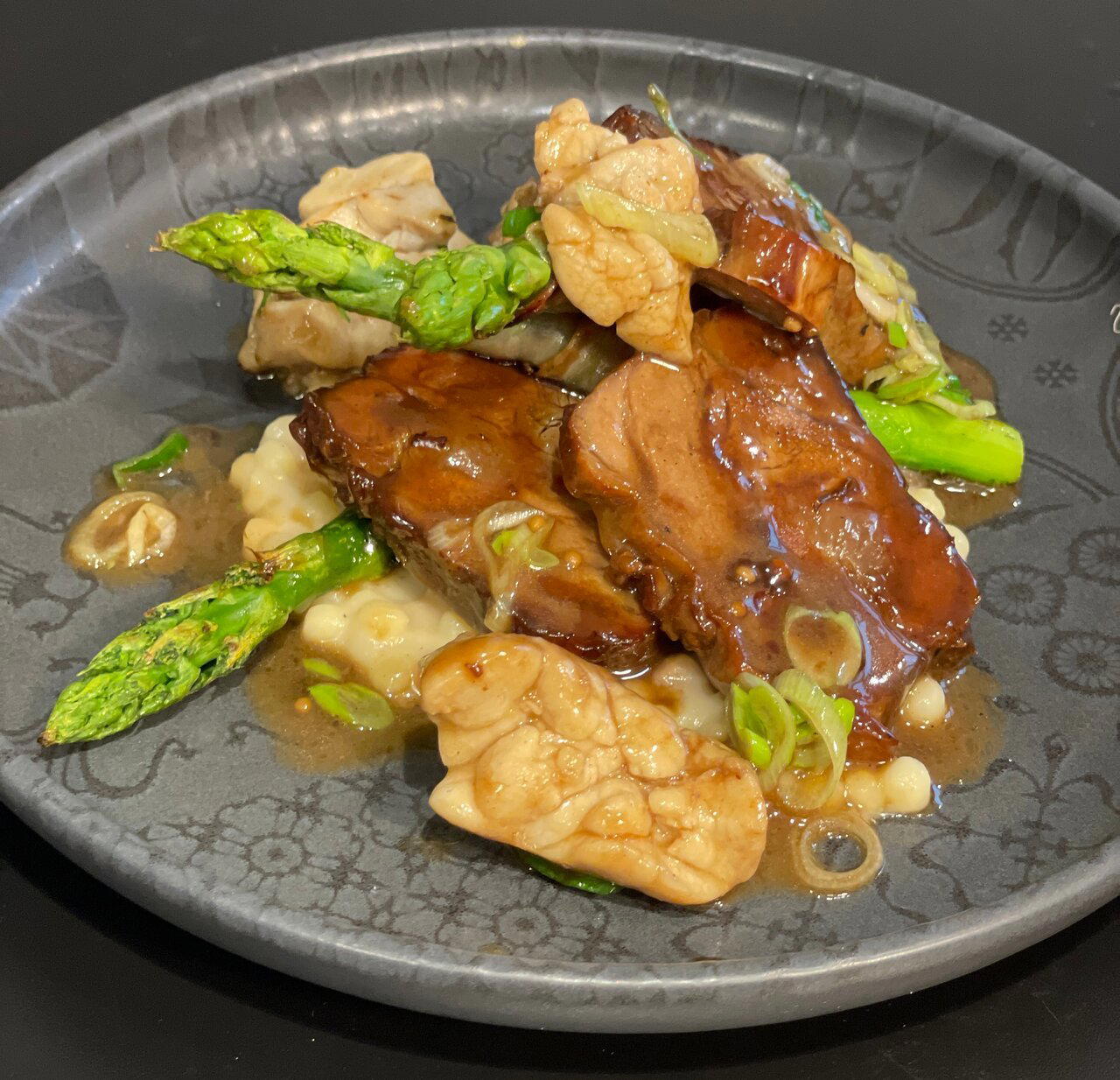
Details
- Elegant
- Sophisticated
- Modern
- Intimate
- Date Night
- Special Occasion
- Waterfront
- Open Kitchen
- Panoramic View
- Sommelier Led
- Local Sourcing
- Waterfront
- Mountain
- Tasting Menu
Stylish modern pavilion with floor-to-ceiling windows offering spectacular lake views, creating a light, elegant, and serene atmosphere.