

Bruder – Küche & Bar occupies a specific niche in Vienna's 6th district: equal parts kitchen, ferment lab, and natural-wine bar. Shelves of pickles and preserves signal the cooking philosophy before a dish arrives. In a city where formal Austrian cuisine dominates critical attention, Bruder operates on a quieter, more ferment-driven frequency.
Pearl is the En Primeur Club membership app — saves, bookings, and concierge access live there. Same editors, same standards.
- Address
- Windmühlgasse 20, 1060 Wien, Austria
- Phone
- +43 664 1351320
- Website
- bruder.xyz
- Directions
- Get directions
 Saves & bookings on Pearl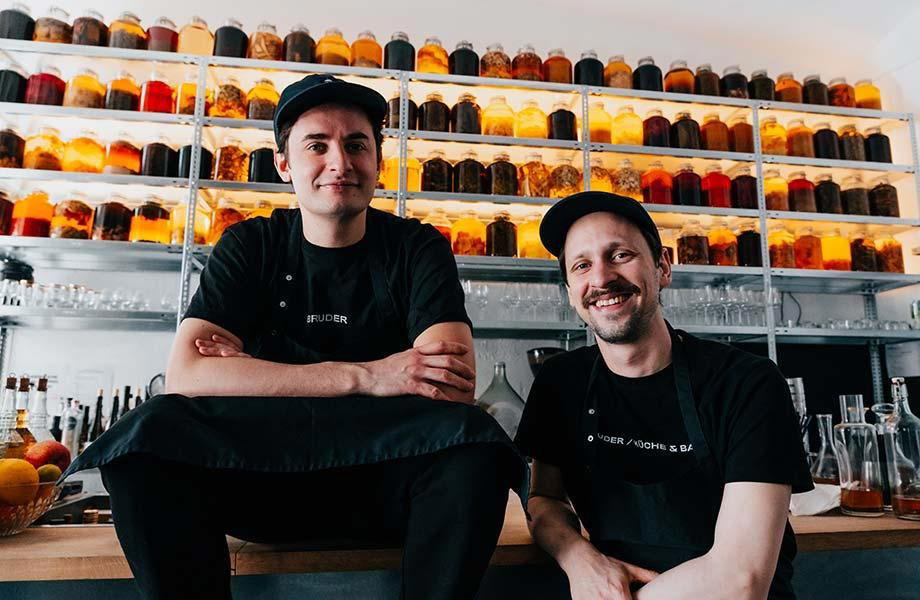
Fermentation, Natural Wine, and the Other Side of Vienna's Restaurant Scene
Vienna's restaurant conversation tends to orbit a familiar set of coordinates: the grand Beisl tradition, the white-tablecloth creative kitchens carrying Michelin weight, and the handful of modern Austrian addresses that have reshaped the city's reputation over the past two decades. Places like Steirereck im Stadtpark, Mraz & Sohn, and Konstantin Filippou anchor the upper tier of that conversation, each working within a recognisable fine-dining grammar. Bruder – Küche & Bar, on Windmühlgasse in the 6th district, operates in a different register entirely.
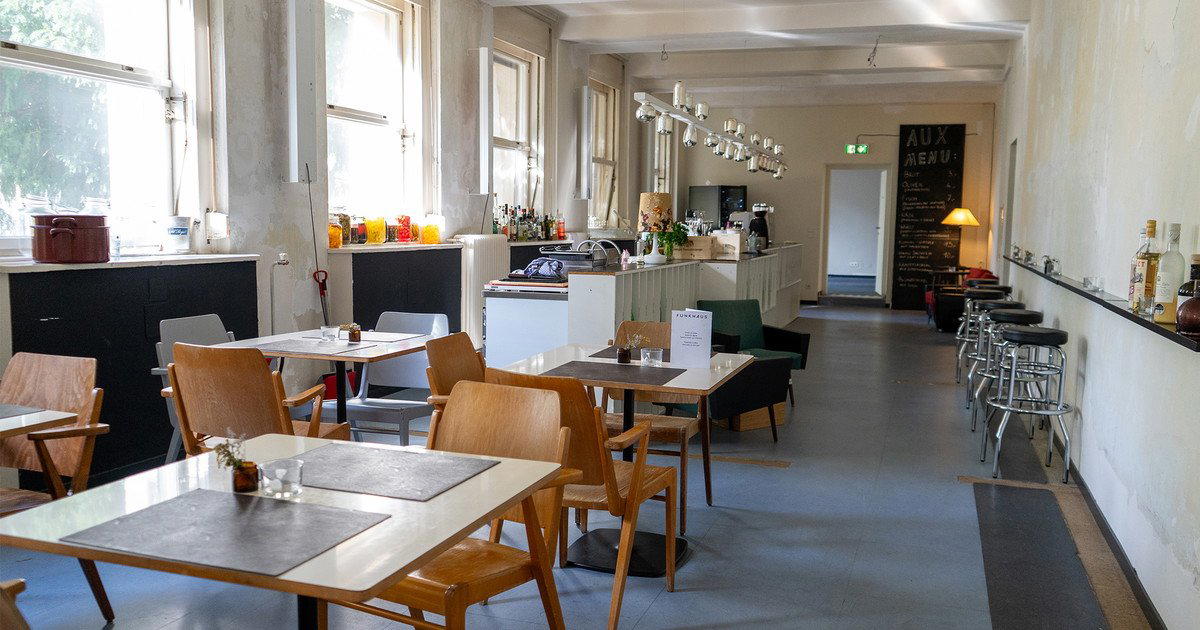
The space reads its intentions immediately. Jars of pickles and preserves line the shelves, glowing amber and green in low light. This is not decoration: it is a working fermentation program on display, a statement about what the kitchen values and how it builds flavour. In a city where larder culture has deep roots in Central European peasant cooking and preservation traditions that predate refrigeration by centuries, Bruder is making an argument about continuity as much as creativity.
The Cultural Logic of Fermentation in Central Europe
To understand what Bruder is doing, it helps to understand what Austrian and Central European kitchen tradition actually looks like beneath the formality. The Habsburgs gave Vienna its grand café culture and its appetite for ceremony, but the cooking that sustained the broader region through long winters was unglamorous and highly practical: sauerkraut, pickled vegetables, cured meats, vinegar-fermented preparations that stretched seasonal produce across months. These were not afterthoughts. They were the architecture of the larder.
That tradition largely disappeared from restaurant menus as Austrian fine dining professionalised in the late 20th century, replaced by French-influenced technique and international ingredients. What Bruder represents is part of a broader European recalibration, one that has run through Scandinavia, the Balkans, and now Central Europe: a serious kitchen returning to lacto-fermentation, pickling, and preservation not as a nostalgic gesture but as a primary source of flavour and acidity. The cooking here walks a deliberate line between that preserved-larder tradition and the looser, more improvisational energy of a natural-wine bar.
That pairing is not accidental. Natural wine and fermentation culture share an intellectual kinship: both prioritise live cultures, microbial activity, and the acceptance of variance over industrial consistency. Across Europe's more experimental dining scenes, from Copenhagen to Ljubljana to certain pockets of Paris, the wine-food hybrid format has emerged as a coherent category. Vienna, with its own deep wine culture rooted in the surrounding Weinviertel, Wachau, and Burgenland regions, provides fertile ground for that format.
What the Format Actually Means at the Table
Bruder occupies the wine-food hybrid category that has become increasingly legible to well-travelled diners: not a restaurant with a wine list, and not a wine bar that happens to serve food, but a format where the two inform each other structurally. The menu and the cellar are built in conversation. Acidity levels in dishes are calibrated against the wines on offer. Fermented elements in the food echo the live cultures in the glass.
This is a more demanding format to execute than either a conventional restaurant or a conventional bar, because the kitchen and the floor must function as a single editorial voice rather than two parallel operations. When it works, the result is a coherence of flavour that a conventional restaurant with a separate wine program rarely achieves. The dim, jar-lined interior at Bruder signals that this coherence is the point, not an afterthought.
For comparison, Vienna's upper-tier creative kitchens, including Amador and Doubek, pursue a different kind of integration: elaborate tasting menus where wine pairings are curated at a premium. Bruder operates at a more informal register, where the barrier to entry is lower but the underlying intellectual seriousness is comparable.
Windmühlgasse and the 6th District Context
The address matters. Windmühlgasse sits in Mariahilf, a district that does not carry the restaurant prestige of the 1st or the fashionable density of certain parts of Neubau, but which has quietly developed a concentration of independent operators running on conviction rather than location advantage. The 6th district rewards the visitor who arrives with a specific destination rather than stumbling in from the Ringstrasse. Bruder is exactly that kind of destination: a place that functions as a neighbourhood anchor for locals who know it and as a worthy detour for visitors prepared to step outside the tourist orbit.
Vienna's bars scene, for context, spans a wide range from grand coffeehouses to craft cocktail rooms. Bruder sits in its own category within it, closer to a natural-wine bar with serious food than to any conventional bar format.
Bruder in the Wider Austrian Context
Austria's most decorated restaurants operate at altitude, literally and figuratively: Gourmetrestaurant Tannenhof in Sankt Anton am Arlberg, Griggeler Stuba in Lech, and Obauer in Werfen all operate within the luxury Alpine dining tradition, where produce sourcing and ceremony are central. Ikarus in Salzburg and Kräuterreich by Vitus Winkler extend that creative ambition into herb-led and modern formats. Landhaus Bacher in Mautern an der Donau represents the Danube Valley's more classical strand.
Bruder does not compete in that register. Its comparable set is the generation of European wine-kitchen hybrids that have redrawn the informal dining category: places that take fermentation as seriously as a three-star kitchen takes its sauce work, and that treat the wine list as a co-author of the menu rather than an accompaniment to it. That is a smaller, more specific peer group, and within Vienna, Bruder occupies it with considerable clarity of purpose.
Planning Your Visit
Bruder is located at Windmühlgasse 20 in the 6th district, reachable by U-Bahn (Mariahilfer Strasse or Kettenbrückengasse, depending on direction) or tram. The format, atmosphere, and positioning all suggest an evening visit rather than a lunch stop, and the dimly lit interior with its fermentation display reads better after dark. Reservations are essential, especially on weekends. Reservations are typically made through current booking channels or by visiting directly.
Price Lens
Comparable venues nearby, for context on price, style, and recognition.
| Venue | Cuisine | Price | Notes |
|---|---|---|---|
| Bruder – Küche & BarThis venue — the venue you are viewing | Not listed | $$$ | Not listed |
| Plachutta | Staatsoper, Traditional Viennese | $$$ | Not listed |
| Oswald & Kalb | Innere Stadt, Traditional Viennese | $$$ | Not listed |
| Bitzinger Wurstestand | Not listed | $$ | Staatsoper, Traditional Viennese Sausages |
| Figlmüller – Restaurant Bäckerstraße | Not listed | $$ | Innere Stadt, Traditional Viennese Cuisine |
| Landstein | Not listed | $$ | Wien-Mitte, Traditional Austrian & Viennese |
Recognition history
Dated appearances from independent guides and award organizations, with the underlying list record or original source where available.
Falstaff Restaurant - 93 Falstaff Points
Falstaff
Star Wine List
Star Wine List
Continue exploring
More in Vienna
Restaurants in Vienna
Browse all →
![[aend] restaurant in Vienna](https://cdn.enprimeurclub.com/storage/v1/object/public/images/locations/recsVyRkMfzCxPmp0/hero2.jpg?width=3840&quality=75)
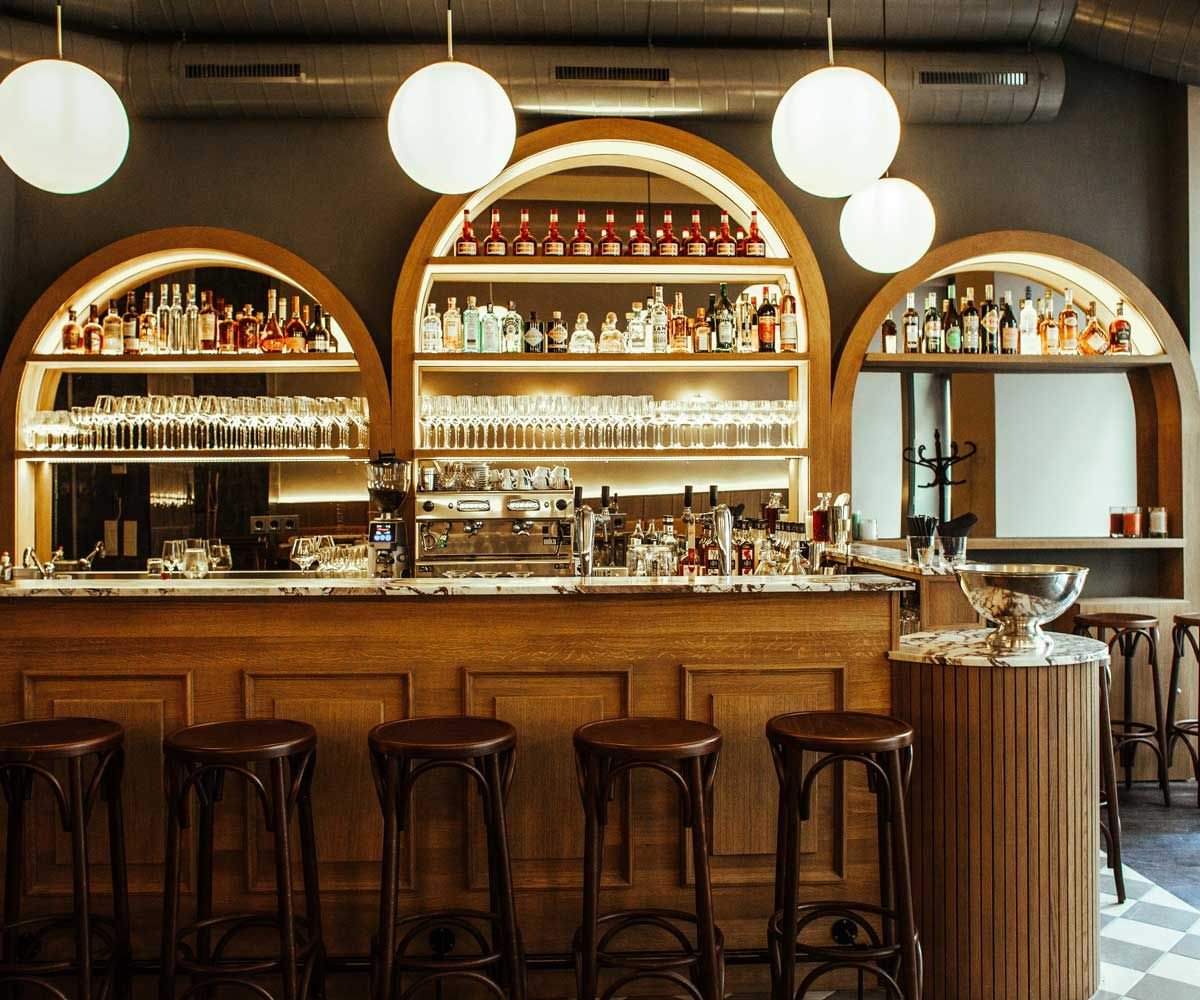
Bars in Vienna
Browse all →

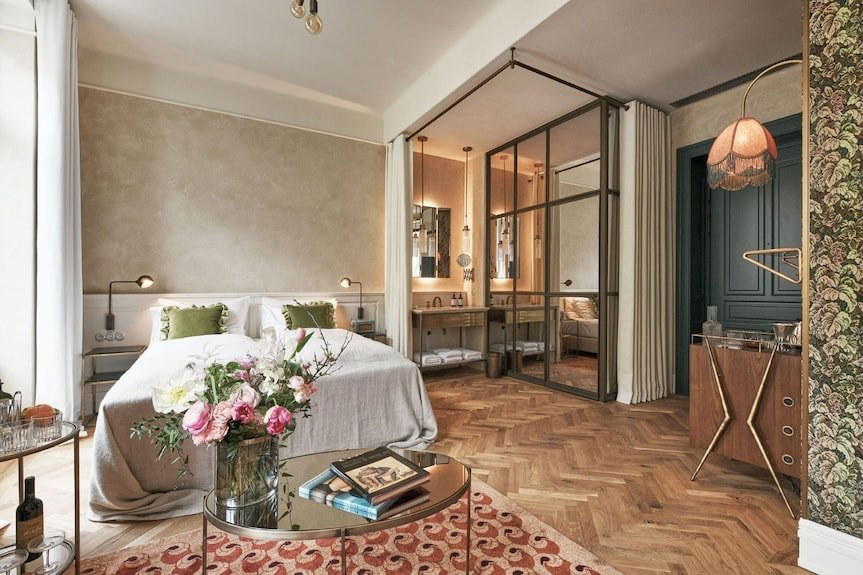
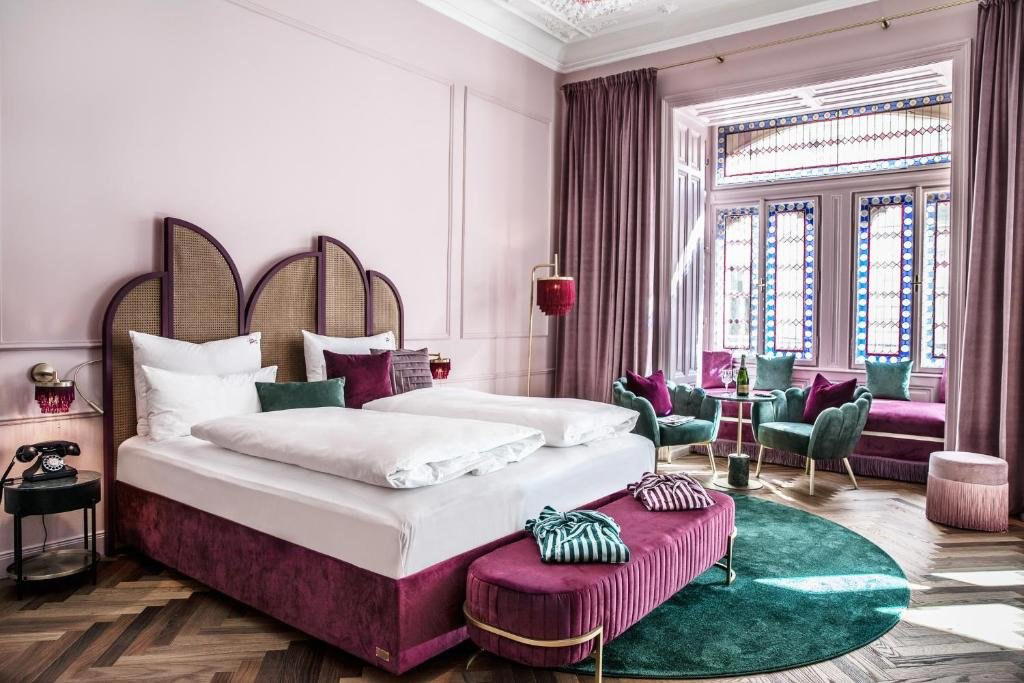
Hotels in Vienna
Browse all →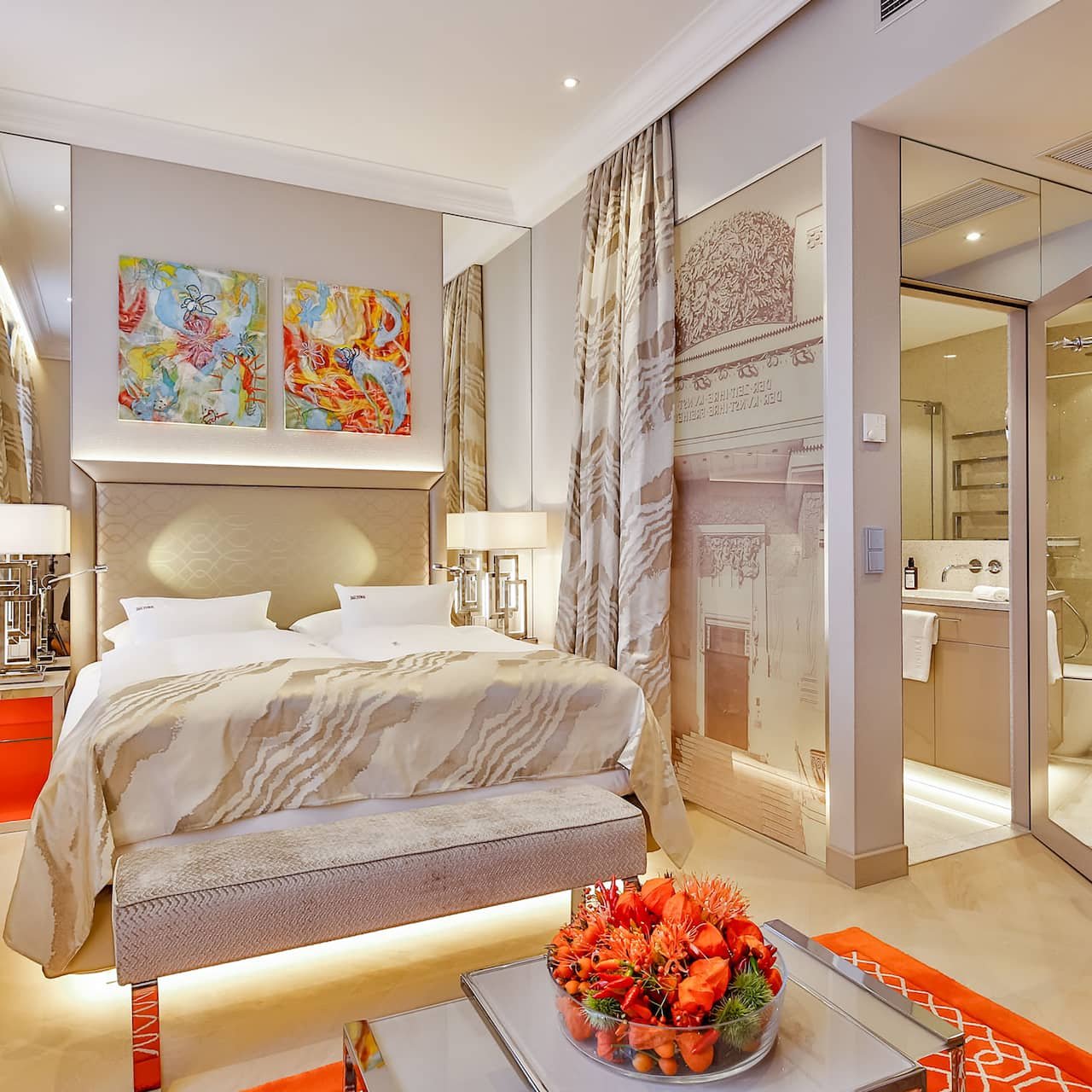
At a Glance
- Trendy
- Intimate
- Sophisticated
- Cozy
- Date Night
- Special Occasion
- Celebration
- Standalone
- Open Kitchen
- Craft Cocktails
- Natural Wine
- Sommelier Led
- Local Sourcing
- Organic
- Natural Wine
- Biodynamic
Current opening hours
- Monday
- Closed
- Tuesday
- Closed
- Wednesday
- 5 PM–1 AM
- Thursday
- 5 PM–1 AM
- Friday
- 5 PM–1 AM
- Saturday
- 5 PM–1 AM
- Sunday
- Closed
Hours can change for holidays and private events. Last verified .
Dimly lit with large jars of house-made cocktail ingredients lining the walls; warm, relaxed, and authentic atmosphere created by attentive staff.