Schloss Gobelsburg (Weingut)


World's 50 Best #50 · Falstaff Winery - 5 Stars
Housed in a sixteenth-century Renaissance castle commissioned by the Habsburg royal family, Schloss Gobelsburg is one of Langenlois's most historically grounded producers. The estate sits at the intersection of architectural heritage and serious viticulture in the Kamptal wine region, where cool-climate Grüner Veltliner and Riesling define the benchmark. It is a reference point for anyone tracing Austrian wine's relationship with place, history, and long-term cellar practice.
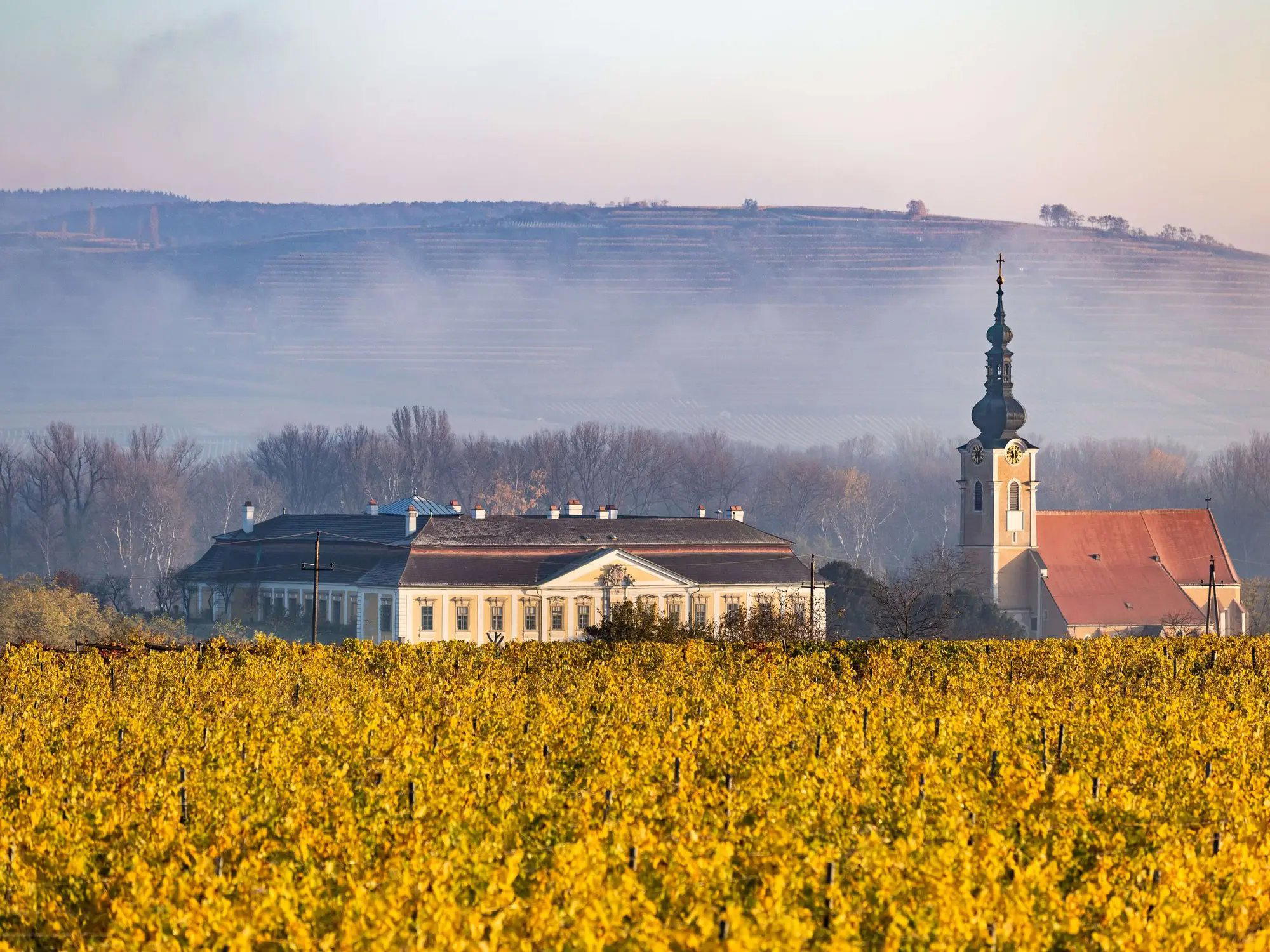
A Castle as Wine Argument
Approach Schloss Gobelsburg from the village road and the architecture does the first talking. The sixteenth-century Renaissance manor house, commissioned by the Habsburg royal family and shaped by centuries of ecclesiastical and aristocratic ownership, frames everything that follows. In the Kamptal, where the Kamp river cuts through loess and primary rock terraces to create one of Austria's most precisely mapped wine appellations, historic estates tend to carry their context quietly. Gobelsburg does not need to announce itself. The castle at Schloss Str. 16, 3550 Langenlois, is a physical argument about continuity, and the wines extend that argument into the glass.
Langenlois is the largest wine town in Austria by vineyard area, and its producers occupy a range of scales and styles. Weingut Bründlmayer, Weingut Jurtschitsch, Weingut Fred Loimer, and Weingut Hiedler each represent a distinct position in the town's wine conversation.
The Kamptal Context: Why Place Comes First
The Kamptal DAC designation, established to protect and define the region's Grüner Veltliner and Riesling identity, has made terroir specificity the primary currency of serious producers here. Cool nights from the Bohemian Massif, warm days channelled through the Kamp valley, and a geology that alternates between löss flatlands and rocky hillside sites create a range of expression unusual for a single appellation. What this means practically is that the leading Kamptal producers can map their wines directly to geography, and consumers can track how a single grape variety changes character across a handful of kilometres.
Gobelsburg's position within this geography carries additional weight because of the castle's age. Vineyards tied to an estate since the sixteenth century accumulate something that younger properties cannot replicate quickly: vine age, soil history, and the kind of empirical knowledge about site performance that only time generates. That knowledge informs how individual parcels are farmed and, more critically, how they are separated and aged in the cellar. Across Austria's premium wine corridor, from Weingut Emmerich Knoll in Dürnstein to Weingut Kracher in Illmitz, the estates that carry the most critical authority share this common thread: a demonstrable relationship between site and wine that has been refined over generations rather than engineered in a single decade.
Viticulture, Stewardship, and the Long View
In Austrian wine, the conversation around sustainable and low-intervention farming has moved from the margins to the centre. Producers like Weingut Jurtschitsch in Langenlois have made biodynamic conversion a public commitment, and Weingut Pittnauer in Gols has built its identity around minimal-intervention principles in the Burgenland.
For an estate of Gobelsburg's scale and age, the approach to viticulture is not a trend response but a long-term responsibility. A castle that has held vineyards since the sixteenth century carries obligations that annual-lease producers do not. The incentive structure shifts: when an estate plans across decades rather than vintages, soil health and vine longevity become core operational concerns rather than optional commitments. This is the logic behind why the Kamptal's most historically grounded estates often align with careful, site-protective farming, not because it is fashionable, but because it is consistent with managing land you intend to pass on intact.
Across Austria, producers working with old-vine material on established estates treat canopy management, harvest timing, and cellar intervention with particular restraint. The argument is consistent: the older the vine and the better the site, the less the winemaker needs to correct or enhance in the cellar. Gobelsburg's position as a historic estate in a defined-terroir appellation places it naturally within this framework, where the winemaking task is to translate what the site already offers rather than to construct a style from the outside.
The Estate's Standing in Austria's Premium Tier
It places Schloss Gobelsburg in the upper bracket of Austrian producers assessed across a range of criteria, and it signals consistent quality at a level that travels beyond regional awareness. For a Kamptal estate to hold that recognition alongside peers from diverse Austrian wine regions, from Weingut Wohlmuth in Kitzeck in Styria's Sausal to Weingut Heinrich Hartl in Oberwaltersdorf south of Vienna, is a credential worth noting. It means the wines are assessed against a national benchmark, not a local one.
In the broader context of premium Austrian wine discovery, Gobelsburg sits alongside the kind of estate that rewards repeat engagement. A single visit gives you access to the architecture, the tasting range, and the appellation logic. A second visit, ideally across a different vintage or season, gives you the kind of comparative depth that makes Kamptal Riesling and Grüner Veltliner genuinely legible as long-term cellar subjects. This is the approach that serious collectors take with estates at this level, from Napa's allocation-only houses like Accendo Cellars in St. Helena to Scotland's single-distillery producers like Aberlour in Aberlour, where the product only makes full sense across time.
Planning a Visit to Schloss Gobelsburg
Langenlois is accessible from Vienna in under two hours by train via Krems, making it a realistic day trip from the capital and a natural anchor for a longer Wachau and Kamptal itinerary. The castle's address at Schloss Str. 16 places it within the village of Gobelsburg, a short distance from central Langenlois. For visitors exploring the town's wider wine offer, our full Langenlois restaurants guide covers the broader dining and wine context in detail.
Specific visiting hours, tasting formats, and booking arrangements are best confirmed directly with the estate, as these details vary by season and group size. The prestige tier of the 2025 award suggests that advance contact is advisable for anyone planning a structured tasting rather than a casual call. The Kamptal's peak visiting window runs from late spring through harvest in October, when the vineyards are active and the regional wine community hosts events that bring estates like Gobelsburg into wider public view.
For those building a broader Austrian wine itinerary, pairing a Gobelsburg visit with other prestige-tier producers across different regions adds comparative dimension. Estates like Weingut Scheiblhofer Distillery in Andau and 1310 Spirit of the Country Distillery in Sierning extend the itinerary into spirits, while 1404 Manufacturing Distillery in Sankt Peter-Freienstein offers a Styrian counterpoint. Within Langenlois itself, the concentration of serious producers within walking or cycling distance of each other makes the town one of the most efficient wine destinations in Central Europe by output per square kilometre of appellation.
Frequently asked questions
Where is Schloss Gobelsburg (Weingut) located?
Schloss Gobelsburg (Weingut) is located at Schloss Str. 16, 3550 Langenlois, Langenlois.
What's the best wine to try at Schloss Gobelsburg (Weingut)?
The Kamptal DAC designation exists specifically to define Grüner Veltliner and Riesling from this region, and both varieties are the reference point for any tasting at the estate. Langenlois sits at the core of the Kamptal growing zone, where the Kamp River valley creates the thermal contrasts that drive aromatic precision in both grapes. Start with Riesling if you want the estate's vertical range in sharpest focus; Grüner Veltliner shows the breadth.
What's the standout thing about Schloss Gobelsburg (Weingut)?
What separates it further is the physical context: the sixteenth-century Renaissance manor, originally commissioned by the Habsburg royal family, frames viticulture at a scale that most Kamptal producers cannot match. Architecture and wine credibility rarely align this directly.
Standing Among Peers
Comparable venues nearby, for context on price, style, and recognition.
| Venue | Cuisine | Price | Awards | Notes |
|---|---|---|---|---|
| Schloss Gobelsburg (Weingut)This venue (the venue you are viewing) | Grüner Veltliner, Riesling | $30–50 | World's 50 Best #50 · Falstaff Winery - 5 Stars | Not listed |
| Weingut Jurtschitsch | Grüner Veltliner, Riesling | Not listed | Falstaff Winery - 4 Stars | Langenlois |
| Weingut Bründlmayer | Grüner Veltliner, Riesling | Not listed | Falstaff Winery - 5 Stars | Langenlois |
| Weingut Fred Loimer | Grüner Veltliner, Riesling | $20–30 | Falstaff Winery - 4 Stars | Langenlois |
| Weingut Hiedler | Grüner Veltliner, Riesling | Not listed | Falstaff Winery - 4 Stars | Langenlois |
| Domäne Wachau | Grüner Veltliner, Riesling | $50–100 | World's 50 Best #68 · Falstaff Winery - 4 Stars | Dürnstein |
Recognition history
Dated appearances from independent guides and award organizations, with the underlying list record or original source where available.
World's 50 Best Vineyards #50
World's 50 Best
Falstaff Winery - 5 Stars
Falstaff
Full recognition history (3 entries)
World's 50 Best Vineyards #30
World's 50 Best
Enquire about visiting Schloss Gobelsburg (Weingut) or buying its wine
Visits to Schloss Gobelsburg (Weingut) are usually kept for the estate's regular buyers and the wine trade. Tell us when you would like to go and a little about how you buy, and we put the request to the estate and reply to you by email. For buying, we source directly from the producer or from a licensed seller we know and vouch for, and tell you the route before you pay.
Continue exploring
More in Langenlois
Wineries in Langenlois
All wineries in Langenlois →
Details
- Classic
- Elegant
- Rustic
- Scenic
- Historic
- Wine Education
- Special Occasion
- Solo Exploration
- Vineyard Tour
- Historic Building
- Estate Grounds
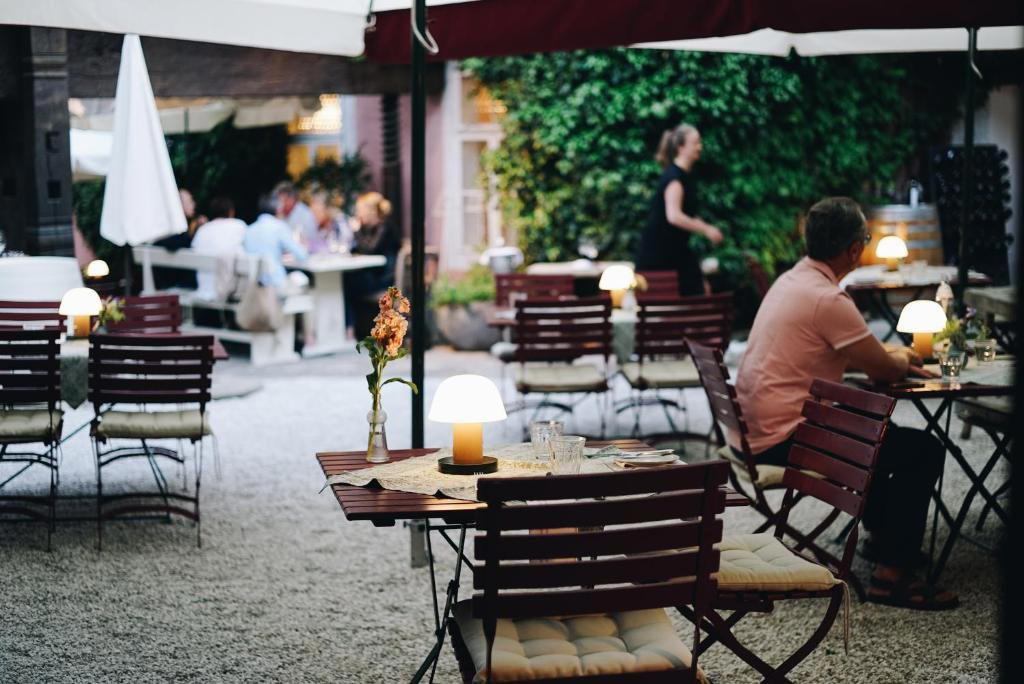
- Terrace
- Sustainable
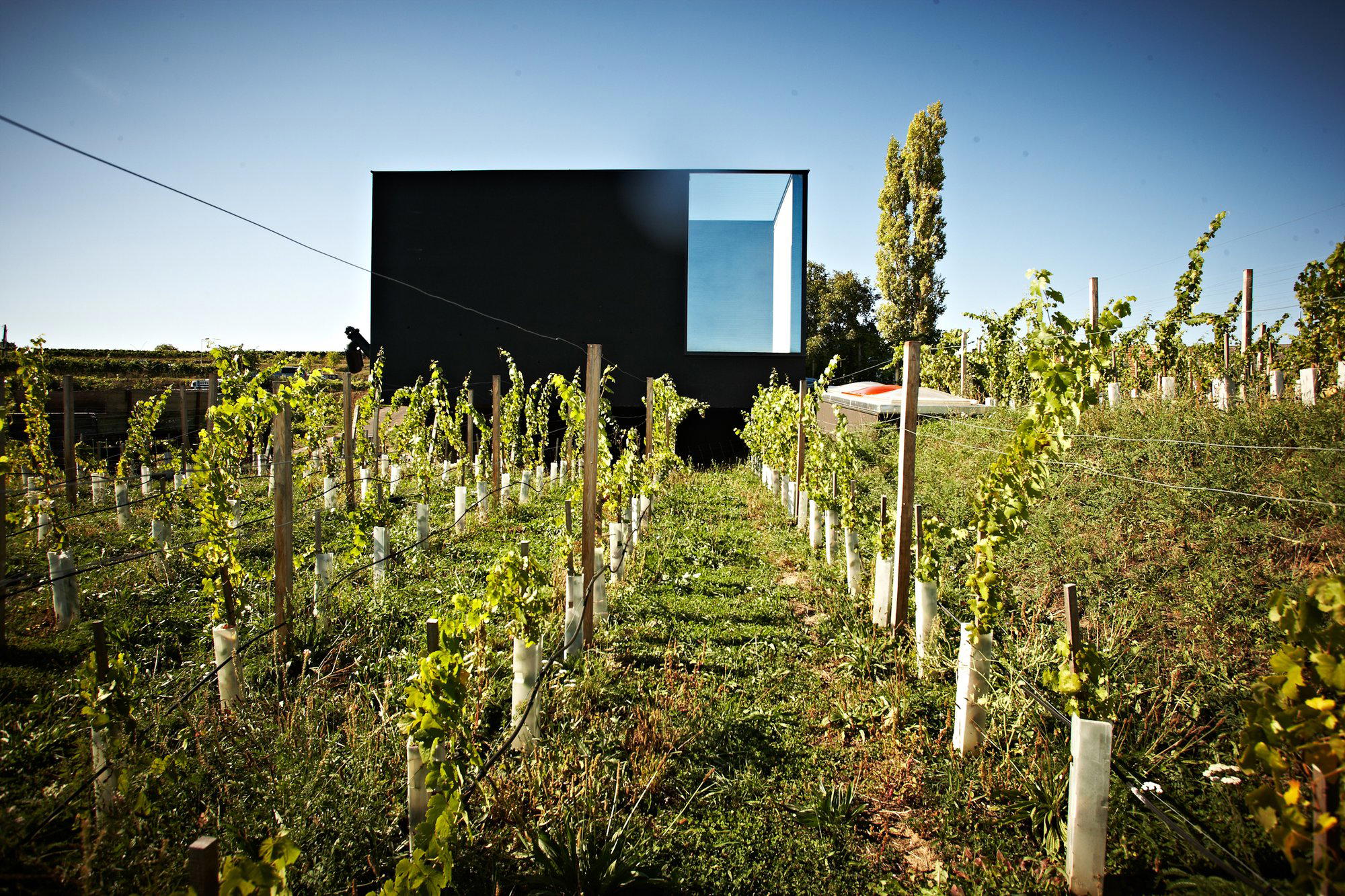
- Vineyard
- Garden
- Grüner Veltliner
- Riesling
- Pinot Noir
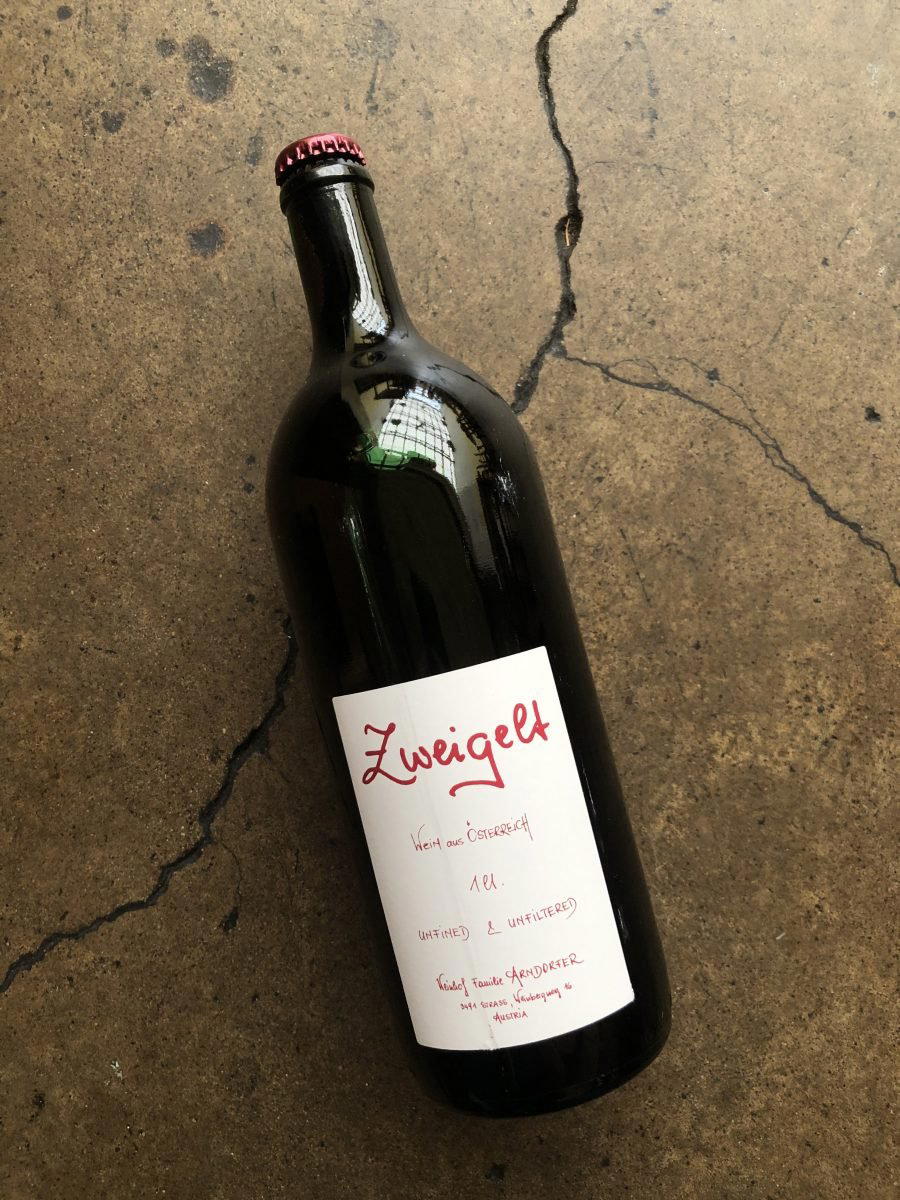
- Zweigelt
- Sankt Laurent
- Merlot
- Still White
- Still Red
- Cave Tasting
- Private Tasting
- German
- English
Grand Renaissance-baroque castle with elegant, historic atmosphere, monastic heritage, and scenic vineyard surroundings.