Located in Parmenac on the outskirts of Čačak, Kod Nemca occupies the quieter end of Serbian dining tradition, where the meal unfolds at the pace the kitchen sets. The address places it away from the town centre, drawing guests who prefer an unhurried table over a busy high-street room. It sits within a regional dining culture that prizes slow-cooked meat, generous portions, and the rhythm of a long afternoon meal.
Pearl is the En Primeur Club membership app — saves, bookings, and concierge access live there. Same editors, same standards.
- Address
- 23 137, Parmenac, Serbia
- Phone
- +381325589057
- Website
- teletinakodnemca.rs
- Directions
- Get directions
 Saves & bookings on Pearl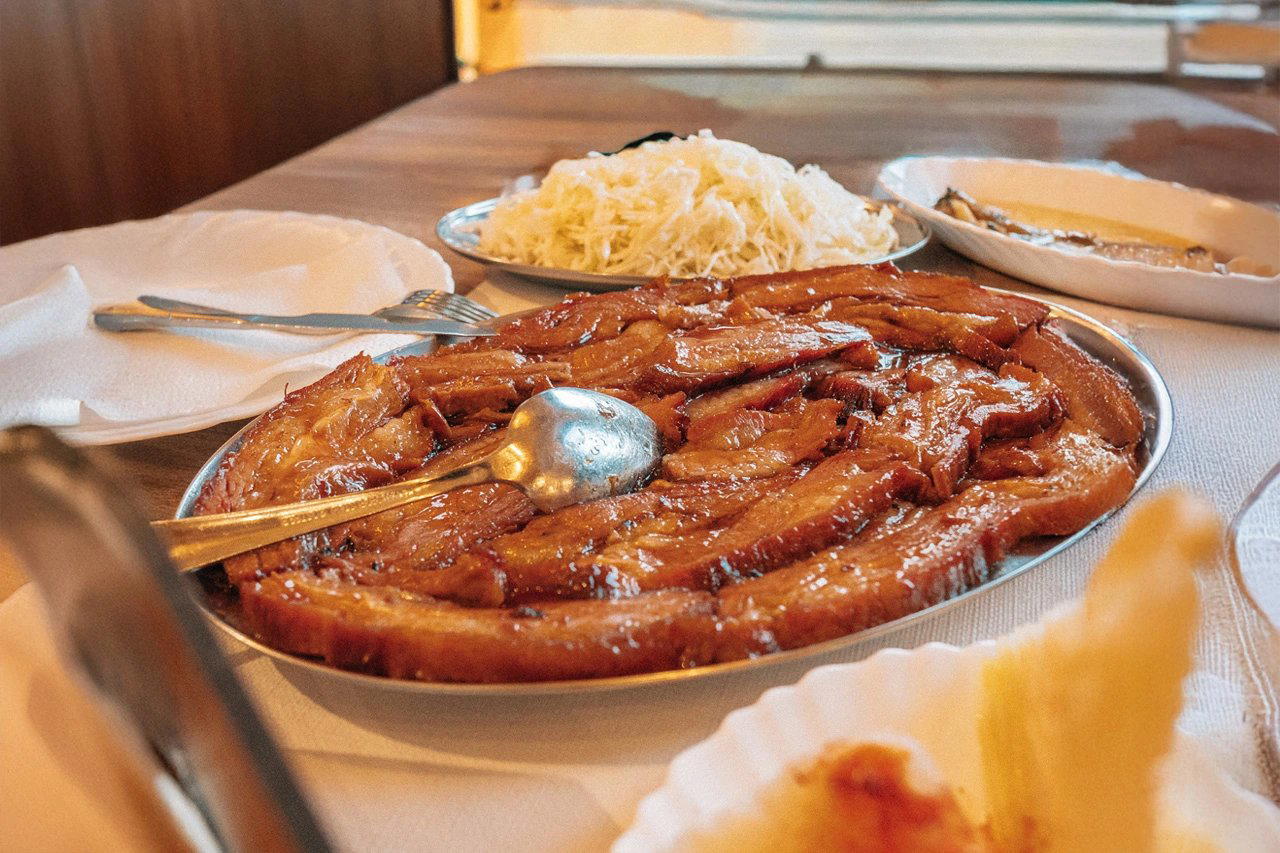
Where the Meal Sets Its Own Pace
These places, often found on the periphery of mid-sized towns, orient themselves around a different meal entirely. The table is the event. The food arrives when it is ready. Conversation fills the gaps. Kod Nemca, situated in Parmenac just outside Čačak, belongs to that tradition.
The address itself signals something. Parmenac is not a dining district with foot traffic and competing frontages. Getting here requires intention, which is precisely the kind of self-selection that shapes the room. The guests who make the effort tend to settle in rather than pass through, and that changes the atmosphere more than any interior decision could. For context on how Čačak's dining options distribute across the town, the full Čačak restaurants guide maps the broader picture.
The Ritual of the Serbian Table
Serbian dining at this register follows a structure that predates restaurant culture as most visitors understand it. It begins with something to drink, typically rakija or wine, and something small to eat while the kitchen prepares. The cold cuts, ajvar, and bread that appear early are not mere starters; they are a calibration, a way of slowing the guest down to the meal's tempo. The main courses, usually grilled or slow-cooked meats, arrive later and without excessive ceremony.
This is the dining mode that inland Serbian restaurants like Kod Nemca occupy. It is a mode shared by comparable establishments across the region: Gostionica Mladost in Čačak operates in a similar register, as does Kod Brana, another locally known address with roots in traditional Serbian fare. The distinction between these places is often less about the food itself and more about setting, crowd, and the particular rhythm of service each kitchen maintains.
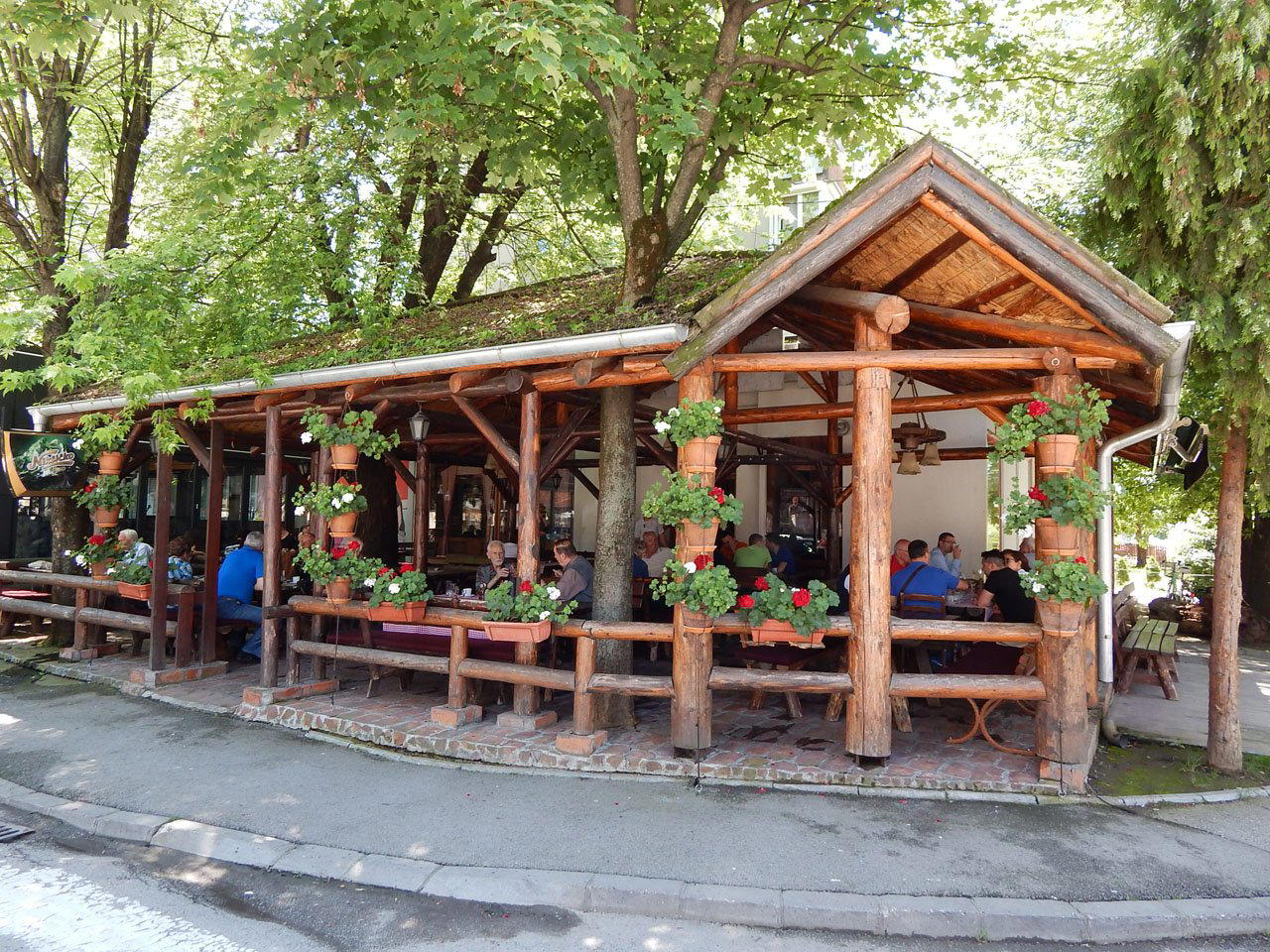
Further afield, this same ritual plays out at Kafana Studenac in Bajina Bašta and Kafana Pećinar Ljubiš in Cajetina, where the combination of outdoor setting and traditional meat cooking defines the experience in broadly the same terms. The kafana format, which Kod Nemca draws from, is among the more durable dining institutions in Serbia: informal, centred on the table rather than the dish, and built around the idea that eating well means eating slowly.
Regional Positioning and Peer Context
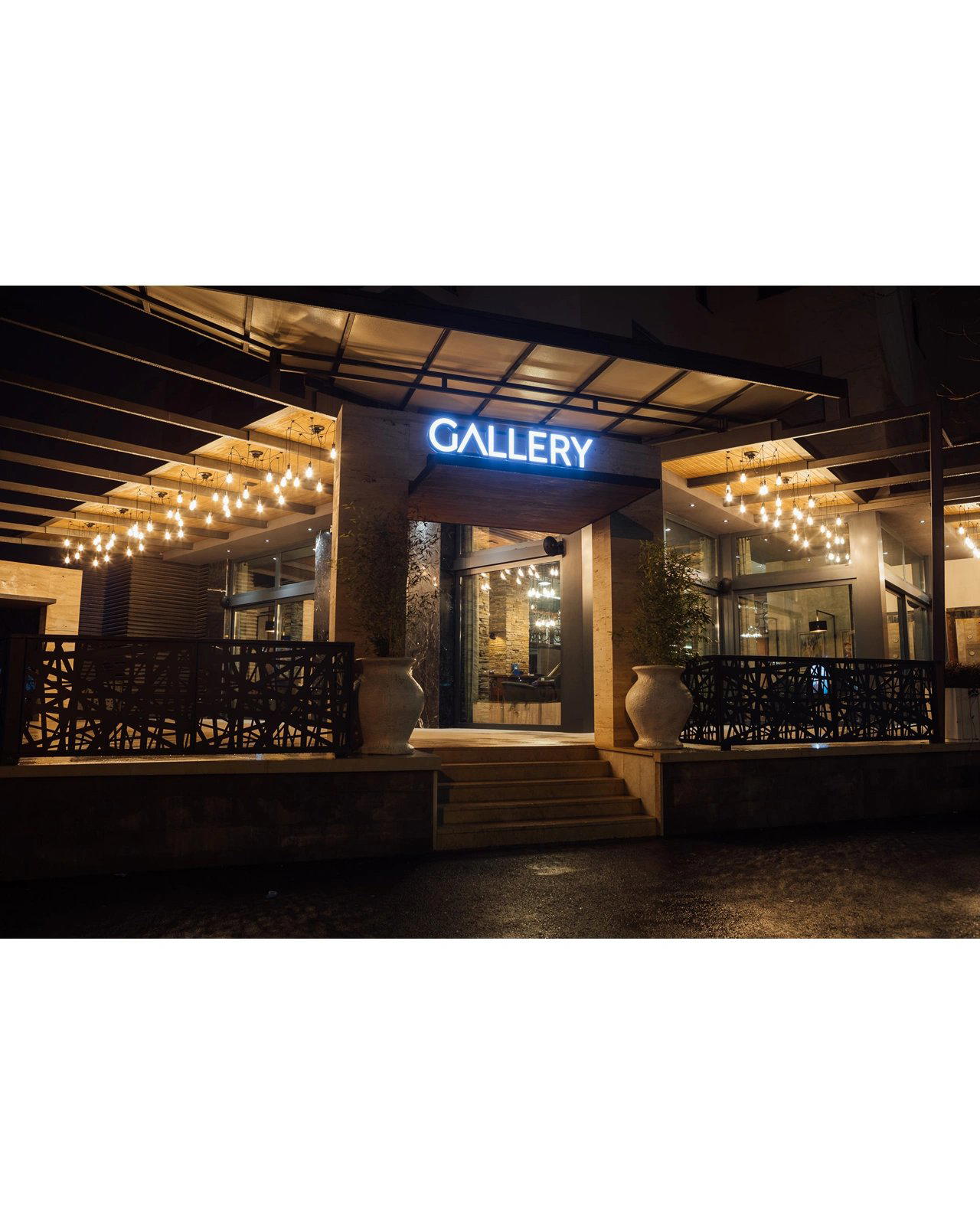
Čačak sits in the Morava corridor of central Serbia, a region not typically positioned as a gastronomic destination in the way that Belgrade or Novi Sad command attention. That is part of what shapes the dining scene here. Restaurants like Gallery Caffe and Restaurant in Čačak reach for a more contemporary café-restaurant hybrid format, while places in Parmenac and the surrounding villages tend to stay closer to traditional Serbian cooking without the overlay of design thinking or international influences.
The comparison with urban Serbia is instructive. In Belgrade, a restaurant like Langouste operates at a price point and formality level that reflects the capital's international aspirations. In Novi Sad, Kafe Restoran Maša sits within a more mixed urban dining culture. The restaurant operates in neither of those registers. Its comparable set is the cluster of family-run Serbian restaurants that prioritise ingredient quality and portion scale over presentation or atmosphere engineering.
That positioning is not a limitation. For guests who have spent time at places like Lovački dom in Valjevo or Etno Kuća Dinar in Vršac, the appeal of a quiet room outside a mid-sized Serbian town is clear. The food is the point, the pace is the pleasure, and the absence of competitive urban noise is a feature of the room rather than a gap in the offering.
Planning Your Visit
The Parmenac address means the restaurant is most practically reached by car from Čačak town centre. For visitors spending time in the broader Šumadija and Western Serbia region, it sits within reasonable distance of other dining addresses worth considering: Aleksandar Gold in Užice to the south and Kod poštara in Aranđelovac to the north both anchor the regional map. For those travelling wider across Serbia, Windmill in Pančevo, Kafana Dukat in Pirot, and Čarda Zlatna Kruna in Apatin represent the spread of traditional Serbian dining formats across different regions and river environments.
The restaurant is walk-in friendly, and larger groups may still want to call ahead when possible.
Cuisine and Awards Snapshot
Comparable venues nearby, for context on price, style, and recognition.
| Venue | Cuisine | Price | Notes |
|---|---|---|---|
| Kod NemcaThis venue — the venue you are viewing | Traditional Serbian Kafana | $$ | Not listed |
| Kod Brana | Traditional Serbian Grill & Roast House | $ | Bulevar Oslobođenja |
| Gallery caffe & restaurant | Serbian Traditional with Pizza and International Options | $$ | Central Cacak |
| Gostionica Mladost | Traditional Serbian Tavern | $$ | Čačak |
| Vrelo | Traditional Serbian | $$ | Perucac |
| Gočko | Serbian Traditional BBQ | $$ | Vrnjacka Banja |
Continue exploring
More in Cacak
Restaurants in Cacak
Browse all →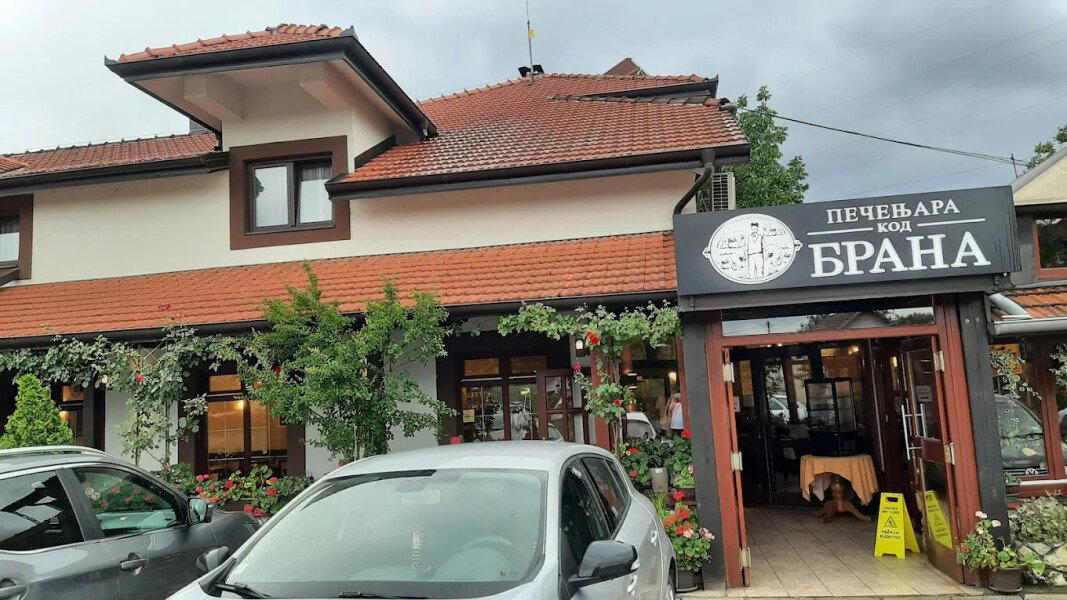
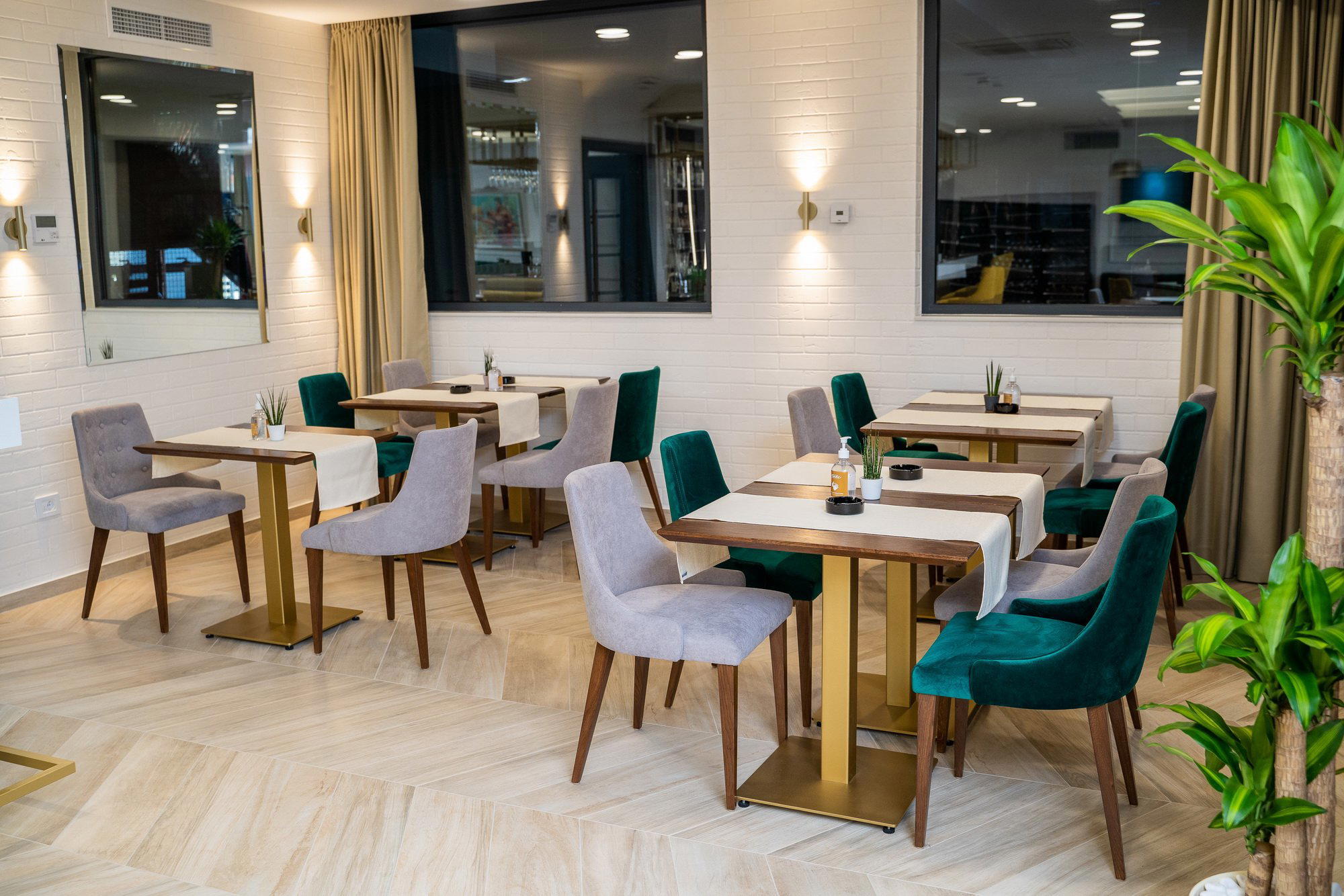
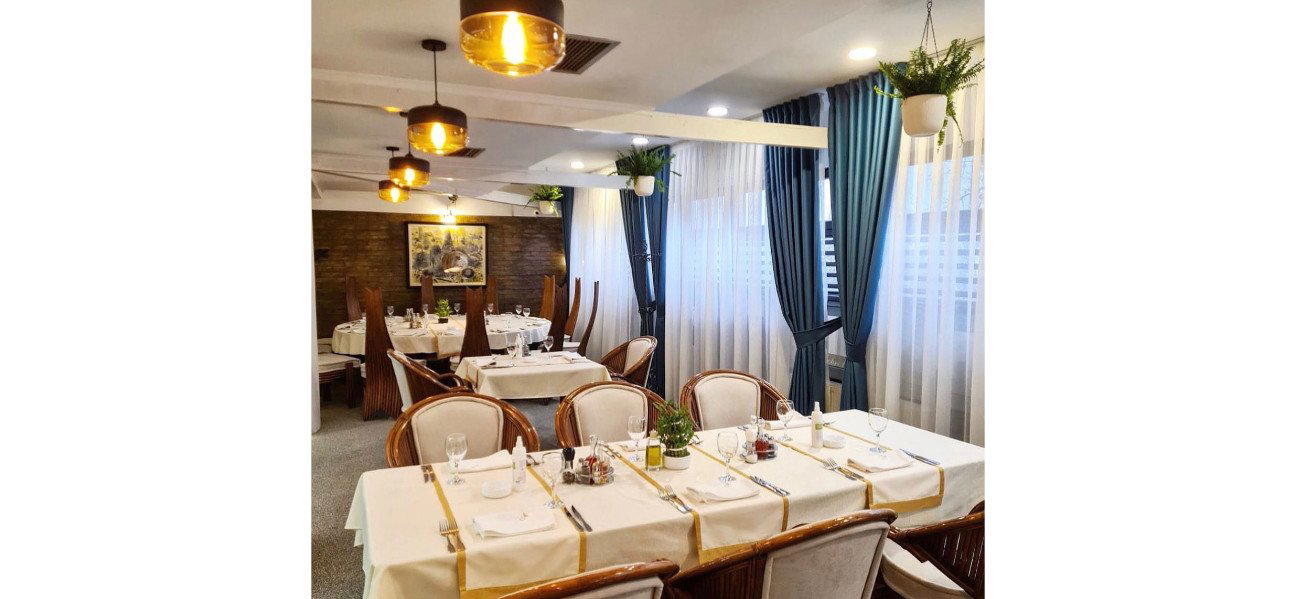

At a Glance
- Classic
- Cozy
- Family
- Casual Hangout
- Historic Building
Current opening hours
- Monday
- 8 AM–11 PM
- Tuesday
- 8 AM–11 PM
- Wednesday
- 8 AM–11 PM
- Thursday
- 8 AM–11 PM
- Friday
- 8 AM–11 PM
- Saturday
- 8 AM–11 PM
- Sunday
- 8 AM–11 PM
Hours can change for holidays and private events. Last verified .
Comfortable classic atmosphere in a longstanding neighborhood spot.