RESTORAN TORO
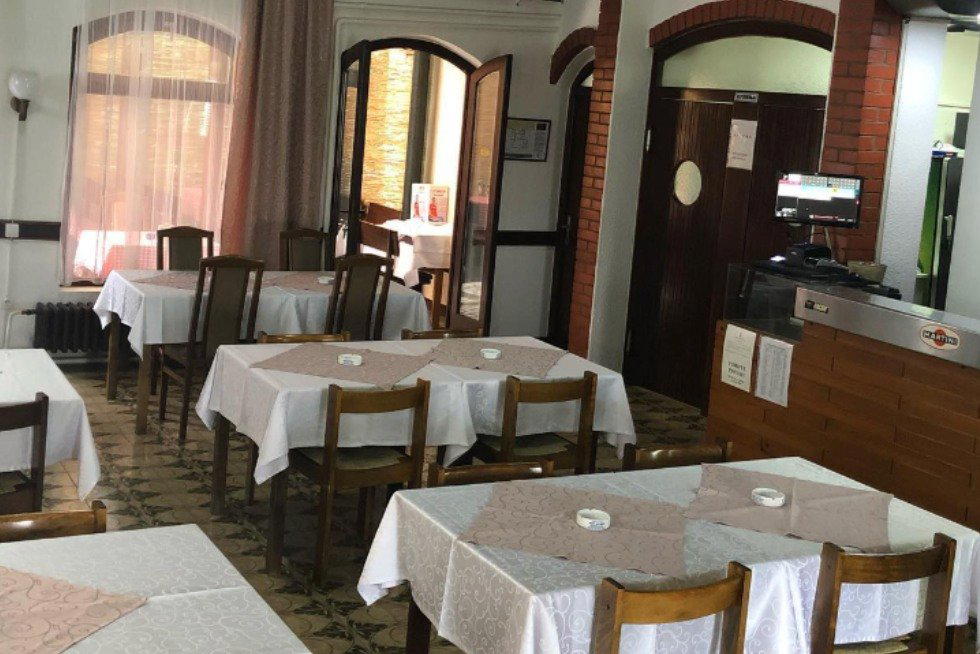
On Vojvođanska in central Kragujevac, Restoran Toro operates within a Serbian dining culture that prizes unhurried meals and table-side hospitality over transactional service. The address places it in reach of the city's main thoroughfares, making it a practical anchor for anyone spending time in Serbia's fourth-largest city. For context on where it sits within the local scene, see our full Kragujevac restaurants guide.
Pearl is the En Primeur Club membership app — saves, bookings, and concierge access live there. Same editors, same standards.
- Address
- Vojvođanska 13A, Kragujevac 34000, Serbia
- Phone
- +381659997980
- Website
- tororestaurant.rs
- Directions
- Get directions
 Saves & bookings on Pearl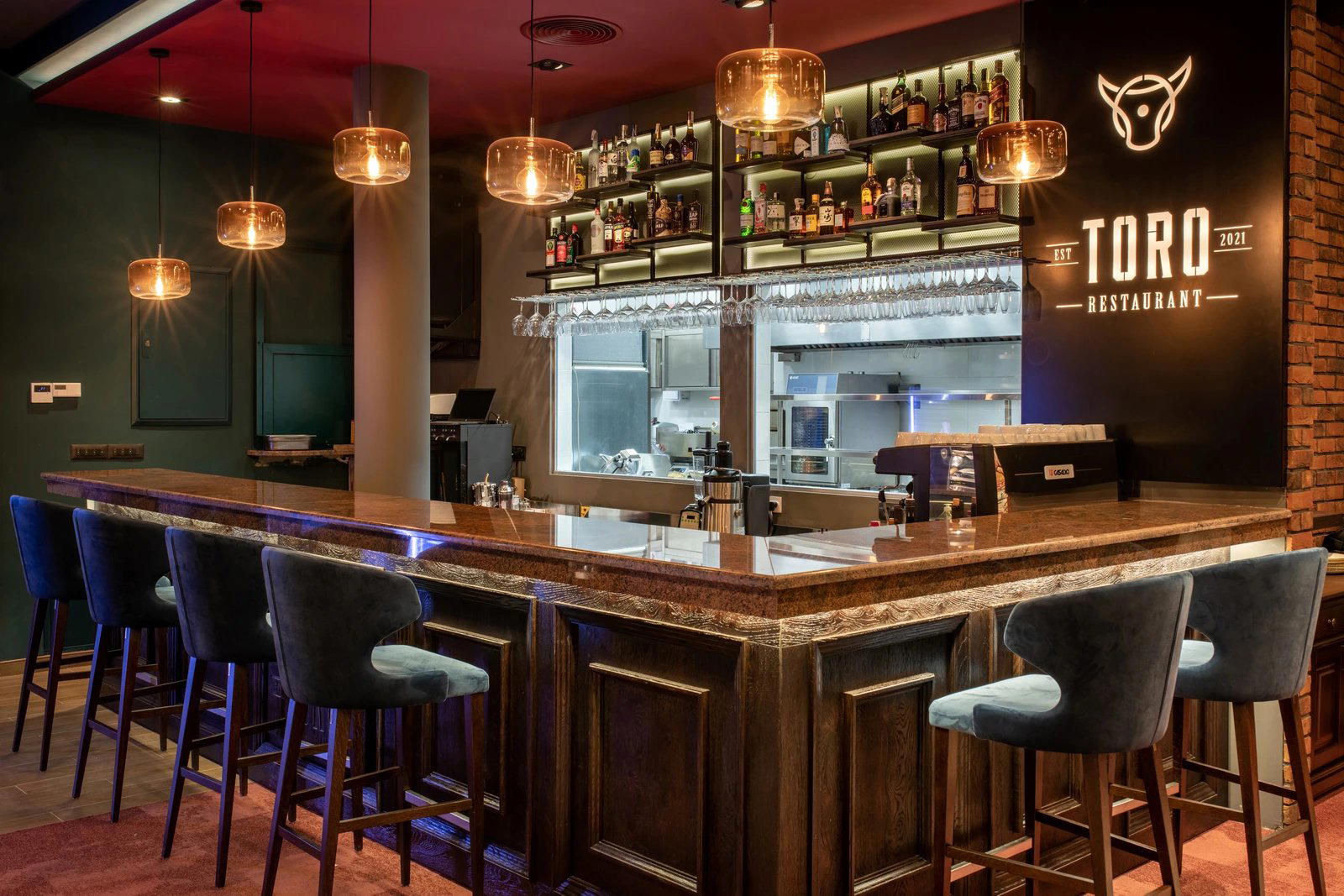
The Rhythm of a Serbian Meal in Kragujevac
There is a particular pacing to dining in central Serbia that visitors from faster-tempo cities often misread at first. A meal does not arrive and conclude on a schedule; it unfolds in stages, with salads and cold starters making their appearance before the table has fully settled, followed by grilled meats or hearty mains that come when the kitchen is satisfied rather than when the clock says so. Rakija may arrive before a menu does. This is not disorganisation, it is a deliberate hospitality grammar, one that restaurants along streets like Vojvođanska in Kragujevac have practised for generations.
Kragujevac is Serbia's fourth-largest city and the historical seat of the first Serbian government. Dining here is not performative in the way it can be in Belgrade's trendier quarters. The expectation, at a mid-city address like Vojvođanska, is competence and generosity: portions measured in seriousness, service measured in attentiveness, and an atmosphere measured in warmth rather than design spectacle. Restoran Toro sits in that register.
What the Vojvođanska Address Tells You
Location in a Serbian provincial city encodes a great deal about a restaurant's positioning. Vojvođanska is one of Kragujevac's recognisable central arteries, the kind of street that draws a cross-section of the city rather than a single demographic. A restaurant at this address is not angling for tourist foot traffic, nor is it tucked away enough to operate as a destination-only proposition. It serves the city itself: professionals at lunch, families on weekends, the kind of regulars who return because consistency matters more to them than novelty.
For comparison within the Kragujevac scene, Kano and Pizza Favola occupy different segments of the local market, with Pizza Favola angling toward the casual Italian-inflected end and Kano offering its own distinct proposition. Крофна Бар represents the city's café-bakery culture, a separate tradition from sit-down dining.
The Dining Ritual: Customs, Pacing, and What to Expect
Understanding the dining ritual at a Serbian restaurant means understanding that the meal structure differs from Western European conventions in ways that reward patience. A typical progression begins with cold starters, shopska salad (tomato, cucumber, onion, grated white cheese), urnebes (a spiced cheese spread) or proja (cornbread), which arrive quickly and stay on the table throughout. This initial spread is not an amuse-bouche tier designed to be cleared; it coexists with whatever comes next.
The main course in this tradition leans heavily toward grilled proteins. Ćevapi, pljeskavica, mixed grill plates, and roasted meats anchor the Serbian restaurant menu in a way that pasta anchors an Italian trattoria. Side dishes, particularly roasted or fried potatoes and fresh bread, are assumed rather than optional. Dessert is often a lighter conclusion, a sweet pastry or fruit, and the expectation that coffee arrives at the end, as a signal that the meal is drawing to a close, is close to universal.
Service in this format is attentive but not hovering. A good Serbian restaurant host reads when a table wants conversation and when it wants to be left alone. The bill does not appear until requested, which is both a cultural norm and a practical expression of the philosophy that a table, once occupied, belongs to its guests for as long as they wish to occupy it. In cities like Kragujevac, where the pace of life is measurably slower than in the capital, this unhurried approach is not an affectation, it is the baseline.
Central Serbia's Restaurant Context
Kragujevac sits in Šumadija, the central Serbian region that food writers associate with some of the country's most grounded domestic cooking. The Šumadija table draws from a tradition of hearty, land-anchored food: pork, lamb, cabbage, beans, and dairy products from nearby producers. This is not a cuisine of delicacy or refinement in the French sense; it is a cuisine of abundance and directness, where the quality of the raw ingredient carries more weight than technique applied to it.
Across Serbia more broadly, the provincial dining scene sits at an interesting moment. Belgrade restaurants like Langouste in Belgrade operate in a more internationally inflected register, with menus that gesture toward contemporary European cooking. Provincial cities have largely held to the domestic tradition, which is not a limitation so much as a different kind of value proposition. A restaurant in Kragujevac is not competing with a restaurant in Belgrade on the same terms any more than a bistro in Lyon is competing with a Parisian tasting-menu counter.
Within that provincial frame, restaurants in cities like Cacak (see Kod Brana in Cacak), Valjevo (Lovački dom in Valjevo), and Uzice (Aleksandar Gold in Uzice) reflect similar patterns: full-service dining anchored in national culinary tradition, serving local populations with consistency as the primary measure of quality. Restoran Toro operates in that same band. Further afield, restaurants such as KAFANA DUKAT in Pirot, Etno Kuća Dinar in Vrsac, and Kafana Pećinar Ljubiš in Cajetina illustrate how Serbian restaurant culture holds to regional character even as the country's hospitality sector modernises. The kafana tradition, at its most formalised in venues like ČARDA ZLATNA KRUNA in Apatin, runs parallel to the stand-alone restaurant format, offering live music and longer evening sittings as a distinct social institution. For context on the full range of dining options in the city, our full Kragujevac restaurants guide maps that spectrum.
Planning a Visit
Restoran Toro is at Vojvođanska 13A, Kragujevac 34000, Serbia, a central address accessible on foot from much of the city centre. No phone number or website is listed in publicly available records at the time of writing, which means one reliable approach is to arrive in person, particularly for weekday lunches when the walk-in format is most practical. For weekend evenings, arriving early is advisable at any well-regarded Kragujevac restaurant, as tables fill without the advance booking infrastructure that Belgrade's busier venues maintain. Hours are not confirmed in current records, so a brief in-person visit or local enquiry before a planned dinner is sensible logistics. Dress is casual to smart-casual, consistent with the norms of Serbian provincial dining, where no formality is required but a degree of presentability is observed.
Style and Standing
Comparable venues nearby, for context on price, style, and recognition.
| Venue | Cuisine | Price | Notes |
|---|---|---|---|
| RESTORAN TOROThis venue — the venue you are viewing | Modern International with Serbian Influences | $$ | Not listed |
| Крофна Бар | Cafe | $$ | Kragujevac |
| Kano | Mediterranean-Asian Fusion | $$ | city center |
| Pizza Favola | Pizza | $$ | Kragujevac |
| Kano | wine_bar | $$ | Kragujevac |
| Znak pitanja (?) | Traditional Serbian Kafana | $$ | Stari Grad |
Continue exploring
More in Kragujevac
Restaurants in Kragujevac
Browse all →

Bars in Kragujevac
Browse all →
At a Glance
- Modern
- Elegant
- Celebration
- Group Dining
- Panoramic View
Current opening hours
- Monday
- 8 AM–12 AM
- Tuesday
- 8 AM–12 AM
- Wednesday
- 8 AM–12 AM
- Thursday
- 8 AM–12 AM
- Friday
- 8 AM–12 AM
- Saturday
- 8 AM–12 AM
- Sunday
- 8 AM–12 AM
Hours can change for holidays and private events. Last verified .
Quiet atmosphere with a refined and welcoming vibe.