On Banjička street in Užice, Restoran Siesta occupies a corner of western Serbia's dining scene where the pace of a meal is taken seriously. The kitchen draws on the region's grilled-meat traditions, and the room suits both a deliberate midweek dinner and a longer weekend table. For those tracing the character of Serbian provincial dining, Siesta is a practical and honest reference point.
Pearl is the En Primeur Club membership app — saves, bookings, and concierge access live there. Same editors, same standards.
- Address
- Banjička 24, Užice 31000, Serbia
- Phone
- +381648628763
- Website
- hotelsiesta.rs
- Directions
- Get directions
 Saves & bookings on Pearl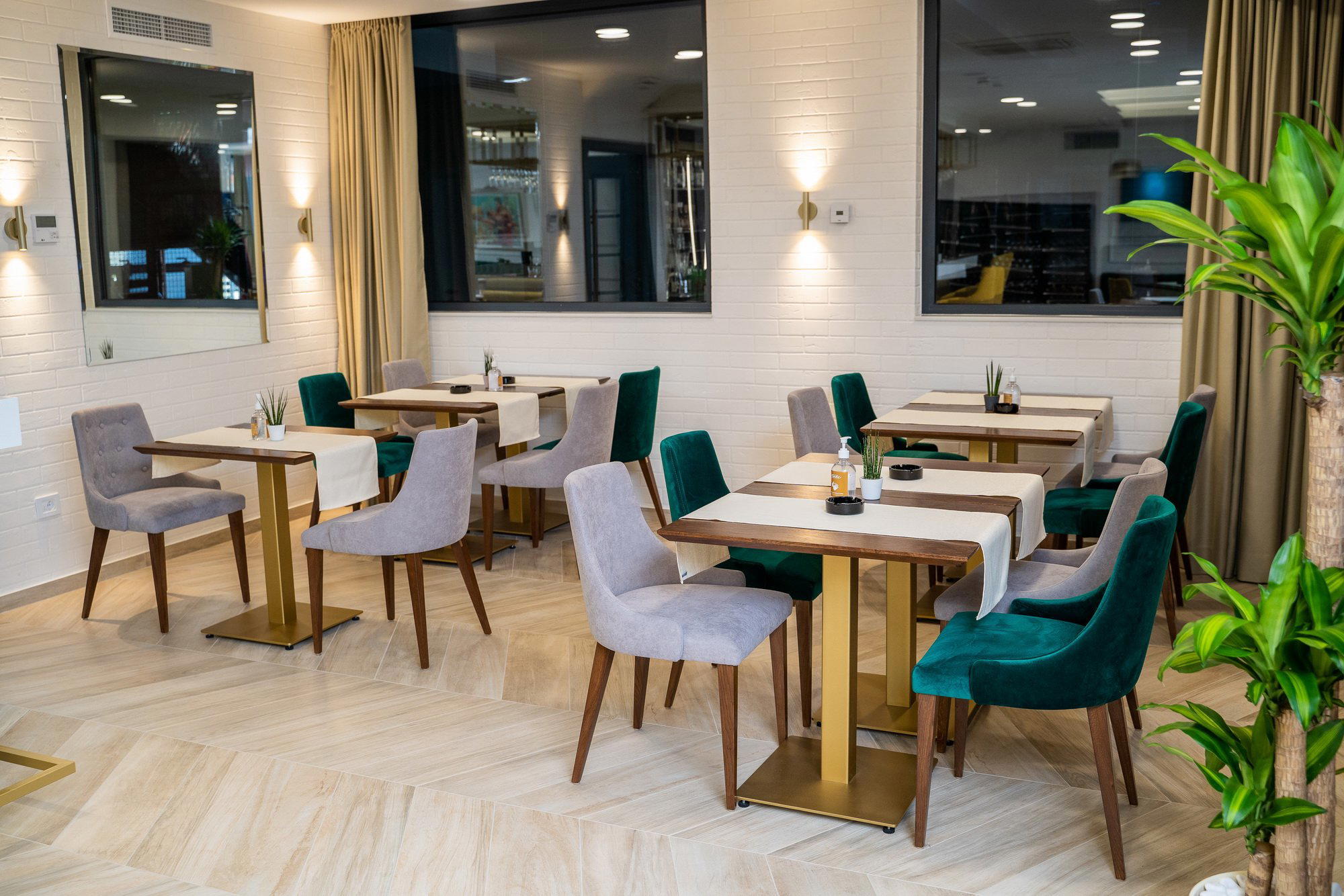
The Rhythm of a Meal in Western Serbia
In Užice, as in most Serbian towns of comparable size, the restaurant experience is shaped less by culinary innovation than by ritual. A meal here follows a cadence that has changed little over decades: bread arrives without asking, cold starters precede the grill, and the table is rarely rushed toward the bill. Restoran Siesta, at Banjička 24, sits within that tradition. The address is residential in character, the kind of street where a restaurant earns its clientele through repetition rather than tourism, and where the measure of quality is whether the same faces return on a Wednesday as on a Saturday.
That pattern, common across Serbia's provincial dining culture, tells you something about how to approach the meal. You are not being offered a curated tasting sequence or a chef's personal statement. You are entering a social contract: the kitchen holds its side, the table holds its side, and the evening moves at a pace both parties accept. For visitors accustomed to tightly structured fine dining, that looseness can feel unfamiliar. Lean into it. The meal at a place like Siesta is not a performance to watch; it is a process to participate in.
What the Region Puts on the Table
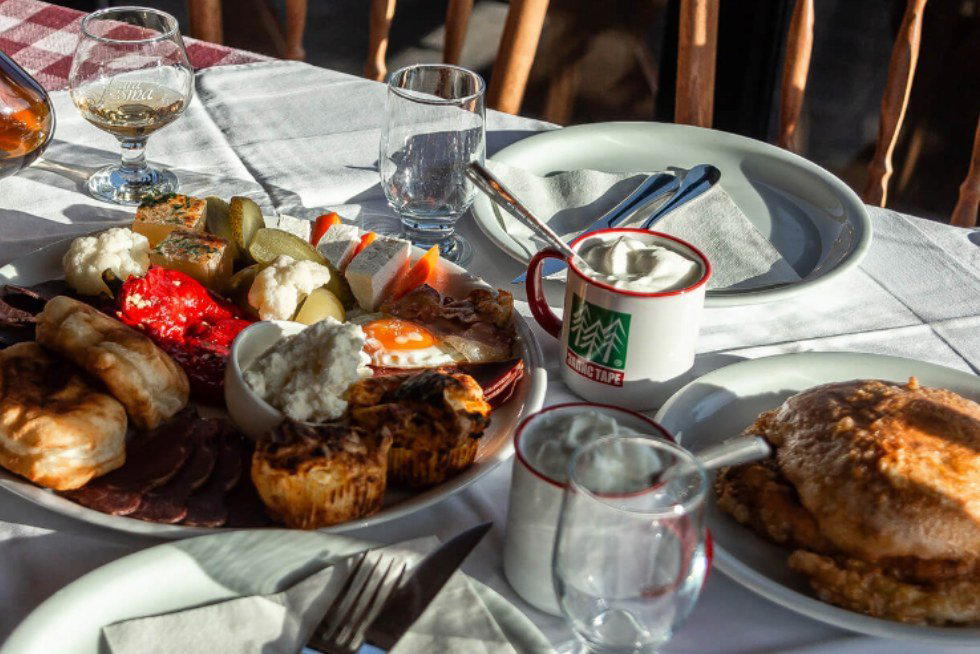
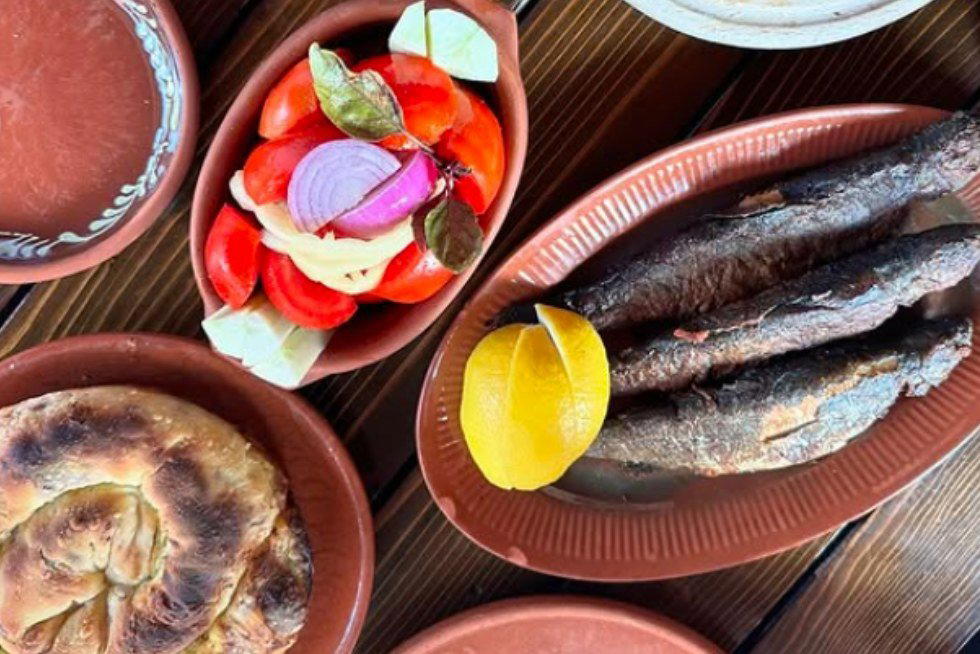
Western Serbia's dining tradition is grounded in the same broad repertoire that defines Serbian kafana cooking at large, but the Zlatibor mountain region immediately south of Užice adds a specific weight to the local larder. Cured and smoked meats, kajmak (the clotted dairy product that functions as both condiment and ingredient throughout this part of the Balkans), roasted peppers, and grilled cuts of pork and veal form the backbone of what appears on most tables in this corridor. Bread is almost always homemade in style, and portions reflect a tradition built around physical labour and shared eating rather than portion-controlled tasting.
That regional context matters when reading a menu at any Užice restaurant, including Siesta. The kitchen is not inventing this cuisine; it is interpreting a set of shared references that diners in the area know by heart. The critical question, then, is execution: how the kajmak is sourced, how the grill is managed, whether the cold plate arrives with any thought given to balance. Those details separate restaurants within the tradition rather than marking departures from it. For comparable grounding in how Serbian provincial kitchens handle the same raw material, the Kafana Studenac in Bajina Basta and Kafana Pećinar Ljubiš in Cajetina offer useful points of reference along the same geographic arc.
Siesta in the Užice Dining Order
Užice is not a city that generates much international dining coverage, which means its restaurant hierarchy is largely internal: locals have opinions, visitors rely on word of mouth, and the absence of formal awards or critical infrastructure pushes quality signals toward occupancy and longevity. Within that context, Siesta occupies the mid-tier of what the city offers, a category that in Serbian provincial terms means honest cooking, reasonable value, and a room that functions for both family dinners and small group gatherings. The restaurant is rated 4.8 on Google from 285 reviews, with an accessible price point of about $20 per person.
At the upper end of the Užice dining register, Aleksandar Gold and Viskonti represent the more formal end of local ambition, while Restoran Cveta occupies territory closer to Siesta's register. None of these venues carry international recognition in the way that Belgrade's more prominent addresses do, but that comparison is largely irrelevant. The comparable set is local, and within it, proximity to the Banjička address and the consistency of the offering are what drive table choices for regulars.
For context on how Serbian dining looks at the other end of the ambition spectrum, Langouste in Belgrade illustrates the gap between what the capital's top tier has developed and what provincial dining in the west of the country currently offers. That gap is not a criticism of either end; it reflects different economies of dining and different relationships between kitchen and customer.
How to Sit at the Table
The customs governing a meal at a Serbian restaurant of this type reward patience. Ordering happens in layers rather than all at once: drinks and a cold plate to start, then mains, with dessert rarely the focus. Rakija, the regional fruit brandy, functions as both aperitif and digestif in Serbian table culture, and refusing it requires some social navigation if dining with locals. The meal is a social occasion first, a nutritional one second, and that sequencing affects everything from how quickly food arrives to how long the table is yours after the last plate clears.
That pacing is not distinctive to Siesta; it is the operating system of Serbian kafana culture broadly. For visitors arriving from dining environments where service is transactional and timing is tight, the adjustment is mostly mental. The table will not be cleared prematurely, conversation is expected to extend well past the food, and splitting parties between multiple tables rather than crowding one is generally avoided. In that sense, the experience at Siesta is less about what arrives on the plate and more about the time you are given around it.
Across Serbia's provincial towns, from Kod Brana in Cacak to Lovački dom in Valjevo and KAFANA DUKAT in Pirot, the same cultural logic applies: the meal is a ritual container for sociality, not merely a delivery mechanism for food. Siesta, by its address and its apparent positioning, operates within that same frame.
Planning the Visit
Banjička 24 is a residential street address, which in Užice means it is within the town's walkable core without being on a principal commercial drag. Užice is accessible by road from Belgrade in approximately two and a half hours, and the town itself is compact enough that most restaurant addresses are within a short drive or taxi ride of each other. Booking ahead by phone is standard practice at Serbian restaurants of this type for weekend evenings, though weekday visits are generally walk-in friendly. Specific hours are Monday to Thursday from 7 AM to 10 PM, Friday to Sunday from 7 AM to 11 PM, and reservations are recommended.
For anyone building a broader western Serbia itinerary, the region's dining corridor connects Užice northward toward Valjevo and southward toward Zlatibor, with each town carrying its own variant of the same mountain-inflected Serbian kitchen. The Etno Kuća Dinar in Vrsac and ČARDA ZLATNA KRUNA in Apatin show how regional specificity shifts when you move east and north toward the Vojvodina plains, a useful contrast for understanding what makes the Užice end of Serbia's dining geography distinct.
Style and Standing
Comparable venues nearby, for context on price, style, and recognition.
| Venue | Cuisine | Price | Notes |
|---|---|---|---|
| RESTORAN SIESTAThis venue — the venue you are viewing | European & Serbian | $$ | Not listed |
| Restoran Cveta | Mediterranean & Serbian | $$ | center |
| Viskonti | Authentic Serbian | $$ | Mokra Gora |
| Aleksandar Gold | Barbecue and European | $$ | Uzice |
| Dokolica Bistro Vračar | Mediterranean Bistro with Fusion Influences | $$ | Vračar |
| Znak pitanja (?) | Traditional Serbian Kafana | $$ | Stari Grad |
Continue exploring
More in Uzice
Restaurants in Uzice
Browse all →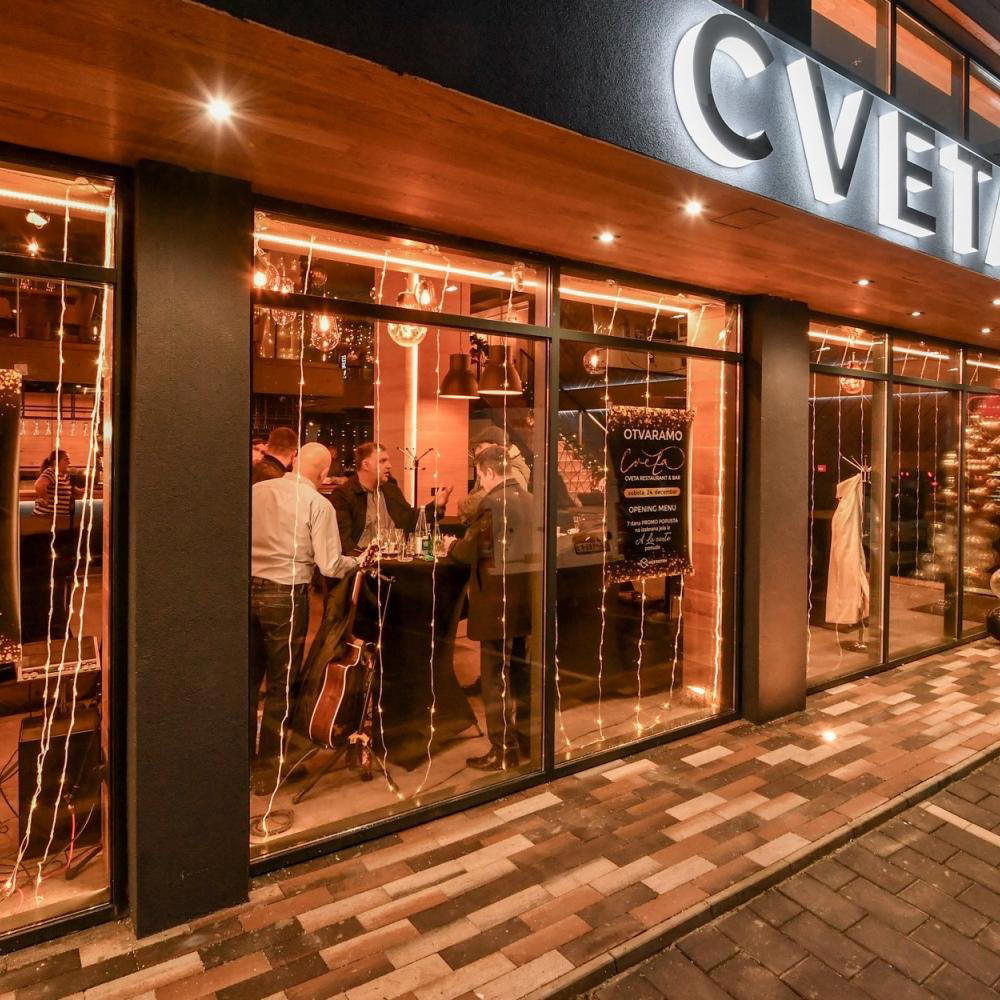
Hotels in Uzice
Browse all →
Wineries in Uzice
Browse all →
At a Glance
- Elegant
- Scenic
- Cozy
- Date Night
- Group Dining
- Family
- Celebration
- Special Occasion
- Terrace
- Garden
- Hotel Restaurant
- Waterfront
- Garden
- Waterfront
Current opening hours
- Monday
- 7 AM–10 PM
- Tuesday
- 7 AM–10 PM
- Wednesday
- 7 AM–10 PM
- Thursday
- 7 AM–10 PM
- Friday
- 7 AM–11 PM
- Saturday
- 7 AM–11 PM
- Sunday
- 7 AM–11 PM
Hours can change for holidays and private events. Last verified .
Elegant and warm ambiance with impeccably maintained spaces, featuring a delightful terrace enveloped in greenery ideal for special occasions and events.