
China Sichuan Togen puts Sichuan cooking inside Kumamoto’s hotel-dining tradition rather than the city’s izakaya-and-grill mainstream. Its 2026 Tabelog Chinese WEST “Tabelog 100” selection, 84-seat room, private-room format, and Sichuan category make it a useful address for travelers who want regional Chinese cooking with the predictability of a formal hotel restaurant.
Pearl is the En Primeur Club membership app — saves, bookings, and concierge access live there. Same editors, same standards.
- Address
- Japan, 〒860-8565 Kumamoto, Chuo Ward, Jotomachi, 4−2 熊本ホテルキャッスル 地階
- Phone
- +81 96-326-3368
- Website
- hotel-castle.co.jp
- Directions
- Get directions
 Saves & bookings on Pearl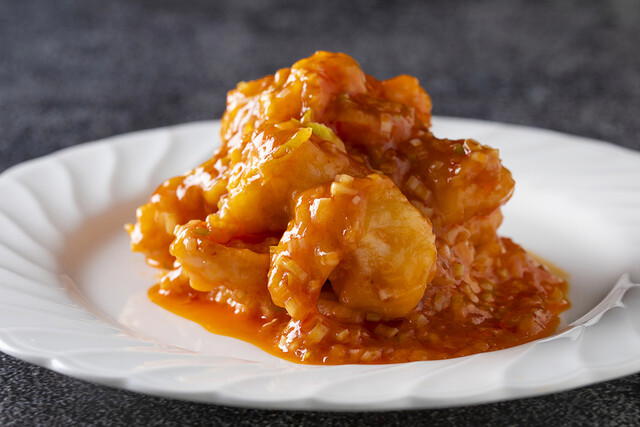
Descending to a basement hotel dining room changes a Kumamoto meal’s register. Street-level Chuo Ward is built for tram stops, castle-side walks, and compact counters; below Kumamoto Hotel Castle, the mood is deliberate. Sichuan cooking here is not late-night heat or casual spice theater. It sits in the Japanese hotel-restaurant model: controlled service, private rooms, family use, and enough scale for group meals without banquet noise.
That matters in Kumamoto. The city’s restaurant identity is often read through local beef, horse meat, Amakusa seafood, and Kyushu drinking culture, yet Chinese cooking has its own place in Japanese hotel dining. China Sichuan Togen is not competing with a narrow counter or chef-led dégustation room. It answers another need: a seated, polished Sichuan meal in a central hotel, with recognition beyond generic hotel Chinese.
Sichuan cooking filtered through Kumamoto's hotel-restaurant discipline
Sichuan cuisine travels well in Japan because its grammar is clear: heat, fragrance, fermented seasonings, aromatic oils, and the tension between numbness and savor. In regional Japanese cities, stronger versions often appear where a broader pantry and formal service structure are possible. A hotel restaurant can provide that without a tiny room’s intimacy. The tradeoff: less counter-drama, more consistency, broader usability.
The recognition is concrete. China Sichuan Togen was selected for Tabelog Chinese WEST “Tabelog 100” in 2026, with earlier selections in 2024, 2023, and 2021 also listed. That continuity signals more than a single-year spike. Hotel restaurants are easy to underestimate: they may lack the cult vocabulary of small destination counters, yet stronger ones hold local use, business dining, and celebration meals at once.
The ingredient question is not only where a dish begins, but what kitchen can support it. Sichuan cooking depends on layered condiments and controlled technique as much as raw product. In Kumamoto, where diners often expect local agriculture and Kyushu proteins to define the table, this room shifts attention to seasoning architecture: fermented bean pastes, chile heat, pepper fragrance, stock work, and the Japanese preference for clean pacing. The hotel setting is relevant, not incidental.
There is also a beverage clue. Listed drinks cover sake, shochu, and wine, a distinctly Japanese answer to Chinese dining. That range shows how Sichuan food is consumed in Kumamoto: not only with beer or Chinese spirits, but alongside Kyushu drinking habits and hotel-cellar pragmatism. The restaurant reads less like a Chengdu transplant than a Japanese regional interpretation of Sichuan formality.
Where it sits among Kumamoto dining choices
Kumamoto travelers often split meals between local-specialty addresses and broader comfort formats. China Sichuan Togen occupies the organized middle of premium city dining: more formal than a quick casual room, less specialized than a single-product counter, and easier for mixed groups than a narrow chef’s counter. Compared with Amakusa Daiou Senmon Ten Tosaka, whose draw is a specific local chicken category, this is a broader Chinese meal with Sichuan as anchor rather than one Kumamoto ingredient as headline.
The comparison with other city restaurants clarifies the choice. Yakiniku Sudou Kumamoto honten speaks to local beef and grill. Yoshoku no Mise Hashimoto sits in Western-influenced Japanese comfort. Sekka Sanbo and Pizzeria da Rocco answer simpler, lower-commitment needs. China Sichuan Togen is for diners wanting a composed Chinese meal in the city center, with hotel reassurance and the critical signal of a Tabelog Chinese WEST selection.
It is especially relevant for travelers building a Kumamoto itinerary around more than one meal type. A city stay can move from local poultry at Amakusa Daiou Senmon Ten Tosaka to Italian-inflected cooking at antica locanda MIYAMOTO, Spanish-leaning dining at cocina uchida, or wine-bar energy at BARON. Against that spread, Sichuan cooking supplies contrast: spice structure instead of charcoal fat, shared dishes instead of a single tasting rhythm, and hotel composure rather than counter intimacy.
For a tighter Kumamoto edit, .know belongs on the same planning map, while Our full Kumamoto restaurants guide is the broader place to sort categories by mood, cuisine, and occasion. Travelers pairing meals with the rest of the trip can also use Our full Kumamoto hotels guide, Our full Kumamoto bars guide, Our full Kumamoto wineries guide, and Our full Kumamoto experiences guide to keep dinner tied to the day’s logistics.
The useful choice for groups, families, and spice-led ordering
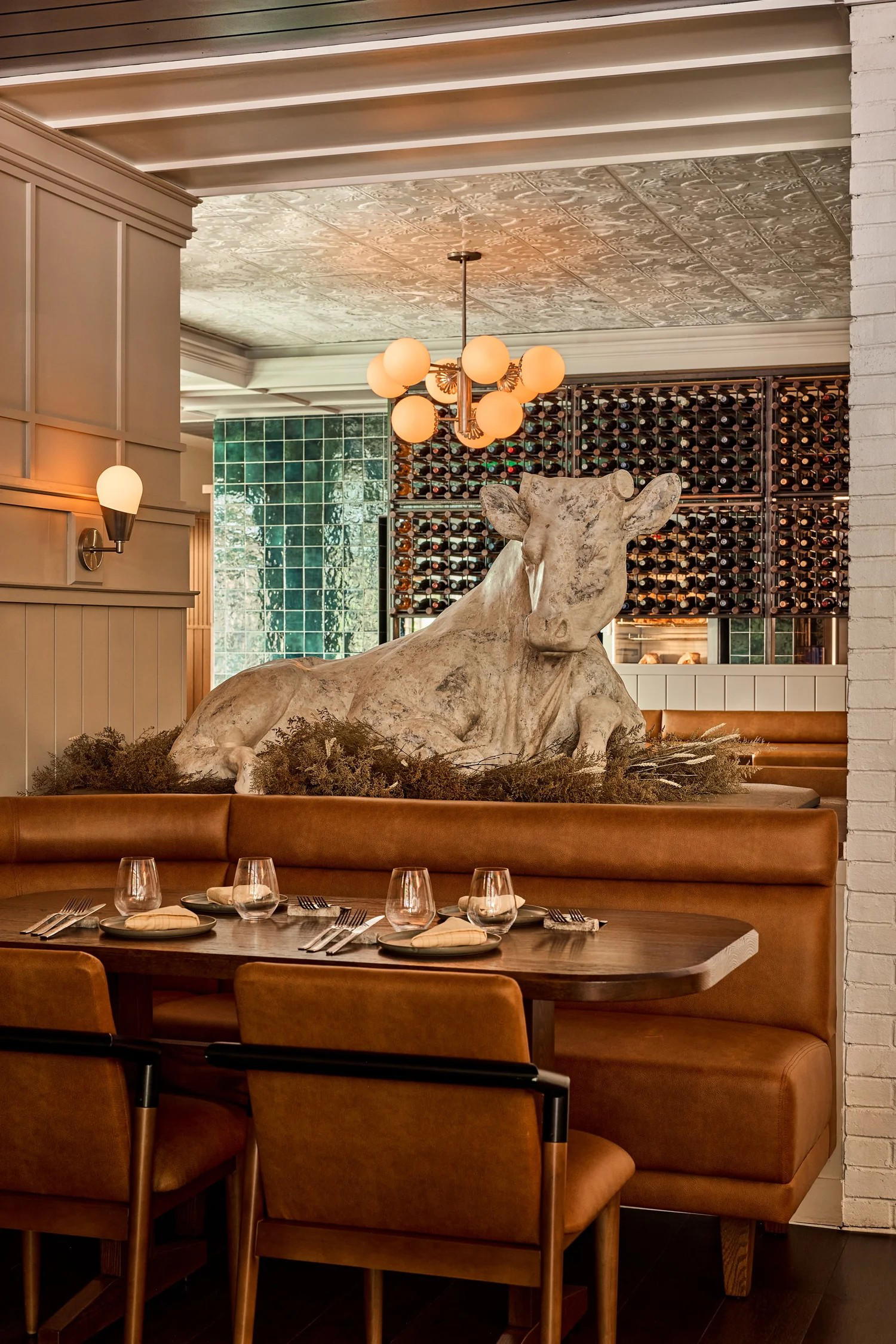
The room’s size and private rooms shape the experience as much as the cuisine. An 84-seat restaurant with small and large private rooms can absorb family meals, business use, and celebrations in a way smaller independent rooms cannot. Children are explicitly welcomed, with babies, preschoolers, school-age children, strollers, and a kids menu all accommodated. That does not make the cooking less serious; it places the restaurant in the Japanese tradition where polished hotel dining can serve several generations at one table.
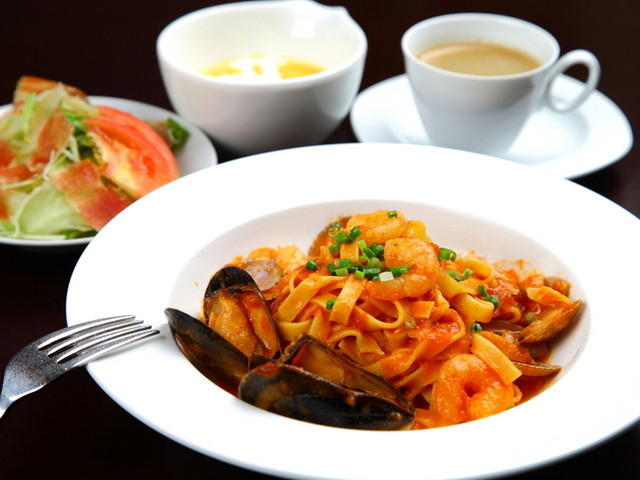
For ordering, treat Sichuan as a structure, not a heat contest. The point is balance across textures, aromatics, and sauces. A group has the advantage because Chinese dining rewards variety: one or two chile-forward plates read differently beside milder dishes, vegetables, rice, and drinks. Solo diners and couples can still use the room well, but the format naturally favors sharing.
There are practical implications. Reservations are available, and seating requests are not guaranteed. The restaurant is non-smoking, wheelchair accessible, and set up for modern Japanese payment habits, including credit cards, electronic money, and QR-code payments. Private rooms carry a separate fee, while course pricing includes service charge. These details reinforce the point: this is a controlled hotel restaurant, not a loose neighborhood Chinese room.
For readers using Kumamoto as part of a wider Japan route, the contrast is instructive. The country’s dining spectrum can swing from -Grilled beef Sukiyaki- KAMAKURA TANUKIAN 鎌倉 たぬき庵 in Kamakura to. 鮪と炭火焼き うお炭 秋葉原店 in Tokyo.cafe in Osaka, (Shoku) Vietnam in Kawasaki, [Curry Senmon Ten] Maruyama Kyoju. in Sapporo, and [ki:] in Kyoto. Outside Japan, the same planning logic applies to focused food-and-drink stops such as Jōdo Saké Bar in Los Angeles and Onigiri Time in Pasadena: the sharper itinerary is built not from one cuisine, but from clear differences in format.
The verdict is practical rather than breathless. Choose the restaurant when Kumamoto calls for Sichuan cooking with hotel reliability, group flexibility, and a documented place in Tabelog’s Chinese WEST selections. Skip it if the night demands a tiny counter, a single local ingredient obsession, or a highly personal chef narrative. Its value is the controlled middle ground: central, recognized, structured, and better suited to shared dining than performance.
A Quick Peer Check
Comparable venues by cuisine and price in the same metro.
| Venue | Cuisine | Price | Notes |
|---|---|---|---|
| China Sichuan Togen | Traditional Sichuan Chinese in a hotel restaurant | $$$ | Chuo Ward |
| むら上 | High-end Sushi Omakase | $$$ | Chuo-ku |
| Murakami | Traditional Sushi Omakase | $$$ | Chuo-ku |
| Kairakuen | Kumamoto Chinese specializing in Tai-pien noodles | $ | Shinmachi, Chuo Ward |
| 花小町 | japanese | Not listed | Kumamoto |
| Yakiniku Sudou Kumamoto honten | Full-attended Japanese Yakiniku with Kyushu Black Wagyu | $$$ | Kamitori / Torichosuji |
Recognition history
Dated appearances from independent guides and award organizations, with the underlying list record or original source where available.
Tabelog 100 #78 · No. 78
Tabelog · Tabelog 100 - Chinese cuisine - WEST - 2026


At a Glance
- Elegant
- Classic
- Sophisticated
- Quiet
- Business Dinner
- Group Dining
- Celebration
- Special Occasion
- Private Event
- Date Night
- Private Dining
- Hotel Restaurant
Current opening hours
- Monday
- 11:30 AM–3 PM, 5–9:30 PM
- Tuesday
- 11:30 AM–3 PM, 5–9:30 PM
- Wednesday
- 11:30 AM–3 PM, 5–9:30 PM
- Thursday
- 11:30 AM–3 PM, 5–9:30 PM
- Friday
- 11:30 AM–3 PM, 5–9:30 PM
- Saturday
- 11:30 AM–3 PM, 5–9:30 PM
- Sunday
- 11:30 AM–3 PM, 5–9:30 PM
Hours can change for holidays and private events. Last verified .
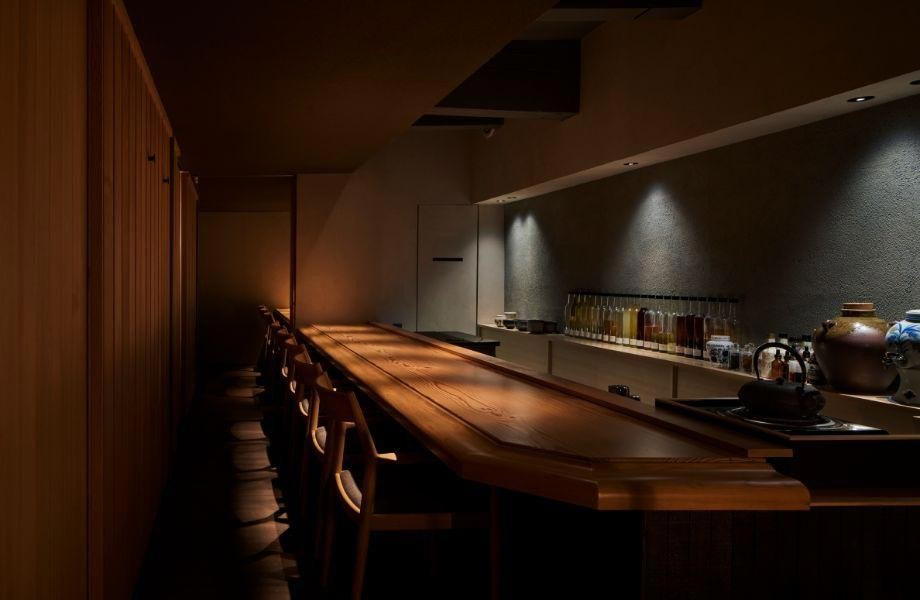
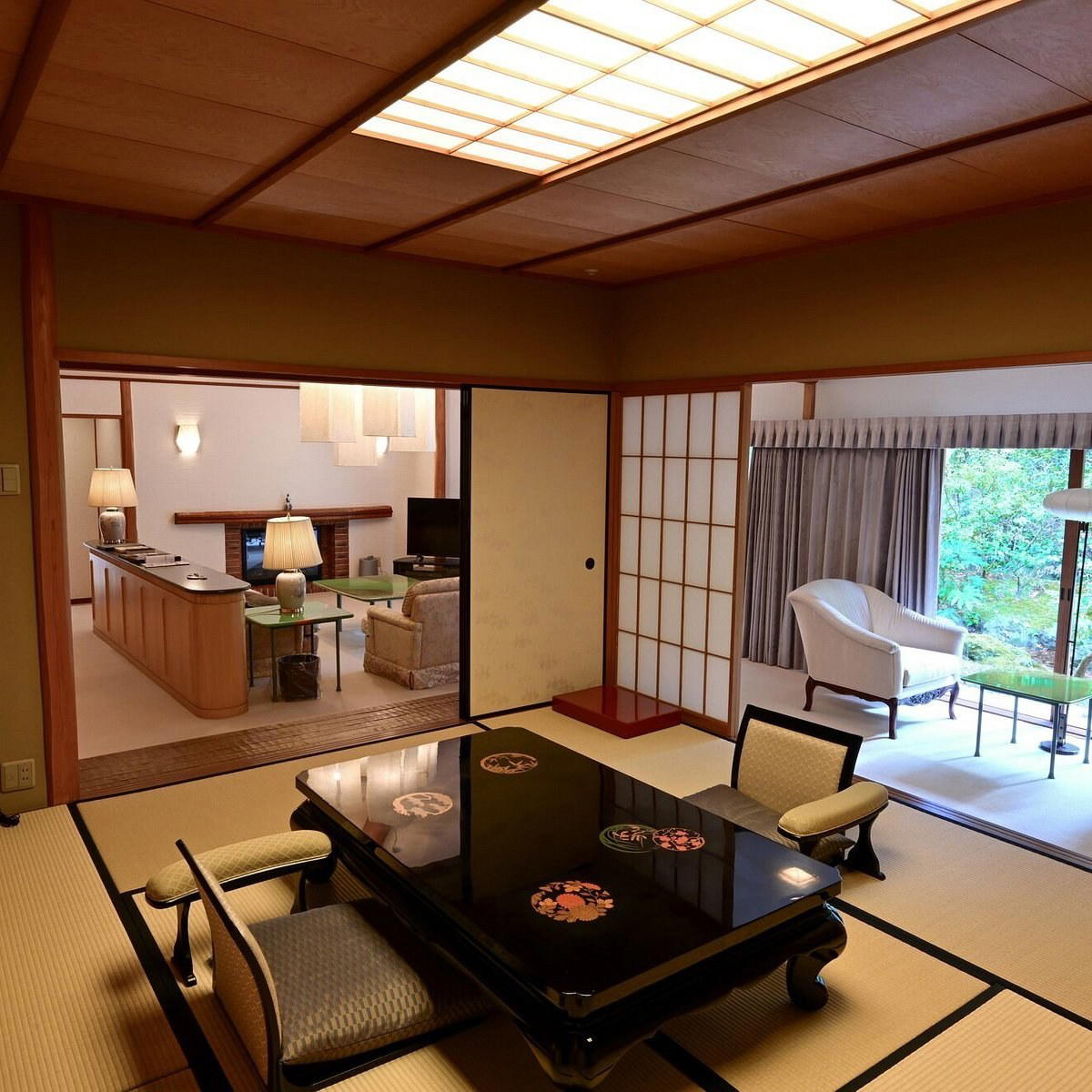
Refined, classic hotel-Chinese atmosphere with an emphasis on composed plate presentations and formal service, suited to quiet business meals and special occasions rather than casual, high-energy dining.