
Sekka Sanbo places Kumamoto’s soba culture in a small-room, ritual-led register: buckwheat noodles, tofu dishes, sake and shochu rather than a long tasting-menu performance. Its selection for Tabelog 100 Soba WEST in 2024 and 2025 gives the room a clear credential, while the appeal remains grounded in the measured pace of a soba meal.
Pearl is the En Primeur Club membership app — saves, bookings, and concierge access live there. Same editors, same standards.
- Address
- 熊本県熊本市中央区上通町7-22
- Phone
- +81963275078
- Website
- sekkasanbo.com
 Saves & bookings on Pearl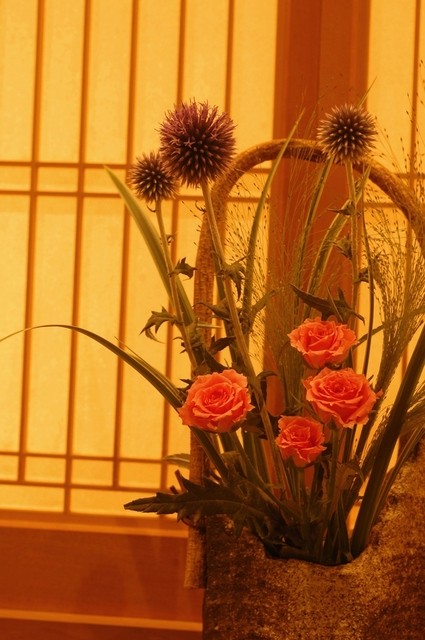
Kamitori’s smaller dining rooms ask for a different tempo from the city’s longer counter dinners. The meal begins with restraint: a compact room, noodle craft with little room for disguise, and a style that rewards sequence over spectacle. In Kumamoto, where stronger flavours often arrive through horse meat, grilled chicken, shochu and late-night drinking food, soba occupies a quieter register. Sekka Sanbo belongs to it, with buckwheat noodles and tofu dishes at the centre rather than a chef’s-menu narrative.
The distinction matters because soba is not simply a lighter lunch in Japan. At serious shops, the ritual turns on temperature, texture, dipping, pacing and the closing comfort of broth. It is a meal of small decisions: cold noodles or warm, plain or accompanied, sake or shochu, counter seat or table. The 19-seat room keeps that ritual close without making it luxury theatre. Selection for Tabelog 100 Soba WEST in both 2024 and 2025 places the restaurant within a regional soba conversation beyond Kumamoto, while the format stays grounded and local rather than ceremonial in the Kyoto kaiseki sense.
Soba in Kumamoto, measured against louder dinners
Kumamoto dining has a wide price spread, which changes how travellers should read a soba address. A chicken specialist such as Amakusa Daiou Senmon Ten Tosaka sits in a higher dinner bracket, while Tensho Katahei and Yakiniku Sudou Kumamoto honten occupy more expensive special-occasion territory. Soba works differently. Its value is not course count or rare ingredients but precision: flour handling, noodle cut, cooking time and the balance between noodle and dipping sauce. A recognised soba shop is therefore a useful counterpoint to Kumamoto’s heavier evening meals.
That comparison explains why Sekka Sanbo reads as an editorially interesting stop rather than a simple budget recommendation. The category has a lower spend profile than much of the city’s reservation-led dining, but Tabelog’s soba list signals that the kitchen is judged against specialists, not casual noodle counters. The pairing of soba with tofu dishes also places it in a gentler strand of Japanese eating, closer to restraint and texture than char, fat or heat. For travellers building a Kumamoto food day, it supplies a needed pause between richer meals.
The wider city map supports that role. Kumamoto can move from Italian-inflected rooms such as antica locanda MIYAMOTO to bar-led dining at BARON, Sichuan heat at China Sichuan Togen, and contemporary local cooking at .know. Soba gives the itinerary structure: the meal that recalibrates the palate rather than competes for volume.
The ritual is the point: noodles first, pace second
A soba meal rewards diners who let the format set the rhythm. The mistake is treating it like a quick noodle stop with prestige attached. Better to read it as a compact ritual where simplicity exposes the kitchen’s work. Buckwheat has a narrow margin: too soft and the noodle loses definition, too assertive and the grain overwhelms the sauce. Tofu dishes extend the same logic, asking for attention to texture and temperature rather than heavy seasoning.
Drinks matter in that frame. Sake and shochu are listed here, and both make sense in Kumamoto: sake for a cleaner noodle progression, shochu for a regional drinking culture that sits naturally beside restrained food. The choice should follow the meal’s weight. A soba-led lunch asks for brevity; an evening visit can stretch longer, especially when tofu dishes and alcohol turn the room from noodle shop into small izakaya-adjacent dining.
The no-reservations format changes the etiquette. It favours flexibility, smaller parties and diners willing to build the day around availability rather than force the room into a fixed itinerary. Counter seating also matters. In a small soba room, the counter is not just a solo perch; it suits a meal that needs neither private-room privacy nor ceremony. Solo dining and meals with friends both fit, but large-group energy would work against the point.
How to place it in a Kumamoto itinerary
Kamitoricho and the Suidocho area help travellers because central Kumamoto dining often works by clustering: soba, coffee, shopping streets and evening drinking can be planned without cross-city transfers. Sekka Sanbo’s central position makes it a hinge in the day, especially before a heavier dinner or after a morning around the castle area and shopping arcades. The no-smoking policy and compact seat count reinforce its role as a focused meal rather than a lingering social room.
Practical constraints should shape expectations. The room is small, private rooms are not part of the format, parking is unavailable, and card or electronic payments are not accepted. These details are less irritations than traditional soba-shop operating logic: arrive prepared, keep the party size sensible, and let the meal stay compact. Wednesday closure and possible sell-outs add planning pressure, particularly for short Kumamoto stays.
For broader planning, use Our full Kumamoto restaurants guide alongside Our full Kumamoto hotels guide, Our full Kumamoto bars guide, Our full Kumamoto wineries guide, and Our full Kumamoto experiences guide. Travellers extending the Japan food map can compare different casual-specialist formats at -Grilled beef Sukiyaki- KAMAKURA TANUKIAN 鎌倉 たぬき庵 in Kamakura. 鮪と炭火焼き うお炭 秋葉原店 in Tokyo.cafe in Osaka, (Shoku) Vietnam in Kawasaki, [Curry Senmon Ten] Maruyama Kyoju. in Sapporo, [ki:] in Kyoto, Jōdo Saké Bar in Los Angeles, and Onigiri Time in Pasadena.
The editorial case is clear: this is the soba stop to consider when the day needs discipline. Kumamoto’s richer dinners can supply theatre, smoke and length. A recognised soba room supplies contrast, asking the diner to slow down, eat cleanly and notice how much craft can sit inside a modest bowl.
Cuisine Context
Nearby venues at a similar price tier for orientation.
| Venue | Cuisine | Price | Notes |
|---|---|---|---|
| Sekka SanboThis venue — the venue you are viewing | Handmade Soba & Sake | $$ | Not listed |
| Hi no Kuni Bunryu Souhonten | Kumamoto Tonkotsu Ramen | $ | Higashi Ward |
| Tsuru Hachi | Traditional Tempura | $$$ | Karashimacho |
| .know | Creative Japanese Fine Dining | $$$ | Gionbashi |
| Yoshoku no Mise Hashimoto | Japanese-style Western Cuisine (Yoshoku) | $$ | Kamitori-cho, Chuo Ward |
| Steak Matsushita | Steakhouse | $$ | Suizenji |
Recognition history
Dated appearances from independent guides and award organizations, with the underlying list record or original source where available.
Tabelog 100 #56 · No. 56
Tabelog · Tabelog 100 - Soba - WEST - 2025
At a Glance
- Cozy
- Classic
- Intimate
- Solo
- Date Night
- After Work
- Group Dining
- Casual Hangout
- Late Night
- Standalone
- Design Destination
- Sake Program
- Local Sourcing
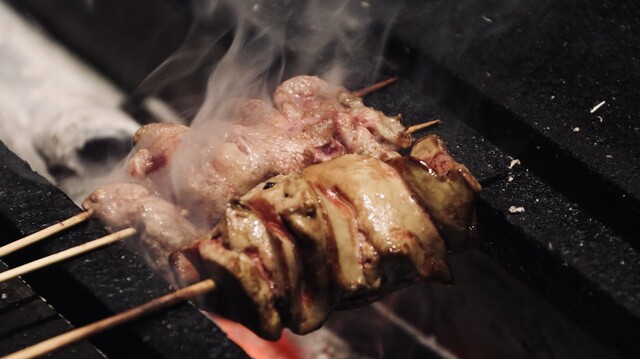
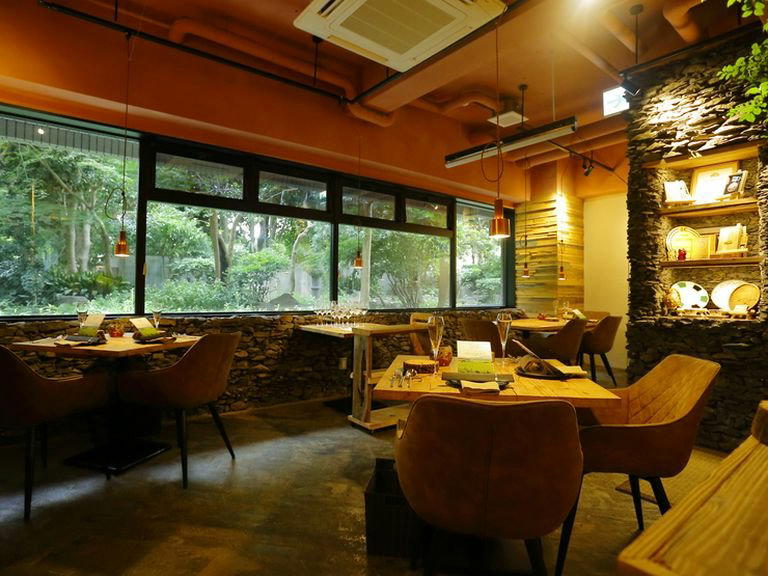
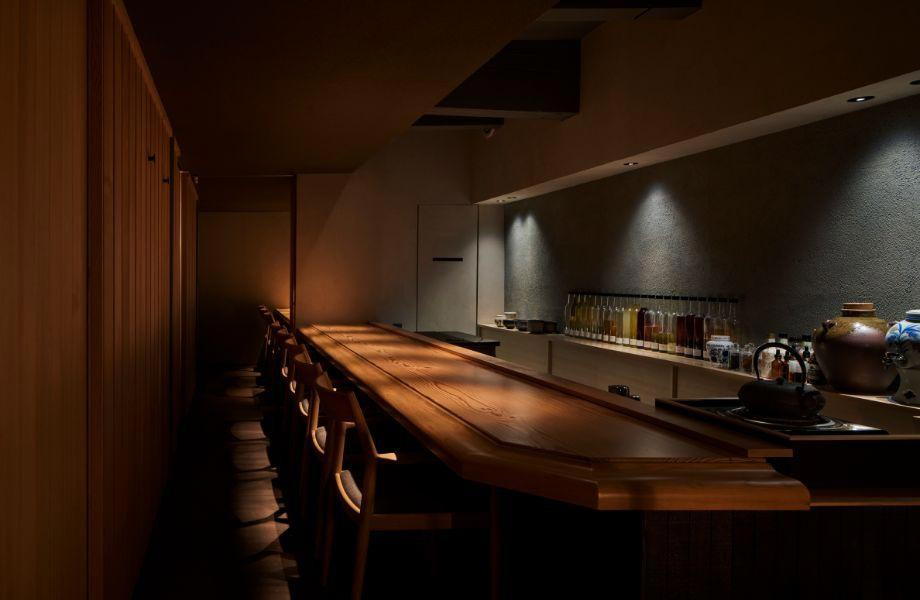
Small 18-seat soba house on a quiet back street with a warm, traditional feel; the atmosphere is calm and intimate at lunch and takes on a relaxed izakaya-like mood at night as guests enjoy sake, small plates, and handmade noodles.