
Kumamoto’s beef culture rewards sourcing and grill control more than theatre. Yakiniku Sudou Kumamoto honten sits in that serious middle-upper tier, with Tabelog Yakiniku WEST 100 selections from 2020 through 2025, a 26-seat table-only room, and a staff-grilled omakase format built around selected meats and seasonal vegetables.
Pearl is the En Primeur Club membership app — saves, bookings, and concierge access live there. Same editors, same standards.
- Address
- 熊本県熊本市中央区上通町4-10 トラヤビル 3F
- Phone
- +81962885729
- Website
- yakinikusudo-honten.com
 Saves & bookings on Pearl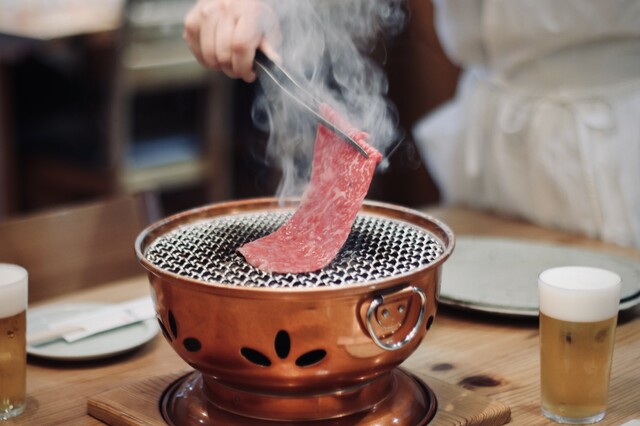
Kamitoricho’s dining rhythm is compact and urban: arcades, upper-floor restaurants, late dinners, and a steady pull from Kumamoto Castle’s side of the city. Here, serious yakiniku is not just beef over flame. It depends on sourcing, cut selection, heat management, and timing, especially in a prefecture where beef has cultural weight and diners know abundance from control.
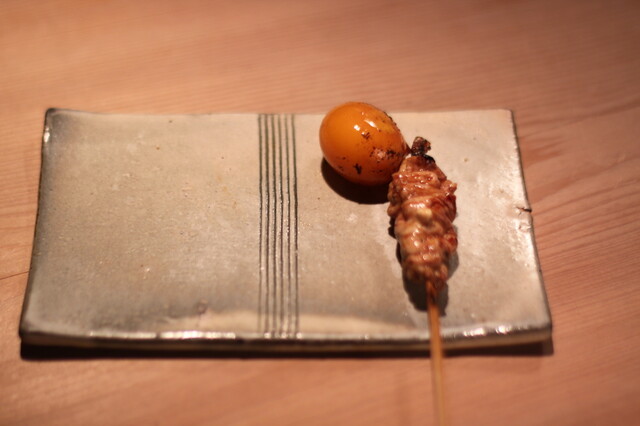
Yakiniku Sudou Kumamoto honten sits at the disciplined end of that scene. Recognition on Tabelog’s Yakiniku WEST 100 from 2020 through 2025 gives it a record beyond local affection, while the format stays focused: omakase and Tobikiri courses, selected meats, seasonal vegetables, and grilling handled in front of the table by staff rather than left wholly to the guest. At this level, the grill is not a prop; it is the kitchen’s final station.
Staff-grilled yakiniku, with sourcing doing the heavy lifting
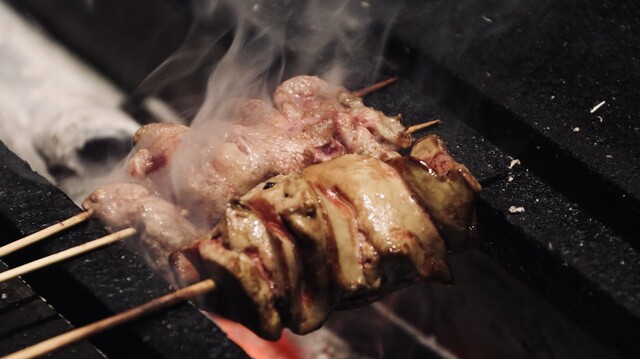
Yakiniku in Japan has always balanced informality and precision. The pleasure is social, but the craft is technical: fat content, thickness, resting time, sauce restraint, and whether a cut needs fierce heat or a slower pass over the grill. Staff-grilled service brings the experience closer to a counter-led meal, even in a table-only room, reducing the variability that can turn expensive beef into guesswork.
The kitchen’s focus on selected meats and seasonal vegetables frames the meal around sourcing rather than maximalism. That lens suits Kumamoto. Kyushu’s beef culture is broad, but stronger restaurants avoid treating marbling as the sole measure of quality. A considered yakiniku course moves through textures and fat levels, giving leaner cuts and vegetables room to reset the palate before richer pieces return.
Pricing places the restaurant in a serious but not trophy-priced Kumamoto bracket. Nearby, China Sichuan Togen sits in a similar dinner range, while Amakusa Daiou Senmon Ten Tosaka runs higher and centers on Amakusa Daiou chicken. Tensho Katahei occupies a much higher spend tier, and Yoshoku no Mise Hashimoto sits lower with a Western-style comfort-food brief. The decision is clear: not the city’s bargain play or formal splurge, but a controlled beef dinner for diners who care how meat reaches the grill and leaves it.
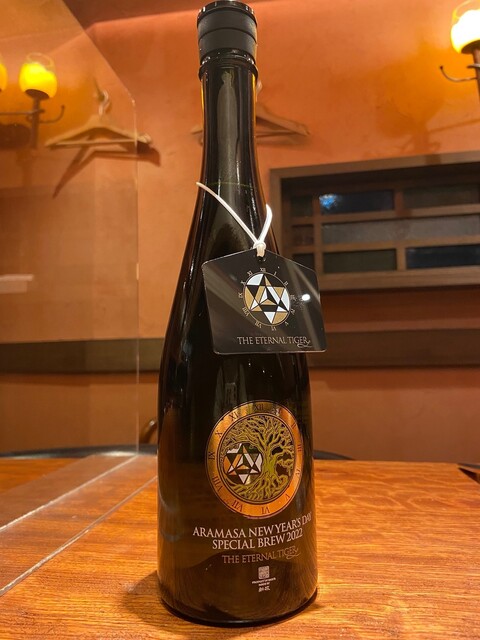
Drinks broaden the meal without forcing one pairing logic. Sake, shochu, and wine are all in the program, and BYO is available. That suits yakiniku better than rigid pairing. Beef can pull toward rice, smoke, fruit, or spirit-driven sharpness depending on cut and seasoning; flexibility is more useful than ceremony.
Where it fits in Kumamoto's dining map
Kumamoto’s restaurant scene is often read through regional produce, horse meat traditions, ramen, and castle-area nightlife, but its higher-spend dining is more varied. The city supports specialist rooms where the appeal is confidence in one lane, not breadth. .know, antica locanda MIYAMOTO, and BARON each show a different specialist impulse, from contemporary dining to European technique and bar-adjacent food culture.
The target here is narrower: yakiniku, steak, and shabu shabu, with grilled beef clearly at the center. The 26-seat, table-only setup keeps the atmosphere social rather than hushed, and roll-screen partitions replace enclosed-room privacy. Know that before booking: it reads as a polished shared dinner, not a sealed-off private dining room.
Selection for Tabelog’s Yakiniku WEST 100 matters because yakiniku is densely represented across western Japan, from Kansai through Kyushu. Repeated inclusion from 2020 to 2025 suggests consistency across changing dining cycles, not a single-season spike. The Tabelog score of 3.61 should be read in Japanese context, where scores cluster tightly and category lists often carry more practical weight than raw numbers alone.
For a wider food itinerary, Kumamoto rewards contrast. A beef-led dinner here can sit alongside chicken specialization at Amakusa Daiou Senmon Ten Tosaka, Sichuan cooking at China Sichuan Togen, or the broader city edit in Our full Kumamoto restaurants guide. Beyond the table, EP Club’s Kumamoto coverage also extends to Our full Kumamoto hotels guide, Our full Kumamoto bars guide, Our full Kumamoto wineries guide, and Our full Kumamoto experiences guide.
How to read the booking decision
The practical case is simple: this is a reservation-led, course-based yakiniku room with a two-hour group window and a cancellation structure that becomes material close to the date. Lunch runs by prior reservation, while dinner is the natural fit for travellers building a Kumamoto evening around Kamitoricho and Torichosuji. Parking is not attached, so arrive by tram, taxi, or on foot within the central district.
The address puts the restaurant on the third floor of a building in the Kamimachi Arcade area, a common Japanese city-dining format that is easy to miss at street level. That upper-floor setting shifts expectations from visual frontage to the room’s internal rhythm once seated. Non-smoking status, school-age children being welcome, wheelchair access, card and electronic-money acceptance, and no QR-code payments are useful group-planning details.
For a wider Japan itinerary, the comparison is not only within Kumamoto. Beef-focused travellers may also consider -Grilled beef Sukiyaki- KAMAKURA TANUKIAN 鎌倉 たぬき庵 in Kamakura, while other category specialists across Japan and beyond include. 鮪と炭火焼き うお炭 秋葉原店 in Tokyo.cafe in Osaka, (Shoku) Vietnam in Kawasaki, [Curry Senmon Ten] Maruyama Kyoju. in Sapporo, [ki:] in Kyoto, Jōdo Saké Bar in Los Angeles, and Onigiri Time in Pasadena. The through-line is specialization: when a restaurant narrows its field, the question is whether that field matches the meal you want.
The editorial answer is yes for diners prioritizing beef sourcing, staff-managed grilling, and a course format over casual à la carte yakiniku. It is less suited to travellers wanting spontaneous grazing, private-room formality, or a low-cost night out. In Kumamoto, Yakiniku Sudou Kumamoto honten occupies the lane where regional appetite for beef meets the discipline of a controlled grill.
Quick Comparison
Side-by-side context: comparable cuisine and price.
| Venue | Cuisine | Price | Notes |
|---|---|---|---|
| Yakiniku Sudou Kumamoto hontenThis venue — the venue you are viewing | Full-attended Japanese Yakiniku with Kyushu Black Wagyu | $$$ | Not listed |
| Tsuru Hachi | Traditional Tempura | $$$ | Karashimacho |
| .know | Creative Japanese Fine Dining | $$$ | Gionbashi |
| Katsuretsu Tei | Tonkatsu (Pork Cutlet) | $$ | Chuo-ku |
| Amakusa Daiou Senmon Ten Tosaka | Omakase Yakitori with Amakusa Daio Chicken | $$$ | Kamitori / Torichosuji |
| Kumamoto Ramen Kokutei Honten | Kumamoto Ramen | $ | Nihongi |
Recognition history
Dated appearances from independent guides and award organizations, with the underlying list record or original source where available.
Tabelog 100 #54 · No. 54
Tabelog · Tabelog 100 - Yakiniku - WEST - 2025
At a Glance
- Cozy
- Elegant
- Intimate
- Scenic
- Classic
- Date Night
- Business Dinner
- Group Dining
- Celebration
- Special Occasion
- After Work
- Panoramic View
- Design Destination
- Standalone
- Beer Program
- Sake Program
- Extensive Wine List
- Local Sourcing
- Skyline
- Street Scene
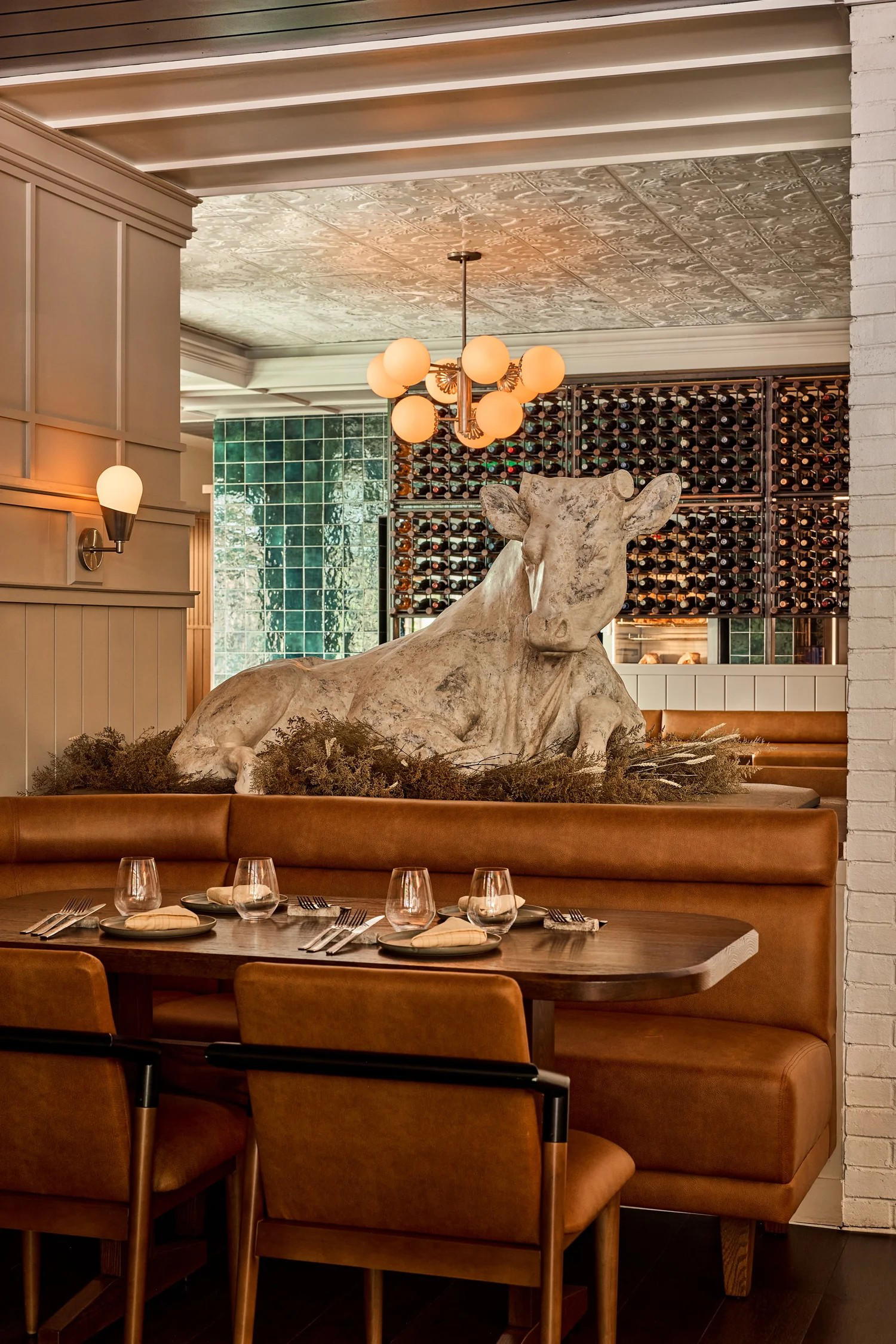
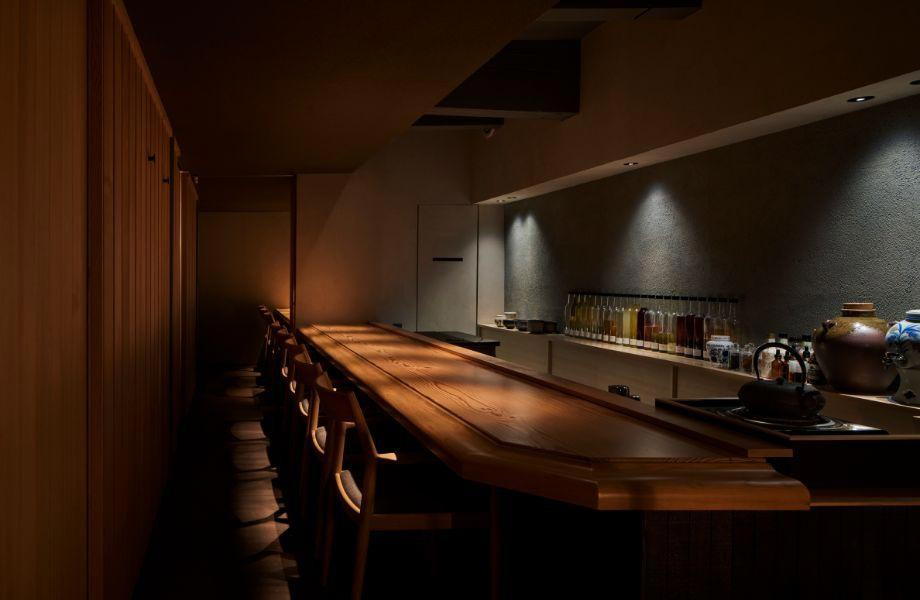
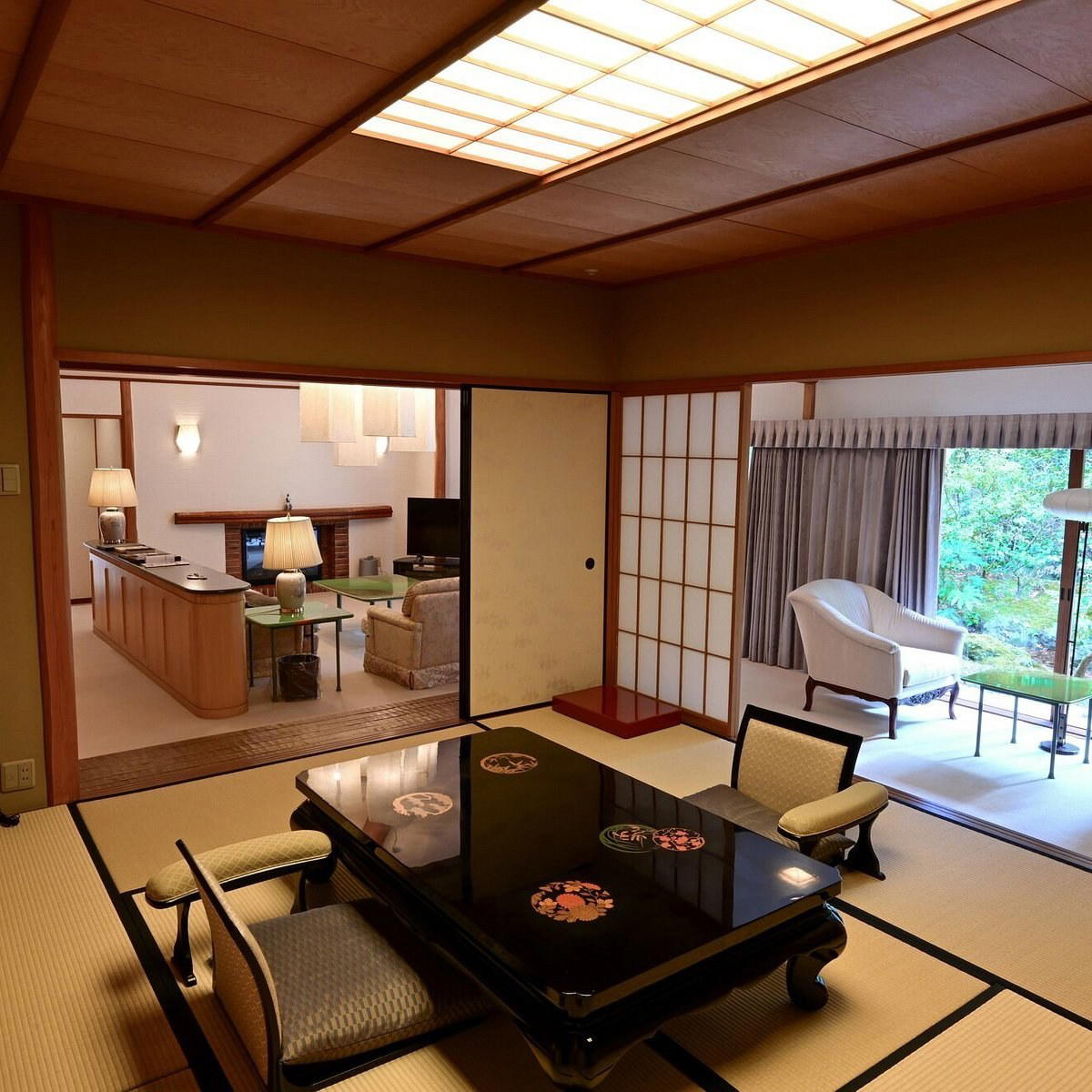
Warm, wood-accented dining room using local Oguni cedar, with spacious tables, roll-screen partitions for privacy, and a calm, upscale yet relaxed atmosphere overlooking Kumamoto’s night view.