VADERLOOS
On a quiet canal stretch at Burgwal 101, VADERLOOS occupies a position in Delft's dining scene that rewards closer attention. The address alone signals intent: away from the tourist corridors, in a neighbourhood where ingredient-led cooking has found a foothold among residents who eat out regularly rather than occasionally. For visitors cross-referencing Delft's more discussed restaurants, VADERLOOS offers a contrasting point of reference.
Pearl is the En Primeur Club membership app — saves, bookings, and concierge access live there. Same editors, same standards.
- Address
- Burgwal 101, 2611 GH Delft, Netherlands
- Phone
- +31631046223
- Website
- vaderloos.nl
- Directions
- Get directions
 Saves & bookings on Pearl
A Canal Address That Sets the Tone
Burgwal is not the stretch of Delft that most visitors photograph first. The canal runs through a quieter residential section, and the buildings along it tend toward the functional rather than the theatrical. Arriving at number 101, the context is immediately different from the tourist-facing terraces clustered around the Markt or the Beestenmarkt. That geographical remove is not incidental — in Dutch provincial cities, the restaurants that generate sustained local loyalty tend to cluster away from the centre, where rents are lower, regulars are more consistent, and the pressure to perform for one-time visitors is reduced. VADERLOOS sits in that pattern.
The address at Burgwal 101, 2611 GH Delft, places the restaurant in walking distance of the city's historic core without being absorbed by it. For visitors arriving by rail, Delft Centraal is roughly fifteen minutes on foot. By bicycle — the default mode for most Dutch diners, the canal-side approach is the natural route.
Where Delft Dining Sits Right Now
Delft is not a city that generates significant fine-dining conversation at the national level. The Michelin-starred operations that define Dutch premium dining, venues like De Librije in Zwolle, Aan de Poel in Amstelveen, or Ciel Bleu in Amsterdam, concentrate in larger cities or in destination-village formats where a single address defines the entire reason for travel. Delft operates differently: the city's dining identity has been shaped by a graduate and academic population from TU Delft, a consistent tourist flow drawn by Vermeer and Delftware heritage, and a residential base that eats out regularly across a mid-range to upper-mid price tier.
That demographic produces a specific kind of restaurant ecosystem. Venues here compete on cooking quality and atmosphere rather than spectacle or signature-chef cachet. The comparison set is not De Bokkedoorns in Overveen or Brut172 in Reijmerstok, it is the clutch of neighbourhood-serious restaurants that Delft residents return to quarterly. Within that set, VADERLOOS holds a place that is worth examining.
Other names in the city's current conversation include Brasserie Monastere, Kokam, and Kruydt, each occupying a distinct register. Il Tartufo and HUmmUS anchor different ends of the cuisine spectrum. The full range is mapped in our full Delft restaurants guide. VADERLOOS does not sit at the extremes of that spectrum, it occupies the middle ground where sourcing decisions and cooking technique tend to matter more than branding or concept novelty.
The Sourcing Question in Dutch Provincial Cooking
The editorial angle that matters most for understanding VADERLOOS is ingredient provenance. Dutch provincial restaurants have split sharply in the past decade between two approaches: those that buy from the same broad-distribution networks as every other mid-market operator, and those that have built direct relationships with regional producers, smaller farms, and seasonal suppliers. The latter group produces measurably different plates, not because of philosophical signalling, but because the raw material quality is higher at the point of receipt.
The Netherlands has a compressed geography that makes regional sourcing both practical and meaningful. South Holland, the province in which Delft sits, borders the sea to the west, connects to the Westland greenhouse cluster to the south, and sits within easy logistics reach of the Zeeland shellfish beds and the livestock operations of Noord-Brabant. A kitchen that builds its menu around that network can put fish landed the previous day and vegetables harvested that morning on the same plate, a rhythm that larger city restaurants, with more complex supply chains, often struggle to maintain.
This matters when reading VADERLOOS in context. The canal-side location, the residential neighbourhood positioning, and the format suggest a kitchen oriented toward that kind of sourcing discipline rather than toward the event-dining model where theatrical presentation compensates for middling ingredients. The comparison point internationally is not the tasting-menu maximalism of Le Bernardin in New York City or the precision-technique approach of Atomix in New York City, it is the quieter European tradition of restaurants that let the week's leading produce determine the menu rather than the other way around. De Nieuwe Winkel in Nijmegen and De Groene Lantaarn in Staphorst represent different expressions of that same instinct at the starred level; VADERLOOS operates without that recognition framework, which makes the sourcing question more, not less, relevant to evaluating what the kitchen is doing.
Reading the Room
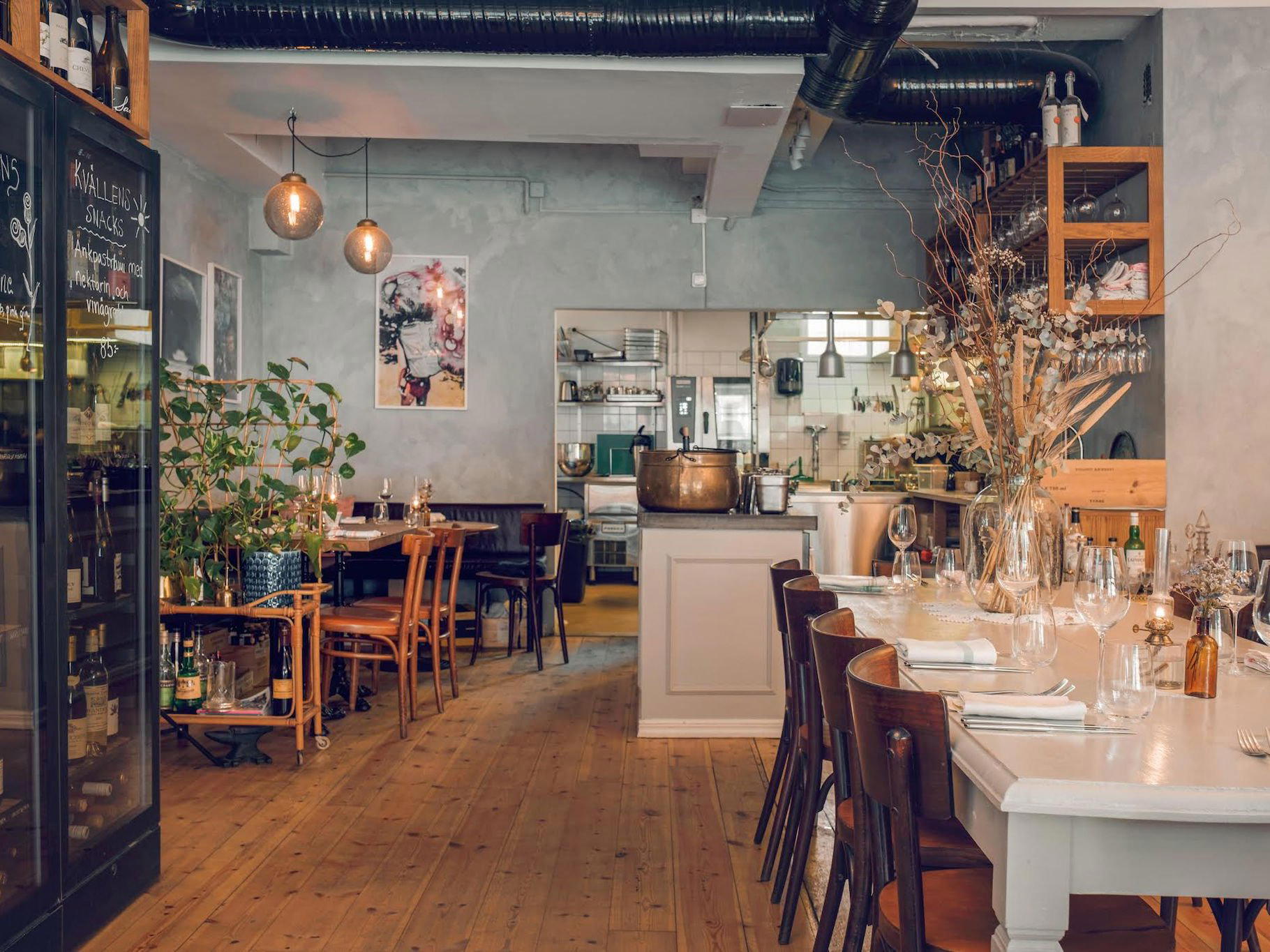
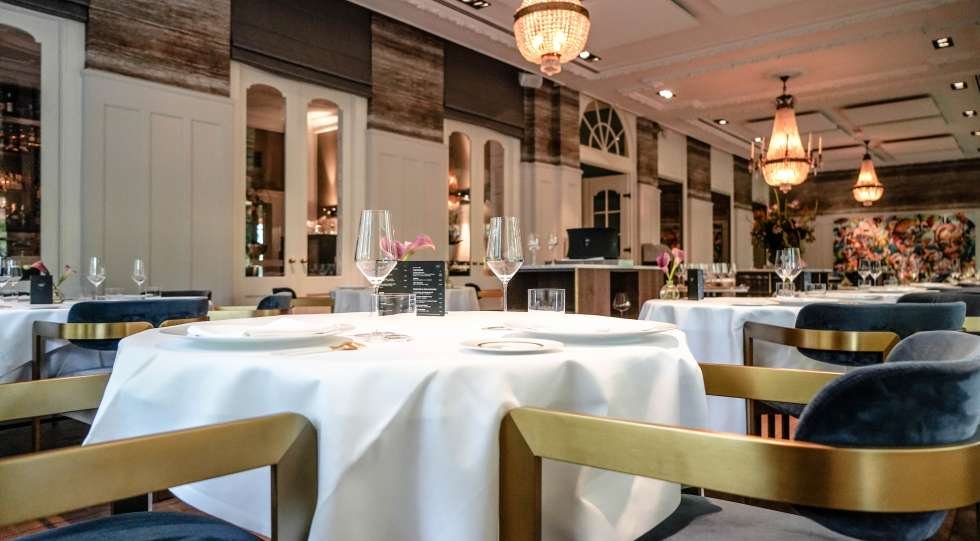
Delft's restaurant interiors tend to reflect the city's architectural inheritance: canal-house proportions, high ceilings relative to narrow footprints, brick or plaster walls that absorb sound differently from the hard surfaces of newer builds. Venues on working-canal addresses rather than tourist-facing squares tend to carry a different acoustic register, quieter, more conversational, with a mix of regulars and considered visitors rather than the high-turnover crowd that gravitates toward the main squares.
That physical context shapes the dining experience in ways that kitchen quality alone cannot. A room where conversation is possible, where the pace is set by the kitchen rather than a reservation-management system, and where the clientele skews toward people who have been before creates conditions for a different kind of meal. The comparison within the Netherlands is to restaurants like De Lindehof in Nuenen or De Lindenhof in Giethoorn, venues where the setting does some of the work that spectacle does elsewhere, and where 't Nonnetje in Harderwijk represents a different version of the same instinct toward understated environment and high sourcing standards.
Planning Your Visit
VADERLOOS is at Burgwal 101, 2611 GH Delft. Delft is served by frequent direct rail from Amsterdam Centraal (approximately 50 minutes) and Rotterdam Centraal (approximately 12 minutes), making it viable as a day or evening trip from either city. The canal-side address is most straightforwardly reached on foot from the station or by bicycle. Given the residential neighbourhood positioning and the typical format of this tier of Dutch restaurant, booking ahead is advisable rather than optional, particularly on weekend evenings when local demand is highest.
Continue exploring
More in Delft
Restaurants in Delft
Browse all →
Bars in Delft
Browse all →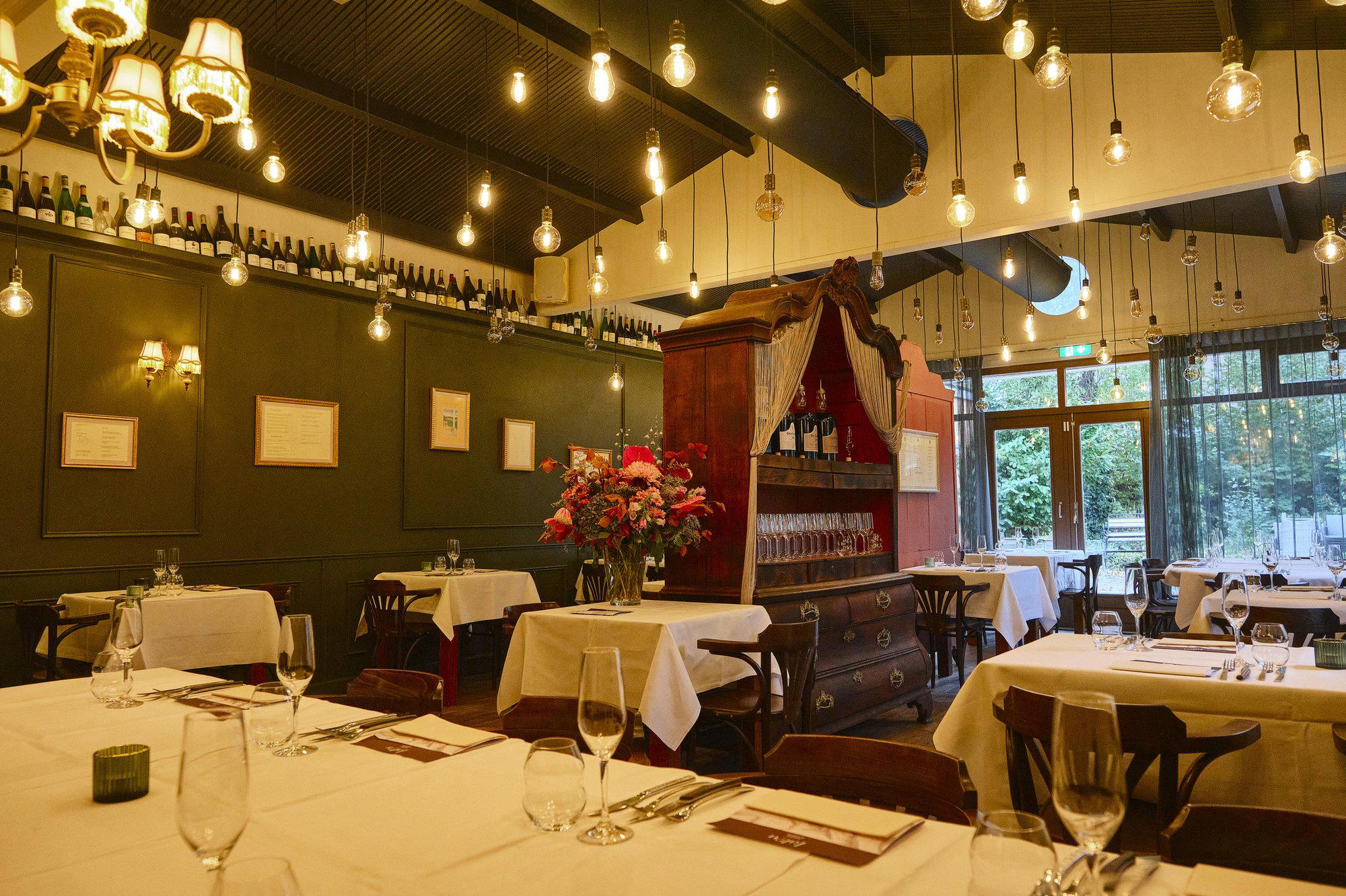
Hotels in Delft
Browse all →
Wineries in Delft
Browse all →
At a Glance
- Trendy
- Cozy
- Modern
- Date Night
- Casual Hangout
- Open Kitchen
- Street Scene
Current opening hours
- Monday
- Closed
- Tuesday
- Closed
- Wednesday
- 9 AM–10 PM
- Thursday
- Closed
- Friday
- 5–10 PM
- Saturday
- 5–10 PM
- Sunday
- Closed
Hours can change for holidays and private events. Last verified .
Trendy stylish and cozy intimate brasserie with airy space and authentic Delft design.
Know Before You Go
- Getting there
- Burgwal 101, 2611 GH Delft, Netherlands