Nolet Distillery

One of Schiedam's most historically rooted spirits producers, Nolet Distillery on Hoofdstraat has operated from the same address across multiple centuries of Dutch jenever tradition. It holds a Pearl 2 Star Prestige rating from EP Club (2025), placing it among a small tier of distilleries recognised for both production heritage and visitor experience. For anyone tracing the origins of gin and genever through the Netherlands, Schiedam is the starting point, and Nolet is a primary reference.
Pearl is the En Primeur Club membership app — saves, bookings, and concierge access live there. Same editors, same standards.
- Address
- Hoofdstraat 14, 3114 GG Schiedam
- Phone
- +31 10 246 2929
- Website
- noletdistillery.com
 Saves & bookings on Pearl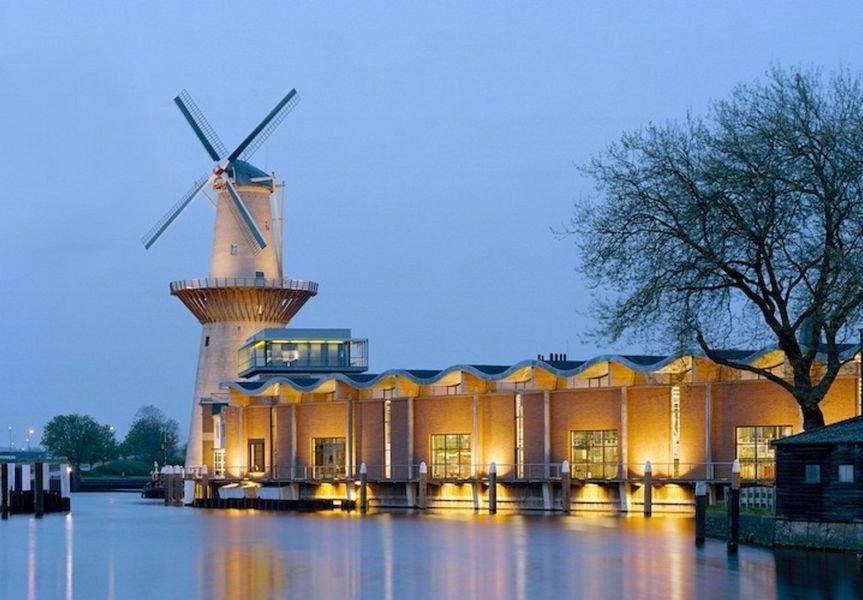
Schiedam Before the Bottle
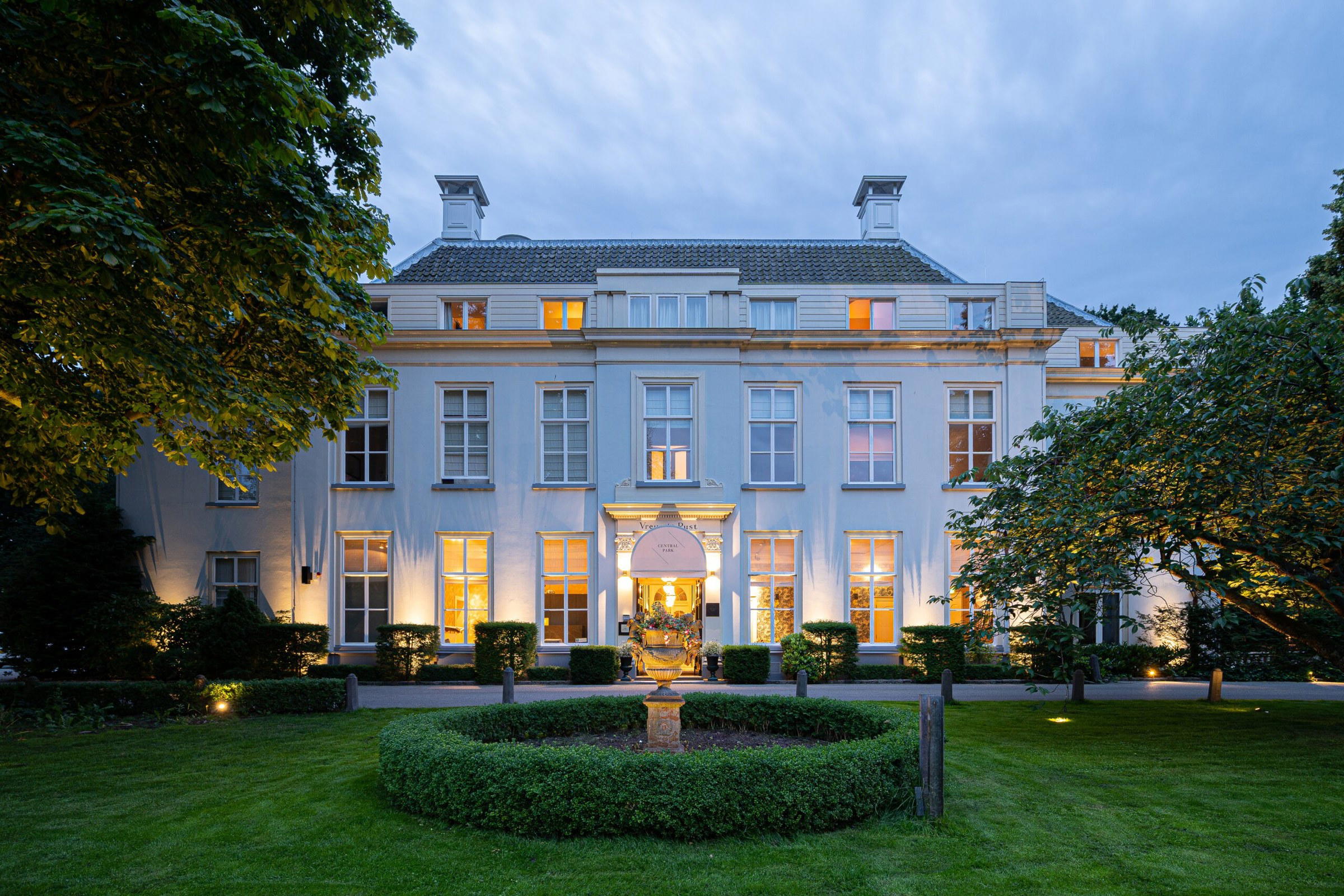
To understand what Nolet Distillery represents, it helps to understand what Schiedam once was. At the height of the jenever trade in the 18th and early 19th centuries, Schiedam was the distilling capital of the world, with more than 400 working distilleries concentrated in a city smaller than many modern city districts. The windmills that still define the skyline, among the tallest in the world, built specifically to grind the malt for distillation, are the most visible evidence of an industry that shaped the entire Dutch economy. Nolet, founded in 1691, is one of the last direct survivors of that era still operating from its original site on Hoofdstraat. Walking toward the distillery entrance, that continuity is legible in the architecture: the building's proportions belong to another century entirely.
Most of Europe's storied spirits producers have long since relocated, consolidated, or been absorbed by multinationals. The independent, family-operated distillery operating from its founding address is now a rare format. In the Netherlands, it is nearly extinct. Schiedam retains a handful, and Nolet sits at the centre of that diminishing cohort.
What Jenever Is, and Why Schiedam Made It
The category that Nolet works in is frequently misunderstood outside the Netherlands and Belgium. Jenever is not gin, though gin descends from it. The base spirit is a malt wine, distilled from a grain mash of malted barley, rye, and corn, then redistilled with botanicals that typically include juniper. The result carries a weight and grain character that modern London Dry gin deliberately moved away from in the 19th century, when British distillers switched to continuous-column stills and neutral grain spirit. Oude (old-style) jenever retains the malt wine base in proportions that give it a flavour profile closer to a light whisky than to contemporary gin.
Schiedam's dominance in this category came from geography as much as tradition. The city sits at the confluence of the Schie river and the Rhine delta waterways, giving it direct access to imported grain from the Baltic and direct export routes to England, Scandinavia, and the Baltic ports. The Dutch word for jenever entered English as "geneva" and eventually contracted to "gin", a linguistic trail that marks how comprehensively Schiedam's product shaped European drinking culture. The tall windmills on the horizon, visible as you approach by train from Rotterdam, were built to process the incoming grain at sufficient volume to keep the distilleries running. They were industrial infrastructure before they were heritage.
Producers working in related traditions across Europe and beyond include Van Kleef in The Hague, Bols in Amsterdam, and internationally, spirits houses with long-form distillery experiences such as Aberlour in Aberlour and Amrut in Bengaluru, which share the category characteristic of grain-forward base spirits built on a specific regional identity.
The Distillery as a Physical Record
The structural variant of what Nolet offers is less a conventional tasting room and more a working distillery that opens itself to visitors as a record of a continuous production tradition. The Hoofdstraat address places it in the older commercial core of Schiedam, within walking range of the Jenever Museum and the surviving windmills, so a visit tends to sit naturally inside a half-day or full-day itinerary through the town's spirits heritage rather than as a standalone destination.
The Pearl 2 Star Prestige rating for 2025 places Nolet within a tier reserved for producers demonstrating both product quality and visitor depth. A Pearl 2 Star Prestige rating in this framework indicates a producer where the on-site experience substantiates rather than merely illustrates the product. That distinction matters in the distillery visitor category, where a significant number of operations offer polished brand experiences that are largely decoupled from actual production.
Terroir in a Distillery Context
The concept of terroir applies differently to spirits than to wine, but it is not inapplicable. In the case of Schiedam's jenever tradition, the relevant factors are the local water source from the Rhine delta, the grain varieties historically processed in the city's mills, and the copper pot still format that concentrates the malt wine character in ways that column distillation does not. Nolet's production continuity since 1691 means those factors have shaped output across a time span that most spirits producers cannot approach. Where a winery like Aldo Conterno in Monforte d'Alba grounds its identity in the specific geology of Piedmont, or Alban Vineyards in Arroyo Grande builds around the thermal and coastal conditions of the Central Coast, a long-form distillery like Nolet grounds its identity in the accumulated technical decisions and local ingredients that centuries of continuous operation have stabilised into house character.
That house character is now equally associated with the contemporary gin category as with jenever, following the commercial launch of Nolet's Silver and Reserve gins, which have achieved significant international distribution and brought the Schiedam name into a much wider market. The dual identity, deep jenever roots and a modern gin profile with global reach, is an unusual combination and positions Nolet differently from smaller Dutch producers who work exclusively in the heritage category. Comparable producers navigating a similar bridge between deep regional identity and international distribution include Alexander Valley Vineyards in Geyserville and All Saints Estate in Rutherglen, both of which carry multi-generational production histories while operating in markets shaped by contemporary distribution.
Planning a Visit
Schiedam is 15 minutes from Rotterdam Centraal by local train and approximately 25 minutes from Delft, making it a practical half-day addition to a Rotterdam itinerary rather than a dedicated overnight trip. The Nolet Distillery address on Hoofdstraat 14 places it in the town centre, close to the Jenever Museum on Lange Haven, so a structured morning covering both sites gives a reasonably complete picture of what Schiedam's spirits heritage looks like in material form.
Comparable Venues
Comparable venues nearby, for context on price, style, and recognition.
| Venue | Cuisine | Price | Notes |
|---|---|---|---|
| Nolet DistilleryThis venue — the venue you are viewing | Schiedam | , | |
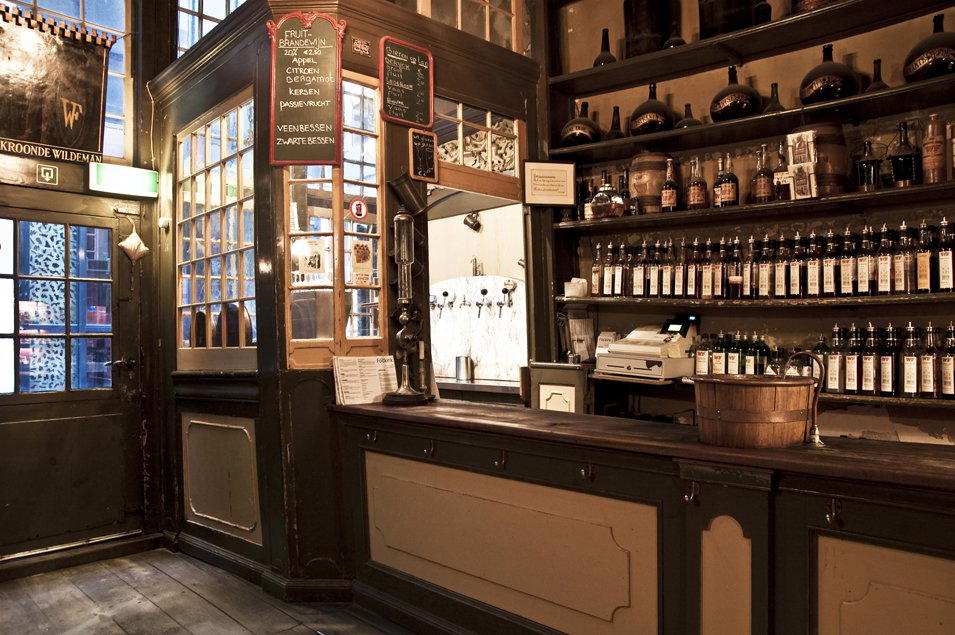
| Wynand Fockink | Winery | $$ | Centrum |
| Van Kleef | juniper, barley | $$ | historical centre |
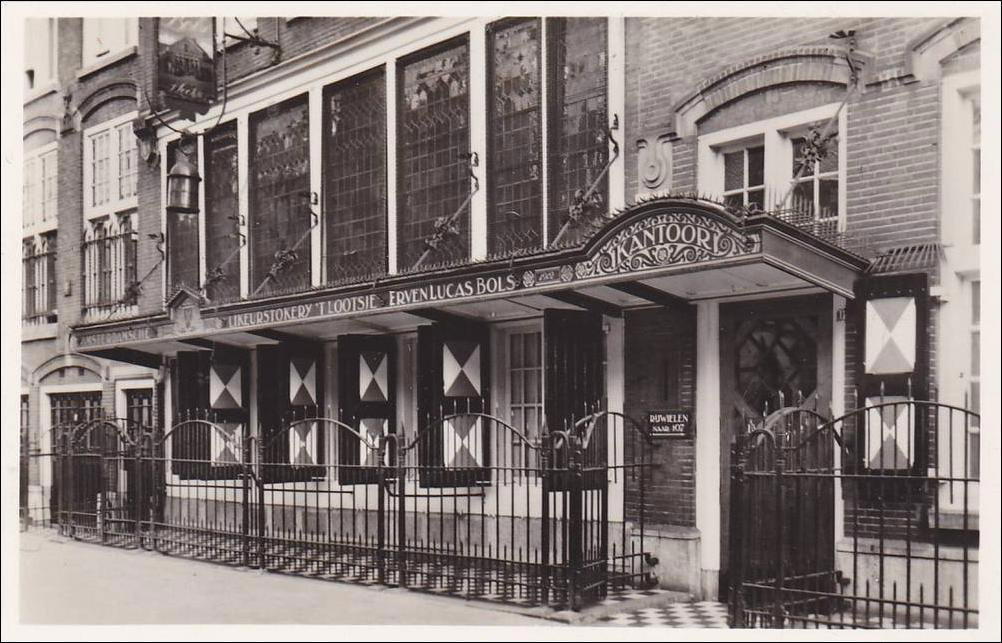
| Bols | Amsterdam | $$$ | Jordaan |
Continue exploring
More in Schiedam
Wineries in Schiedam
Browse all →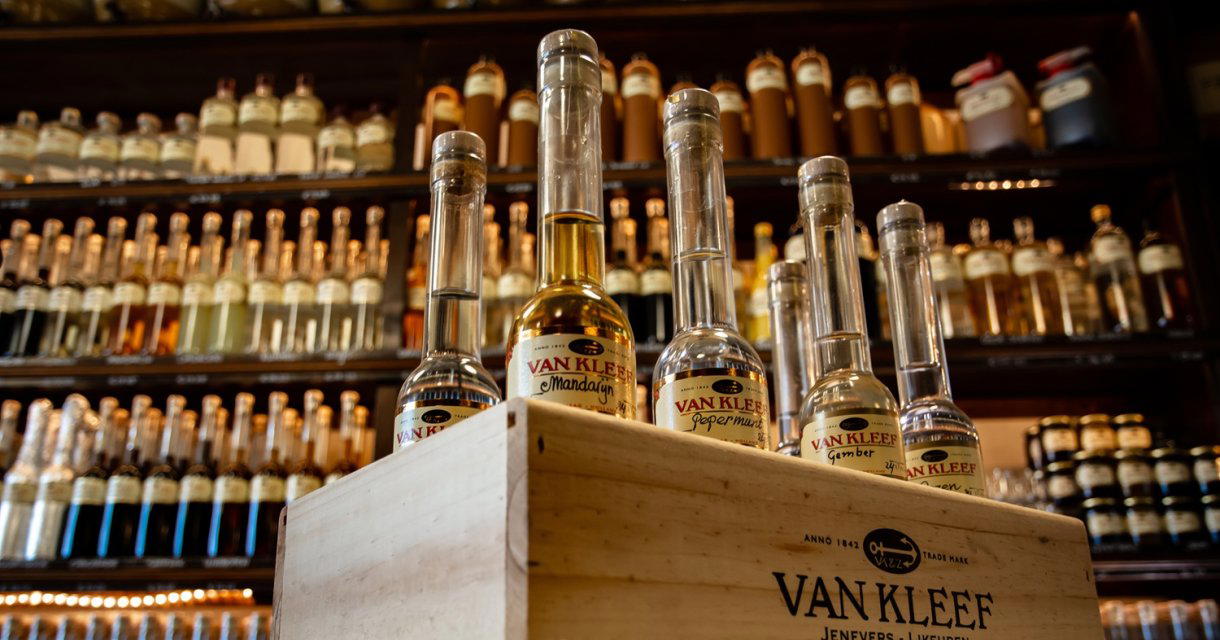
Bars in Schiedam
Browse all →
Restaurants in Schiedam
Browse all →


At a Glance
- Historic
- Iconic
- Elegant
- Wine Education
- Special Occasion
- Historic Building
- Panoramic View
- Waterfront
- Skyline
Historic industrial setting with modern touches, offering beautiful views from the iconic windmill.