De Lindenhof




2 Michelin Stars · La Liste Top Restaurants · Falstaff Restaurant - 96 Falstaff Points
Our verdict
A two-Michelin-star restaurant operating from the canal village of Giethoorn, De Lindenhof holds a 92-point La Liste score and a 2025 ranking of #229 among Europe's classical restaurants.

Pearl is the En Primeur Club membership app, where members save venues, book tables and use the concierge.
The menu
What to order
- Langoustine_with_caper_sauce
- Goose_liver_with_apple
Fine Dining at the Edge of the Dutch Lake District
Giethoorn is not where you expect to find a two-Michelin-star kitchen. The village, threaded by narrow canals and accessible largely by punt boat or bicycle, draws its visitors for reasons that have nothing to do with tasting menus: the thatched farmhouses, the flat reed-edged water, the near-complete absence of motor traffic. That a restaurant of De Lindenhof's calibre has taken root here, and sustained it across multiple consecutive Michelin cycles, says something about how Dutch fine dining has quietly decoupled from urban geography. The Netherlands now places serious restaurants in market towns, coastal villages, and agricultural interiors with a regularity that would surprise anyone who thinks Amsterdam holds a monopoly on the country's leading cooking. For context, see the wider Dutch scene in our full Giethoorn restaurants guide.
Martin Kruithof and the Overijssel Creative Tradition
Chef Martin Kruithof has guided De Lindenhof into a tier occupied by a specific cohort of Dutch two-star houses operating outside the major cities. The creative classification matters here: Dutch fine dining has increasingly split between classical French-influenced structures and a looser, more ingredient-forward approach that privileges regional produce and technical invention in equal measure. De Lindenhof sits in that second current. The Opinionated About Dining Europe Classical rankings place it at #229 in 2025, down slightly from #214 in 2024 but consistent enough across three consecutive years to signal a stable kitchen rather than a fluctuating one. A restaurant that holds 92 La Liste points in both 2025 and 2026 is not trading on novelty; it is delivering at a reliably high standard across service cycles.
The comparison set for a kitchen like this is instructive. 't Nonnetje in Harderwijk operates at the same two-star, creative tier and faces similar questions about drawing a destination audience to a non-metropolitan address. De Lindehof in Nuenen works in contemporary Dutch and creative registers at the same price point. The difference with De Lindenhof in Giethoorn is location: the village's tourism infrastructure means the restaurant exists inside a broader visitor economy, which shapes both the booking profile and the pace of service in ways that a suburban Randstad address does not encounter.
The Setting: Atmosphere as Context, Not Decoration
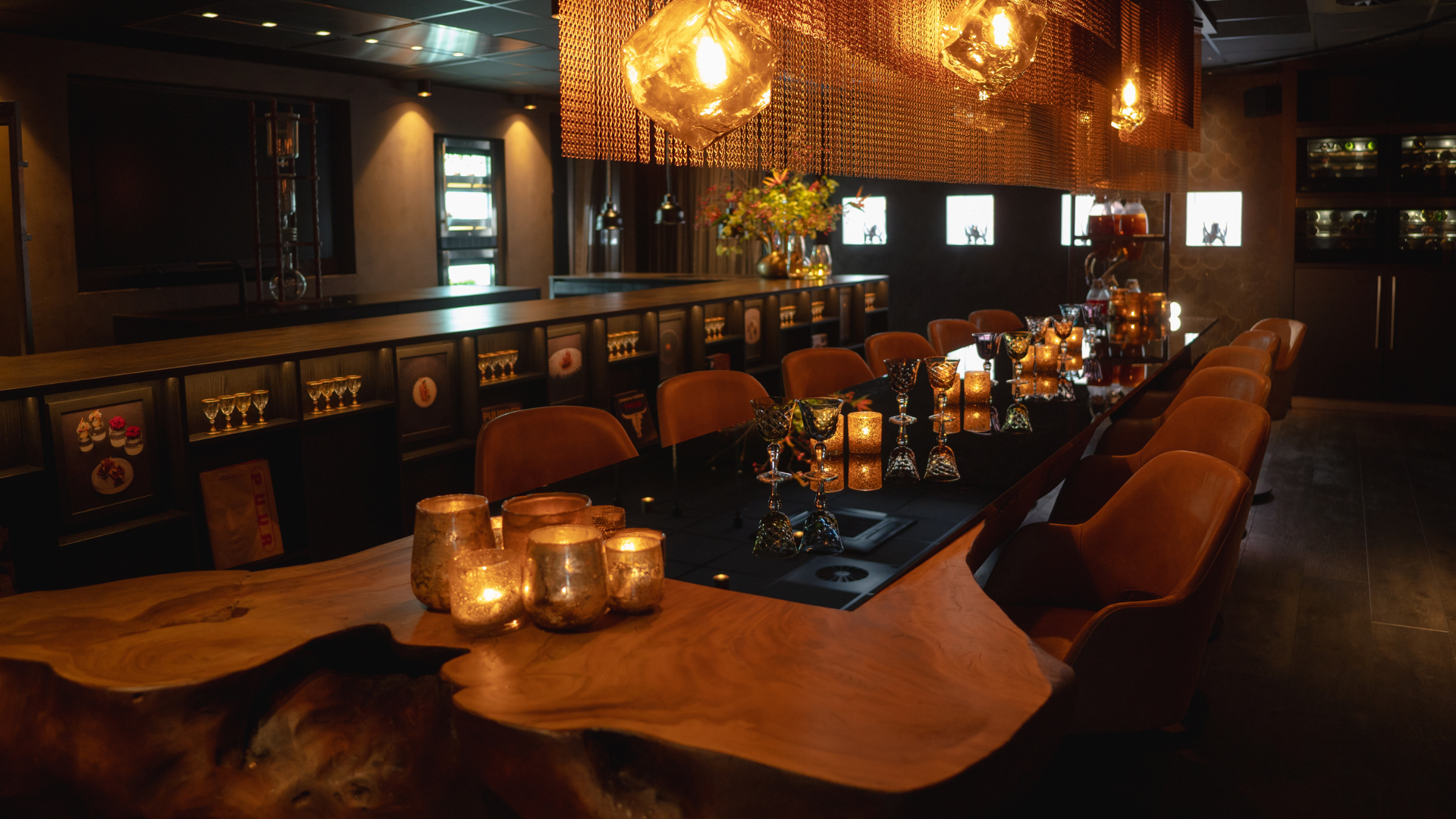
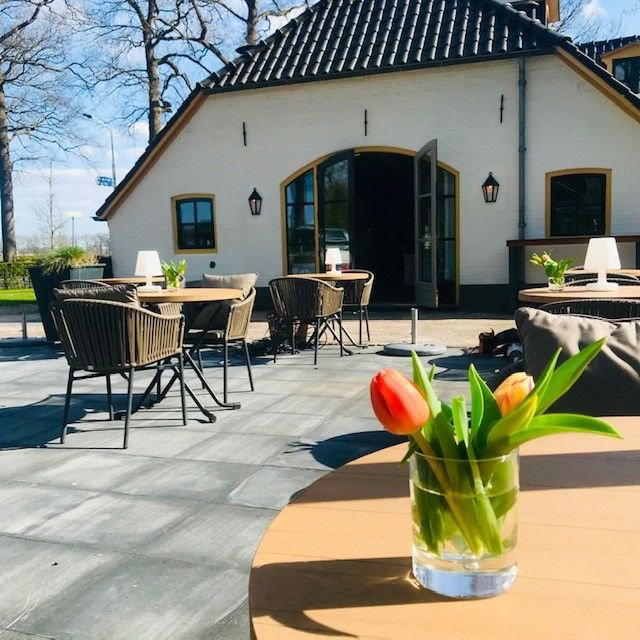
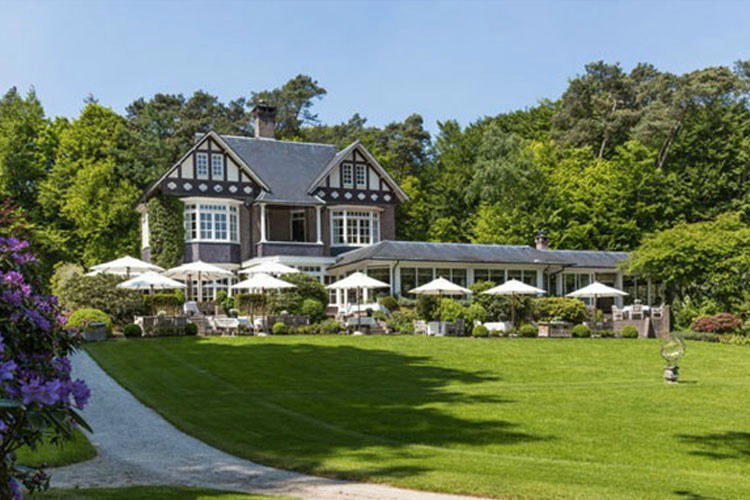
Arriving at Beulakerweg 77 in Giethoorn places you on one of the village's road-accessible routes, which is itself worth noting in a place where many addresses are reached by water. The physical approach is low-key by fine dining standards. There is no grand facade signalling ceremony. Dutch luxury, at this level, tends toward the understated: good materials, considered space, service that does not perform its own attentiveness. That restraint is part of what makes the Overijssel region's high-end dining tradition feel different from the more theatrical end of European gastronomy.
That breadth of audience is itself a signal: two-star kitchens that survive in rural or semi-rural settings need to convert occasional visitors into repeat guests, which requires a consistency that urban restaurants, sustained by continuous footfall, do not always need to maintain as rigorously.
Where De Lindenhof Sits in the Dutch Two-Star Field
The Dutch Michelin two-star cohort is a relatively small group, and mapping De Lindenhof within it clarifies what kind of experience to expect. De Librije in Zwolle, holding three stars, represents the best of the regional northern Netherlands hierarchy and operates in modern cuisine at the highest designation. Below that, the two-star creative field in the Netherlands includes addresses like Aan de Poel in Amstelveen and De Nieuwe Winkel in Nijmegen, each with a distinct approach and regional character. Spectrum in Amsterdam and Ciel Bleu in Amsterdam add the capital's own two-star weight to the comparison. De Lindenhof's position within this field is defined by geography as much as by cooking: it is the member of this group that requires the most deliberate trip to reach, and that deliberateness shapes the dining room's character.
Restaurants that sit in remote or semi-remote locations and hold multiple Michelin stars over consecutive years occupy a particular place in European gastronomy. Brut172 in Reijmerstok and De Treeswijkhoeve in Waalre are further examples of Dutch fine dining operating far from metropolitan density, each demonstrating that the Netherlands has developed a genuine infrastructure of serious cooking distributed across its provincial geography. De Lindenhof is perhaps the most extreme version of this pattern: Giethoorn's tourist fame is for scenery, not cuisine, which makes the restaurant's sustained critical standing all the more pointed.
What the Creative Classification Signals
The creative label at the four-price-point tier carries specific implications. It typically signals a kitchen that treats classical technique as a foundation rather than a constraint, uses it to frame local and seasonal ingredients, and moves the menu through cycles tied to what the surrounding region produces. In Overijssel, that means freshwater fish, waterfowl, dairy from the polders, and vegetables from the flat agricultural land that borders the National Park Weerribben-Wieden, within which Giethoorn sits.
For comparable creative-tier fine dining in adjacent regions, FG by François Geurds in Rotterdam and De Bokkedoorns in Overveen offer useful reference points, each working the upper bracket of Dutch creative cooking from different urban and peri-urban contexts. De Groene Lantaarn in Staphorst provides a closer geographic reference within the Overijssel region itself.
Planning a Visit: Logistics and Timing
De Lindenhof operates Wednesday through Sunday for both lunch (12 to 2 pm) and dinner (6 to 9 pm), with Monday and Tuesday closed. The compressed weekly schedule is standard for kitchens running at this intensity, and the dual service on open days gives options that purely dinner-focused restaurants in this tier do not always offer. A lunch reservation here converts the meal into a full-day proposition: Giethoorn rewards time spent on the water before or after eating, and the village's short navigable circuit fits naturally around a midday sitting. For those building a wider itinerary, our full Giethoorn hotels guide covers accommodation options in and around the village, and our full Giethoorn experiences guide maps what to do in the surrounding National Park.
The four-price-point bracket (€€€€) places De Lindenhof at the top end of Dutch restaurant spending, consistent with the two-star tier. The restaurant's address at Beulakerweg 77 is accessible by road and on foot, which matters in a village where many properties are canal-facing. Those arriving from Amsterdam should allow roughly two hours by car or plan a train and local transport combination via Steenwijk. Drivers who make this journey are, in effect, treating it as a destination meal rather than an incidental one, and the kitchen's sustained recognition suggests that calculus is consistently worth making.
For those exploring the broader Dutch fine dining circuit during the same trip, our full Giethoorn bars guide and our full Giethoorn wineries guide cover supplementary options in the area, while Platán Gourmet in Tata offers an instructive international parallel for creative fine dining in similarly unexpected rural settings.
Frequently asked questions
What dish is De Lindenhof famous for?
Chef Martin Kruithof's two consecutive Michelin stars and consistent La Liste scoring of 92 points indicate a kitchen operating at a high and stable level across its menu rather than relying on a single defining plate. For the most current menu information, contacting the restaurant directly is the only reliable method.
What is the atmosphere like at De Lindenhof?
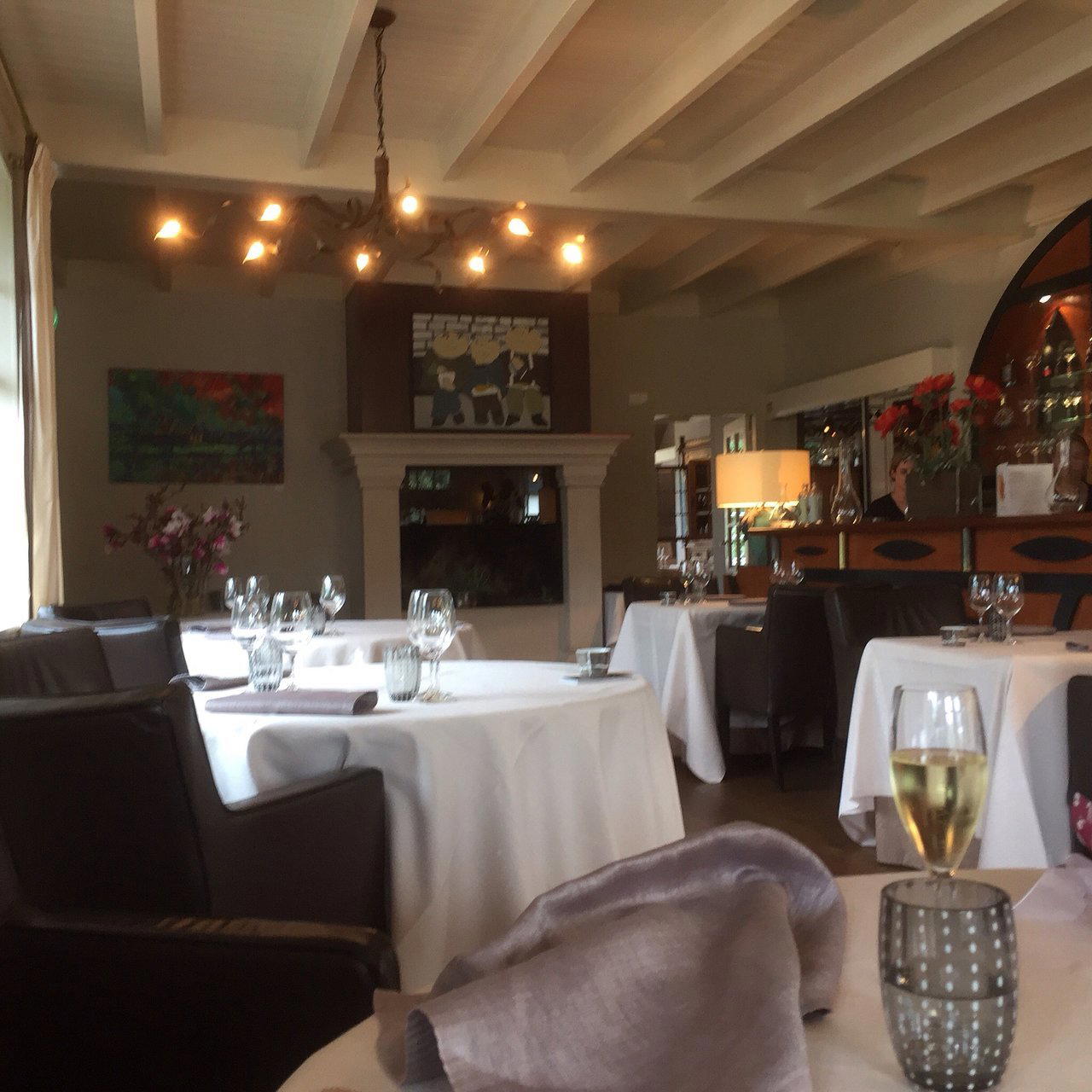
The atmosphere aligns with what Giethoorn's rural character and the Dutch fine dining tradition together produce: measured, unhurried, and focused on the food rather than on theatrical service. At the €€€€ price point and two-star level, the room skews toward destination diners who have made a deliberate journey, which gives sittings a considered quality.
Would De Lindenhof be comfortable with kids?
At the €€€€ price point in a two-star creative kitchen, De Lindenhof is structured for a dining experience that runs at a pace and format suited to adults with appetite for extended tasting menus. That is not a prohibition, but the format and the investment involved make it a less natural fit for young children than a more casual address would be. Families travelling to Giethoorn with children may find the village's other dining options a better match for that context, reserving De Lindenhof for adults-only or older-teenager visits where the format will land as intended.
Comparable Spots, Quickly
| Venue | Cuisine | Price | Awards | Notes |
|---|---|---|---|---|
| De LindenhofThis venue (the venue you are viewing) | Classic French Fine Dining | Not listed | 2 Michelin Stars · La Liste Top Restaurants | Not listed |
| De Librije | Modern Dutch Fine Dining | $200–300 | 3 Michelin Stars · World's 50 Best #46 | Modern Cuisine |
| Aan de Poel | Modern French Fine Dining | $150–200 | 2 Michelin Stars · La Liste Top Restaurants | Creative |
| De Lindehof | Contemporary Dutch, Creative | Not listed | Michelin 2 Star | Not listed |
| Fred | Modern French Fine Dining | $200–300 | 2 Michelin Stars · La Liste Top Restaurants | Creative French |
| De Nieuwe Winkel | Botanical Fine Dining | $300–500 | 2 Michelin Stars · La Liste Top Restaurants | Organic |
Recognition history
Dated appearances from independent guides and award organizations, with the underlying list record or original source where available.
Michelin 2 Stars
Michelin
La Liste Top Restaurants
La Liste
Falstaff Restaurant - 96 Falstaff Points
Falstaff
Opinionated About Dining Classical in Europe Ranked #229
Opinionated About Dining
Full recognition history (8 entries)
La Liste Top Restaurants
La Liste
Michelin 2 Stars
Michelin
Opinionated About Dining Classical in Europe Ranked #214
Opinionated About Dining
Opinionated About Dining Classical in Europe Highly Recommended
Opinionated About Dining
Continue exploring
More in Giethoorn
Restaurants in Giethoorn
All restaurants in Giethoorn →
Bars in Giethoorn
Browse all →
De Lindenhof
The wine
- Wine program
- Deep wine list
- Extensive wine list
Details
- Elegant
- Intimate
- Rustic
- Scenic
- Cozy
- Sophisticated
- Date Night
- Special Occasion
- Celebration
- Garden
- Private Dining
- Historic Building
- Extensive Wine List
- Local Sourcing
- Farm To Table
- Garden
- Waterfront
- Tasting Menu
- A La Carte
- Vegetarian Friendly
- Vegan Options
Current opening hours
- Monday
- Closed
- Tuesday
- Closed
- Wednesday
- 12–2 PM, 6–9 PM
- Thursday
- 12–2 PM, 6–9 PM
- Friday
- 12–2 PM, 6–9 PM
- Saturday
- 12–2 PM, 6–9 PM
- Sunday
- 12–2 PM, 6–9 PM
Hours can change for holidays and private events. Hours as of .
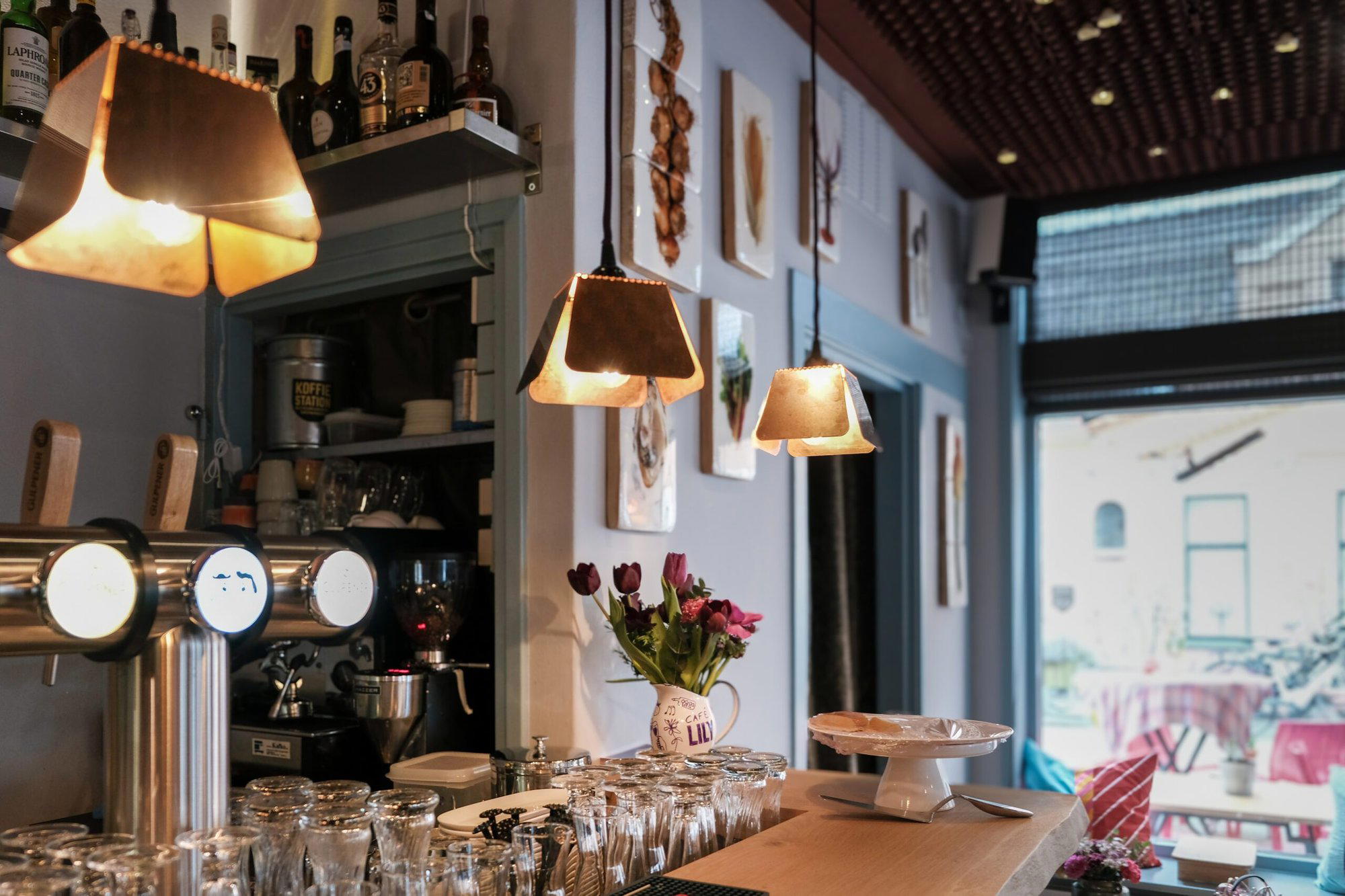
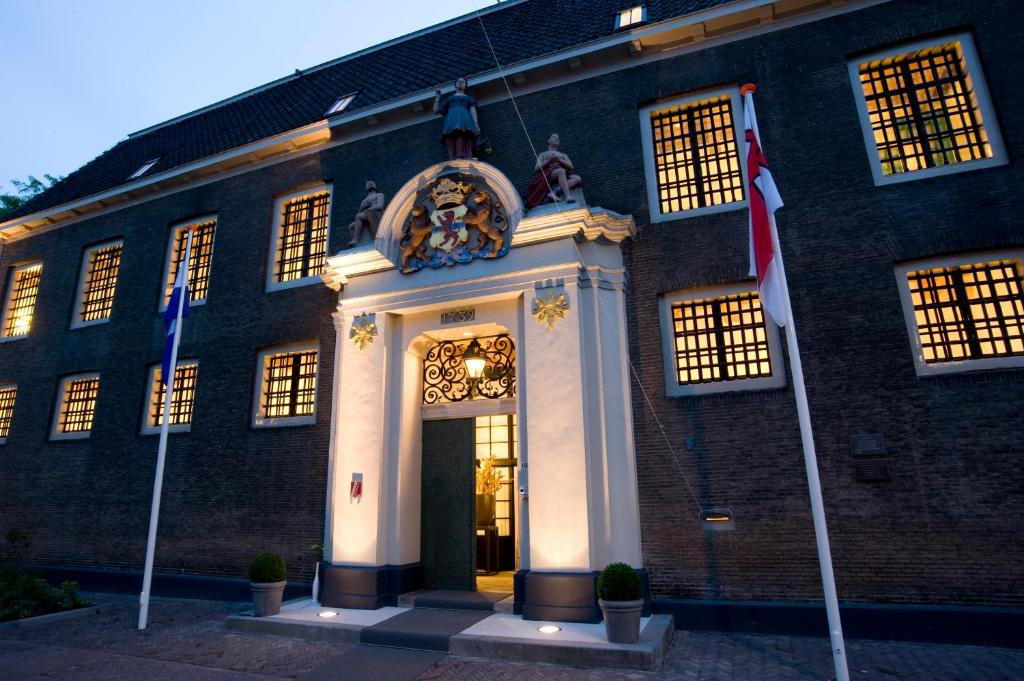
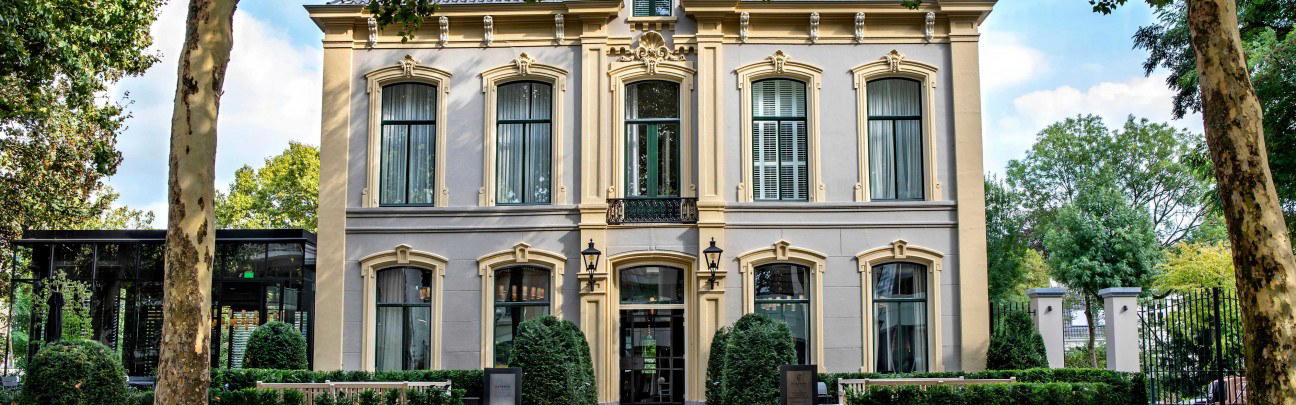
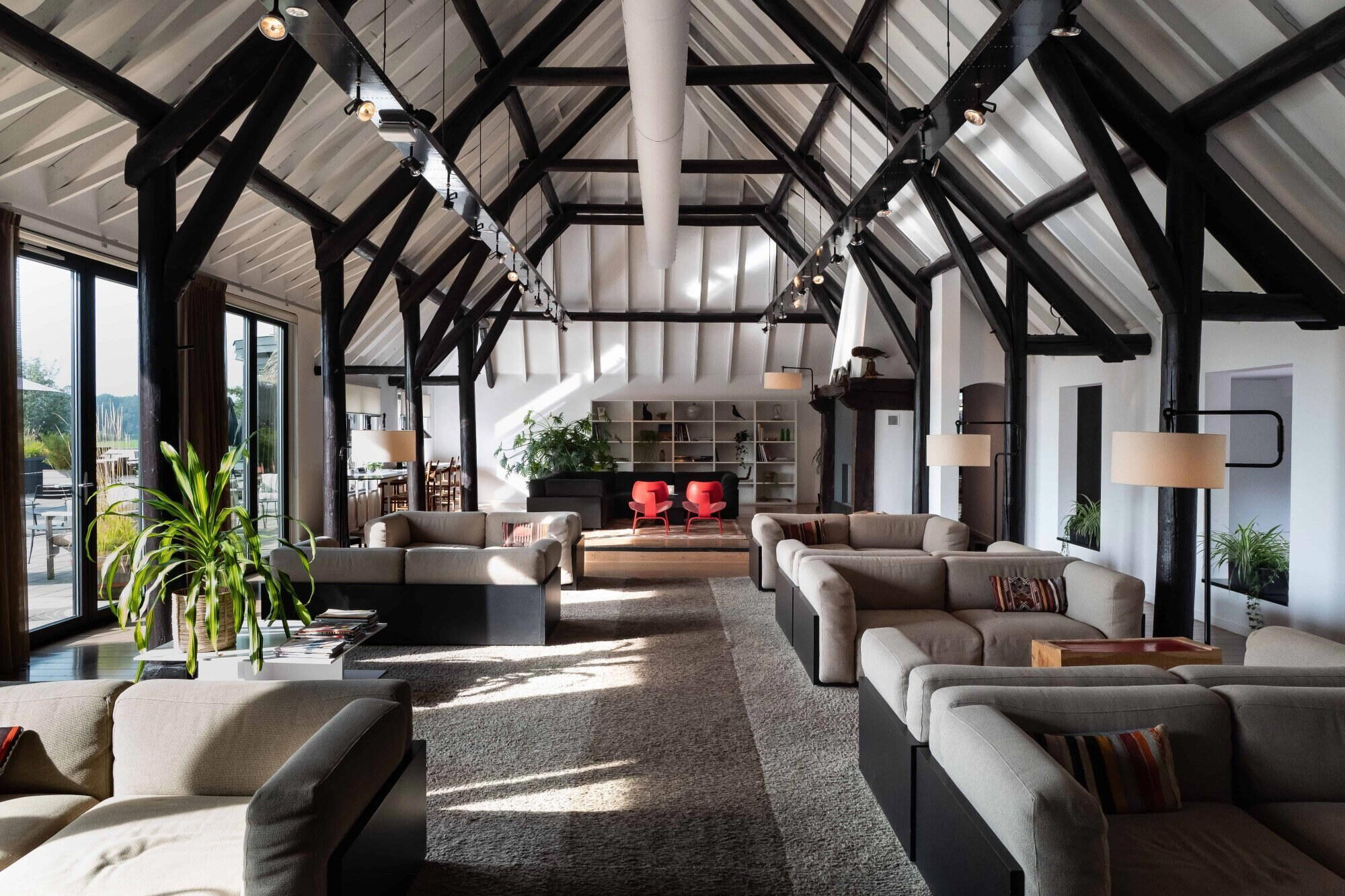
Refined and peaceful atmosphere in a characterful farmhouse with elegant thatched roof, surrounded by magnificent English garden and canals, creating an idyllic, intimate setting.