Kruydt
Kruydt occupies a historic address on Paardenmarkt in central Delft, placing it within easy reach of the city's canal-side dining circuit. Sparse external data makes advance research limited, but the address positions it among a cluster of restaurants serving Delft's compact historic core. Check availability directly before visiting, as booking details are not publicly confirmed.
Pearl is the En Primeur Club membership app — saves, bookings, and concierge access live there. Same editors, same standards.
- Address
- Paardenmarkt 1, 2611 PA Delft, Netherlands
- Phone
- +31880243919
- Website
- kruydt.nl
- Directions
- Get directions
 Saves & bookings on Pearl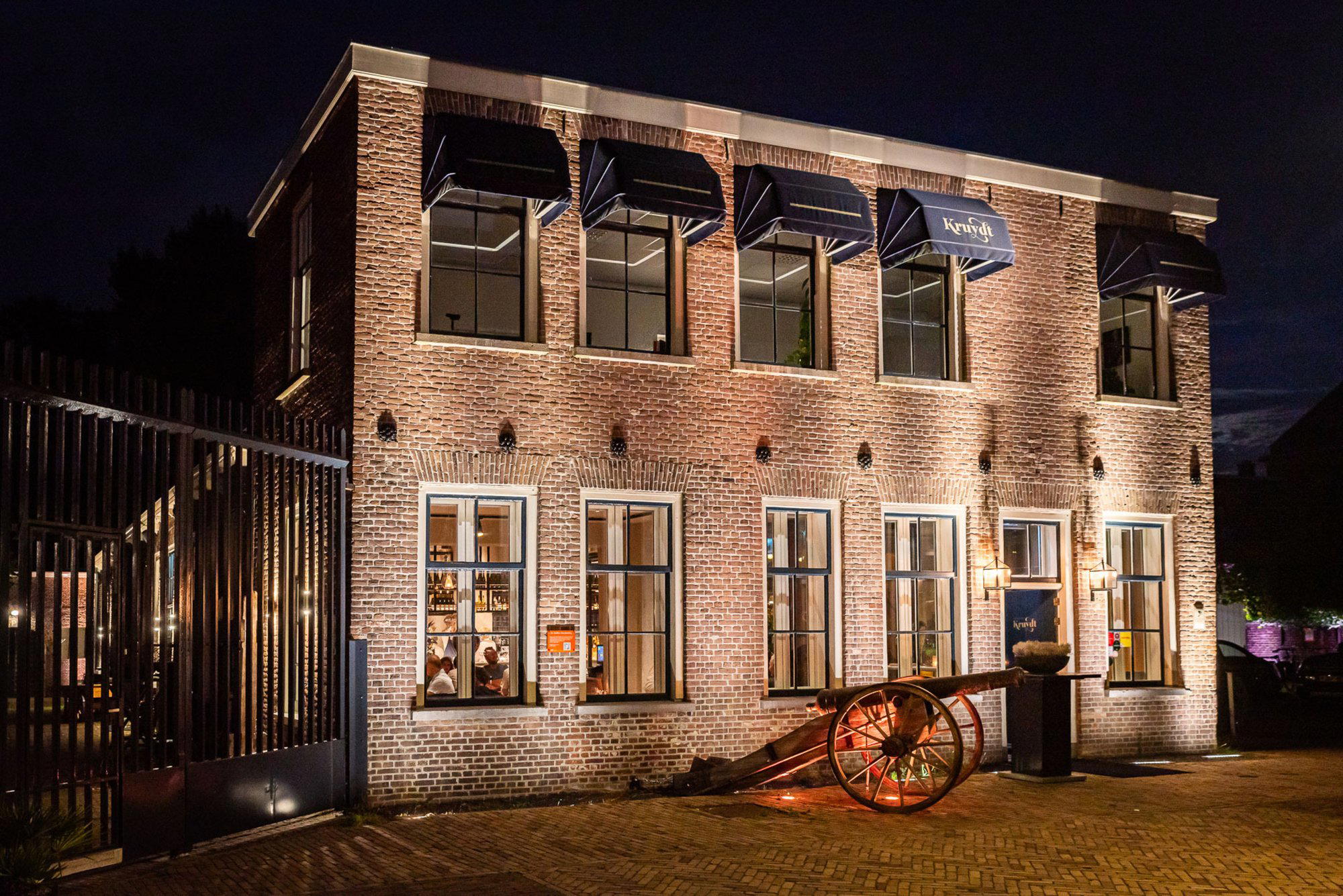
Paardenmarkt and the Texture of Delft Dining
Delft's historic centre operates on a different register from Rotterdam's industrial-chic dining rooms or Amsterdam's dense, competitive restaurant grid. The city's canals, gabled facades, and cobbled market squares create a physical environment that shapes how restaurants feel before a single dish arrives. Paardenmarkt — a square with roots in the city's mercantile past — sits within that fabric, and Kruydt's address at number 1 places it at a point where the built environment does considerable atmospheric work. Stone underfoot, low horizontal light in the late afternoon, the particular quiet of a mid-sized Dutch city that hasn't been overrun: these are the conditions a restaurant here inherits rather than constructs.
That inherited atmosphere matters more in Delft than in cities where dining destinations are largely self-contained. Restaurants along the inner-city circuit here tend to draw from a compact, walkable geography, and the experience of arriving on foot, through alleys and across bridges, is part of what distinguishes dining in this city from a suburban or mall-adjacent meal. Kruydt occupies that geographic logic by default.
Where Kruydt Sits in Delft's Dining Tier
Delft's restaurant scene is modest in scale but increasingly differentiated. At the accessible end, places like HUmmUS and Kokam serve focused, ingredient-led menus without ceremony. In the mid-tier, Brasserie Monastere and Lakila handle a broader dining occasion with more deliberate room design and longer wine lists. At the more considered end of the local circuit, Il Tartufo operates with the specificity of a specialist address. Kruydt's position within this range is not publicly confirmed through cuisine classification or price data in available records, which places it in a category of venues where a direct inquiry or first visit carries more weight than third-party research.
That ambiguity is itself a signal. Both types reward the visitor who arrives without fixed expectations.
The Sensory Register of Dining in the Dutch Historic Core
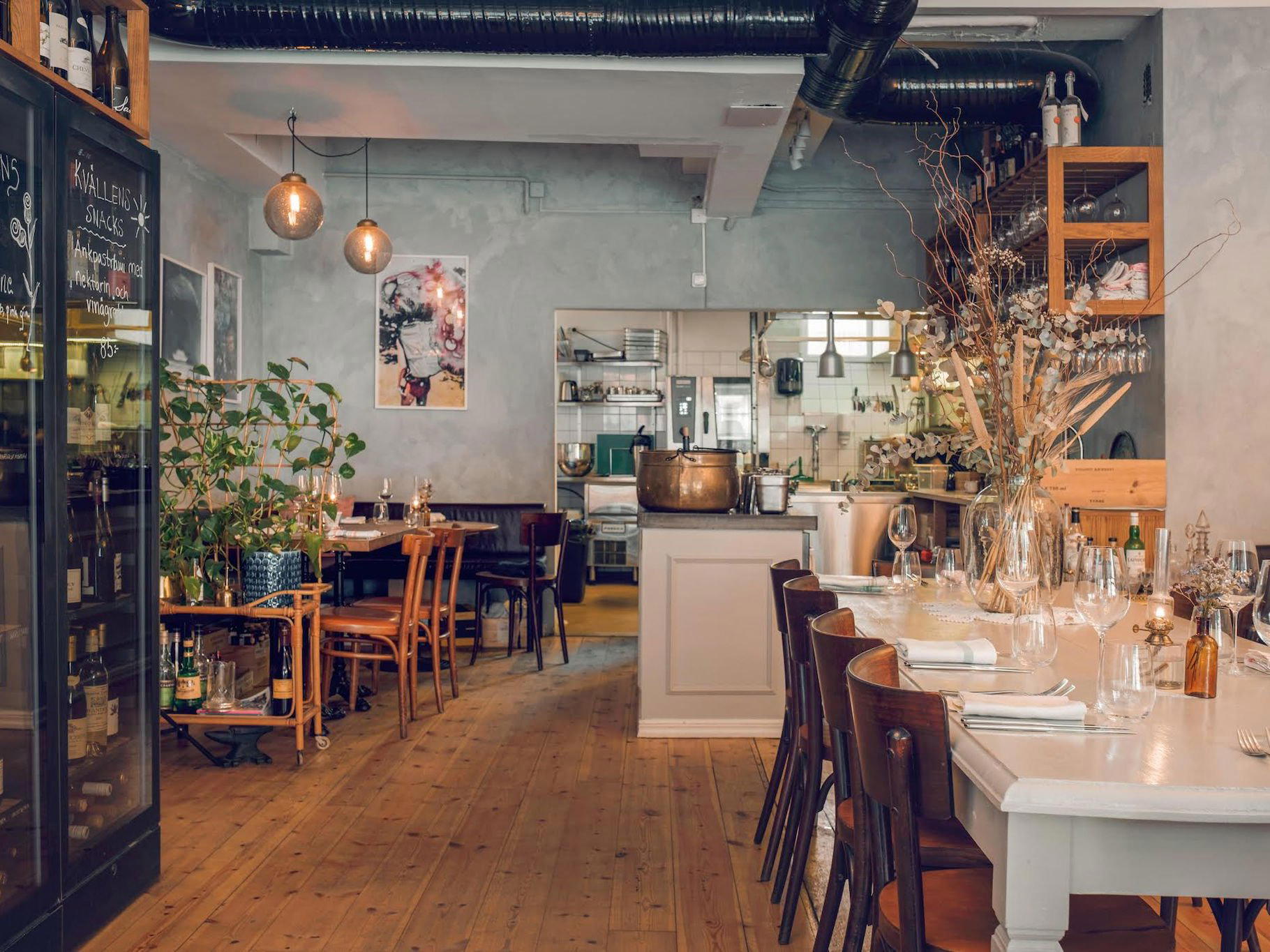
Dutch restaurant design across the country's historic city centres has undergone a consistent shift over the past decade. The heavy, dark-wood brasserie aesthetic that dominated through the early 2000s has given way to lighter, more considered interiors: exposed brick where brick exists, material honesty, natural light where the building permits it. Candle and warm-spectrum artificial lighting replace overhead fluorescence. Sound levels trend lower than in the open-plan, hard-surface rooms favoured in larger cities, partly because the older building stock, narrow, deep, with low ceilings, absorbs and diffuses sound differently than a converted warehouse.
A restaurant at Paardenmarkt 1 in Delft would operate within those physical constraints and opportunities. The sensory baseline, what you hear walking in, how the light falls across a table, the temperature differential between canal air outside and a warm dining room, is shaped by the building as much as by any deliberate design decision. In this sense, historic-core Delft restaurants occupy a category apart from purpose-built dining spaces, and Kruydt's address places it squarely in that category.
For comparison, the broader Netherlands has produced a range of restaurants where physical setting and sensory environment become primary arguments: De Lindenhof in Giethoorn operates inside a village setting that shapes every aspect of the arrival experience, while De Groene Lantaarn in Staphorst draws on a rural environment that would be unrecognisable in a city context. Urban historic-core restaurants like those in Delft occupy a middle register, neither rural nor metropolitan, and the experience reflects that.
The Wider Dutch Fine Dining Frame
Understanding what a Delft restaurant is requires some sense of what the Dutch fine dining tier looks like nationally. The country punches above its geographic weight in Michelin recognition: De Librije in Zwolle holds three stars and operates at the outer edge of what Dutch cooking has produced; Ciel Bleu in Amsterdam and Aan de Poel in Amstelveen anchor the two-star cohort; De Bokkedoorns in Overveen, De Lindehof in Nuenen, Brut172 in Reijmerstok, 't Nonnetje in Harderwijk, and De Nieuwe Winkel in Nijmegen represent the one-star tier across a range of styles and settings. Internationally, the Dutch kitchen has drawn comparisons to what Le Bernardin in New York City represents for classical French seafood technique, or what Atomix in New York City represents for Korean fine dining: a cuisine that has found its own formal language without abandoning its roots.
Delft does not sit at the top of that national hierarchy. The city's dining scene is defined by quality within reach rather than destination cooking that draws visitors from outside the region. That is not a limitation, it is a different kind of offer, and one that suits a different kind of visit.
Planning a Visit
Kruydt is located at Paardenmarkt 1, 2611 PA Delft, a short walk from the central market square and the main canal axis that runs through the historic centre. Phone and website details are not confirmed in available records, so the most reliable approach is to visit in person to confirm current hours and availability, or to ask at your hotel for a local contact. Booking practices, walk-in policy, and seasonal hours are all unconfirmed, which makes flexibility in your planning an asset. Delft is accessible by direct train from Amsterdam Centraal in under an hour, and from The Hague in under fifteen minutes, making it a practical half-day or full-day destination from either city. For a fuller picture of what the city's dining circuit offers across price points and styles, the EP Club Delft restaurants guide maps the range in detail.
Continue exploring
More in Delft
Restaurants in Delft
Browse all →
Bars in Delft
Browse all →
Hotels in Delft
Browse all →
Wineries in Delft
Browse all →
At a Glance
- Cozy
- Elegant
- Historic
- Intimate
- Date Night
- Special Occasion
- Historic Building
- Extensive Wine List
Current opening hours
- Monday
- Closed
- Tuesday
- 5:30 PM–12 AM
- Wednesday
- 5:30 PM–12 AM
- Thursday
- 5:30 PM–12 AM
- Friday
- 12–2 PM, 5:30 PM–12 AM
- Saturday
- 12–2 PM, 6 PM–12 AM
- Sunday
- 12–2 PM, 6 PM–12 AM
Hours can change for holidays and private events. Last verified .
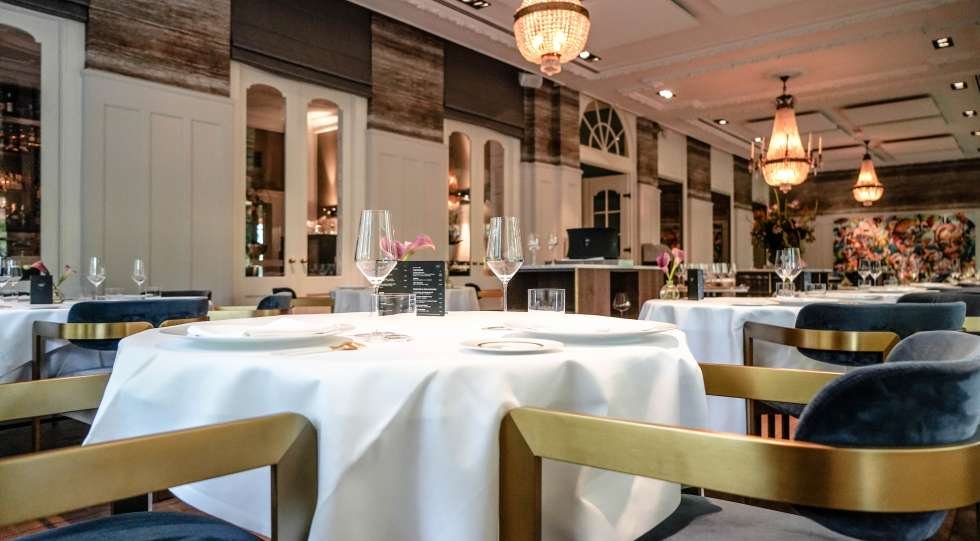
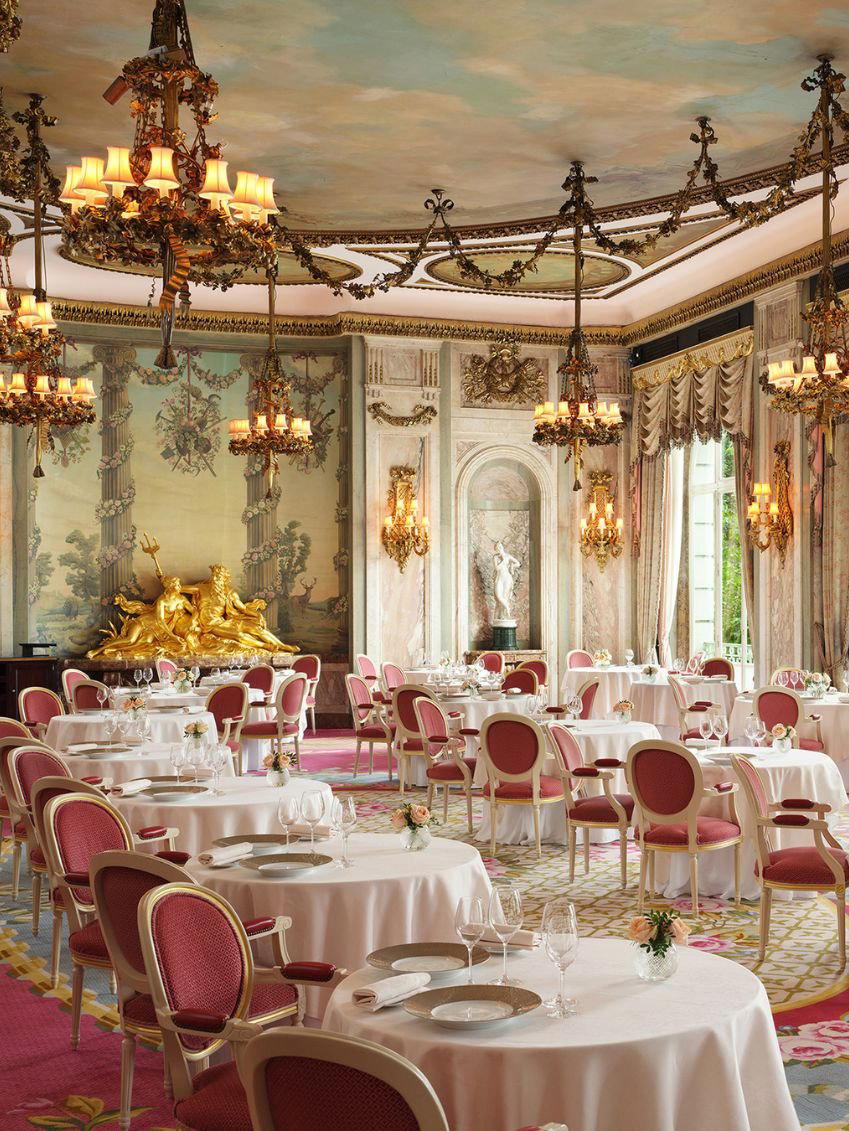
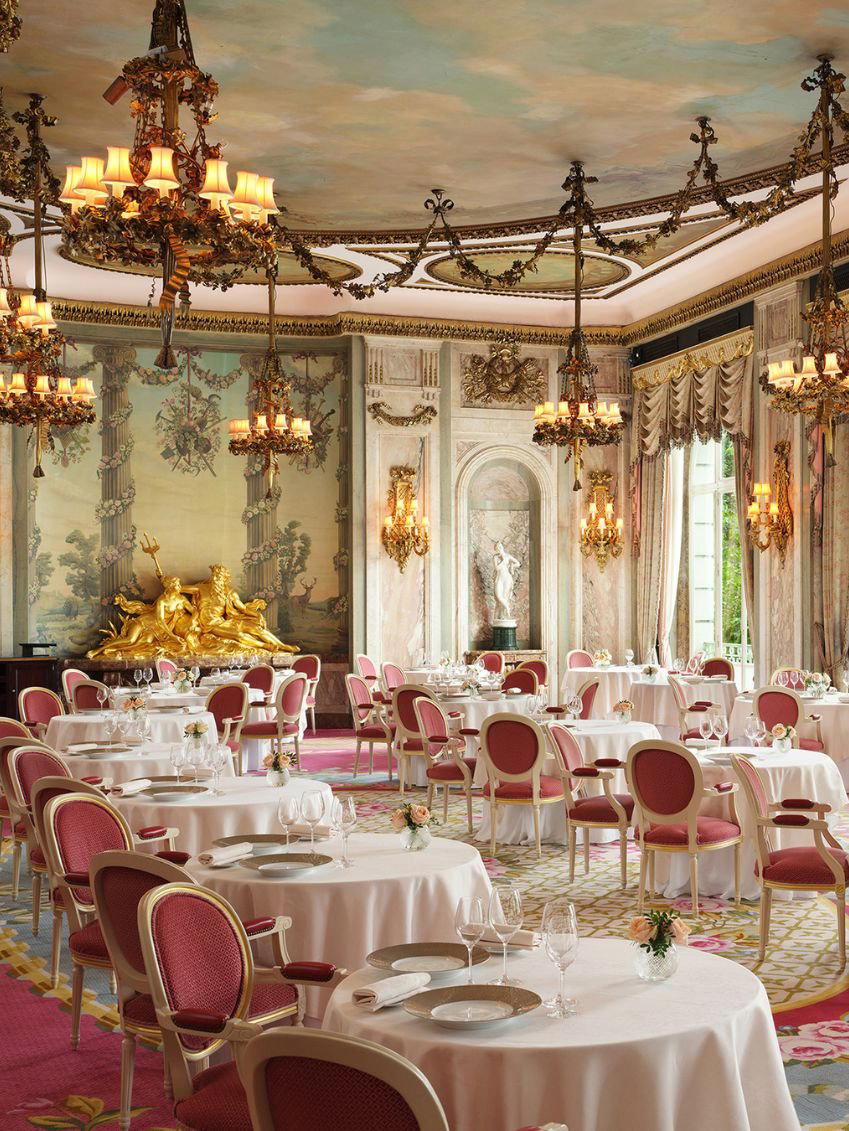
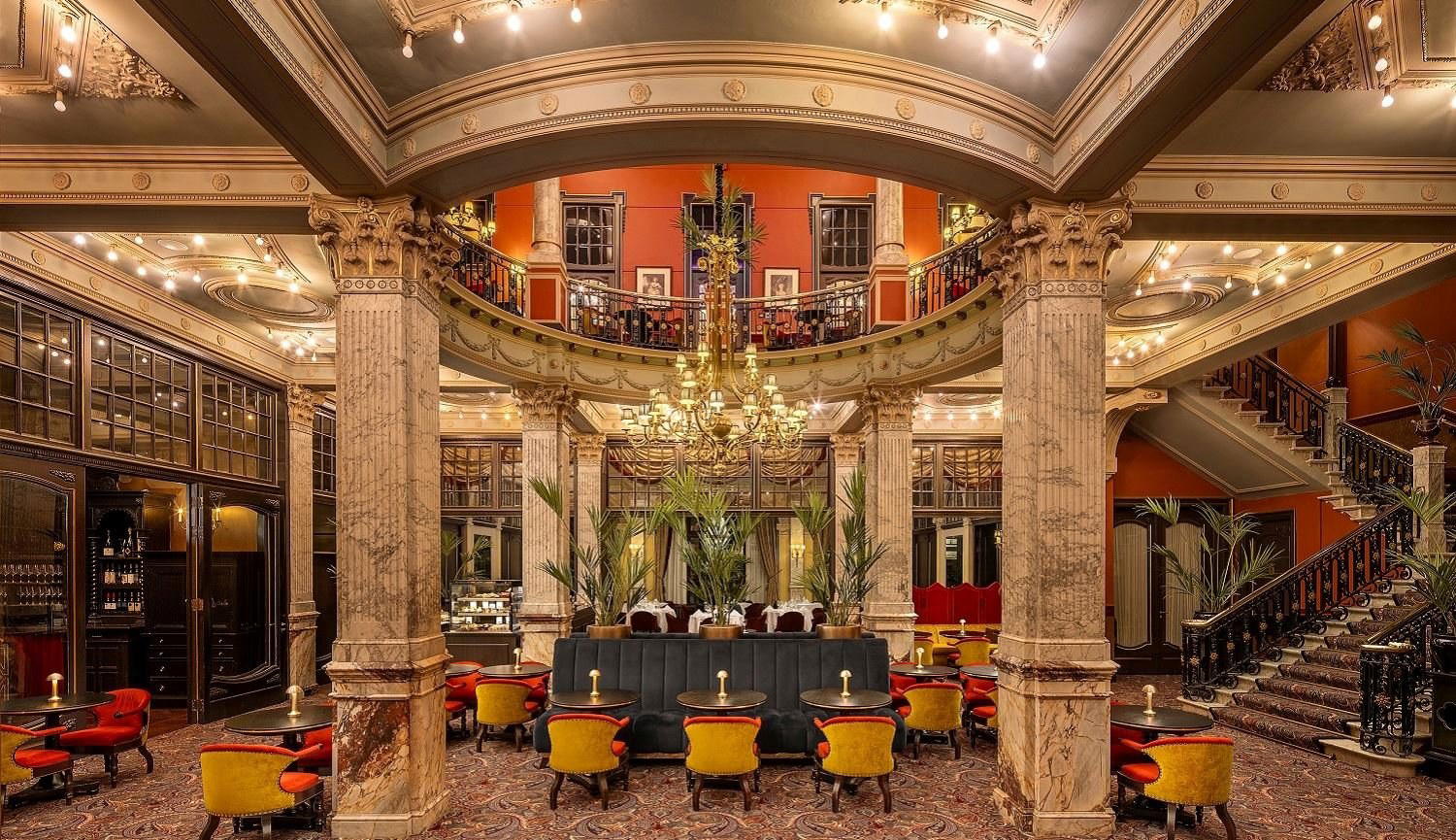
Warm and inviting atmosphere featuring beautiful round tables and colorful chairs in a historic building.
Know Before You Go
- Getting there
- Paardenmarkt 1, 2611 PA Delft, Netherlands