Kokam
Kokam occupies a canal-adjacent address on Vrouwenregt in Delft's historic centre, placing it within a compact dining scene that has grown quietly more ambitious over the past decade.
Pearl is the En Primeur Club membership app — saves, bookings, and concierge access live there. Same editors, same standards.
- Address
- Vrouwenregt 5, 2611 KK Delft, Netherlands
- Phone
- +31153020010
- Website
- kokamcafe.nl
- Directions
- Get directions
 Saves & bookings on Pearl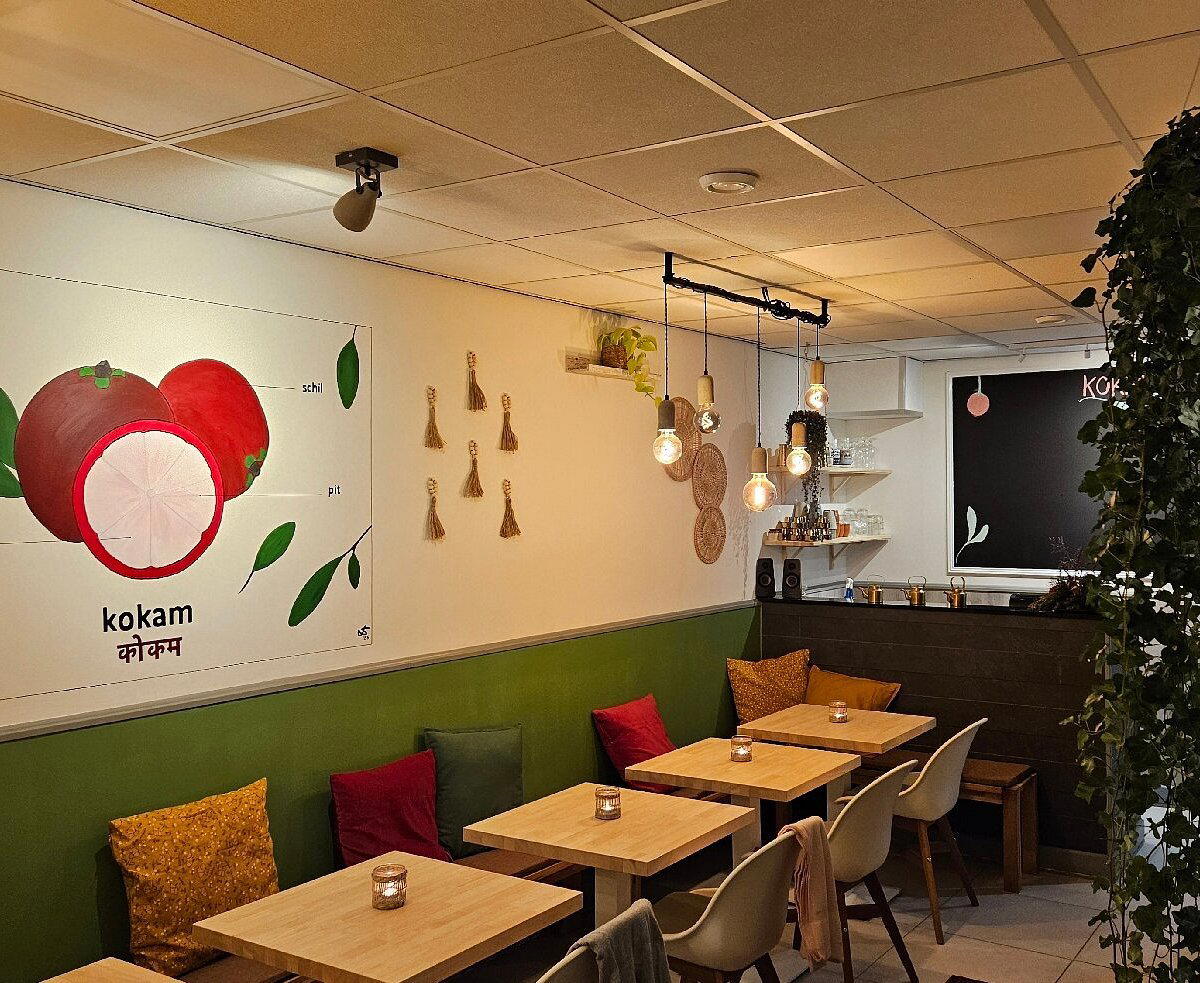
A Street That Earns Its Attention
Vrouwenregt is a short, canal-flanked street in Delft's oldest quarter, the kind of address where buildings carry visible centuries and foot traffic is local rather than tourist-driven. The façades along this stretch tend toward brick and beam, with interiors that open narrower than the street suggests. It is in this physical frame that Kokam sits — at number 5, on a block that asks you to slow down and read the room before ordering anything. That sense of deliberate placement, of a restaurant that chose an address with specific character rather than maximum visibility, already suggests something about its operating logic.
Delft's dining scene is smaller and more selective than its neighbour Rotterdam, and considerably quieter than Amsterdam's, which means restaurants here tend to build reputation through return visits rather than volume. The city's strongest tables — including Brasserie Monastere, Kruydt, and Il Tartufo, operate within walking distance of one another, and the competition for local loyalty is correspondingly intense. Kokam occupies a position in that geography worth examining on its own terms.
What the Menu Structure Signals
Menu architecture, more than any single dish, communicates what a restaurant thinks it is. A long à la carte list with broad category coverage suggests a kitchen built for volume and flexibility. A tighter format, whether a fixed menu, a short seasonal card, or a counter-style progression, signals that the kitchen is making curatorial decisions, not accommodation decisions.
Restaurants on quieter, character-specific streets in smaller Dutch cities have, in recent years, gravitated toward shorter, more intentional menus. This is a pattern visible across the Netherlands: the post-pandemic recalibration pushed many mid-tier and fine-casual restaurants toward tighter offerings that reduce waste, concentrate sourcing relationships, and allow smaller kitchen teams to execute with precision rather than range. Whether Kokam follows that pattern is something leading confirmed at the point of booking or arrival.
What the address and positioning suggest is that this is not a kitchen built around crowd-pleasing breadth. The comparable venues in Delft worth benchmarking against include HUmmUS and Lakila, both of which represent the city's growing interest in non-European culinary traditions brought into careful, considered formats. Kokam's name itself carries a reference point: kokam is a sour, plum-like fruit used in South Asian and particularly West Indian coastal cooking, deployed as a souring agent in the way some cuisines use tamarind or sumac. If the name is meaningful rather than decorative, it points toward a kitchen engaging with those flavour traditions, which would place it in a distinct niche within Delft's current offer.
Positioning Within the Dutch Fine-Dining Conversation
The Netherlands has developed one of Europe's more concentrated collections of high-end restaurants outside its two or three major cities. Destinations like De Librije in Zwolle, 't Nonnetje in Harderwijk, and Brut172 in Reijmerstok demonstrate that serious cooking is not confined to Amsterdam or Rotterdam. The South Holland province, in which Delft sits, has seen incremental growth in restaurants operating above the brasserie tier without committing to the full tasting-menu formality of destinations like Ciel Bleu in Amsterdam.
This middle register, call it fine-casual or progressive neighbourhood dining, is where the more interesting development is happening in smaller Dutch cities. It operates with lower price points than starred houses like De Bokkedoorns in Overveen or De Lindehof in Nuenen, but with more kitchen ambition than the city's brasseries. De Nieuwe Winkel in Nijmegen and De Groene Lantaarn in Staphorst occupy analogous positions in their respective cities. Kokam appears to belong to this broader movement, restaurants that are doing something deliberate without needing a Michelin frame to make the case for it.
For international reference, the operational logic here is closer to what venues like Atomix in New York City demonstrated at a much higher price tier: that format discipline and culinary specificity, rather than scale or decor spend, can define a restaurant's identity. That comparison is not one of equivalence but of directional approach. Le Bernardin in New York City represents the other end of that spectrum, maximum formality, maximum recognition, and it is useful primarily to illustrate the full range within which something like Kokam is operating, deliberately closer to the neighbourhood end.
Planning a Visit
Kokam sits at Vrouwenregt 5 in central Delft, a short walk from Delft Centrum station and within easy reach of the Markt and the city's canal network. Delft is approximately 10 minutes by train from The Hague and 15 minutes from Rotterdam, making it a realistic evening destination from either city without an overnight stay. For a broader map of where Kokam sits within Delft's restaurant offer, the full Delft restaurants guide provides useful comparative context alongside venues including Aan de Poel in Amstelveen for those extending their South Holland itinerary. Visitors planning a multi-city Dutch itinerary might also consider De Lindenhof in Giethoorn as a contrast point for the more destination-driven end of the country's dining geography.
Continue exploring
More in Delft
Restaurants in Delft
Browse all →
Bars in Delft
Browse all →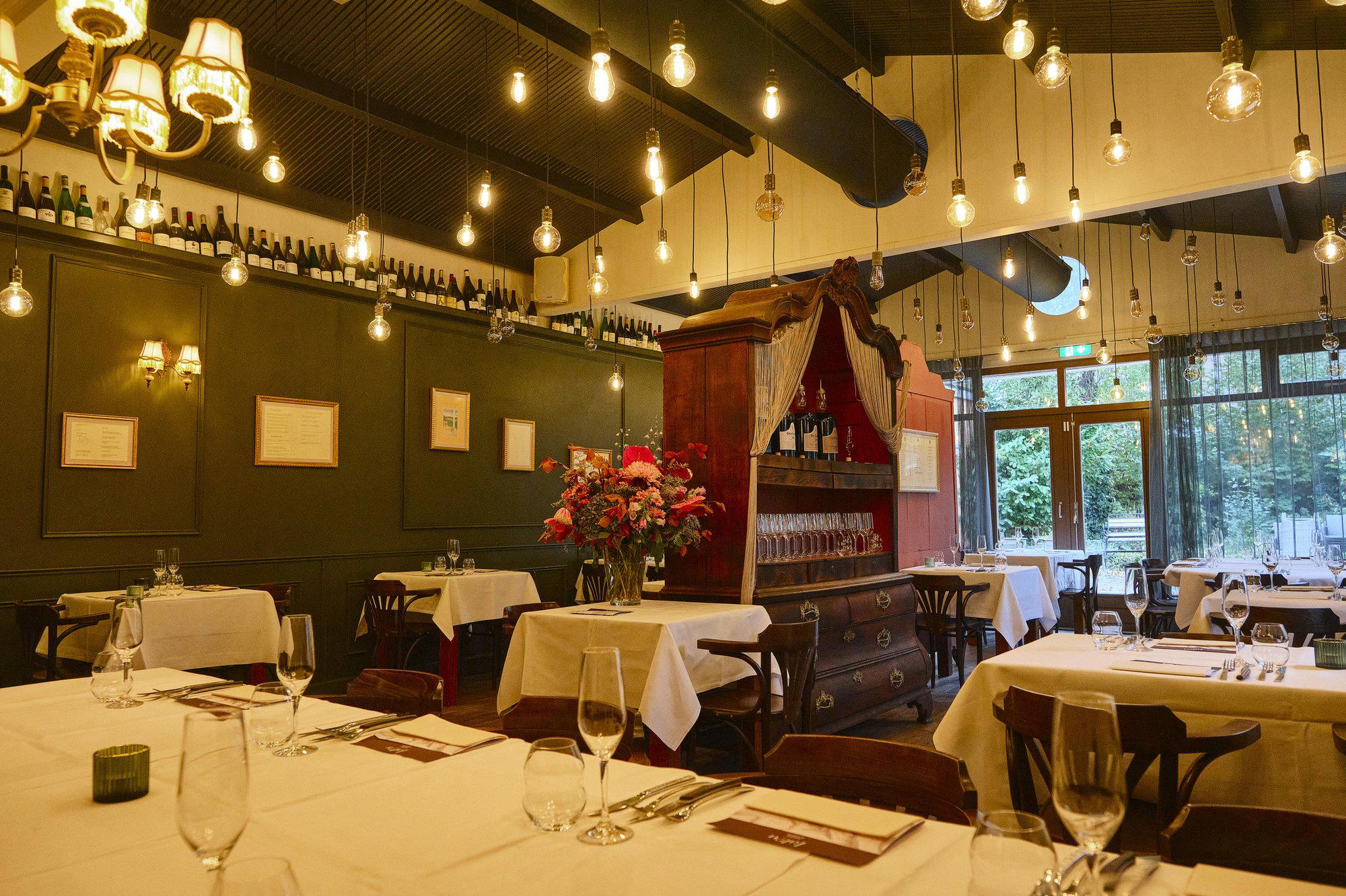
Hotels in Delft
Browse all →
Wineries in Delft
Browse all →
At a Glance
- Cozy
- Casual Hangout
Current opening hours
- Monday
- Closed
- Tuesday
- Closed
- Wednesday
- 5:30–9:30 PM
- Thursday
- 5:30–9:30 PM
- Friday
- 5:30–9:30 PM
- Saturday
- 5:30–9:30 PM
- Sunday
- 5:30–9:30 PM
Hours can change for holidays and private events. Last verified .
Warm and cozy atmosphere with attentive staff.
Know Before You Go
- Getting there
- Vrouwenregt 5, 2611 KK Delft, Netherlands