HUmmUS
On Molslaan in the heart of Delft, HUmmUS brings one of the Eastern Mediterranean's most democratic dishes into a dedicated setting where the ritual of the spread — the dips, the bread, the slow accumulation of small plates — sets the pace of the meal. It sits in a city better known for Dutch classicism than Middle Eastern cooking, which makes the address all the more worth knowing.
Pearl is the En Primeur Club membership app — saves, bookings, and concierge access live there. Same editors, same standards.
- Address
- Molslaan 39, 2611 RJ Delft, Netherlands
- Phone
- +31158795252
- Website
- ilovehummus.nl
- Directions
- Get directions
 Saves & bookings on Pearl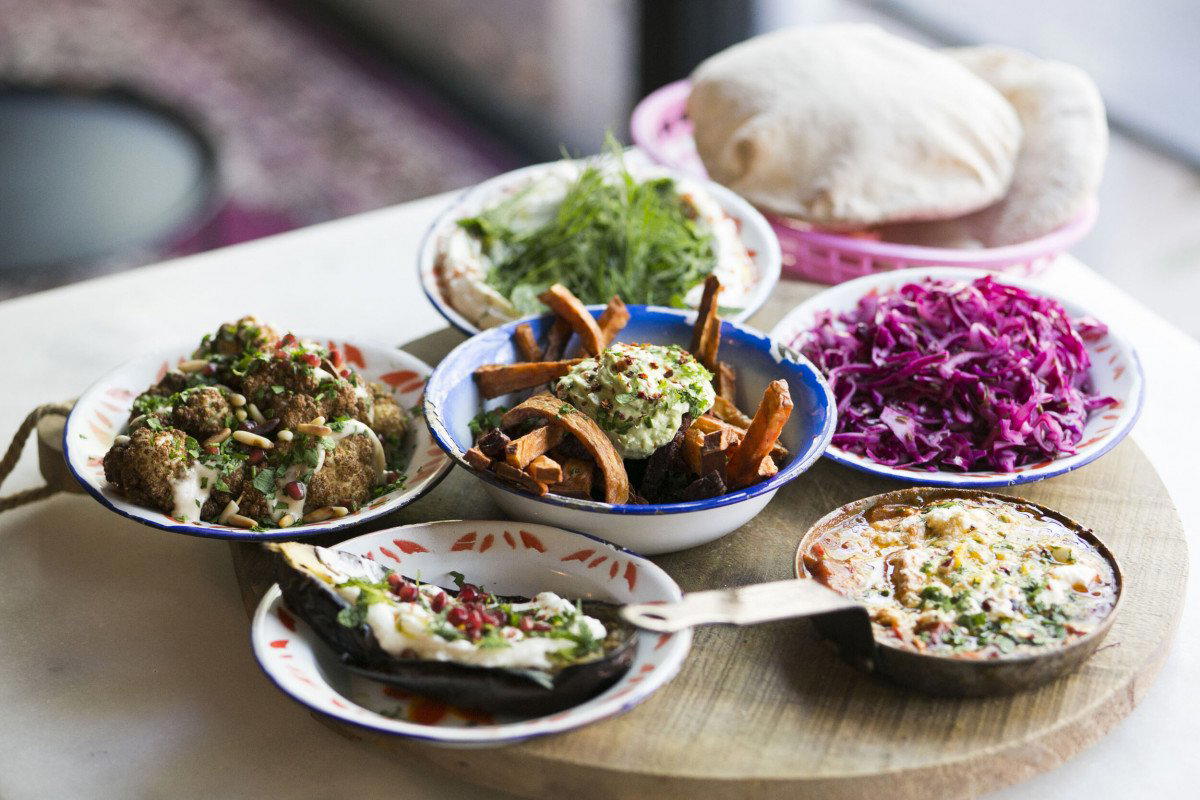
Molslaan and the Question of What a Hummus Restaurant Actually Is
There is a moment, common to the leading hummus-led meals, when the table fills faster than expected. A bowl arrives glossy and warm, tahini pooled at the centre. Then another dish follows, then flatbread, then something pickled. The structure of the meal asserts itself without a menu card or a waiter's narration: you are eating in a particular way, at a particular pace, and the food is deciding the rhythm. That is the dining ritual that HUmmUS, at Molslaan 39 in central Delft, is built around.
In most of Western Europe, hummus occupies a narrow commercial lane: a supermarket tub, a mezze platter at a generic Middle Eastern restaurant, or a side note at a Lebanese kitchen with bigger ambitions. A restaurant that places the dish at the centre of its identity — and names itself accordingly — occupies a different position. The format invites comparison less with conventional Dutch dining and more with the dedicated hummusiya tradition of cities like Tel Aviv or Beirut, where a single dish is the anchor and everything else is in service of it.
The Ritual of the Spread
The hummusiya model, wherever it appears, imposes its own etiquette. You do not browse a long menu. You do not wait for a main course. The meal arrives in accumulated layers: the base preparation, the toppings or additions, the bread for scooping, the supporting elements that provide contrast, acidity, heat, crunch. Eating proceeds not course by course but piece by piece, the table becoming progressively more populated as the meal continues.
That rhythm is slower than it looks. The instinct, particularly among diners accustomed to European service pacing, is to treat the spread as a starter and wait for something more substantial. The adjustment, once made, is significant: this is the meal. The pleasure is in the accumulation, in returning to the same bowl with different accompaniments, in the way the dish changes as the meal progresses and temperatures shift. Restaurants that understand this let the table breathe. Those that rush it miss the point.
Delft's dining culture tends toward the measured rather than the theatrical. The city draws visitors for Vermeer and Delftware, not for destination restaurants, and the local restaurant scene reflects a certain quiet seriousness rather than trend-chasing. Within that context, a hummus-focused address on Molslaan represents a specific kind of confidence: a commitment to a format that requires the kitchen to be exceptionally good at a narrow range of preparations, because there is nowhere else to hide.
Delft in the Dutch Dining Picture
The Netherlands has developed a serious fine-dining tier in cities like Amsterdam, where Ciel Bleu in Amsterdam operates at the top of the classical French-influenced bracket, and in provincial locations where restaurants like De Librije in Zwolle and 't Nonnetje in Harderwijk have accumulated serious critical recognition. At Brut172 in Reijmerstok, the format is tasting-menu driven and chef-focused; at De Nieuwe Winkel in Nijmegen, the emphasis is on plant-forward creativity. De Bokkedoorns in Overveen, De Groene Lantaarn in Staphorst, De Lindehof in Nuenen, De Lindenhof in Giethoorn, and Aan de Poel in Amstelveen all operate within that formal, tasting-led tradition.
Delft sits outside that tier by design rather than by deficit. The city's restaurant addresses, including Brasserie Monastere, Il Tartufo, Kokam, Kruydt, and Lakila, form a mid-register scene that prizes consistency and neighbourhood character over culinary spectacle. HUmmUS belongs in that company: a specific, repeatable proposition in a city that rewards exactly that. For the full picture of what the city offers, the our full Delft restaurants guide maps the scene by neighbourhood and category.
For reference points outside the Netherlands, the model of a single-dish restaurant built around technical precision and ritual rather than variety has international analogues. Le Bernardin in New York City operates at the opposite end of the formality scale, but shares the logic of deep specialisation. Atomix in New York City demonstrates how a tasting format can encode cultural ritual into the structure of a meal, the same principle, applied differently, underpins what a hummusiya does when it is working properly.
What to Expect When You Sit Down
The address is Molslaan 39, in the central canal district of Delft, within walking distance of the main market square and the train station. The street is residential in character, which places HUmmUS closer to the neighbourhood-restaurant model than the tourist-circuit model, a distinction that matters for atmosphere and, usually, for pricing.
Given the format, shared dishes, a spread-based structure, no formal course progression, the meal suits groups and pairs equally well. The etiquette is informal but not careless: bread is the primary utensil, the table fills and empties at its own pace, and the expectation is that you will spend time at the table rather than move through it quickly. That unhurried quality is, in cities like Delft with their compact footprints and pedestrian-scale streets, one of the more direct pleasures on offer.
Planning Your Visit
HUmmUS sits on Molslaan in central Delft, accessible on foot from Delft Centraal station in under ten minutes. Dietary requirements, particularly gluten, sesame, and legume allergies, are relevant here given the core ingredients of the format; direct confirmation with the venue before visiting is advisable for anyone with significant restrictions. The Molslaan address places it within the same walkable radius as several other Delft restaurants, making it a practical anchor for a longer afternoon or evening in the city.
Continue exploring
More in Delft
Restaurants in Delft
Browse all →
Bars in Delft
Browse all →
Hotels in Delft
Browse all →
Wineries in Delft
Browse all →
At a Glance
- Cozy
- Trendy
- Intimate
- Casual Hangout
- Date Night
- Open Kitchen
- Terrace
- Street Scene
Current opening hours
- Monday
- 5–10 PM
- Tuesday
- 5–10 PM
- Wednesday
- 5–10 PM
- Thursday
- 5–10 PM
- Friday
- 12–10 PM
- Saturday
- 12–10 PM
- Sunday
- 12–10 PM
Hours can change for holidays and private events. Last verified .
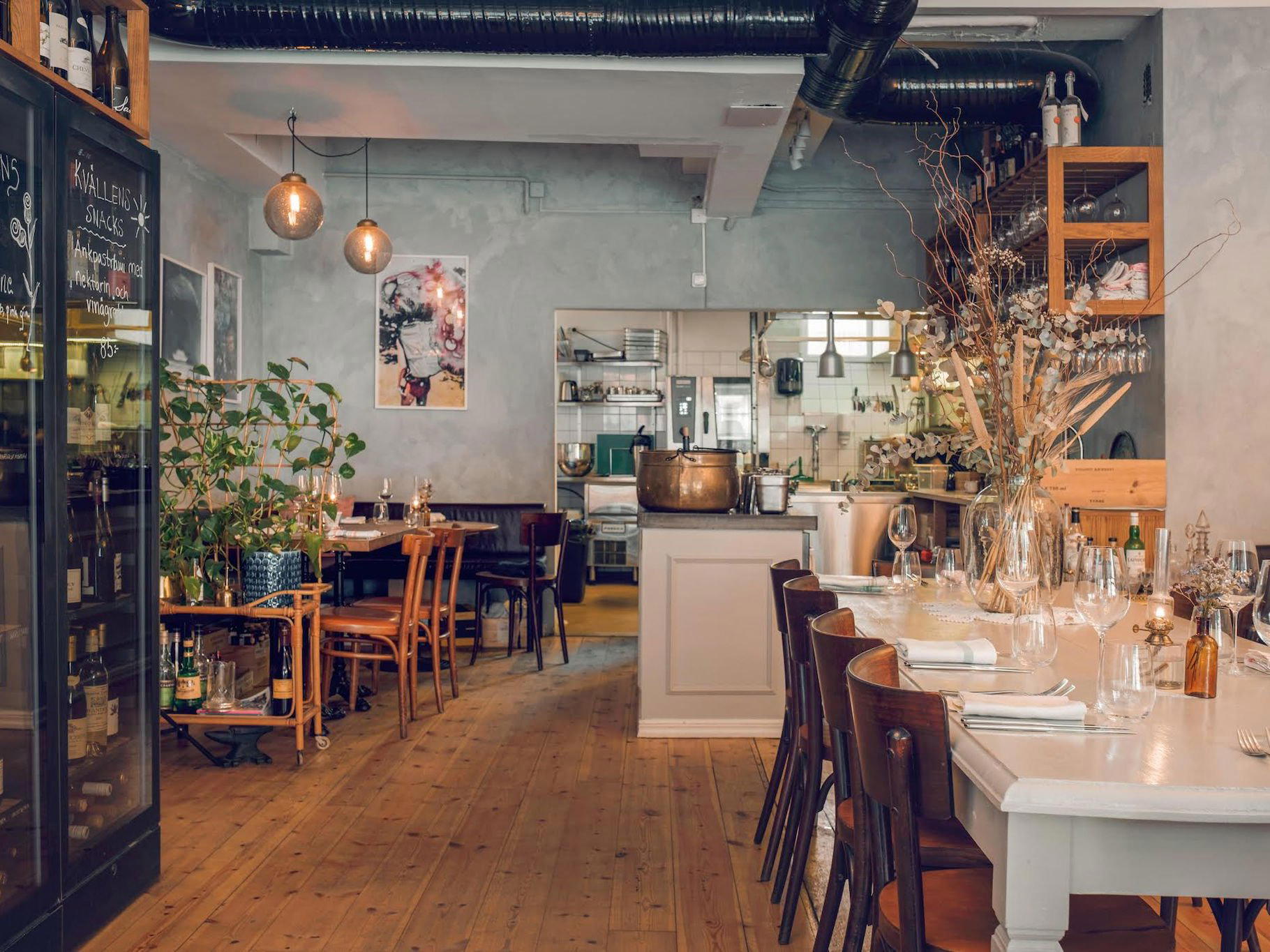
Fancy yet homey interior with lounge-style atmosphere, cozy terrace overlooking busy Delft streets and canal.
Know Before You Go
- Getting there
- Molslaan 39, 2611 RJ Delft, Netherlands