Triptyque



1 Michelin Star · Star Wine List · We're Smart World Top 100 #24
Our verdict
Triptyque occupies the historic town hall of Wateringen, in the heart of the Westland greenhouse belt, where Chef Niven Kunz builds a Michelin-starred menu around an 80/20 vegetable-to-protein ratio. Named the We're Smart Green Guide's Dutch Discovery of the Year 2021, the restaurant makes the case that produce-led fine dining does not require compromise on depth or complexity.

Pearl is the En Primeur Club membership app — saves, bookings, and concierge access live there. Same editors, same standards.
Where the Greenhouse Belt Meets the Plate
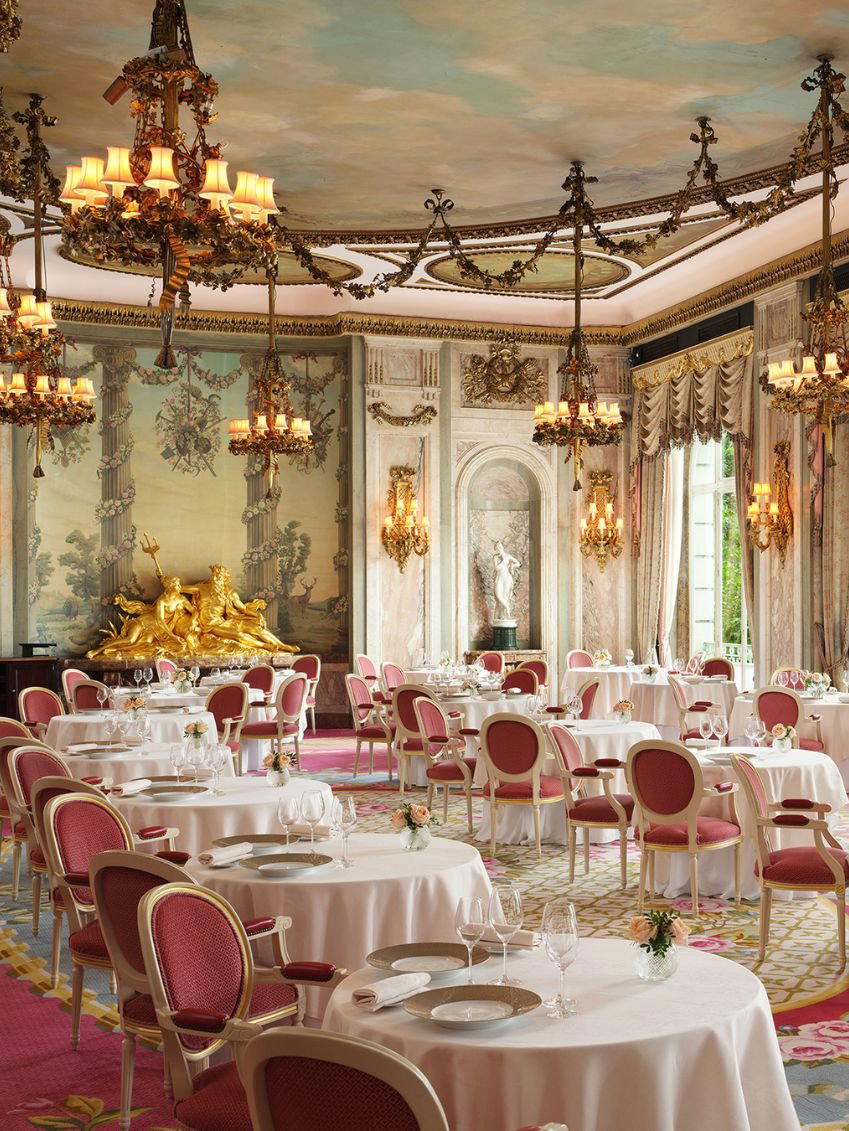
Arriving at Plein 13-G in Wateringen, the setting frames the meal before you reach the table. The building's civic bones sit beneath an interior where dried flowers and natural materials carry a quiet architectural argument: that the landscape immediately outside these walls has something serious to offer a dining room. The Westland is the largest greenhouse horticulture area in Europe, and Triptyque sits at its geographical and philosophical centre.
That context matters more here than at almost any other restaurant in the Netherlands. At venues like Aan de Poel in Amstelveen or Ciel Bleu in Amsterdam, the sourcing story is one element among many. At Triptyque, the sourcing story is the story. The Westland produces a significant share of the vegetables and fruits consumed across the Netherlands and beyond; the restaurant's proposition is that dining within that production zone, with a chef who regularly visits suppliers across the region, produces a different quality of connection between grower and cook.
The 80/20 Framework and What It Produces
Chef Niven Kunz has built his reputation around a structural constraint: vegetables and fruits account for at least 80 percent of every dish. This is not a dietary accommodation bolted onto an otherwise conventional fine-dining framework. It is the engine of the menu's creative logic. The result is a style of cooking that asks more of its primary ingredients than most kitchens do of their proteins. Multi-day preparation processes transform common produce into preparations of significant technical complexity. A carrot, worked over several days, becomes a plant-based steak tartare that resembles and reads like the animal original, with pickle gel and croutons completing the structural illusion. That kind of outcome requires both technique and an intimate knowledge of what the raw material can do under sustained pressure.
Within the Dutch produce-led fine-dining space, this places Triptyque in a specific peer group. De Nieuwe Winkel in Nijmegen has built a comparable reputation for vegetable-forward tasting menus, operating at the €€€€ tier and holding strong recognition from the same We're Smart Green Guide circuit. Triptyque sits at €€€, which positions it as the more accessible entry point into this category of serious produce-led cooking without the full escalation in price that the top tier demands. Where De Librije in Zwolle and Fred in Rotterdam anchor their menus in classical technique applied to premium proteins, Triptyque is doing something structurally different: making produce the protagonist at every course.
Sourcing as Editorial Position
The We're Smart Green Guide is the most specific trust signal available in European vegetable-forward fine dining, and Kunz's relationship with it predates Triptyque. His previous restaurant, Niven, received the Green Guide's Leading Vegetable Restaurant recognition in 2013, placing him among the first Dutch chefs to hold that designation. The recognition followed him to this address: Triptyque was named the Dutch Discovery of the Year 2021 by the same guide. The Michelin star, awarded in 2024, layered conventional fine-dining validation on top of what was already a well-established specialist credential.
The significance of operating inside the Westland rather than importing from it cannot be overstated. The Westland's greenhouse infrastructure produces year-round, which changes the seasonal calculus that most fine-dining menus manage. A chef with direct supplier relationships in this region has access to product windows and varietal specificity that chefs in Amsterdam or Rotterdam must negotiate at greater distance. Kunz's documented pattern of crossing the region to visit suppliers directly is a sourcing approach that generates menu intelligence before it generates menu content.
This connects Triptyque to a broader pattern visible across Dutch fine dining: chefs who have tied their identity to a specific production region rather than a culinary tradition tend to build menus with more internal consistency. Inter Scaldes in Kruiningen is the most obvious Zeeland parallel, where proximity to coastal producers defines the menu's character. At Triptyque, the equivalent logic runs through greenhouse horticulture rather than seafood, but the structural argument is the same: place-based sourcing produces a coherent culinary identity that technique alone cannot replicate.
Menu Architecture and the Plant-Based Option
The menu accommodates a fully plant-based format without repositioning as a separate offering. This is worth noting because many Michelin-starred kitchens treat plant-based requests as a modification rather than a parallel preparation of equivalent ambition. The 80/20 framework means that Triptyque's kitchen is already building most of its flavour architecture from produce, so the shift to fully plant-based requires less structural compromise than it would in a kitchen where proteins anchor the dominant preparations. The sauces, described as rich and providing a powerful foundation to the cooking, do the work that proteins might otherwise carry in terms of depth and weight on the palate.
Creative restaurants at the €€€€ tier, including De Lindehof in Nuenen and Brut172 in Reijmerstok, tend to build plant-forward options as supplements to a protein-led core. Triptyque's inversion of that structure is the meaningful distinction in its category. The wine pairing, noted as outstanding in the available record, anchors the experience in conventional fine-dining terms while the food moves in a different direction.
The Room and the Service Logic
The interior design at Triptyque reinforces rather than contradicts the sourcing argument. Dried flowers and natural materials with an elegant undertone create a room that feels connected to production without aestheticising it into theme. This is a different register than the raw-material brutalism that some produce-led restaurants use to signal their values, and it is probably the more sustainable long-term choice: diners at the €€€ tier expect a certain visual and tactile comfort that the room delivers without abandoning its references to the surrounding agricultural region.
The front-of-house is led by Virginie van Bronckhorst-Kunz, whose role in shaping the hospitality register is documented as oriented toward a connection with the natural environment. In a restaurant where the menu makes large intellectual claims about produce and sourcing, service that can articulate and contextualise those claims without lecturing is the difference between a dinner that lands as philosophy and one that lands as sermon. The €€€ price point, relative to comparable creative tasting-menu restaurants in the Netherlands, keeps that intellectual proposition accessible to a wider range of guests than the €€€€ tier allows.
Planning Your Visit
Wateringen is a small municipality within the Westland region, southwest of The Hague. Reaching the restaurant from The Hague takes roughly 20 minutes by car, and the address at Plein 13-G places it in the town centre, adjacent to the historic town hall. Triptyque operates at a scale where demand typically runs ahead of availability, and booking well in advance is the practical approach for weekend sittings in particular. The €€€ price tier positions the menu within reach of a standard fine-dining budget for the region, though wine pairing will move the final figure upward. Guests with dietary requirements, including those seeking a fully plant-based menu, should communicate this at the time of booking.
For broader context on the area, our full Wateringen restaurants guide covers the regional dining picture, while our Wateringen hotels guide covers accommodation options nearby. Those spending more time in the Westland and broader South Holland corridor may also want to reference our Wateringen bars guide, our Wateringen wineries guide, and our Wateringen experiences guide for a fuller picture of what the region offers beyond the table. Elsewhere in Dutch creative fine dining, De Bokkedoorns in Overveen, De Lindenhof in Giethoorn, and 't Amsterdammertje in Loenen aan de Vecht and Codium in Goes represent comparable price-tier creative cooking worth considering for a broader Netherlands itinerary.
Frequently asked questions
Would Triptyque be comfortable with kids?
Triptyque is a Michelin-starred, €€€ creative tasting-menu restaurant set inside Wateringen's historic town hall. The format, pacing, and formal setting are oriented toward adult dining. Families with young children would likely find the experience a poor fit.
What kind of setting is Triptyque?
The restaurant occupies Wateringen's historic town hall at Plein 13-G, placing it at the centre of the Westland region — the largest greenhouse horticulture area in Europe. Inside, the decor uses natural materials and dried flowers to extend the sourcing narrative into the room itself, with hostess Virginie van Bronckhorst-Kunz managing the floor alongside chef Niven Kunz.
Does Triptyque have a Michelin star or similar recognition?
Triptyque has received recognition including: Triptyque is located in the historic town hall of Wateringen. While visiting this venue, you are in the heart of the “Westland”, the largest greenhouse horticulture area in Europe, that has long been...; Chef Niven Kunz was with his former ….
What dish is Triptyque famous for?
The carrot steak tartare is the preparation most associated with Triptyque's identity. Developed through a multi-day process, it replicates the appearance and flavour of beef tartare using only carrot, finished with pickle gel and crunchy croutons. It is a direct expression of Kunz's 80/20 philosophy, which requires vegetables and fruit to make up at least 80 percent of every dish.
Side-by-Side Snapshot
| Venue | Cuisine | Price | Awards |
|---|---|---|---|
| TriptyqueThis venue (the venue you are viewing) | Modern Dutch Vegetable-Focused Fine Dining | $150–200 | 1 Michelin Star · Star Wine List |
| De Librije | Modern Cuisine | Not listed | Michelin 3 Star |
| Aan de Poel | Creative | Not listed | Michelin 2 Star |
| De Lindehof | Contemporary Dutch, Creative | Not listed | Michelin 2 Star |
| Fred | Creative French | Not listed | Michelin 2 Star |
| De Nieuwe Winkel | Organic | Not listed | Michelin 2 Star |
Recognition history
Dated appearances from independent guides and award organizations, with the underlying list record or original source where available.
Michelin 1 Star
Michelin
Star Wine List
Star Wine List
We're Smart World Top 100 #24
We're Smart World
Full recognition history (5 entries)
We're Smart World 5 Radishes
We're Smart World
Michelin 1 Star
Michelin
Continue exploring
More in Wateringen
Restaurants in Wateringen
All restaurants in Wateringen →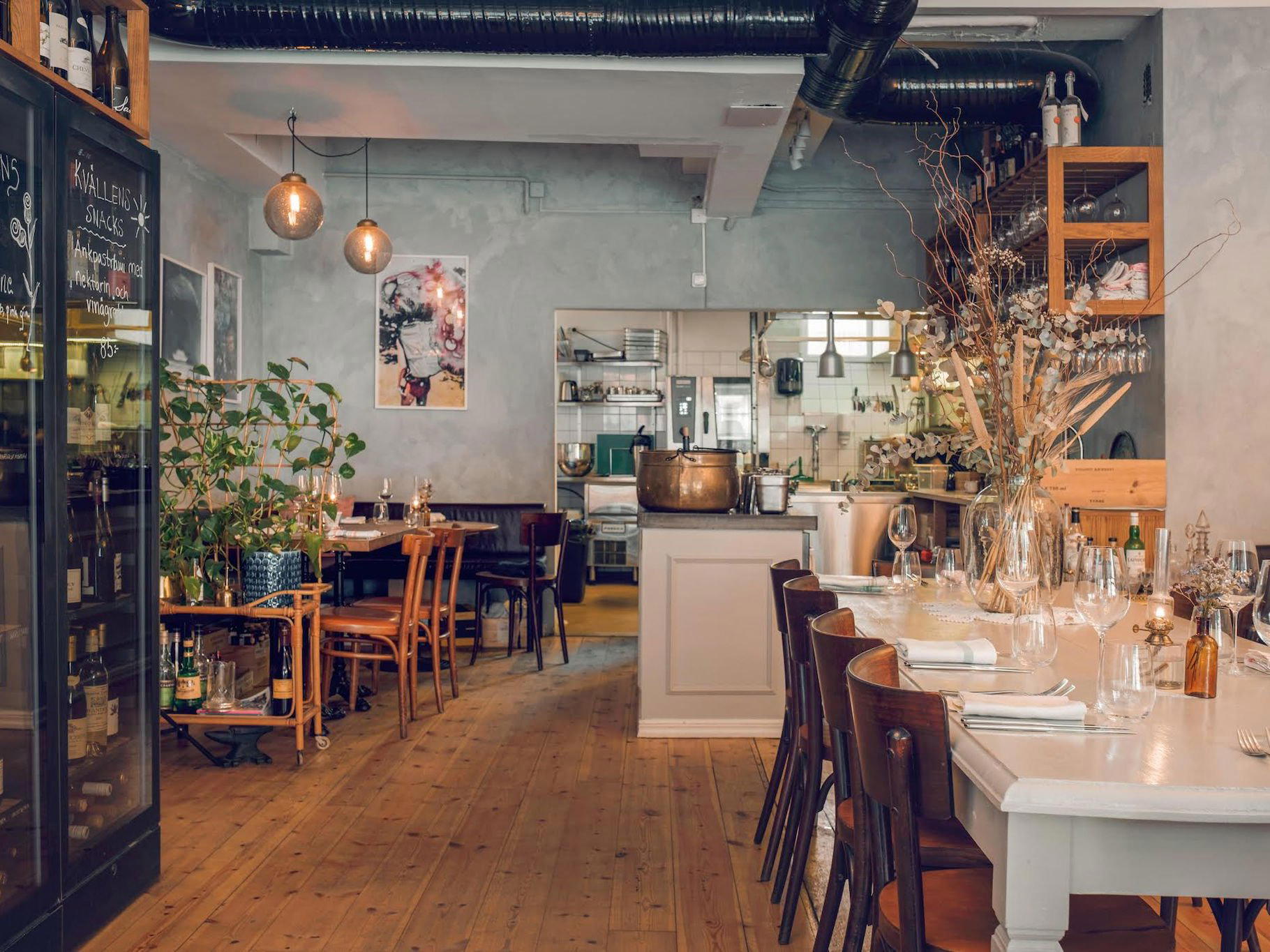
Bars in Wateringen
Browse all →
Hotels in Wateringen
Browse all →
Wineries in Wateringen
Browse all →
Triptyque
The wine
- Wine program
- Deep wine list
- Extensive wine list
- Sommelier-led
Details
- Elegant
- Cozy
- Sophisticated
- Modern
- Date Night
- Special Occasion
- Historic Building
- Extensive Wine List
- Sommelier Led
- Farm To Table
- Local Sourcing
- Tasting Menu
- Wine
- Vegetarian Friendly
- Vegan Options
Current opening hours
- Monday
- Closed
- Tuesday
- Closed
- Wednesday
- 6 PM–12 AM
- Thursday
- 6 PM–12 AM
- Friday
- 6 PM–12 AM
- Saturday
- 6 PM–12 AM
- Sunday
- Closed
Hours can change for holidays and private events. Last verified .
Stylish interior with natural materials, subtle lighting, dried flowers, and a warm, relaxed, hospitable atmosphere.